State Bar Of Texas In Florida
Description
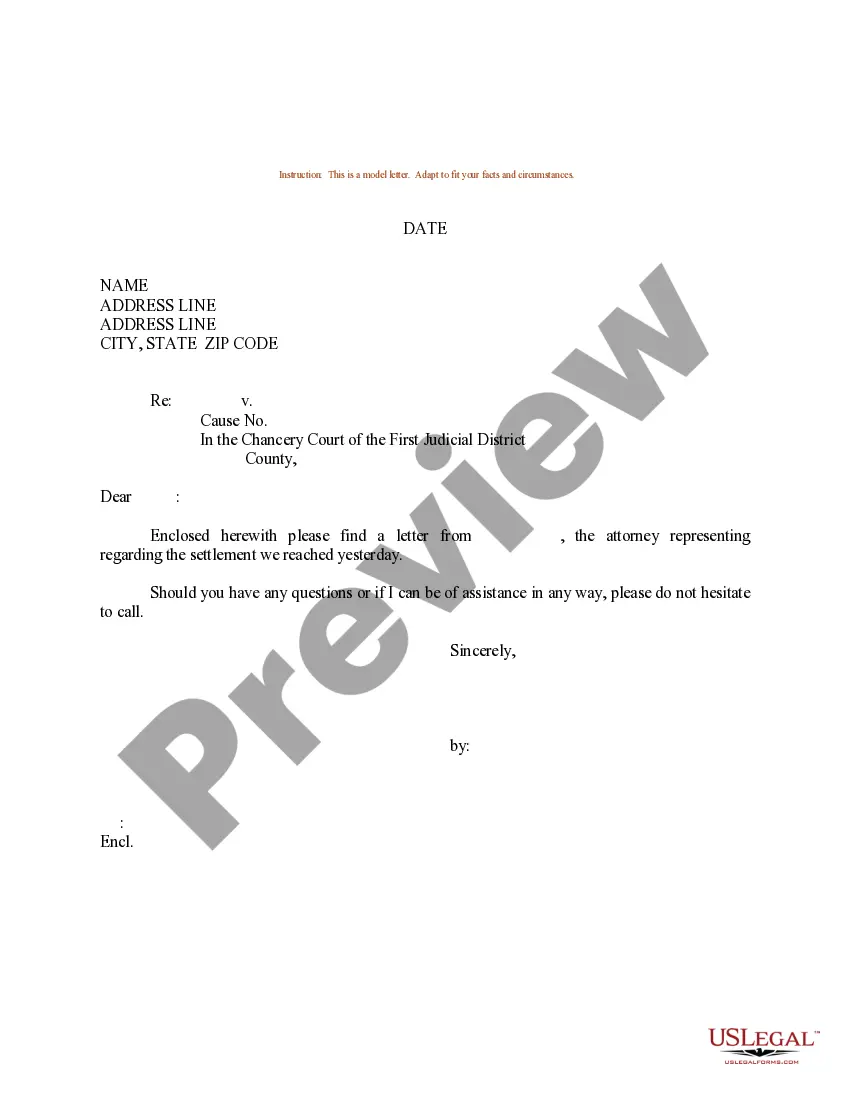
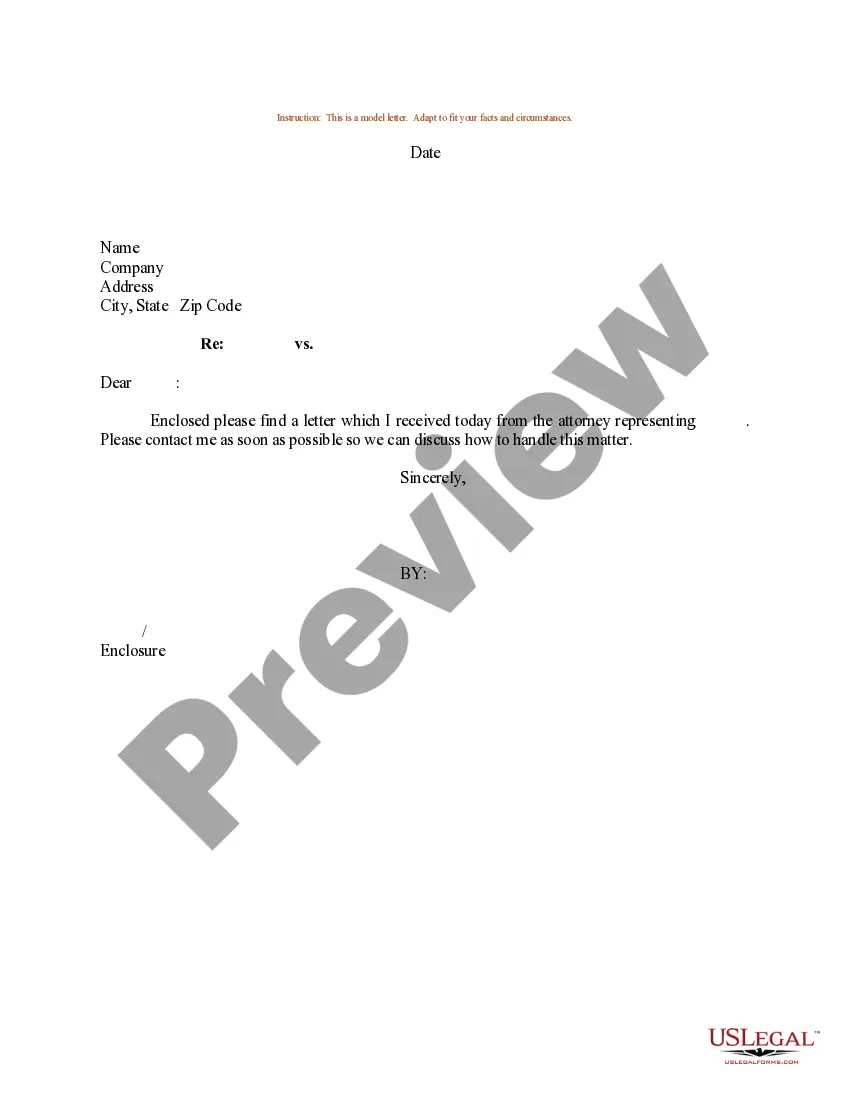
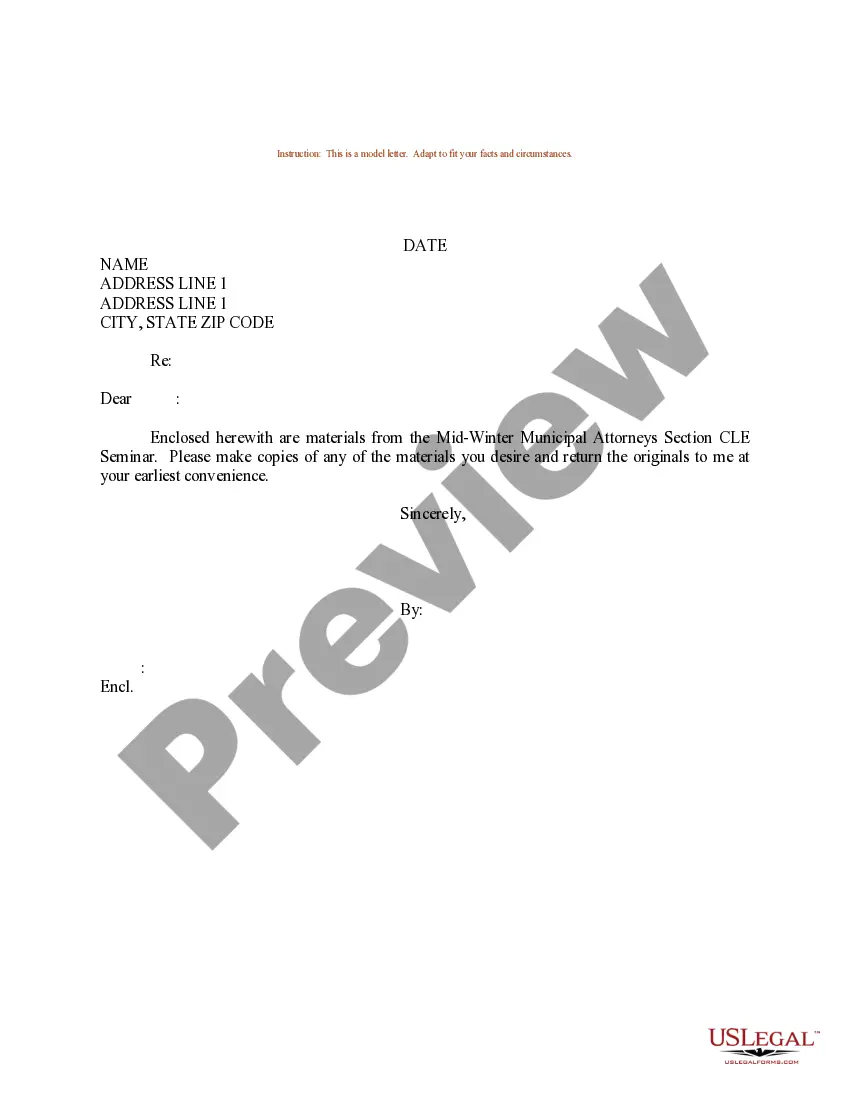
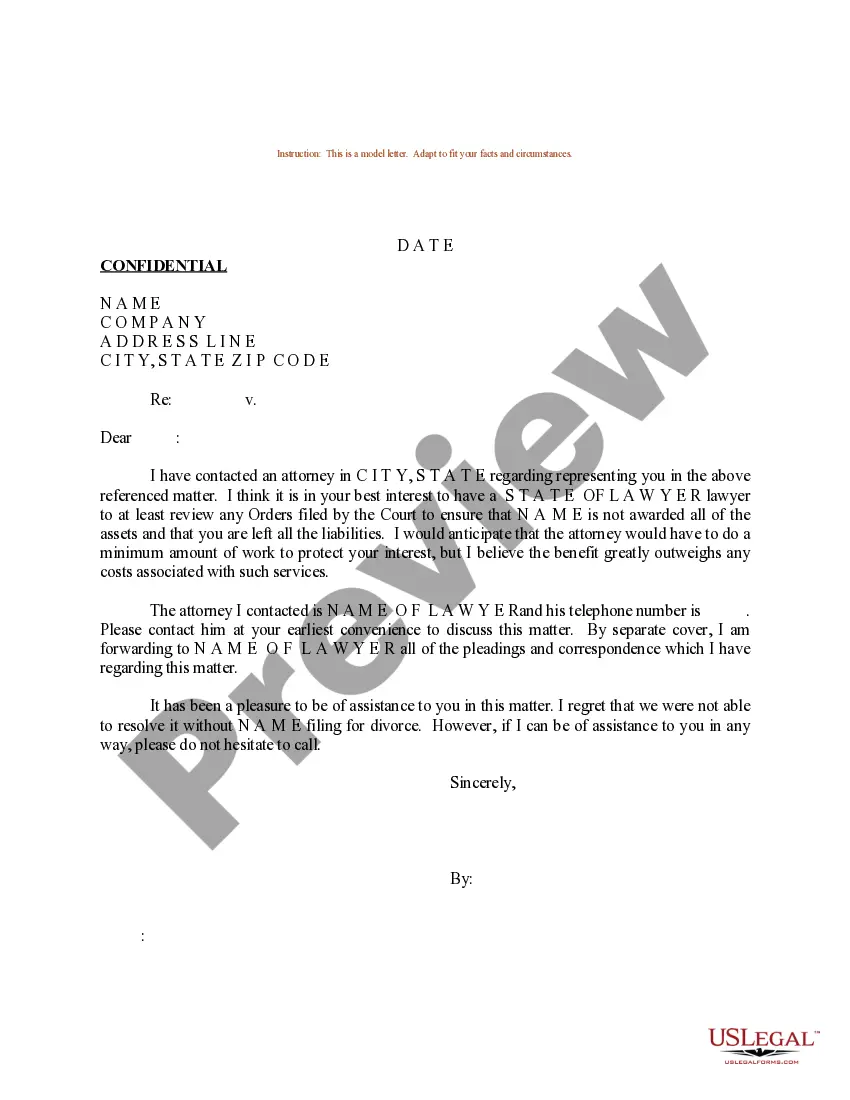
Get your form ready online
Our built-in tools help you complete, sign, share, and store your documents in one place.
Make edits, fill in missing information, and update formatting in US Legal Forms—just like you would in MS Word.
Download a copy, print it, send it by email, or mail it via USPS—whatever works best for your next step.
Sign and collect signatures with our SignNow integration. Send to multiple recipients, set reminders, and more. Go Premium to unlock E-Sign.
If this form requires notarization, complete it online through a secure video call—no need to meet a notary in person or wait for an appointment.
We protect your documents and personal data by following strict security and privacy standards.

Make edits, fill in missing information, and update formatting in US Legal Forms—just like you would in MS Word.

Download a copy, print it, send it by email, or mail it via USPS—whatever works best for your next step.

Sign and collect signatures with our SignNow integration. Send to multiple recipients, set reminders, and more. Go Premium to unlock E-Sign.

If this form requires notarization, complete it online through a secure video call—no need to meet a notary in person or wait for an appointment.

We protect your documents and personal data by following strict security and privacy standards.
Looking for another form?



Form popularity
FAQ
The mission of the State Bar of Texas is to support the administration of the legal system, assure all citizens equal access to justice, foster high standards of ethical conduct for lawyers, enable its members to better serve their clients and the public, educate the public about the rule of law and promote diversity ...
The State Bar of Texas is a unique entity in that it serves both as a professional organization for lawyers and as an arm of the Texas Supreme Court, a government entity.
Located in the Capitol Complex at 15th and Colorado streets in Austin, the Texas Law Center is the State Bar's headquarters. It is near the Supreme Court Building and State Capitol. The Law Center also houses the Governor Bill and Vara Daniel Center for Legal History, which features changing displays of legal history.
Does Florida have reciprocity with any other jurisdiction? Unfortunately, no Florida does not accept a law license from any other state. Lawyers that move to Florida from other states need to apply for the Florida Bar and take the state's Bar exam in order to become a licensed attorney in the state.
Rule XIII of the Rules Governing Admission to the Bar of Texas governs admission to the Texas Bar for attorneys licensed in other jurisdictions. The process is called Texas Admission Without Examination.
We are located in the Capitol Complex at 15th and Colorado Streets in Austin. The Texas Law Center is the State Bar's headquarters.
There is no reciprocity between Florida and any other jurisdiction. Submission to the Florida Bar Examination and completion of a character and fitness investigation is required of all applicants.
Does Florida have reciprocity with any other jurisdiction? Unfortunately, no Florida does not accept a law license from any other state. Lawyers that move to Florida from other states need to apply for the Florida Bar and take the state's Bar exam in order to become a licensed attorney in the state.
To be admitted pro hac vice, which means for a certain matter only, the attorney must be licensed in a state in the U.S. They can then petition a court in another state to represent a client in a particular matter. The court may grant the petition, deny the petition or grant the petition with qualifications.
The short answer to this question is no – just because you are licensed to practice law in one state does not mean you can practice law in any state.

