Divorce Without Alimony In Tarrant
Description

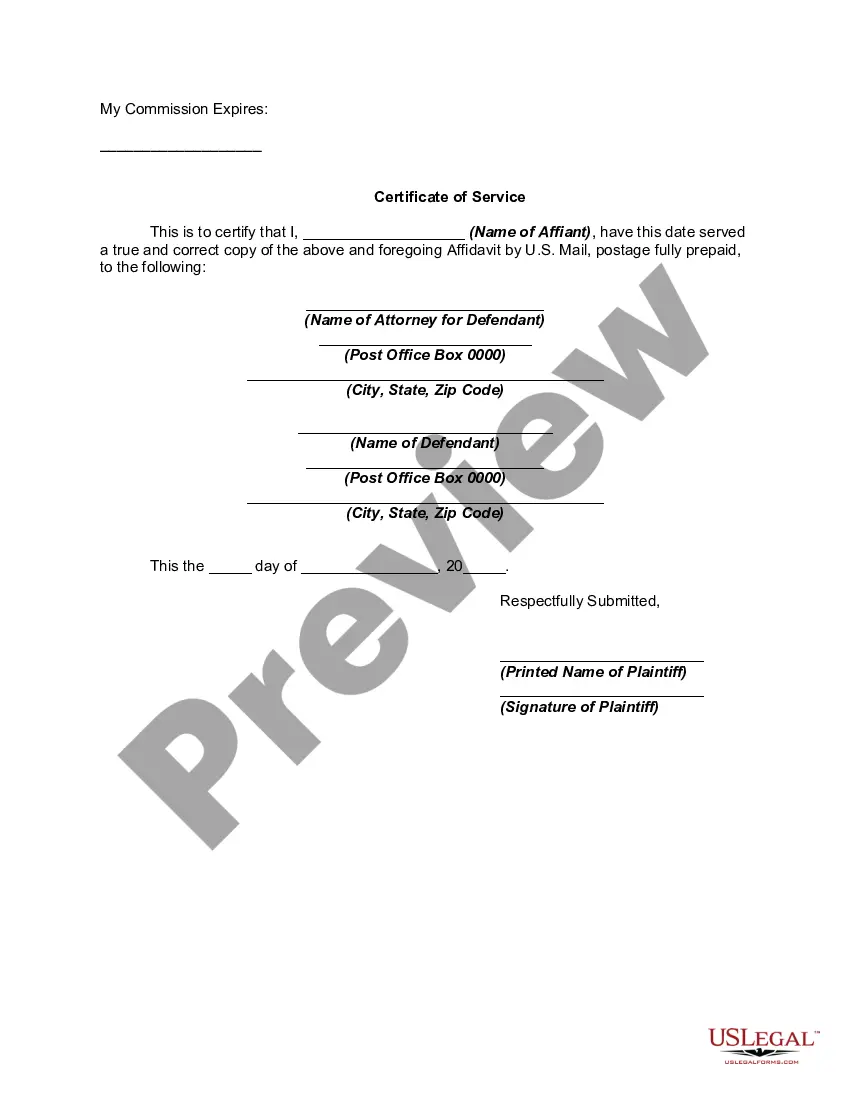




Get your form ready online
Our built-in tools help you complete, sign, share, and store your documents in one place.
Make edits, fill in missing information, and update formatting in US Legal Forms—just like you would in MS Word.
Download a copy, print it, send it by email, or mail it via USPS—whatever works best for your next step.
Sign and collect signatures with our SignNow integration. Send to multiple recipients, set reminders, and more. Go Premium to unlock E-Sign.
If this form requires notarization, complete it online through a secure video call—no need to meet a notary in person or wait for an appointment.
We protect your documents and personal data by following strict security and privacy standards.

Make edits, fill in missing information, and update formatting in US Legal Forms—just like you would in MS Word.

Download a copy, print it, send it by email, or mail it via USPS—whatever works best for your next step.

Sign and collect signatures with our SignNow integration. Send to multiple recipients, set reminders, and more. Go Premium to unlock E-Sign.

If this form requires notarization, complete it online through a secure video call—no need to meet a notary in person or wait for an appointment.

We protect your documents and personal data by following strict security and privacy standards.
Looking for another form?
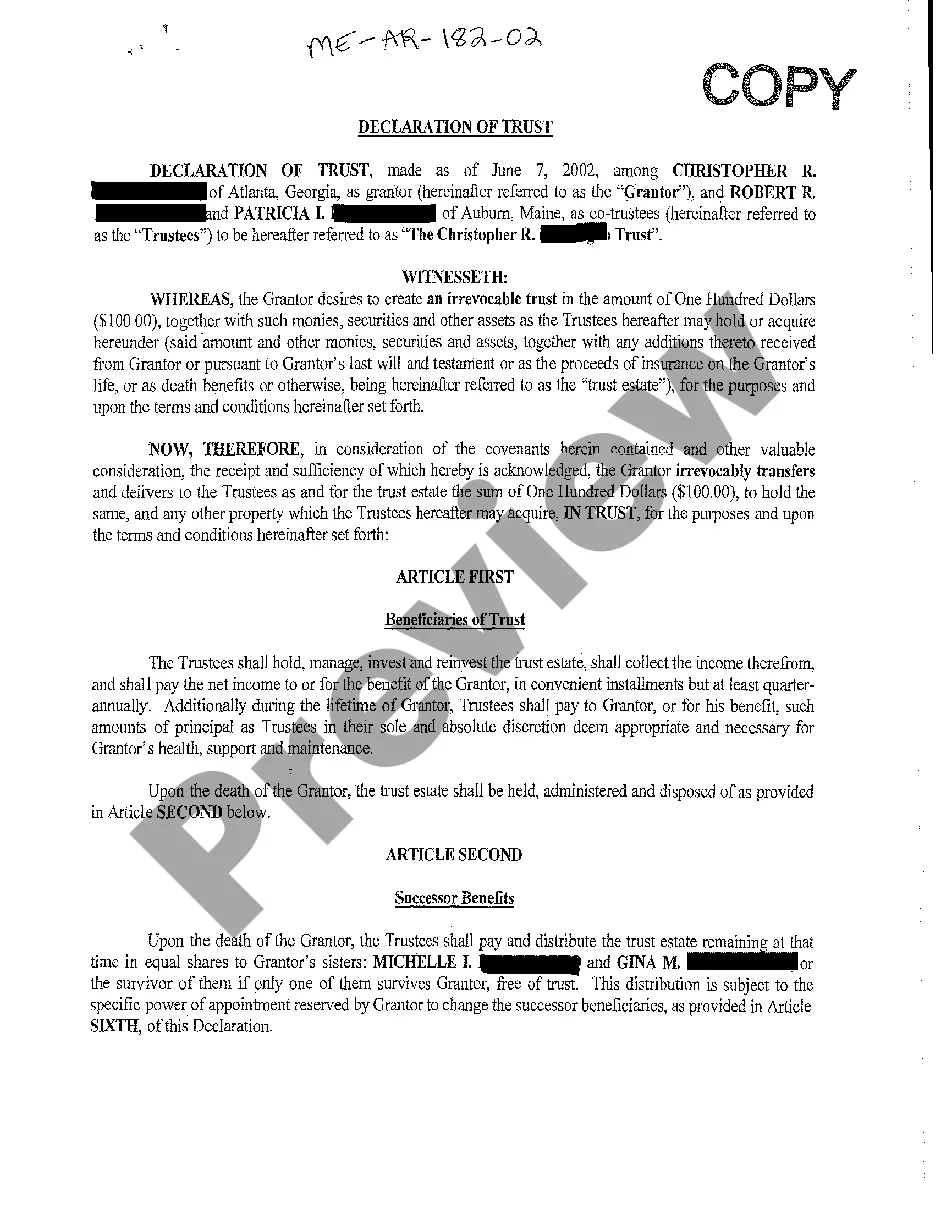
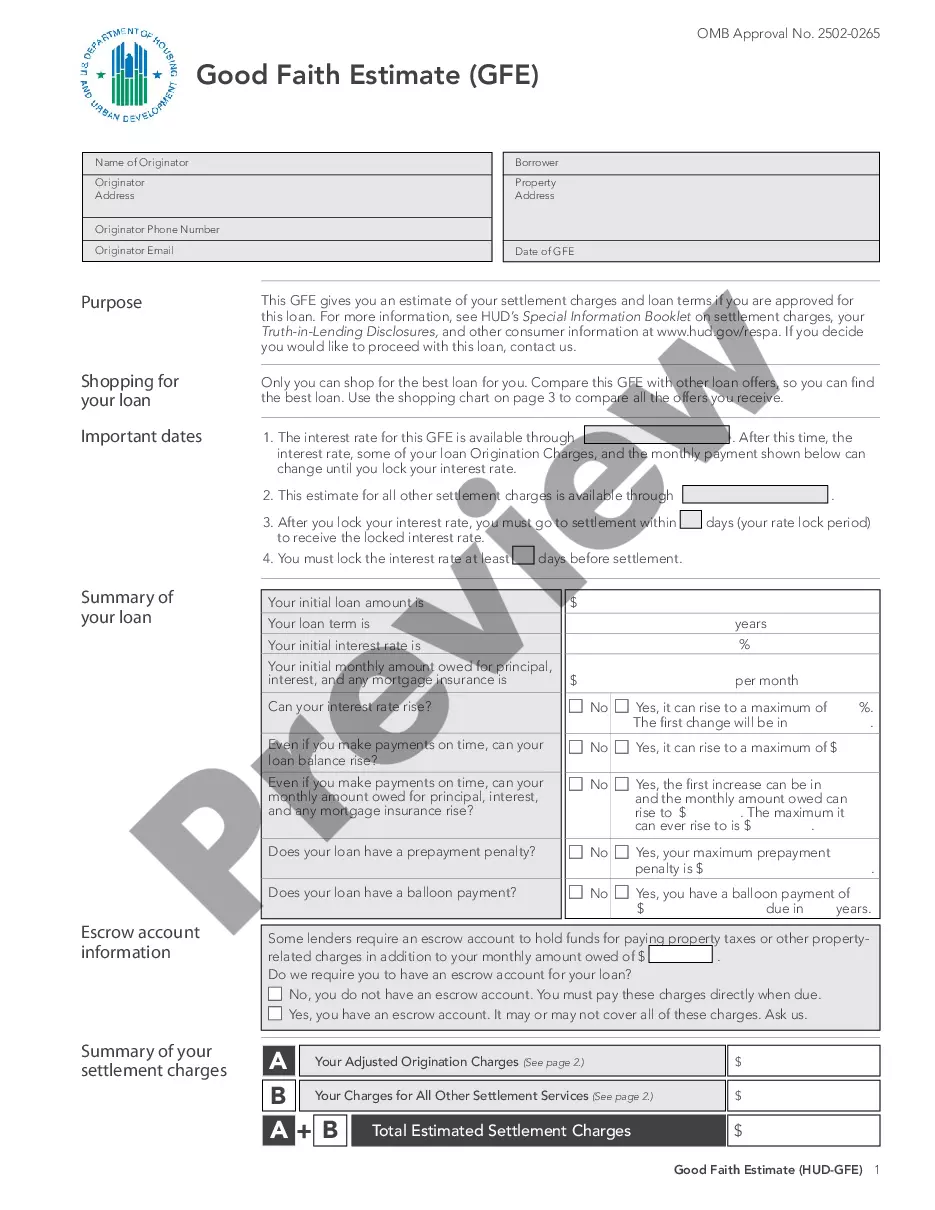






Form popularity
FAQ
Only people listed in Texas Rule of Civil Procedure 103 can serve the papers. This includes a constable, sheriff, or other person authorized by the court or by law.
In a pro se divorce, you can download Texas divorce forms online or get them from the District Clerk's office, complete them on your own, and have an attorney review them before filing them. This allows for a DIY divorce in that you do not need to retain an attorney to represent you in court.
All said, in Tarrant County, you should expect 3 to 6 months in the best circumstances, and a year if both parents aren't in agreement over the final terms.
Yes. Your spouse does not have to sign the final decree for your divorce to be finalized. In Texas, as long as one spouse believes the relationship cannot be fixed, the judge will grant the divorce.
Introduction to the 10-Year Rule. In Texas, the law provides a potential entitlement to spousal support, commonly known as alimony, if the marriage has lasted for at least 10 years.
With the passage of HB 901 in 2011, Texas thankfully loses its status as being the most restrictive state in the country in allowing post-divorce payments of spousal maintenance, commonly called alimony.
In Texas, some things can disqualify you from spousal support. These include: Cohabitation: If you live with someone else in a marriage-like relationship, you may be disqualified for spousal support. Remarriage: If you remarry before your spousal support obligation ends, you may be disqualified for further payments.
The 10-year rule stipulates that a spouse may seek spousal support if the marriage lasted 10 years or longer. However, meeting this duration requirement does not automatically guarantee spousal support but rather makes it a possibility that the court will consider.
All said, in Tarrant County, you should expect 3 to 6 months in the best circumstances, and a year if both parents aren't in agreement over the final terms.