Tx Motion Order Download Without Consent
Description
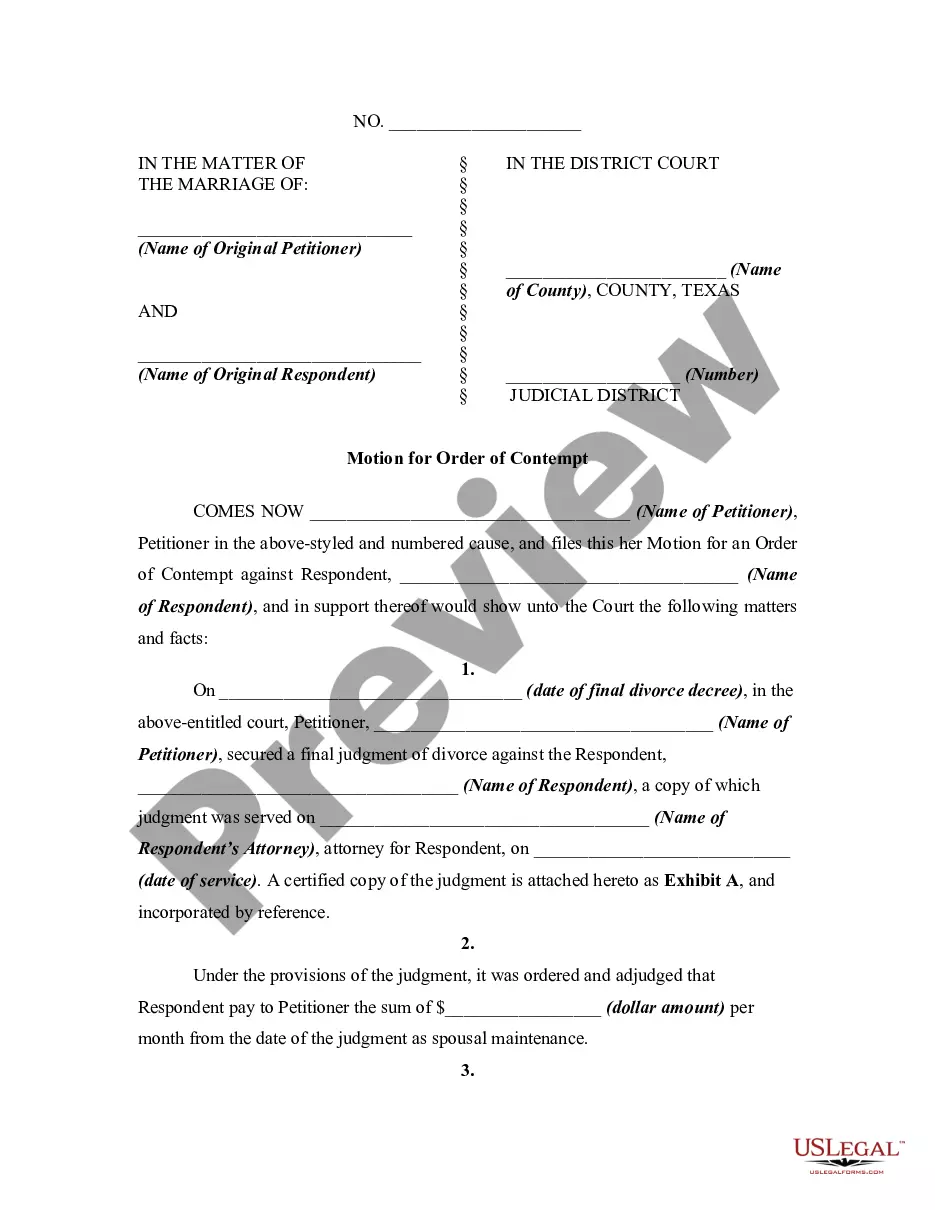
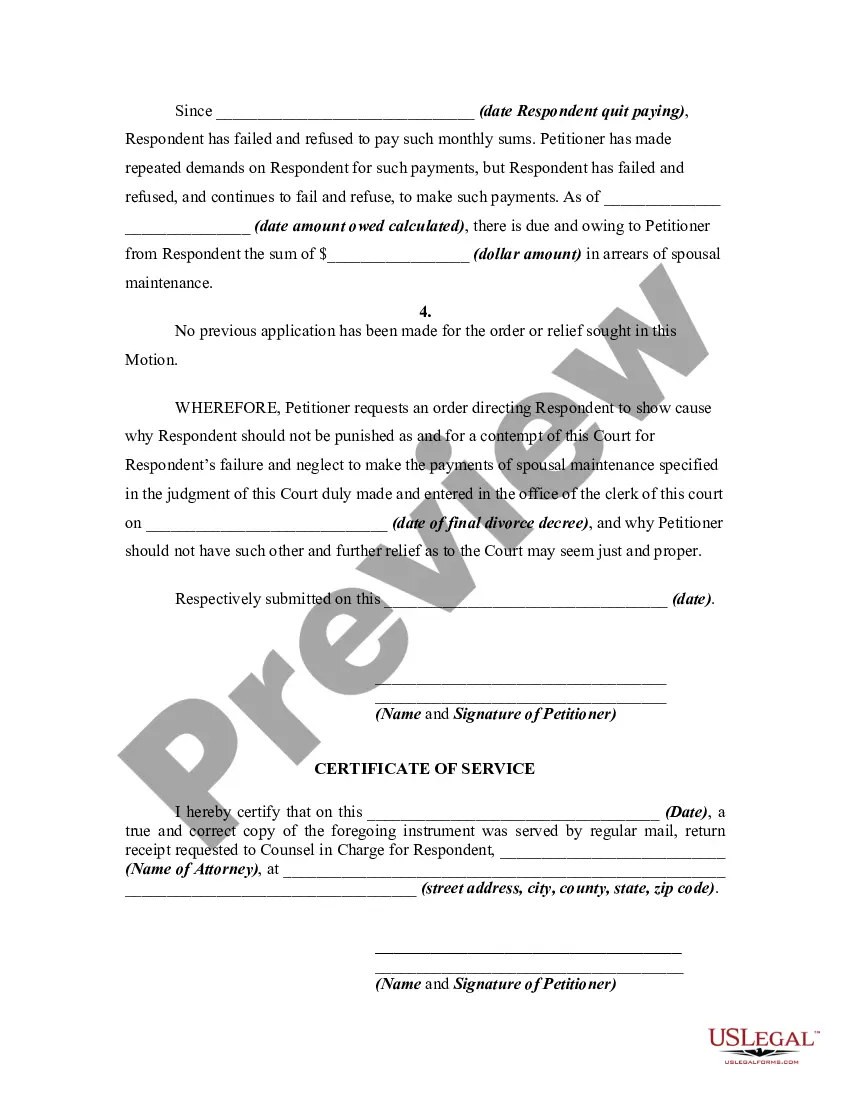

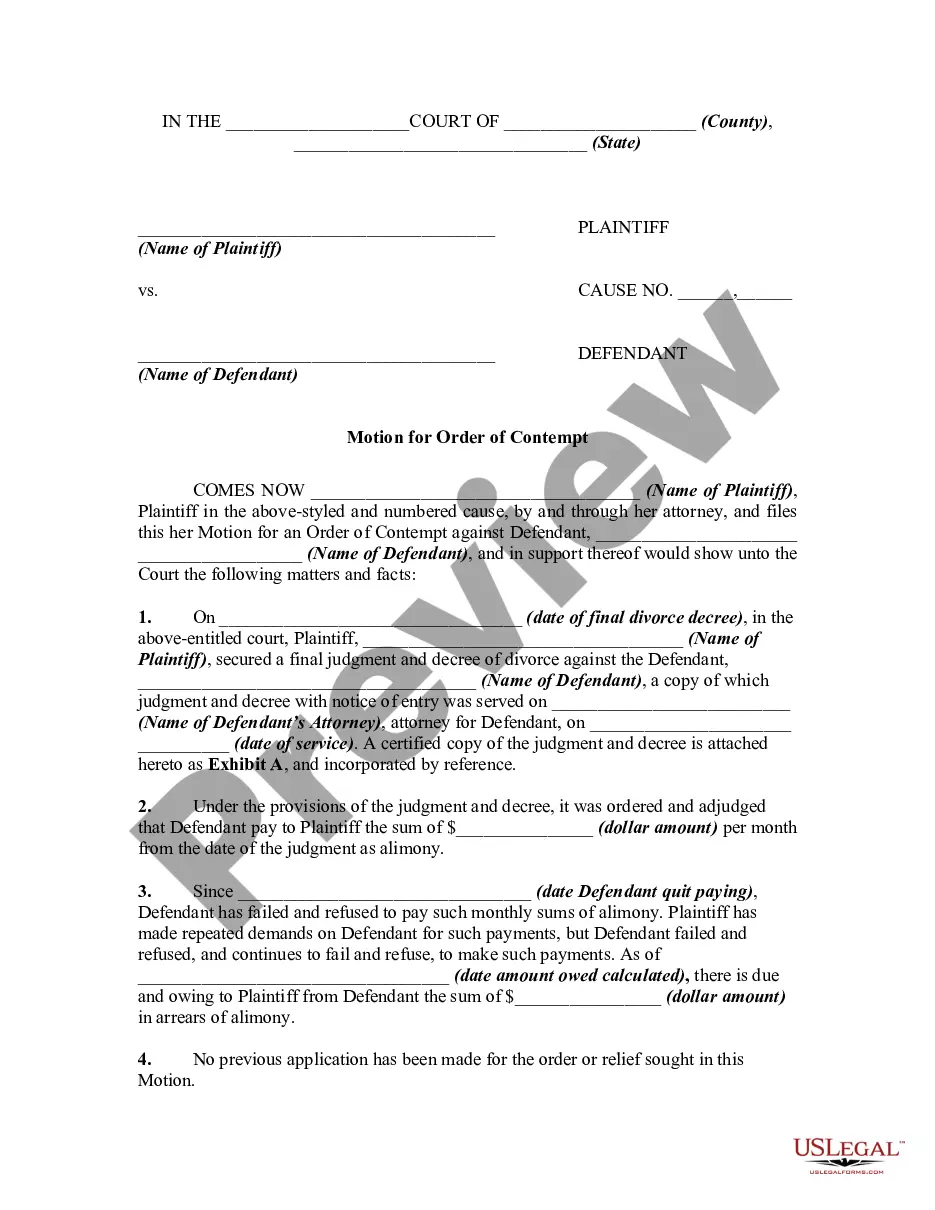
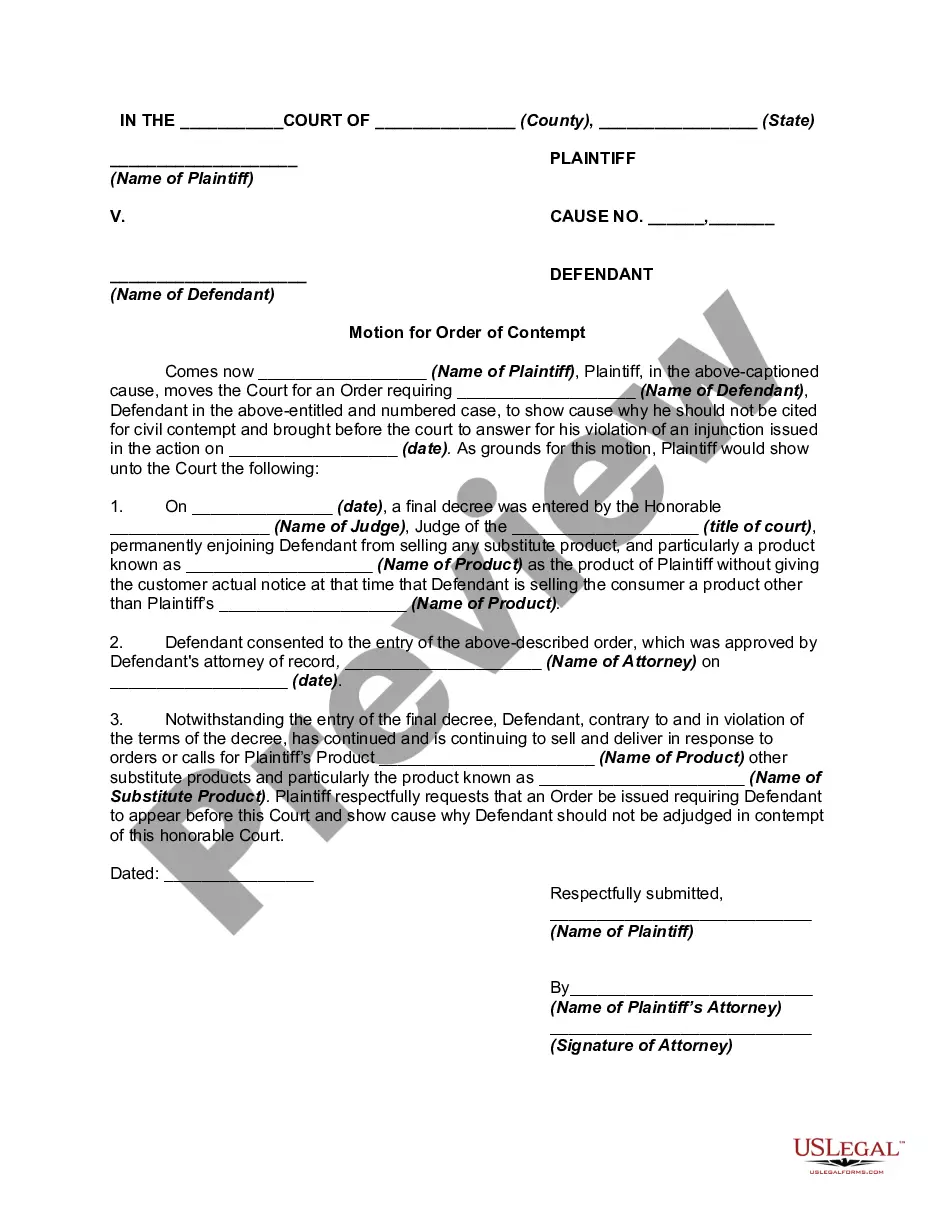
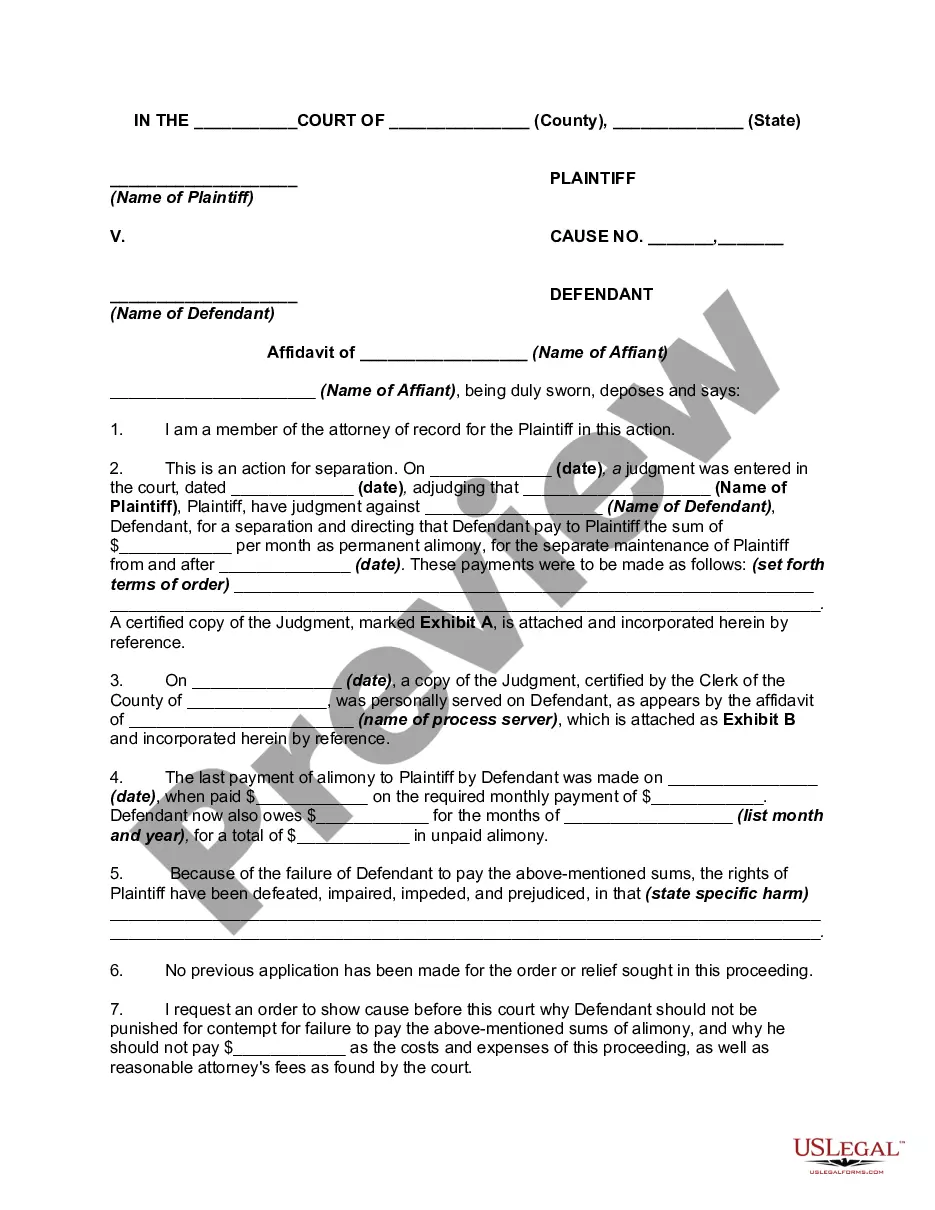
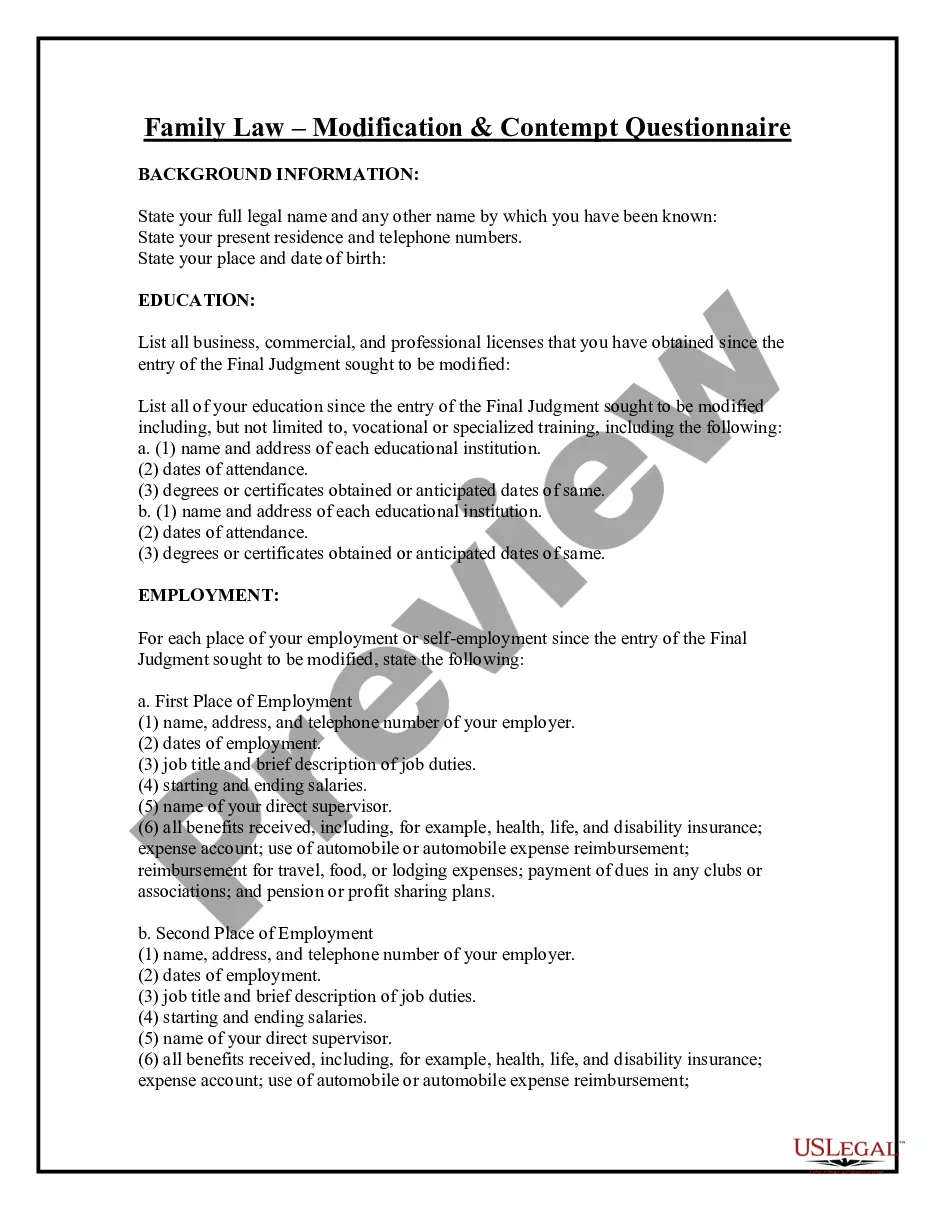
Get your form ready online
Our built-in tools help you complete, sign, share, and store your documents in one place.
Make edits, fill in missing information, and update formatting in US Legal Forms—just like you would in MS Word.
Download a copy, print it, send it by email, or mail it via USPS—whatever works best for your next step.
Sign and collect signatures with our SignNow integration. Send to multiple recipients, set reminders, and more. Go Premium to unlock E-Sign.
If this form requires notarization, complete it online through a secure video call—no need to meet a notary in person or wait for an appointment.
We protect your documents and personal data by following strict security and privacy standards.

Make edits, fill in missing information, and update formatting in US Legal Forms—just like you would in MS Word.

Download a copy, print it, send it by email, or mail it via USPS—whatever works best for your next step.

Sign and collect signatures with our SignNow integration. Send to multiple recipients, set reminders, and more. Go Premium to unlock E-Sign.

If this form requires notarization, complete it online through a secure video call—no need to meet a notary in person or wait for an appointment.

We protect your documents and personal data by following strict security and privacy standards.
Looking for another form?



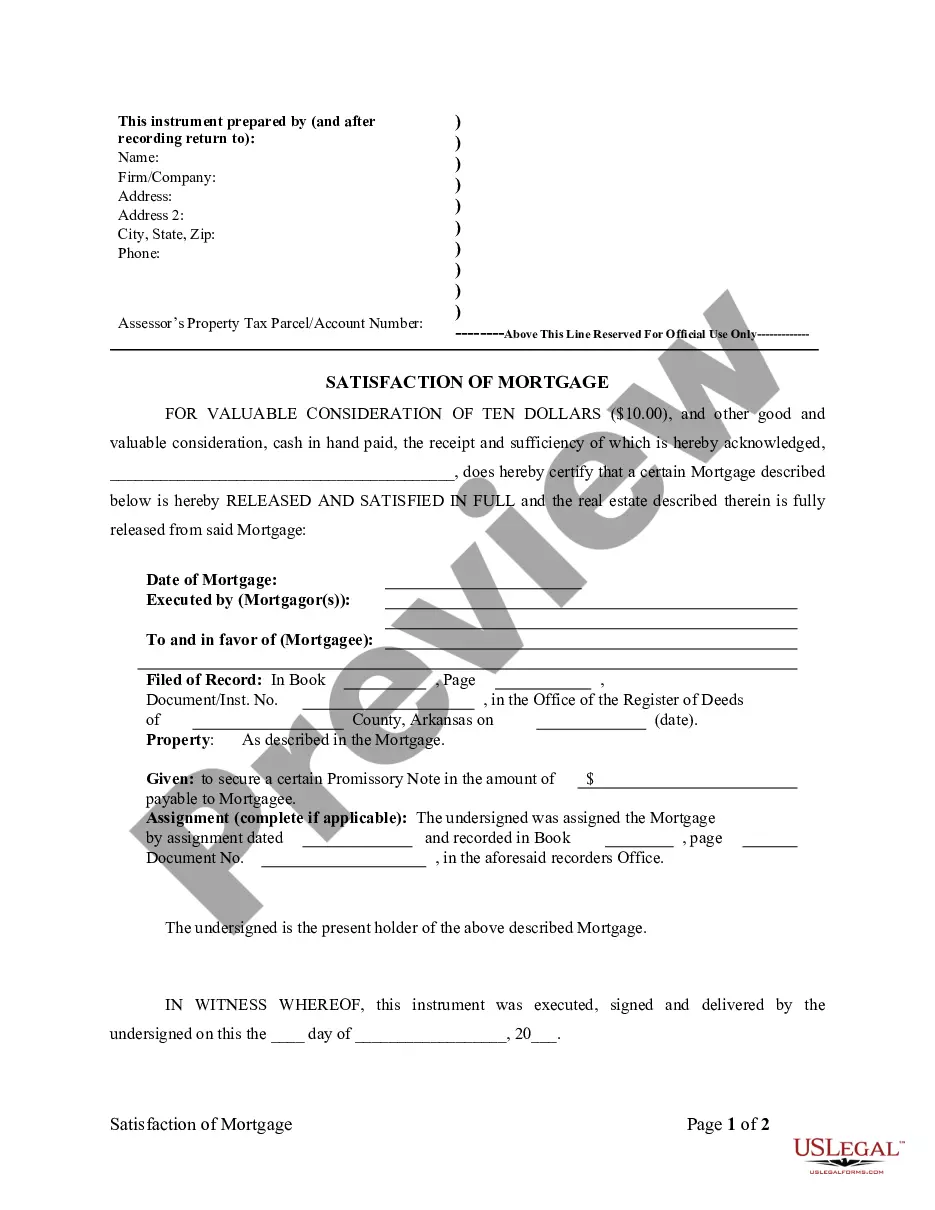
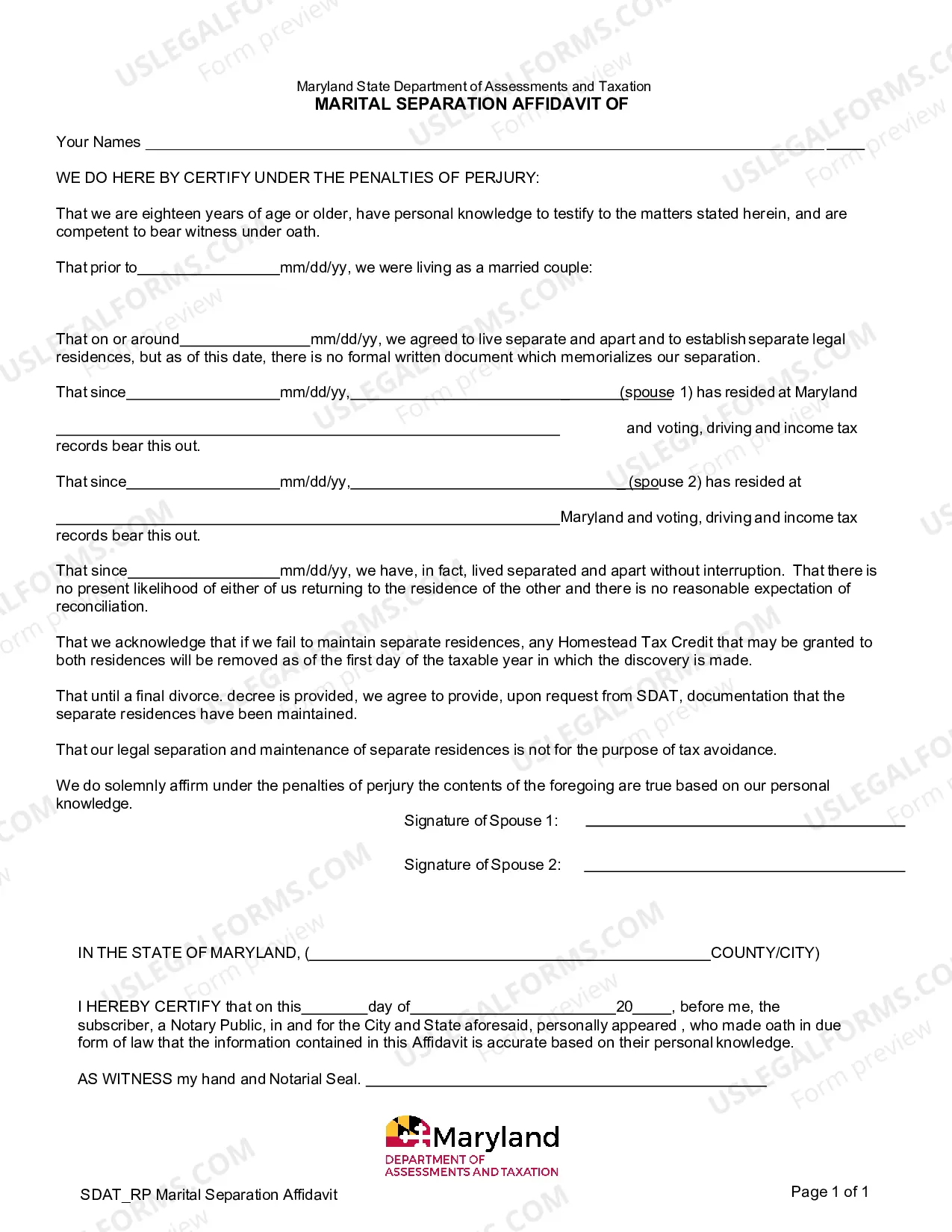

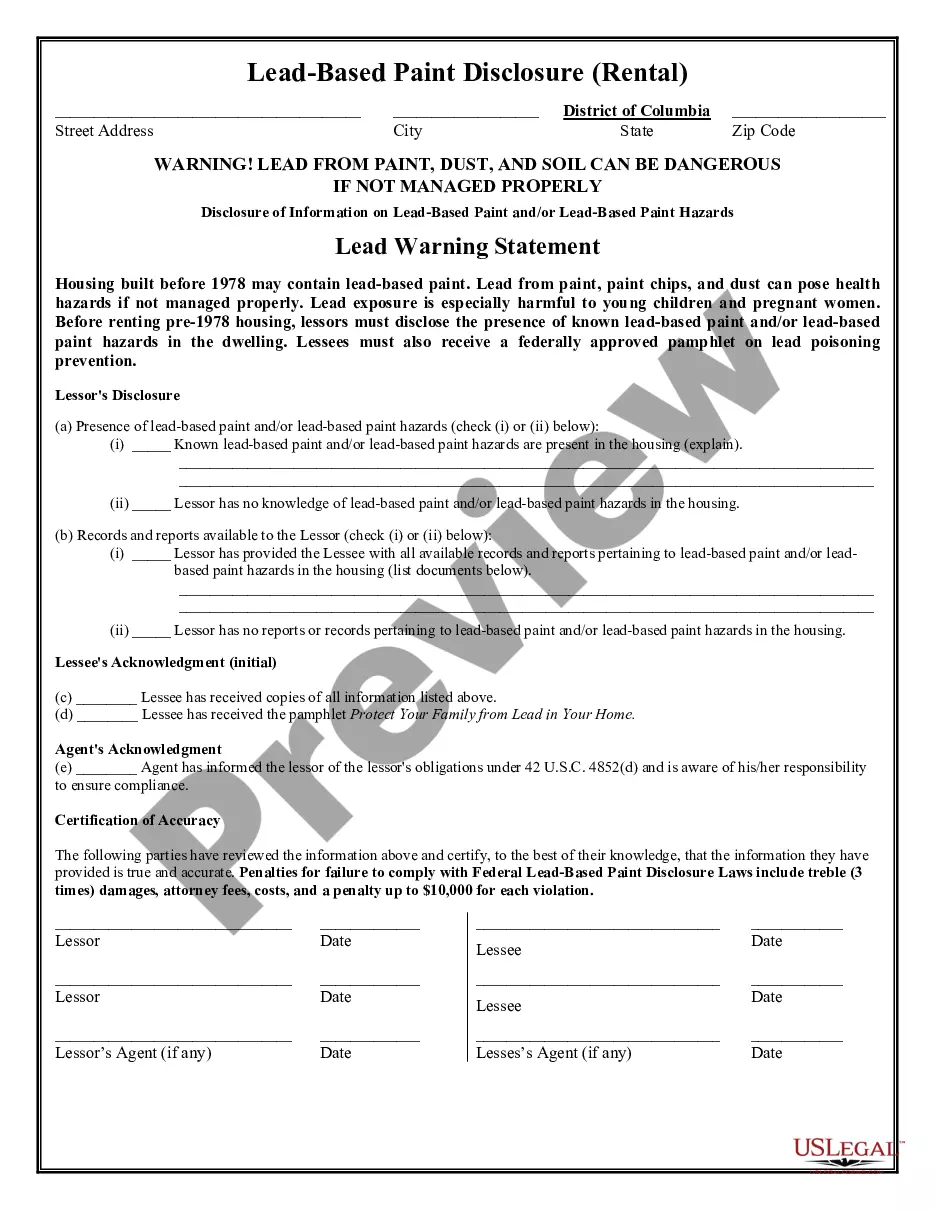

How to fill out Texas Motion For Order Of Contempt For Failure To Pay Spousal Maintenance?
Managing legal affairs can be exasperating, even for experienced specialists.
When seeking a Tx Motion Order Download Without Consent and lacking the time to dedicate to finding the correct and updated version, the experience can be overwhelming.
US Legal Forms meets all your needs, from personal to corporate paperwork, all in one platform.
Utilize cutting-edge features to complete and manage your Tx Motion Order Download Without Consent.
Here are the actions to follow once you have acquired the form you need: Verify it is the correct document by previewing it and reviewing its details. Confirm that the template is valid in your state or county. Click Buy Now when you are ready. Select a monthly subscription option. Choose the format you prefer, and Download, complete, eSign, print, and send your documents. Take pleasure in the US Legal Forms online catalog, backed by 25 years of experience and reliability. Transform your daily document management into a straightforward and user-friendly process today.
- Access a valuable repository of articles, guides, and resources pertinent to your circumstances and needs.
- Conserve time and effort in locating the documents you require, and leverage US Legal Forms’ sophisticated search and Preview tool to obtain Tx Motion Order Download Without Consent.
- If you possess a membership, Log In to your US Legal Forms account, search for the form, and acquire it.
- Visit the My documents tab to review the documents you've previously downloaded and organize your files as desired.
- If this is your initial experience with US Legal Forms, register for an account and enjoy unlimited access to all the platform's advantages.
- A comprehensive online form directory could revolutionize how individuals address these issues effectively.
- US Legal Forms stands as a frontrunner in digital legal documentation, offering more than 85,000 state-specific legal forms at your convenience.
- With US Legal Forms, you have the ability to access local legal and organizational documents tailored to your needs.
Form popularity
FAQ
Effective January 1, 2021, the Texas Supreme Court now permits lower courts to substitute serve defendants by social media, email, or other technology. That means plaintiffs will have much greater means for serving defendants who remain physically elusive but digitally accessible.
You may also go to mediation voluntarily, or you may file a motion asking the court to send you and the other parent to mediation. Find an attorney to file a motion for enforcement on your behalf. You could hire a private attorney or find a legal aid attorney who can help you for free.
You can file a SAPCR case in Texas if: the child has lived in Texas for at least the last 6 months (or since birth) or. Texas was the child's home state and the child has been gone less than 6 months.
Who Can File a SAPCR? A foster parent to the child or children who has been involved in their care for at last one year prior to filing the SAPCR. An individual who has cared for the child or children for the six months prior to filing the SAPCR but is not a foster parent.
Texas law prohibits certain acts that may involve the violation of a court order for child custody. Texas Penal Code § 25.03 recognizes interference with child custody as a criminal offense punishable as a state jail felony.