Tx Motion Form Texas For Discovery
Description

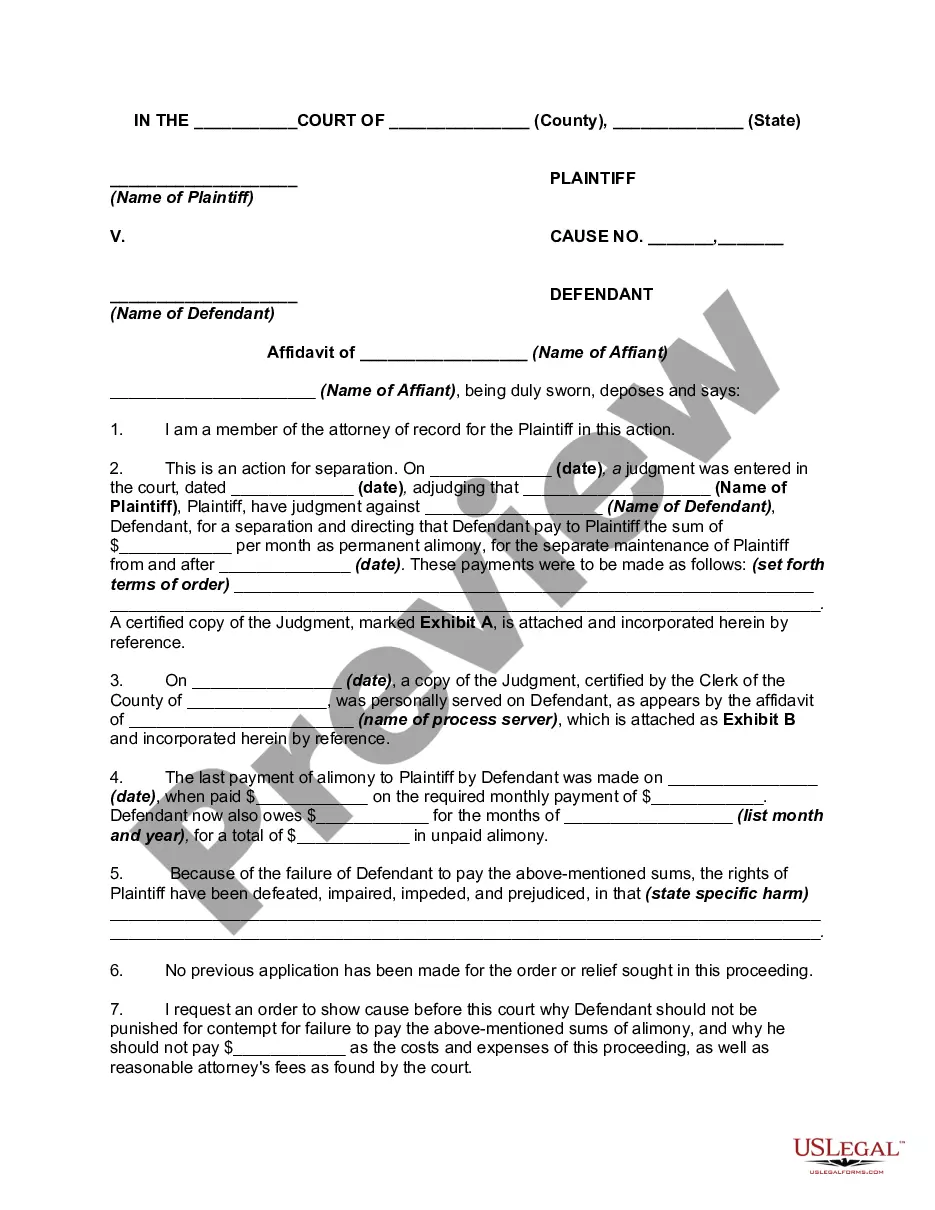
Get your form ready online
Our built-in tools help you complete, sign, share, and store your documents in one place.
Make edits, fill in missing information, and update formatting in US Legal Forms—just like you would in MS Word.
Download a copy, print it, send it by email, or mail it via USPS—whatever works best for your next step.
Sign and collect signatures with our SignNow integration. Send to multiple recipients, set reminders, and more. Go Premium to unlock E-Sign.
If this form requires notarization, complete it online through a secure video call—no need to meet a notary in person or wait for an appointment.
We protect your documents and personal data by following strict security and privacy standards.

Make edits, fill in missing information, and update formatting in US Legal Forms—just like you would in MS Word.

Download a copy, print it, send it by email, or mail it via USPS—whatever works best for your next step.

Sign and collect signatures with our SignNow integration. Send to multiple recipients, set reminders, and more. Go Premium to unlock E-Sign.

If this form requires notarization, complete it online through a secure video call—no need to meet a notary in person or wait for an appointment.

We protect your documents and personal data by following strict security and privacy standards.
Looking for another form?


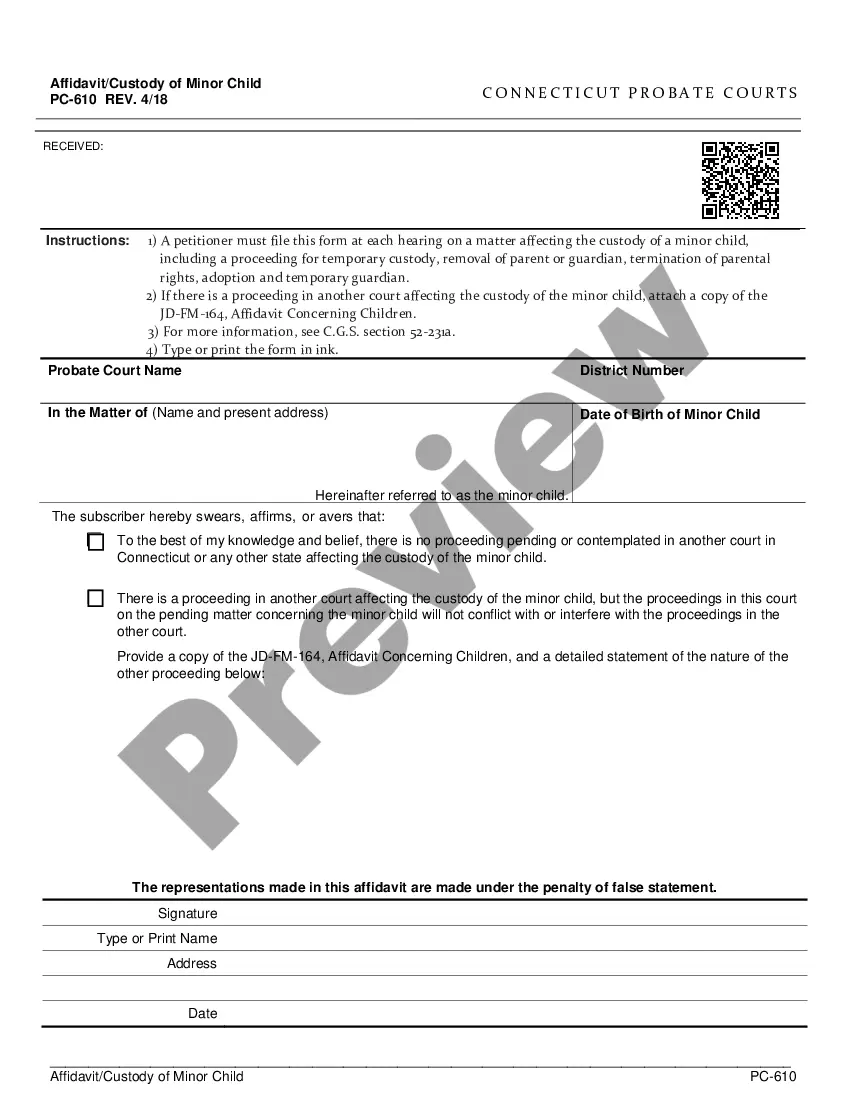
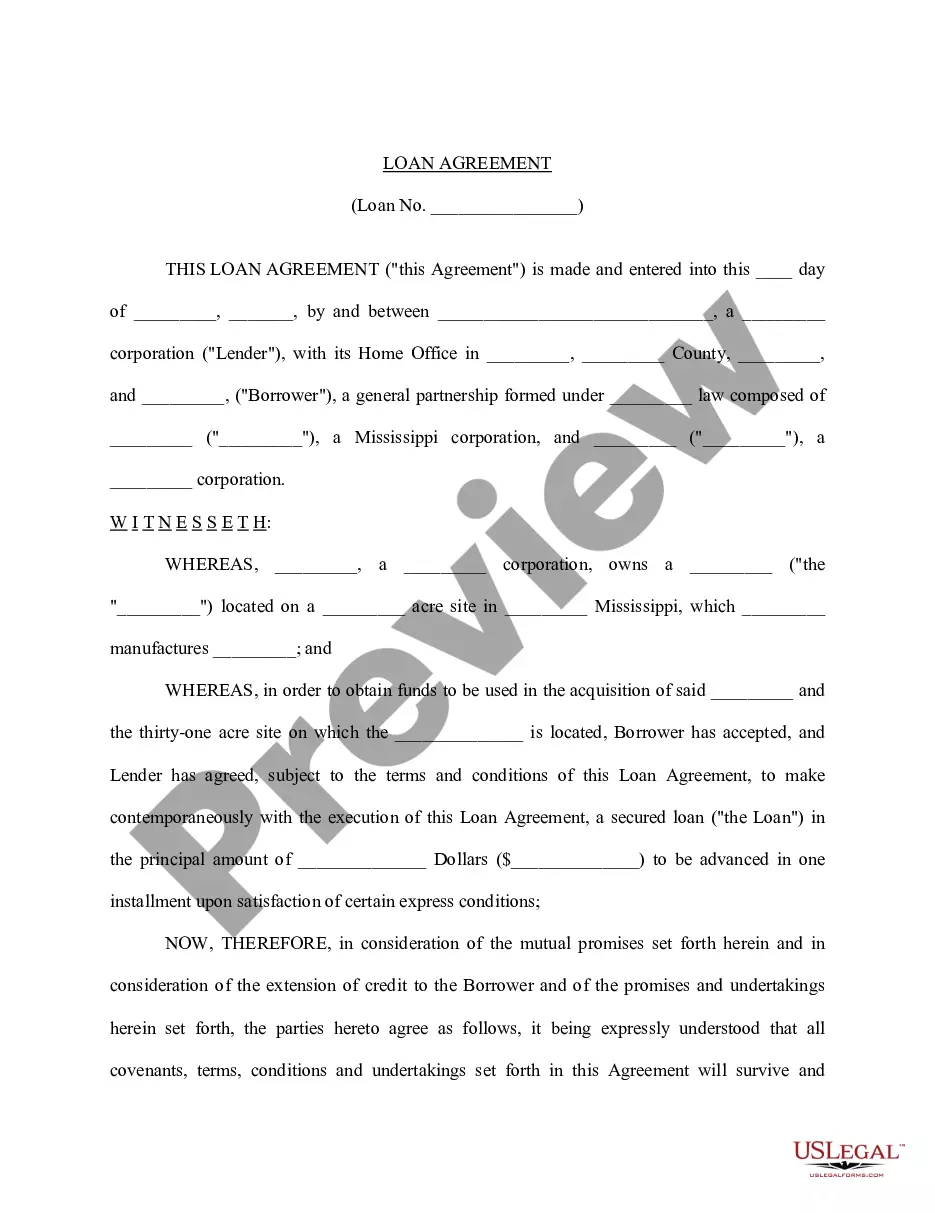
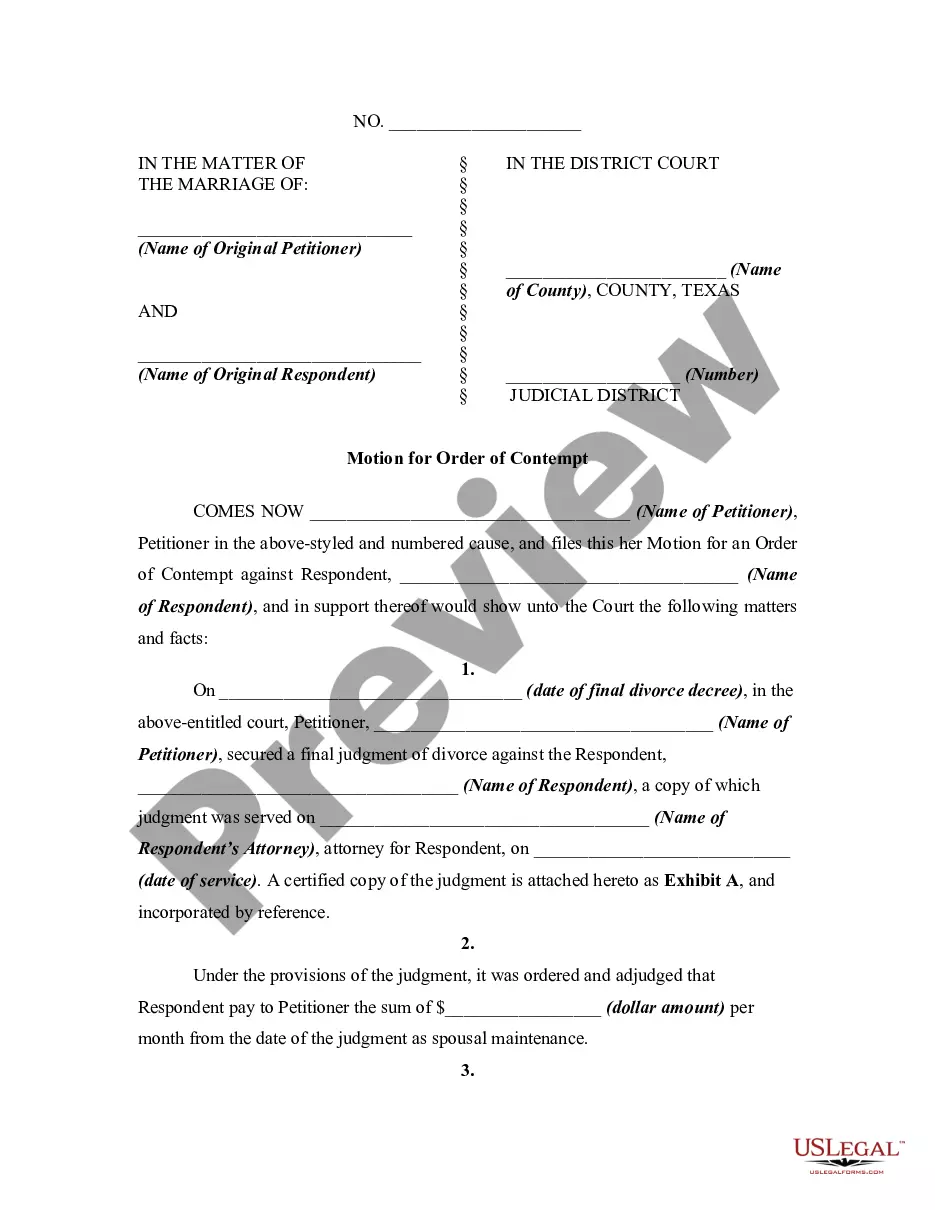
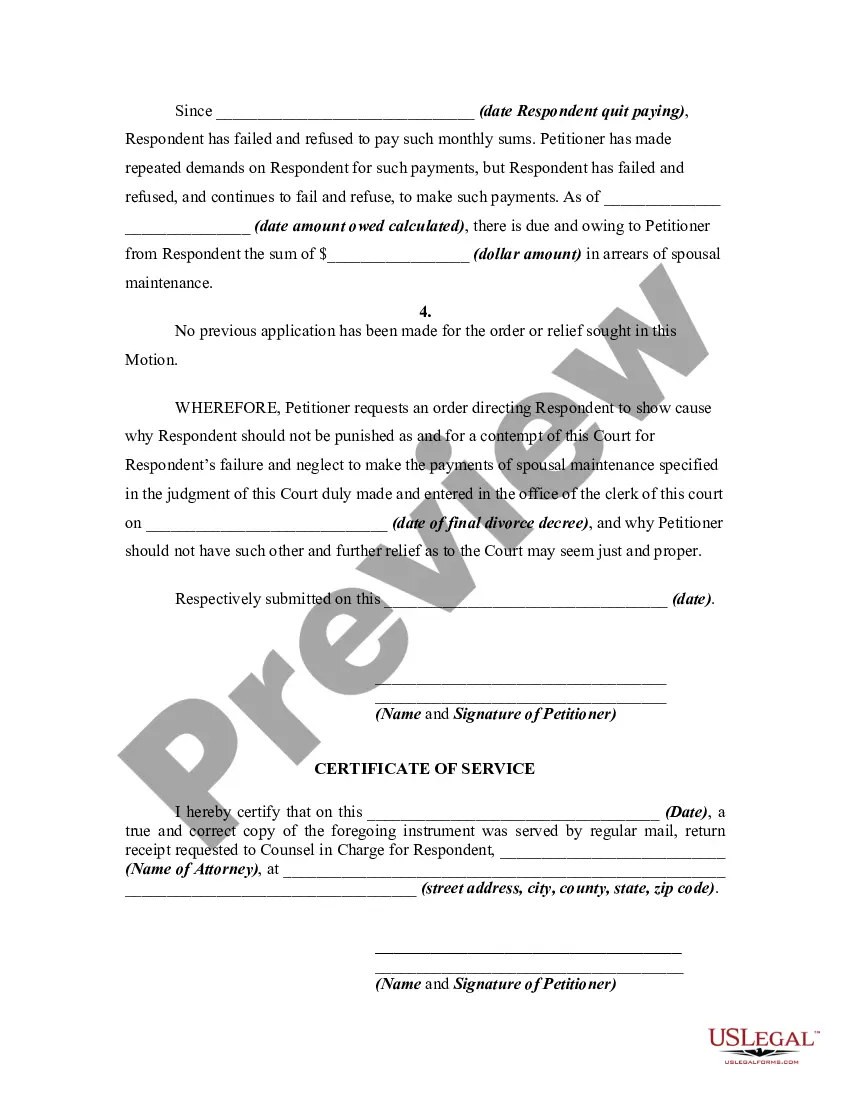
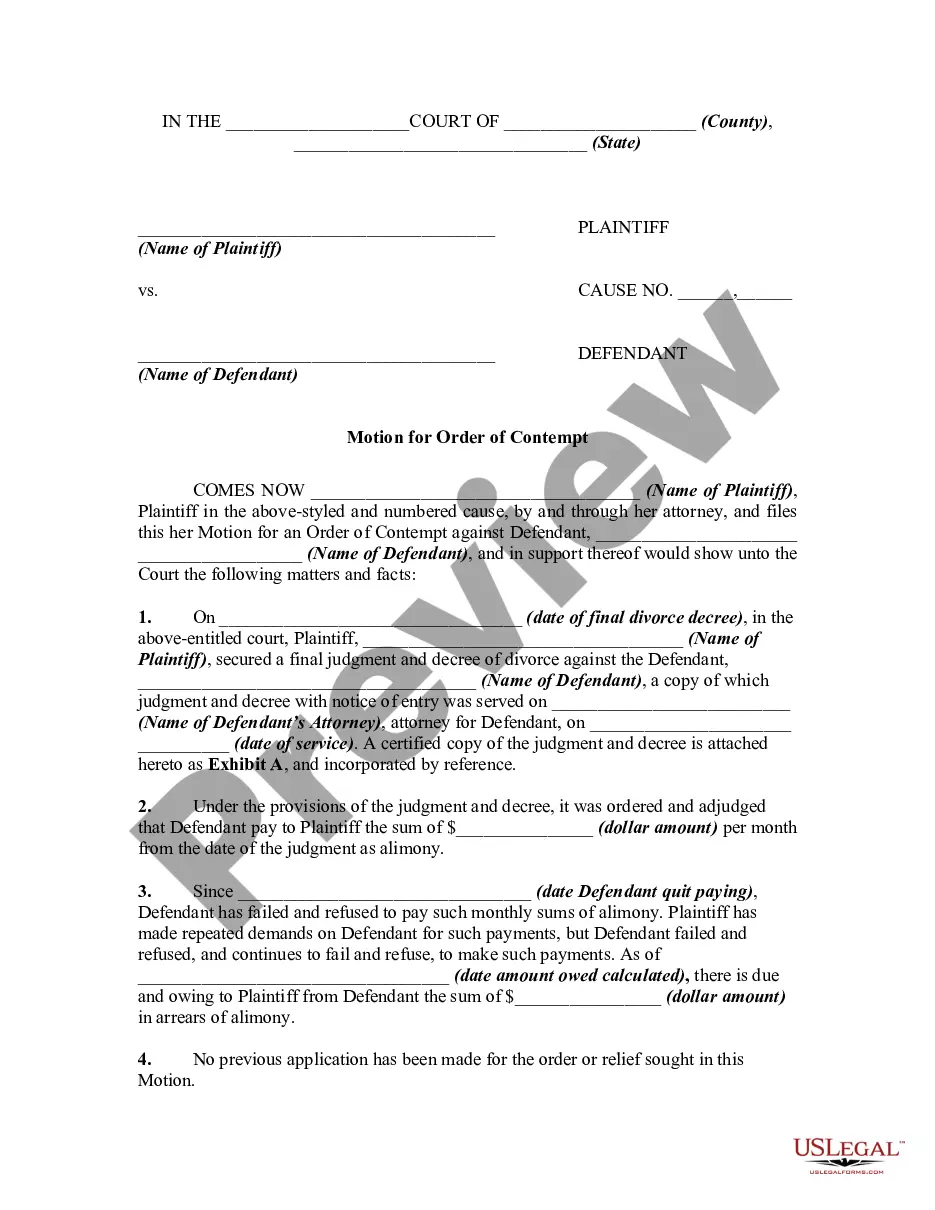
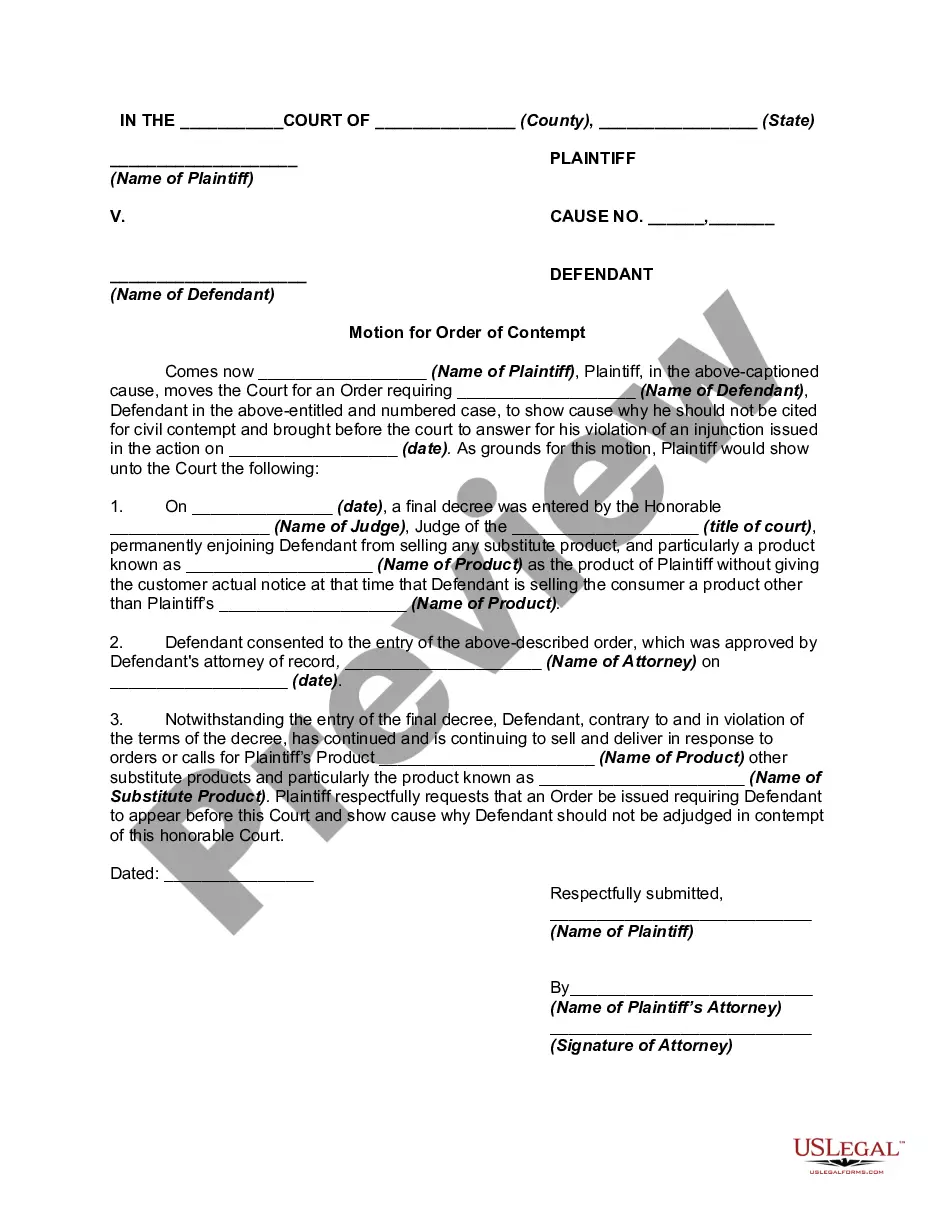
How to fill out Texas Motion For Order Of Contempt For Failure To Pay Spousal Maintenance?
Legal documents handling can be daunting, even for the most proficient experts.
When you're searching for a Tx Motion Form Texas For Discovery and can’t allocate time to find the right and current version, the procedures can be stressful.
US Legal Forms meets all your requirements, from personal to business documents, all in one location.
Utilize advanced tools to complete and manage your Tx Motion Form Texas For Discovery.
Once you have the form you need, follow these steps: Verify that it is the correct document by previewing it and reviewing its details. Ensure that the template is accepted in your state or county. Click Buy Now when you are ready. Choose a subscription plan. Locate the format you need and Download, fill out, sign, print, and send your documents. Leverage the US Legal Forms online library, backed by 25 years of experience and reliability. Streamline your everyday document management into a simple and user-friendly process today.
- Access a collection of articles, tutorials, and guides related to your circumstances and needs.
- Save time and effort searching for the documents you require, and use US Legal Forms’ advanced search and Review tool to locate Tx Motion Form Texas For Discovery and obtain it.
- If you have a subscription, Log In to your US Legal Forms account, search for the form, and obtain it.
- Check the My documents tab to view the documents you have previously downloaded and to manage your files as desired.
- If it's your first time using US Legal Forms, create a free account and gain unlimited access to all the platform's benefits.
- A robust online form library can be a game changer for anyone looking to handle these matters effectively.
- US Legal Forms is a leader in online legal documents, offering over 85,000 state-specific legal forms available at any time.
- With US Legal Forms, you can access state- or county-specific legal and business documents.
Form popularity
FAQ
Some examples that your lawyer may request as part of their motion for discovery are: Photos or videos of the crime scene. Witness statements. Police reports or notes.
A party must respond to written discovery in writing within the time provided by court order or these rules. When responding to written discovery, a party must make a complete response, based on all information reasonably available to the responding party or its attorney at the time the response is made.
You only need to sign and deliver the discovery request to the other party or the other party's attorney. If you are serving a discovery request on a non-party, then the request must be filed. Texas Rules of Civil Procedure Rule 191.4 governs the filing requirement for discovery requests.
A Motion to Compel is a formal request to the Court to require a party or a non-party in a lawsuit to comply with a discovery request such as a request for production, request for admission, interrogatory, or subpoena.
Discovery is the legal process that lets each side of a suit ask the other side for information that is related to the case. The party that receives the discovery requests must then respond to the request based on information that is reasonably available to them or their attorney at the time of the response.