Transfer Death Estate With No Tax
Description
Get your form ready online
Our built-in tools help you complete, sign, share, and store your documents in one place.
Make edits, fill in missing information, and update formatting in US Legal Forms—just like you would in MS Word.
Download a copy, print it, send it by email, or mail it via USPS—whatever works best for your next step.
Sign and collect signatures with our SignNow integration. Send to multiple recipients, set reminders, and more. Go Premium to unlock E-Sign.
If this form requires notarization, complete it online through a secure video call—no need to meet a notary in person or wait for an appointment.
We protect your documents and personal data by following strict security and privacy standards.
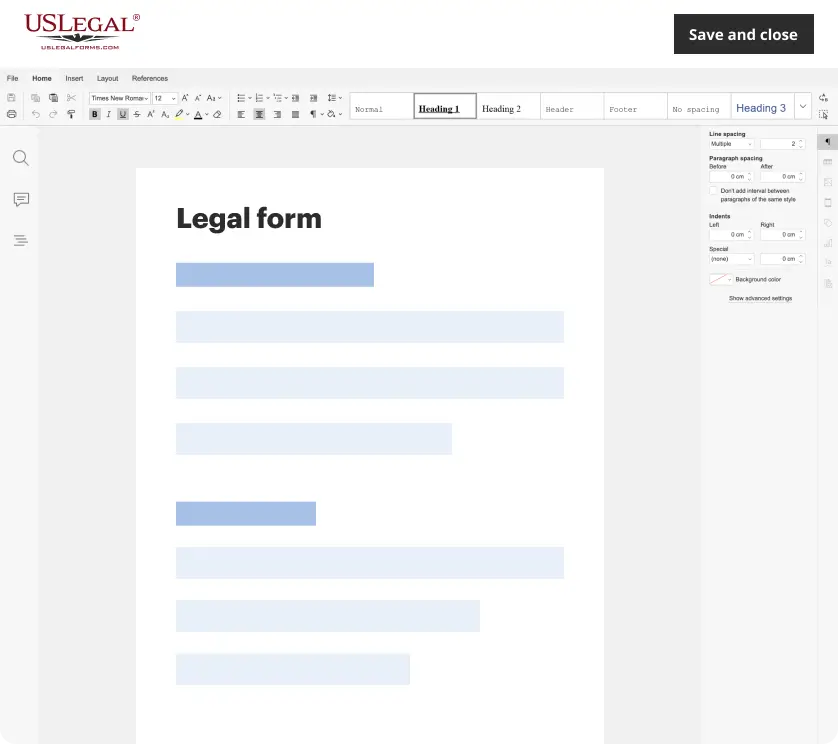
Make edits, fill in missing information, and update formatting in US Legal Forms—just like you would in MS Word.
Download a copy, print it, send it by email, or mail it via USPS—whatever works best for your next step.
Sign and collect signatures with our SignNow integration. Send to multiple recipients, set reminders, and more. Go Premium to unlock E-Sign.

If this form requires notarization, complete it online through a secure video call—no need to meet a notary in person or wait for an appointment.
We protect your documents and personal data by following strict security and privacy standards.
Looking for another form?
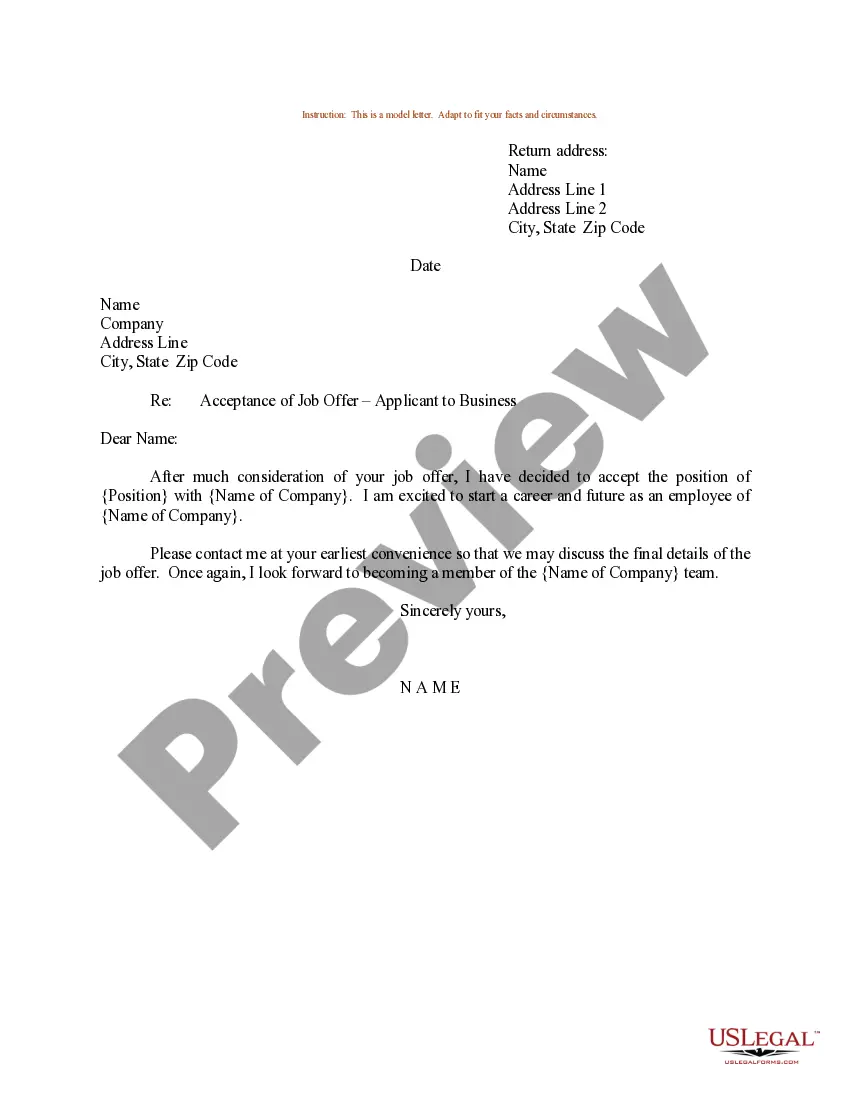
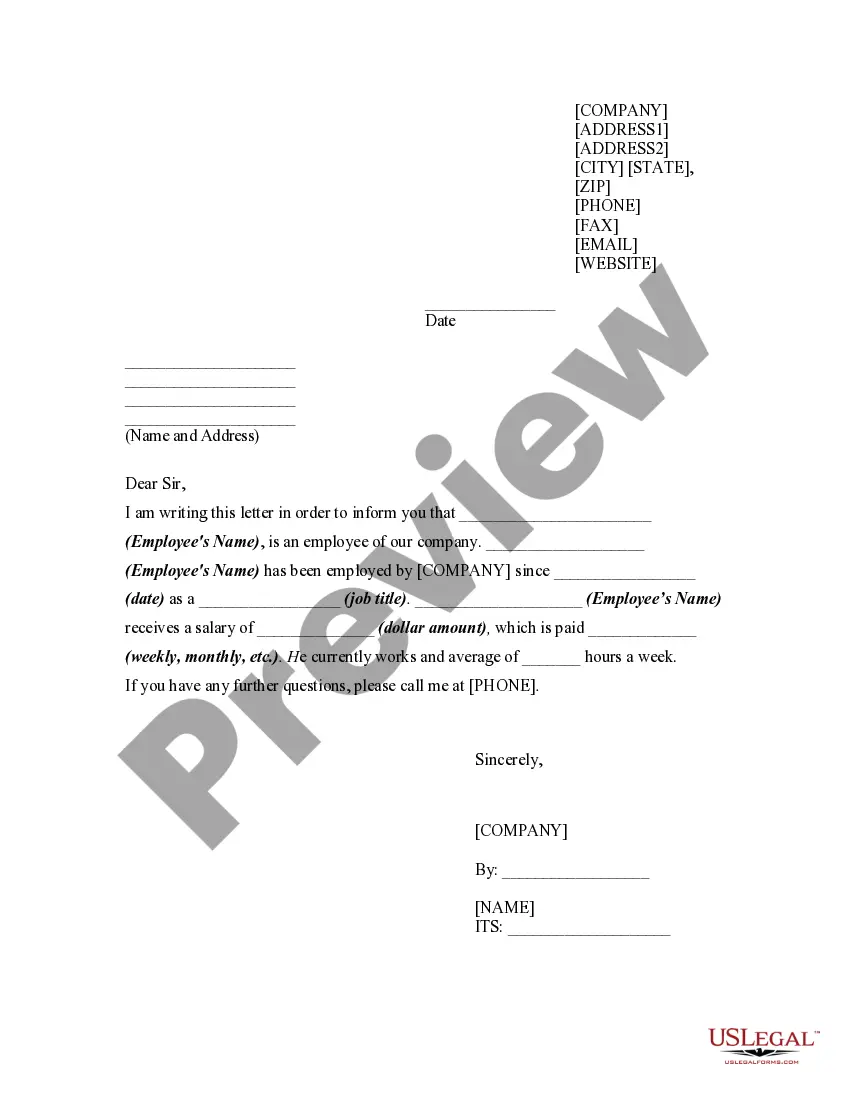
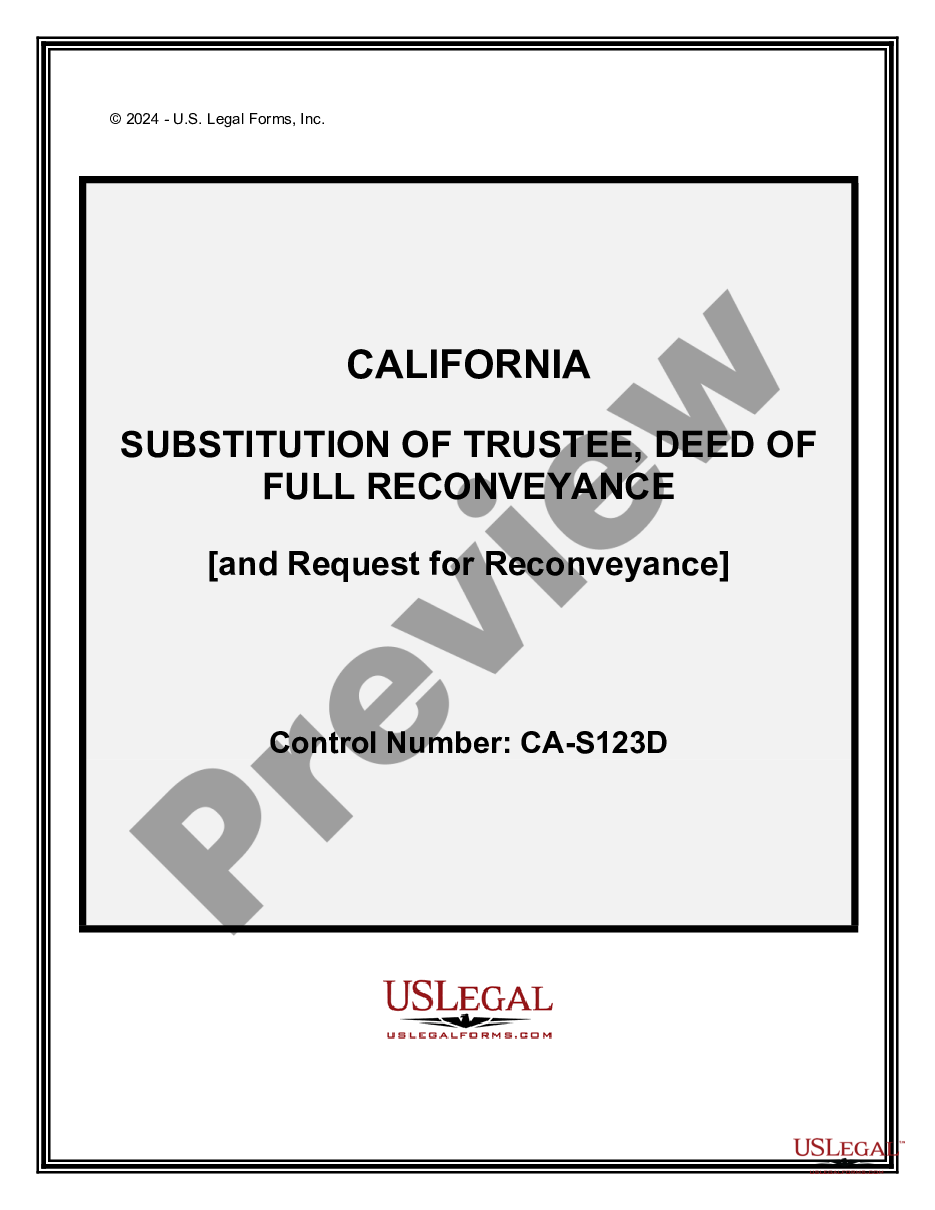
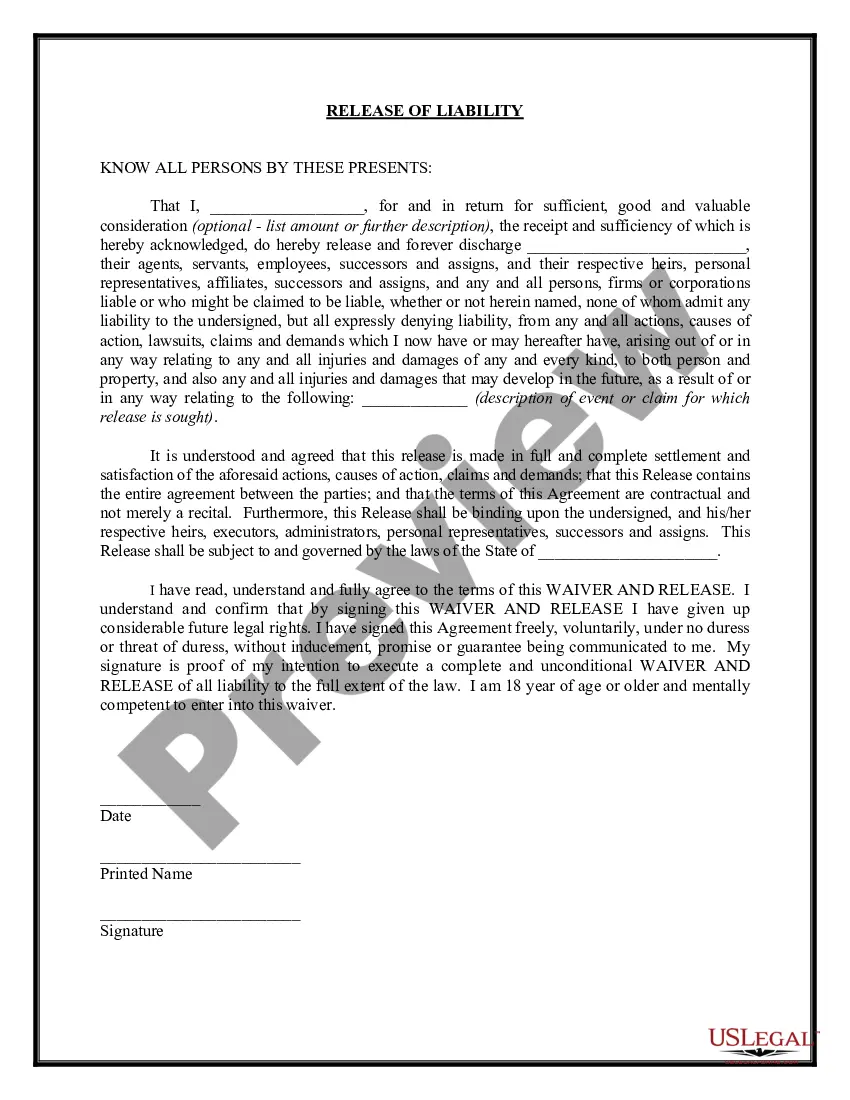
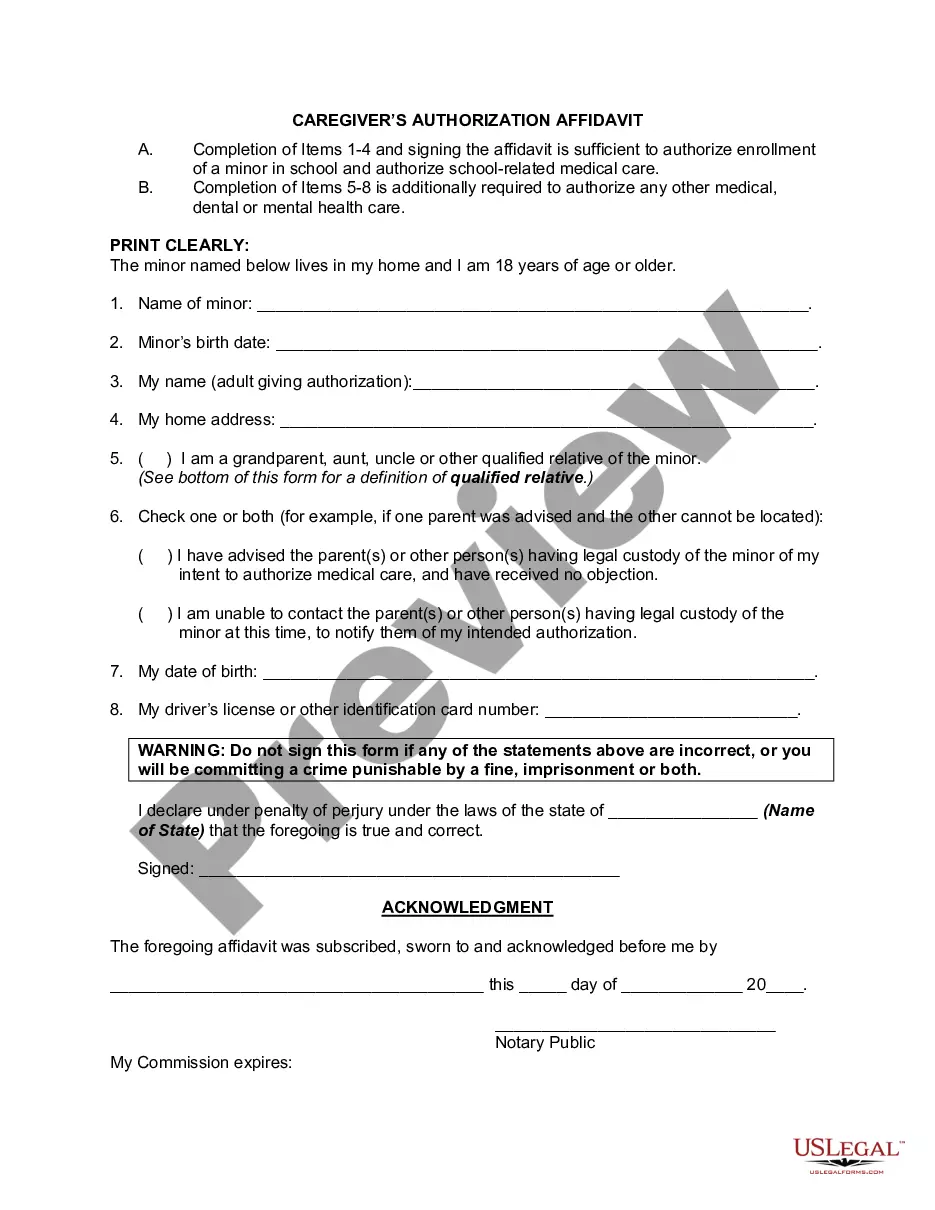
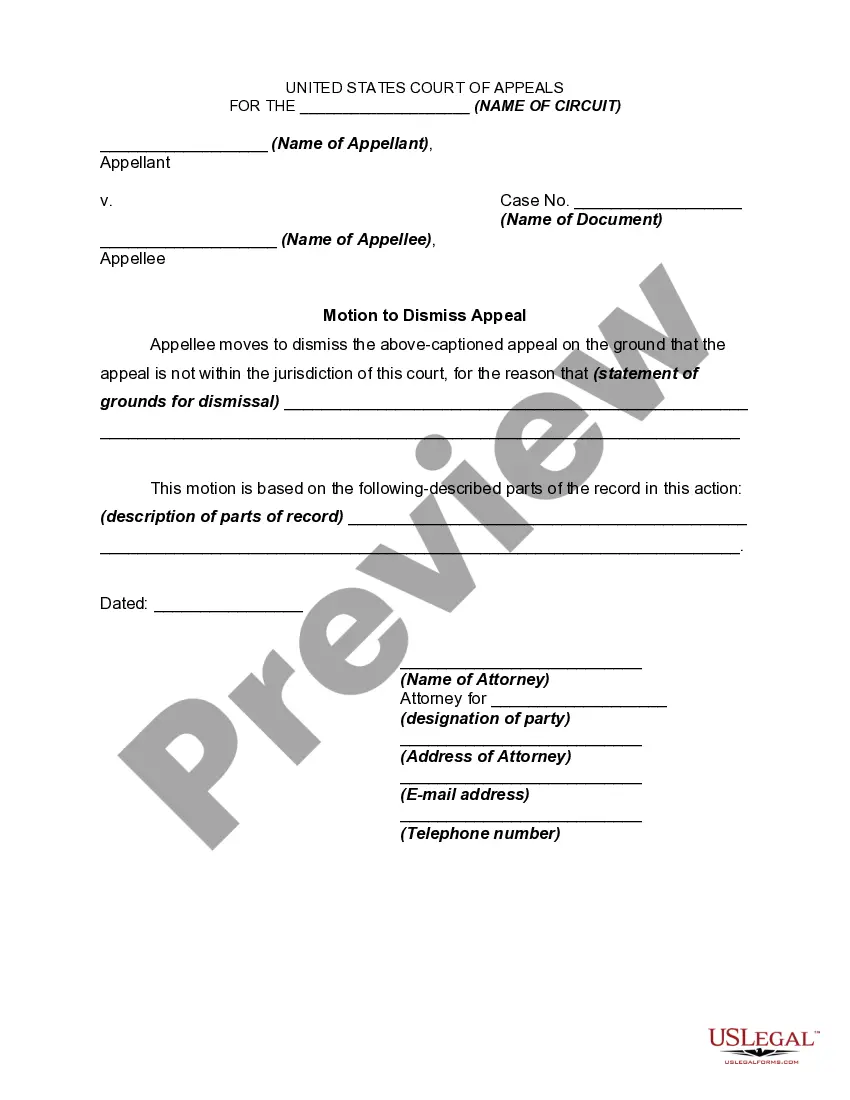
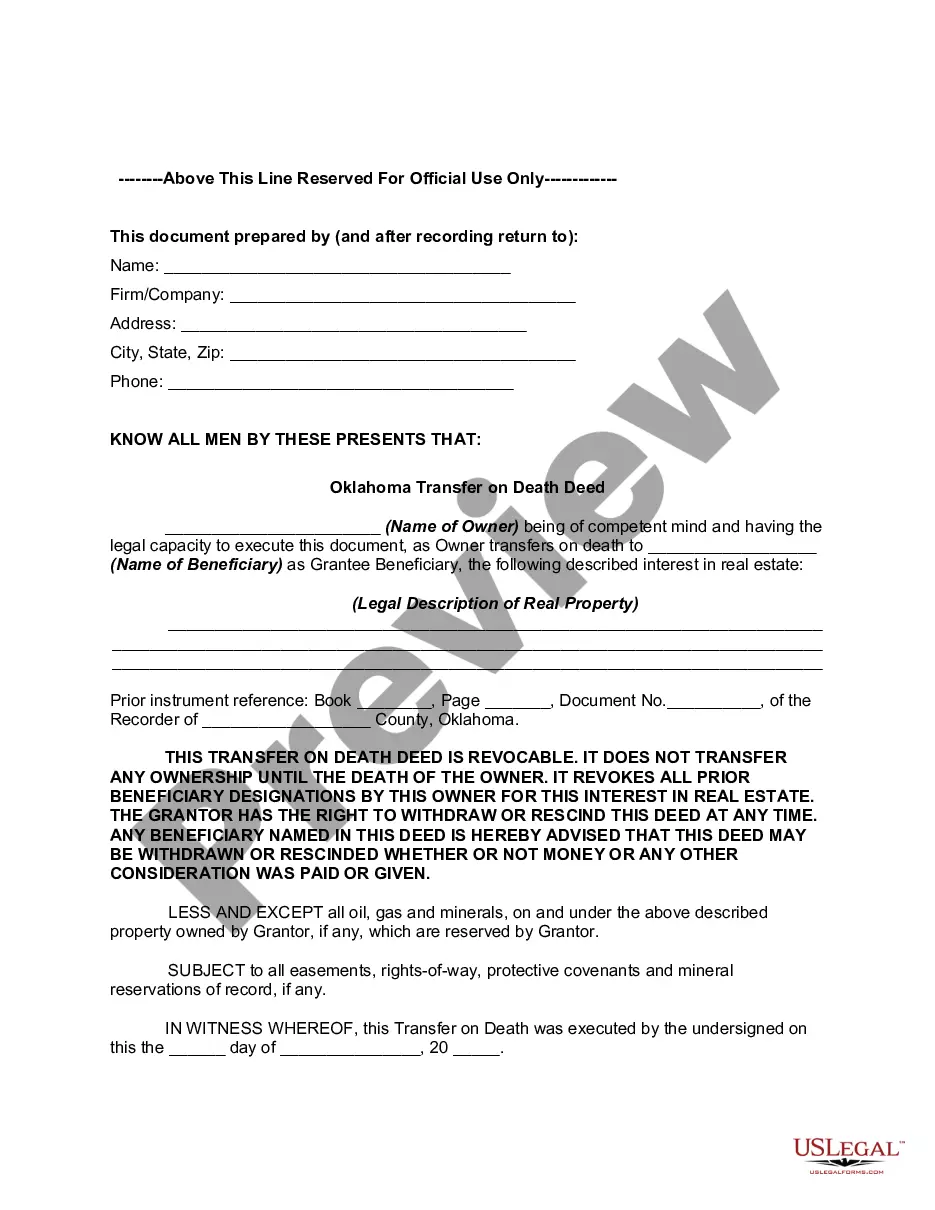
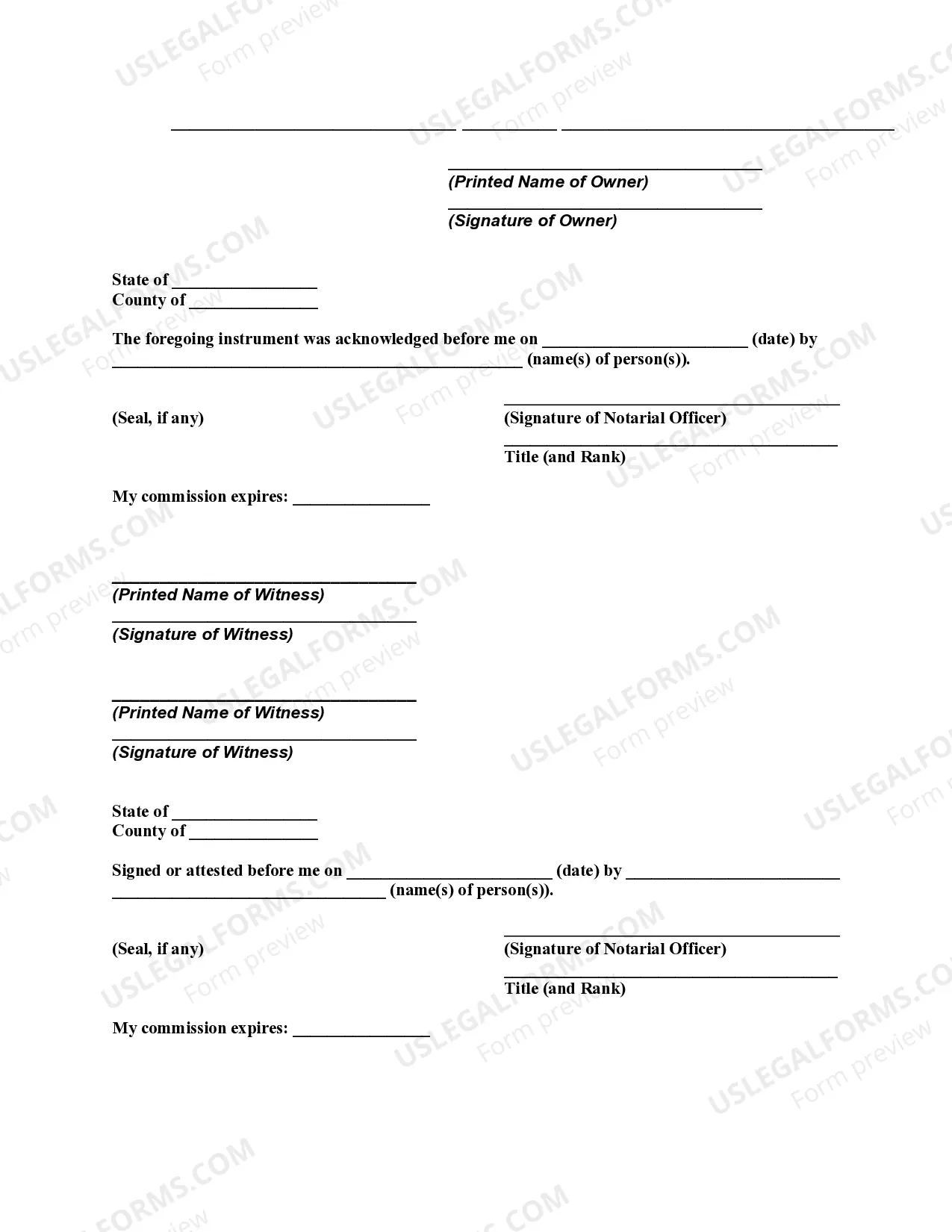
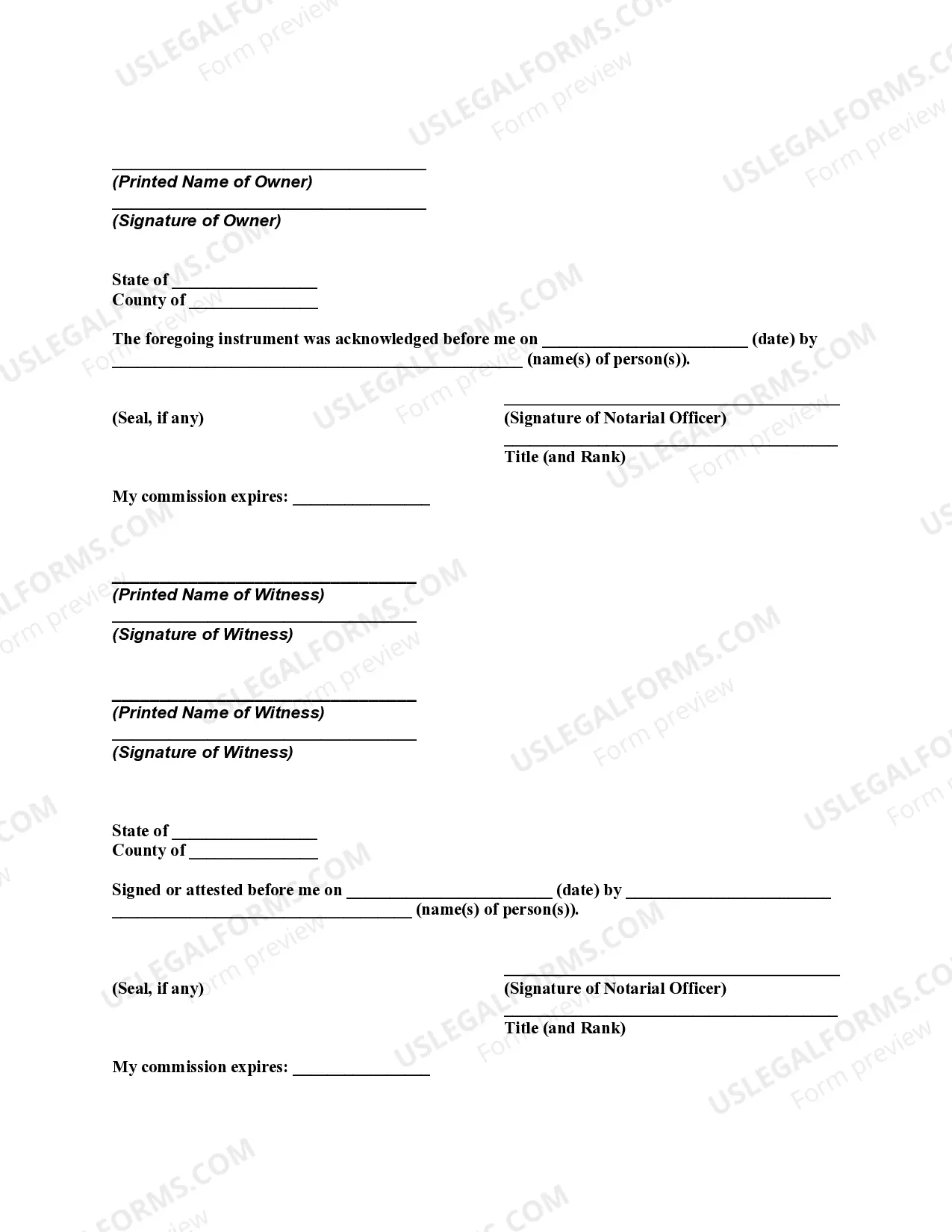
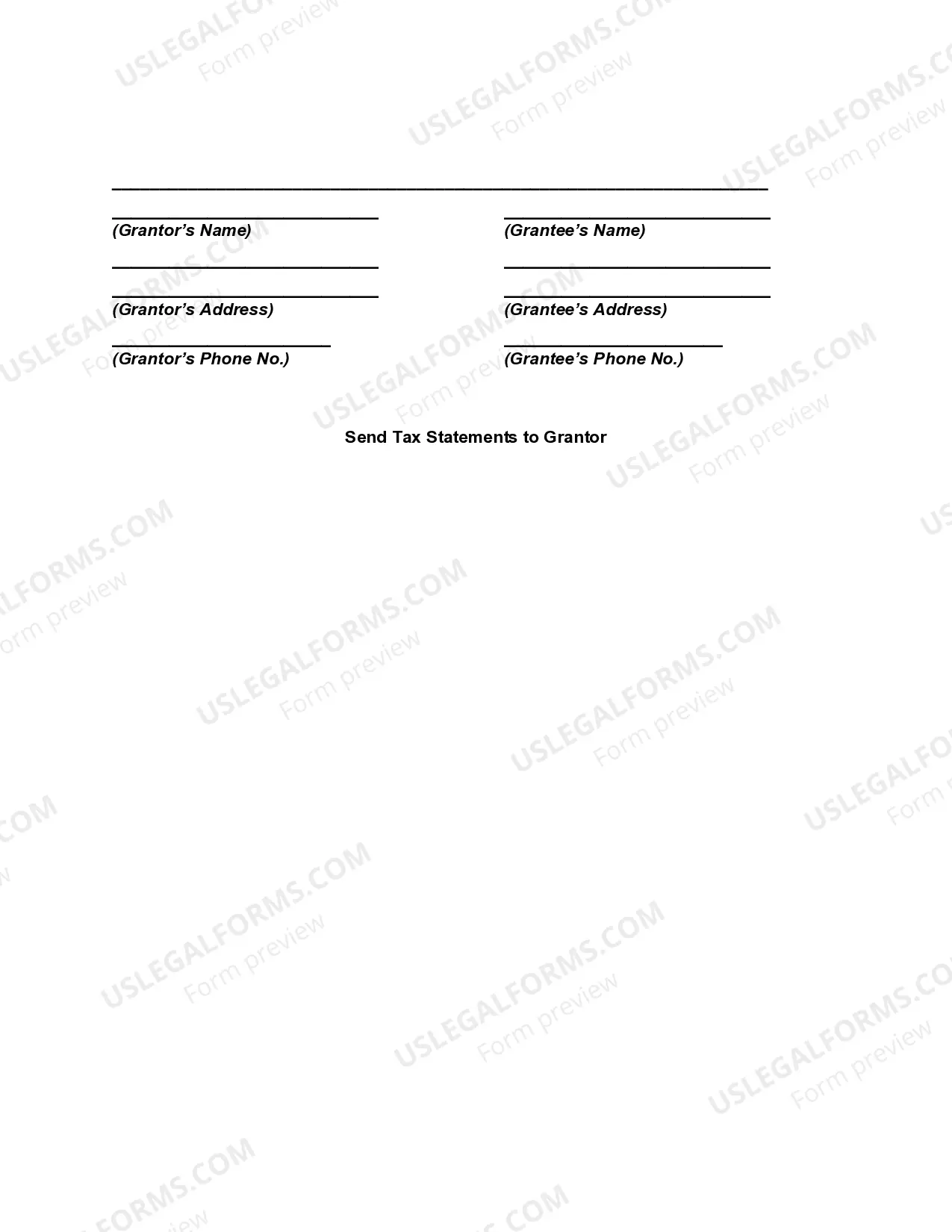
How to fill out Oklahoma Transfer On Death Deed?
- If you're an existing user, log in to your account and access the required form template. Confirm your subscription is active or renew if needed.
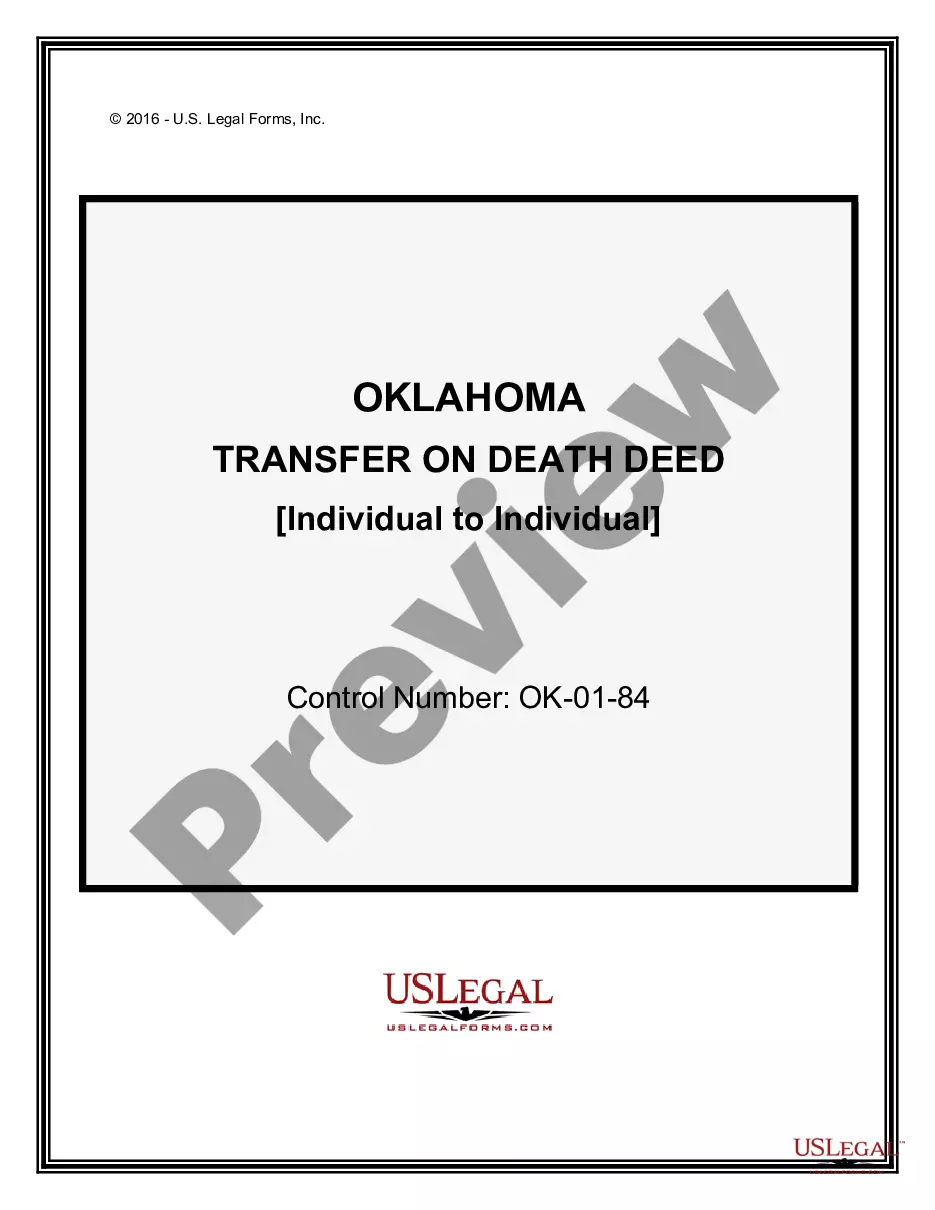
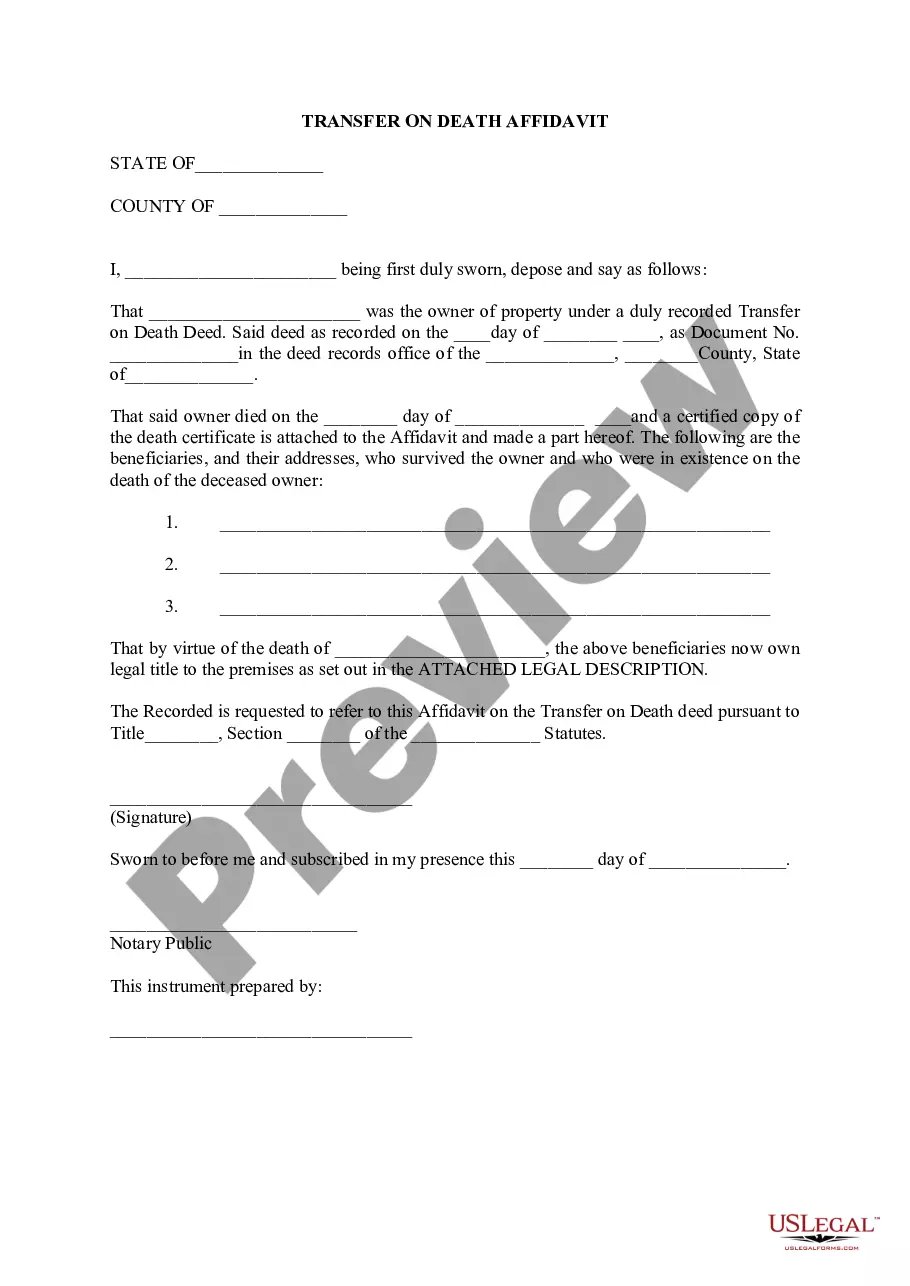
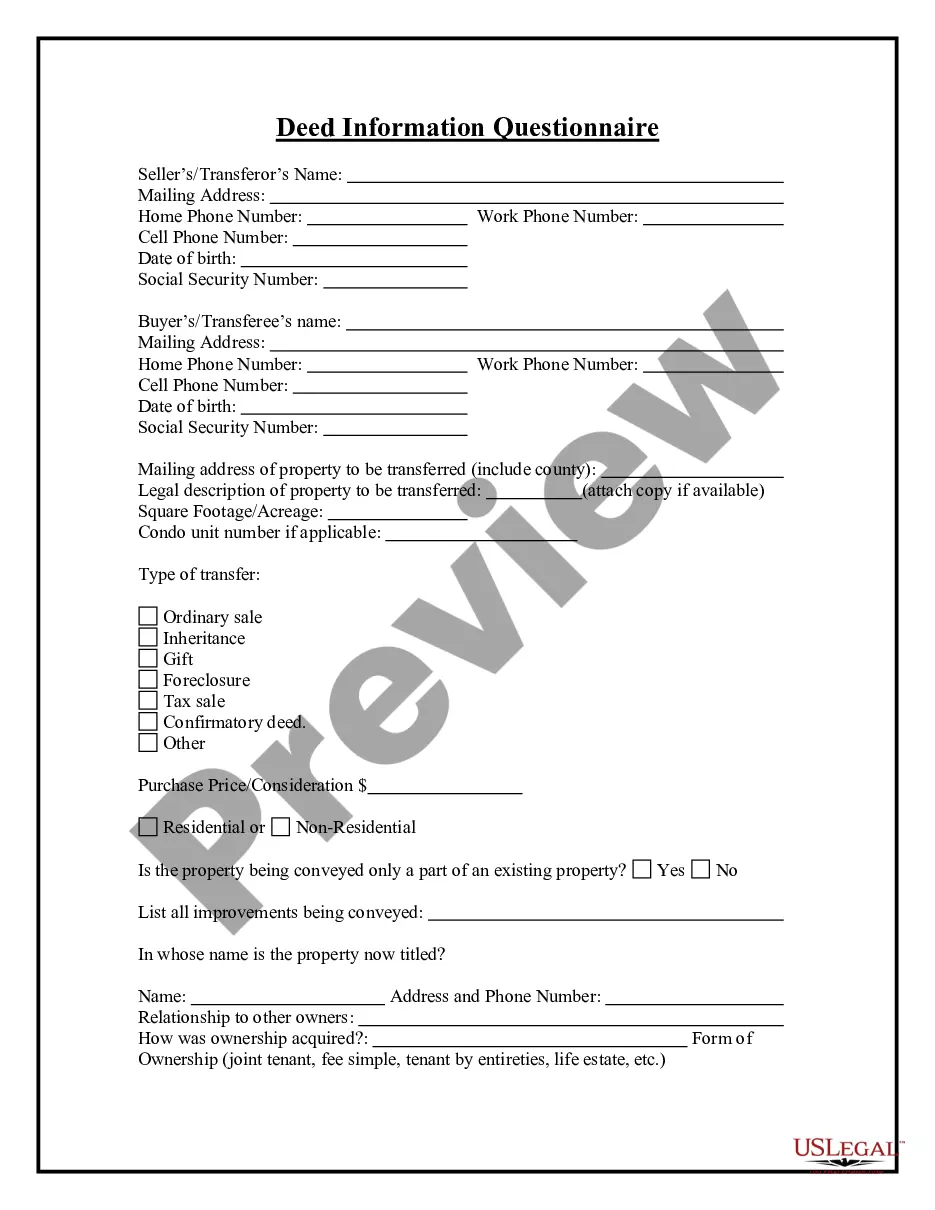
- For first-time users, start by browsing the preview mode and reviewing the form descriptions. Ensure the chosen template aligns with your requirements and local jurisdiction.
- If the selected form isn't suitable, use the Search feature to locate a more appropriate template.
- Proceed to purchase the document by clicking the Buy Now button and selecting your preferred subscription plan. An account registration is required.
- Complete your purchase using credit card details or PayPal to finalize your subscription.
- Download the form to your device, ensuring easy access via the My Forms section of your profile whenever needed.
By using US Legal Forms, individuals and attorneys can effectively create legal documents without the added stress of tax complications. Our robust library of over 85,000 forms enables users to find the right solution quickly and easily.
Ready to simplify your estate transfer process? Visit US Legal Forms today for expert guidance and all the resources you need!
Form popularity
FAQ
Payable on death (POD) accounts can help you transfer a death estate with no tax responsibility for the beneficiaries. These accounts pass directly to the named beneficiary upon death, avoiding probate. However, any tax implications depend on the overall value of your estate and local laws. It's beneficial to review your financial setup, and US Legal Forms can provide resources to manage this effectively.
Legally avoiding estate tax often involves strategic planning, including utilizing exclusions, exemptions, and making lifetime gifts. You can also consider creating irrevocable trusts or incorporating charitable giving into your estate plan. Each option varies in complexity, so it’s wise to seek expert advice. US Legal Forms offers tools to simplify this planning, ensuring your estate plan aligns with your wishes.
Certain assets, like life insurance proceeds and retirement accounts, can be structured to transfer a death estate with no tax implications. For example, assets held in a qualified plan may not be subject to estate taxes if named beneficiaries are designated. Additionally, charitable donations can further reduce your estate's value and tax burden. US Legal Forms can help you understand asset exemptions effectively.
Revocable living trusts are often recommended to help transfer a death estate with no tax. These trusts allow you to maintain control over your assets during your lifetime and facilitate seamless transfer upon death. It's essential to consult with a legal professional to ensure your trust meets all legal requirements. US Legal Forms provides templates and guidance to create such trusts easily.
To transfer a death estate with no tax, consider strategies like gifting assets while you are alive or placing them in trusts. These methods can help you reduce the taxable estate value. Moreover, understanding the current estate tax exemptions allows you to plan effectively. Using platforms like US Legal Forms can guide you through these processes.
Absolutely, a transfer on death deed enables beneficiaries to inherit property at its current market value, avoiding capital gains tax. This means your heirs face fewer tax burdens when they receive the property after your death. It's a straightforward approach to ensuring that you can transfer your death estate with no tax consequences.
One disadvantage of a transfer on death deed is that it does not provide protection from creditors, which could affect your beneficiaries. Also, if the property is sold during your lifetime, the transfer on death deed does not apply, potentially complicating your estate planning. Despite these drawbacks, it remains a popular option for transferring your death estate with no tax.
Using a transfer on death deed can help you avoid inheritance tax, but this largely depends on individual state laws. In many cases, if your estate qualifies and is structured properly, your heirs may receive the property without incurring inheritance tax. Therefore, using this method is a beneficial strategy for transferring your death estate with no tax complications.
Yes, a transfer on death deed generally helps you avoid capital gains tax when the property is transferred after your death. The beneficiaries inherit the property at its current market value, thus eliminating your capital gains tax liability. This method is effective for transferring your death estate with no tax.
To transfer property and avoid capital gains tax, consider using a transfer on death deed or a living trust. These methods allow you to transfer your property directly to beneficiaries upon your passing, ensuring that they benefit from your property without incurring capital gains tax. Additionally, consulting with professionals can guide you through the details of transferring your estate with no tax implications.