Nc Laws Landlord Responsibilities
Description
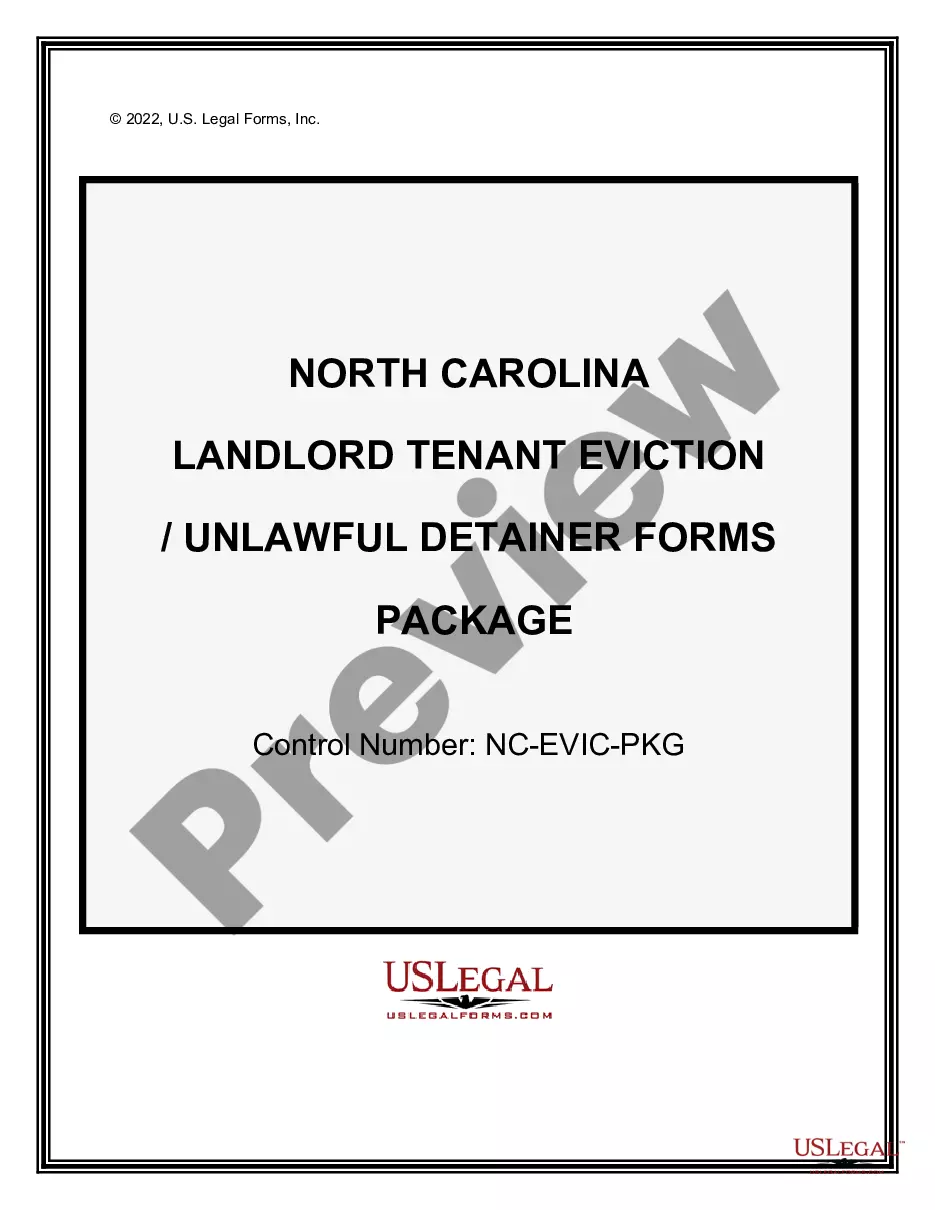
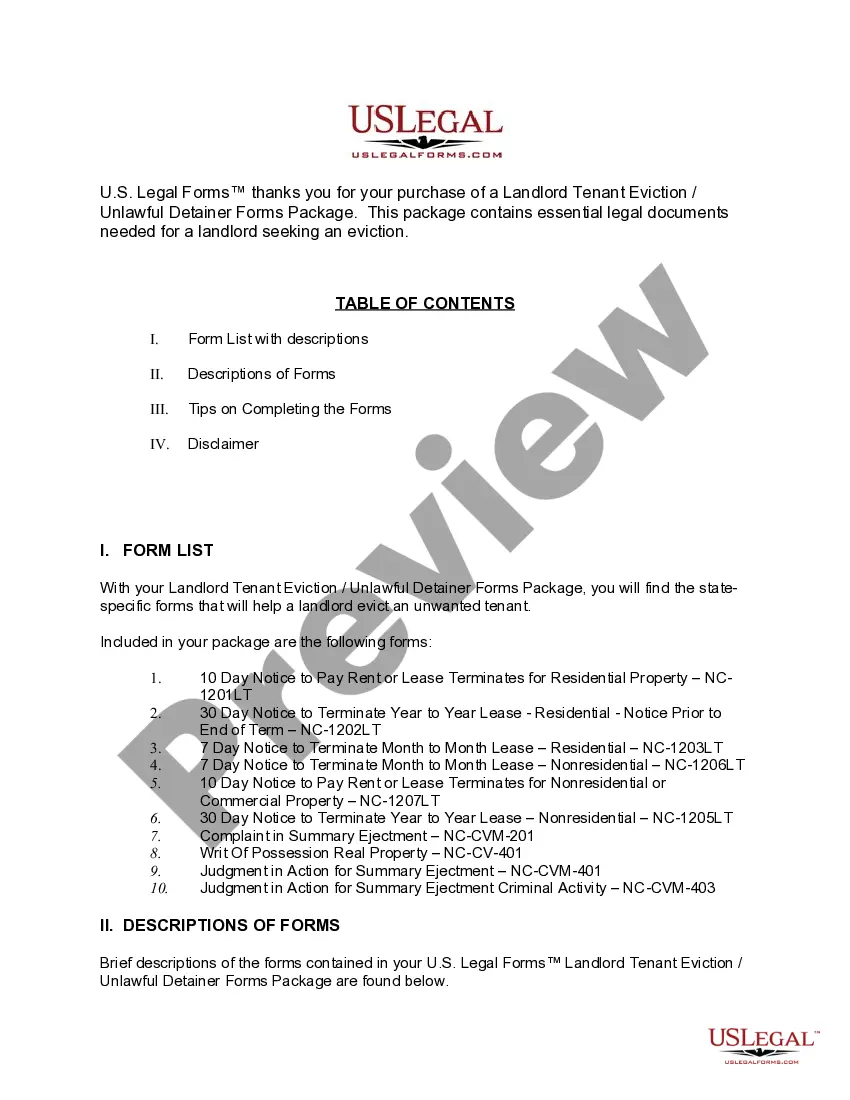
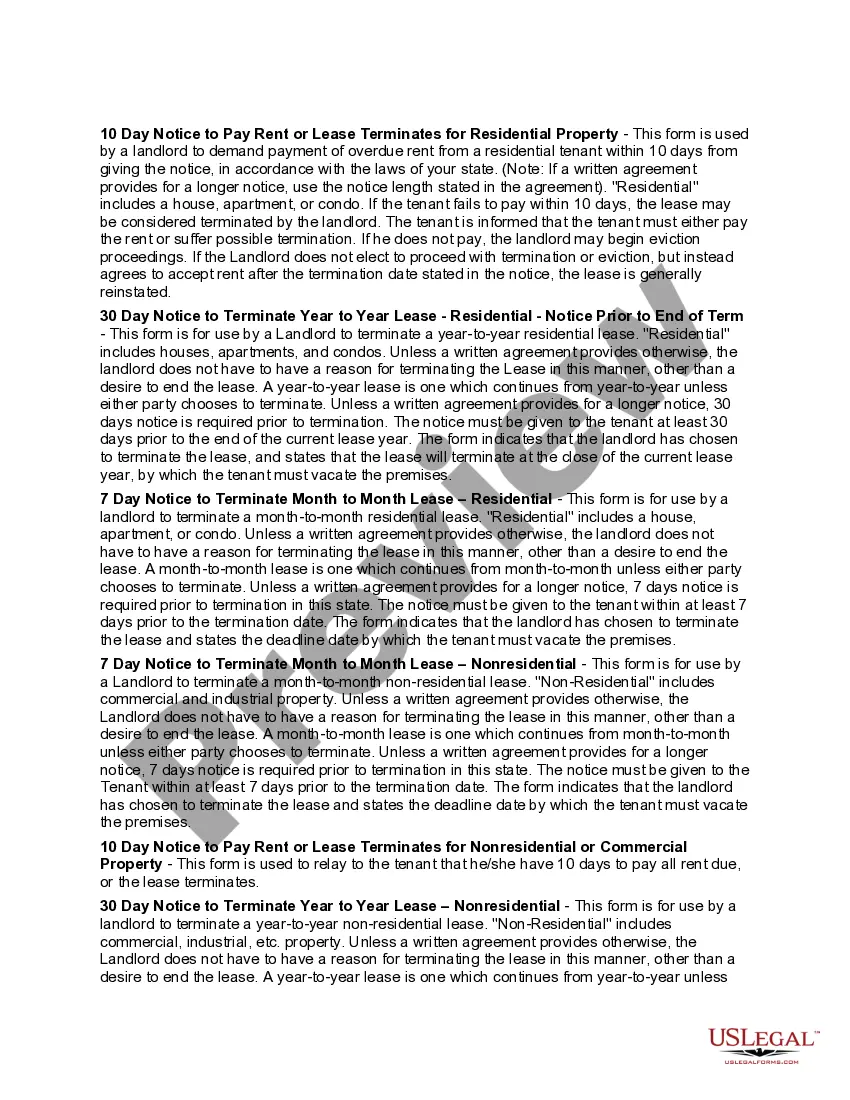
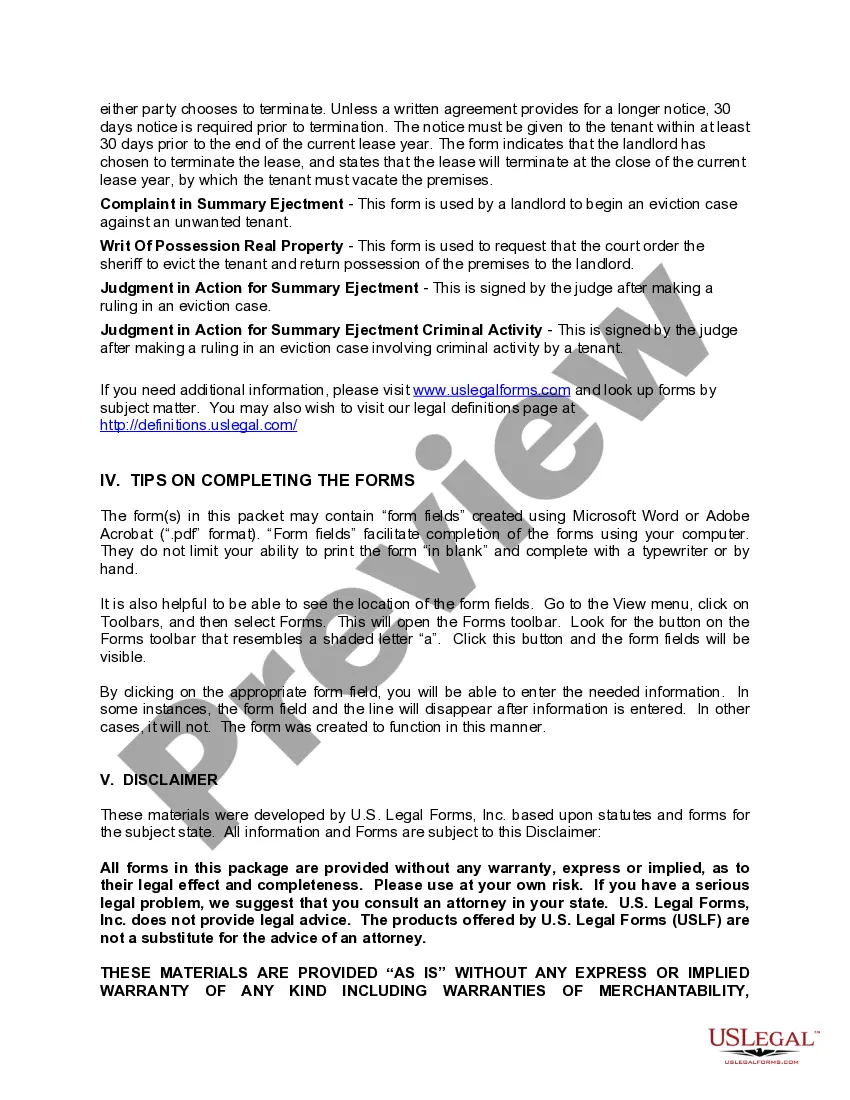
Get your form ready online
Our built-in tools help you complete, sign, share, and store your documents in one place.
Make edits, fill in missing information, and update formatting in US Legal Forms—just like you would in MS Word.
Download a copy, print it, send it by email, or mail it via USPS—whatever works best for your next step.
Sign and collect signatures with our SignNow integration. Send to multiple recipients, set reminders, and more. Go Premium to unlock E-Sign.
If this form requires notarization, complete it online through a secure video call—no need to meet a notary in person or wait for an appointment.
We protect your documents and personal data by following strict security and privacy standards.

Make edits, fill in missing information, and update formatting in US Legal Forms—just like you would in MS Word.

Download a copy, print it, send it by email, or mail it via USPS—whatever works best for your next step.

Sign and collect signatures with our SignNow integration. Send to multiple recipients, set reminders, and more. Go Premium to unlock E-Sign.

If this form requires notarization, complete it online through a secure video call—no need to meet a notary in person or wait for an appointment.

We protect your documents and personal data by following strict security and privacy standards.
Looking for another form?
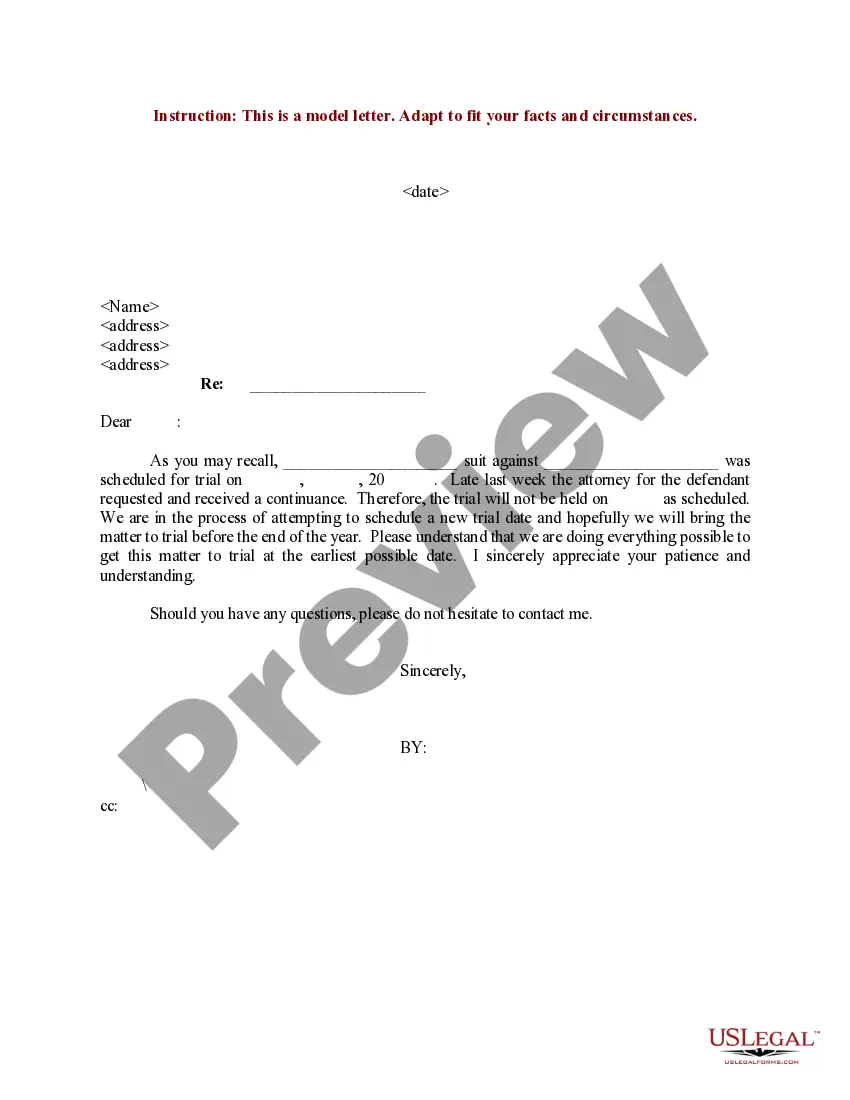
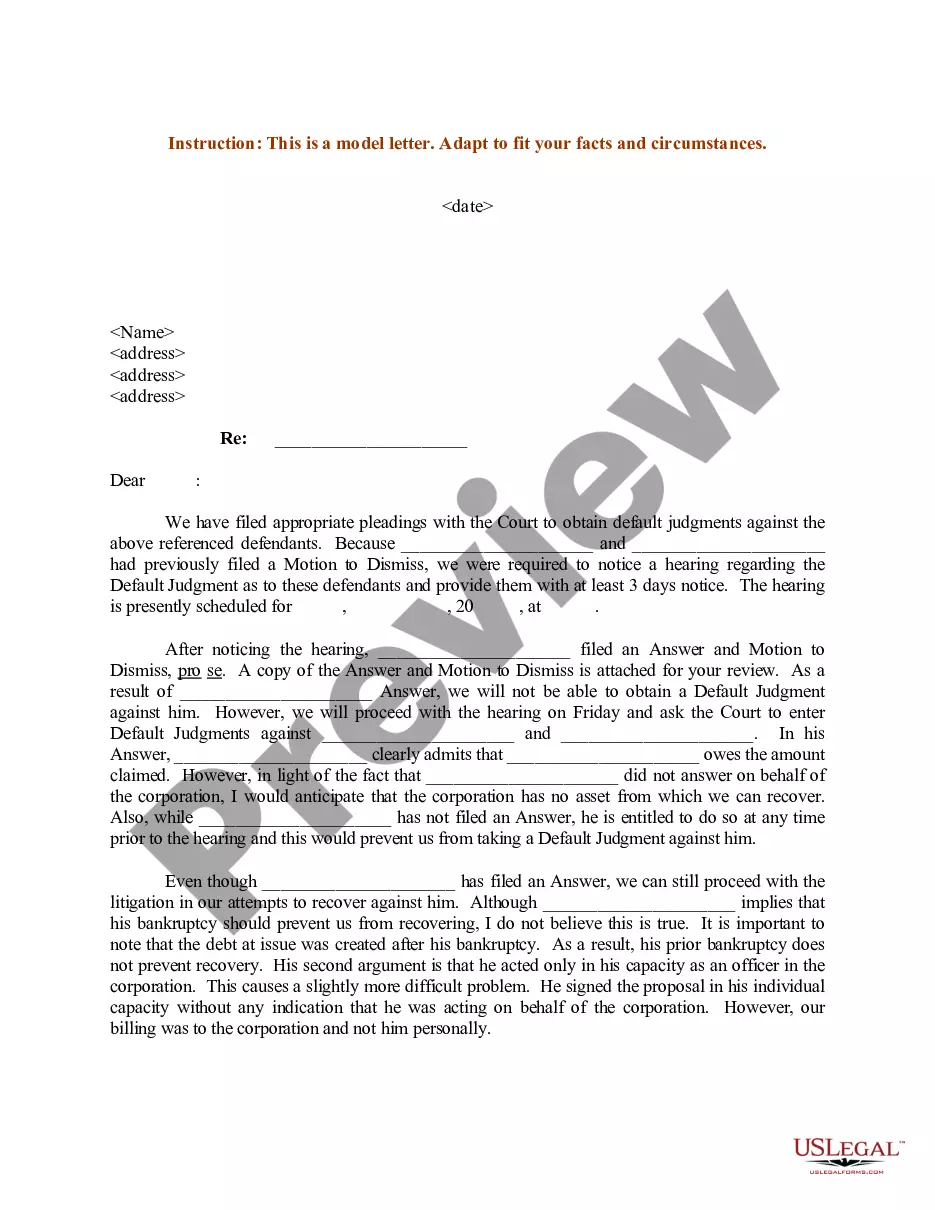



How to fill out North Carolina Landlord Tenant Eviction / Unlawful Detainer Forms Package?
Handling legal documents can be overwhelming, even for the most experienced professionals.
When seeking Nc Laws Landlord Responsibilities and lacking the time to find the correct and current version, the tasks can become stressful.
US Legal Forms caters to all your requirements, from personal to corporate paperwork, all in one location.
Utilize advanced features to complete and manage your Nc Laws Landlord Responsibilities.
Here are the steps to follow after acquiring the form you need: Confirm that this is the correct document by previewing it and reading its description. Ensure that the template is recognized in your state or county. Select Buy Now when you are ready. Choose a subscription plan. Find the file format you require, and Download, complete, sign, print, and send your document. Enjoy the US Legal Forms online library, backed by 25 years of expertise and reliability. Transform your daily document management into a seamless and user-friendly process today.
- Access a wealth of articles, guides, and resources relevant to your circumstances and needs.
- Conserve time and effort searching for the documents you require, and use US Legal Forms’ sophisticated search and Preview feature to locate Nc Laws Landlord Responsibilities and download it.
- If you hold a membership, Log In to your US Legal Forms account, search for the form, and download it.
- Check the My documents tab to see the documents you have previously downloaded and manage your folders as desired.
- If it’s your first time with US Legal Forms, create an account and gain unrestricted access to all platform features.
- A comprehensive online form repository could revolutionize the way individuals address these matters efficiently.
- US Legal Forms is a leading provider in online legal documents, offering over 85,000 state-specific forms accessible at any moment.
- With US Legal Forms, you can access legal and business documents specific to your state or county.
Form popularity
FAQ
In North Carolina, landlords have several key obligations under NC laws landlord responsibilities. They must provide a safe and habitable living environment, ensure essential repairs are made promptly, and respect the privacy of tenants. Additionally, landlords are required to handle security deposits according to state guidelines, maintaining transparency and fairness in financial matters. Understanding these obligations can help both landlords and tenants navigate their rights effectively.
When communicating with your landlord, avoid making accusations or assumptions about their intentions or actions. It’s best to refrain from discussing personal grievances unrelated to the tenancy, as this can lead to misunderstandings. Instead, focus on factual concerns that relate to your rights and responsibilities under NC laws landlord responsibilities. Maintaining a respectful tone can foster a more positive landlord-tenant relationship.
To fill out a landlord statement, start by gathering all necessary information about the rental property, including details such as the address, tenant's name, and lease terms. Next, clearly outline any issues or updates regarding the property or the tenant's payment history. It's important to be thorough and accurate, as this information can impact tenant relations and compliance with NC laws landlord responsibilities. If you need guidance, consider using platforms like US Legal Forms to access templates that simplify this process.
To file a complaint against a landlord in North Carolina, start by documenting the issues you face, such as unhealthy living conditions or lack of repairs. You can then submit a complaint to your local housing authority or the North Carolina Department of Justice, detailing your landlord's failure to meet Nc laws landlord responsibilities. For a more structured approach, consider using the resources available on the US Legal Forms platform, which can help you prepare the necessary documents and guide you through the process.
In North Carolina, you can report your landlord to various authorities, including local housing authorities or the North Carolina Department of Justice. If your landlord violates Nc laws landlord responsibilities, you may also consider contacting a local tenant's rights organization for assistance. They can provide guidance on your rights and the proper steps to take. Additionally, you can seek legal advice if the situation escalates.
North Carolina tenants don't have the right to withhold rent because of repairs unless a judge has issued an order giving them permission to do so. (N.C. Gen. Stat. § 42-44 (2023).)
North Carolina landlords can't raise the rent during the term of a long-term lease unless the lease specifically allows them to do so. There's no North Carolina law stating specifically how much notice a landlord must give to increase rent when a tenant is renting month-to-month.
North Carolina law requires landlords to correct problems with insects that affect human habitability. When they fail to do so, tenants are entitled to compensation.
Your landlord must: ? Make any repairs needed to keep your place fit and safe. ? Keep the plumbing, heating, sanitary and electrical equipment in good and safe working order, and provide a smoke alarm. ? If the landlord provides appliances, like a stove or a refrigerator, he or she must fix them if they break down.
The North Carolina Office of Administrative Hearings and the Fair Housing Act prohibit landlords from discriminating against potential tenants because of their race, religion, familial status, sex, gender, etc.