North Carolina Disclosure Statement
Description
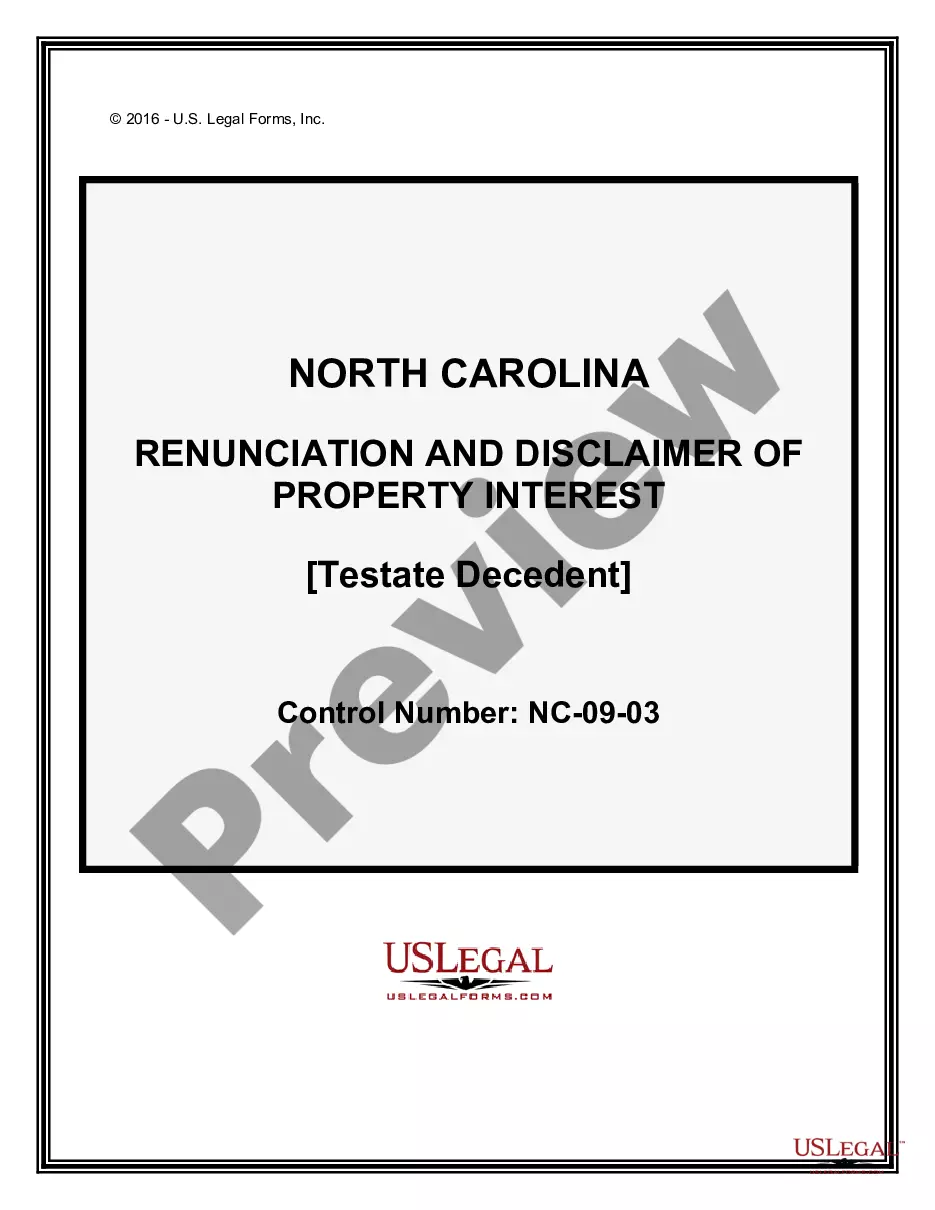
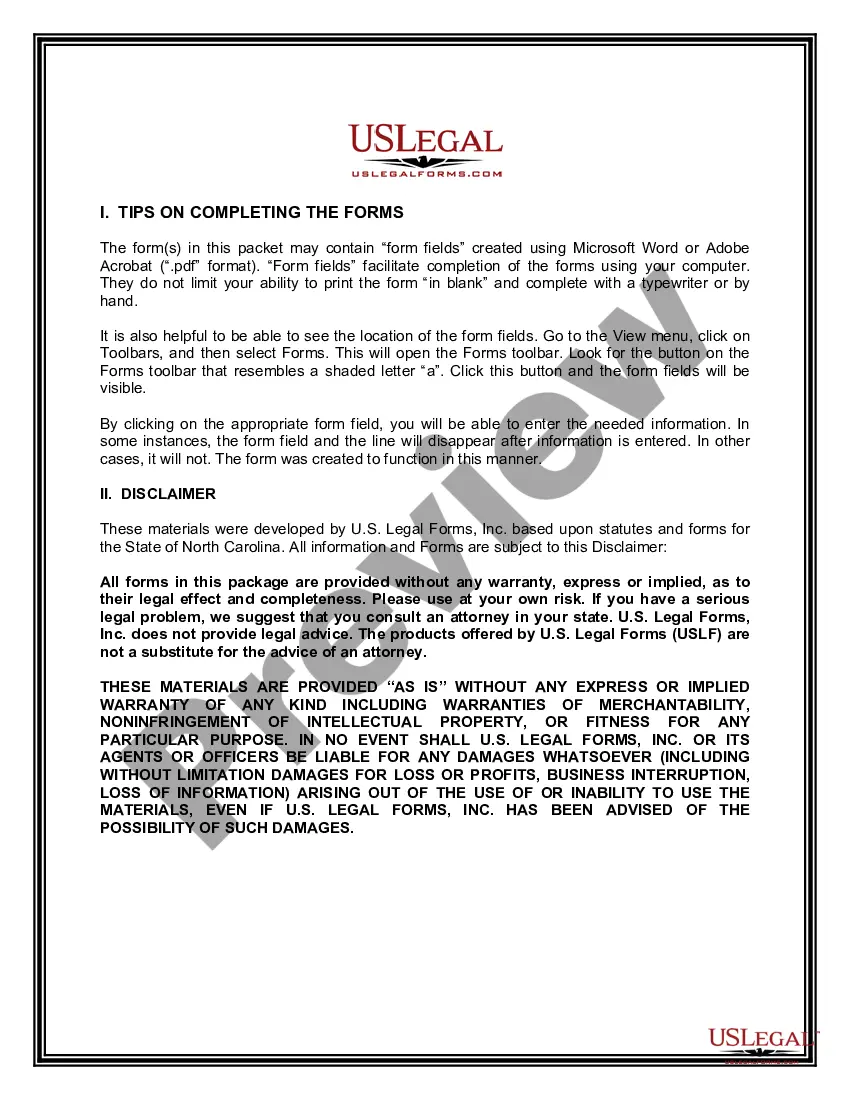
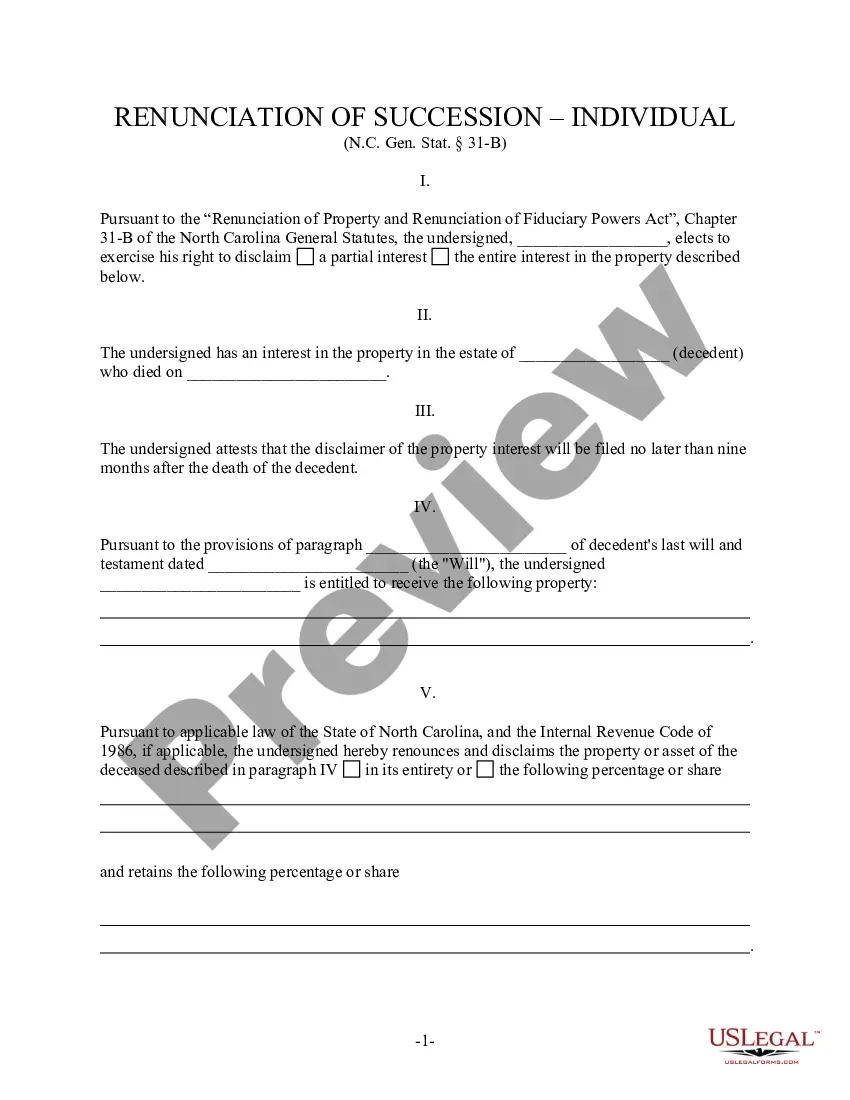
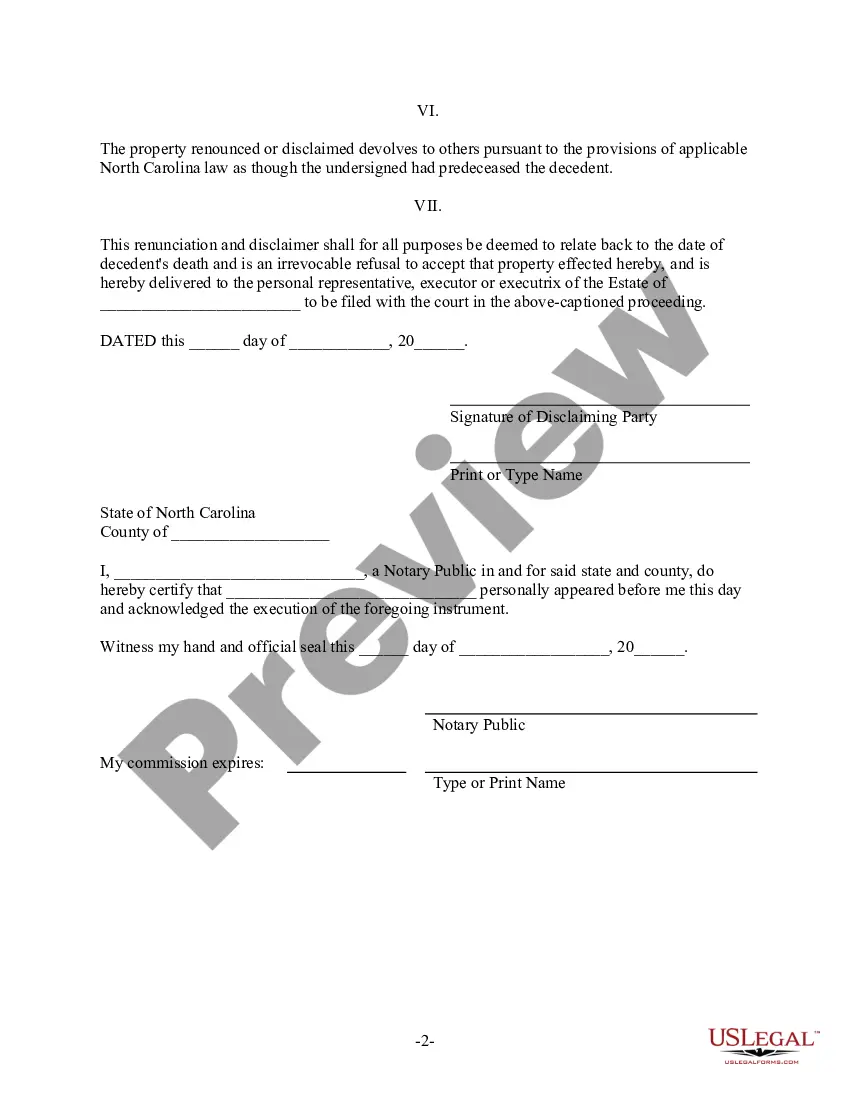
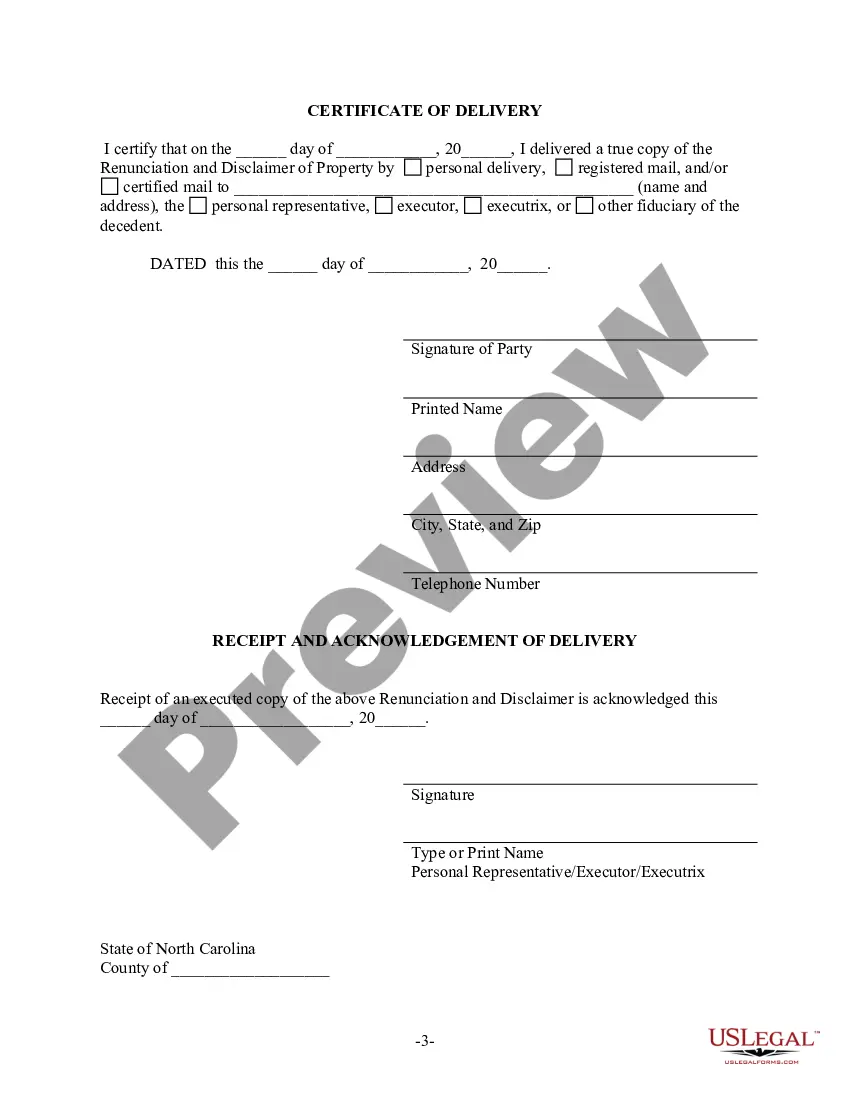
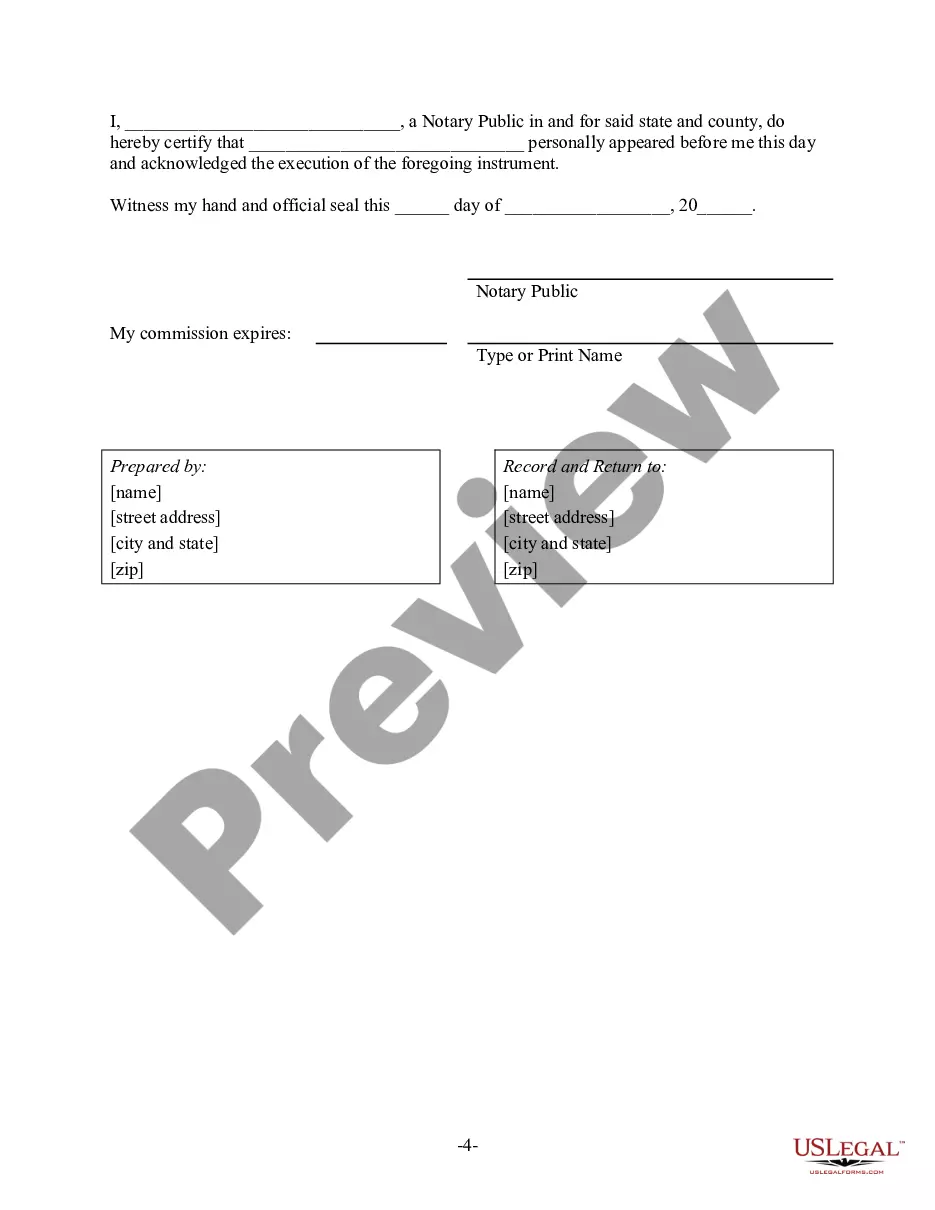
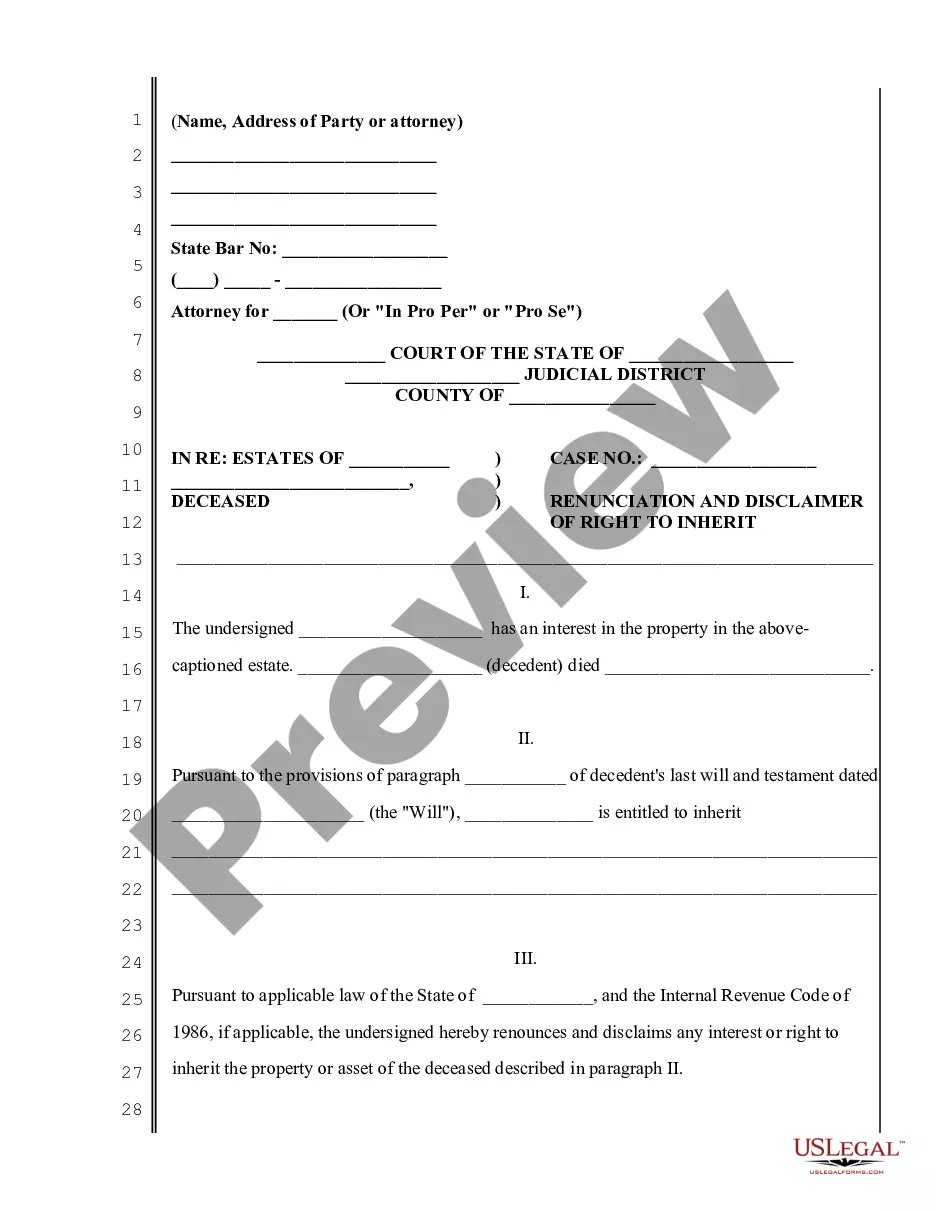
Get your form ready online
Our built-in tools help you complete, sign, share, and store your documents in one place.
Make edits, fill in missing information, and update formatting in US Legal Forms—just like you would in MS Word.
Download a copy, print it, send it by email, or mail it via USPS—whatever works best for your next step.
Sign and collect signatures with our SignNow integration. Send to multiple recipients, set reminders, and more. Go Premium to unlock E-Sign.
If this form requires notarization, complete it online through a secure video call—no need to meet a notary in person or wait for an appointment.
We protect your documents and personal data by following strict security and privacy standards.

Make edits, fill in missing information, and update formatting in US Legal Forms—just like you would in MS Word.

Download a copy, print it, send it by email, or mail it via USPS—whatever works best for your next step.

Sign and collect signatures with our SignNow integration. Send to multiple recipients, set reminders, and more. Go Premium to unlock E-Sign.

If this form requires notarization, complete it online through a secure video call—no need to meet a notary in person or wait for an appointment.

We protect your documents and personal data by following strict security and privacy standards.
Looking for another form?
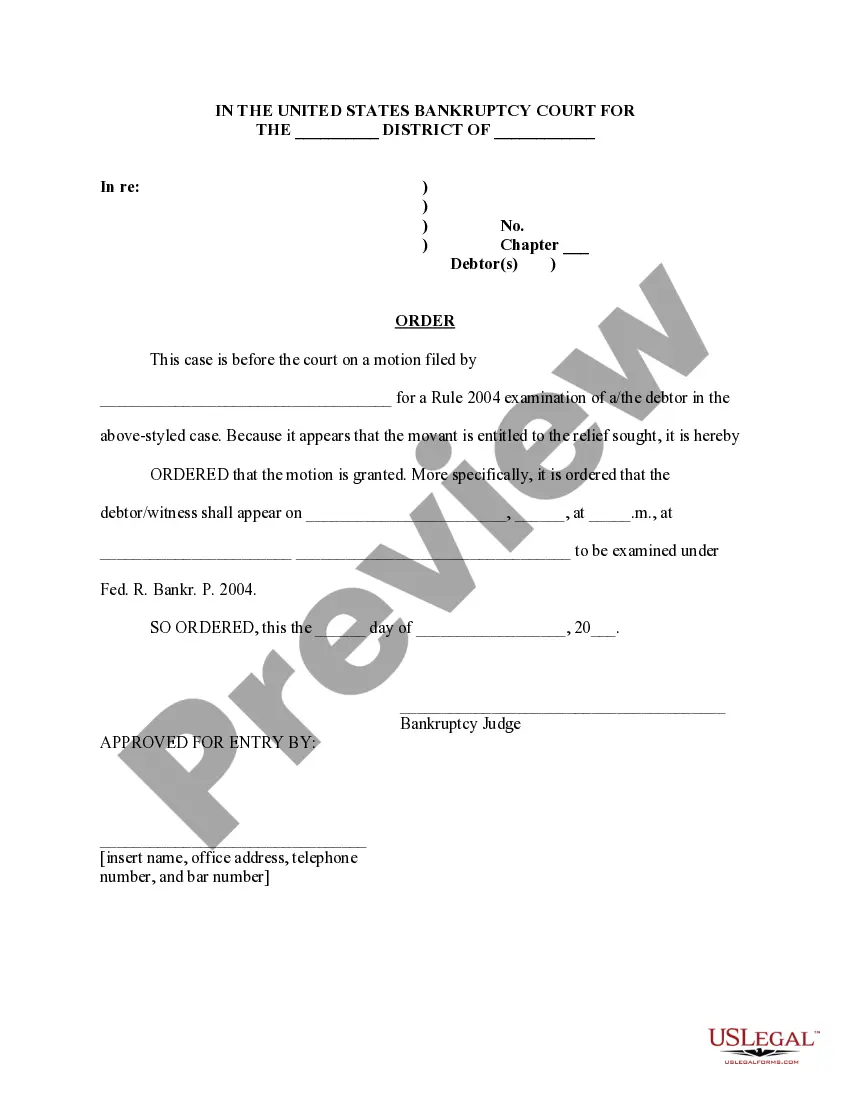




How to fill out North Carolina Renunciation And Disclaimer Of Property From Will By Testate?
- If you're a returning user, log in to your account and locate the needed form template. Click the Download button after confirming your subscription is active. If your subscription has expired, renew it based on your chosen plan.
- For first-time users, begin by reviewing the Preview mode and form description to confirm you’ve selected the appropriate North Carolina disclosure statement that complies with local laws.
- Should you need a different form, utilize the Search tab to find the right template. Once you identify a suitable document, you can proceed to the next step.
- Purchase the document by clicking the Buy Now button. Select a subscription plan and create an account to access the extensive library.
- Complete your transaction by entering your credit card details or using your PayPal account for payment.
- Download the form and save it on your device for easy access. You can also revisit it anytime via the My Forms section in your profile.
US Legal Forms stands out with its robust collection of legal documents, offering more forms than competitors at a comparable price. With over 85,000 fillable and editable templates, the platform ensures you find precisely what you need.
In conclusion, obtaining a North Carolina disclosure statement is a straightforward process with US Legal Forms. Experience the convenience of an exceptional library of legal forms today and empower your document preparation!
Form popularity
FAQ
In a North Carolina disclosure statement, you should clearly describe the property's physical condition and any known issues. This includes any historical problems like flooding or pests, along with information on repairs or upgrades made. Additionally, it is beneficial to document the age of major systems in the home, such as the roof, HVAC, and appliances. Utilizing platforms like USLegalForms can simplify creating a comprehensive disclosure that aligns with North Carolina requirements.
A disclosure statement, particularly in North Carolina, is a document that informs potential buyers about a property's condition. This document reveals important facts that could affect the buyer’s decision-making process. The North Carolina disclosure statement ensures transparency between the seller and buyer, encouraging an open dialogue and reducing the potential for legal disputes later. Understanding this document is crucial for every property transaction.
A North Carolina disclosure statement should include accurate representations of the property being sold. This includes details about any known defects, property boundaries, and any zoning issues. Additionally, the statement should clearly outline any repairs made and the condition of significant systems, such as plumbing and electrical. By providing complete information, you help buyers make informed decisions and promote trust in the transaction.
The seller of the property typically fills out the condition of the property disclosure form. However, real estate agents can assist sellers in accurately completing the North Carolina disclosure statement. It’s essential for this form to be filled out by someone knowledgeable about the property details. To ensure accuracy and compliance with local regulations, utilizing legal platforms like US Legal Forms can provide the necessary resources and templates.
The NC residential property disclosure statement is a specific form designed for sellers of residential properties in North Carolina. This North Carolina disclosure statement mandates sellers to disclose any known issues, thereby protecting both buyer and seller interests. Utilizing this statement is not just a legal obligation; it's a way to enhance trust and promote a fair real estate market. Home sellers can find named forms and guides on platforms like US Legal Forms.
The North Carolina disclosure statement includes critical information about the property’s physical condition, legal issues, and any known defects. Topics covered may range from the presence of hazardous materials to architectural discrepancies or existing warranties. By disclosing these details, the seller helps the buyer understand all aspects of the property. This transparency is essential in facilitating a trustworthy buying experience.
Typically, the seller of the property should fill out the seller's disclosure of property condition. This North Carolina disclosure statement allows sellers to provide the necessary details regarding the property's state to prospective buyers. As a seller, it’s beneficial to be honest and thorough to avoid complications or legal issues down the road. Educational tools, like Quizlet, can be helpful in understanding the requirements for this disclosure.
The seller is responsible for completing the transfer disclosure statement in North Carolina. This North Carolina disclosure statement serves as a written account of the property's current condition and history. Completion of this document ensures the seller discloses all relevant information to the buyer, which fosters a smooth transaction and limits potential disputes later. Consulting resources like US Legal Forms can help guide sellers through this important process.
A comprehensive disclosure statement should include details about the property's condition, including areas like plumbing, electrical systems, and structural integrity. Additionally, any past issues such as water damage, pest infestations, or mold should be clearly noted. The North Carolina disclosure statement aims to present a complete picture for potential buyers, ensuring transparency in the sales process. Thus, including thorough and accurate information is crucial for both parties.
The seller of the property is responsible for completing the real estate condition report in North Carolina. This report provides a comprehensive overview of the property's physical condition and any known issues. By thoroughly describing the status of the property, sellers can avoid potential disputes later on. For those looking to navigate these requirements confidently, USLegalForms offers helpful templates and resources for North Carolina disclosure statements.