Personal Injury Claim For Stress
Description
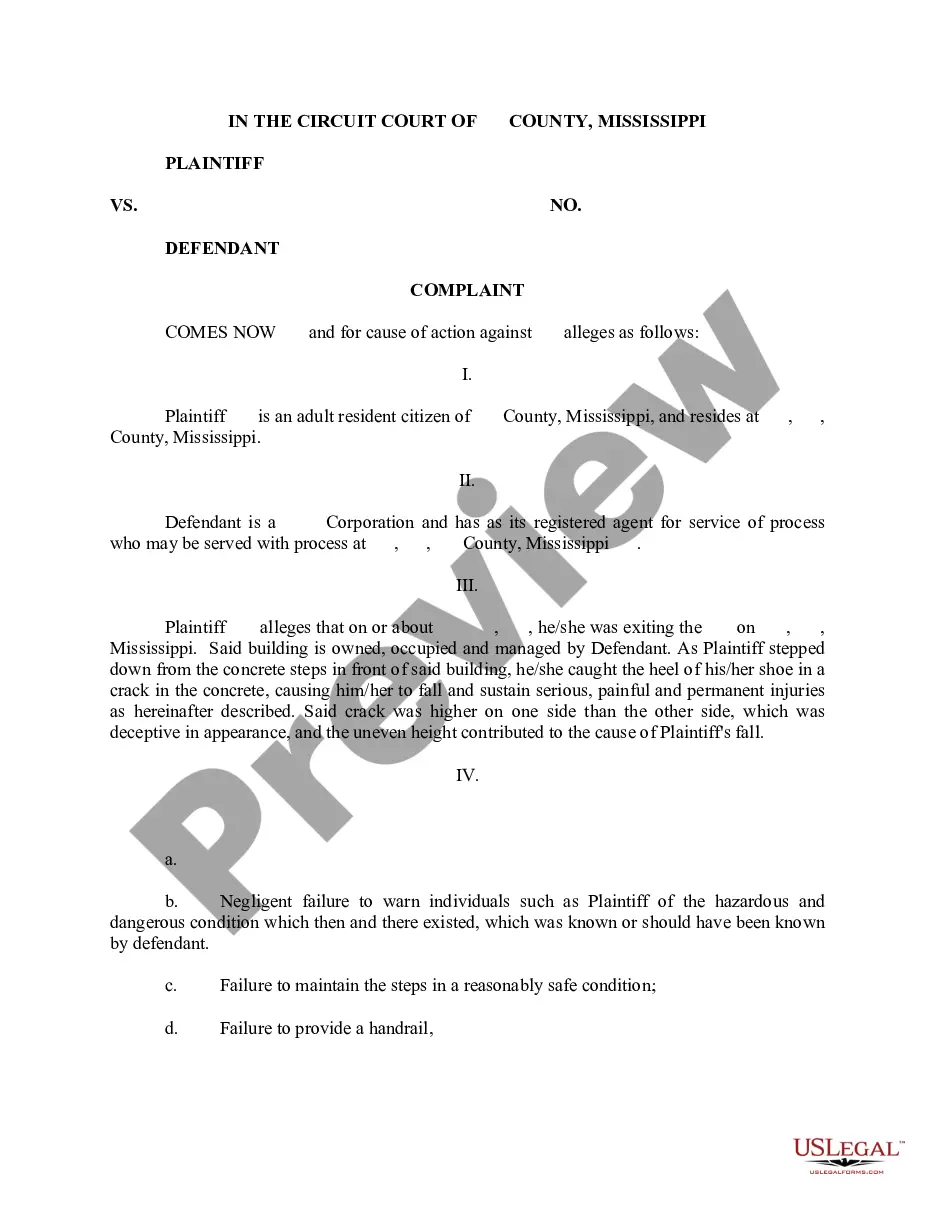
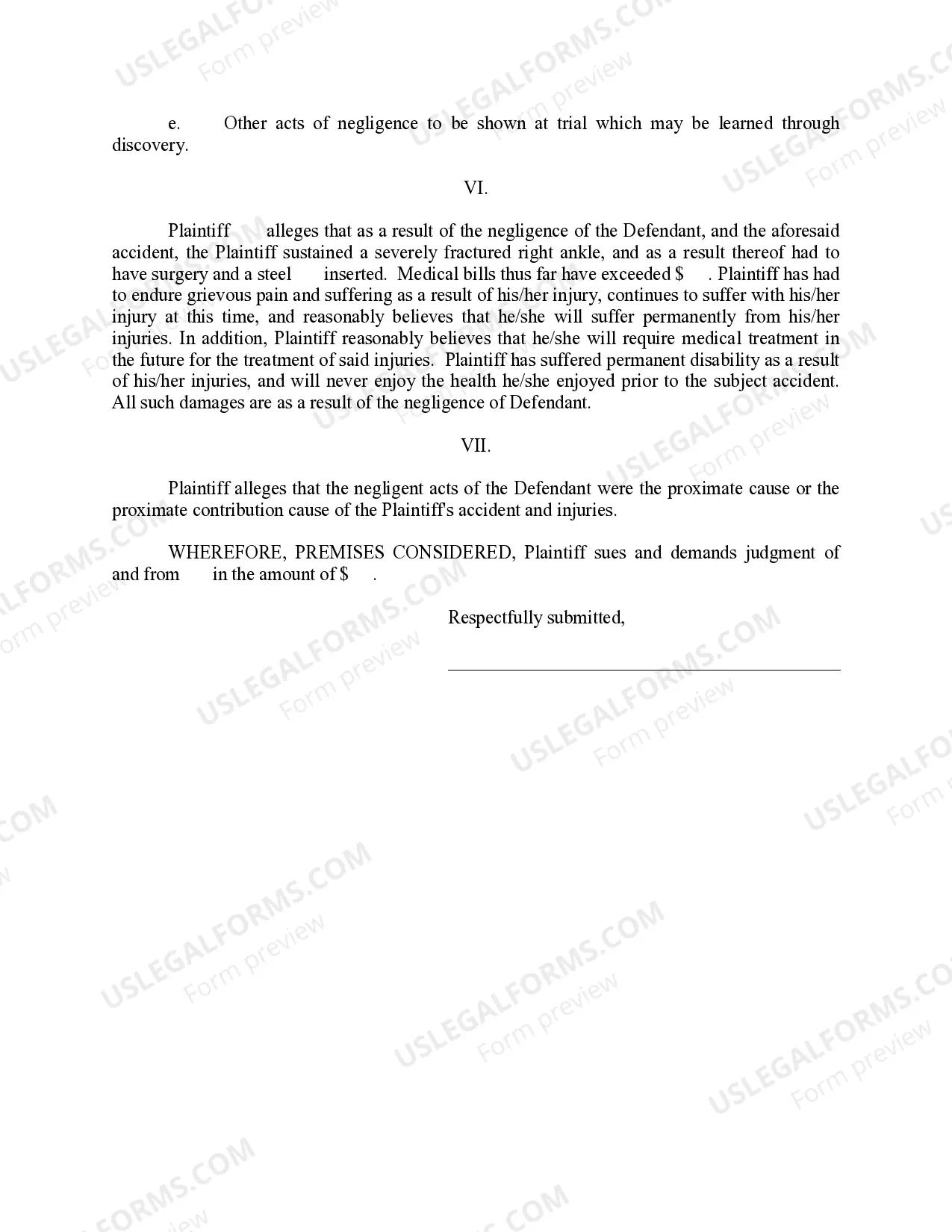
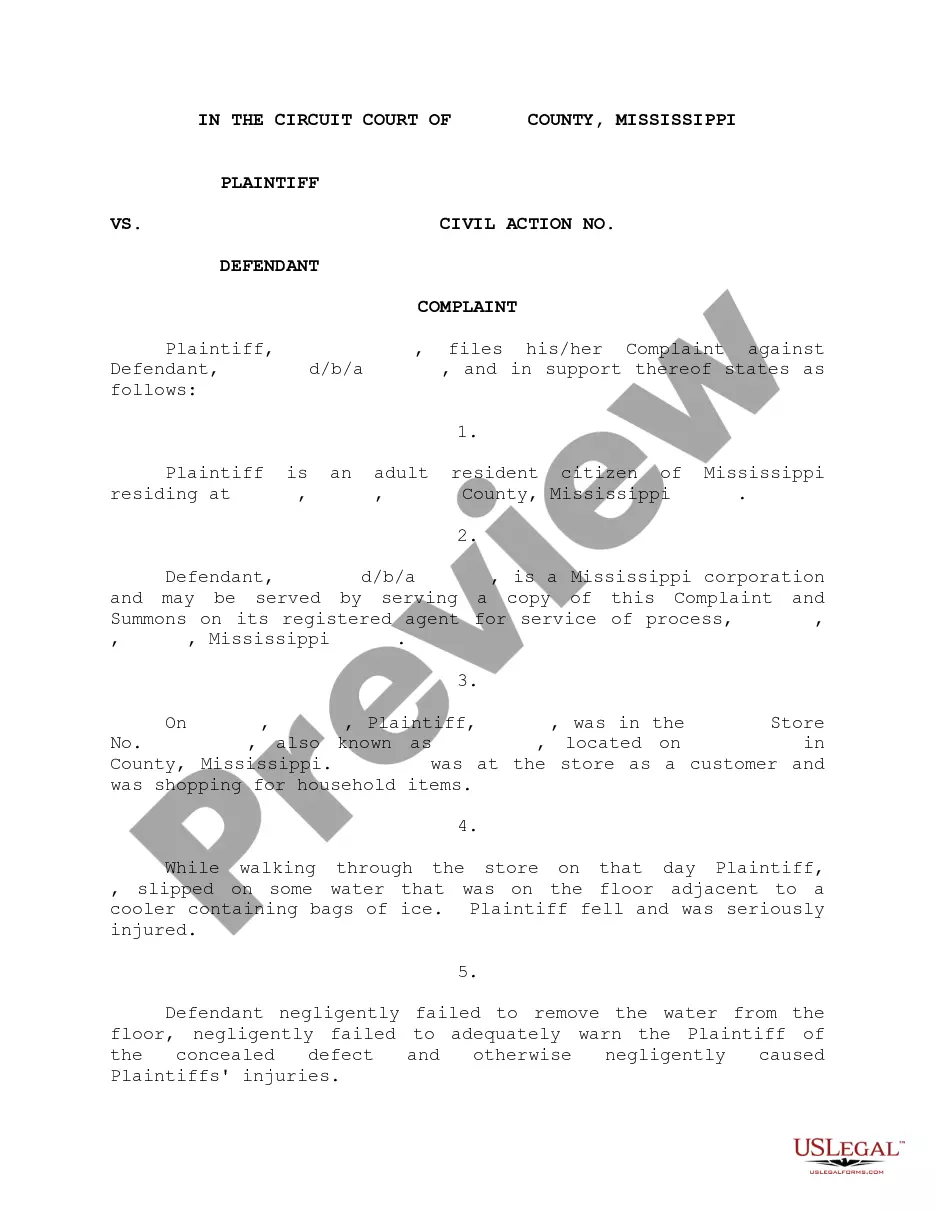
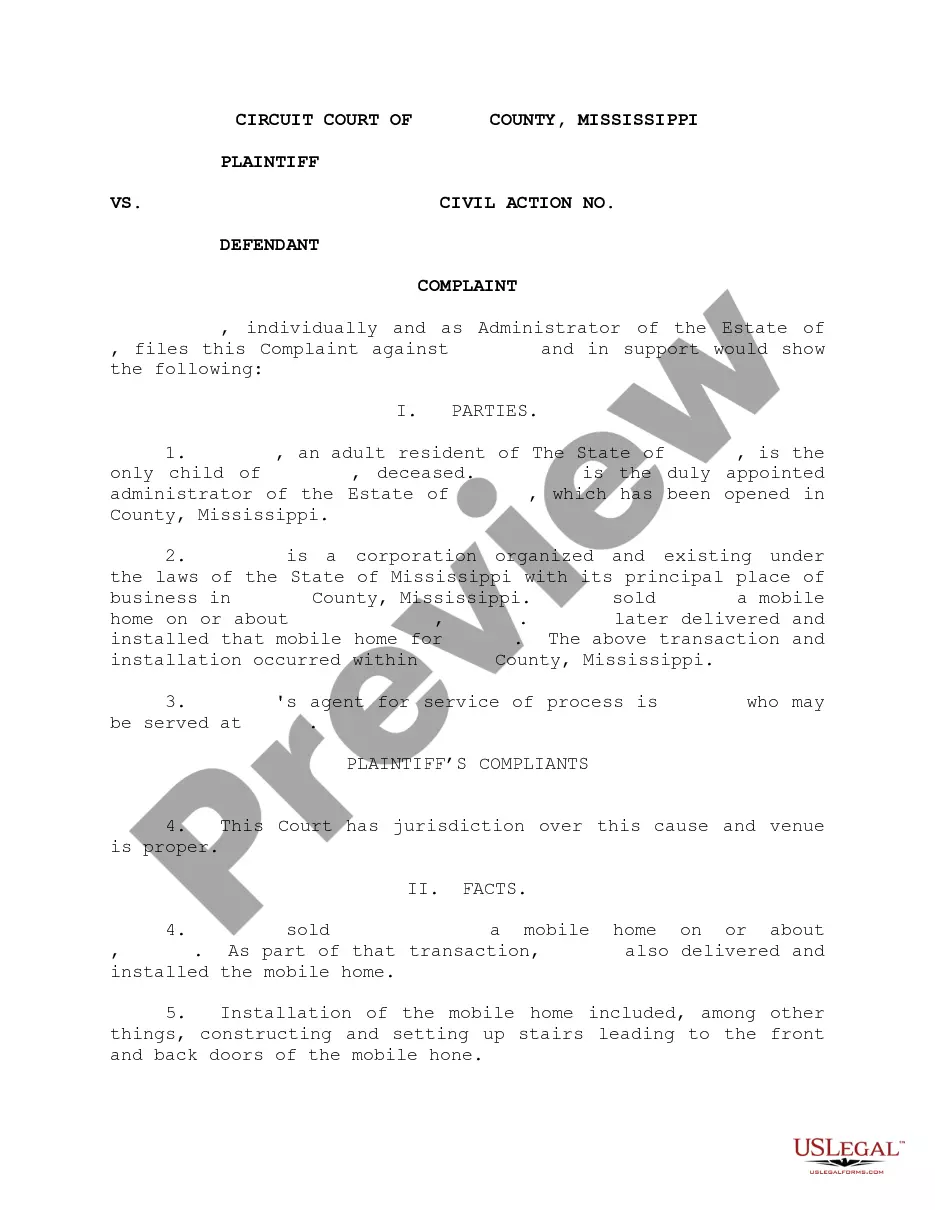
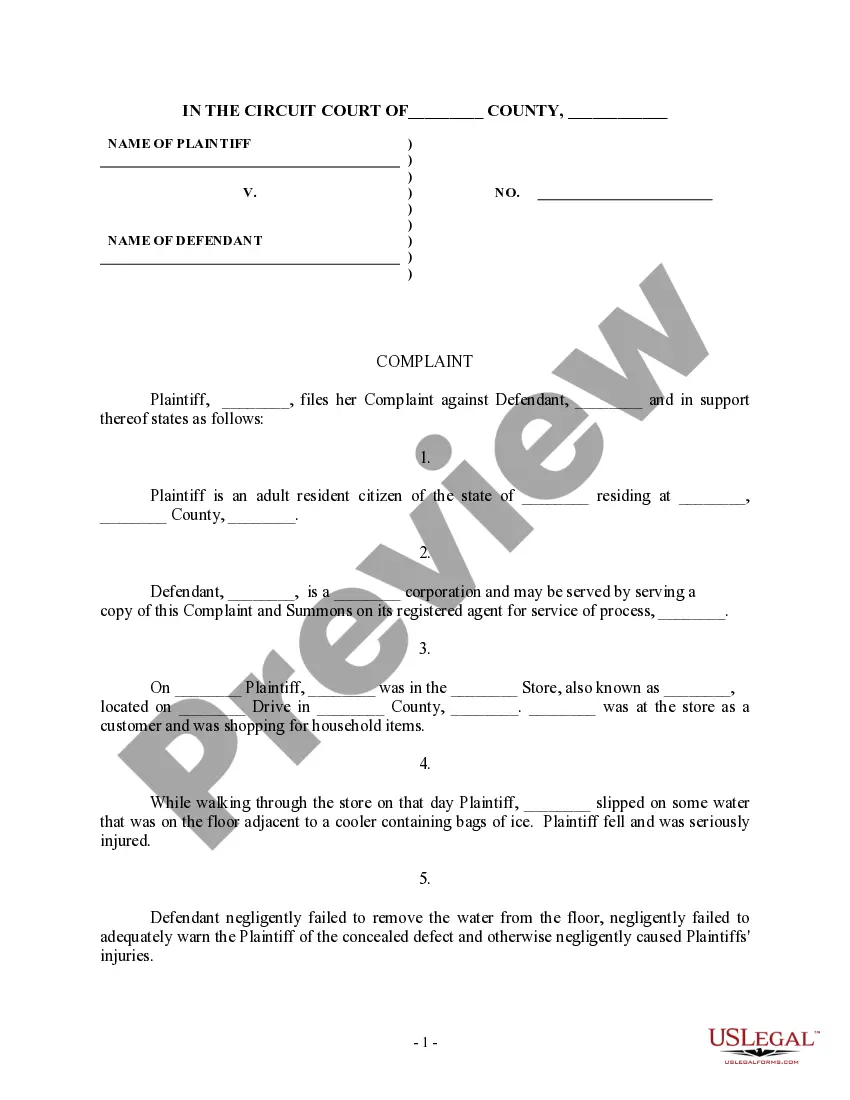
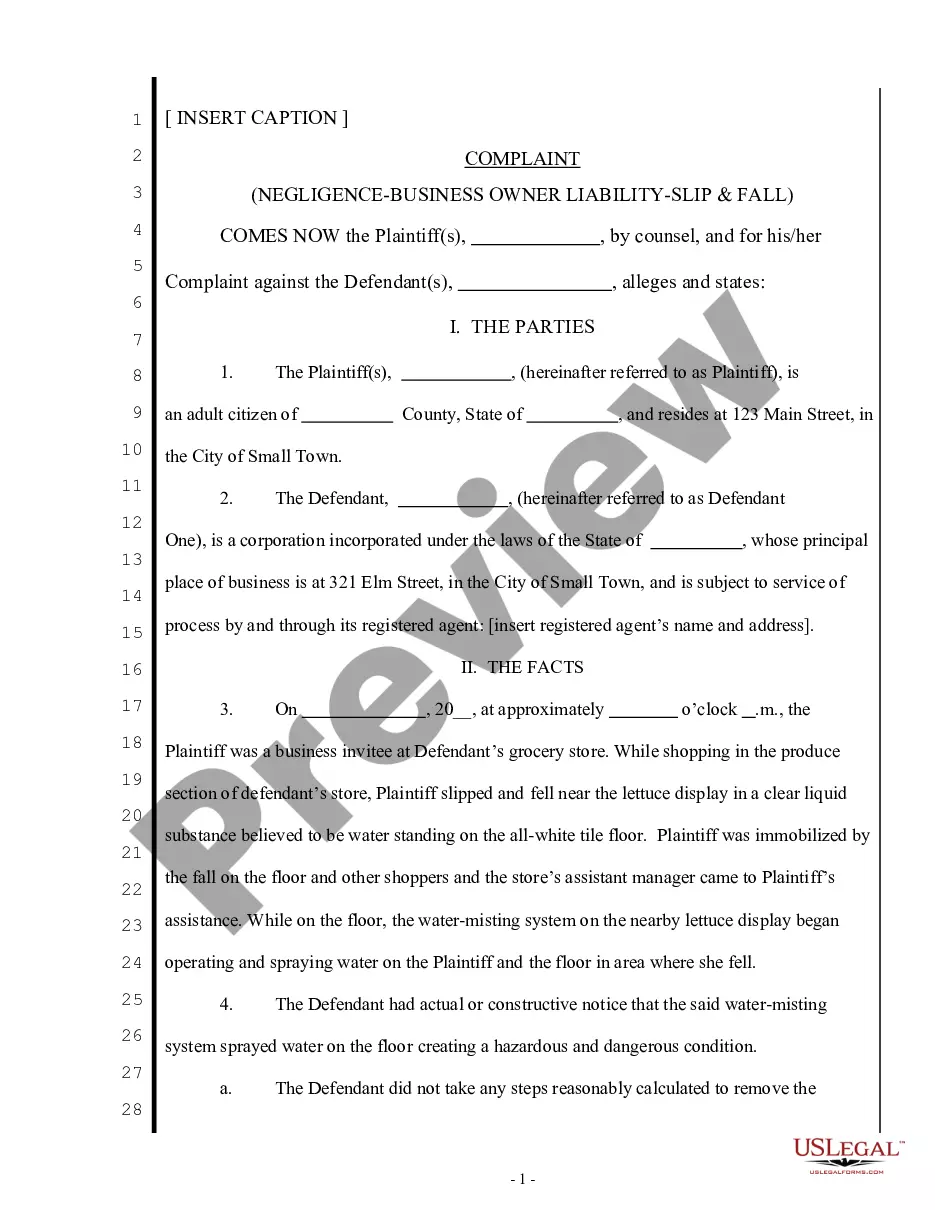
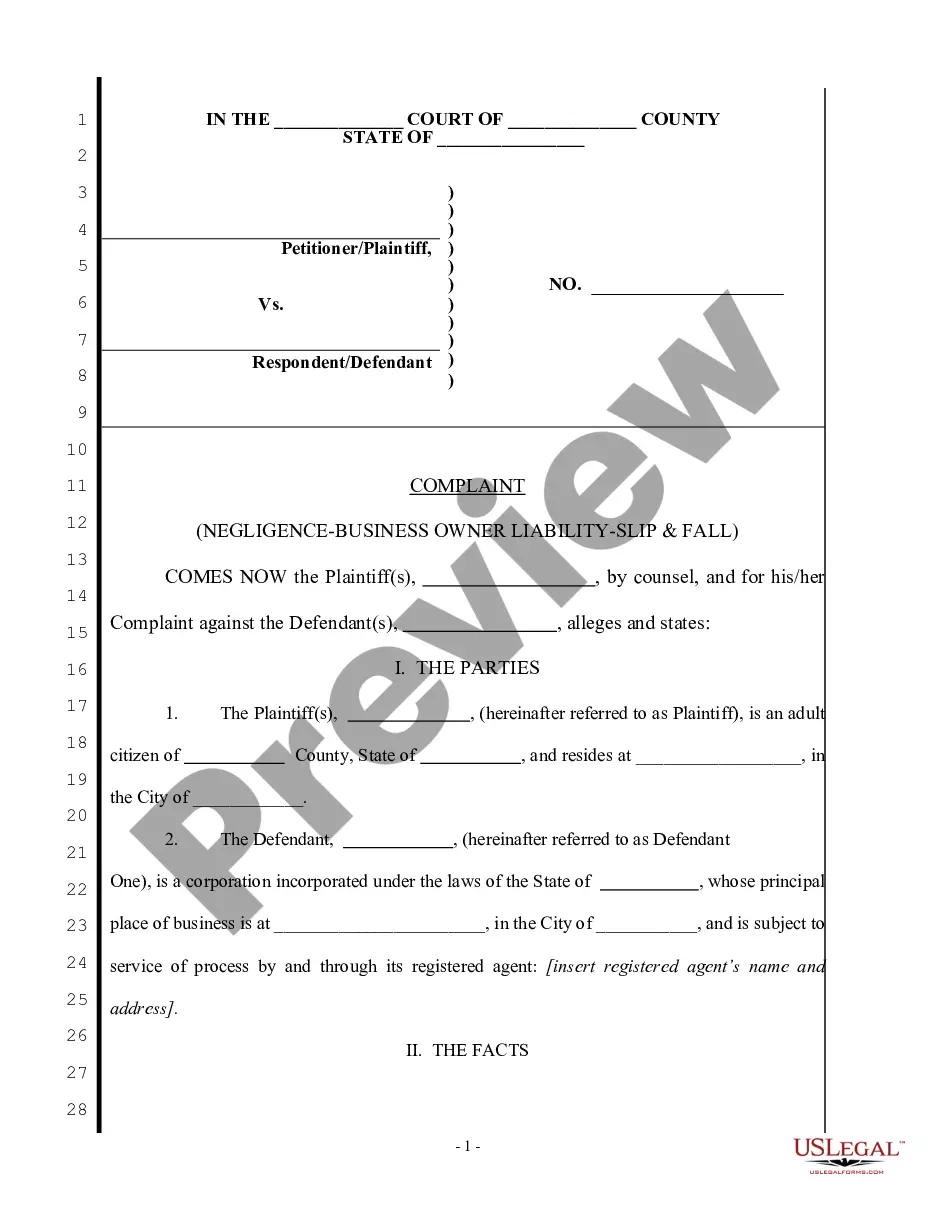
Get your form ready online
Our built-in tools help you complete, sign, share, and store your documents in one place.
Make edits, fill in missing information, and update formatting in US Legal Forms—just like you would in MS Word.
Download a copy, print it, send it by email, or mail it via USPS—whatever works best for your next step.
Sign and collect signatures with our SignNow integration. Send to multiple recipients, set reminders, and more. Go Premium to unlock E-Sign.
If this form requires notarization, complete it online through a secure video call—no need to meet a notary in person or wait for an appointment.
We protect your documents and personal data by following strict security and privacy standards.

Make edits, fill in missing information, and update formatting in US Legal Forms—just like you would in MS Word.

Download a copy, print it, send it by email, or mail it via USPS—whatever works best for your next step.

Sign and collect signatures with our SignNow integration. Send to multiple recipients, set reminders, and more. Go Premium to unlock E-Sign.

If this form requires notarization, complete it online through a secure video call—no need to meet a notary in person or wait for an appointment.

We protect your documents and personal data by following strict security and privacy standards.
Looking for another form?



How to fill out Mississippi Complaint?
- Log in to your US Legal Forms account or create a new account to begin. If you're a returning user, ensure your subscription is active; otherwise, renew it as necessary.
- Browse through our extensive library by checking the preview mode and form descriptions to find the right personal injury claim template that meets your local jurisdiction requirements.
- If you don’t find the form you need, use the Search tab to look for alternative templates that may better suit your situation.
- Once you’ve selected a suitable document, click the Buy Now button and choose your preferred subscription plan. Remember to register for full access to our resources.
- Complete your purchase using credit card details or PayPal to finalize your subscription.
- Download your selected document onto your device, granting you easy access whenever needed through the My Forms section of your profile.
In conclusion, US Legal Forms provides an extensive and user-friendly library of legal templates, empowering individuals and attorneys alike to efficiently navigate legal processes. Take control of your personal injury claim for stress today and ensure your documentation is clear and effective.
Visit US Legal Forms now to get started!
Form popularity
FAQ
Yes, emotional distress is commonly recognized as a form of personal injury. When someone experiences severe distress due to an accident, harassment, or wrongful action of another party, they could file a personal injury claim for stress. This claim may allow you to obtain compensation for your suffering, provided you can substantiate the emotional impact of the incident. Platforms like US Legal Forms can assist you in understanding the requirements and processes related to emotional distress claims.
Stress can indeed qualify as a personal injury, particularly if it stems from an accident or traumatic event caused by another's negligence. Personal injury claims for stress may arise when emotional trauma significantly disrupts your life or causes measurable harm. It's essential to gather medical evidence and personal accounts that support your claim. By doing so, you can strengthen your case and potentially receive compensation for your suffering.
Compensation for stress through a personal injury claim depends on various aspects, such as the nature of the stress and its effects on your life. Generally, you may seek damages for healthcare costs, lost wages, and emotional suffering. It's important to document how stress impacts your day-to-day activities and overall well-being. Consulting with a legal expert can help you determine a fair compensation amount for your personal injury claim for stress.
Most personal injury claims for stress vary significantly in settlement amounts. Typically, these settlements can range from a few thousand dollars to hundreds of thousands, depending on the severity of your emotional distress and the details of your case. Factors like medical documentation, the impact on your daily life, and the strength of your claim play crucial roles. To understand your potential settlement better, consider reaching out to a legal professional who specializes in personal injury claims for stress.
To prove that stress is work-related, you must establish a clear connection between your job duties and your stress symptoms. This can include gathering documentation from your employer, keeping a personal stress journal, and obtaining a professional evaluation. Showing that your stress stems from workplace conditions can strengthen your personal injury claim for stress. Using the US Legal Forms platform can aid you in organizing and submitting your claim effectively.
A healthcare provider usually diagnoses work-related stress after discussing your symptoms and workplace situation. They may use questionnaires or assessments to evaluate your mental health. Understanding the diagnosis is essential for pursuing a personal injury claim for stress, as it provides a professional perspective on your situation. Proper documentation can significantly support your case.
Proving work-related stress often requires documentation and professional evaluation. You may need to gather evidence such as emails showing excessive demands, witness statements from coworkers, and medical records detailing your condition. This evidence plays a crucial role in constructing your personal injury claim for stress. Engaging with a legal professional can further strengthen your case.
Identifying workplace stress involves recognizing the signs and symptoms that affect your well-being. Look for physical signs like headaches or fatigue, alongside emotional changes such as anxiety or irritability. If you notice these symptoms frequently in yourself or a colleague, it might indicate a need to evaluate the situation and consider a personal injury claim for stress. Being proactive can help you regain control.
Work-related stress occurs when someone feels overwhelmed by the demands placed on them in their job. This can happen due to excessive pressure, a lack of support, or conflicts in the workplace. When stress becomes too much, it may lead to serious health issues, which can be grounds for a personal injury claim for stress. Understanding these factors is critical for anyone experiencing stress at work.
Yes, you can claim compensation for both stress and anxiety as part of a personal injury claim for stress. It is crucial to establish a connection between your emotional state and the incident that caused it. Consulting legal resources, like US Legal Forms, can guide you through this process.