Transfer On Death Deed With Mortgage Example
Description
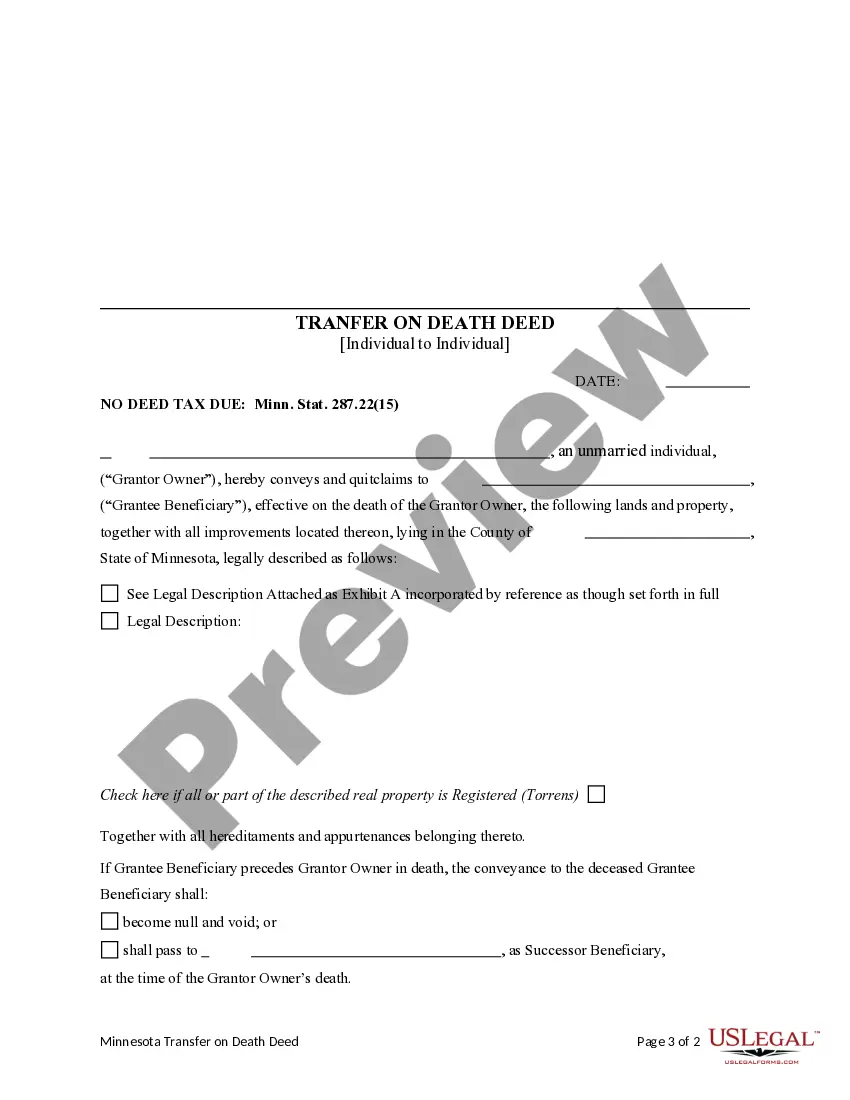
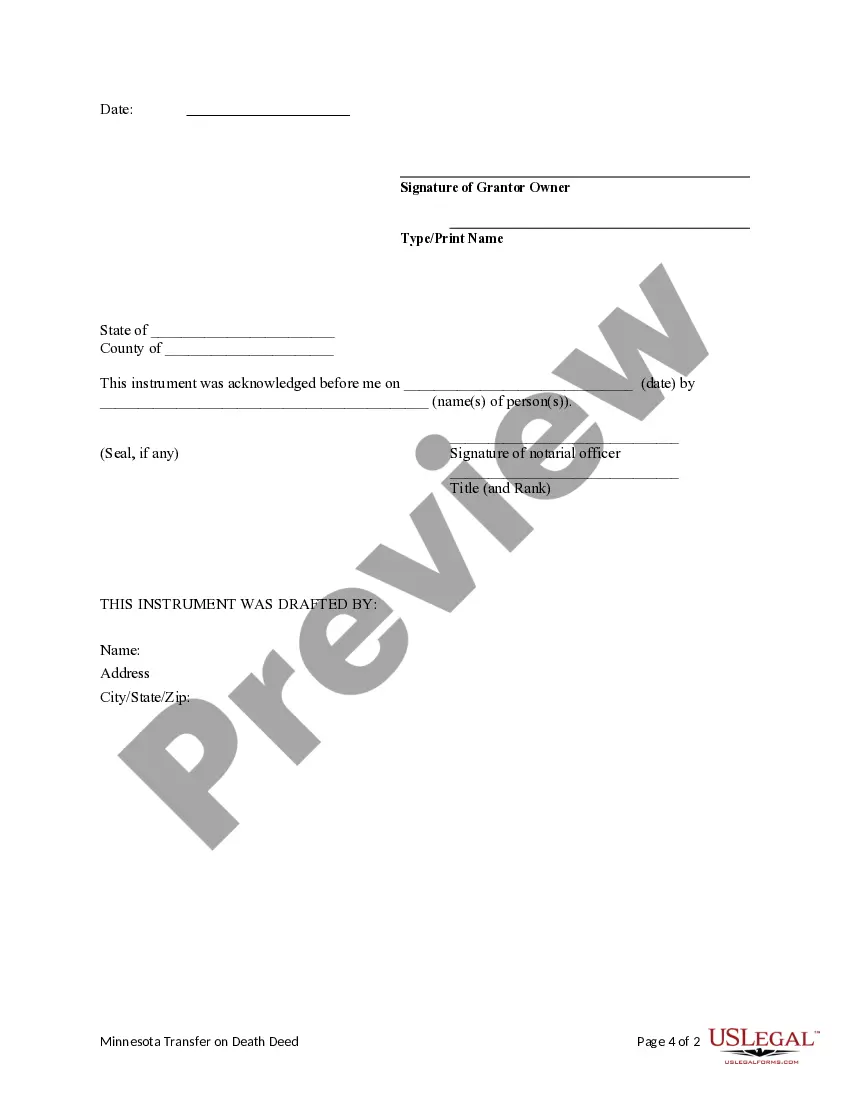

Get your form ready online
Our built-in tools help you complete, sign, share, and store your documents in one place.
Make edits, fill in missing information, and update formatting in US Legal Forms—just like you would in MS Word.
Download a copy, print it, send it by email, or mail it via USPS—whatever works best for your next step.
Sign and collect signatures with our SignNow integration. Send to multiple recipients, set reminders, and more. Go Premium to unlock E-Sign.
If this form requires notarization, complete it online through a secure video call—no need to meet a notary in person or wait for an appointment.
We protect your documents and personal data by following strict security and privacy standards.

Make edits, fill in missing information, and update formatting in US Legal Forms—just like you would in MS Word.

Download a copy, print it, send it by email, or mail it via USPS—whatever works best for your next step.

Sign and collect signatures with our SignNow integration. Send to multiple recipients, set reminders, and more. Go Premium to unlock E-Sign.

If this form requires notarization, complete it online through a secure video call—no need to meet a notary in person or wait for an appointment.

We protect your documents and personal data by following strict security and privacy standards.
Looking for another form?

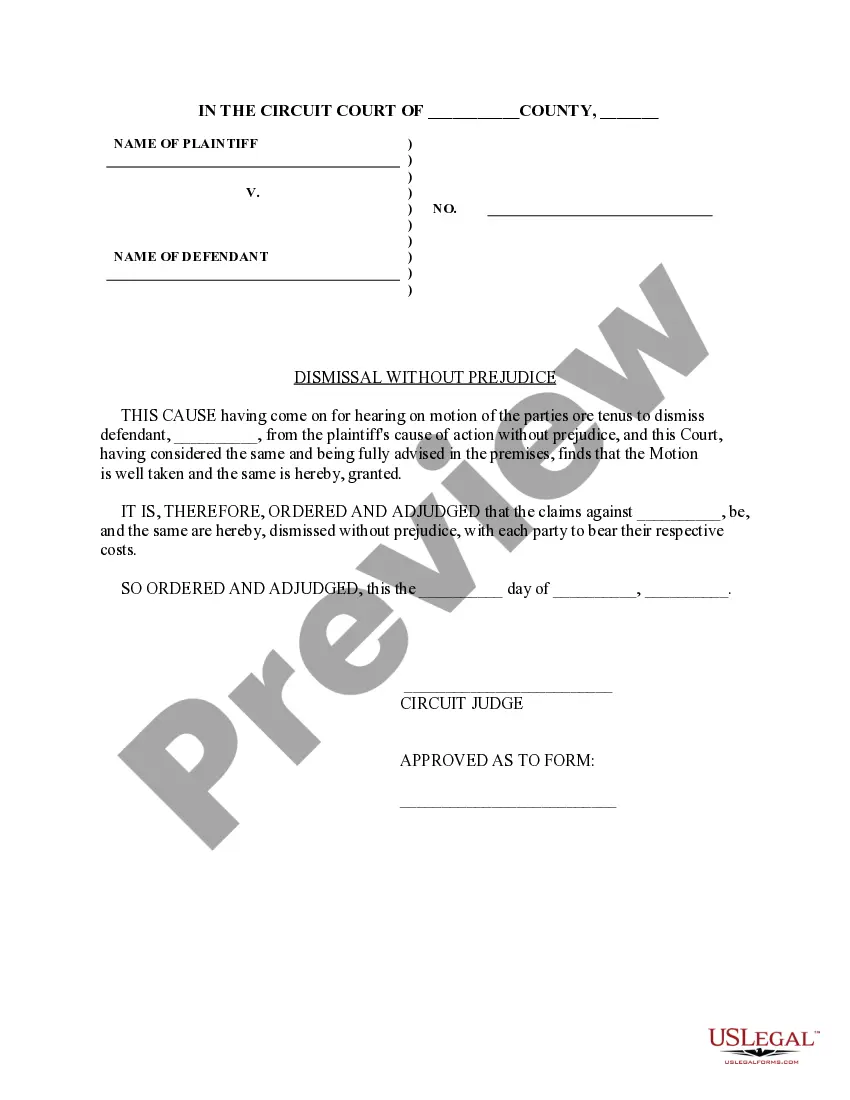





How to fill out Minnesota Transfer On Death Deed - Individual To Individual?
- If you're already a US Legal Forms user, log in to your account and download the required template by clicking the Download button, ensuring your subscription is current. If it's expired, renew it as per your payment plan.
- First-time users should begin by reviewing the Preview mode and detailed form descriptions to confirm that the selected template aligns with their needs and local jurisdiction requirements.
- If discrepancies arise, utilize the Search tab at the top to explore additional templates until you find the correct one.
- Proceed to purchase your chosen document by clicking the Buy Now button and selecting a suitable subscription plan, remembering to create an account for access.
- Complete your purchase by entering your credit card information or opting for PayPal to secure your subscription.
- Finally, download the completed form to your device, allowing easy access in the My Forms section of your profile whenever needed.
By following these steps, you can ensure that you have the correct transfer on death deed with mortgage example for your needs. US Legal Forms not only offers a robust collection of templates but also provides expert assistance for the completion of legal documents, making it easier than ever to navigate the complexities of estate planning.
Take control of your estate planning today—visit US Legal Forms to get started!
Form popularity
FAQ
In Texas, the transfer on death deed with mortgage example must be executed and recorded properly to be valid. The property owner must complete a specific form, including details about the property and the named beneficiaries. It's important to know that this deed does not affect any mortgage obligations, meaning the debt must still be managed. Familiarizing yourself with Texas rules is essential, and resources like US Legal Forms can provide the templates and guidance needed.
You do not necessarily need a lawyer to create a transfer on death deed with mortgage example, as many resources guide you through the process. However, consulting with a legal professional can help ensure that your deed complies with state laws and accurately reflects your intentions. A lawyer can also advise you on how this deed interacts with your existing estate plan. If you seek clarity and peace of mind, consider reaching out to experienced providers like US Legal Forms.
A transfer on death deed with mortgage example serves a different purpose than a traditional will. While a TOD allows for the direct transfer of property upon death, a will covers all aspects of your estate, including debts and personal items. Depending on your financial situation and family dynamics, a will may provide a more comprehensive plan for your assets. Consider your needs carefully to determine the best choice.
The downside of a transfer on death deed with mortgage example is that it does not address any debts or liabilities associated with the property. If the property has a mortgage, the debt still exists and must be settled by heirs. Additionally, it may not provide the same level of protection as a will, especially in complex family situations or if disputes arise. Thus, it can leave gaps if not carefully planned.
Yes, a beneficiary can take over a mortgage after the original owner dies, but this depends on the mortgage's terms. Lenders often allow successor borrowers to assume the mortgage, provided they meet specific requirements. It is essential to review the mortgage documents and consult with the lender. A transfer on death deed with mortgage example can give insight into how beneficiaries may inherit property and financial obligations seamlessly.
While a transfer on death deed with mortgage example offers many benefits, it has disadvantages to consider. This deed does not protect against claims from creditors, and the property may still be subject to estate taxes. Additionally, if the beneficiary does not want the property, they may have limited options. We encourage exploring all available options on USLegalForms to find the best solution for your needs.
Typically, the beneficiary is responsible for any taxes associated with a transfer on death deed with mortgage example once the property has been transferred. The tax obligations will depend on the property's value and local tax laws. It's advisable for beneficiaries to stay informed about these responsibilities to avoid surprises. Professional advice can help them manage these tax matters effectively.
A transfer on death deed with mortgage example may have implications for inheritance tax, depending on the specific state laws. Generally, this type of deed allows for the direct transfer of property, potentially bypassing probate. However, it does not necessarily exempt the estate from all taxes. Consulting with a tax expert can clarify the expected obligations.
The disadvantage of a transfer on death deed with mortgage example lies in the potential complications that can arise after the owner's death. If the property has a mortgage balance, the heir may face challenges in assuming that debt. Furthermore, this type of deed does not provide protection against creditors, which can impact the beneficiaries. It is important to consider these factors when choosing a transfer method.
Although you can file a transfer on death deed without a lawyer, having legal guidance can be beneficial. A lawyer can help you navigate the complexities of property transfer, ensuring the transfer on death deed with mortgage example is properly executed. They can also address any specific concerns related to your situation. Overall, seeking professional advice can provide peace of mind during this important process.