Non Profit Organization With Children
Description
Get your form ready online
Our built-in tools help you complete, sign, share, and store your documents in one place.
Make edits, fill in missing information, and update formatting in US Legal Forms—just like you would in MS Word.
Download a copy, print it, send it by email, or mail it via USPS—whatever works best for your next step.
Sign and collect signatures with our SignNow integration. Send to multiple recipients, set reminders, and more. Go Premium to unlock E-Sign.
If this form requires notarization, complete it online through a secure video call—no need to meet a notary in person or wait for an appointment.
We protect your documents and personal data by following strict security and privacy standards.
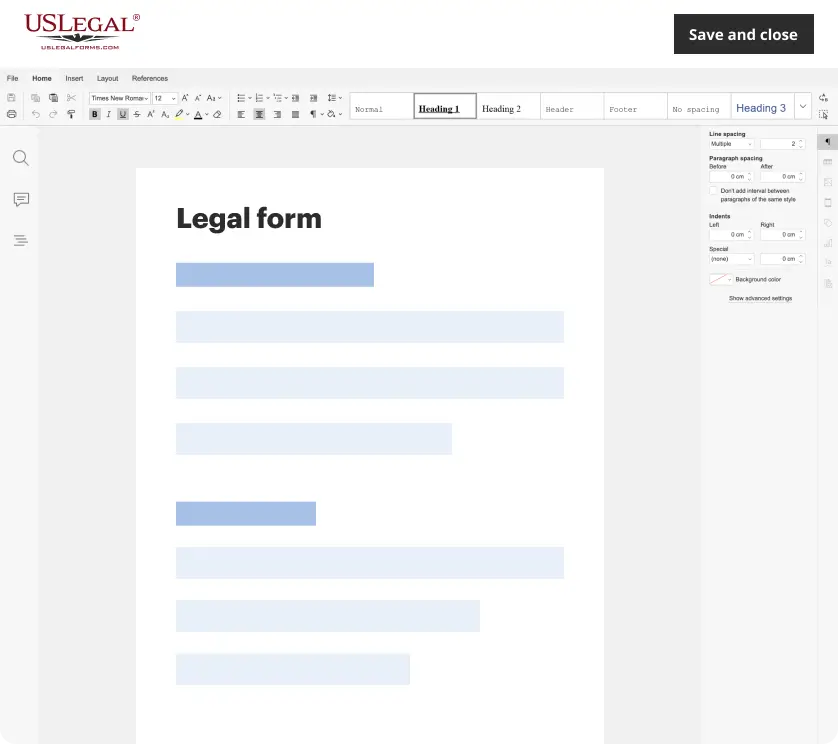
Make edits, fill in missing information, and update formatting in US Legal Forms—just like you would in MS Word.
Download a copy, print it, send it by email, or mail it via USPS—whatever works best for your next step.
Sign and collect signatures with our SignNow integration. Send to multiple recipients, set reminders, and more. Go Premium to unlock E-Sign.
If this form requires notarization, complete it online through a secure video call—no need to meet a notary in person or wait for an appointment.
We protect your documents and personal data by following strict security and privacy standards.
Looking for another form?
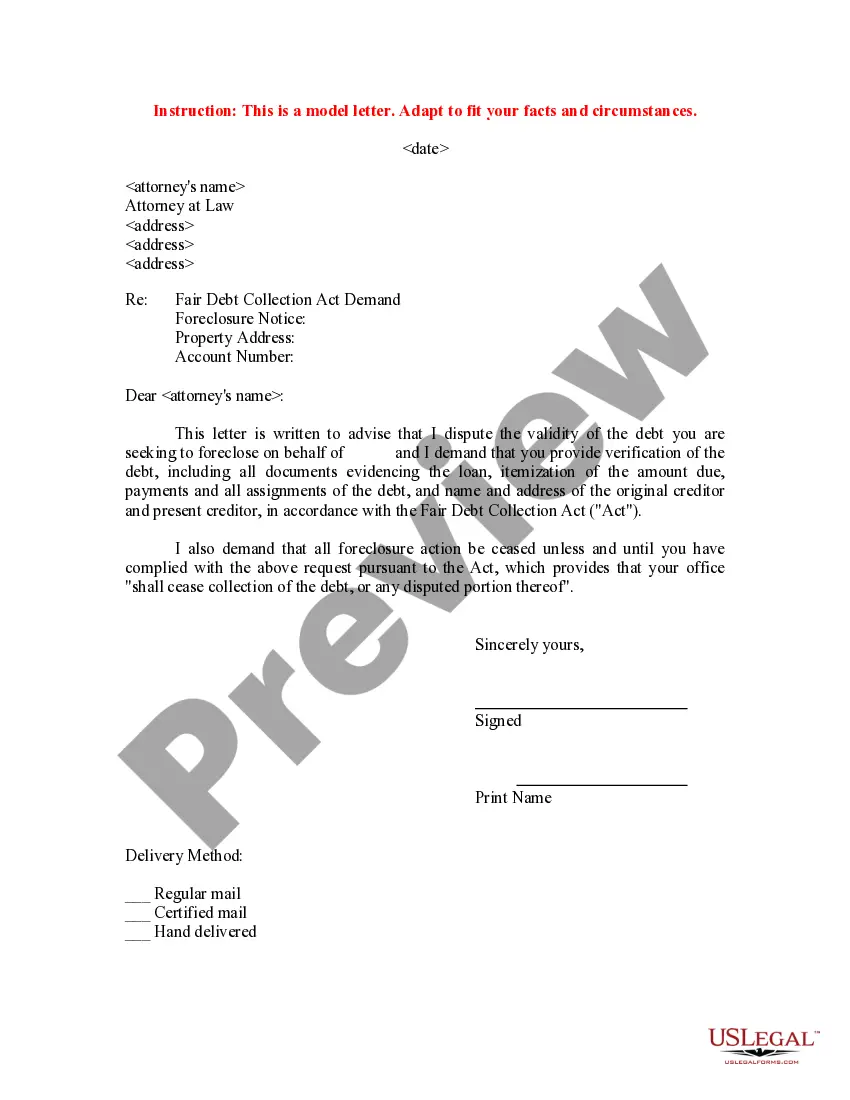


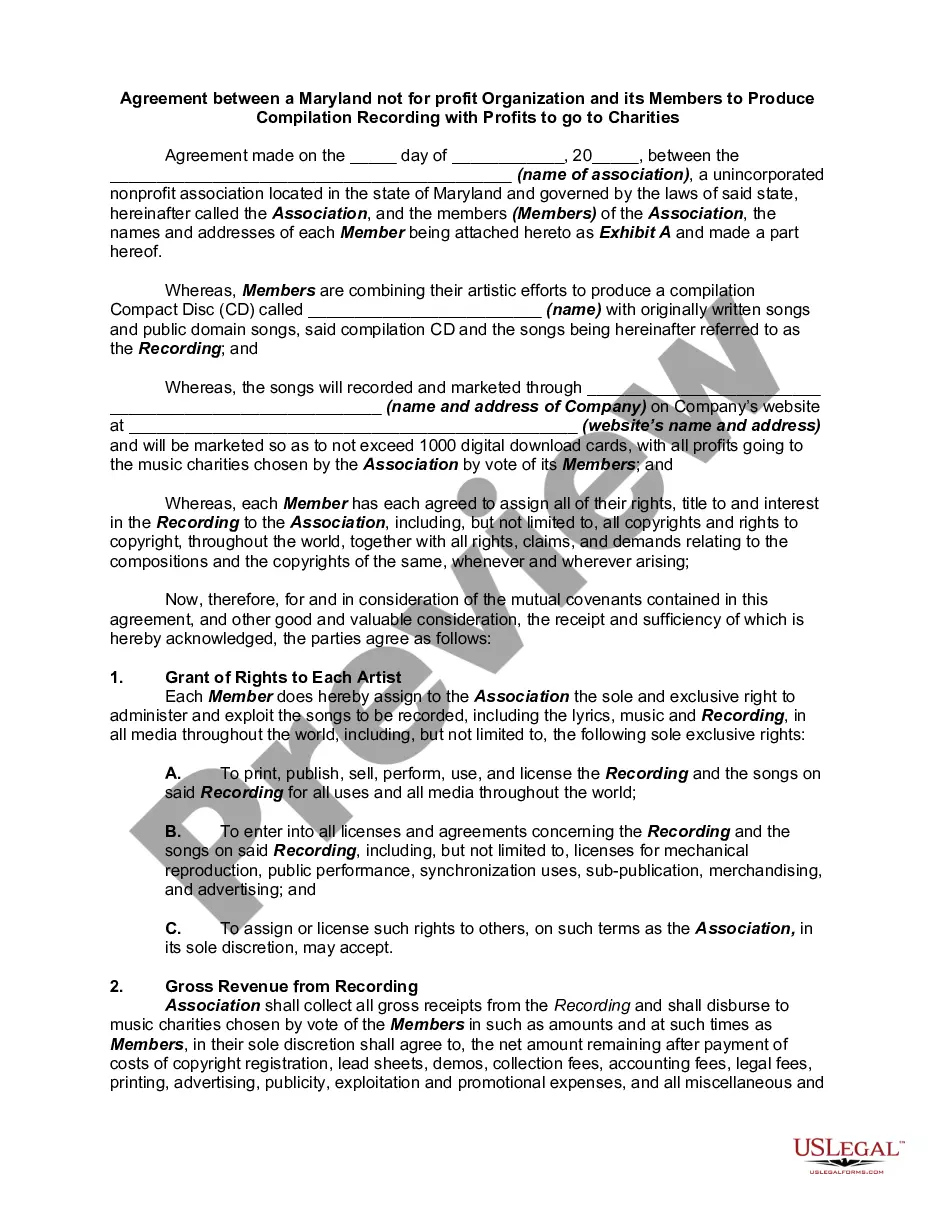
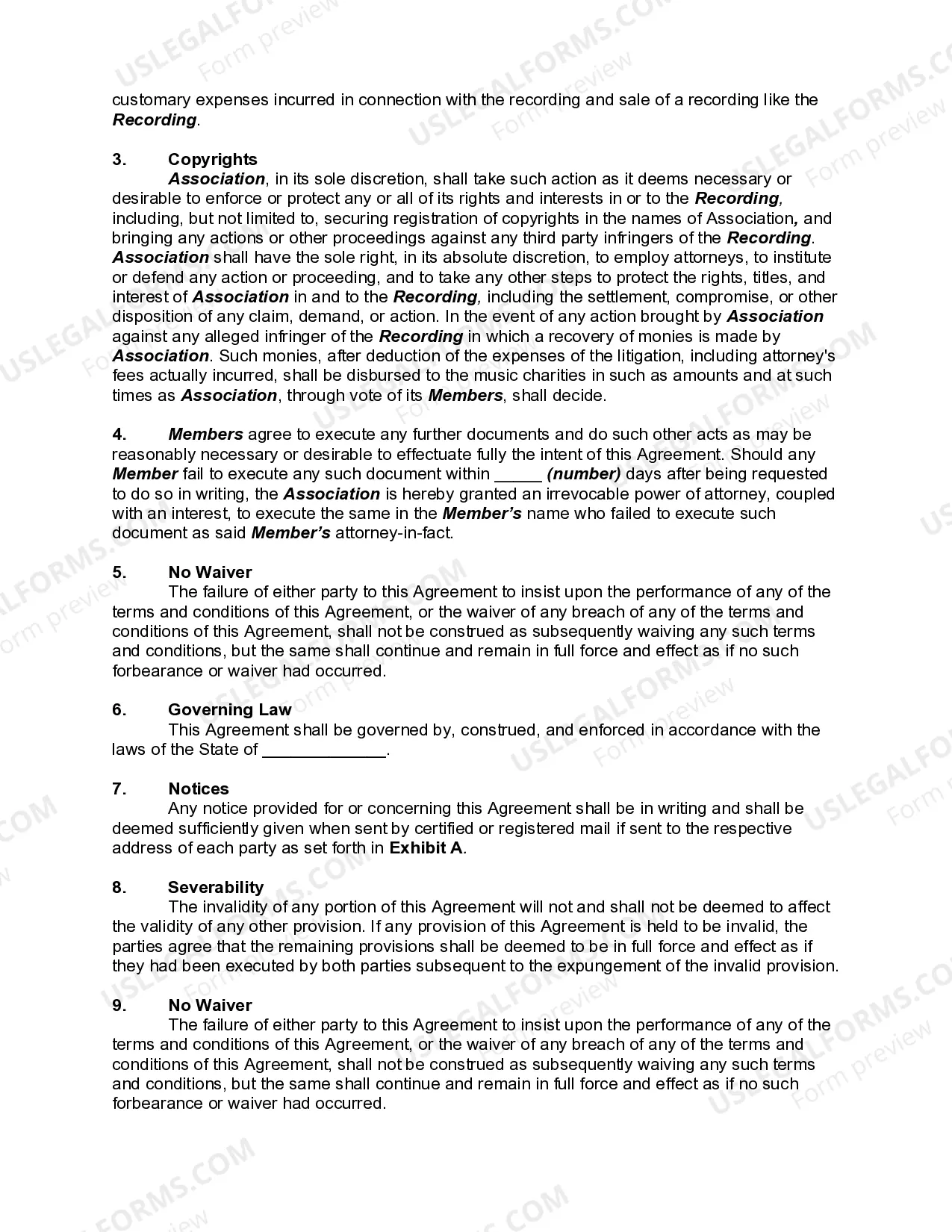
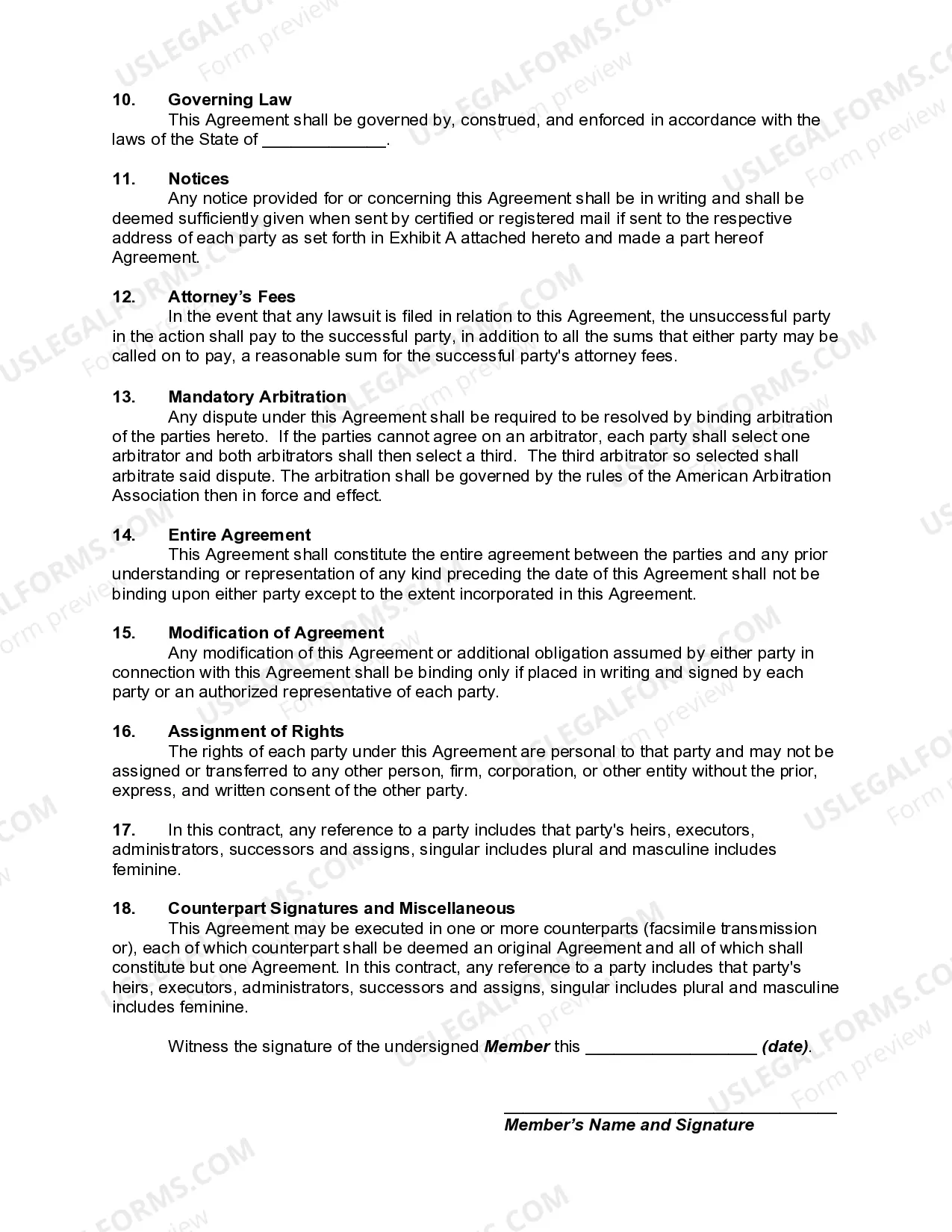
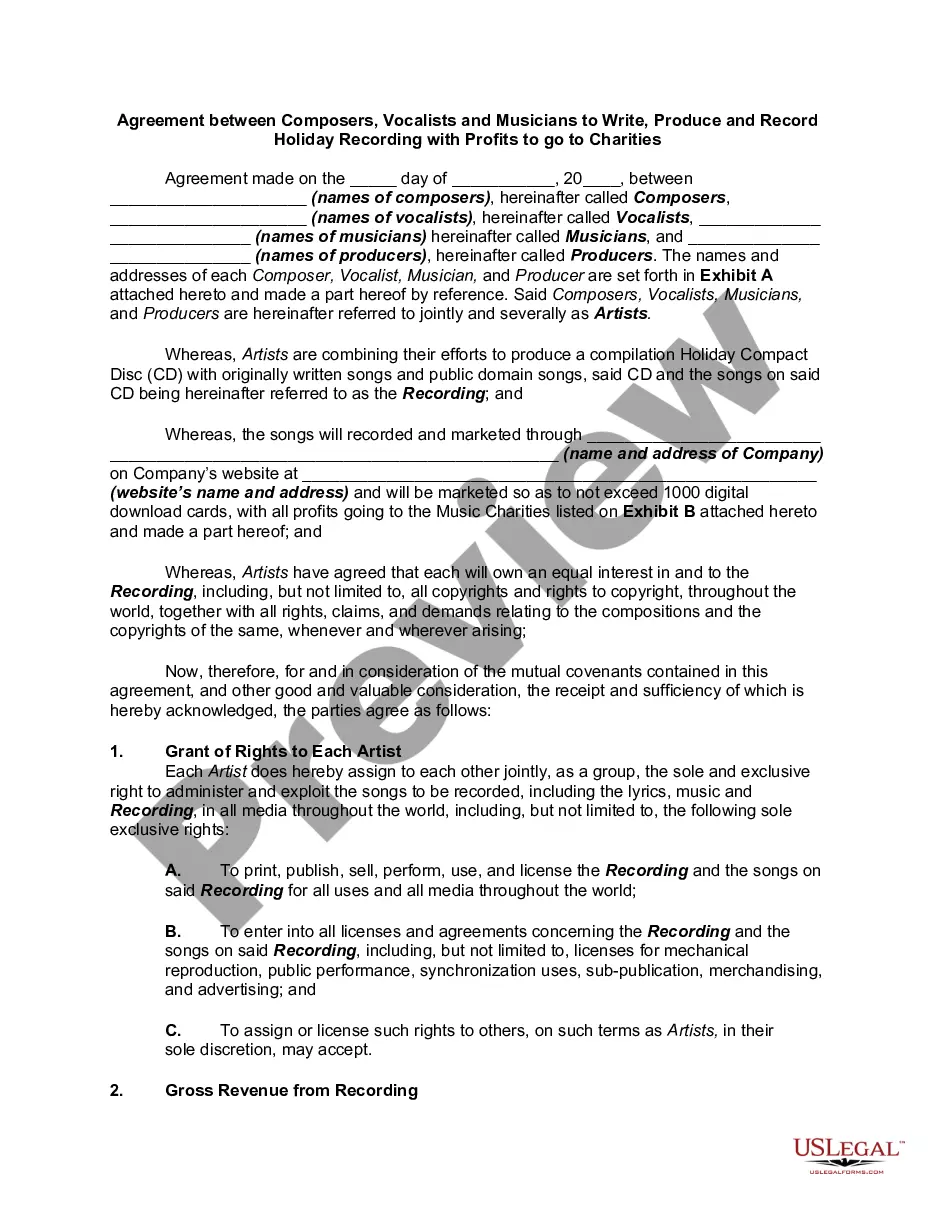
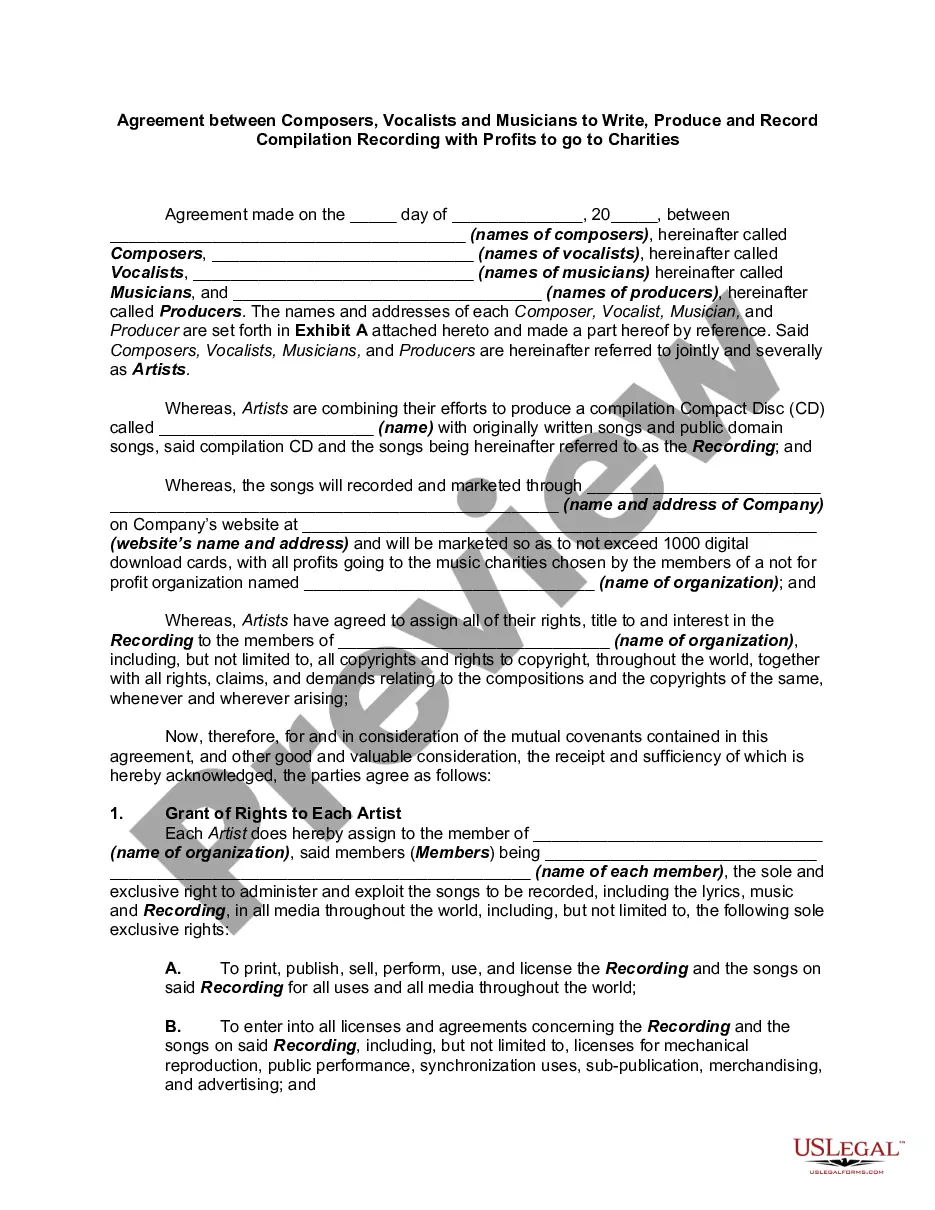
How to fill out Agreement Between A Maryland Not For Profit Organization And Its Members To Produce Compilation Recording With Profits To Go To Charities?
- Log into your account if you are a returning user and ensure your subscription is active.
- For new users, start by browsing the Preview mode and reviewing the form descriptions to choose the correct template that complies with your jurisdiction.
- If the desired form does not meet your needs, utilize the Search tab to find a more suitable template.
- Purchase the document by clicking on the 'Buy Now' button and selecting a subscription plan that fits your needs. You'll need to create an account for access.
- Provide payment details either through credit card or PayPal to finalize your subscription.
- Once your payment is completed, download the form directly to your device for immediate access and future reference under 'My Forms' in your profile.
US Legal Forms empowers both individuals and attorneys, providing more forms at competitive rates compared to other services. With over 85,000 legal forms available, users can ensure their documents are completed accurately and meet legal standards.
Ready to simplify your legal process? Start today with US Legal Forms and secure the necessary documents for your non profit organization.
Form popularity
FAQ
Yes, a family can run a nonprofit organization, as long as they comply with legal requirements and maintain transparency. However, it's advisable to include a diverse board of directors to enhance accountability and decision-making. For non profit organizations with children, having a family-run structure can provide personal insights, but diversity strengthens the organization as a whole.
Income for a non-profit organization typically includes donations, grants, fundraising event proceeds, and service fees. Non profit organizations with children can also generate revenue from program-related activities that directly support their mission. It's essential to track all sources of income to maintain compliance with IRS requirements and ensure sustainability.
While there are no strict salary limits for nonprofits, compensation must be reasonable compared to the organization's size and the industry standard. Non profit organizations with children should ensure that salaries align with their mission and are justified by the services provided. Keeping salaries transparent and fair helps maintain trust with donors and beneficiaries.
Nonprofit organizations do not have a specific income limit. However, an organization must comply with IRS regulations to maintain tax-exempt status. It's important for non profit organizations with children to keep accurate financial records and ensure that revenue is used for charitable purposes, as exceeding certain thresholds may prompt IRS scrutiny.
To start a nonprofit organization with children, you first need to define your mission and objectives clearly. Once you have a solid plan, you can choose a name, develop a board of directors, and prepare your governing documents. Finally, apply for tax-exempt status by filing the necessary forms with the IRS, ensuring a straightforward foundation for your organization.
The 33% rule for nonprofits indicates that at least one third of a nonprofit organization's revenue should come from public donations or contributions. This rule helps ensure that non profit organizations with children remain accountable and transparent to their donors. By following this guideline, these organizations can build trust and foster long-lasting relationships with the community.
The best way to sponsor a child includes researching reputable organizations and understanding their mission. Look for nonprofit organizations with children that offer personal connections to the children being sponsored. Engaging with the organization and participating in updates or events can enhance your experience while making a difference. Your involvement can lead to a more fulfilling sponsorship journey.
The best charity to sponsor a child usually prioritizes long-term development and education. Organizations that focus on holistic care and community engagement can have a more significant impact. When selecting a charity, consider a nonprofit organization with children that has a strong commitment to transparency and effective use of funds. This way, you can ensure your support contributes to meaningful change.
The best organization to sponsor a child often has strong credentials and a proven history of impact. Look for a nonprofit organization with children that has transparent financial practices and positive testimonials. Consider those that offer regular updates about the child's progress, fostering a meaningful connection between the sponsor and the child. Researching various options can help you find an organization aligned with your values.
While sponsoring a child can provide immense benefits, there are some disadvantages to consider. For instance, the emotional attachment may be challenging for some sponsors. Additionally, not all nonprofit organizations with children guarantee that sponsorship funds reach the intended child or community. Understanding the organization's practices is crucial before making a commitment.