Idaho Security Deposit Law For Rentals
Description
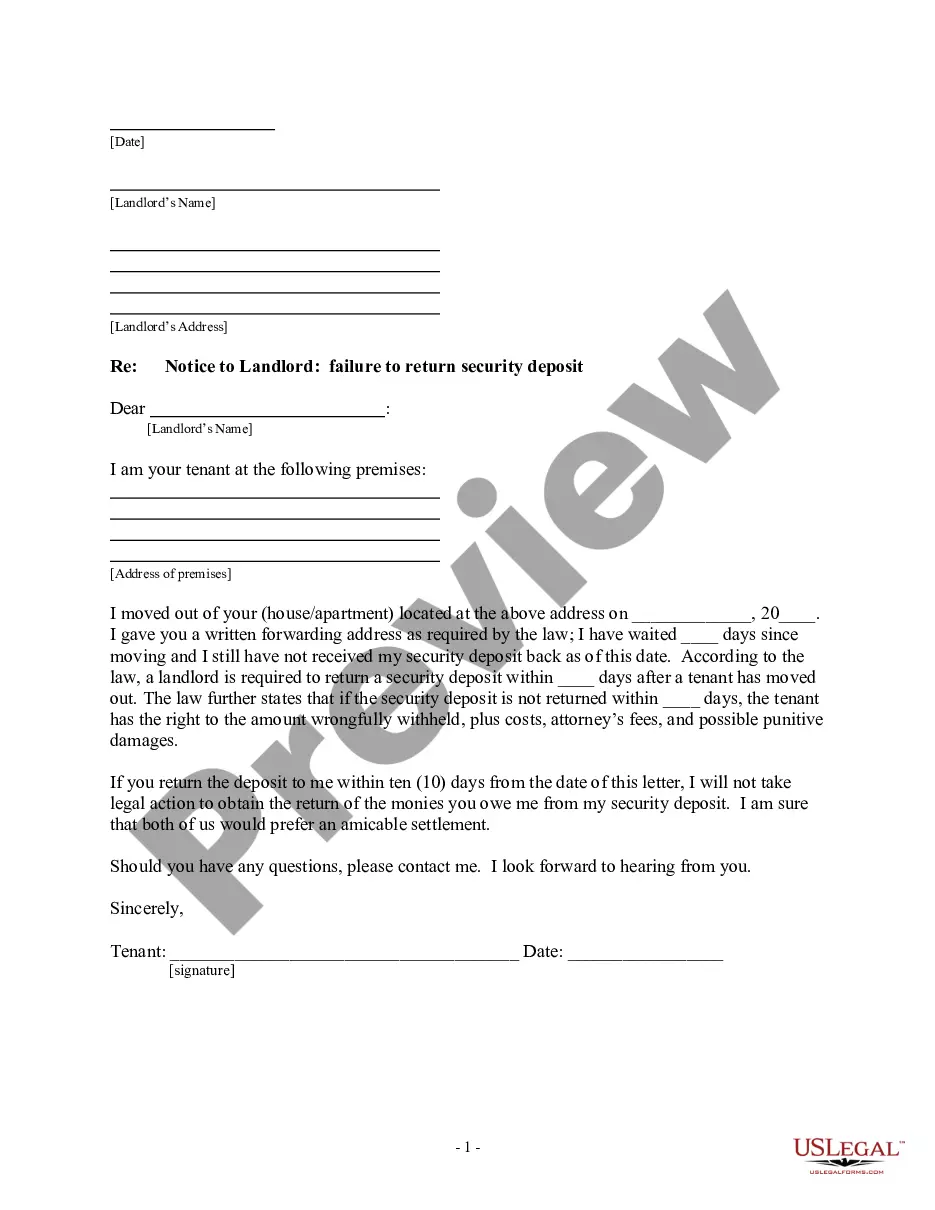
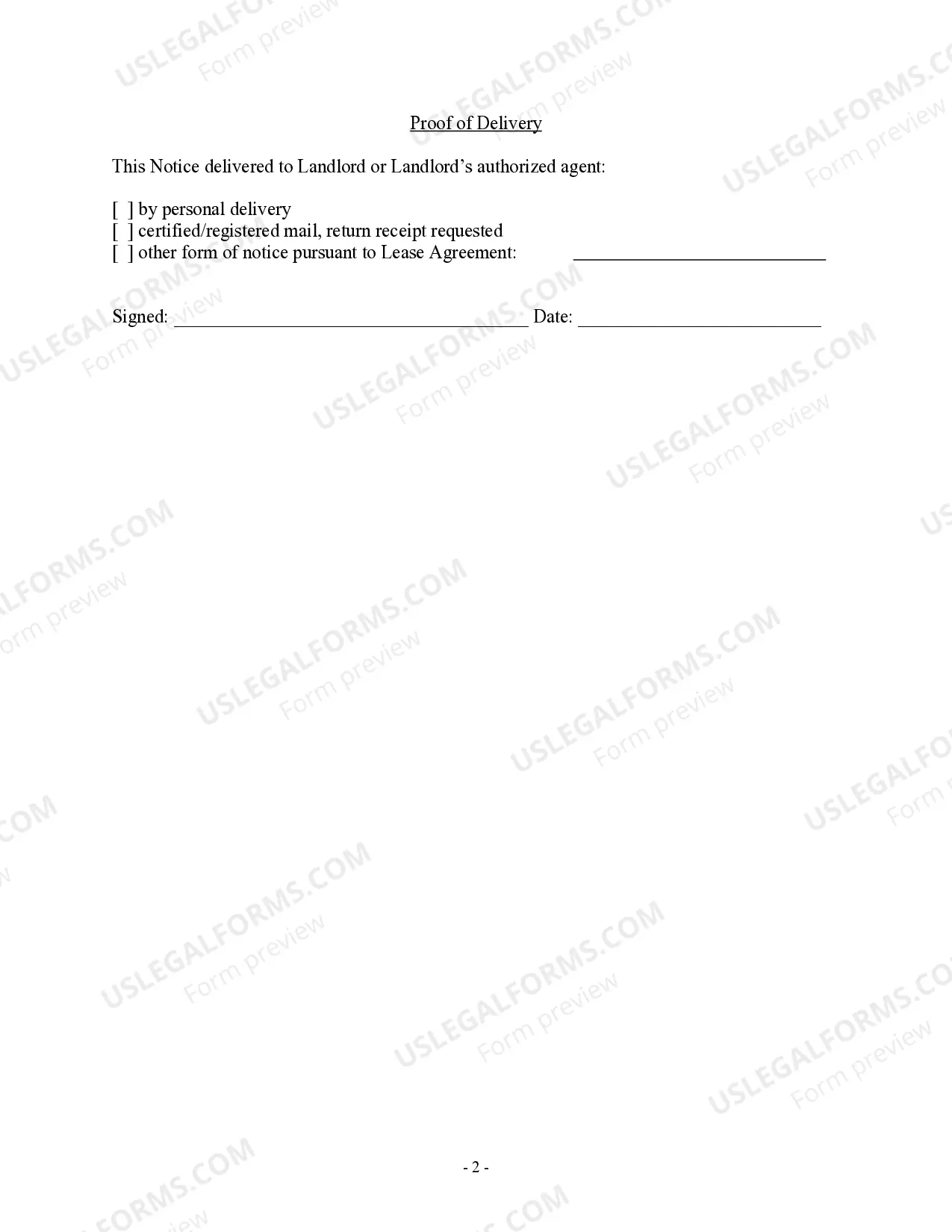

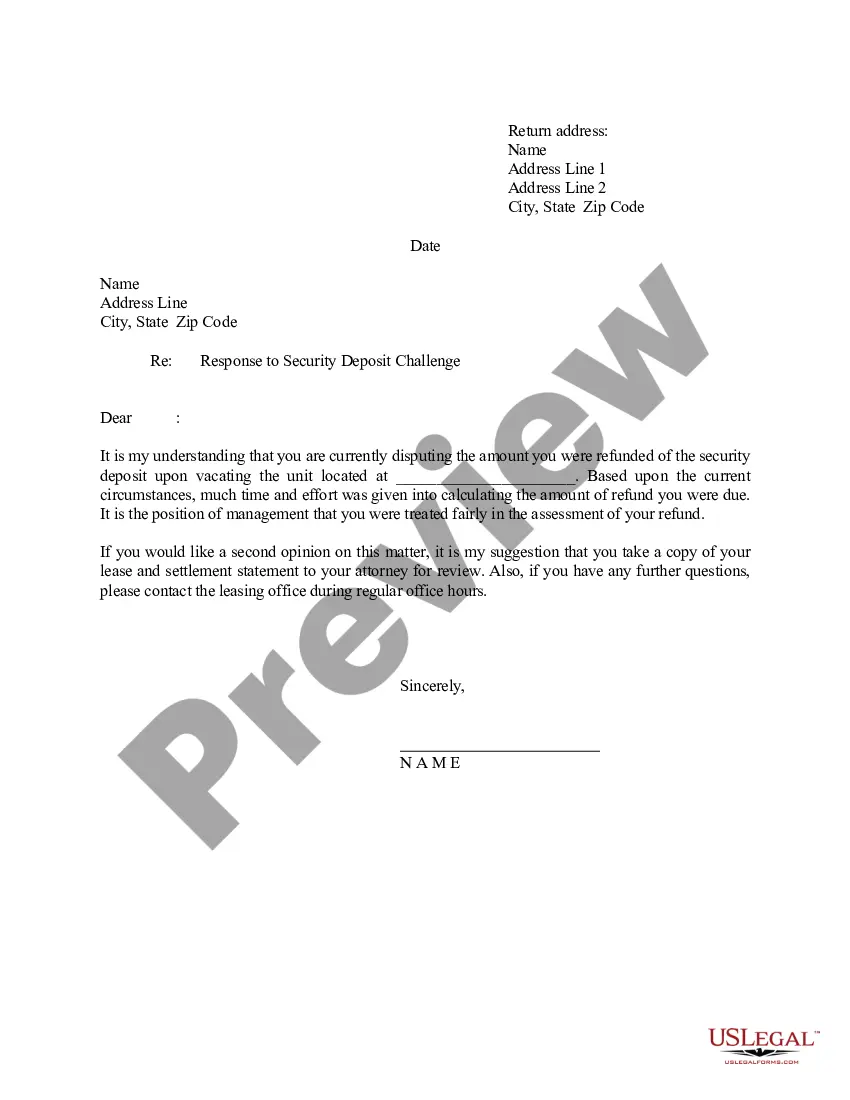

Get your form ready online
Our built-in tools help you complete, sign, share, and store your documents in one place.
Make edits, fill in missing information, and update formatting in US Legal Forms—just like you would in MS Word.
Download a copy, print it, send it by email, or mail it via USPS—whatever works best for your next step.
Sign and collect signatures with our SignNow integration. Send to multiple recipients, set reminders, and more. Go Premium to unlock E-Sign.
If this form requires notarization, complete it online through a secure video call—no need to meet a notary in person or wait for an appointment.
We protect your documents and personal data by following strict security and privacy standards.

Make edits, fill in missing information, and update formatting in US Legal Forms—just like you would in MS Word.

Download a copy, print it, send it by email, or mail it via USPS—whatever works best for your next step.

Sign and collect signatures with our SignNow integration. Send to multiple recipients, set reminders, and more. Go Premium to unlock E-Sign.

If this form requires notarization, complete it online through a secure video call—no need to meet a notary in person or wait for an appointment.

We protect your documents and personal data by following strict security and privacy standards.
Looking for another form?




Form popularity
FAQ
Recording a tenant security deposit in Idaho requires clear documentation following the Idaho security deposit law for rentals. Landlords should maintain a written record that includes the amount received, the date of payment, and the purpose of the deposit. This documentation protects both landlords and tenants, ensuring transparency in the rental process. You can also find helpful templates on the US Legal Forms platform to simplify this process.
As a renter in Idaho, you have specific rights protected under the Idaho security deposit law for rentals. This law ensures you receive your security deposit back under certain conditions, typically within 21 days after you move out. It's important to document the property's condition to avoid disputes. Familiarizing yourself with these rights can help you navigate your renting experience with confidence.
Normal wear and tear in Idaho includes minor issues that arise from regular use of the space, such as minor scratches on flooring or fading of paint. These occurrences do not result from neglect, abuse, or lack of maintenance. Being aware of the distinction can help protect your security deposit during move-out inspections. If you have questions, uslegalforms provides resources to clarify these situations further.
Landlords in Idaho can deduct costs for repairs beyond normal wear and tear, cleaning, and unpaid rent from your security deposit as per Idaho security deposit law for rentals. They must provide an itemized list of these deductions when returning the remaining deposit. If you're unsure about what your landlord is claiming, make sure to ask for clarification. Understanding these deductions can help you negotiate effectively.
Yes, a landlord can waive the security deposit in Idaho, but this is not a common practice. They may choose to do so for certain tenants or under specific circumstances. If they do waive the deposit, this must be clearly stated in the lease agreement to avoid future misunderstandings. Understanding Idaho security deposit law for rentals can help clarify any unusual arrangements.
Normal wear and tear in Idaho typically includes minor issues like small scuffs on walls, faded paint, and worn carpet. These are expected outcomes of using a property over time. However, damages caused by neglect or misuse can lead to deductions from your security deposit. It's essential to differentiate between the two to understand what your landlord can deduct.
According to Idaho security deposit law for rentals, landlords are responsible for maintaining the property in a livable condition. This includes structural repairs, plumbing, electrical work, and ensuring heating and cooling systems are functional. Tenants should report issues promptly, and landlords must address them within a reasonable time frame. If repairs are not made, tenants may have options, including withholding rent or terminating the lease.
Under Idaho security deposit law for rentals, landlords must return the deposit within 21 days after you move out, minus any deductions for damages. If your landlord fails to do this, you have the right to request your deposit. You can also take legal action to recover it, as this breach could entitle you to additional damages. It is important to document all communications as you pursue this matter.
