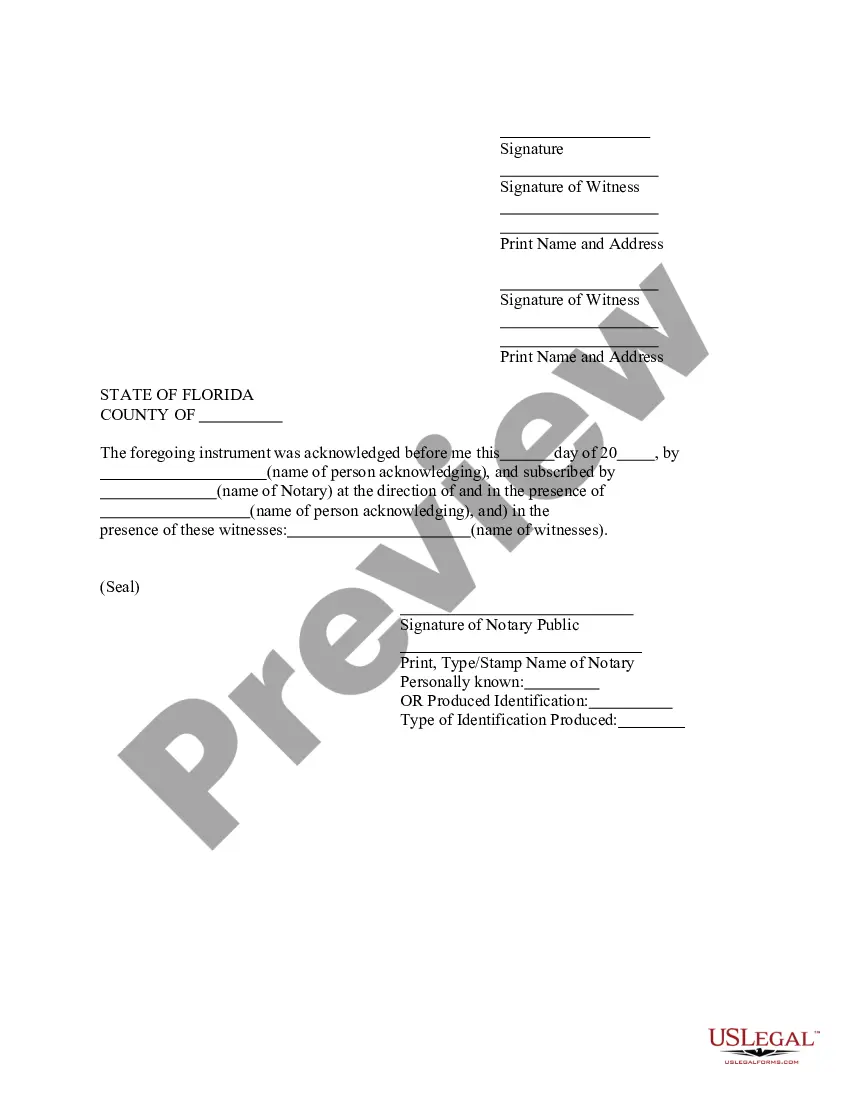
Acknowledgment by Individual with a Disability Who Directs Another to Sign on
His/Her Behalf
Florida Disability Waiver
38 downloads
Description
Get your form ready online
Our built-in tools help you complete, sign, share, and store your documents in one place.
Built-in online Word editor
Make edits, fill in missing information, and update formatting in US Legal Forms—just like you would in MS Word.
Export easily
Download a copy, print it, send it by email, or mail it via USPS—whatever works best for your next step.
E-sign your document
Sign and collect signatures with our SignNow integration. Send to multiple recipients, set reminders, and more. Go Premium to unlock E-Sign.
Notarize online 24/7
If this form requires notarization, complete it online through a secure video call—no need to meet a notary in person or wait for an appointment.
Store your document securely
We protect your documents and personal data by following strict security and privacy standards.

Make edits, fill in missing information, and update formatting in US Legal Forms—just like you would in MS Word.

Download a copy, print it, send it by email, or mail it via USPS—whatever works best for your next step.

Sign and collect signatures with our SignNow integration. Send to multiple recipients, set reminders, and more. Go Premium to unlock E-Sign.

If this form requires notarization, complete it online through a secure video call—no need to meet a notary in person or wait for an appointment.

We protect your documents and personal data by following strict security and privacy standards.
Looking for another form?
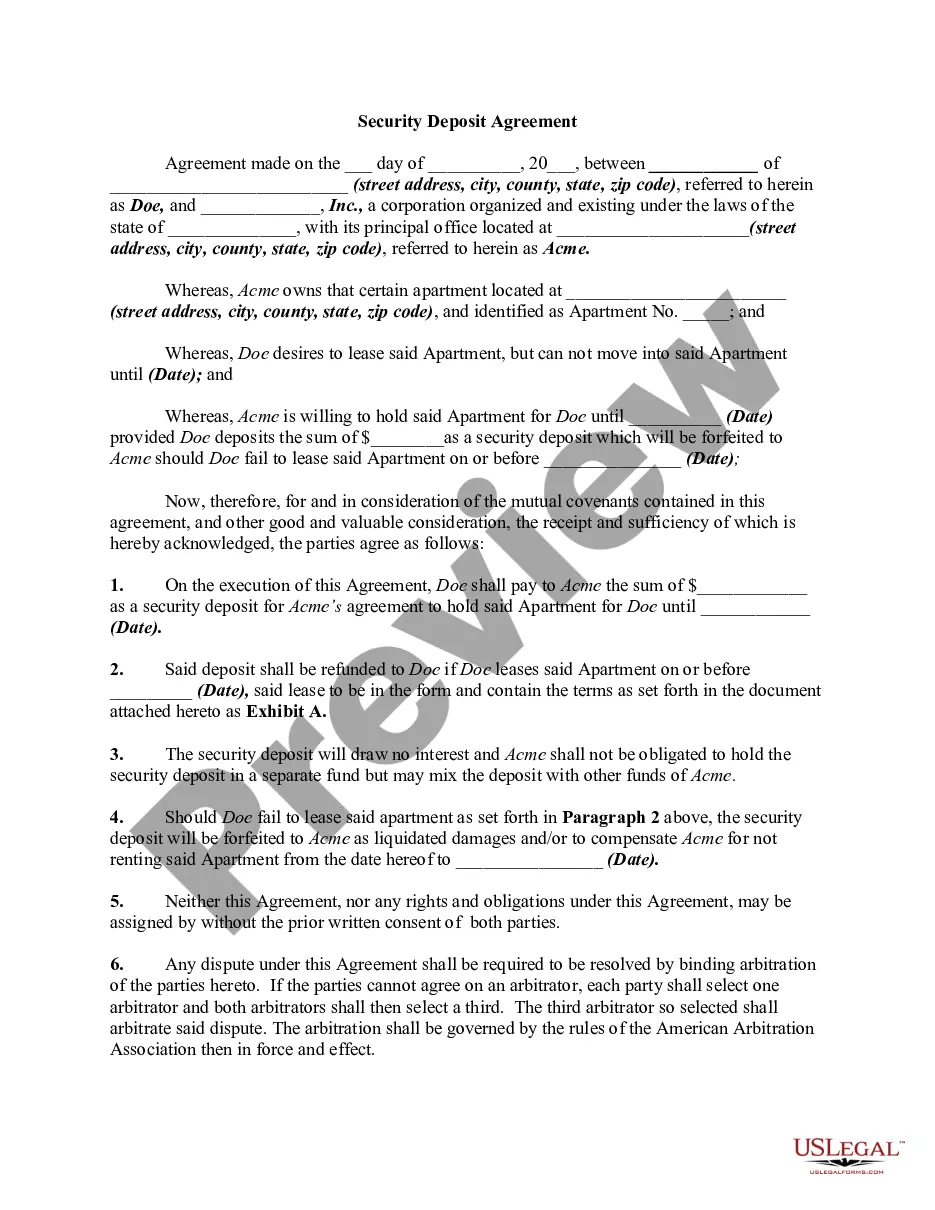
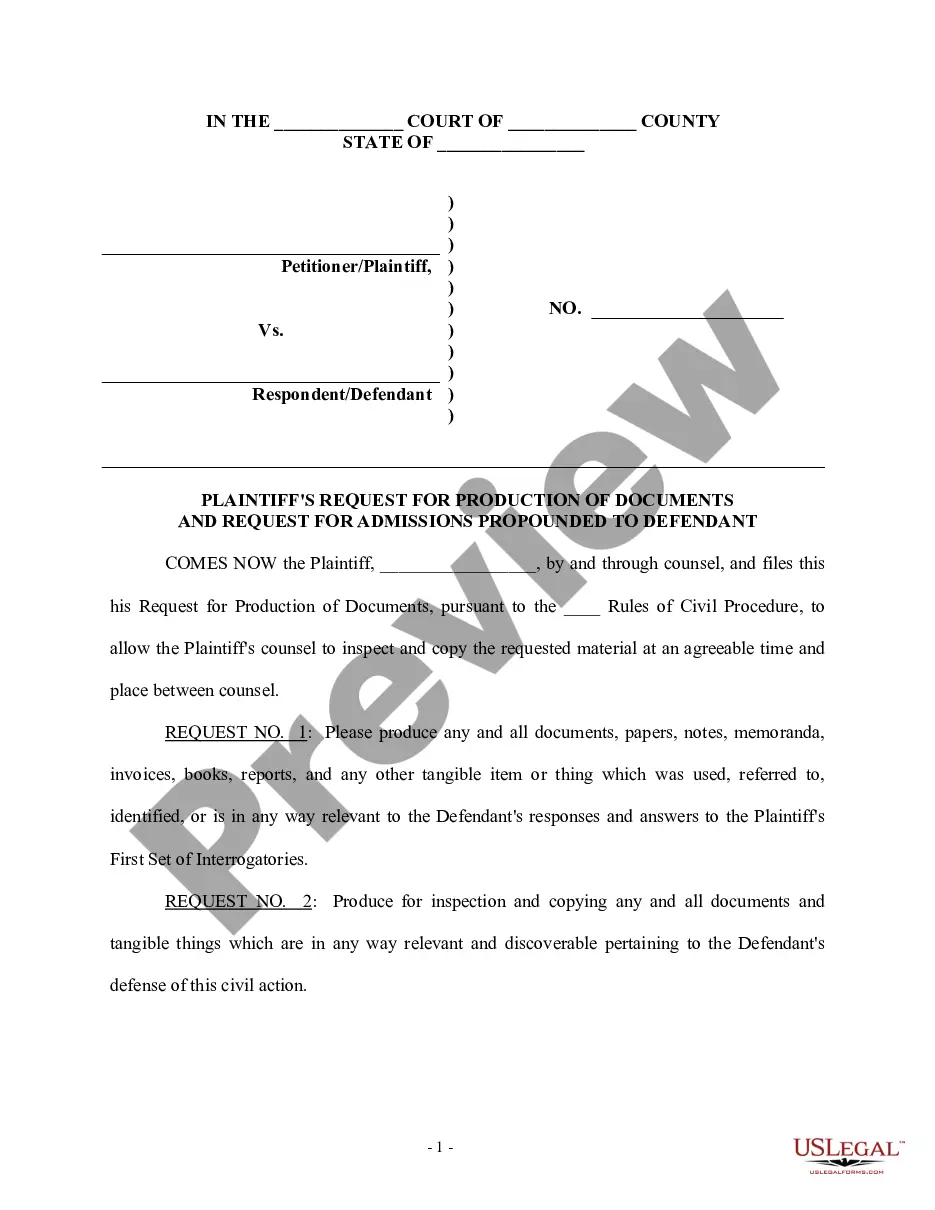
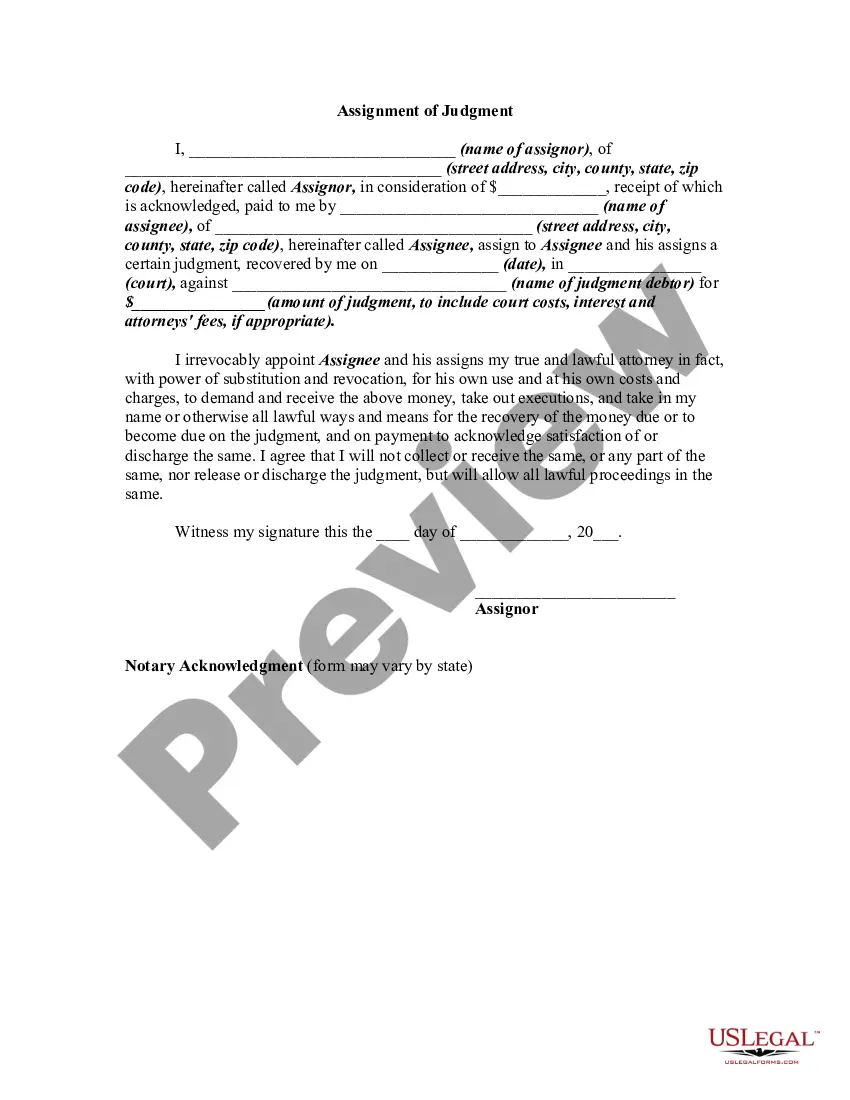
How to fill out Florida Acknowledgment By Individual With A Disability Who Directs Another To Sign OnHis/Her Behalf?
The Florida Disability Waiver displayed on this page is a reusable legal document created by expert attorneys in accordance with federal and local laws and regulations. For over 25 years, US Legal Forms has supplied individuals, businesses, and legal professionals with more than 85,000 validated, state-specific documents for any professional and personal situation. It’s the fastest, easiest, and most dependable way to acquire the paperwork you require, as the service ensures the highest level of data protection and anti-malware safety.
Obtaining this Florida Disability Waiver will involve just a few straightforward steps.
Register for US Legal Forms to have verified legal documents for all of life's situations readily available.
- Search for the document you require and examine it. Browse through the sample you looked for and preview it or read the form description to verify it meets your requirements. If it doesn’t, utilize the search feature to locate the correct one. Click Buy Now once you have identified the template you need.
- Create an account and Log In. Choose the pricing option that works for you and sign up for an account. Use PayPal or a credit card to complete a swift transaction. If you already possess an account, Log In and review your subscription to continue.
- Acquire the editable template. Select the format you prefer for your Florida Disability Waiver (PDF, DOCX, RTF) and download the document to your device.
- Fill out and sign the documents. Print the template to complete it by hand. Alternatively, utilize an online multifunctional PDF editor to quickly and accurately fill in and sign your form with an eSignature.
- Download your documents again. Access the same document again whenever required. Open the My documents section in your profile to re-download any previously saved documents.
Form popularity
FAQ
To be eligible for services from the Agency for Persons with Disabilities, you must be a Florida resident and have one of the following seven developmental disabilities: autism, cerebral palsy, intellectual disabilities, Down syndrome, Prader-Willi syndrome, Phelan Mcdermid syndrome, or spina bifida.
Home and Community-Based Services Waivers programs are the federally approved Medicaid programs authorized by Title XIX of the Social Security Act, Section 1915(c) that provide services in the home or other community settings for person who would otherwise require institutional care in a hospital, nursing facility, or ...
The Agency for Persons with Disabilities operates the DD Waiver programs. For more information, please click here ( ) or contact the Agency for Persons with Disabilities at (850) 488-4257 or Toll-Free: 1-866-273-2273.
The purpose of the Medicaid Long-term Care Waiver is to provide services to eligible individuals age 18 or older who need long-term services and supports, including individuals over the age of 18 with a diagnosis of cystic fibrosis, AIDS, or a traumatic brain or spinal cord injury.
This Florida Medicaid waiver is designed to help the elderly and permanently disabled adults. It is intended specifically to allow persons at risk for nursing home placement to remain living in their homes or in the homes of their caregivers and to receive assistance in those locations.