Ca Form Wills For Probate
Description
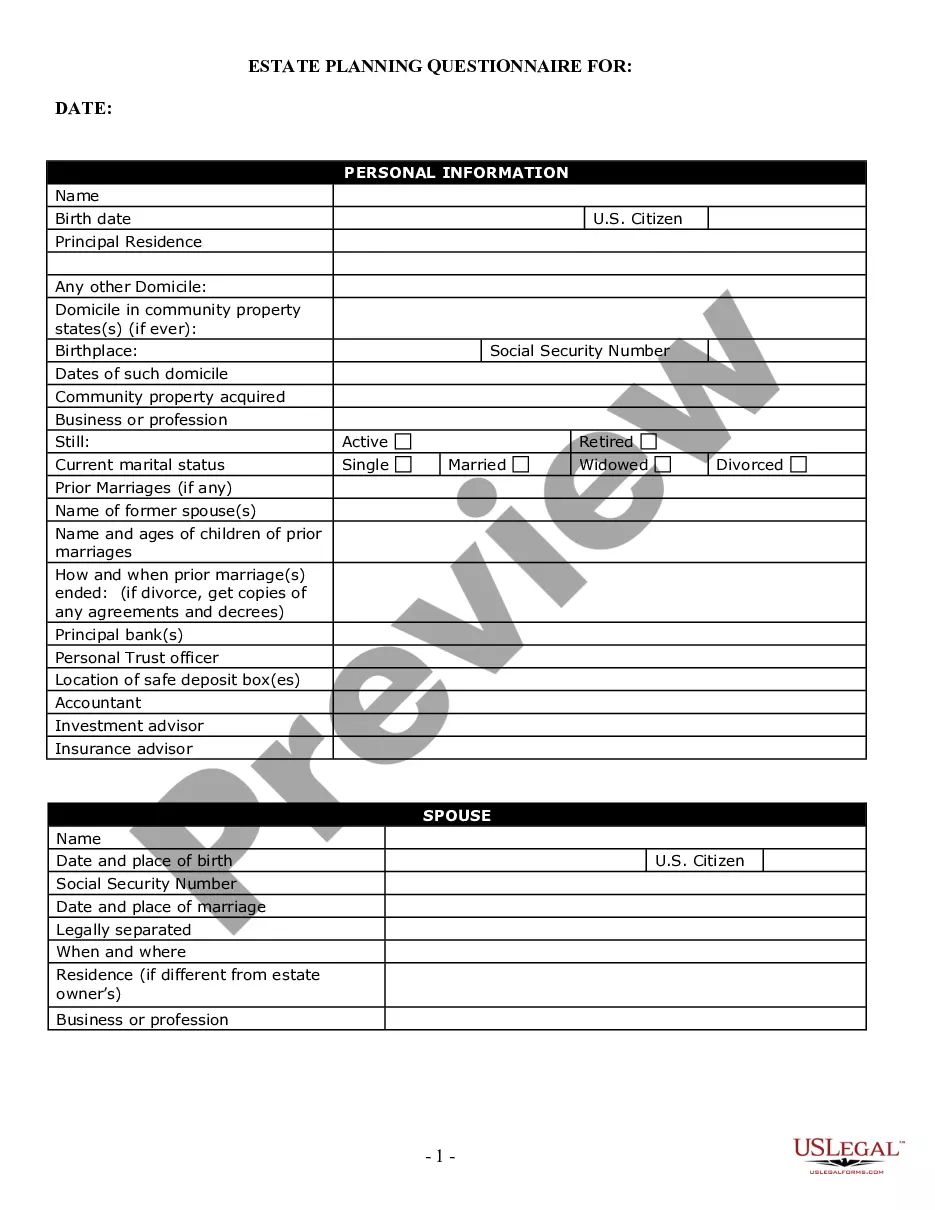
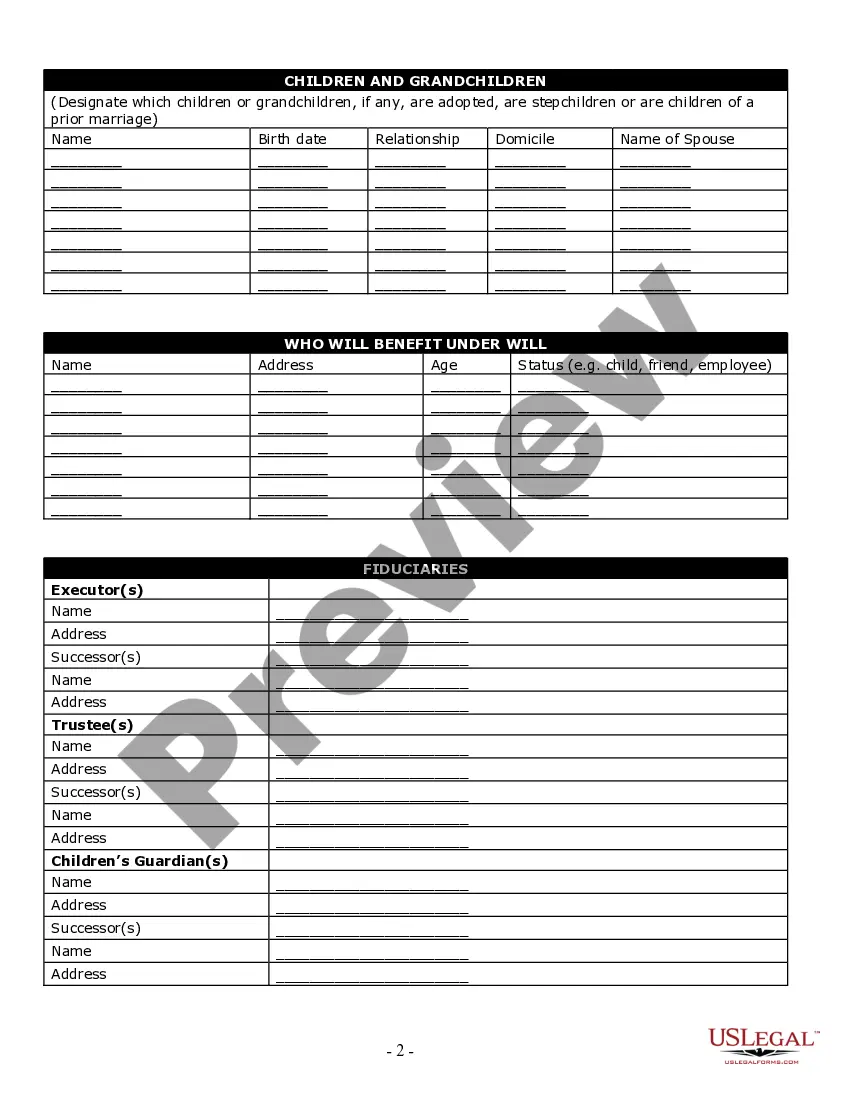
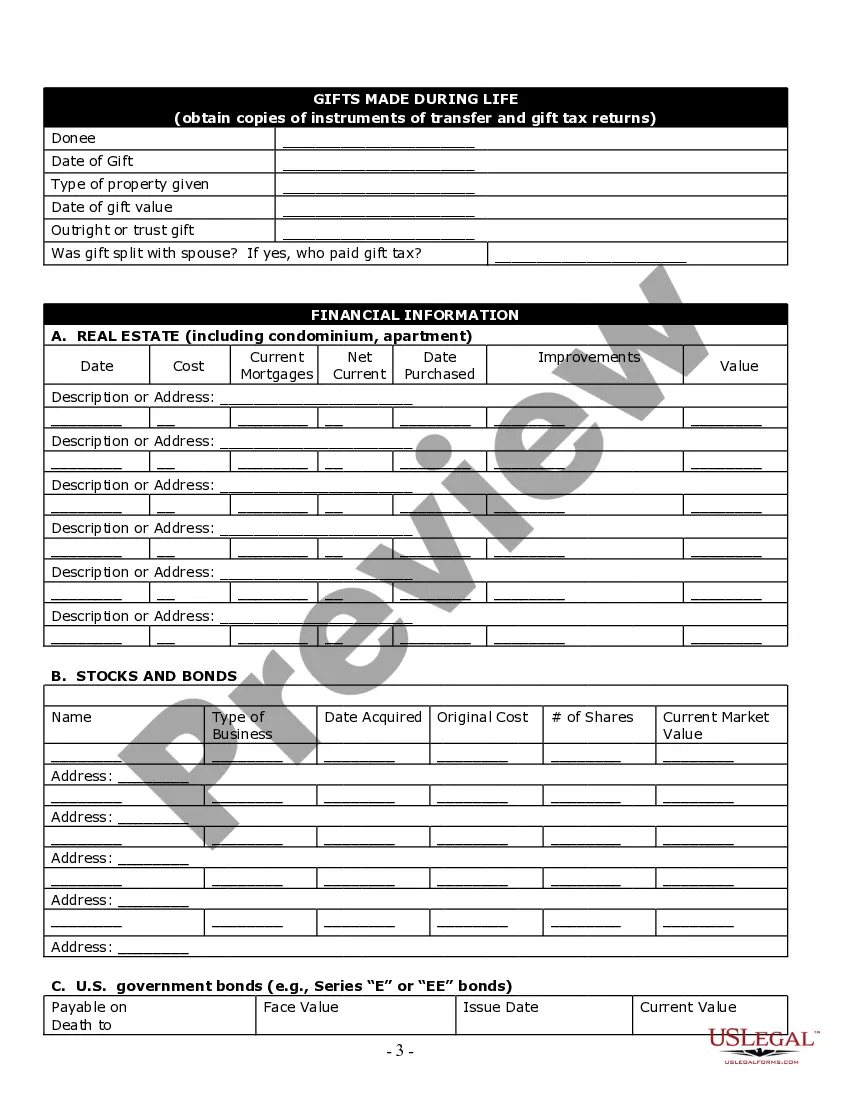
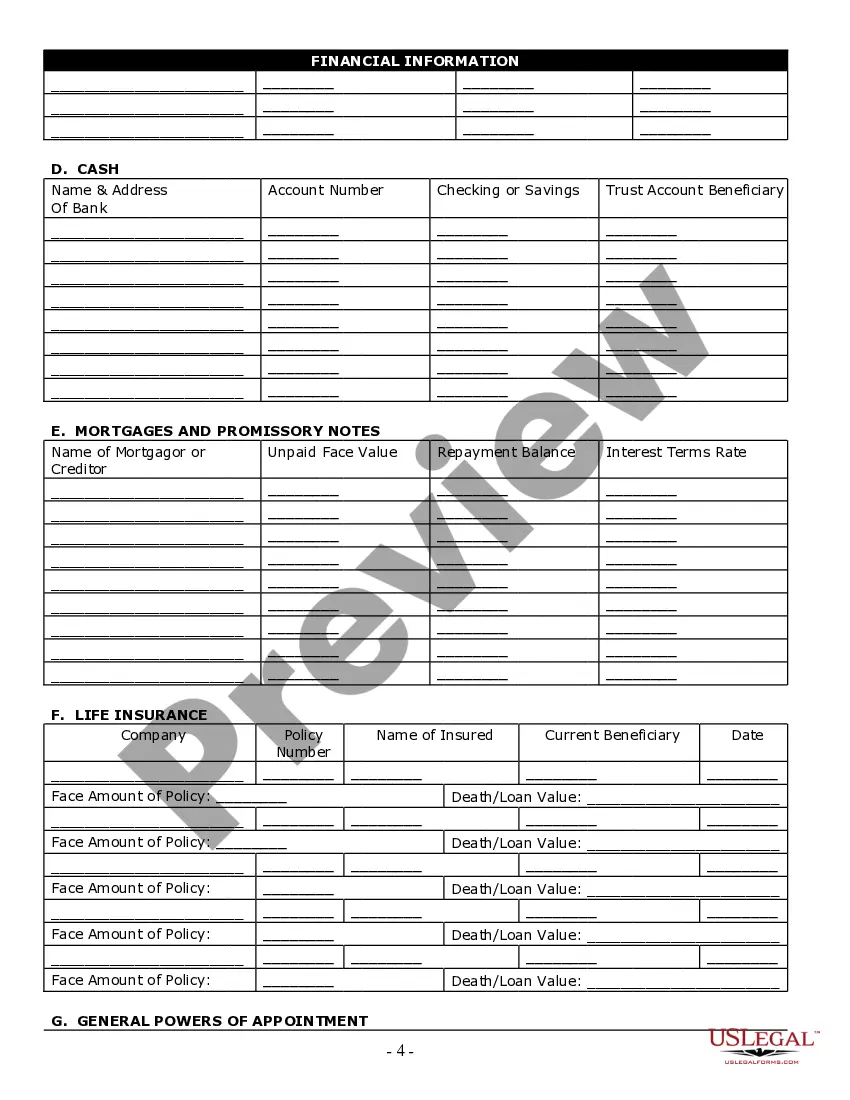
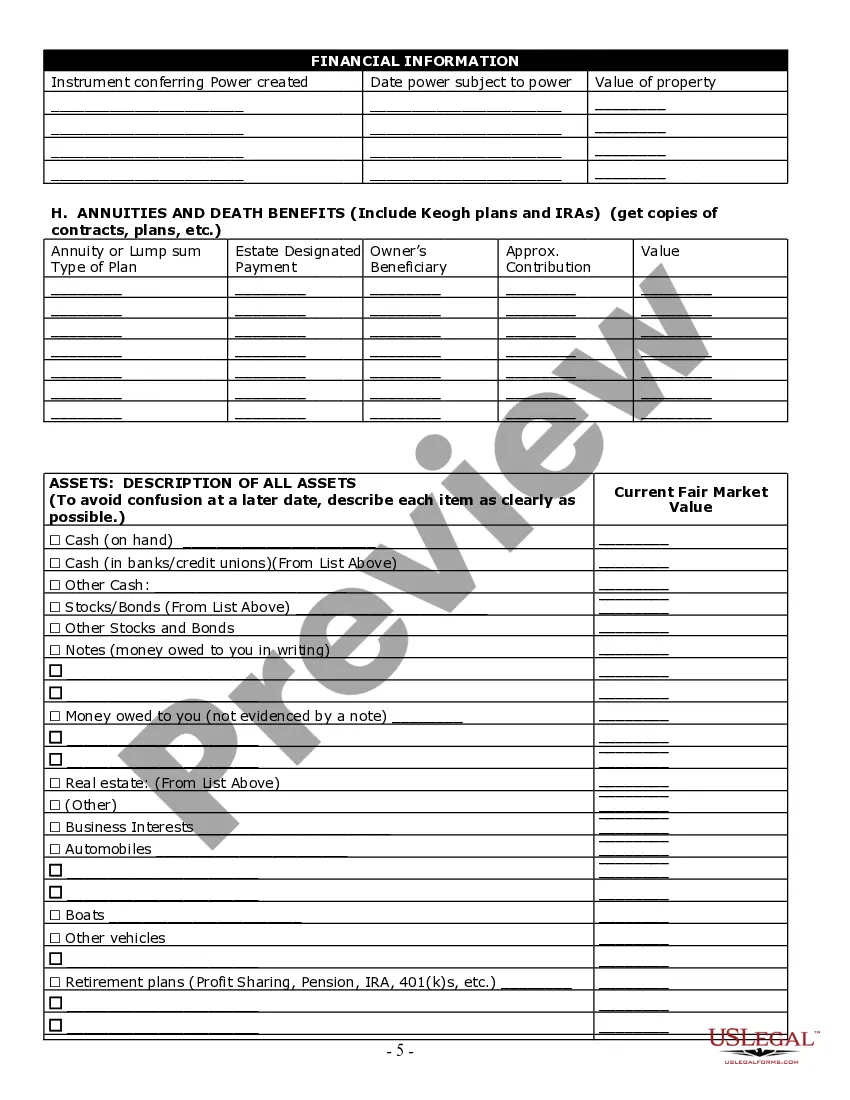
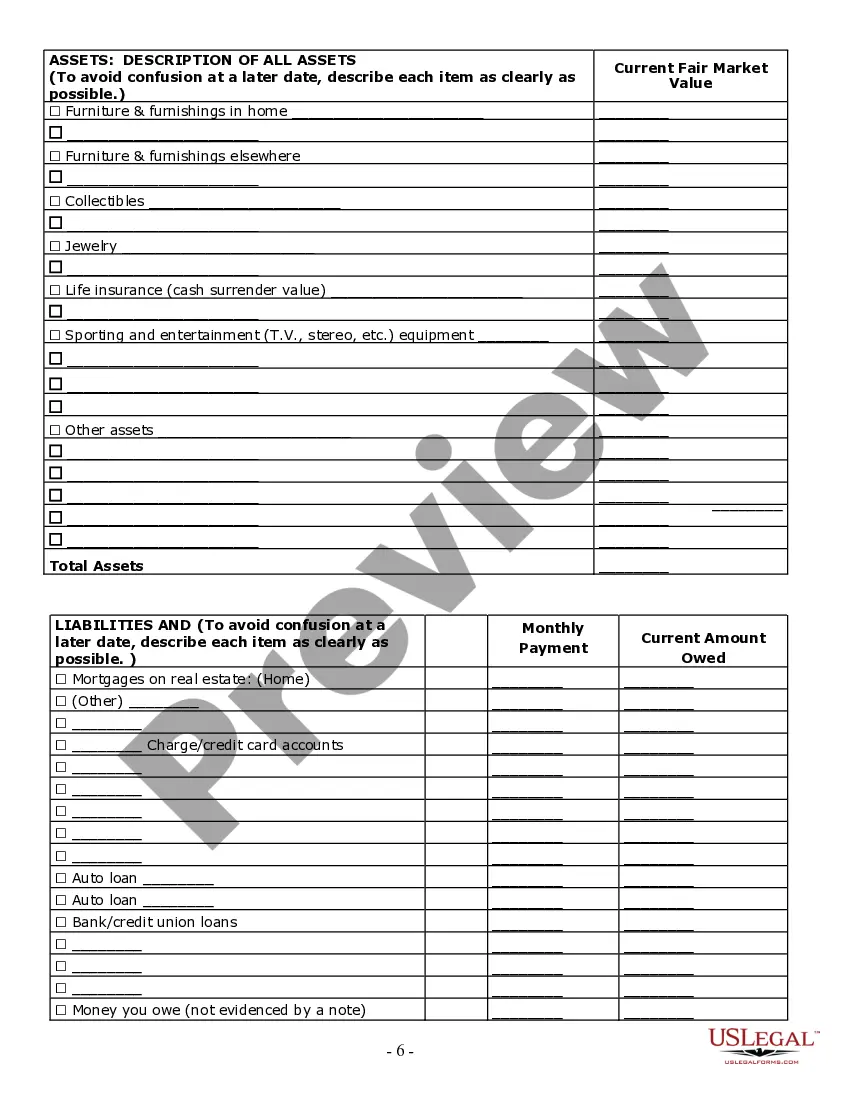
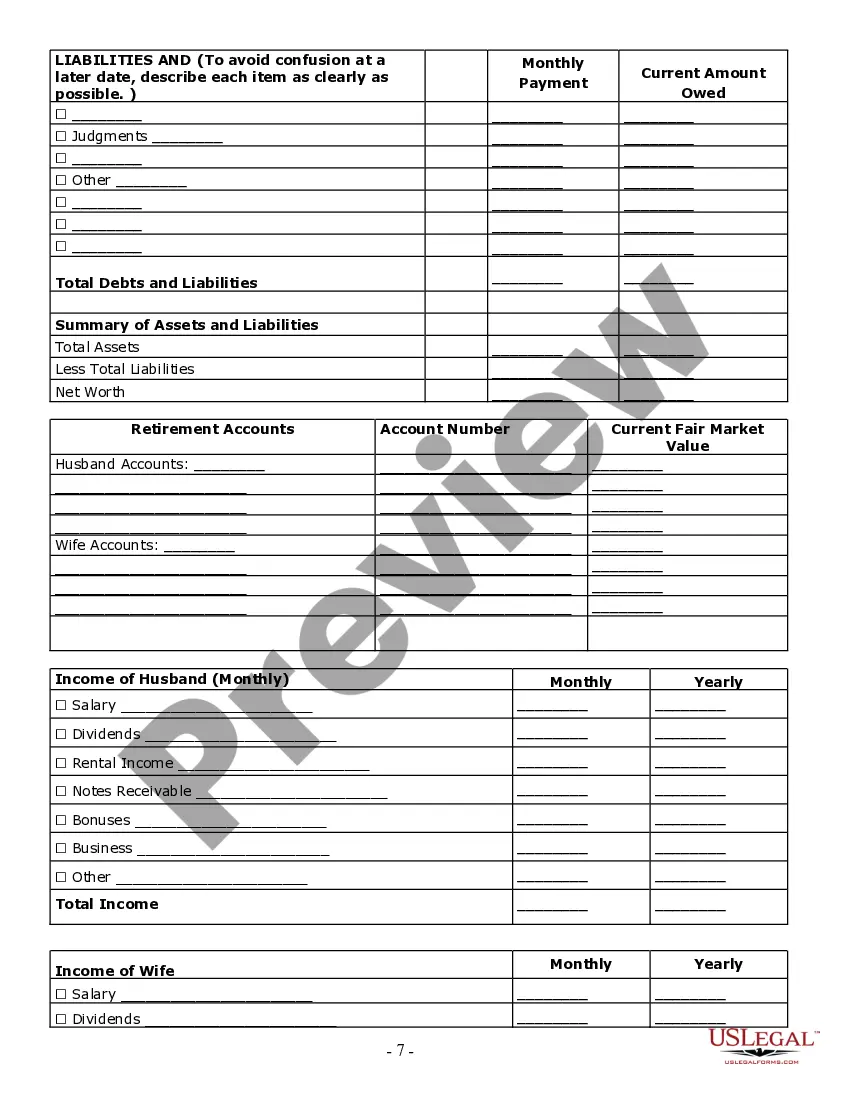
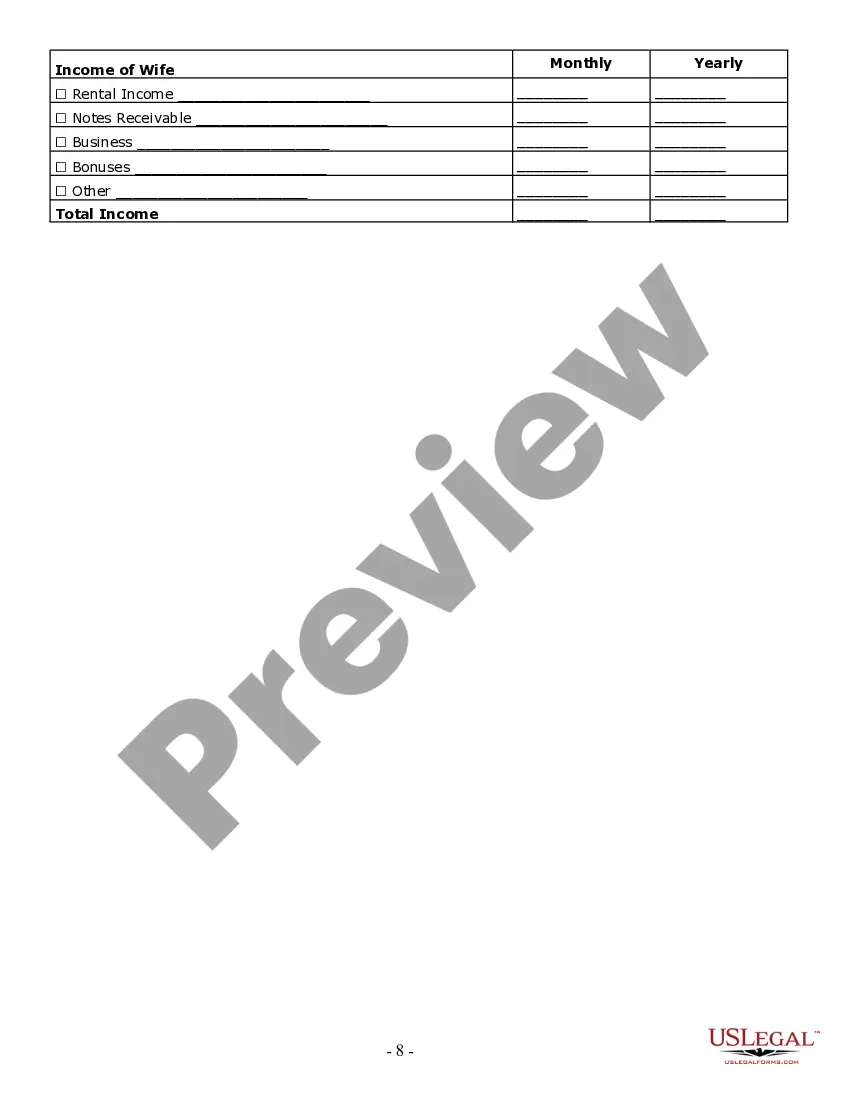


Get your form ready online
Our built-in tools help you complete, sign, share, and store your documents in one place.
Make edits, fill in missing information, and update formatting in US Legal Forms—just like you would in MS Word.
Download a copy, print it, send it by email, or mail it via USPS—whatever works best for your next step.
Sign and collect signatures with our SignNow integration. Send to multiple recipients, set reminders, and more. Go Premium to unlock E-Sign.
If this form requires notarization, complete it online through a secure video call—no need to meet a notary in person or wait for an appointment.
We protect your documents and personal data by following strict security and privacy standards.

Make edits, fill in missing information, and update formatting in US Legal Forms—just like you would in MS Word.

Download a copy, print it, send it by email, or mail it via USPS—whatever works best for your next step.

Sign and collect signatures with our SignNow integration. Send to multiple recipients, set reminders, and more. Go Premium to unlock E-Sign.

If this form requires notarization, complete it online through a secure video call—no need to meet a notary in person or wait for an appointment.

We protect your documents and personal data by following strict security and privacy standards.
Looking for another form?






How to fill out California Estate Planning Questionnaire And Worksheets?
It’s widely known that you cannot transform into a legal expert in a day, nor can you swiftly draft Ca Form Wills For Probate without possessing a distinct set of abilities.
Assembling legal documents is a laborious task that demands particular education and expertise. So why not entrust the creation of the Ca Form Wills For Probate to the professionals.
With US Legal Forms, one of the most extensive legal document repositories, you can access everything from judicial files to templates for internal business correspondence.
You can regain access to your documents from the My documents tab at any time. If you’re a current customer, you can simply Log In, and find and download the template from the same tab.
Regardless of the reason for your documentation—whether it’s financial and legal, or personal—our website has you covered. Try US Legal Forms today!
- Locate the document you require by utilizing the search bar at the top of the page.
- View it (if this option is available) and read the accompanying description to ascertain whether Ca Form Wills For Probate is what you need.
- Initiate your search again if you require another template.
- Sign up for a complimentary account and select a subscription plan to purchase the template.
- Select Buy now. Once the payment is completed, you can download the Ca Form Wills For Probate, fill it out, print it, and send it or mail it to the specified individuals or organizations.
Form popularity
FAQ
COMPLETING THE PETITION FOR PROBATE, DE-111 Write your name and address in the top left box. In the box that reads ?Estate of,? write the name of the decedent. Leave the box that reads case number, hearing date, Dept, blank. You will get this information when you file your paperwork with the Probate filing window.
In California, probate settles a deceased person's estate and is required in California if the estate is worth more than $184,500. It typically occurs when the deceased person died without a will, but it can occur even if the deceased person did have a will if they owned real property that is subject to probate.
Steps to Create a Will in California Decide what property to include in your will. Decide who will inherit your property. Choose an executor to handle your estate. Choose a guardian for your children. Choose someone to manage children's property. Make your will. Sign your will in front of witnesses.
You can complete probate on your own, but an attorney can make the process easier.
Any assets that do not qualify for a simple transfer process will likely have to go through formal probate. And, if the dead person's property is worth more than $166,250, none of the exceptions apply. You must go to court and start a probate case.