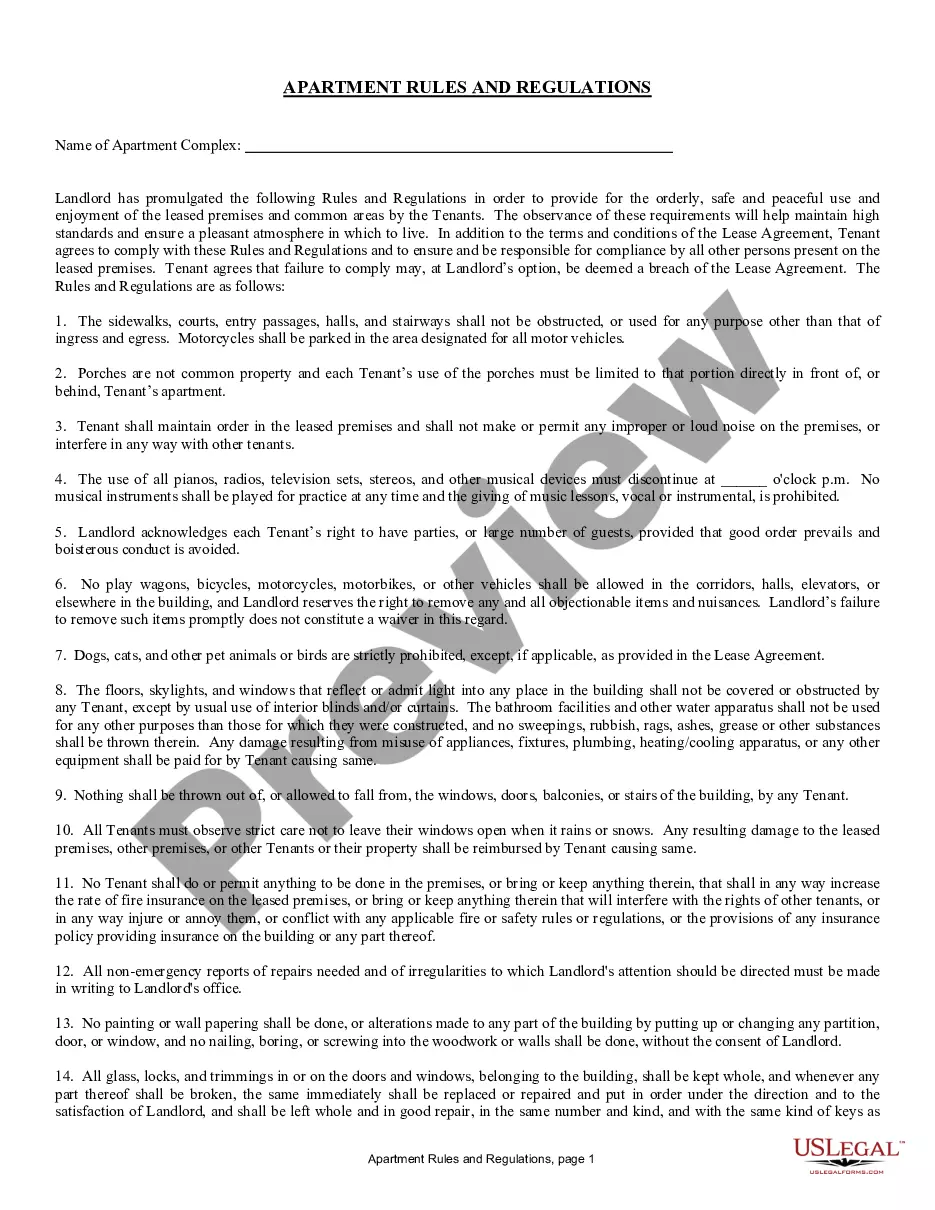
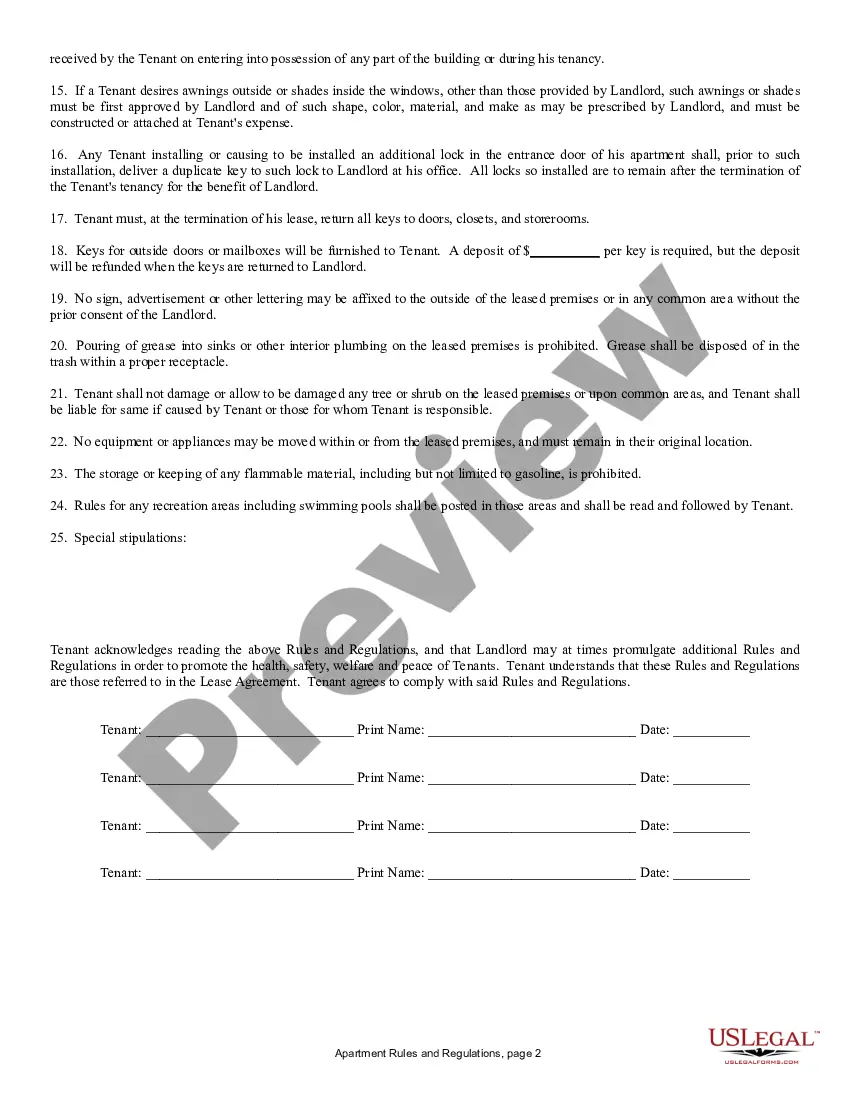
House Rules For Tenants South Africa
Description
Get your form ready online
Our built-in tools help you complete, sign, share, and store your documents in one place.
Make edits, fill in missing information, and update formatting in US Legal Forms—just like you would in MS Word.
Download a copy, print it, send it by email, or mail it via USPS—whatever works best for your next step.
Sign and collect signatures with our SignNow integration. Send to multiple recipients, set reminders, and more. Go Premium to unlock E-Sign.
If this form requires notarization, complete it online through a secure video call—no need to meet a notary in person or wait for an appointment.
We protect your documents and personal data by following strict security and privacy standards.

Make edits, fill in missing information, and update formatting in US Legal Forms—just like you would in MS Word.

Download a copy, print it, send it by email, or mail it via USPS—whatever works best for your next step.

Sign and collect signatures with our SignNow integration. Send to multiple recipients, set reminders, and more. Go Premium to unlock E-Sign.

If this form requires notarization, complete it online through a secure video call—no need to meet a notary in person or wait for an appointment.

We protect your documents and personal data by following strict security and privacy standards.
Looking for another form?







How to fill out California Apartment Rules And Regulations?
Legal administration may be exasperating, even for the most seasoned professionals.
When you seek a House Rules For Tenants South Africa and lack the time to search for the suitable and current version, the procedures can be stressful.
US Legal Forms accommodates all requirements you may have, from personal to company papers, all in one location.
Utilize advanced tools to complete and handle your House Rules For Tenants South Africa.
Here are the steps to follow after acquiring the form you need: Verify that this is the correct form by previewing it and examining its description.
- Access a valuable resource database of articles, guides, and manuals pertinent to your situation and needs.
- Save time and energy in searching for the documents you require, and employ US Legal Forms’ advanced search and Preview feature to locate House Rules For Tenants South Africa and retrieve it.
- If you have a monthly membership, Log In to your US Legal Forms account, look for the form, and obtain it.
- Check your My documents tab to review the documents you have previously acquired as well as manage your folders as needed.
- If it's your first experience with US Legal Forms, create a free account for unlimited access to the entire library benefits.
- A robust web form catalog could be a revolutionary change for anyone wanting to manage these situations effectively.
- US Legal Forms is a premier provider in digital legal documents, offering over 85,000 state-specific legal forms accessible to you at any time.
- With US Legal Forms, you can access state- or county-specific legal and business documents.
Form popularity
FAQ
When communicating with your landlord, avoid making vague statements or threats. It's advisable not to express dissatisfaction without suggesting solutions, as this can lead to tension. Instead, focus on a constructive dialogue about how to improve living conditions by adhering to the house rules for tenants in South Africa. Good communication techniques can foster a positive relationship with your landlord.
Breaking a lease should be approached cautiously, as it can have legal repercussions. Common reasons include significant health issues, unsafe living conditions, or job relocation. When discussing breaking your lease, ensure you refer to the house rules for tenants in South Africa and seek guidance on mitigating potential penalties, potentially using tools from UsLegalForms to ensure proper communication.
The number of tenants allowed in a single house in South Africa often depends on local housing regulations and the size of the property. However, landlords typically set limits to prevent overcrowding and maintain a suitable living environment. Familiarizing yourself with house rules for tenants in South Africa can help ensure compliance with these limits. Always discuss with your landlord to clarify their specific policies.
In South Africa, the minimum notice period for tenants can vary based on the rental agreement. Typically, tenants must give one month's notice if they are on a month-to-month lease. Understanding these house rules for tenants in South Africa ensures compliance and helps avoid potential penalties. It's always wise to check your lease for specific requirements.
Grounds 10 and 11 pertain to the eviction of tenants under specific circumstances. Ground 10 addresses unpaid rent, while Ground 11 relates to the tenant's conduct that violates house rules for tenants in South Africa. It's crucial to understand these grounds, as they can lead to eviction processes if not properly managed. Using resources like the UsLegalForms platform can help navigate these grounds effectively.
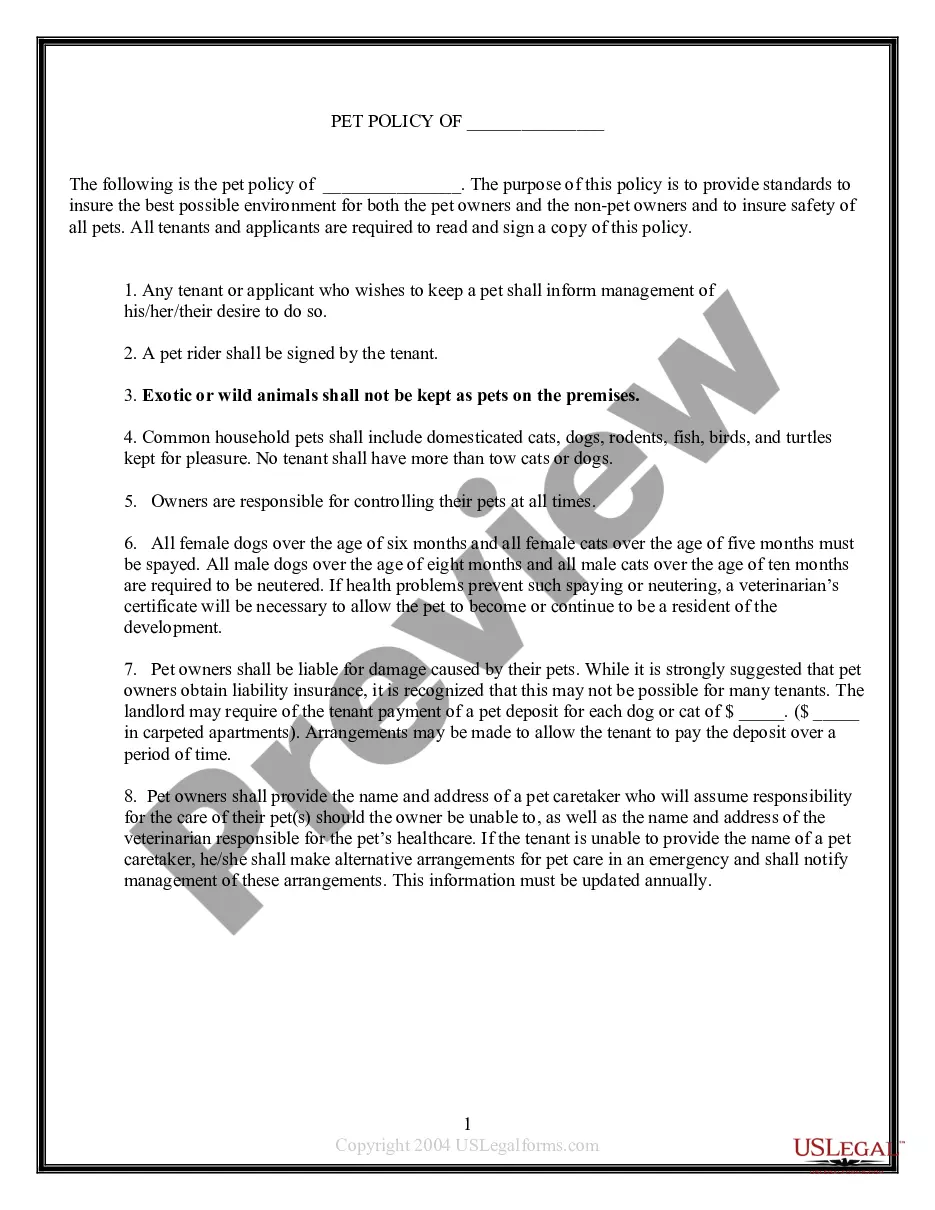
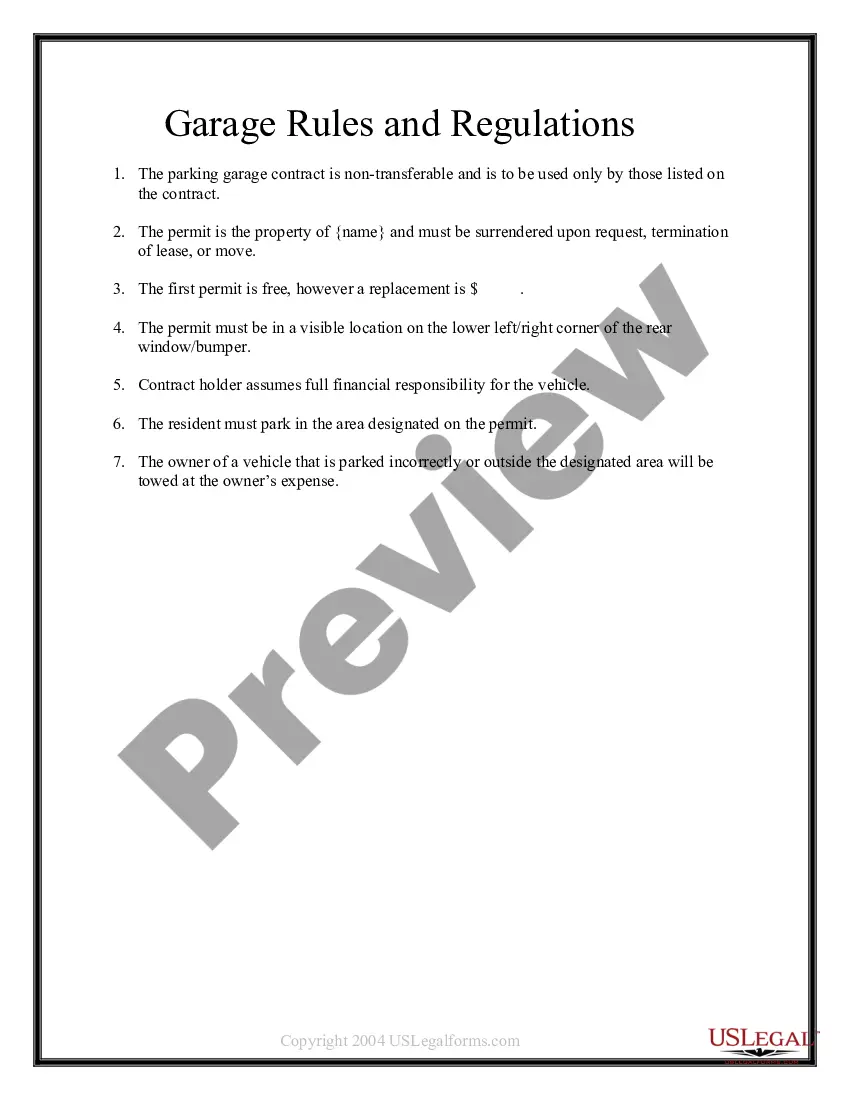
House rules and regulations refer to guidelines established by landlords to maintain order and ensure safety in rental properties. In South Africa, these rules must align with national laws and cannot infringe on tenant rights. House rules for tenants in South Africa might cover aspects like noise levels, communal space usage, and pet ownership. Knowing these rules can enhance your living experience and help you coexist harmoniously with others in your building.
Recent changes to rental laws in South Africa aim to provide better protection for tenants and regulate landlord practices. These laws address issues like rental increases, evictions, and the responsibilities of both landlords and tenants. Familiarizing yourself with the house rules for tenants in South Africa can help you navigate these new regulations effectively. Staying informed empowers you to advocate for your rights as a tenant.
In South Africa, tenants have several important rights that protect them in rental agreements. Tenants are entitled to a safe and habitable living environment, privacy, and fair treatment from landlords. Additionally, house rules for tenants in South Africa must be reasonable and should not violate tenants' rights. Understanding these rights helps tenants negotiate better rental terms and ensure compliance with legal standards.
To document problems with your rental, start by keeping a detailed written record of all issues, including dates and descriptions. Taking photographs can also serve as valuable evidence of any damage or unfulfilled repairs. It’s advisable to communicate these issues to your landlord in writing, while referencing the house rules for tenants in South Africa, to ensure they are addressed promptly.
Yes, house rules are legally binding in South Africa as long as they are clear, reasonable, and communicated to tenants before signing the lease. Failure to adhere to these rules can result in penalties or even eviction. Therefore, knowing the house rules for tenants in South Africa and ensuring they are documented can prevent misunderstandings.