Enhanced Life Individual For Each
Description



Get your form ready online
Our built-in tools help you complete, sign, share, and store your documents in one place.
Make edits, fill in missing information, and update formatting in US Legal Forms—just like you would in MS Word.
Download a copy, print it, send it by email, or mail it via USPS—whatever works best for your next step.
Sign and collect signatures with our SignNow integration. Send to multiple recipients, set reminders, and more. Go Premium to unlock E-Sign.
If this form requires notarization, complete it online through a secure video call—no need to meet a notary in person or wait for an appointment.
We protect your documents and personal data by following strict security and privacy standards.

Make edits, fill in missing information, and update formatting in US Legal Forms—just like you would in MS Word.

Download a copy, print it, send it by email, or mail it via USPS—whatever works best for your next step.

Sign and collect signatures with our SignNow integration. Send to multiple recipients, set reminders, and more. Go Premium to unlock E-Sign.

If this form requires notarization, complete it online through a secure video call—no need to meet a notary in person or wait for an appointment.

We protect your documents and personal data by following strict security and privacy standards.
Looking for another form?
How to fill out California Enhanced Life Or Lady Bird Estate Grant Deed From Individual To Individual?
- If you already have an account, log in and check your subscription status. Ensure that it's active to download your desired form template by clicking the Download button.
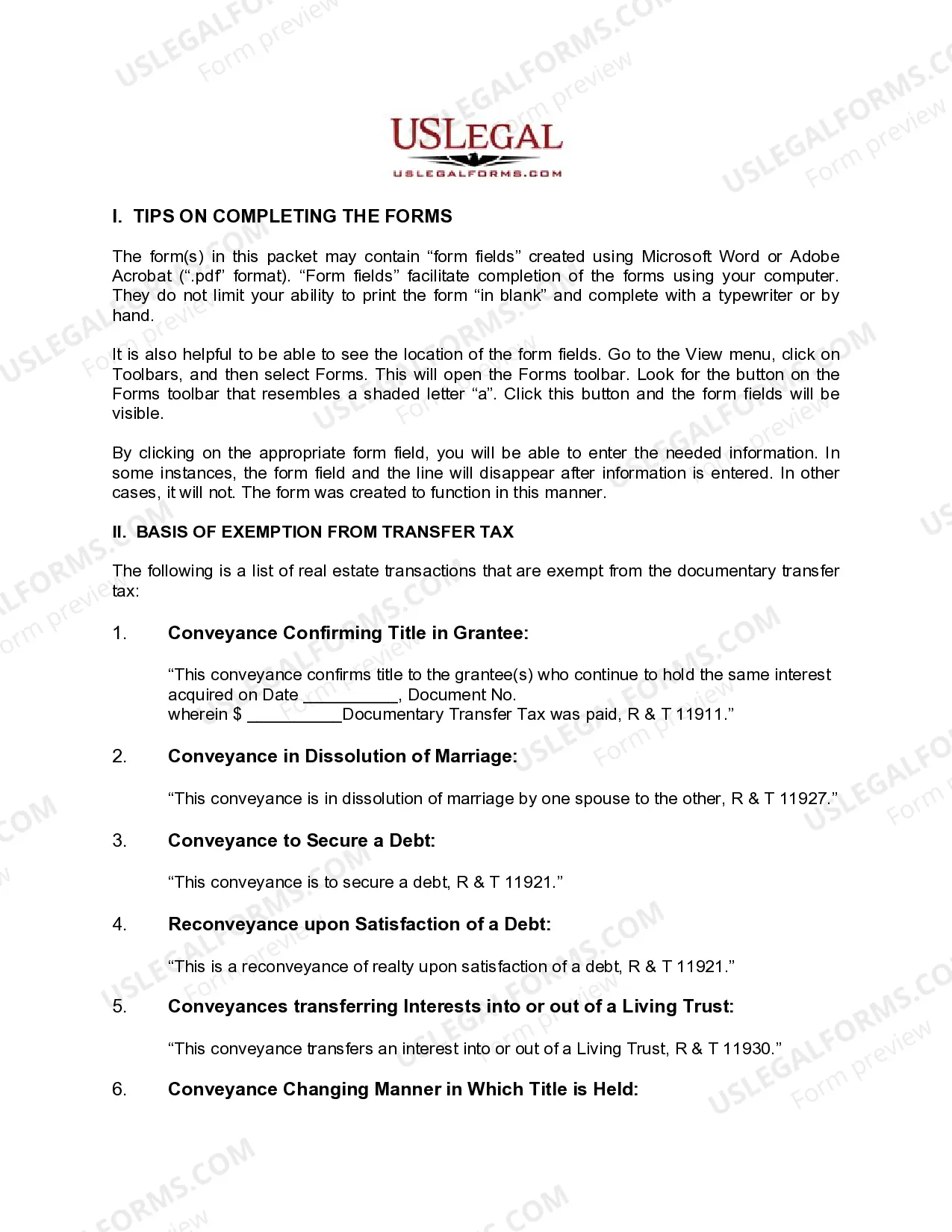
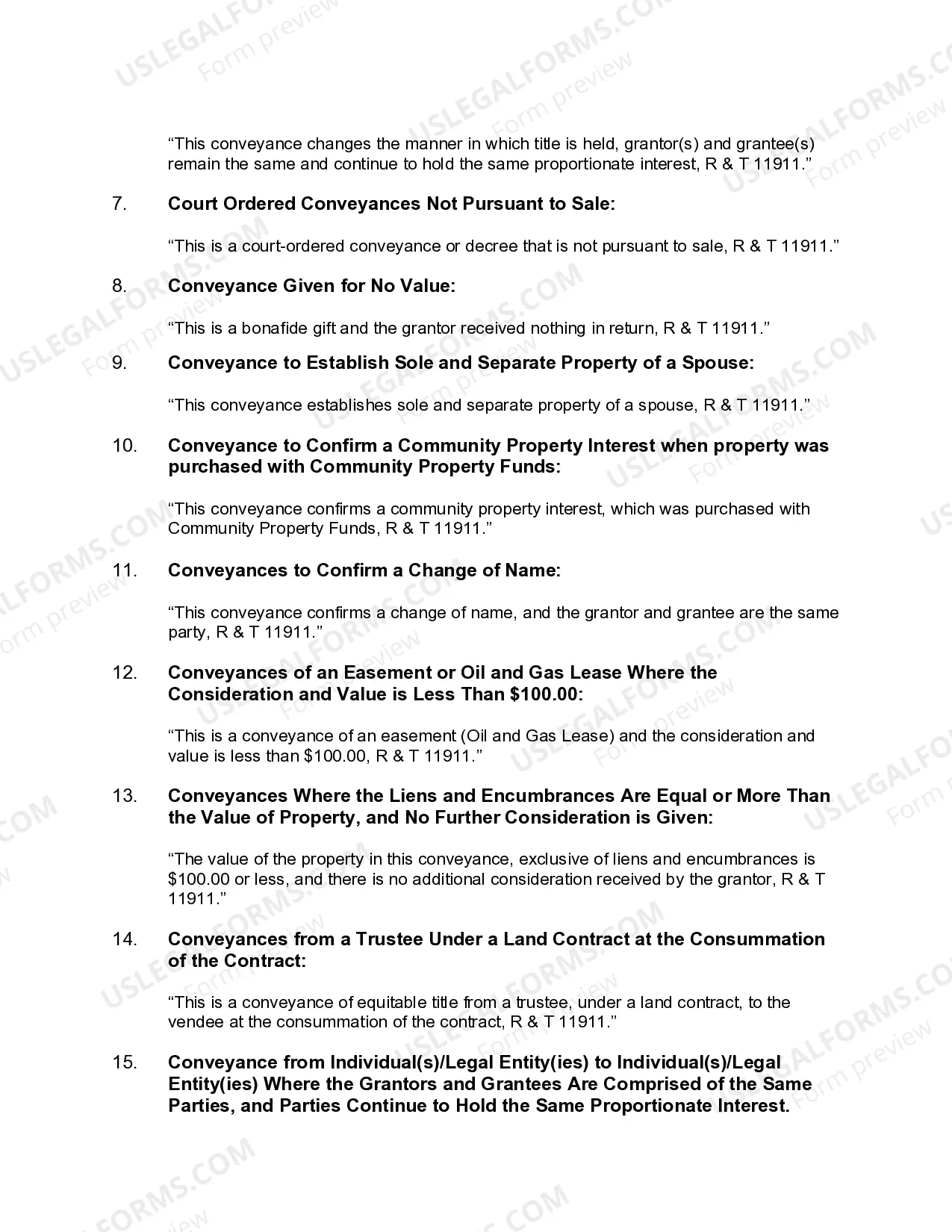
- For newcomers, start by checking the Preview mode and form descriptions. Confirm that the selected template meets your unique needs and complies with local jurisdictional requirements.
- If you find that the form doesn't meet your criteria, utilize the Search tab to discover additional templates tailored to your situation.
- Proceed to purchase the chosen document by clicking the Buy Now button. Select your preferred subscription plan and create an account for access to the entire library.
- Complete your purchase by entering your credit card information or using PayPal for your subscription payment.
- Once your transaction is finalized, download the form directly to your device. You can also revisit it in the My Forms section of your profile whenever necessary.
By following these simple steps, you can take advantage of US Legal Forms' robust collection of templates, which are not only more abundant than competitors but also designed to be fillable and editable with ease.
Experience the benefits of precise and legally sound documents. Start today and empower your legal journey with US Legal Forms!
Form popularity
FAQ
One potential downside of a ladybird deed is the limited ability to alter the terms once established. While you can change your mind about the beneficiaries, the legal structure may complicate any modifications, particularly if tax or legal circumstances shift. Additionally, if your financial situation changes, you may face challenges selling or refinancing the property. Therefore, it’s important to fully understand your choices when considering an enhanced life individual for each and how the ladybird deed fits into your financial strategy.
In many cases, a ladybird deed offers protection for your home from Medicaid claims. By transferring the property to beneficiaries while retaining the right to live there, you may successfully shield it from being counted as an asset during Medicaid eligibility assessments. However, it’s crucial to consult legal experts to ensure this arrangement meets your specific situation and the requirements of your state. Exploring the enhanced life individual for each option can provide valuable insights into your property’s protection.
A ladybird deed typically takes precedence over a will if both designate the same property. This means that the property will automatically transfer to the named beneficiaries upon your death, regardless of any conflicting instructions in your will. This aspect of ladybird deeds can simplify estate management and ensure that your wishes are honored effectively. Therefore, when considering an enhanced life individual for each, be mindful of how these documents interact.
An enhanced life refers to an arrangement where property owners retain the right to live in their homes while maintaining the ability to transfer ownership upon their passing. This setup is designed to provide flexibility and peace of mind, ensuring you can enjoy your home without concerns about property taxes or loss of control. The concept often pairs well with instruments like ladybird deeds, making it a favorable option for an enhanced life individual for each.
While a ladybird deed offers various benefits, it also comes with certain disadvantages. One of the main concerns is that this deed may not protect the property from creditors or legal judgments, which could impact the beneficiaries. Additionally, it might limit your ability to freely sell or mortgage the property if your financial situation changes. Understanding these factors is essential when contemplating an enhanced life individual for each.
A ladybird deed can be beneficial in managing capital gains tax for the property owner and their heirs. This type of deed allows you to retain control over your property during your lifetime while transferring the property to your beneficiaries upon death. This arrangement may help minimize or eliminate capital gains tax on the appreciated value of the property. Therefore, when considering an enhanced life individual for each, a ladybird deed can be a strategic choice.
While life estates provide certain advantages, they can also have downsides, such as limiting your ability to sell or mortgage the property without the consent of the life tenant. Additionally, complications can arise when the life tenant wants to make significant changes or if they face long-term care issues. Understanding these factors can help you make informed choices about using the Enhanced life individual for each strategy in your estate planning.
Getting around a life estate can be complex, but it typically involves addressing the terms of the life estate or obtaining consent from the life tenant. In some situations, you might sell your interest in the property, but this often requires cooperation from the life tenant. Exploring the Enhanced life individual for each approach can offer alternatives that better fit your estate planning goals and desired outcomes.
People create life estates to ensure their property passes to their heirs without going through probate. This arrangement allows the original owner to retain control over the property during their lifetime while guaranteeing that it will transfer smoothly to the designated beneficiaries. The Enhanced life individual for each option works well for those wanting to simplify their estate planning process and provide for loved ones.
While the ladybird deed has many advantages, some disadvantages exist. One issue is that it does not protect against Medicaid estate recovery, which can impact your estate in the long run. Additionally, complications may arise if the beneficiary predeceases the owner, affecting the enhanced life individual for each. It is wise to consult with a legal expert before proceeding to understand the full implications.