Liability Company Llc With A Corporation
Description
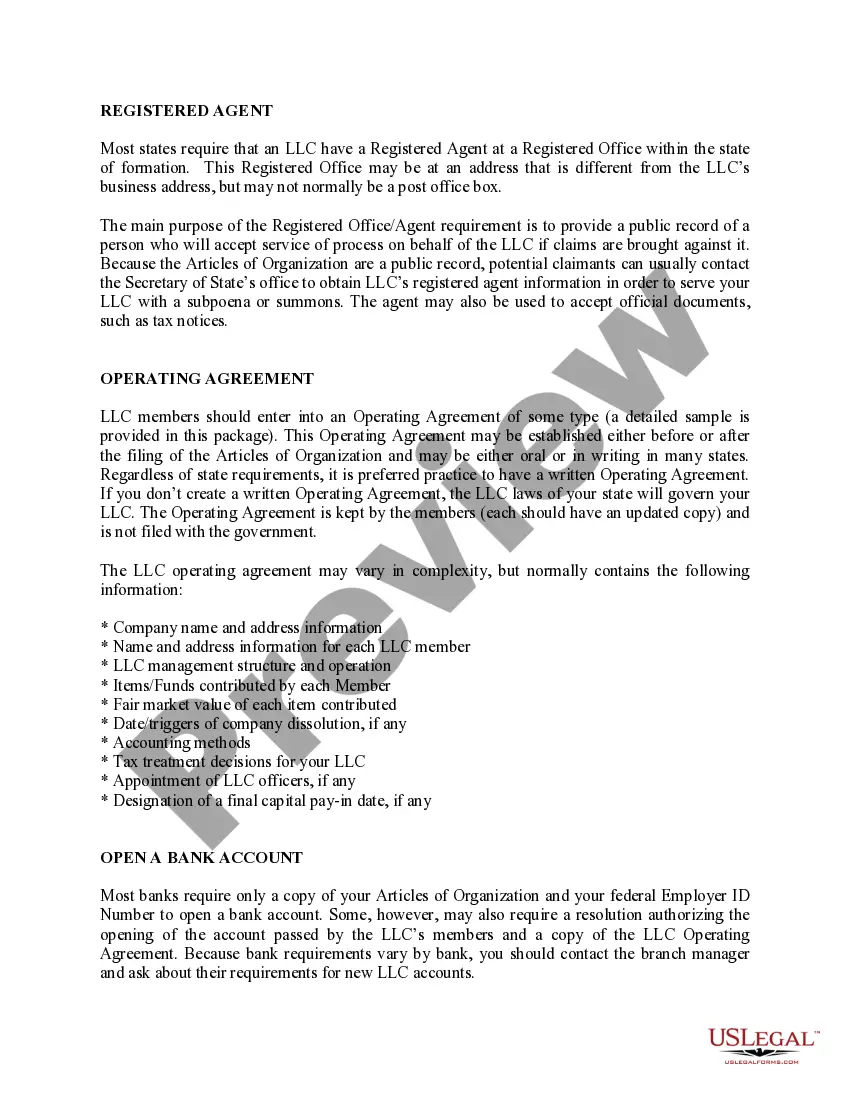

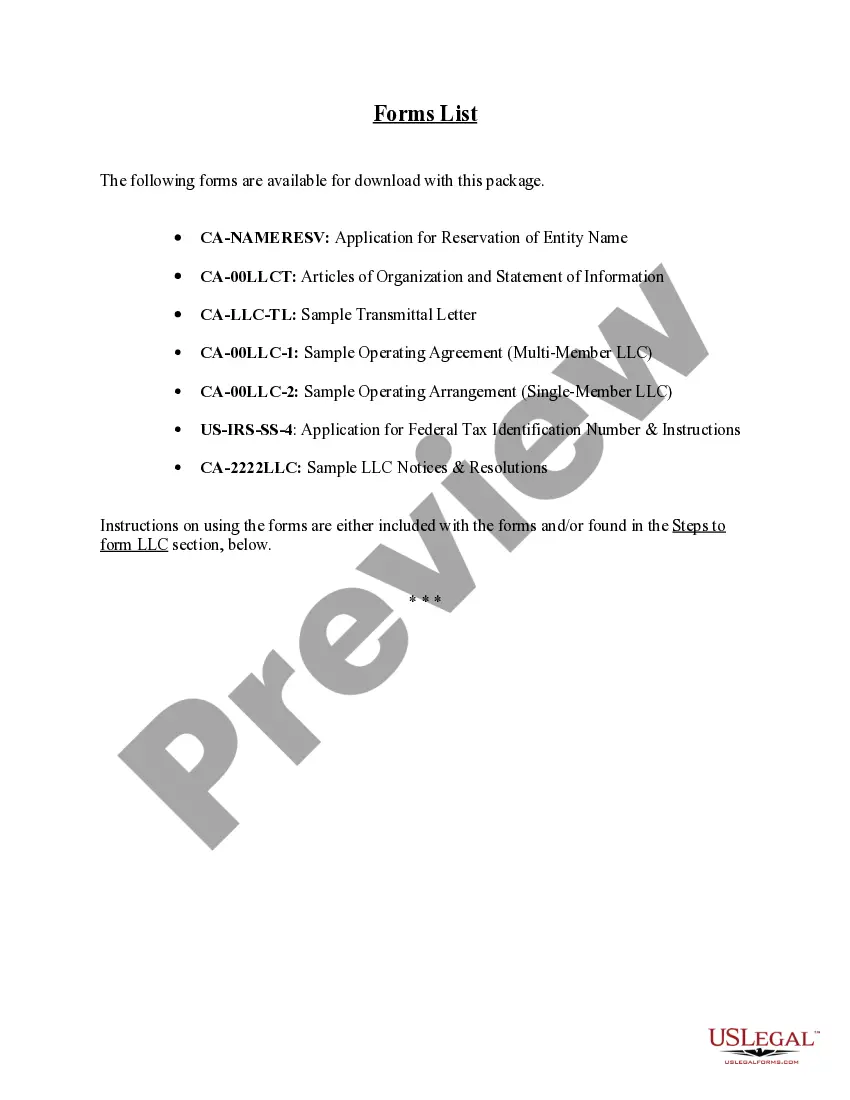
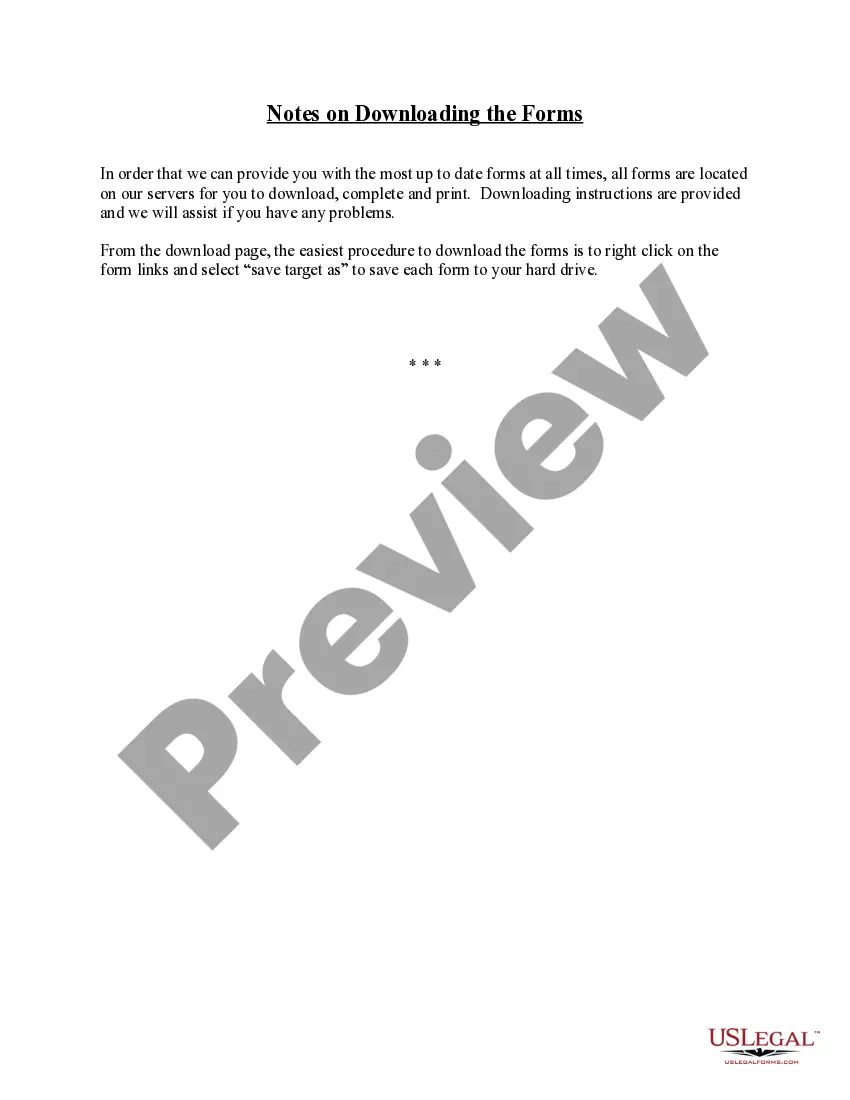

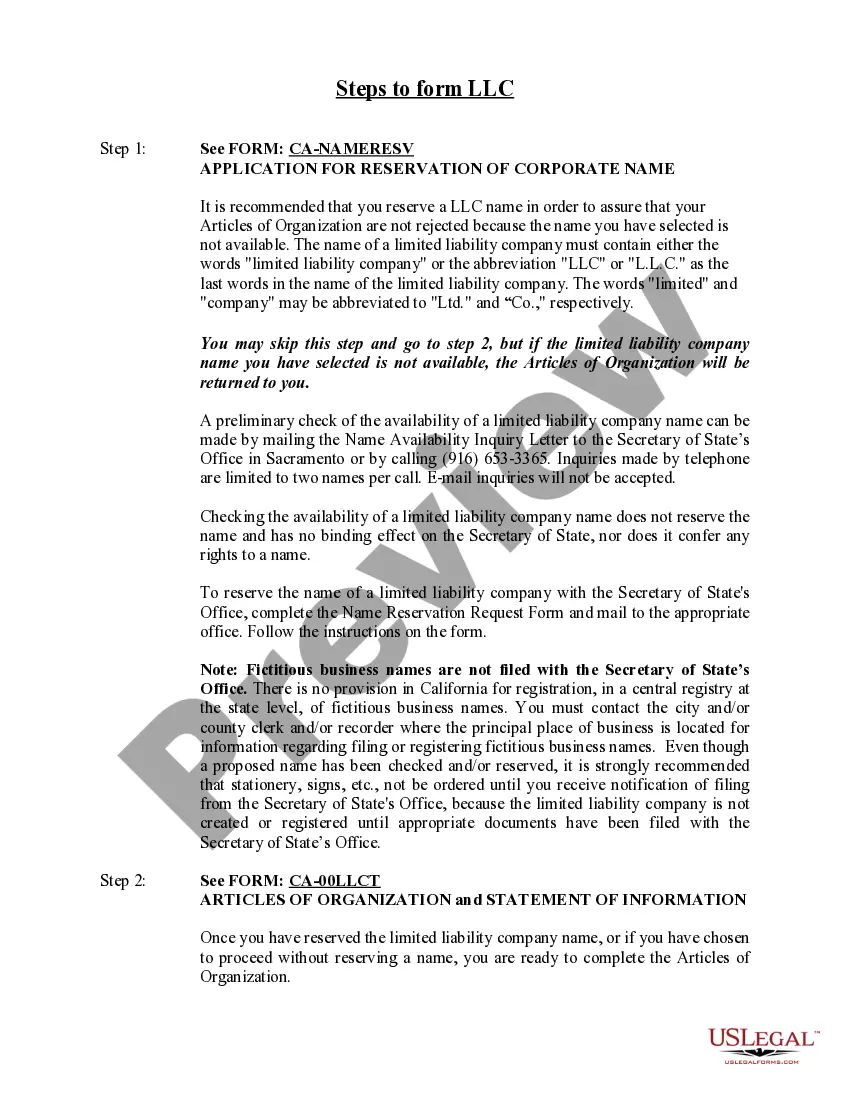

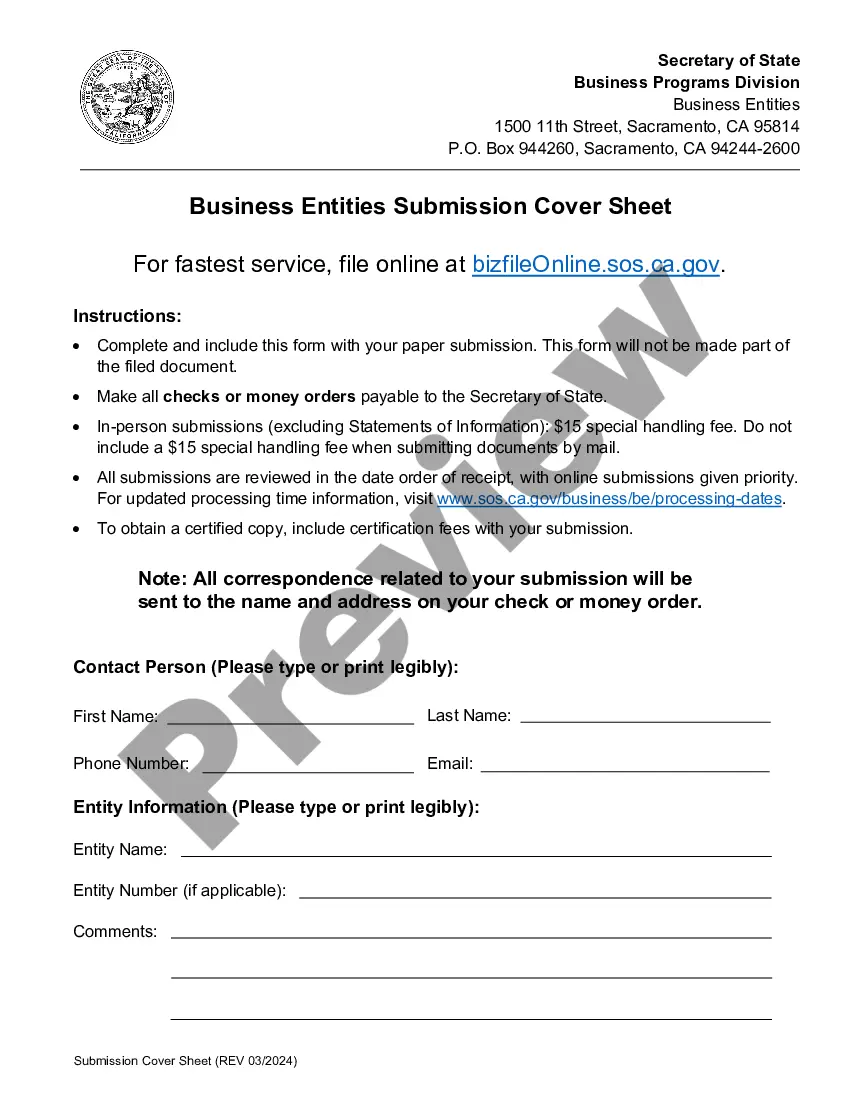
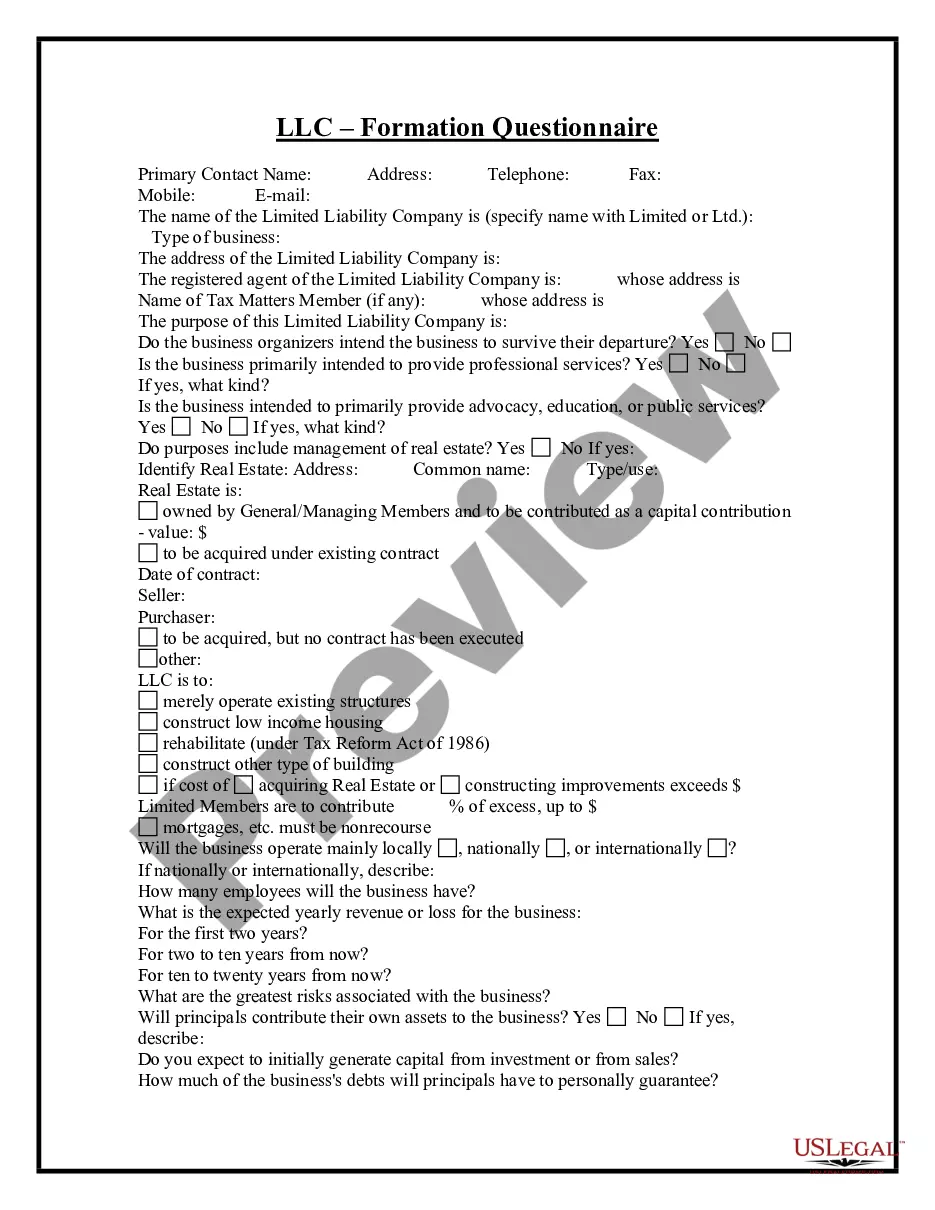
Get your form ready online
Our built-in tools help you complete, sign, share, and store your documents in one place.
Make edits, fill in missing information, and update formatting in US Legal Forms—just like you would in MS Word.
Download a copy, print it, send it by email, or mail it via USPS—whatever works best for your next step.
Sign and collect signatures with our SignNow integration. Send to multiple recipients, set reminders, and more. Go Premium to unlock E-Sign.
If this form requires notarization, complete it online through a secure video call—no need to meet a notary in person or wait for an appointment.
We protect your documents and personal data by following strict security and privacy standards.

Make edits, fill in missing information, and update formatting in US Legal Forms—just like you would in MS Word.

Download a copy, print it, send it by email, or mail it via USPS—whatever works best for your next step.

Sign and collect signatures with our SignNow integration. Send to multiple recipients, set reminders, and more. Go Premium to unlock E-Sign.

If this form requires notarization, complete it online through a secure video call—no need to meet a notary in person or wait for an appointment.

We protect your documents and personal data by following strict security and privacy standards.
Looking for another form?
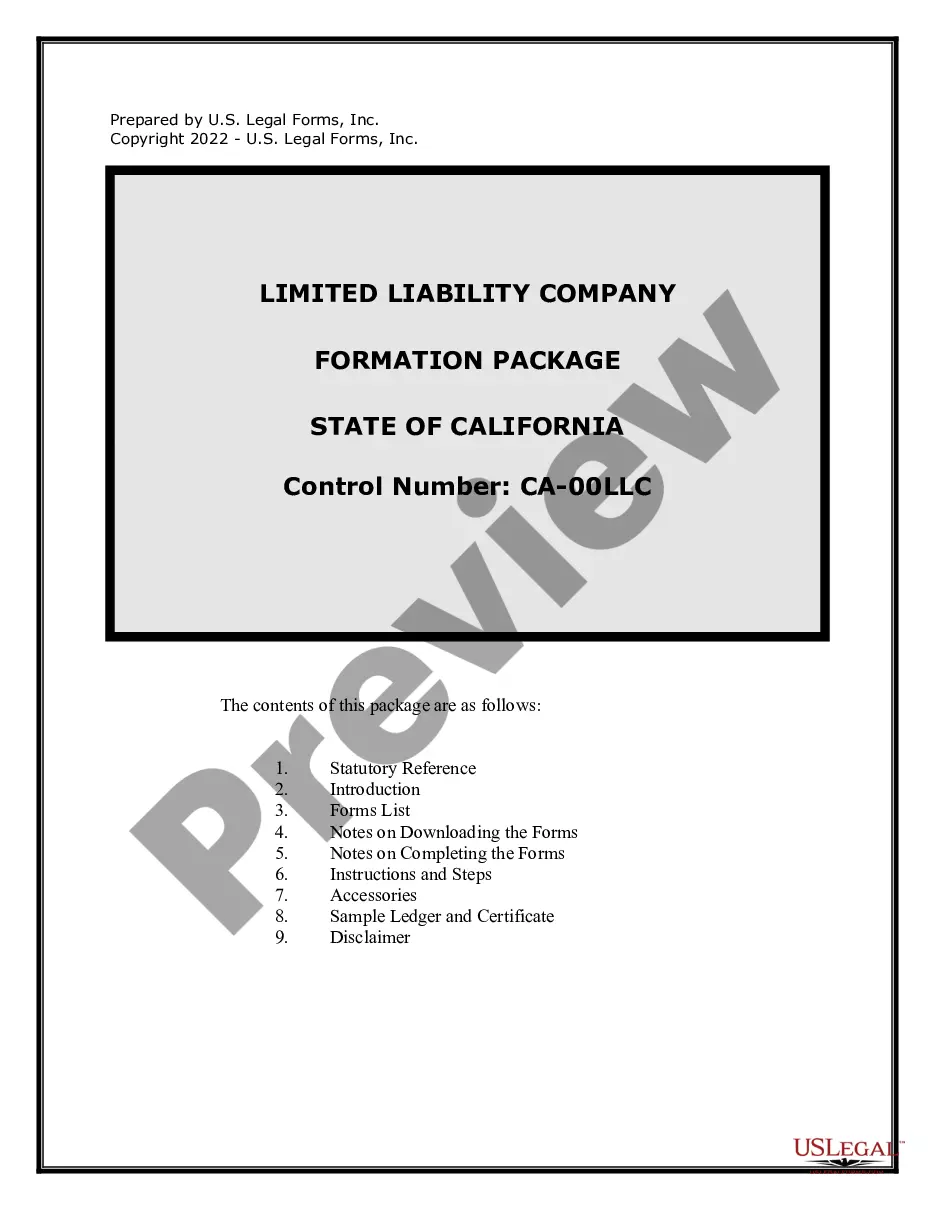
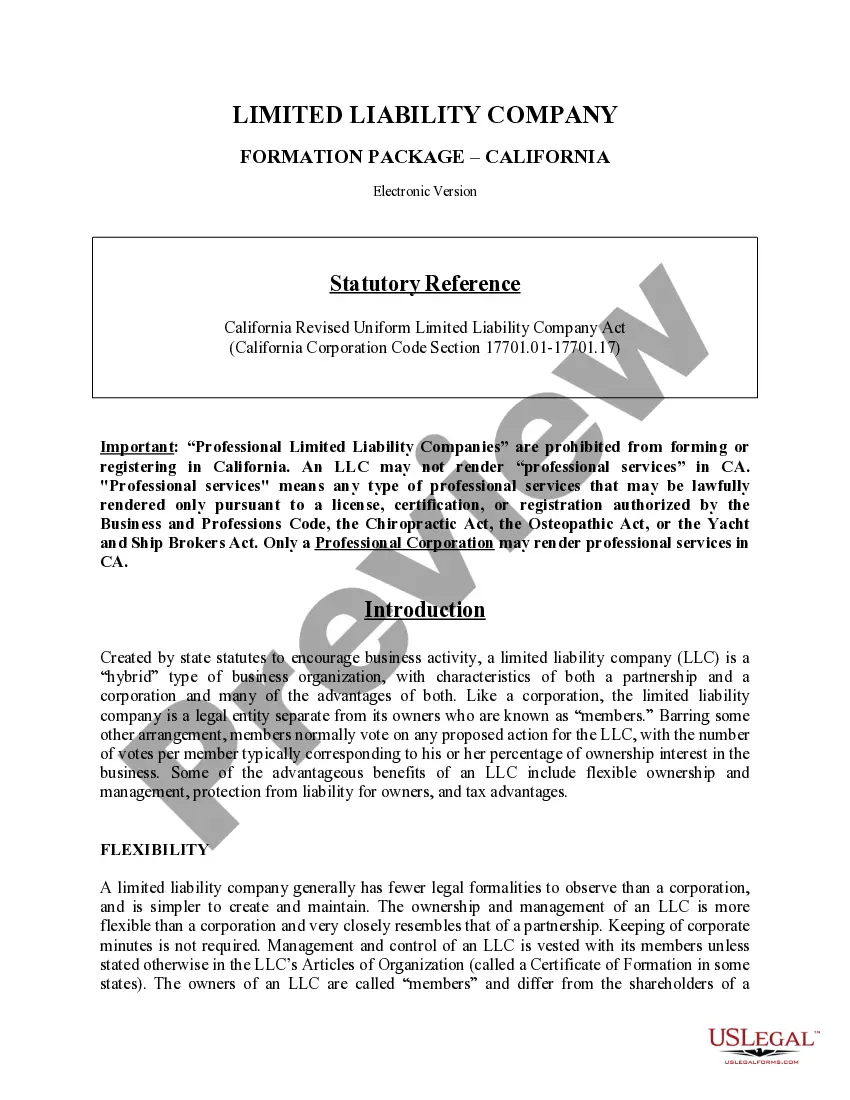
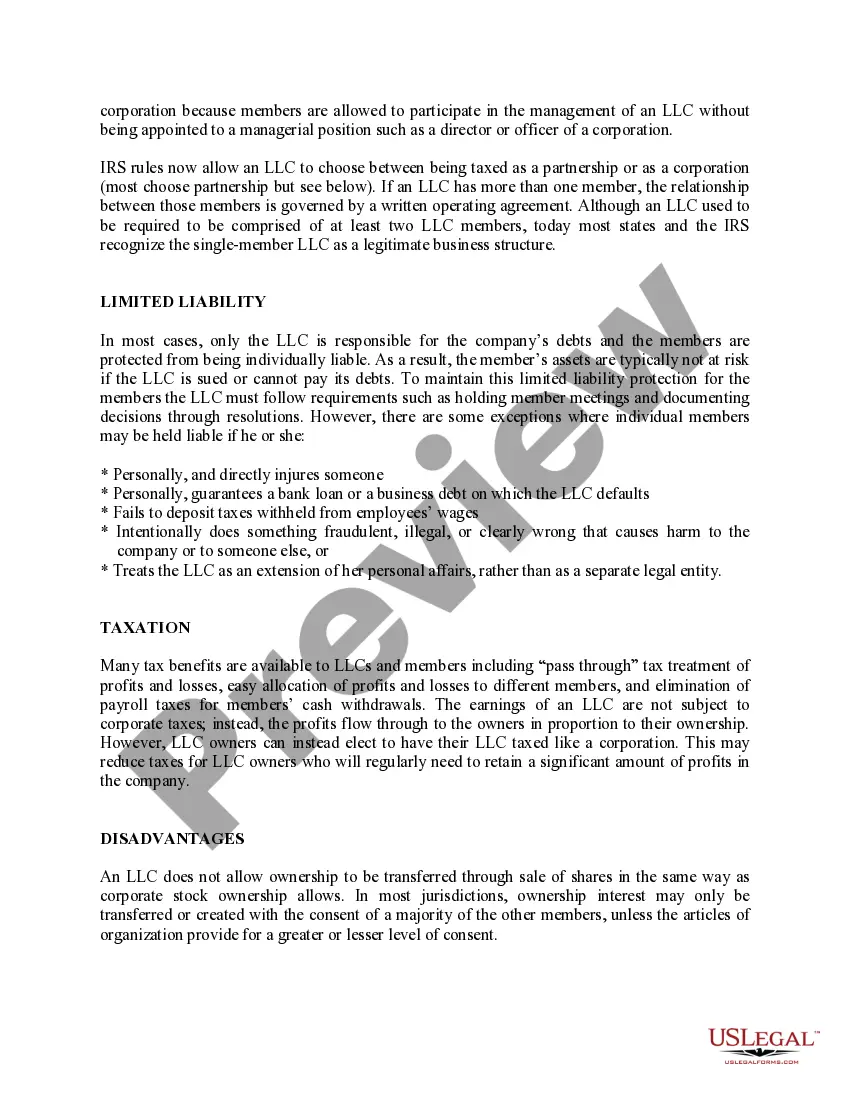
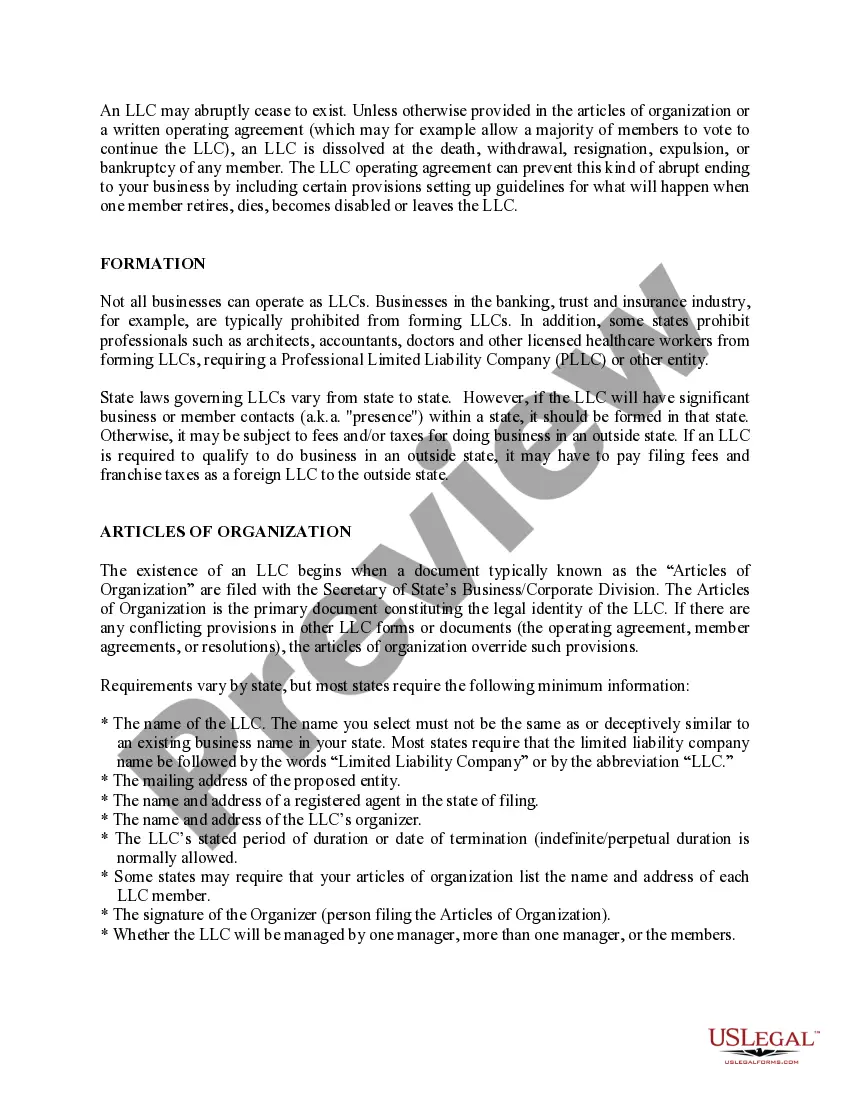
How to fill out California Limited Liability Company LLC Formation Package?
- Log in to your US Legal Forms account to access your saved documents and templates. Ensure your subscription is up to date; if not, consider renewing it.
- If you are new to US Legal Forms, begin by browsing through the various legal form options. Review the preview mode for descriptions and confirm that you are selecting the correct form for your needs.
- Utilize the Search tab for additional templates if necessary. If you encounter any inconsistencies, finding the right template is crucial.
- Once you've identified the correct form, click on the 'Buy Now' button to select a subscription plan that best suits your needs and proceed to account registration.
- Complete your purchase by entering your payment information. US Legal Forms accepts both credit card and PayPal transactions.
- Finally, download the purchased form directly to your device. You can access it later anytime via the 'My Forms' section of your profile.
By following these steps, you can easily leverage the benefits of US Legal Forms, ensuring that your liability company LLC with a corporation is established with the right legal documentation.
Start your journey with US Legal Forms today and experience the ease of obtaining comprehensive legal documents to support your business endeavors!
Form popularity
FAQ
An LLC is not classified as a corporation but has distinct features that provide liability protection similar to a corporation. The liability company LLC offers flexible management structures and fewer regulations than corporations. Understanding these differences can guide you in selecting the best structure for your business needs.
Filing your liability company LLC as a corporation can provide certain advantages depending on your business strategy and future goals. It may enable you to raise capital more easily and offer benefits to shareholders. Carefully consider your business model and consult with professionals to ensure you make the most appropriate choice.
A limited liability company is a distinct business structure that combines elements of partnerships and corporations. While both offer liability protection, a liability company LLC generally has more flexible management options and less formalities compared to a corporation. Choosing the right entity depends on how you want to operate your business.
The best tax structure for your liability company LLC depends on various factors such as income level and business goals. An LLC has the flexibility to be taxed as a sole proprietorship, partnership, S Corporation, or C Corporation. Consulting with a tax professional can help you choose the structure that maximizes your financial benefits.
A liability company LLC may choose to be taxed as a corporation to take advantage of potential tax benefits. This election can reduce self-employment taxes, allowing for a more favorable tax treatment on retained earnings. Additionally, it might offer opportunities for growth through reinvestment and attracting investors.
Deciding whether to file your liability company LLC as a corporation requires careful consideration of your business goals. Filing as a corporation can provide specific tax advantages, such as lower corporate tax rates and benefits that are not available to sole proprietorships or partnerships. It's wise to evaluate your business structure with the help of experts to make an informed decision.
Determining whether your LLC is an S or C Corporation depends on the tax election you choose. By default, a liability company LLC is treated as a pass-through entity, but it can elect to be taxed as either an S or C Corporation. Understanding these options helps you optimize your tax situation and benefits.
A single business entity cannot be both an LLC and a corporation simultaneously, but you can structure your business to take advantage of both advantages over time. Depending on your operational goals, you might start as an LLC and later incorporate or vice versa. This strategy offers the benefits of limited liability and operational flexibility. If you need guidance on forming the right type, US Legal Forms provides resources to assist you.
Absolutely, a corporation can be a member of an LLC. This arrangement allows the corporation to participate in the management and profits of the LLC, while still enjoying liability protection. As a member, the corporation can also help in fundraising and resource sharing which strengthens the LLC. This integration can lead to growth opportunities for both entities.
While a business cannot operate simultaneously as both an LLC and a corporation under the same designation, it can form one entity that offers the benefits of both structures. Some businesses choose to operate as an LLC, while others may incorporate at a later stage. This flexibility enables you to adapt your business structure as it grows. Consult with professionals to explore the best strategy for your needs.