Transfer On Death Deed For Florida
Description



Get your form ready online
Our built-in tools help you complete, sign, share, and store your documents in one place.
Make edits, fill in missing information, and update formatting in US Legal Forms—just like you would in MS Word.
Download a copy, print it, send it by email, or mail it via USPS—whatever works best for your next step.
Sign and collect signatures with our SignNow integration. Send to multiple recipients, set reminders, and more. Go Premium to unlock E-Sign.
If this form requires notarization, complete it online through a secure video call—no need to meet a notary in person or wait for an appointment.
We protect your documents and personal data by following strict security and privacy standards.

Make edits, fill in missing information, and update formatting in US Legal Forms—just like you would in MS Word.

Download a copy, print it, send it by email, or mail it via USPS—whatever works best for your next step.

Sign and collect signatures with our SignNow integration. Send to multiple recipients, set reminders, and more. Go Premium to unlock E-Sign.

If this form requires notarization, complete it online through a secure video call—no need to meet a notary in person or wait for an appointment.

We protect your documents and personal data by following strict security and privacy standards.
Looking for another form?


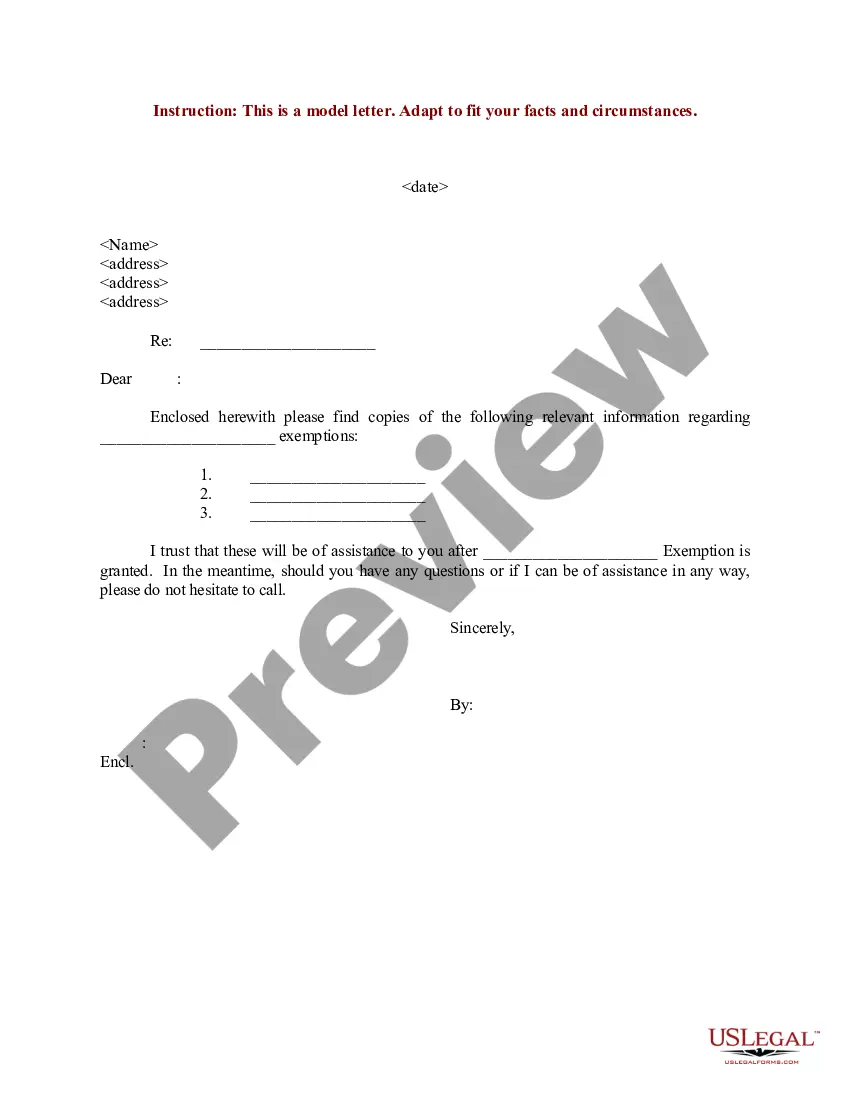






How to fill out Arizona Transfer On Death Or TOD - Beneficiary Deed - Individual Grantor To Three Individuals?
- Log in to your US Legal Forms account if you’re a returning user, or create a new account if this is your first time.
- Search for 'Transfer on Death Deed for Florida' in the extensive online library to find the appropriate template.
- Preview the form to confirm that it meets your needs and complies with Florida's local requirements.
- Select the form and proceed to purchase by clicking the Buy Now button, choosing your preferred subscription plan.
- Complete your transaction by entering your payment information, either through a credit card or PayPal.
- Once your purchase is confirmed, download the completed form to your device and access it anytime from the My Forms section in your account.
By following these straightforward steps, you’ll be well on your way to securing your property with a Transfer on Death Deed in Florida. Remember, using US Legal Forms not only saves you time but also gives you access to the resources needed for a legally sound document.
Take the first step towards effective estate planning and visit US Legal Forms today!
Form popularity
FAQ
Yes, Florida law permits transfers on death deeds to facilitate the transfer of property. This approach simplifies estate planning by allowing you to designate a beneficiary who will receive the property upon your passing. It is essential, however, to follow specific legal requirements to ensure the deed is valid. To understand this process better, explore the resources offered by US Legal Forms.
Yes, you can execute a transfer on death deed in Florida. This legal tool allows you to transfer property directly to your chosen beneficiary upon your death, avoiding probate. It’s a straightforward process, giving you peace of mind knowing your assets will pass smoothly to your heirs. For assistance with creating this deed, consider using US Legal Forms.
One downside of a Transfer on Death deed for Florida is that it only applies to real estate, not personal property or financial assets. Moreover, if the named beneficiary predeceases you, the deed may not automatically adapt, potentially creating complications. Another concern is that it may lead to conflicts among heirs if not communicated properly. It’s important to weigh these factors when planning your estate.
To change ownership of property after death in Florida, a Transfer on Death deed can simplify the process. If you established a TOD deed prior to passing, the property automatically transfers to the named beneficiary, bypassing probate. For properties that do not have a TOD deed, your heirs will need to go through probate to legally transfer ownership.
The rules for a Transfer on Death deed for Florida are relatively straightforward. The deed must be in writing, signed, and recorded in the county where the property is located. Additionally, it should explicitly state the intended beneficiary. Following these rules will help ensure a smooth transition of property upon your passing.
While it is not mandatory to have a lawyer for a Transfer on Death deed for Florida, having one can be beneficial. A lawyer can provide legal advice, ensure proper execution, and help you navigate any specific nuances of Florida law. For those who prefer to tackle this independently, Uslegalforms offers resources that guide you through the necessary steps.
You do not necessarily need a lawyer to create a Transfer on Death deed for Florida, as the process can be straightforward. However, consulting a lawyer can ensure that you meet all legal requirements and properly execute the deed. Uslegalforms provides templates and guidance, making it simpler to create your own TOD deed. This way, you can feel confident in your legal actions.
A Transfer on Death (TOD) deed for Florida can be a valuable alternative to a will, especially for passing real estate. Unlike a will, a TOD avoids probate, allowing your heirs to take ownership immediately after your death. However, it may not cover all aspects of your estate plan. Therefore, consider your entire estate when deciding between these options.
In Florida, a transfer on death deed must be signed, dated, and notarized to be valid. It must clearly identify the property and the designated beneficiary. Furthermore, the deed must be recorded in the county where the property is located to enforce the transfer upon the owner's death. For anyone interested in creating a transfer on death deed for Florida, the USLegalForms platform offers comprehensive resources and templates to ensure compliance with all state regulations.
One notable disadvantage of a transfer on death deed for Florida is that it does not protect the property from creditors. If the owner has outstanding debts, those creditors may have claims against the property upon death. Additionally, this deed does not provide any tax benefits or protections; it simply serves as a beneficiary designation. Users should consider their financial situation and may benefit from consulting with legal experts, such as those available through the USLegalForms platform.