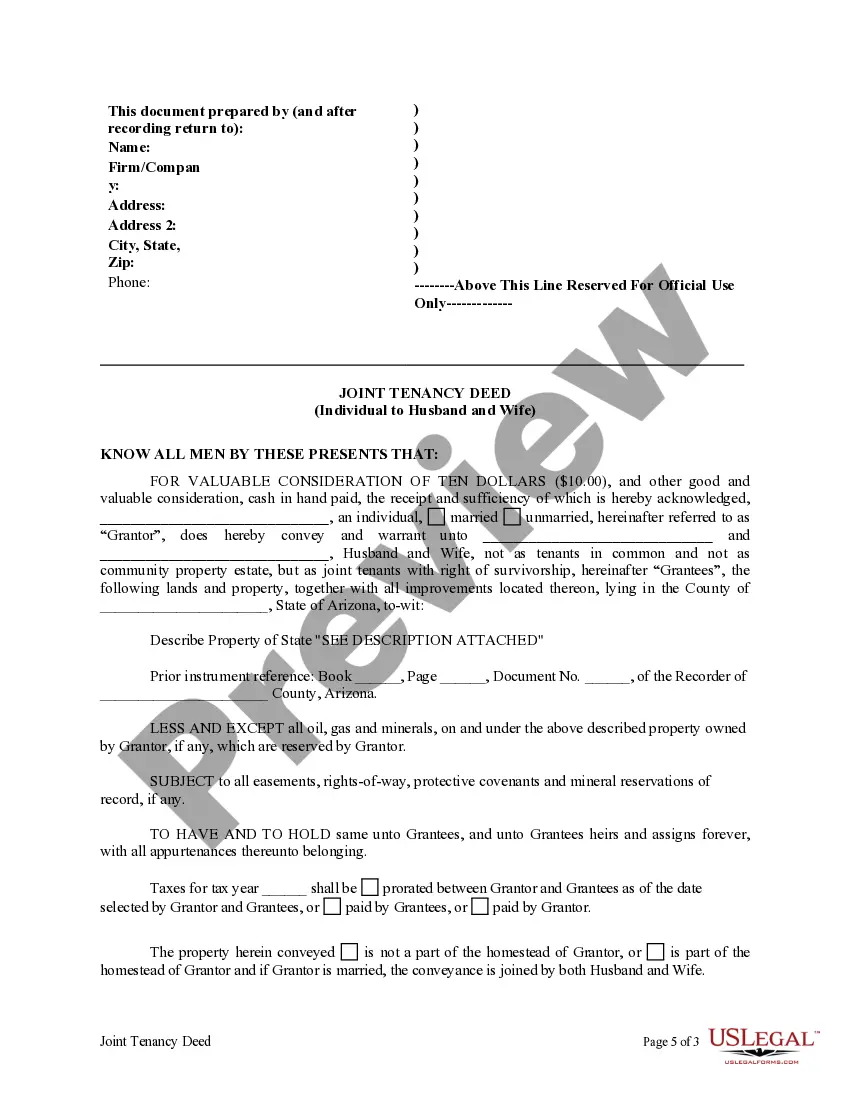
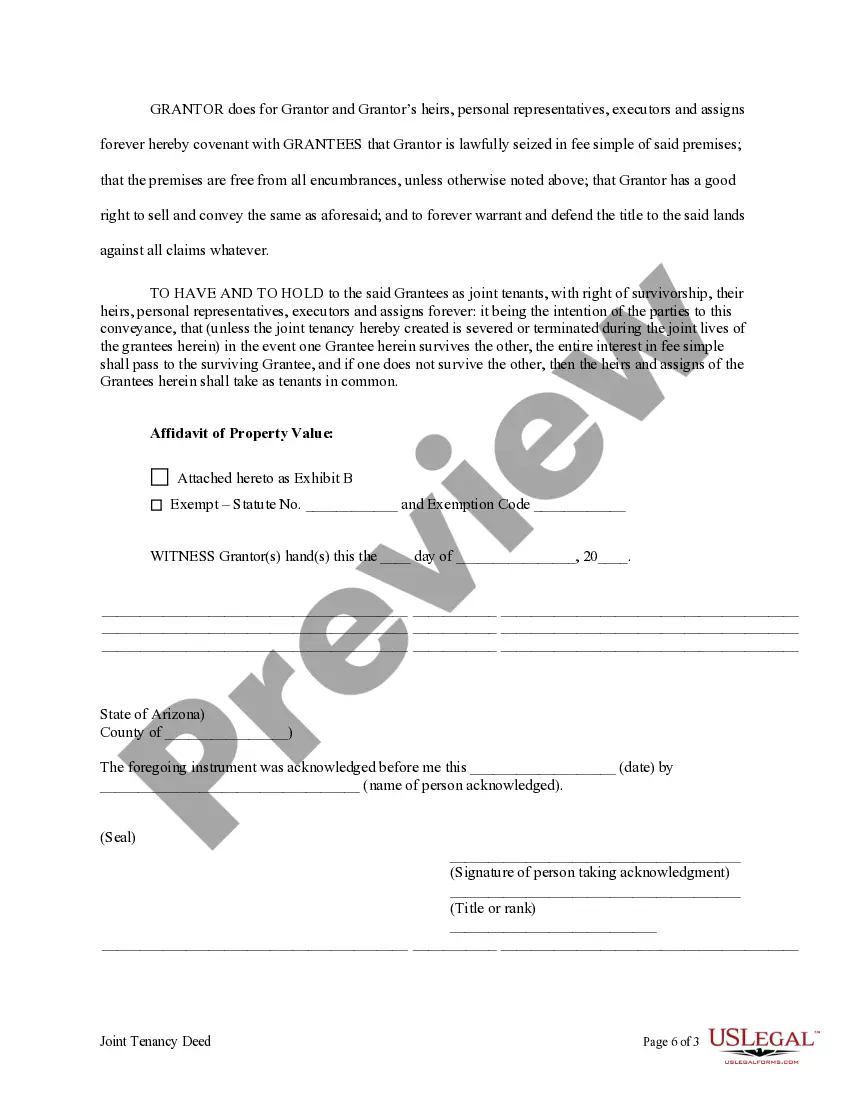
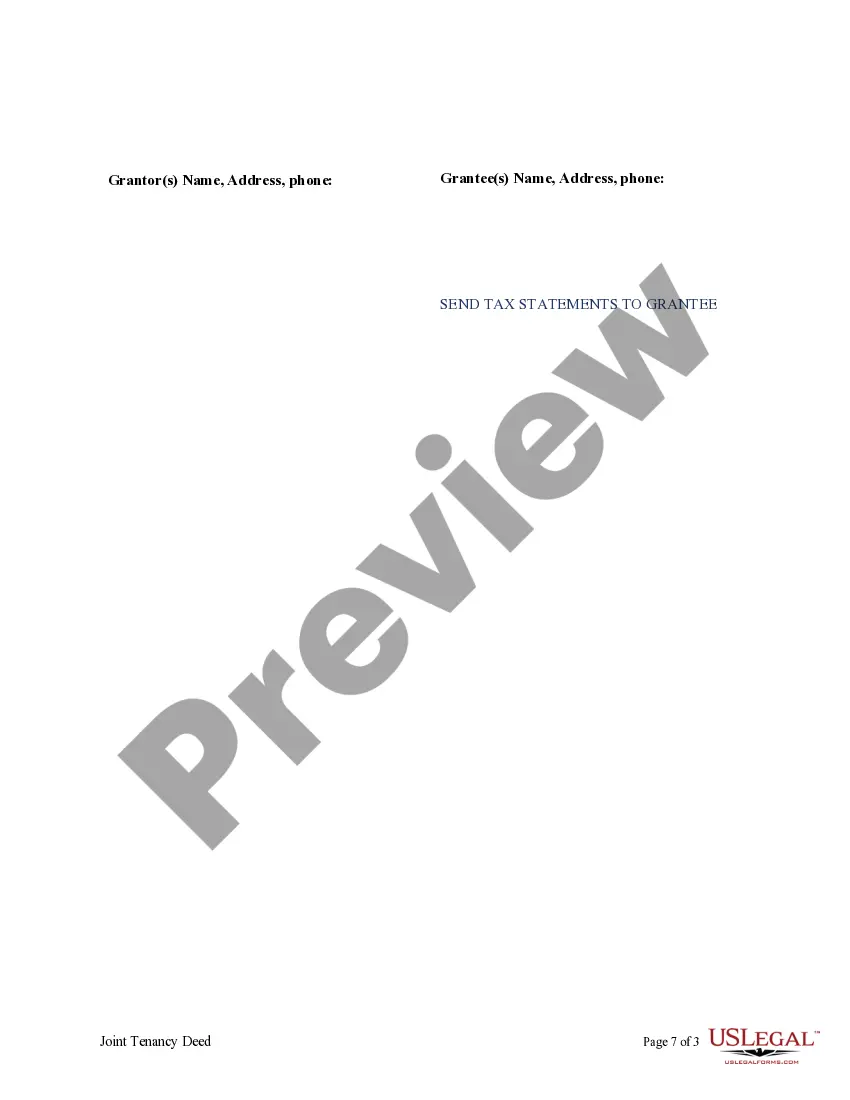
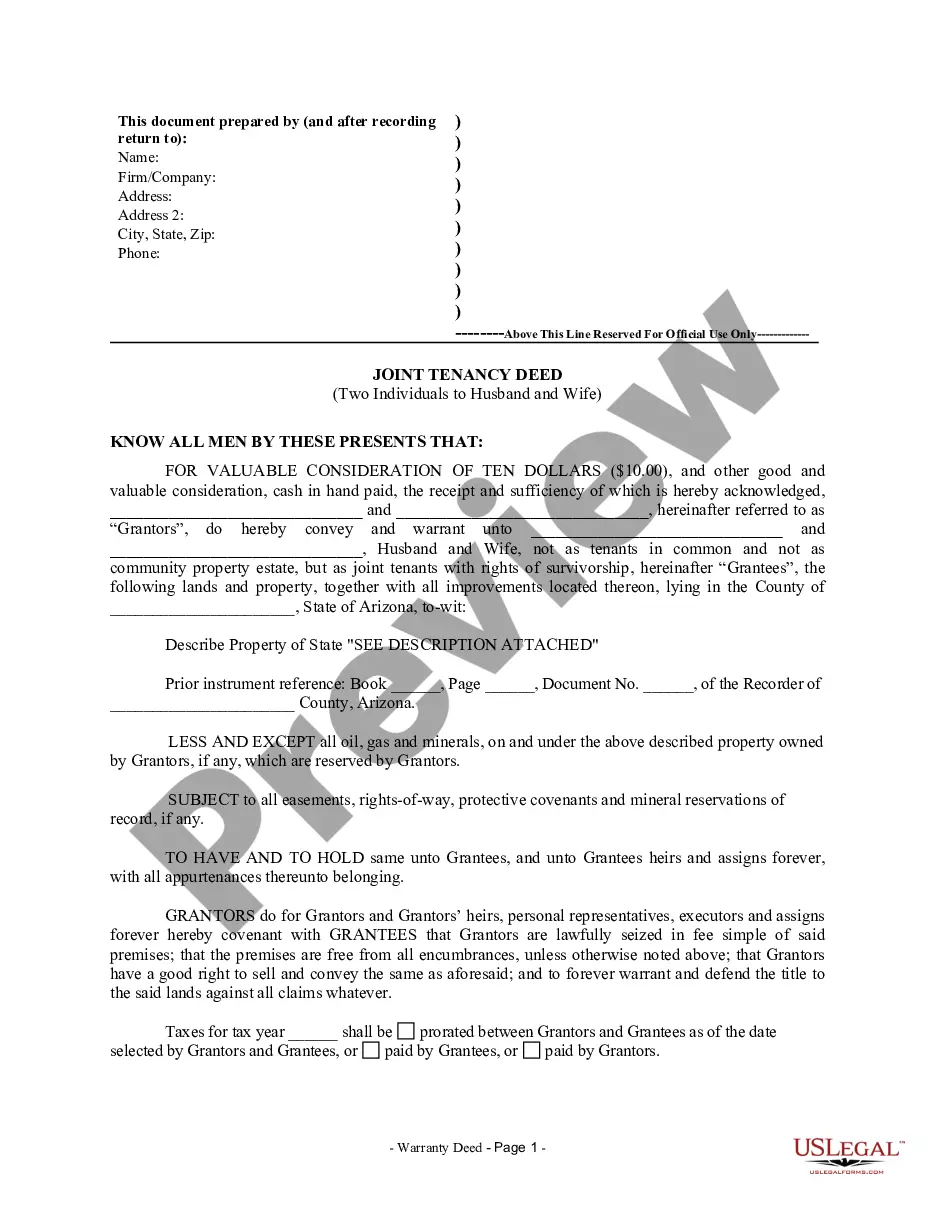
Joint Tenants Deed Of Trust
Description
Get your form ready online
Our built-in tools help you complete, sign, share, and store your documents in one place.
Make edits, fill in missing information, and update formatting in US Legal Forms—just like you would in MS Word.
Download a copy, print it, send it by email, or mail it via USPS—whatever works best for your next step.
Sign and collect signatures with our SignNow integration. Send to multiple recipients, set reminders, and more. Go Premium to unlock E-Sign.
If this form requires notarization, complete it online through a secure video call—no need to meet a notary in person or wait for an appointment.
We protect your documents and personal data by following strict security and privacy standards.

Make edits, fill in missing information, and update formatting in US Legal Forms—just like you would in MS Word.

Download a copy, print it, send it by email, or mail it via USPS—whatever works best for your next step.

Sign and collect signatures with our SignNow integration. Send to multiple recipients, set reminders, and more. Go Premium to unlock E-Sign.

If this form requires notarization, complete it online through a secure video call—no need to meet a notary in person or wait for an appointment.

We protect your documents and personal data by following strict security and privacy standards.
Looking for another form?
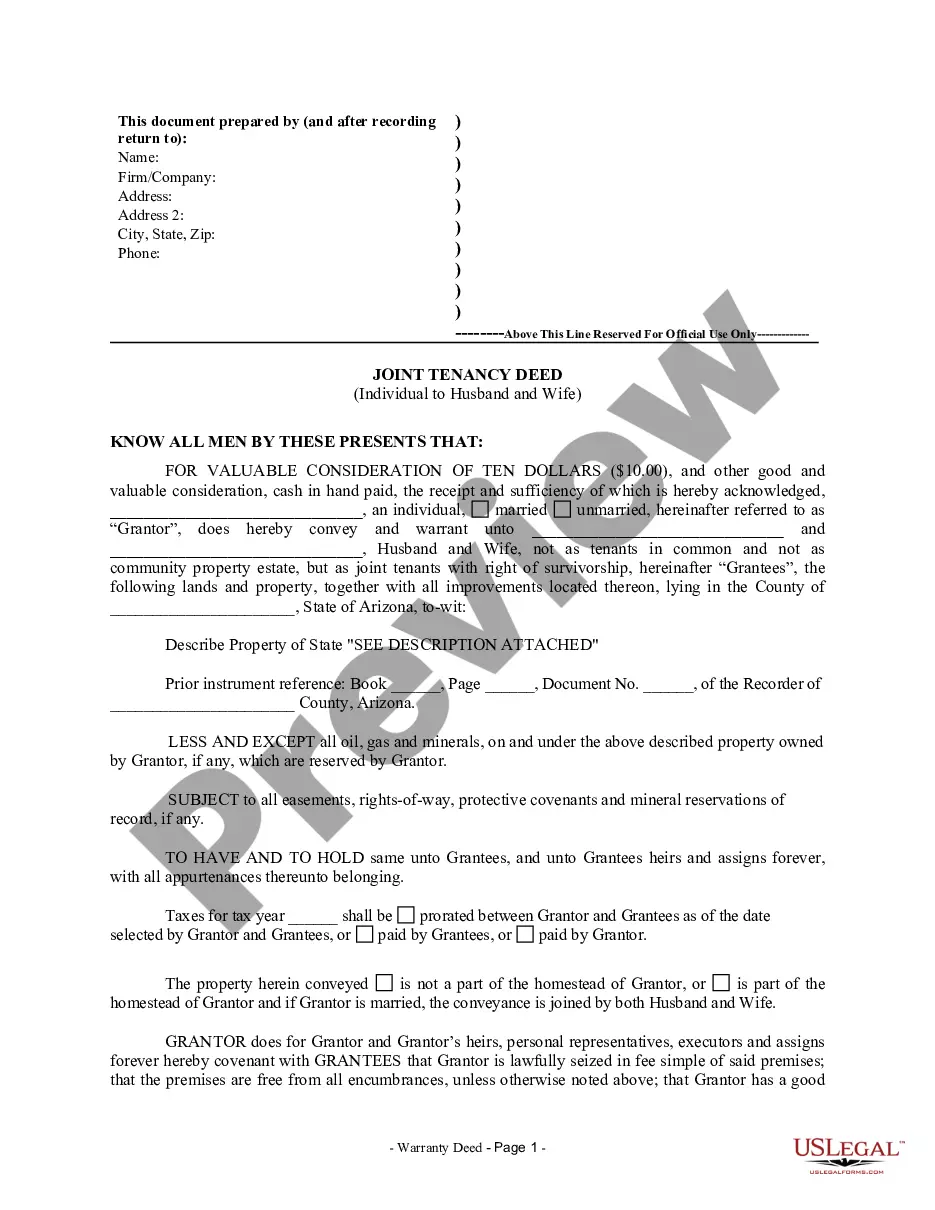
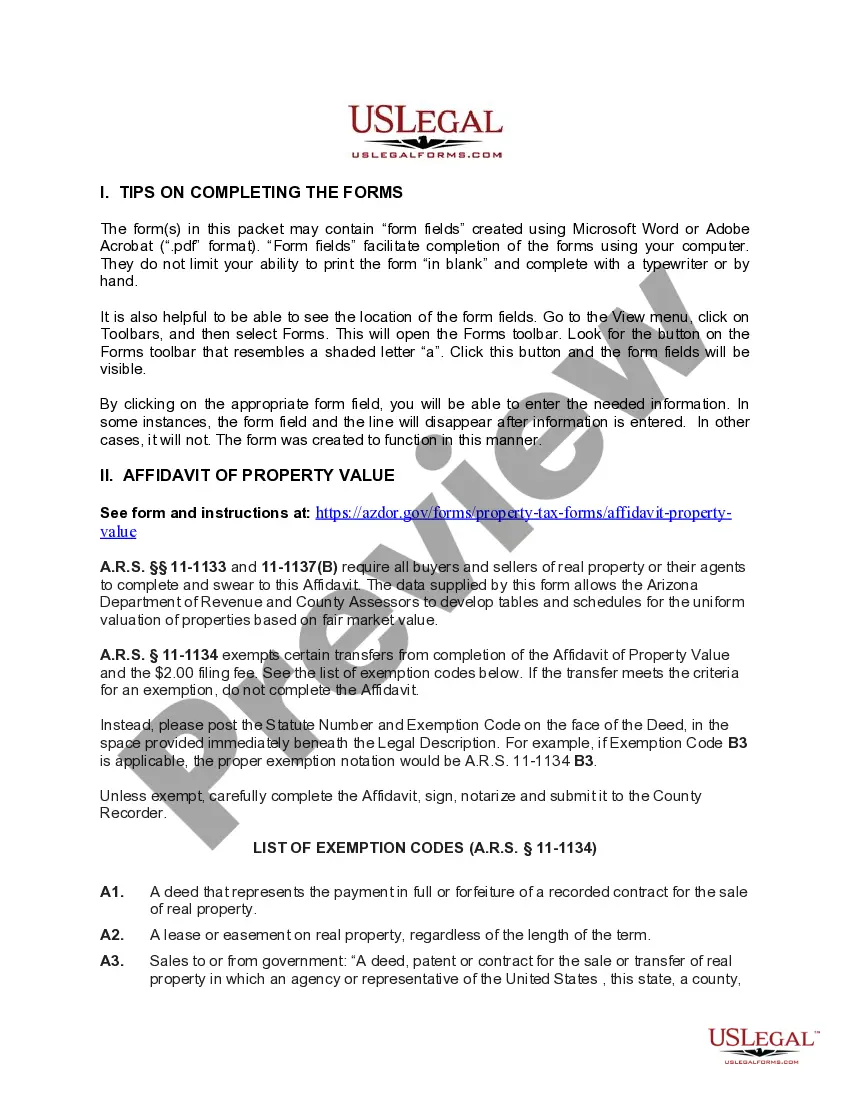
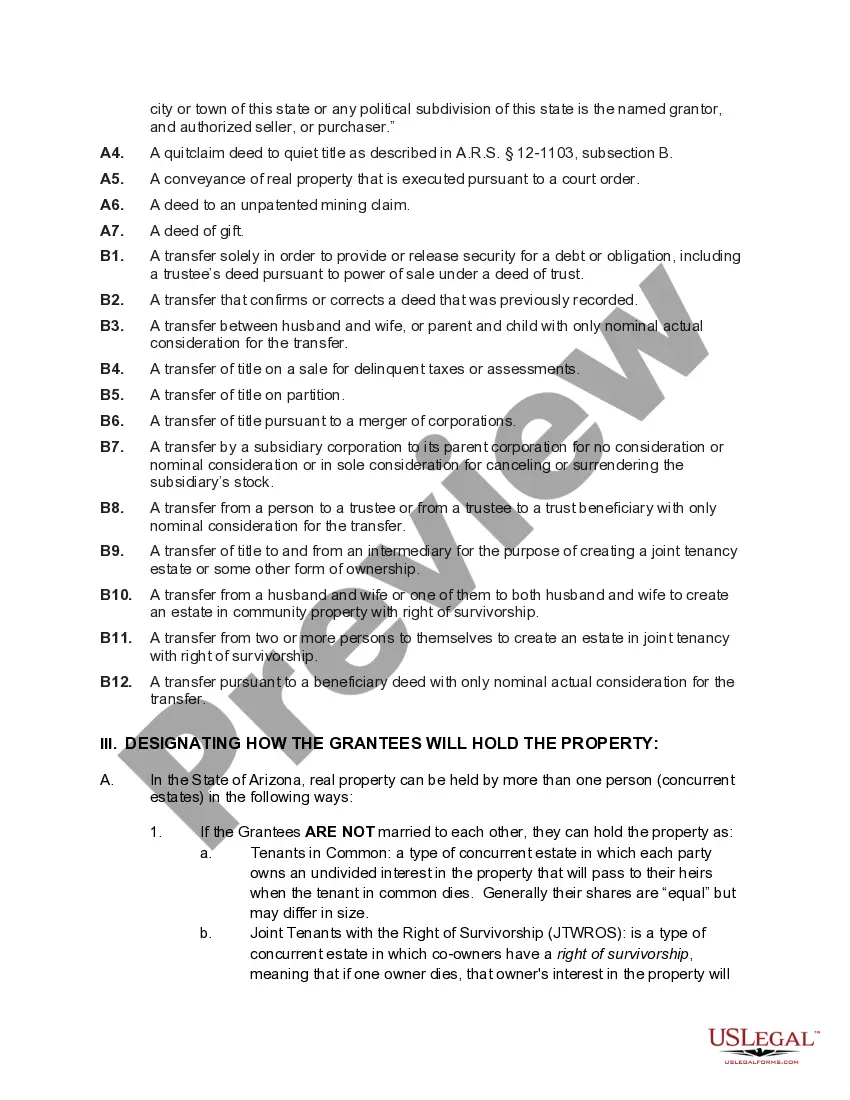
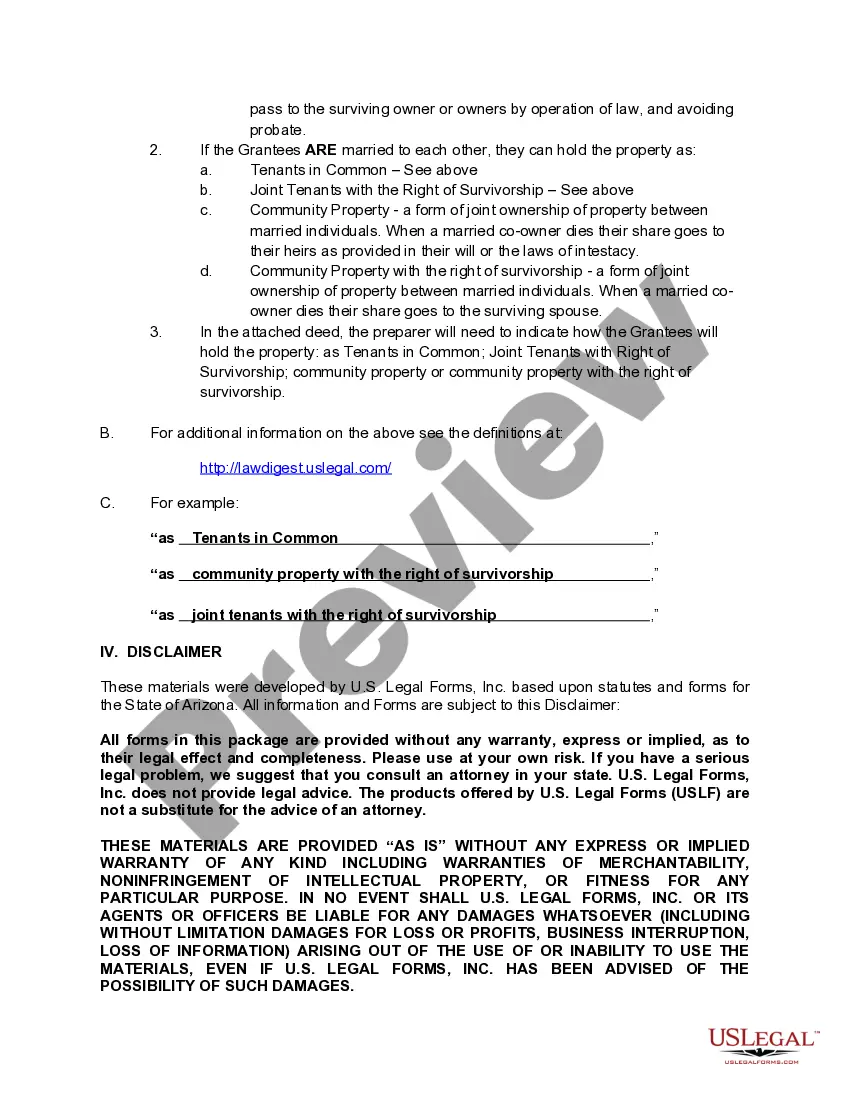
How to fill out Arizona Joint Tenancy Deed From Individual To Husband And Wife?
Dealing with legal documents and processes can be a lengthy addition to your whole day.
Joint Tenants Deed Of Trust and similar forms typically necessitate that you search for them and determine the best method to complete them accurately.
Consequently, whether you are managing financial, legal, or personal affairs, utilizing a comprehensive and user-friendly online directory of forms when needed will significantly help.
US Legal Forms is the leading online platform for legal templates, boasting over 85,000 state-specific documents and various tools to assist you in completing your paperwork swiftly.
Is this your first experience using US Legal Forms? Register and create an account in a few minutes to gain access to the form catalog and Joint Tenants Deed Of Trust. Then, follow the outlined steps below to finalize your form.
- Browse the assortment of pertinent documents available to you with just a single click.
- US Legal Forms offers you state- and county-specific forms available anytime for download.
- Protect your document management processes with top-notch services that allow you to complete any form within minutes without additional or concealed costs.
- Simply Log In to your account, locate Joint Tenants Deed Of Trust and obtain it instantly from the My documents section.
- You can also access previously downloaded forms.
Form popularity
FAQ
Yes, you can obtain a joint tenants deed of trust. This legal document allows multiple individuals to hold property together, ensuring that each person has equal rights to the property. It establishes a clear agreement on how the property will be managed and the rights of each tenant. To create a joint tenants deed of trust, consider using USLegalForms, where you can find the necessary templates and guidance to ensure compliance with local laws.
If one owner of a jointly owned property goes into care, it can complicate decisions regarding that property. A joint tenants deed of trust can provide some necessary structure, but the remaining owner must navigate legal and financial responsibilities alone. It's essential to discuss what will happen in these scenarios beforehand. Consulting with legal experts can offer clarity and help prepare a strategy for managing the situation.
Joint tenancy is sometimes referred to as a poor man's will because it automatically transfers ownership upon death, avoiding probate. This feature of a joint tenants deed of trust simplifies the process for surviving owners, allowing them to retain full control without lengthy legal processes. However, although convenient, it is critical to weigh the implications carefully, as it does not account for all estate planning needs.
Another disadvantage of joint tenancy ownership involves the potential loss of control over your share of the property. With a joint tenants deed of trust, any decision or financial strain faced by one owner can affect all parties involved. If one partner passes away or wishes to exit the arrangement, it can complicate matters significantly. This uncertainty often requires legal advice or intervention.
One notable disadvantage of joint tenancy ownership is the potential for conflicts among owners. With a joint tenants deed of trust, decisions must be made collectively, which can lead to disagreements. If one owner wants to sell their share while others do not, it can create tension and legal complications. Therefore, clear communication and agreements are essential.
Avoiding joint ownership is crucial because it can complicate property rights and financial responsibilities. Joint tenants deed of trust may restrict your ability to manage or sell the property independently. If one owner encounters financial issues, the other owner can be held liable. Thus, it's wise to carefully consider the implications before entering into joint ownership.
Not every state requires a deed of trust; however, many states, particularly on the West Coast and in the South, use this method for securing loans. States like California, Florida, and Washington often rely on deeds of trust rather than mortgages. It is essential to check your state's regulations to understand your options when acquiring property.
The process of establishing a joint tenants deed of trust is usually managed by a lender or title company. They ensure that all necessary documents are prepared and filed correctly. Using a reliable platform like US Legal Forms can streamline this process, providing templates and guidance tailored to your needs.
In California, joint tenancy requires equal shares among co-owners and includes the right of survivorship. This means when one owner passes, their share automatically transfers to the surviving co-owner. It is important to properly establish a joint tenants deed of trust in accordance with state laws to ensure legal protections are in place.
The step up basis for joint tenants with right of survivorship allows the surviving tenant to receive a tax benefit upon the death of the other tenant. This means that the property value is adjusted to its current market value, reducing potential capital gains tax. Understanding how this works can help joint tenants manage their tax obligations effectively.