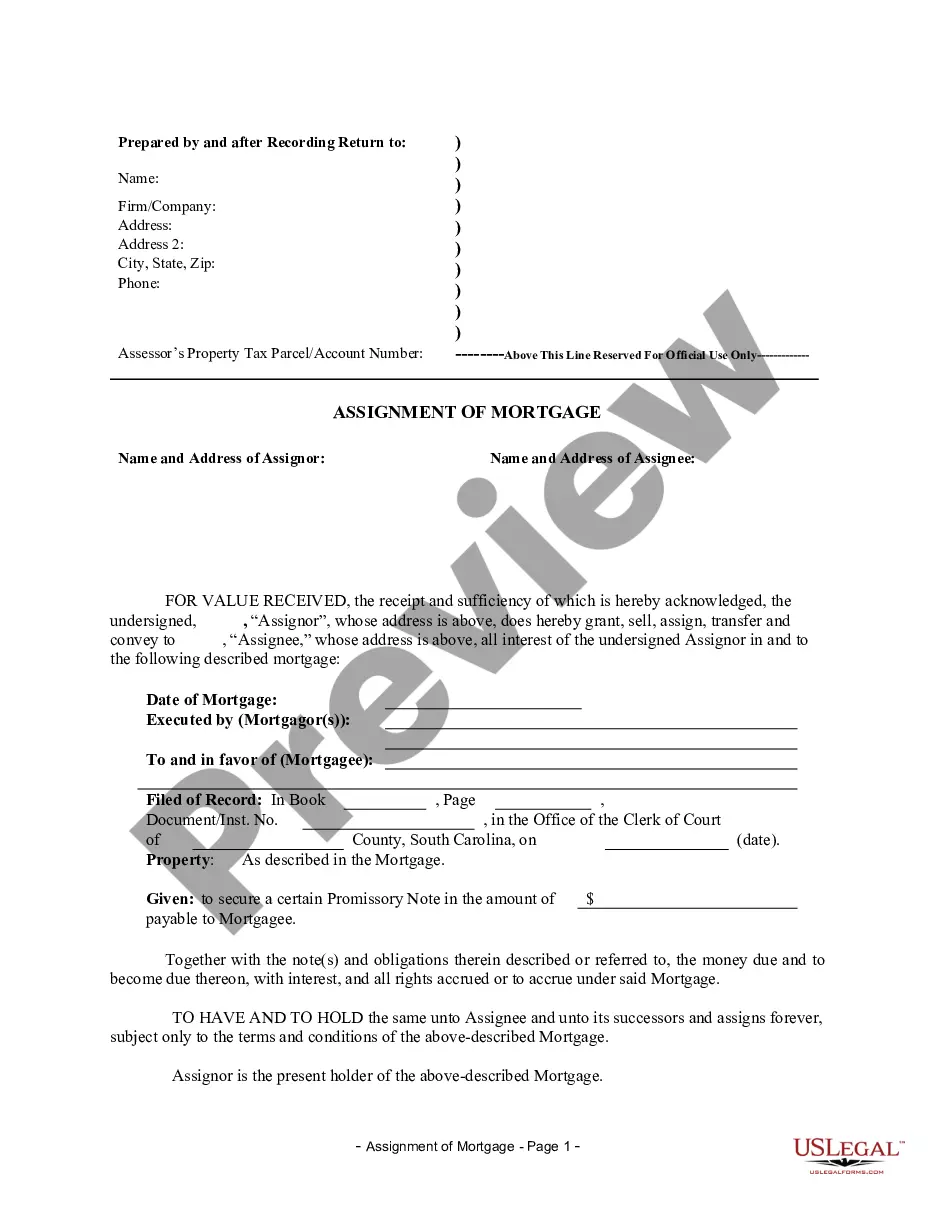
Delaware Letter from Tenant to Landlord containing Notice of termination for landlord's noncompliance with possibility to cure
What this document covers
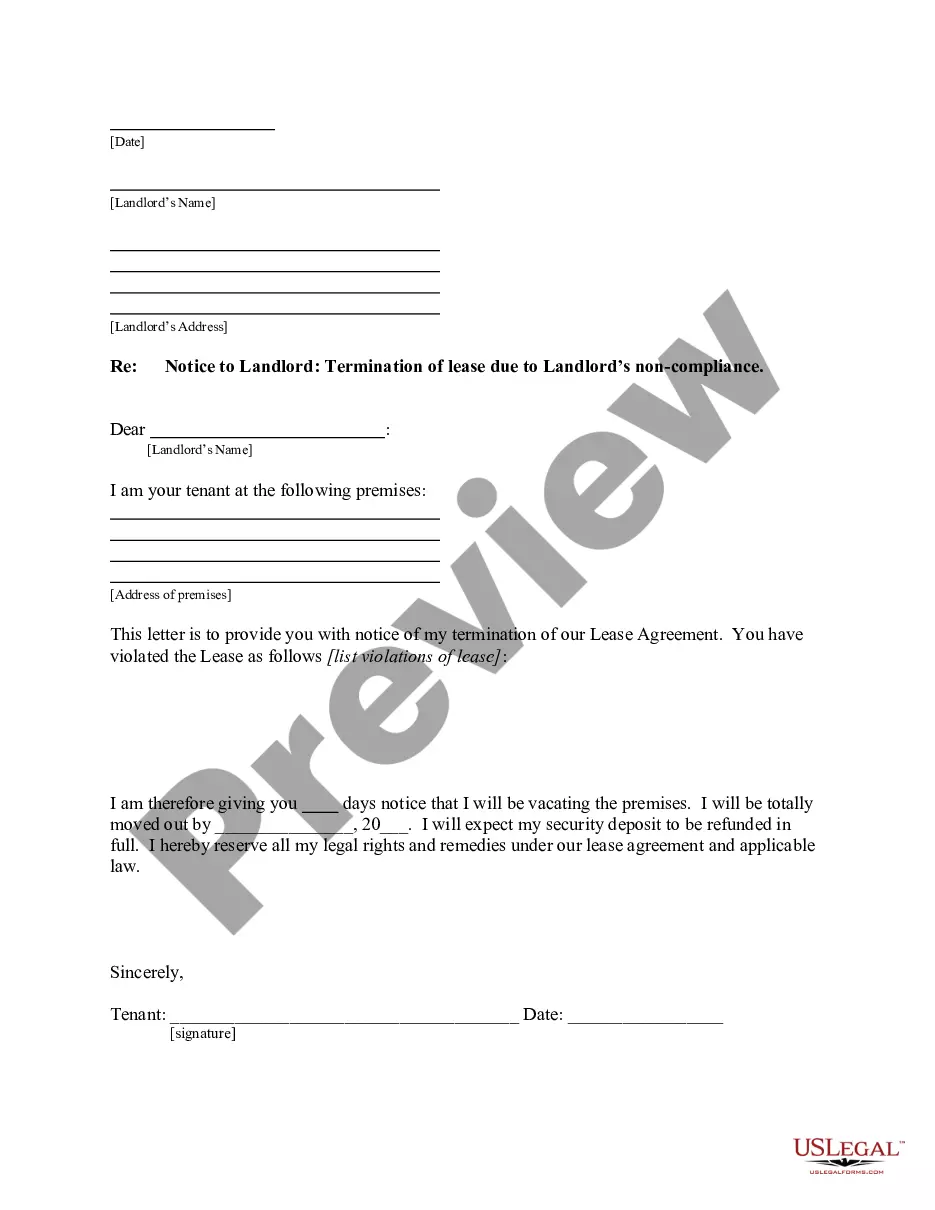
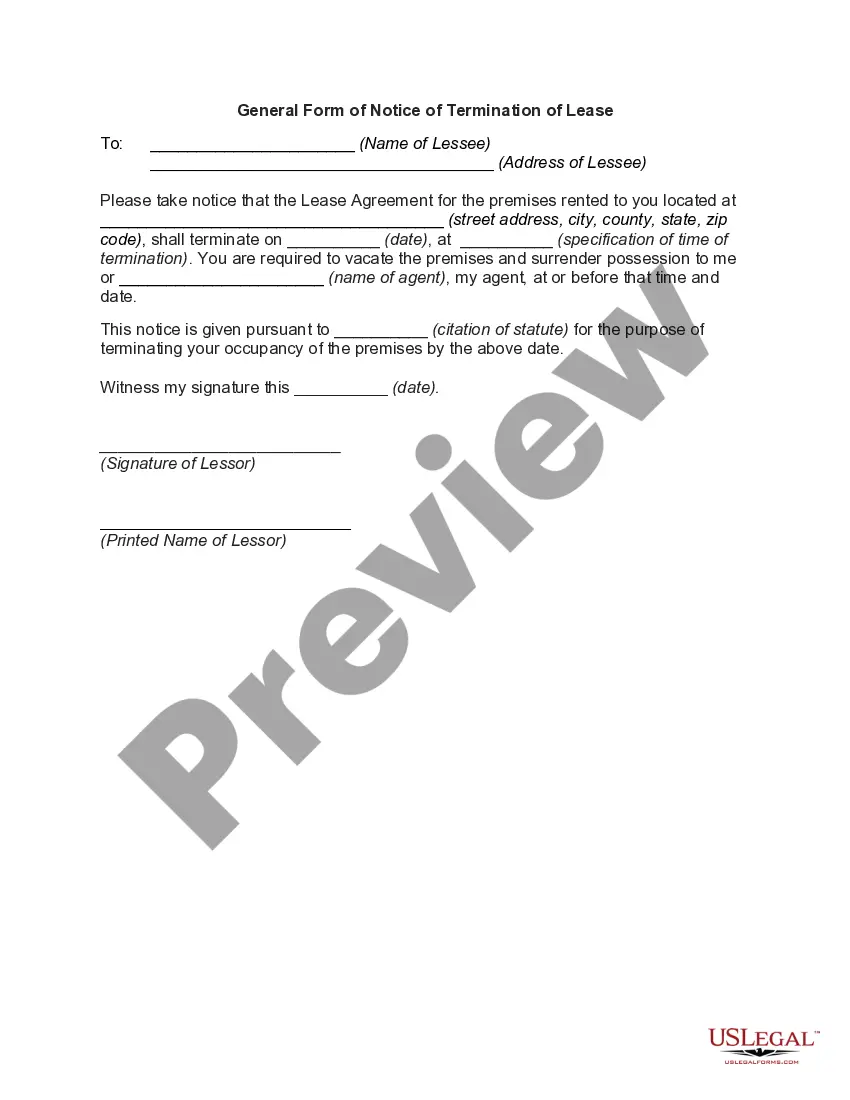
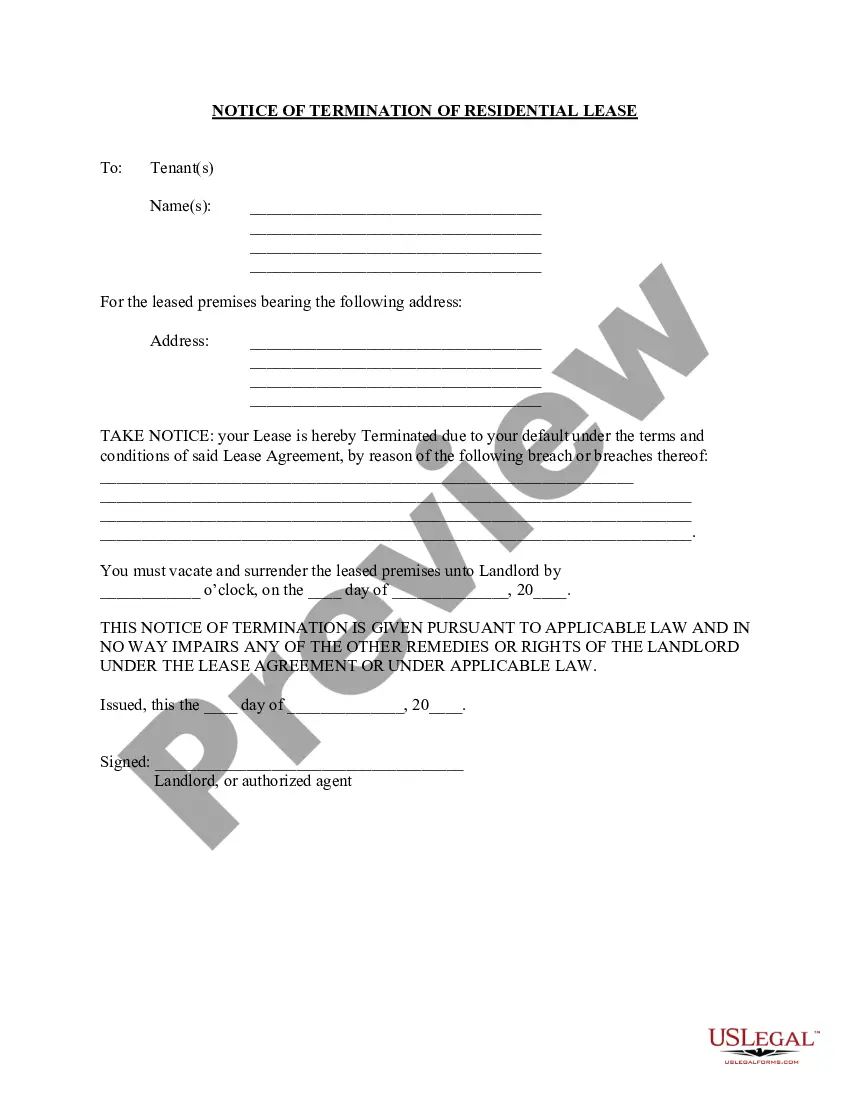
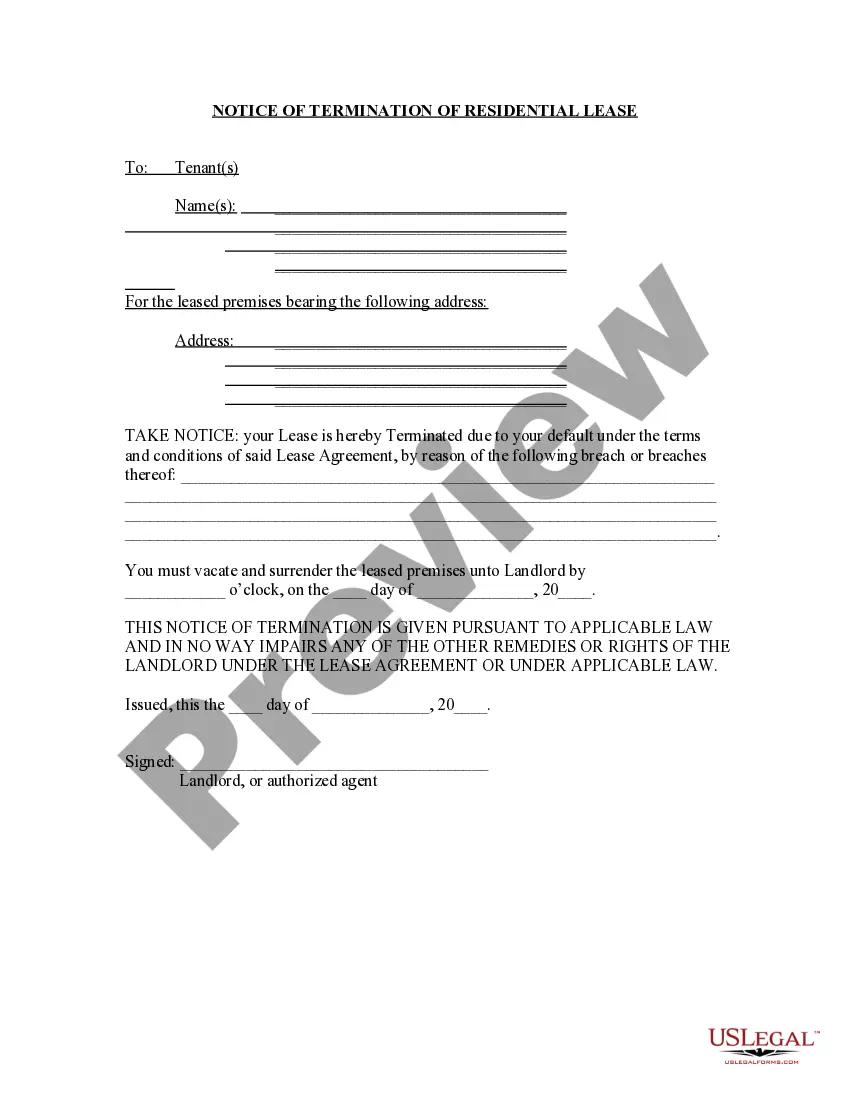
This Letter from Tenant to Landlord containing Notice of termination for landlord's noncompliance with possibility to cure is a formal notice that allows a tenant to inform a landlord of their intention to vacate the property due to the landlord's failure to comply with the lease terms. This form serves as a crucial communication tool, differentiating itself from other notices by specifically addressing the landlord's breach of contract and providing an opportunity to rectify the issue.
Form components explained
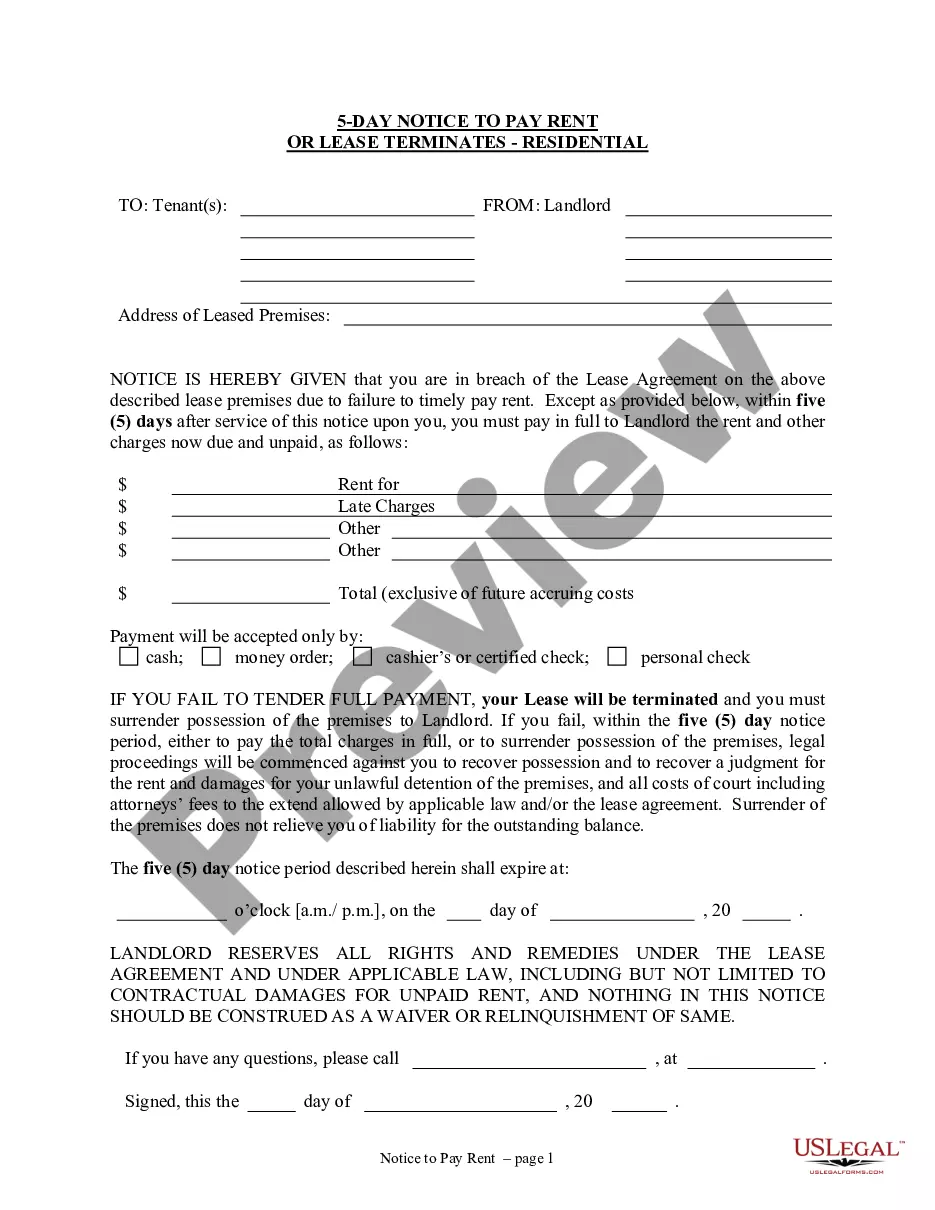
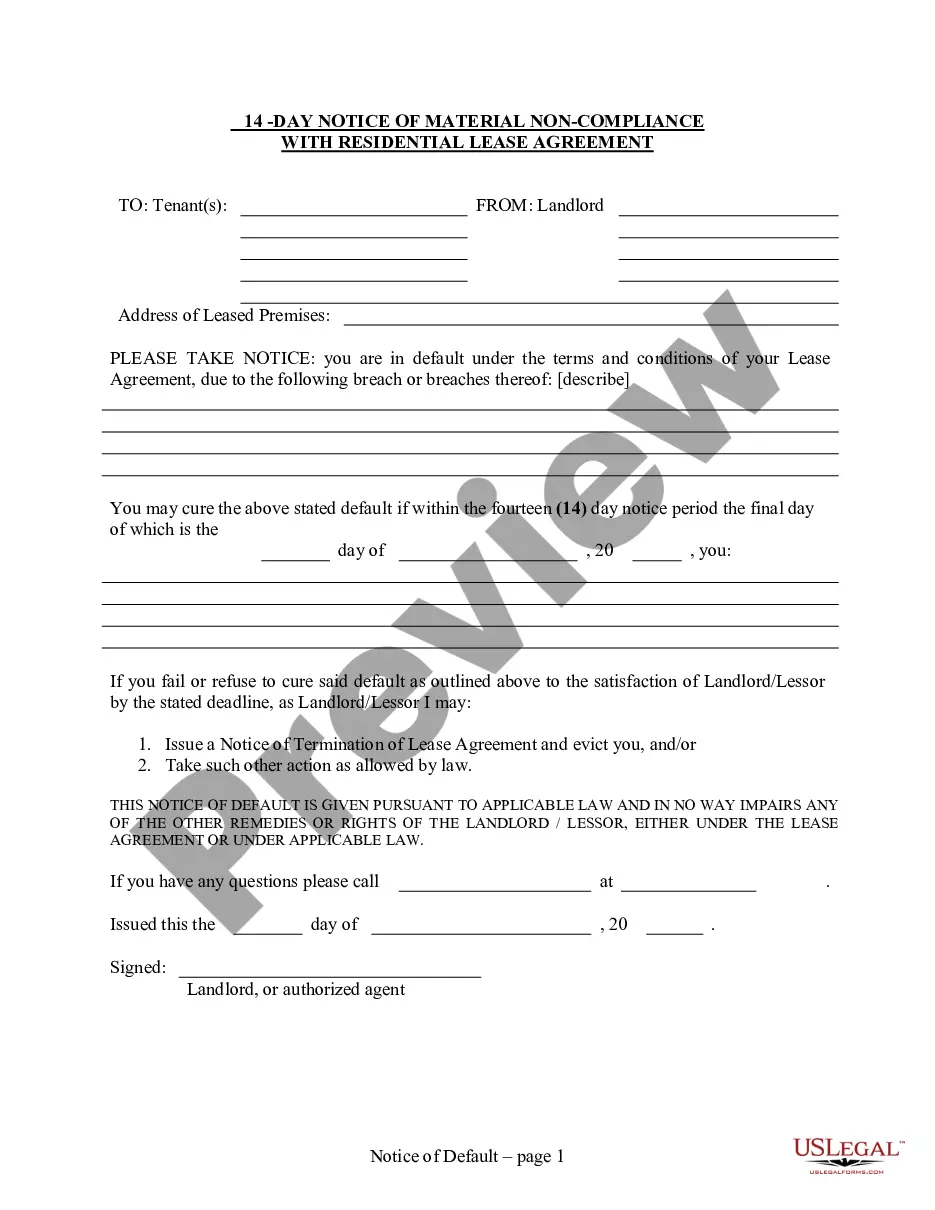
- Tenant's details: Name and contact information of the tenant.
- Landlord's details: Name and address of the landlord or their authorized agent.
- Property information: The address of the rental property being vacated.
- Notice statement: Clear declaration of termination due to landlord's noncompliance.
- Possibility to cure: An indication that the landlord has the chance to rectify the breach before the termination takes effect.
- Signature and date: Tenant's signature and the date of the notice delivery.


When this form is needed
This form should be used when a tenant experiences significant issues related to the landlord's failure to uphold the lease agreement. Common situations include unaddressed repairs, lack of utilities, or other breaches that violate rental laws or the specific terms of the lease. By using this notice, tenants formally communicate the problem and initiate the process to vacate while allowing the landlord a chance to remedy the situation.
Who should use this form
- Tenants who are facing issues with their landlord's compliance with lease terms.
- Individuals planning to vacate their rental property due to unresolved landlord issues.
- Residents who want to preserve their rights under the lease agreement while ensuring proper notification to the landlord.
Completing this form step by step
- Identify the parties: Fill in your details as the tenant and the landlord's information.
- Specify the property: Enter the address of the rental property.
- Describe the noncompliance: Clearly state the reasons for the notice and how the landlord has breached the lease.
- Sign and date: Provide your signature and the date on which you are delivering the notice.
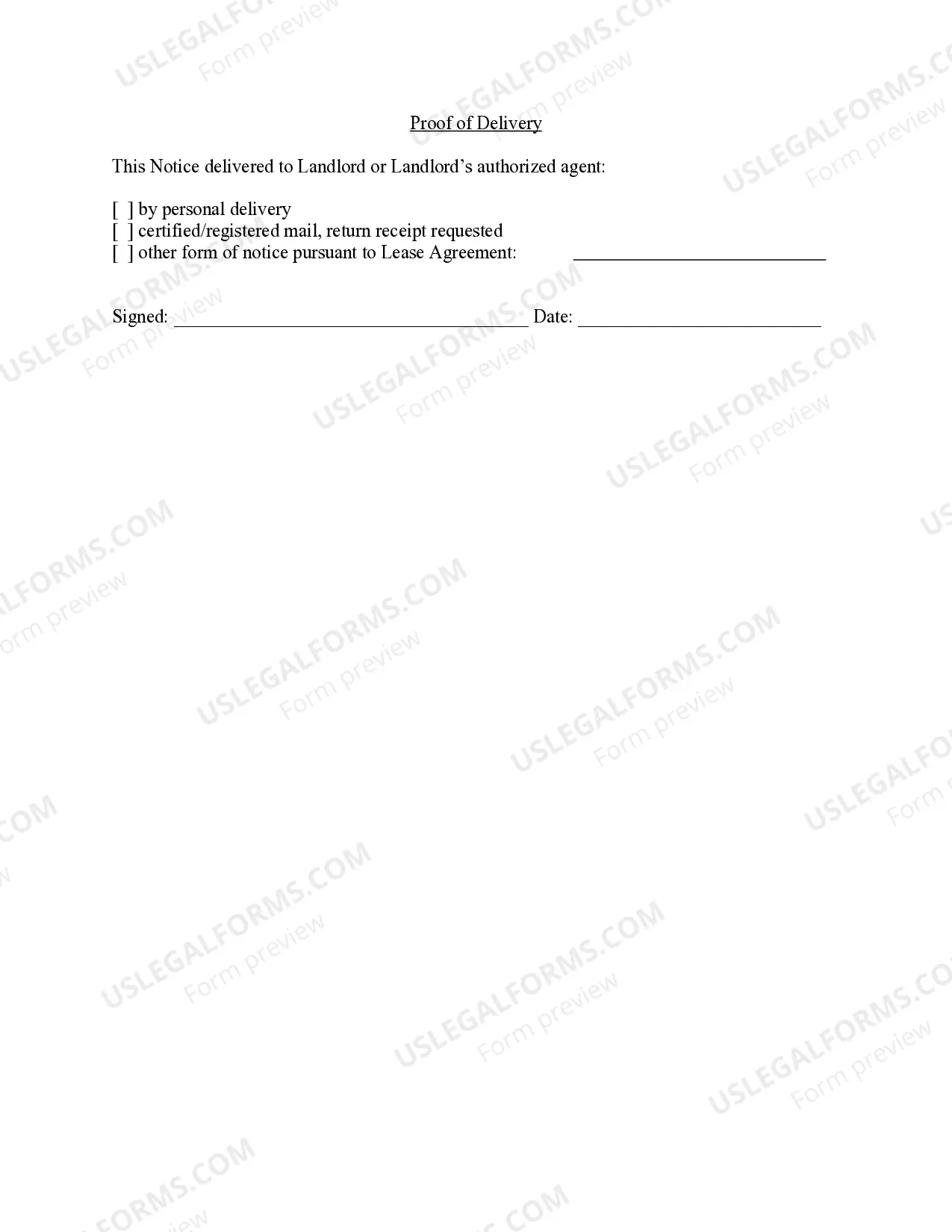
- Choose the delivery method: Indicate how the notice will be delivered, whether by personal delivery or certified mail.
Notarization guidance
This form does not typically require notarization unless specified by local law. It's essential to check your state's regulations to ensure compliance.
Get your form ready online
Our built-in tools help you complete, sign, share, and store your documents in one place.
Make edits, fill in missing information, and update formatting in US Legal Forms—just like you would in MS Word.
Download a copy, print it, send it by email, or mail it via USPS—whatever works best for your next step.
Sign and collect signatures with our SignNow integration. Send to multiple recipients, set reminders, and more. Go Premium to unlock E-Sign.
If this form requires notarization, complete it online through a secure video call—no need to meet a notary in person or wait for an appointment.
We protect your documents and personal data by following strict security and privacy standards.

Make edits, fill in missing information, and update formatting in US Legal Forms—just like you would in MS Word.

Download a copy, print it, send it by email, or mail it via USPS—whatever works best for your next step.

Sign and collect signatures with our SignNow integration. Send to multiple recipients, set reminders, and more. Go Premium to unlock E-Sign.

If this form requires notarization, complete it online through a secure video call—no need to meet a notary in person or wait for an appointment.

We protect your documents and personal data by following strict security and privacy standards.
Avoid these common issues
- Failing to provide complete landlord details.
- Not specifying the exact terms of the lease that were violated.
- Neglecting to sign the letter, which can invalidate the notice.
- Not using the proper delivery method, which is necessary for documentation and proof.
Benefits of using this form online
- Convenience: Download the form from anywhere at any time.
- Editability: Customize the form easily to fit your specific situation.
- Reliability: Forms are drafted by licensed attorneys to ensure legal validity.
Legal use & context
- This form serves as a legal notice and should be treated with seriousness.
- Failure to follow the correct procedures outlined in the form may affect your rights as a tenant.
- Consulting with a legal professional may be beneficial, especially if disputes arise.
Summary of main points
- This form is crucial for tenants wishing to formally terminate a lease due to landlord noncompliance.
- It provides a clear process for notification, outlining necessary components and delivery methods.
- Understanding state-specific rules can enhance the effectiveness of the notice.
Looking for another form?
Form popularity
FAQ
If you don't move out by the day in the notice, the landlord can ask the NSW Civil and Administrative Tribunal (NCAT) for a termination order. A termination order means the rental agreement is ended. The order will state the day when you must give vacant possession that is, you move out and return the keys.
Be calm, objective, and rational. Keep written records of everything. Teach tenants how they should treat you. Try to get your tenants on your side. Ask the terrible tenants to leave. Begin the eviction process.
If the tenant refuses, you are permitted to send them a notice to agree or quit the property. The tenant refusing you access constitutes a breach in the lease agreement, so they could be evicted if they continue to deny access.
Consumer Protection Unit of the Attorney General's Office. The Consumer Protection Unit of the Attorney General's Office has the power to enforce the provisions of the Residential Landlord Tenant Code. Suspected violations of the Code should be reported to the Unit by calling 577-3250 or 1-800-220-5424.
While tenants cannot unreasonably deny access to a landlord, landlords must also follow all of the state and local rules regarding access to tenants' apartments. Roughly half of states have rules governing landlord entry into tenants' apartments.
Yes, your tenant is within their rights to refuse you access to the property. In a lot of cases, tenants will refuse because the date and time isn't convenient for them and will suggest an alternative date or ask you to rearrange. However, some tenants will persistently try to obstruct you from entering the property.
If you refuse access, the landlord/agent can apply to the Tribunal for an order that authorises them or any other person to enter the premises.
If you're seeking damages for emotional distress caused by a landlord's discrimination, or punitive damages for especially blatant and intentional discrimination, a lawsuit may well be your best bet. Understand what's involved in suing your landlord. You may file a lawsuit in either federal or state court.
Injury at Rental Property: You could have a case for a lawsuit against your landlord if you are injured at the rental property due to a landlord's neglect. Filing an Illegal Eviction: You can countersue your landlord if you feel your landlord is trying to evict you illegally.