Delaware Warranty Deed from Husband to Himself and Wife
About this form
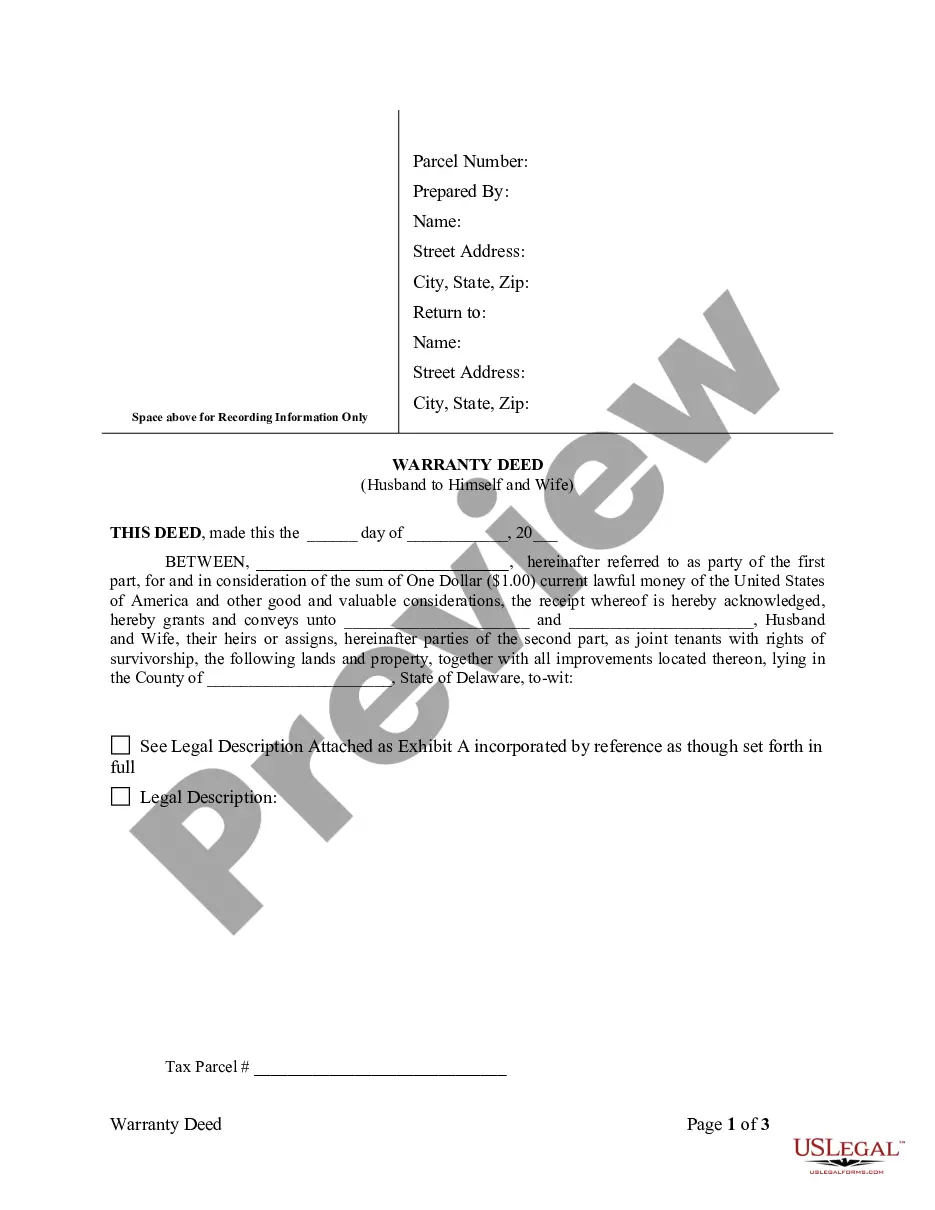
A Warranty Deed from Husband to Himself and Wife is a legal document used to transfer property ownership from a husband to himself and his wife. This form establishes joint tenancy with rights of survivorship, meaning both spouses will hold equal ownership of the property. Unlike other types of deeds, this warranty deed provides a guarantee that the property is free from encumbrances, ensuring the grantees are protected against claims related to the title.
What’s included in this form
- Identification of the grantor (husband) and grantees (husband and wife).
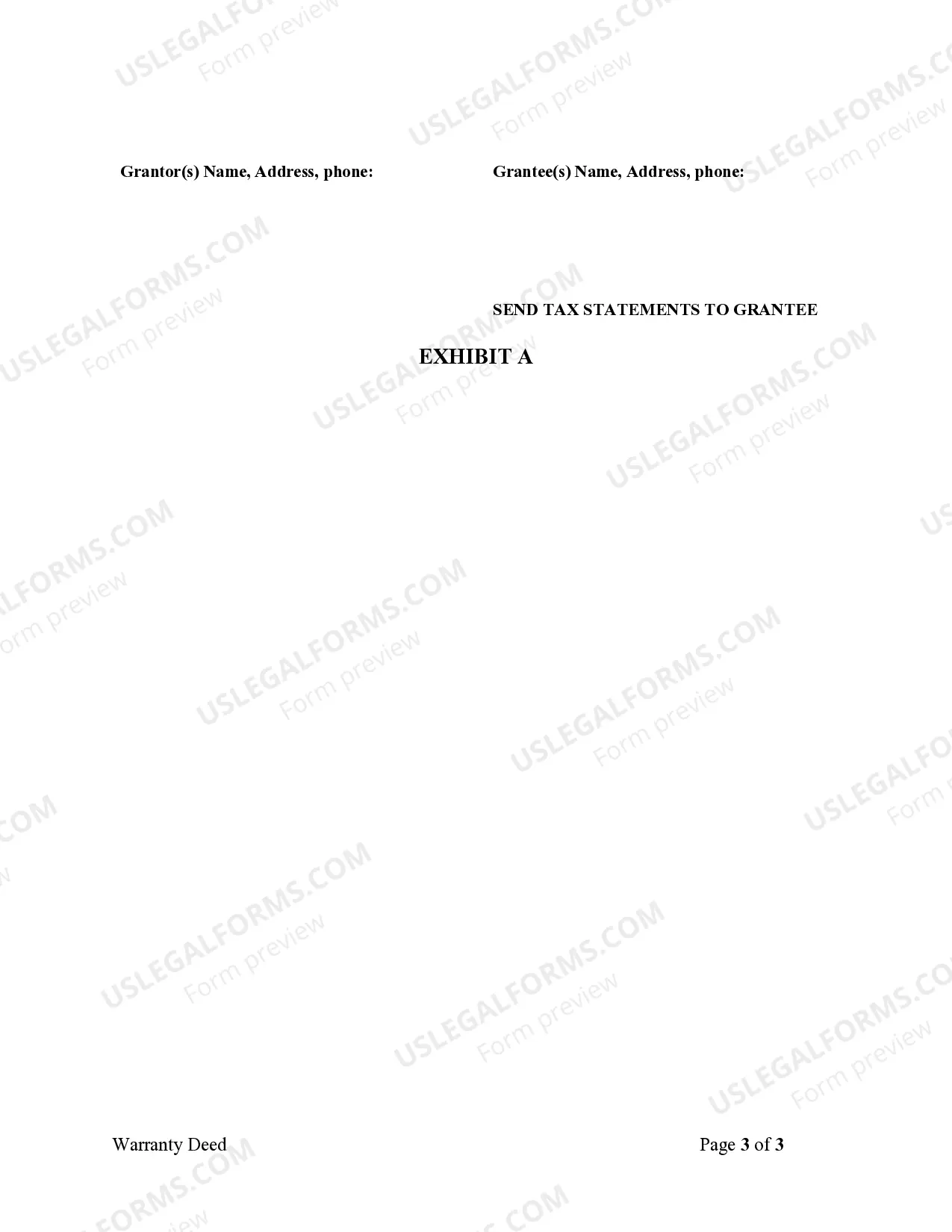
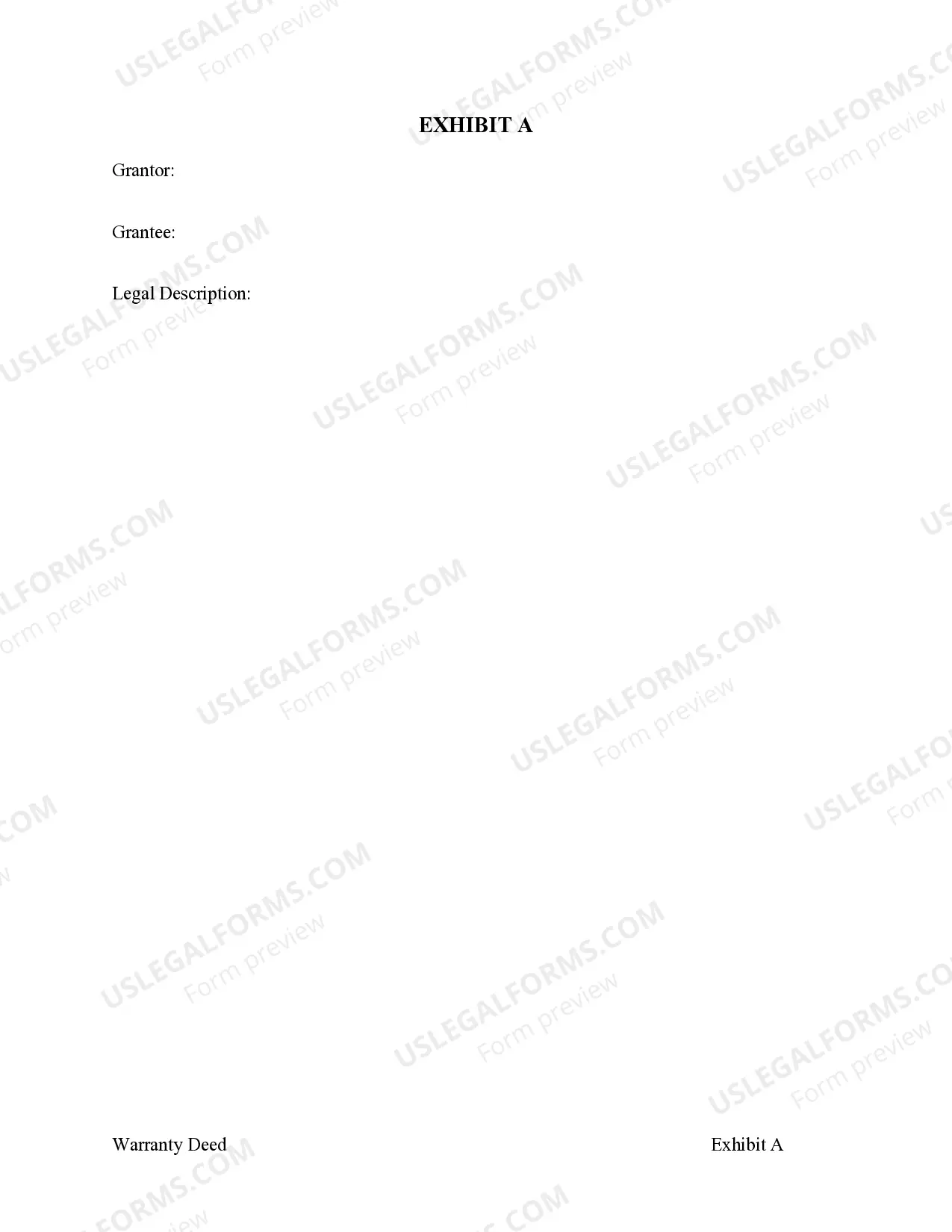
- Legal description of the property being transferred.
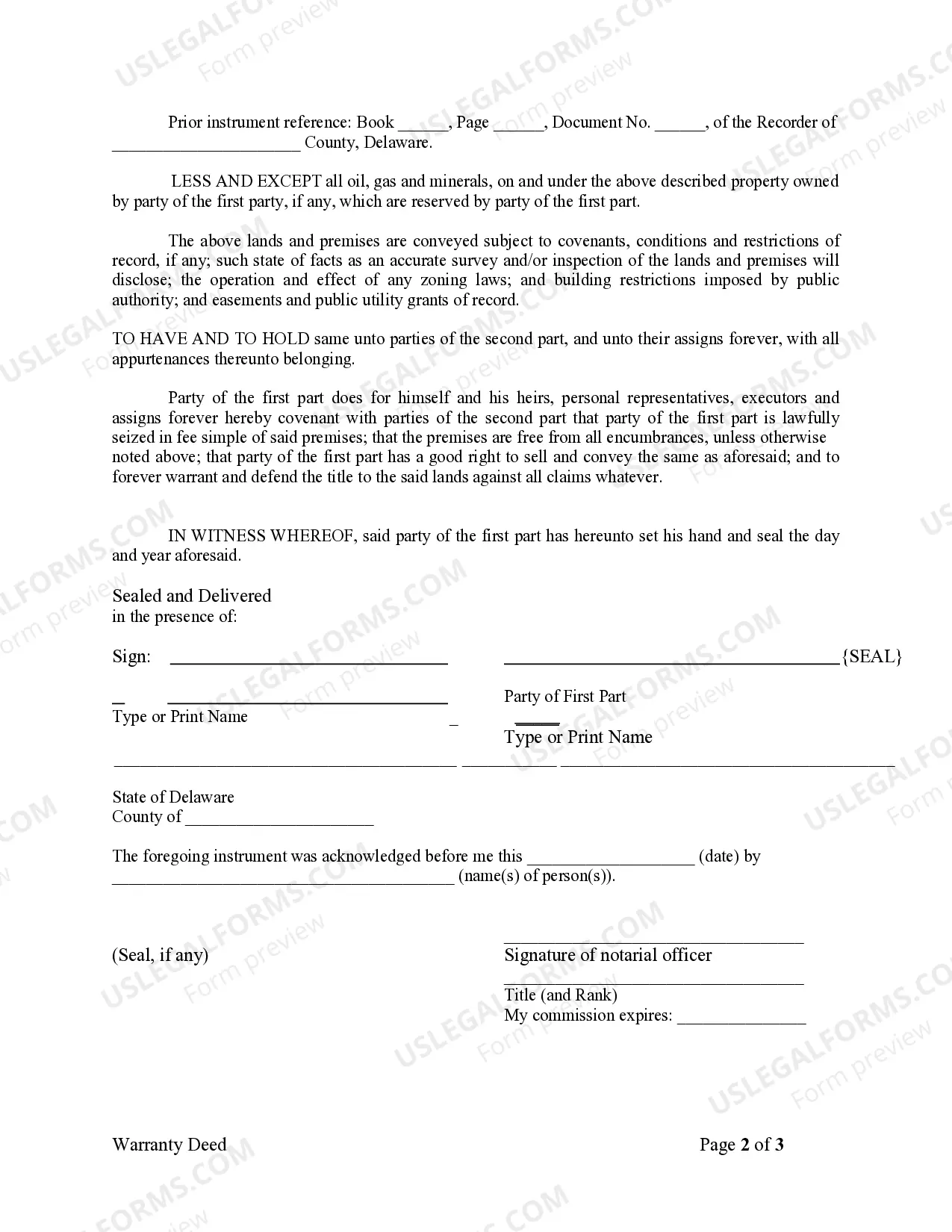
- Reservation of oil, gas, and minerals rights, if applicable.
- Statement regarding the title's freedom from encumbrances.
- Provision for signatures and notarization to formalize the deed.



Situations where this form applies
This form should be used when a married couple wishes to hold property together, ensuring that both spouses have legal ownership and rights to the property. Common scenarios include transferring property acquired before marriage into joint ownership or providing equal ownership in a marital home.
Who should use this form
- Married couples looking to establish joint ownership of property.
- Individuals who previously owned property solely and now want to include their spouse.
- Property owners wishing to ensure rights of survivorship for their spouse.
How to prepare this document
- Identify the parties involved: grantor (husband) and grantees (husband and wife).
- Provide the legal description of the property, often found in previous deeds or tax documents.
- Indicate any reservations regarding oil, gas, and minerals, if applicable.
- Ensure both parties review the terms and provisions regarding encumbrances.
- Sign the document in the presence of a notary public to validate the deed.
Notarization requirements for this form
This form needs to be notarized to ensure legal validity. US Legal Forms provides secure online notarization powered by Notarize, allowing you to complete the process through a verified video call, available anytime.
Get your form ready online
Our built-in tools help you complete, sign, share, and store your documents in one place.
Make edits, fill in missing information, and update formatting in US Legal Forms—just like you would in MS Word.
Download a copy, print it, send it by email, or mail it via USPS—whatever works best for your next step.
Sign and collect signatures with our SignNow integration. Send to multiple recipients, set reminders, and more. Go Premium to unlock E-Sign.
If this form requires notarization, complete it online through a secure video call—no need to meet a notary in person or wait for an appointment.
We protect your documents and personal data by following strict security and privacy standards.

Make edits, fill in missing information, and update formatting in US Legal Forms—just like you would in MS Word.

Download a copy, print it, send it by email, or mail it via USPS—whatever works best for your next step.

Sign and collect signatures with our SignNow integration. Send to multiple recipients, set reminders, and more. Go Premium to unlock E-Sign.

If this form requires notarization, complete it online through a secure video call—no need to meet a notary in person or wait for an appointment.

We protect your documents and personal data by following strict security and privacy standards.
Common mistakes
- Failing to include a complete legal description of the property.
- Not properly documenting any reservations on mineral rights.
- Neglecting to have the deed notarized, which can lead to enforceability issues.
Benefits of completing this form online
- Convenient access to templates that can be downloaded and completed at your own pace.
- Ability to edit and customize the form to suit specific needs and state requirements.
- Access to comprehensive legal templates created by licensed attorneys, ensuring accuracy and compliance.
Looking for another form?



Form popularity
FAQ
Yes, you can file a warranty deed yourself, especially if you choose a Delaware Warranty Deed from Husband to Himself and Wife. This approach helps ensure that you maintain complete control over the transfer of ownership. However, be sure to follow all local regulations and file the deed with the appropriate county office. Using platforms like uslegalforms can guide you through the necessary steps and help you avoid common pitfalls.
You can add your spouse to your deed without refinancing by filing a Delaware Warranty Deed from Husband to Himself and Wife. This document allows you to transfer part or full ownership to your spouse without altering your mortgage terms. It's essential to check your mortgage agreement for any restrictions prior to proceeding. Utilizing resources from uslegalforms can make the process smoother and more understandable.
Yes, it is often advisable for a married couple to have both names on the deed. This approach guarantees each spouse's legal right to the property, fostering a sense of joint ownership. A Delaware Warranty Deed from Husband to Himself and Wife can effectively establish this shared ownership, ensuring both partners are protected. This arrangement can also simplify decisions regarding future property matters.
When you add someone to your house deed, you change the ownership structure of the property. This act can enhance shared rights over the property, especially in the case of a Delaware Warranty Deed from Husband to Himself and Wife. However, it's important to consider potential tax implications and how this may affect property transfer upon death. Consulting a legal professional ensures you make informed choices throughout the process.
One form of property ownership that can only be held by husband and wife is called 'tenancy by the entirety.' This specific ownership allows them to hold property together, protecting each party from individual debts. By executing a Delaware Warranty Deed from Husband to Himself and Wife, couples can establish this joint ownership, ensuring both partners have equal rights to the property and its benefits.
A quit claim from husband to wife is a legal process in which the husband transfers his interest in a property to his wife. This action may occur when they want to clarify or reinforce ownership rights, especially in situations such as marriage or estate planning. By using a Delaware Warranty Deed from Husband to Himself and Wife, both partners can ensure that their intentions regarding the property are officially documented and protected.
A spouse may choose to execute a quit claim deed to transfer property ownership easily and quickly. This type of deed allows one spouse to relinquish any legal claim to the property, which can be particularly useful during a divorce or when updating ownership in marriage. Utilizing a Delaware Warranty Deed from Husband to Himself and Wife can simplify this process by clearly defining ownership roles and facilitating a smoother transfer.
Quitclaim deeds are often used for simple property transfers such as among family members or between spouses. They come in handy when couples wish to clarify their ownership rights, particularly with a Delaware Warranty Deed from Husband to Himself and Wife. Common scenarios include adding a spouse to a title or transferring ownership back and forth to facilitate estate planning. Their simplicity makes them a popular choice, but understanding their limitations is equally important.
Yes, a warranty deed can be transferred, and this process is essential for ensuring that property ownership is legally recognized. When a husband wants to transfer property to himself and his wife, he can utilize a Delaware Warranty Deed from Husband to Himself and Wife to secure the transaction. This type of deed confirms that the seller guarantees a clear title, offering reassurance to both parties involved. Always ensure proper documentation to support the transfer.
While quitclaim deeds are straightforward, they come with certain disadvantages. They do not provide any guarantee regarding the property's title, which means the new owner may face unexpected debt or court claims. Importantly, when using a Delaware Warranty Deed from Husband to Himself and Wife, it is wise to validate the property title ahead of time. Consulting with a legal professional can help avoid issues that arise from these kinds of transfers.