Delaware Assignment of Contract for Deed by Seller
Understanding this form
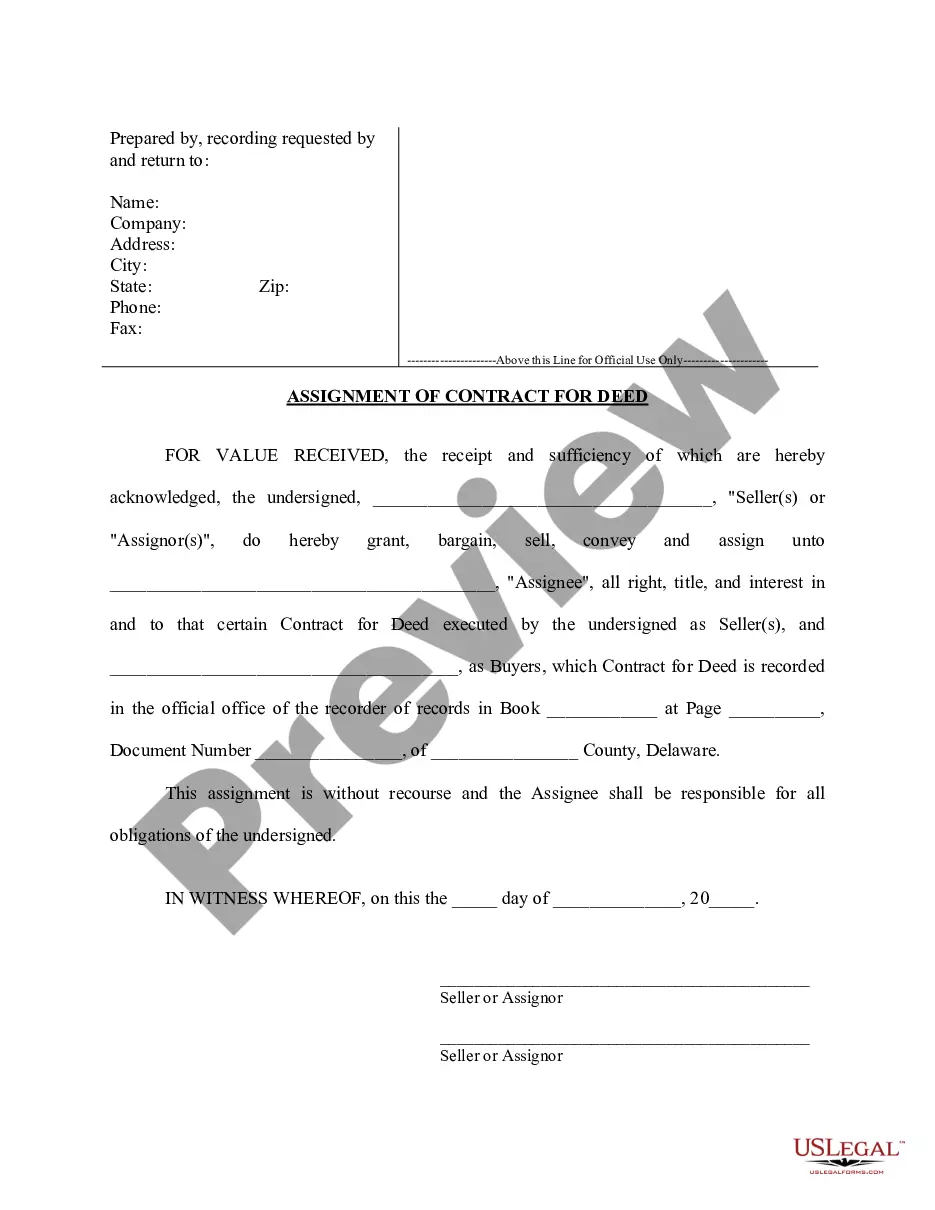
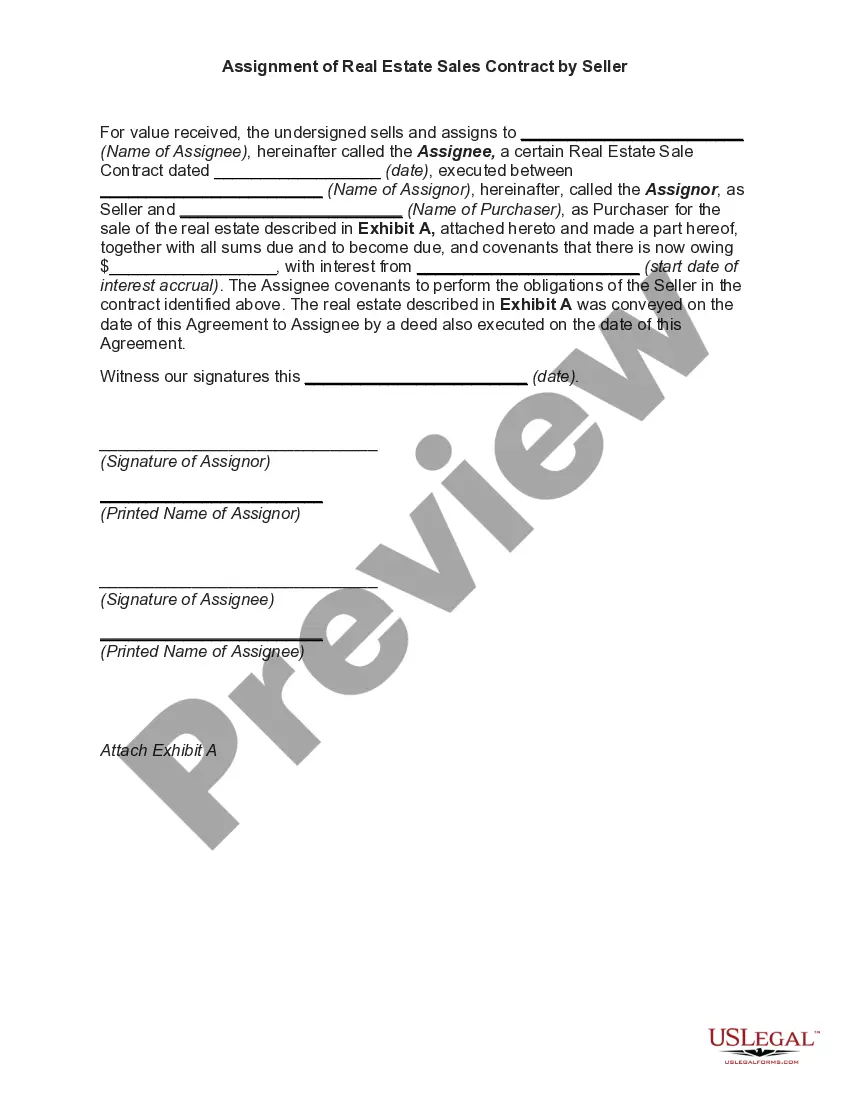
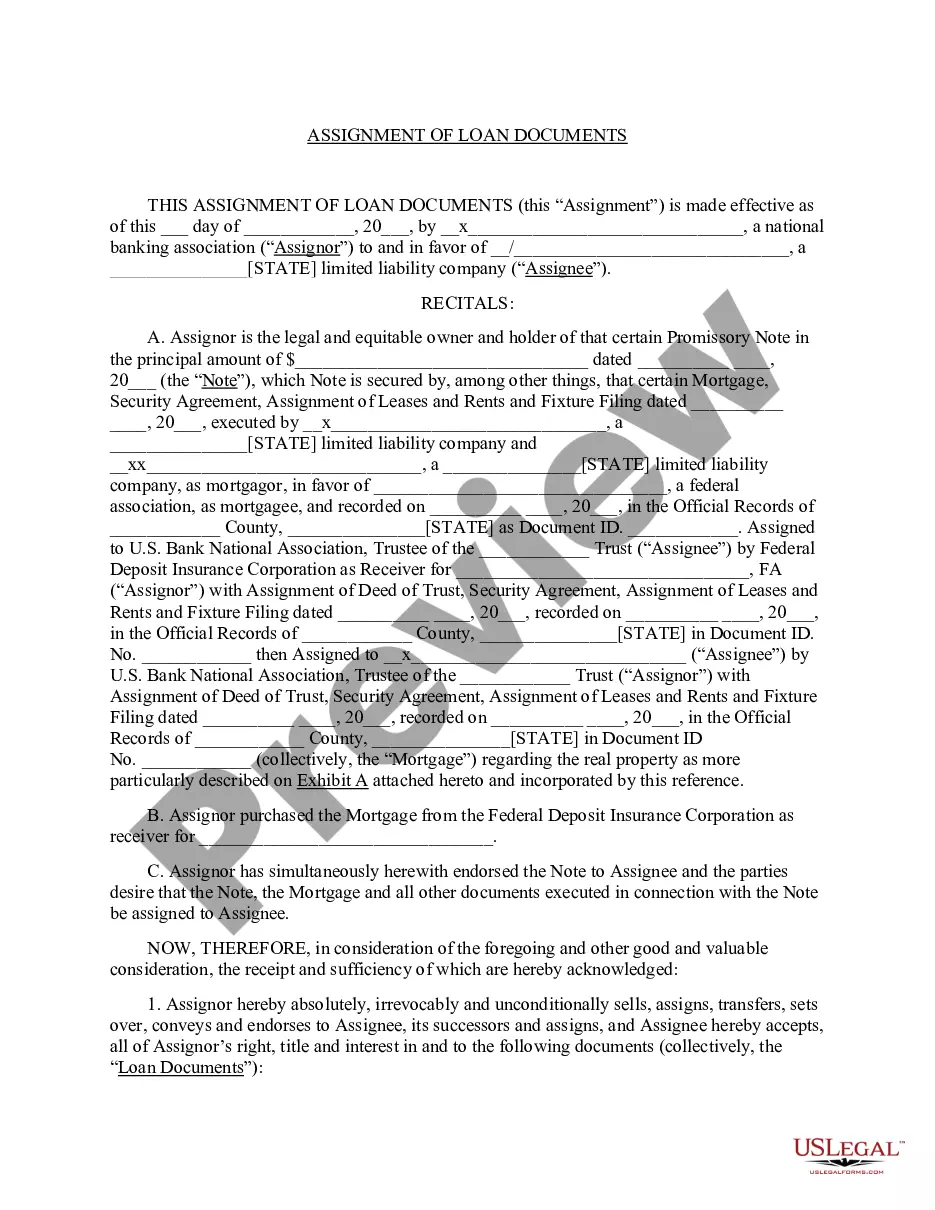
The Assignment of Contract for Deed by Seller is a legal document used by sellers who wish to transfer their rights and obligations under a contract for deed to a third party. This form allows the seller to assign the contract in exchange for a cash value, typically at a discounted rate. Unlike a simple sale, the assignee stands in the seller's position, enabling them to receive future payments from the purchaser. This assignment may also involve the conveyance of the property if the seller chooses to execute a deed at the assignee's request.
Main sections of this form
- Identification of the seller and assignee.
- Details about the contract for deed being assigned.
- Statement regarding the assignment being without recourse.
- Signature lines for the seller and assignee.
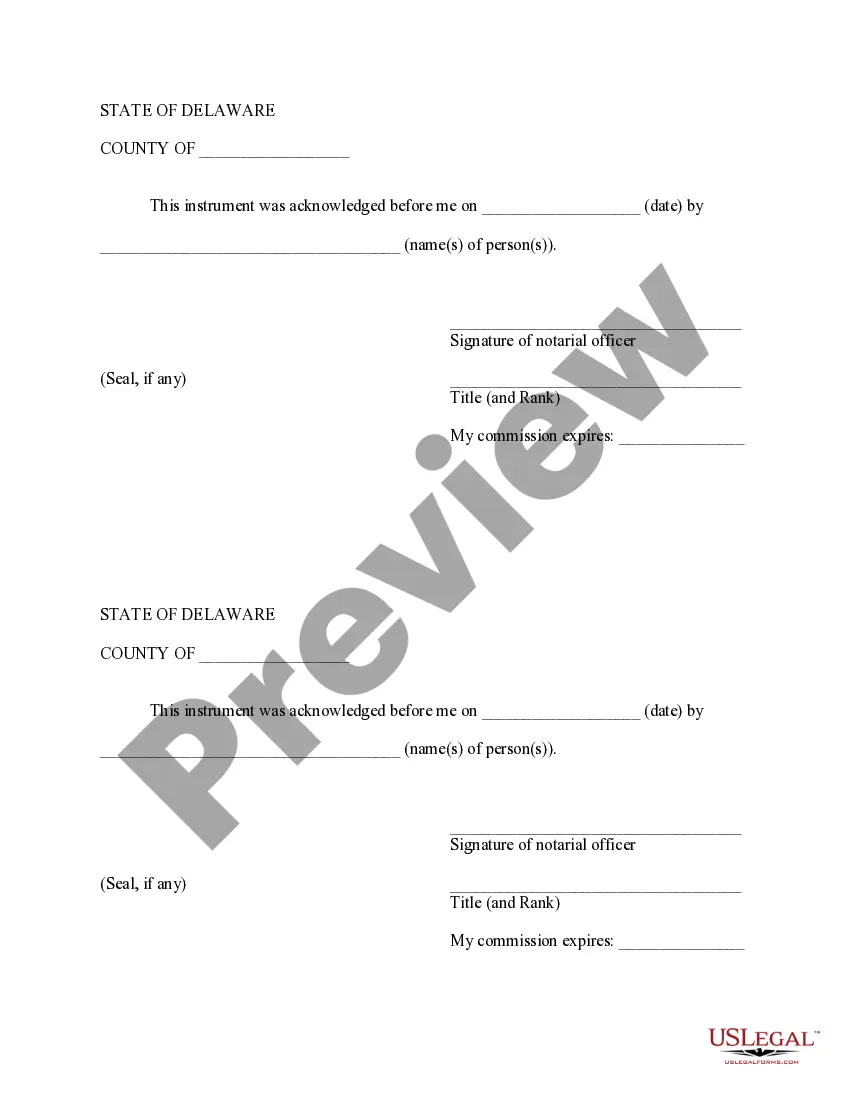
- Notarization acknowledgment section.
Situations where this form applies
This form is typically used when a seller of real estate wants to transfer their rights under a contract for deed to another party. It is useful in scenarios where the seller wishes to obtain a lump sum payment for the contract instead of continuing to receive installment payments. This can occur in real estate transactions where the market conditions favor a quick sale or when the seller needs immediate cash for other obligations.
Who this form is for
- Sellers of real estate who have an existing contract for deed.
- Individuals or entities looking to assign their rights to a third party.
- Real estate investors who manage multiple contracts for deed.
- Anyone seeking to simplify the transfer of property rights through assignment.
Instructions for completing this form
- Identify the parties involved: seller and assignee.
- Specify the details of the contract being assigned.
- Enter the date of the agreement.
- Obtain the necessary signatures from both the seller and assignee.
- Have the document notarized to ensure its legal validity.
Notarization requirements for this form
This form needs to be notarized to ensure legal validity. US Legal Forms provides secure online notarization powered by Notarize, allowing you to complete the process through a verified video call, available anytime.
Get your form ready online
Our built-in tools help you complete, sign, share, and store your documents in one place.
Make edits, fill in missing information, and update formatting in US Legal Forms—just like you would in MS Word.
Download a copy, print it, send it by email, or mail it via USPS—whatever works best for your next step.
Sign and collect signatures with our SignNow integration. Send to multiple recipients, set reminders, and more. Go Premium to unlock E-Sign.
If this form requires notarization, complete it online through a secure video call—no need to meet a notary in person or wait for an appointment.
We protect your documents and personal data by following strict security and privacy standards.

Make edits, fill in missing information, and update formatting in US Legal Forms—just like you would in MS Word.

Download a copy, print it, send it by email, or mail it via USPS—whatever works best for your next step.

Sign and collect signatures with our SignNow integration. Send to multiple recipients, set reminders, and more. Go Premium to unlock E-Sign.

If this form requires notarization, complete it online through a secure video call—no need to meet a notary in person or wait for an appointment.

We protect your documents and personal data by following strict security and privacy standards.
Avoid these common issues
- Failing to include all necessary signatures on the form.
- Not having the document notarized when required.
- Leaving out important details about the contract being assigned.
- Inaccurately identifying the parties involved in the transaction.
Why use this form online
- Convenient access to legal documents without the need for in-person visits.
- Editability allows users to customize the form to meet their specific needs.
- Reliable templates drafted by licensed attorneys ensure compliance with laws.
What to keep in mind
- The Assignment of Contract for Deed is a legal document for transferring contract rights.
- Correctly completing and notarizing the form is essential for legal enforceability.
- This form is beneficial for sellers wanting to quickly obtain cash by assigning their contract.
Looking for another form?

Form popularity
FAQ
A contract for deed can be a beneficial option for sellers, particularly in markets where traditional financing may be challenging for buyers. By choosing a Delaware Assignment of Contract for Deed by Seller, you can attract more potential buyers and generate steady income. Moreover, this approach allows sellers to retain some control over the property until the buyer fulfills the payment obligations, making it a strategic move in property transactions.
In Delaware, a contract for deed does not necessarily require notarization to be valid. However, having the document notarized can provide added protection and guarantee against future disputes. It is wise to consider the Delaware Assignment of Contract for Deed by Seller, as proper documentation helps ensure clarity and legality throughout the transaction.
A typical contract for deed outlines the terms between the buyer and seller, where the seller finances the property sale and retains the title until payment is complete. In the context of a Delaware Assignment of Contract for Deed by Seller, the seller maintains specific rights throughout the agreement. This type of contract often benefits both parties by offering flexible payment options and a straightforward transfer process once all conditions are met.
To draw up a contract for a deed, begin by including all essential details such as the parties involved, property description, payment terms, and any contingencies. It may be beneficial to reference the Delaware Assignment of Contract for Deed by Seller for guidance on structure and requirements. For additional support, consider using platforms like uslegalforms, which can help simplify the process and ensure your contract meets all legal requirements.
To sell your house using a contract for deed, start by preparing a deed of assignment that outlines your rights and obligations. Then, use the Delaware Assignment of Contract for Deed by Seller to finalize the sale and ensure everything is legally binding. By following this process, you protect yourself and your interests while facilitating a smooth transition for the buyer.
The deed of assignment of contract is a legal document that formalizes the transfer of rights and duties from the current contract holder to a new party. In the context of the Delaware Assignment of Contract for Deed by Seller, this deed solidifies the buyer's interest in the property while ensuring the seller's obligations are fulfilled. Without this document, the transfer could lead to legal complications, hence its importance in real estate transactions.
The purpose of an assignment contract is to legally transfer interest in a contract from one party to another. For sellers using the Delaware Assignment of Contract for Deed by Seller, this tool facilitates smooth transitions, allowing a buyer to take on an existing agreement. Overall, it streamlines the sale process, minimizes misunderstandings, and establishes clear terms between involved parties.
A deed of assignment allows a seller to transfer their rights and obligations under a contract, specifically in a real estate transaction. In the context of the Delaware Assignment of Contract for Deed by Seller, this document ensures that the buyer takes over the seller's responsibilities while maintaining the property agreement. This process crucially protects both parties, promoting transparency and efficiency in the transaction.
An example of assignment of a contract is when a buyer transfers their rights and obligations of a contract for deed to another party. This can happen if the buyer decides to sell the agreement to someone else or if they need to exit the transaction for personal reasons. The Delaware Assignment of Contract for Deed by Seller facilitates this process, ensuring all necessary legal steps are covered.
One disadvantage of a contract for deed is that the seller retains the title to the property until the buyer completes all payments, which can lead to complications if the buyer defaults. Another drawback is the potential for higher interest rates compared to traditional mortgages. Understanding these aspects is crucial when considering the Delaware Assignment of Contract for Deed by Seller.