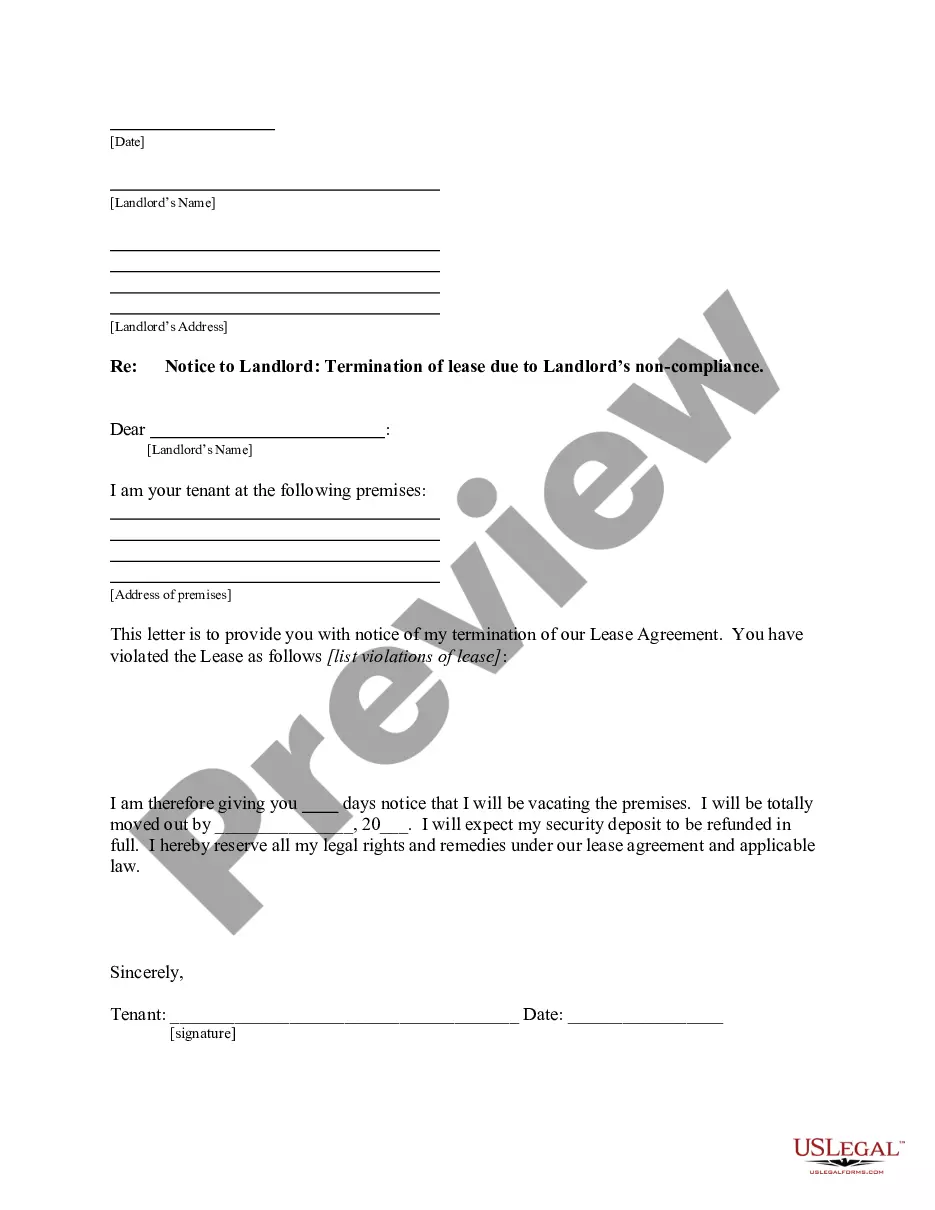
District of Columbia Special or Limited Power of Attorney for Real Estate Purchase Transaction by Purchaser
Overview of this form
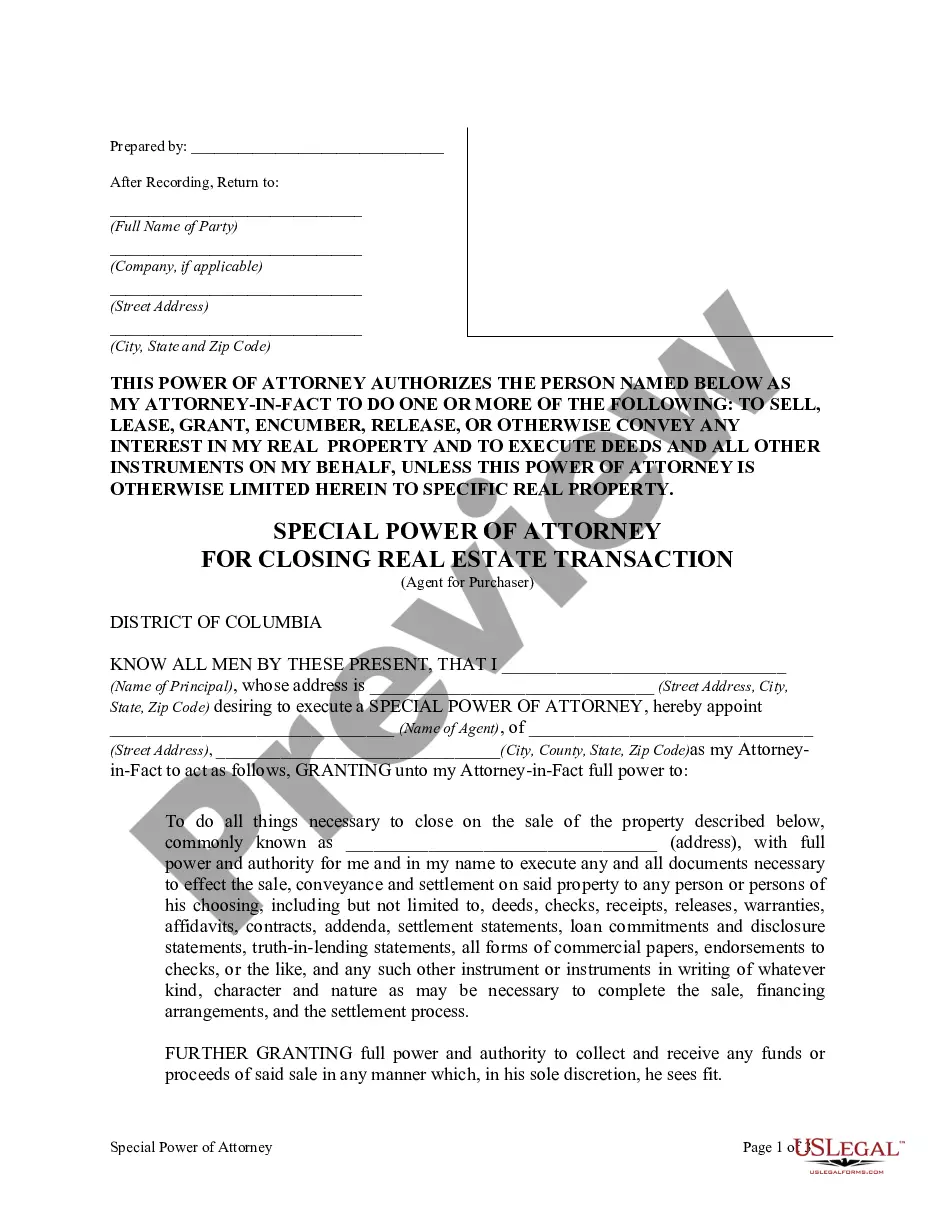
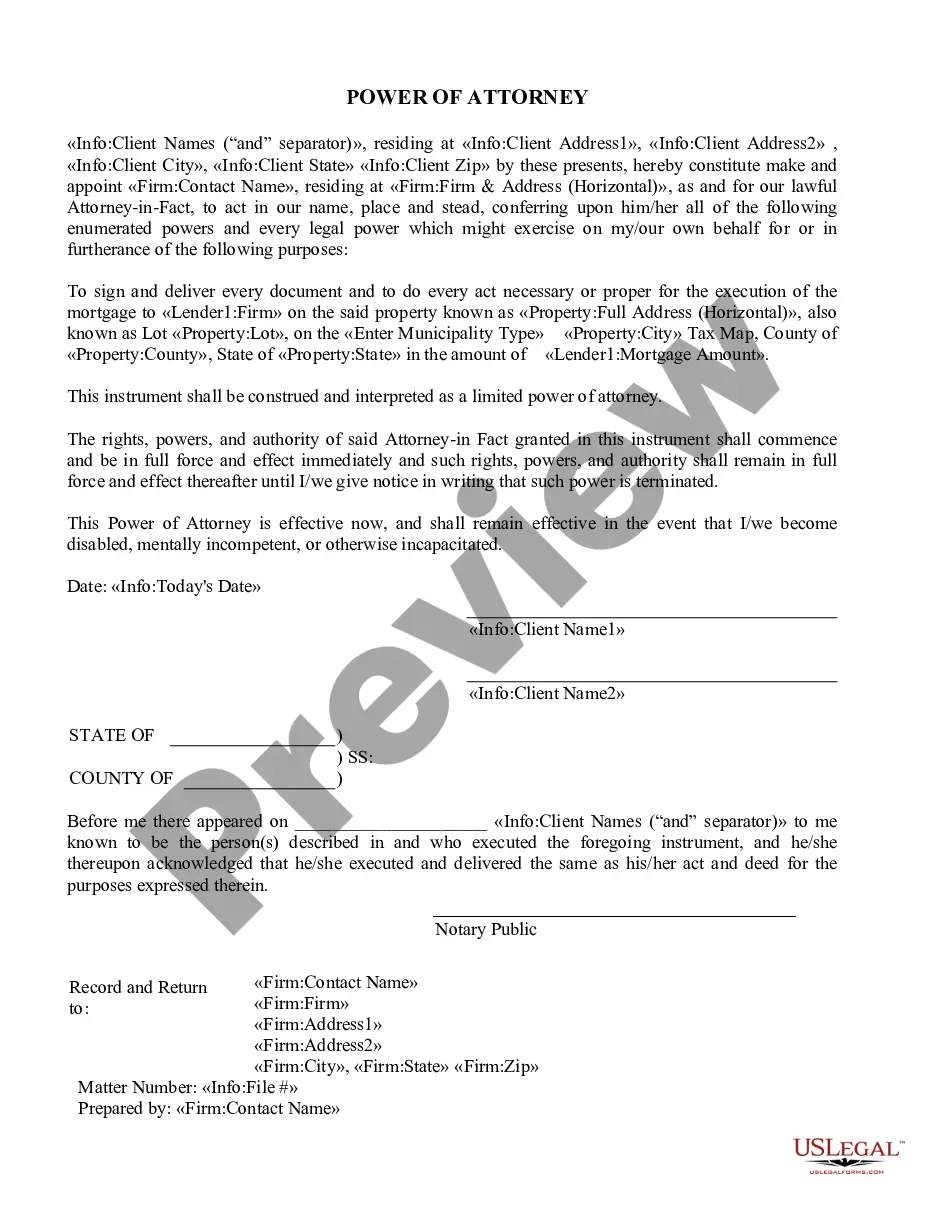
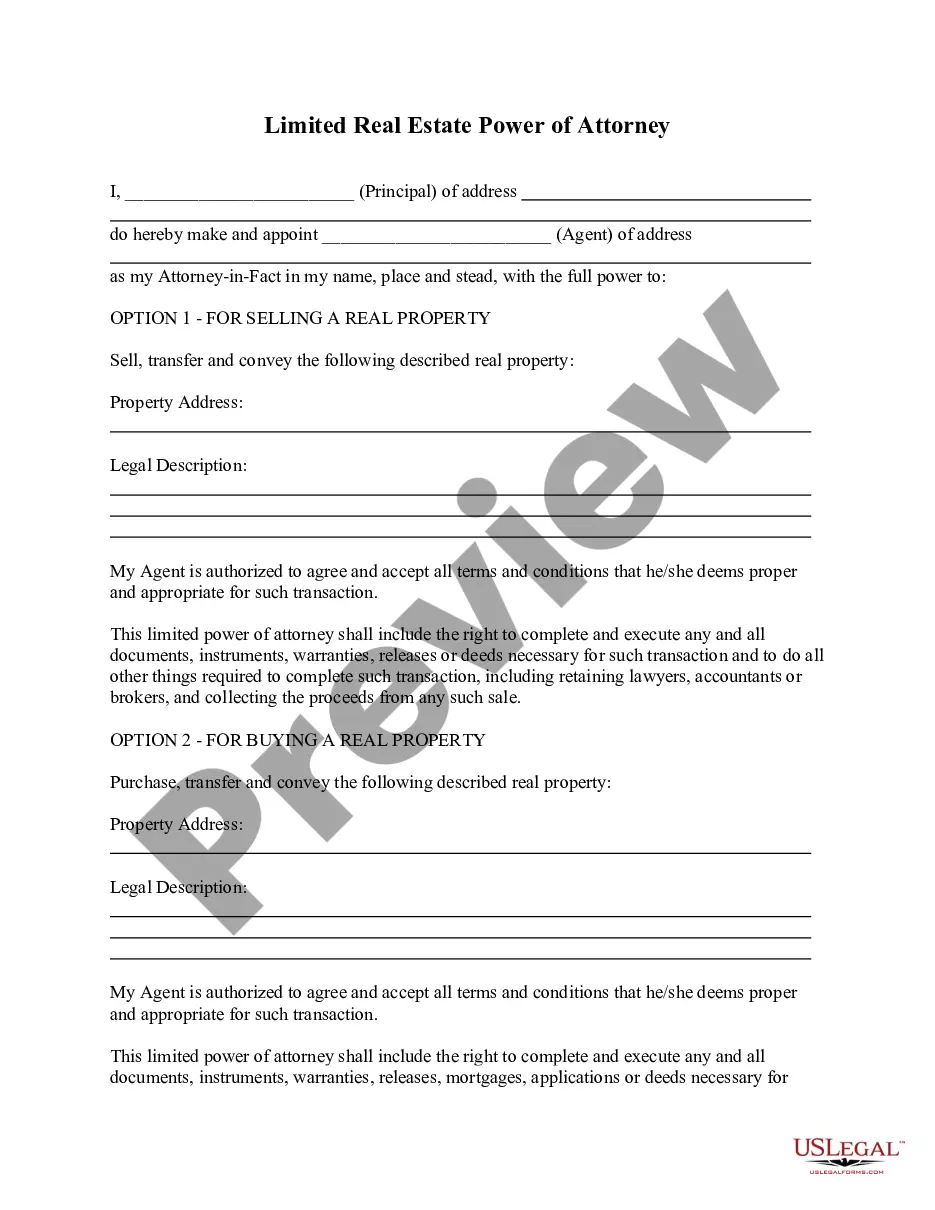
The Special Power of Attorney for Real Estate Purchase Transaction allows a purchaser to appoint an attorney-in-fact to act on their behalf in a real estate purchase. This form enables the agent to execute all necessary documents related to the closing of a property, unlike a general power of attorney, which covers a broader scope of actions. It is specifically tailored for transactions involving the purchase of real estate.
Key components of this form
- Identification of the principal and attorney-in-fact.
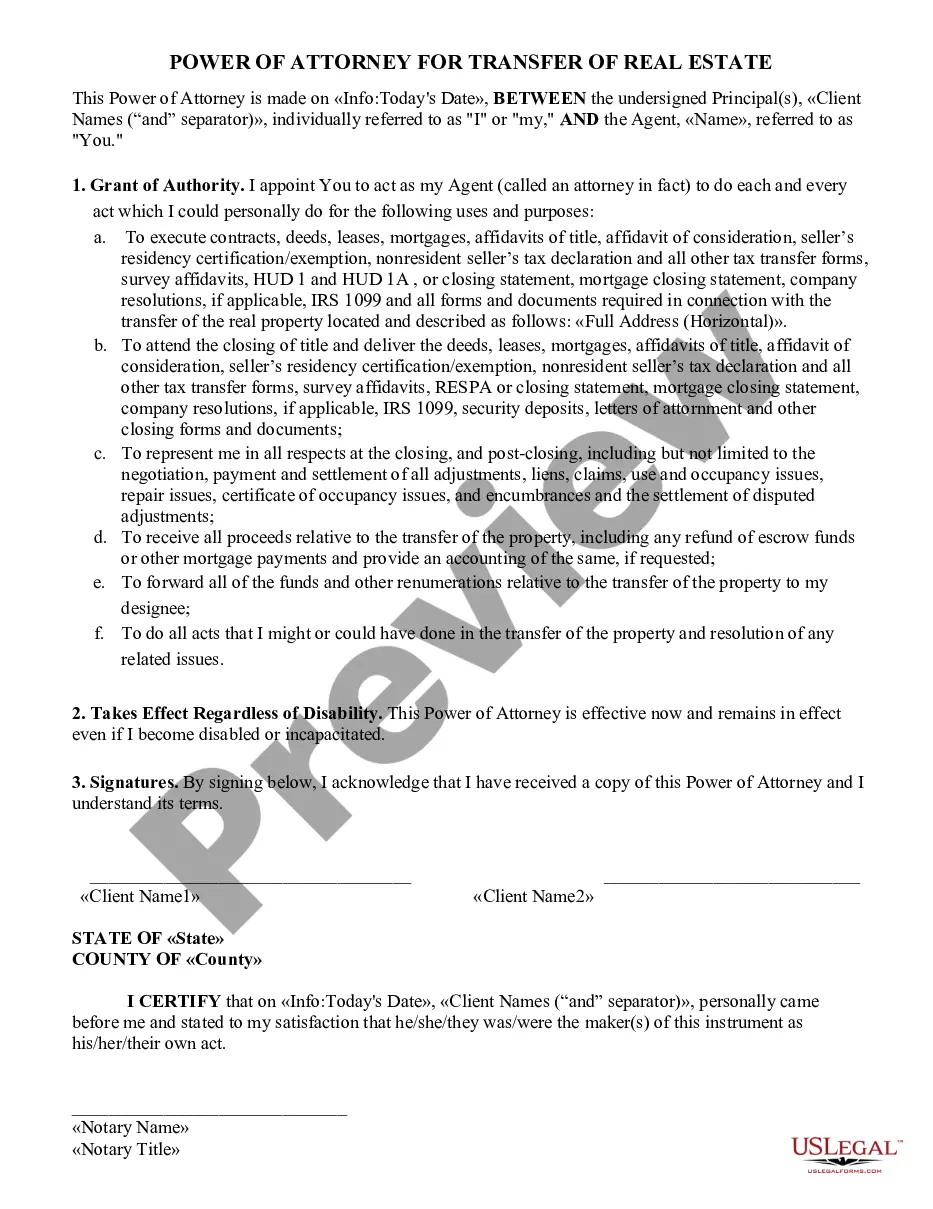
- Authorization to act on behalf of the purchaser for the specific real estate transaction.
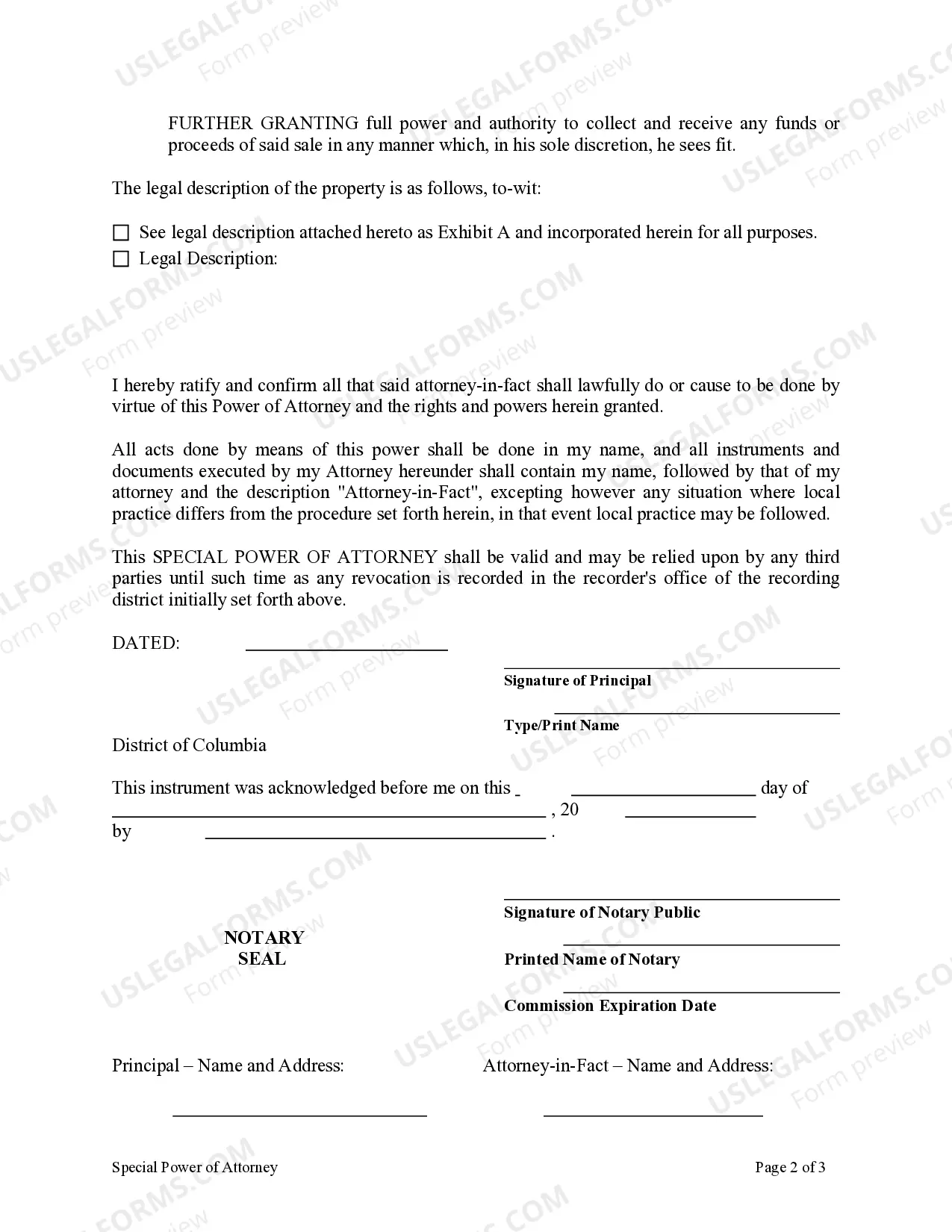
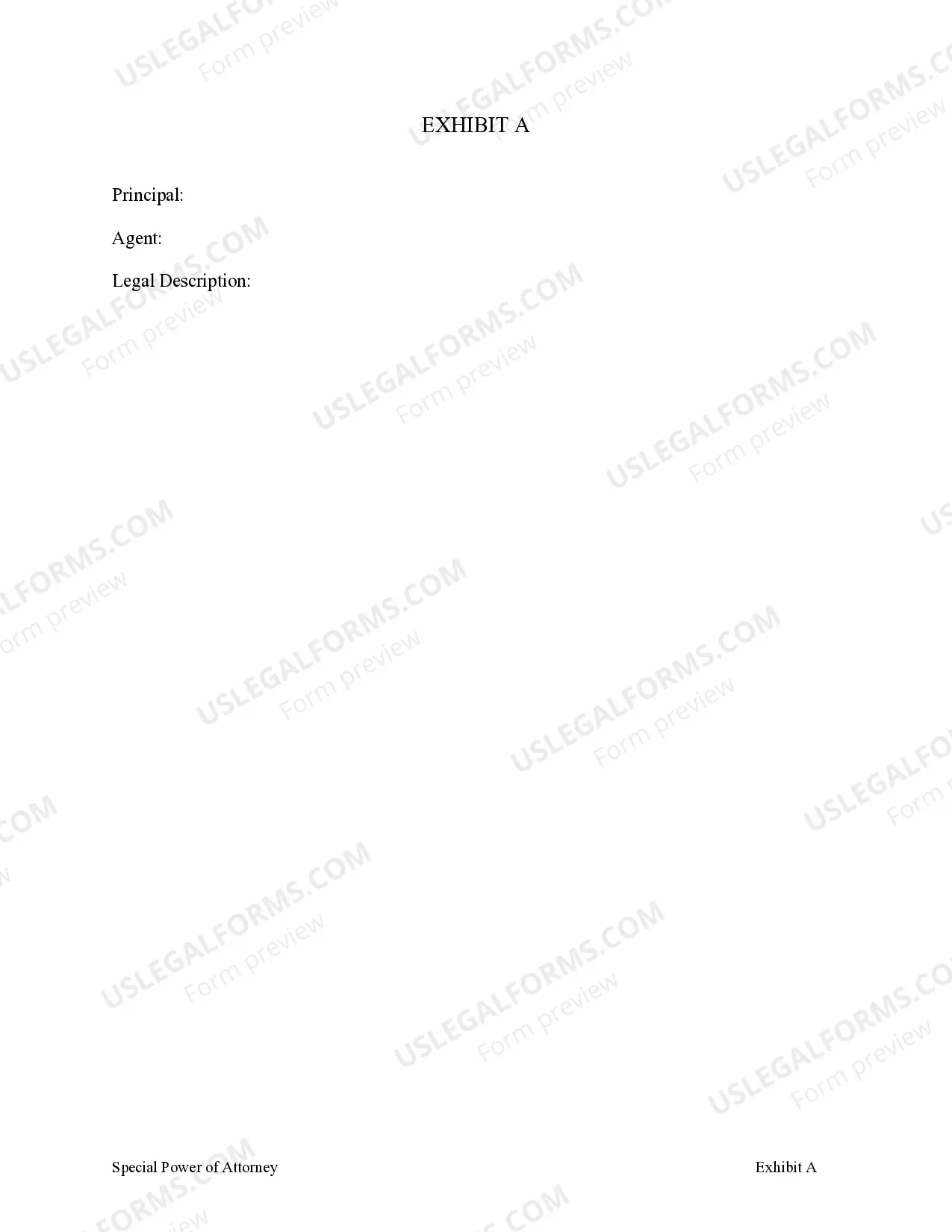
- Details of the property being purchased, including its legal description.
- Power to execute essential documents such as deeds, contracts, and loan agreements.
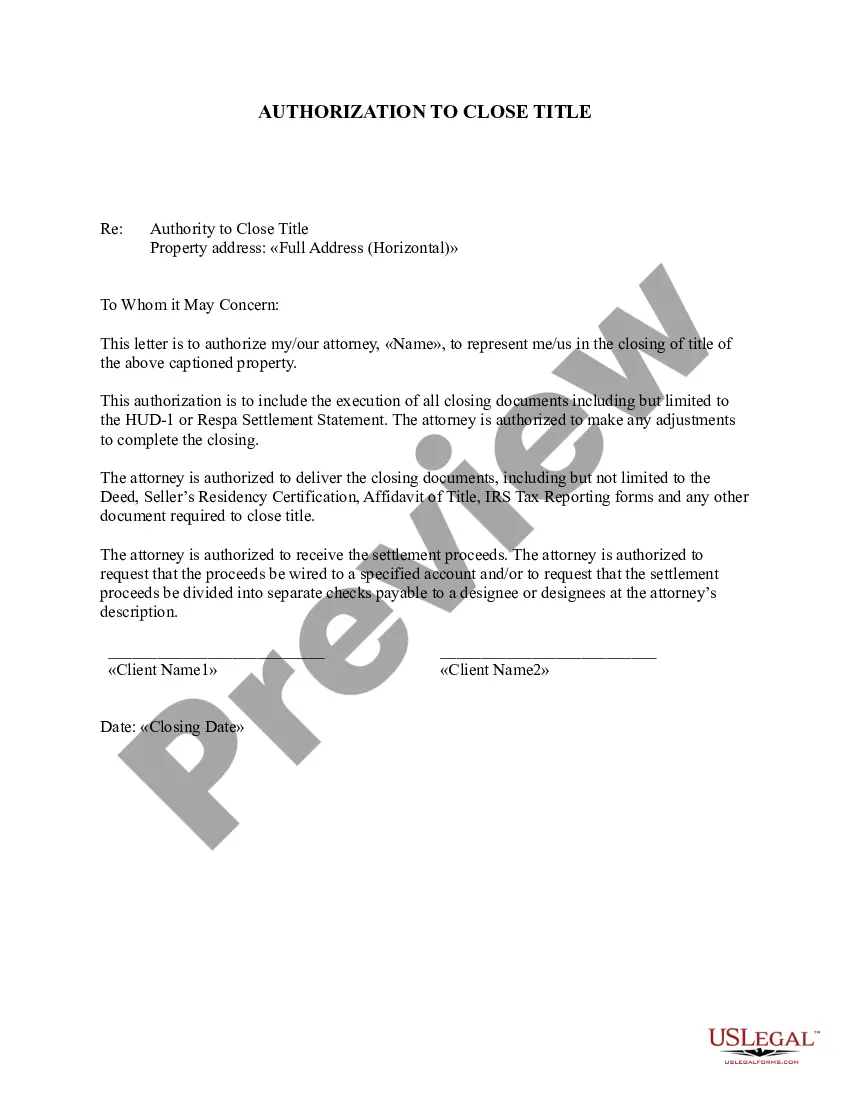
- Instruction for fund collection related to the sale.
When this form is needed
This form should be used when a purchaser is unable to personally attend the closing of a real estate transaction. It may be necessary in situations where the buyer is out of town, incapacitated, or otherwise unable to sign the required documents. By executing this power of attorney, the purchaser ensures that their interests are still represented during the transaction process.
Who should use this form
This form is intended for:
- Individuals purchasing real estate who cannot be present at the closing.
- Those who want to designate an agent to manage their real estate transactions.
- Anyone requiring a trusted person to handle specific actions related to their property purchase.
How to complete this form
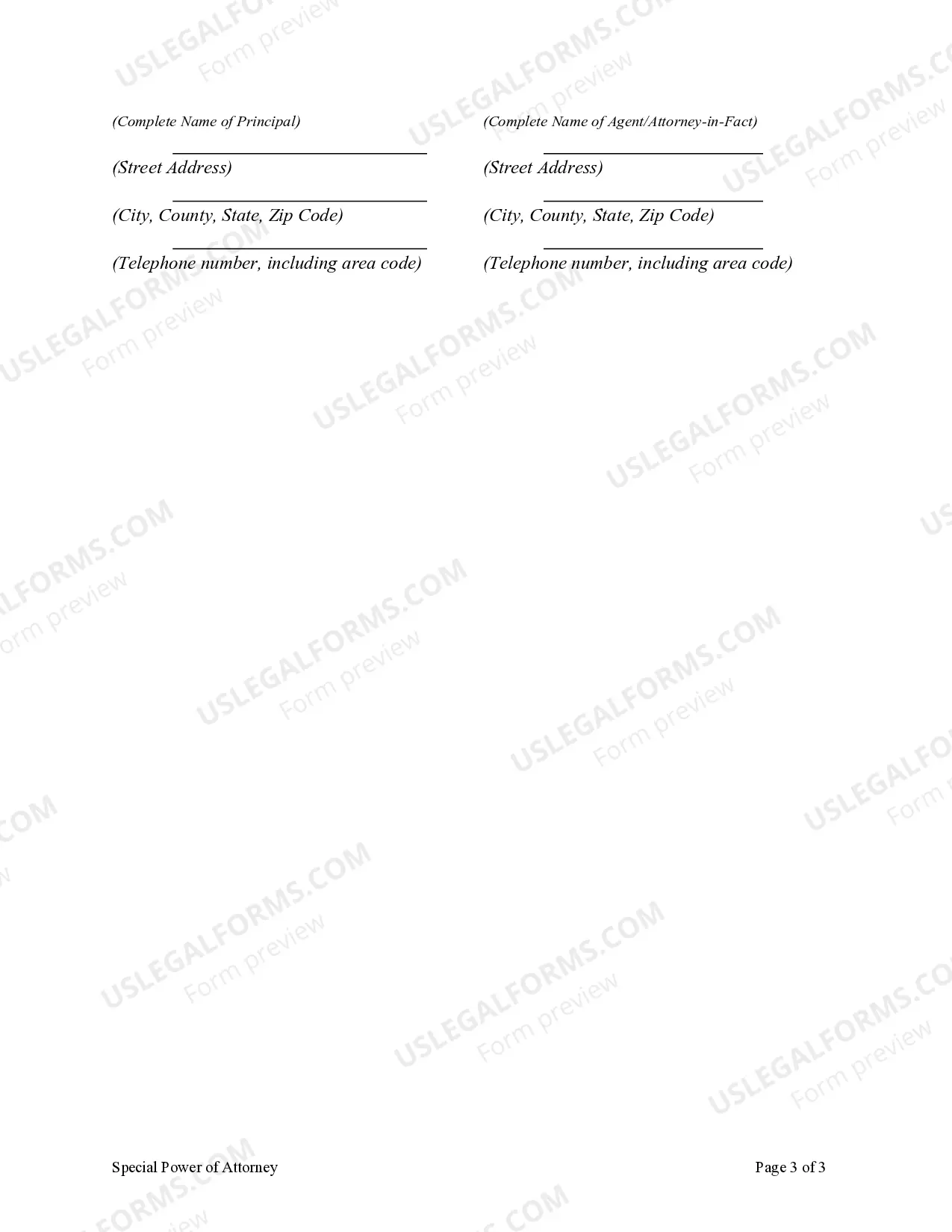
- Identify the principal by entering their full name and address.
- Designate the attorney-in-fact by providing their name and address.
- Specify the property involved in the transaction by including its address and legal description.
- Grant authority by stating the powers being conferred to the attorney-in-fact.
- Sign and date the document in the presence of a notary public.
Does this document require notarization?
To make this form legally binding, it must be notarized. Our online notarization service, powered by Notarize, lets you verify and sign documents remotely through an encrypted video session.
Get your form ready online
Our built-in tools help you complete, sign, share, and store your documents in one place.
Make edits, fill in missing information, and update formatting in US Legal Forms—just like you would in MS Word.
Download a copy, print it, send it by email, or mail it via USPS—whatever works best for your next step.
Sign and collect signatures with our SignNow integration. Send to multiple recipients, set reminders, and more. Go Premium to unlock E-Sign.
If this form requires notarization, complete it online through a secure video call—no need to meet a notary in person or wait for an appointment.
We protect your documents and personal data by following strict security and privacy standards.

Make edits, fill in missing information, and update formatting in US Legal Forms—just like you would in MS Word.

Download a copy, print it, send it by email, or mail it via USPS—whatever works best for your next step.

Sign and collect signatures with our SignNow integration. Send to multiple recipients, set reminders, and more. Go Premium to unlock E-Sign.

If this form requires notarization, complete it online through a secure video call—no need to meet a notary in person or wait for an appointment.

We protect your documents and personal data by following strict security and privacy standards.
Common mistakes
- Failing to provide a complete legal description of the property.
- Not specifying the exact powers granted to the attorney-in-fact.
- Neglecting to have the form notarized if required.
- Leaving fields blank, which can result in ambiguities.
Legal use & context
- This document grants specific authority to an agent for real estate transactions, making it enforceable under the law.
- It is important for the agent to act within the scope of the powers granted to ensure all actions are legally binding.
- This form helps streamline real estate transactions by allowing for representation when the purchaser cannot attend.
Main things to remember
- The Special Power of Attorney is tailored for real estate transactions.
- It allows an individual to designate someone to act on their behalf during the property purchase process.
- The form requires notarization for validity.
- Proper completion is key to avoiding legal issues in the transaction.
Looking for another form?
Form popularity
FAQ
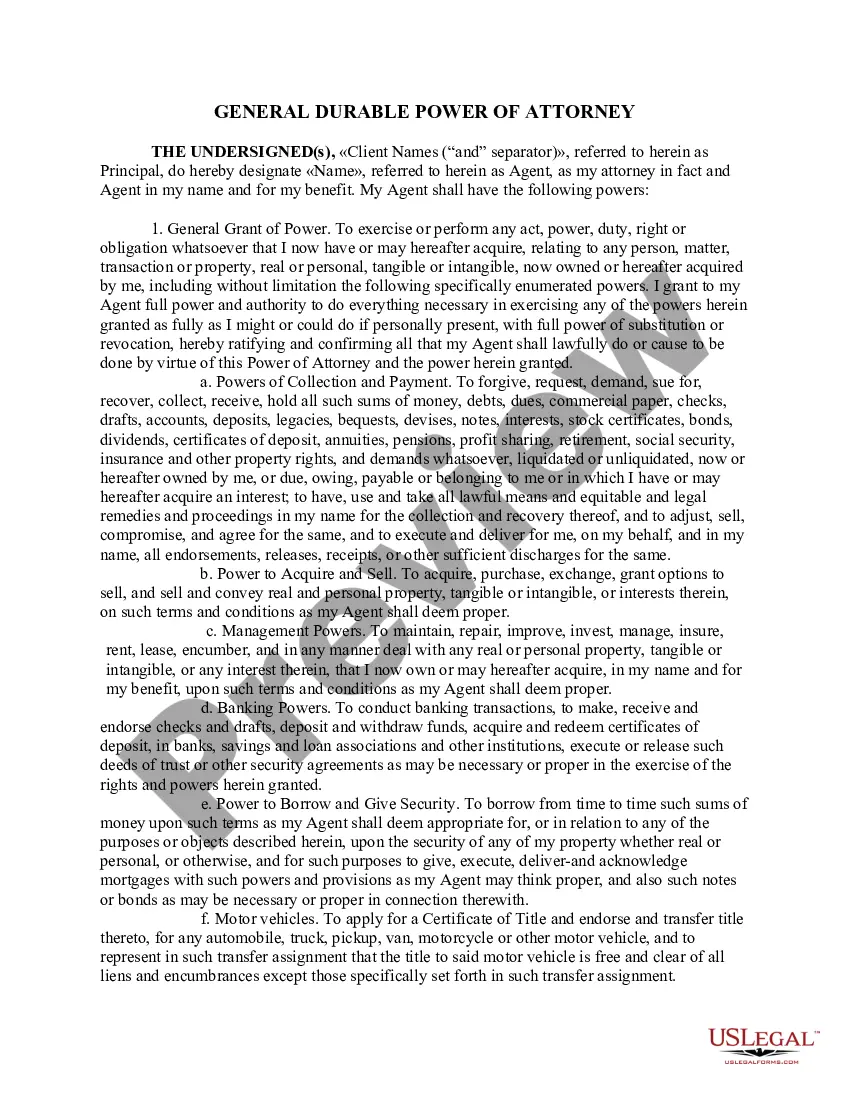
The primary difference between a standard power of attorney and a durable power of attorney is the durability of the authority granted. A durable power of attorney remains effective even if the principal becomes incapacitated, while a standard power of attorney does not. Therefore, for real estate purchases in the District of Columbia, opting for a durable version can be beneficial for ongoing transactions.
DC Code 21 2205 explains the provisions related to the revocation of powers of attorney. It details the necessary steps a principal must take if they wish to revoke a previously granted authority. Knowing this code can empower you to manage your real estate transactions effectively and safeguard your rights.
The DC code governing power of attorney is primarily found in Title 21 of the District of Columbia Code. This section outlines the general principles and regulations regarding the creation and usage of powers of attorney. Familiarity with this code is crucial for ensuring the security of your real estate transactions.
DC Code 28 3310 deals with the regulations surrounding the authority granted under a power of attorney. Specifically, it highlights the limits and rights of the appointed agent. Being aware of these regulations helps you comprehend the extent of actions your agent can undertake on your behalf.
Step 1: Bring Your Power of Attorney Agreement and ID. Step 2: Determine the Preferred Signature Format. Step 3: Sign as the Principal. Step 4: Sign Your Own Name. Step 5: Express Your Authority as Attorney-in-Fact. Step 6: File the Documentation Somewhere Safe.
The durable power of attorney is almost always required. This instrument gives another person specific powers to sign for an individual in a real estate transaction where the exact name and description of the property is stated in the document.
In Washington, DC POA documents do not have to be drawn up by an attorney, as the statue provides a template. However, a financial power of attorney must be notarized.With a POA document, a person is able to choose who will help him or her if they become incapacitated.
What's the difference between durable and general power of attorney? A general power of attorney ends the moment you become incapacitated.A durable power of attorney stays effective until the principle dies or until they act to revoke the power they've granted to their agent.
General Power of Attorney. Durable Power of Attorney. Special or Limited Power of Attorney. Springing Durable Power of Attorney.
Your name, address, and signature as the principal. The name, address, and signature of your Agent. The activities and properties under the Agent's authority. The start and termination dates of the Agent's powers. Any compensation you will give to the Agent.