District of Columbia Statutory Power of Attorney for Health Care
Overview of this form
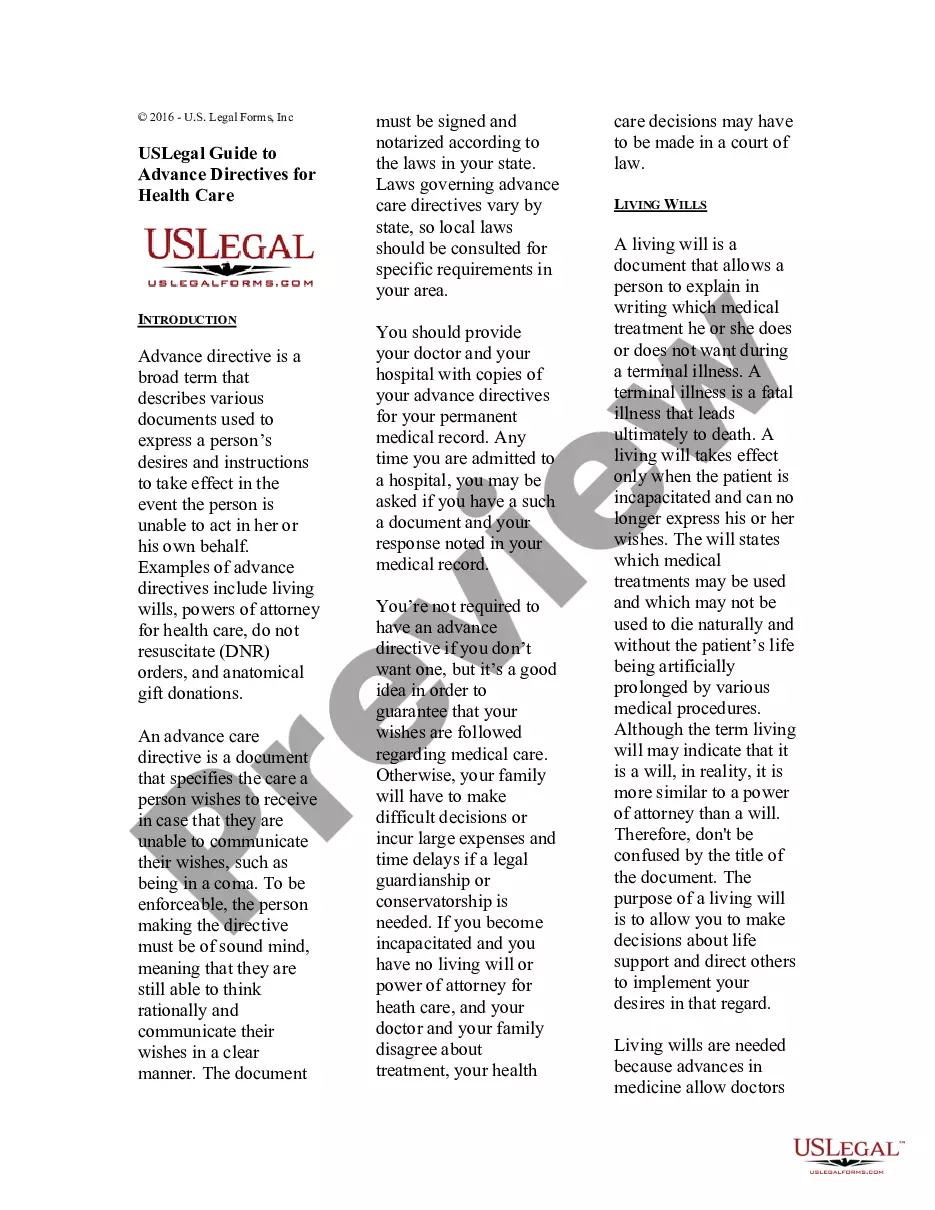
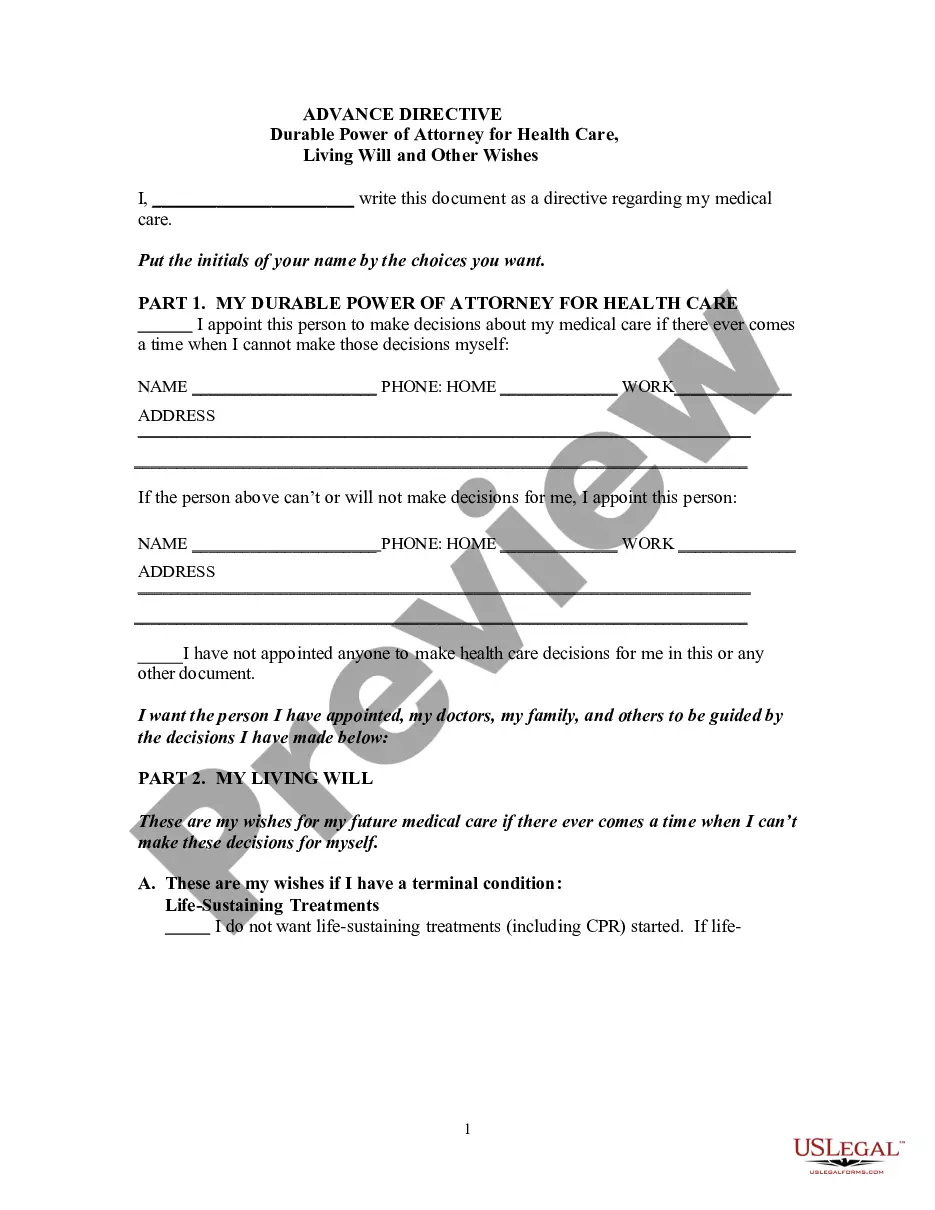
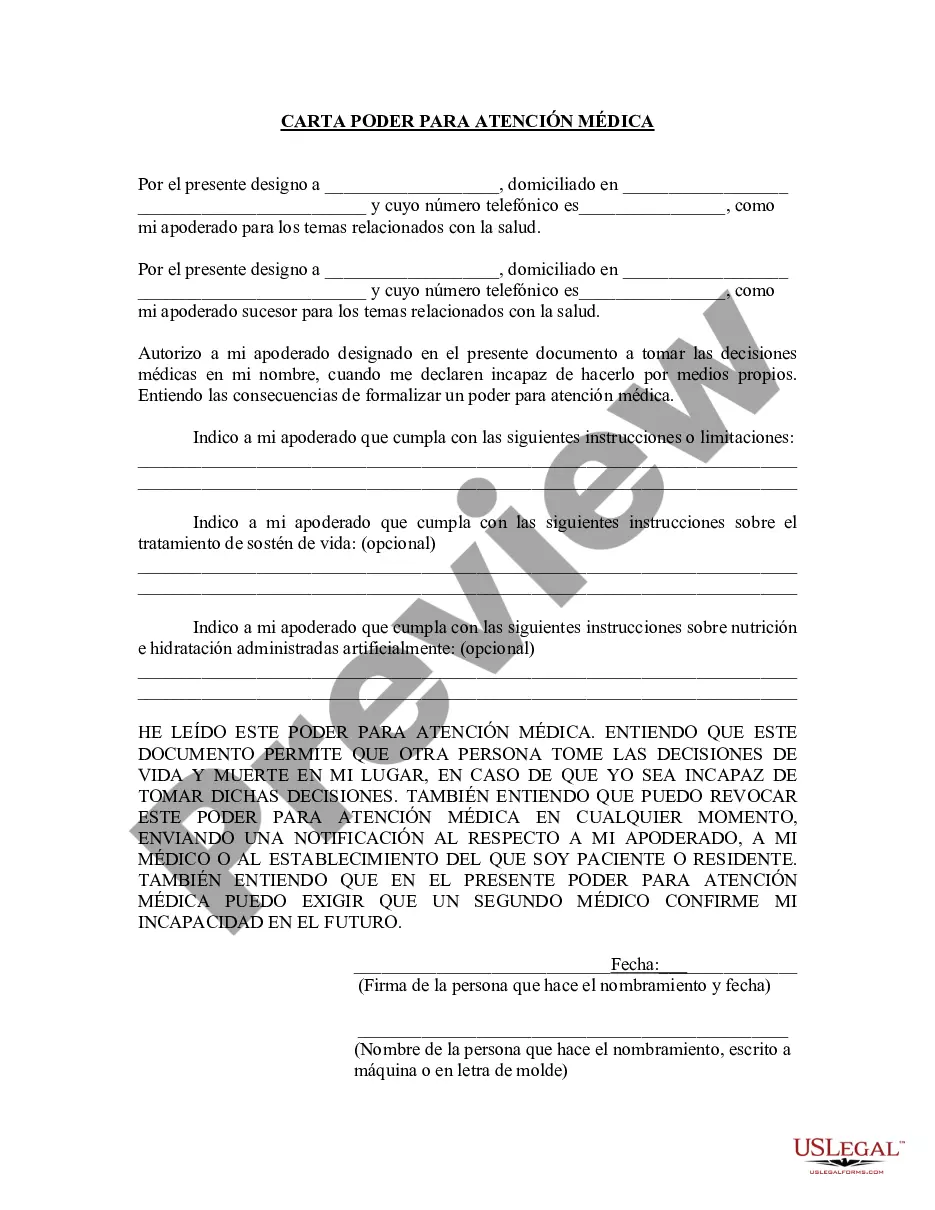
The Statutory Power of Attorney for Health Care is a legal document that allows you to designate an agent to make health care decisions on your behalf if you become unable to do so. This form empowers your chosen agent to act in accordance with your wishes regarding medical treatments, including the ability to consent to, refuse, or withdraw medical care. Unlike other powers of attorney, this specific form focuses solely on health care decisions and remains effective during your incapacity, ensuring your medical preferences are honored even when you cannot communicate them yourself.
Main sections of this form
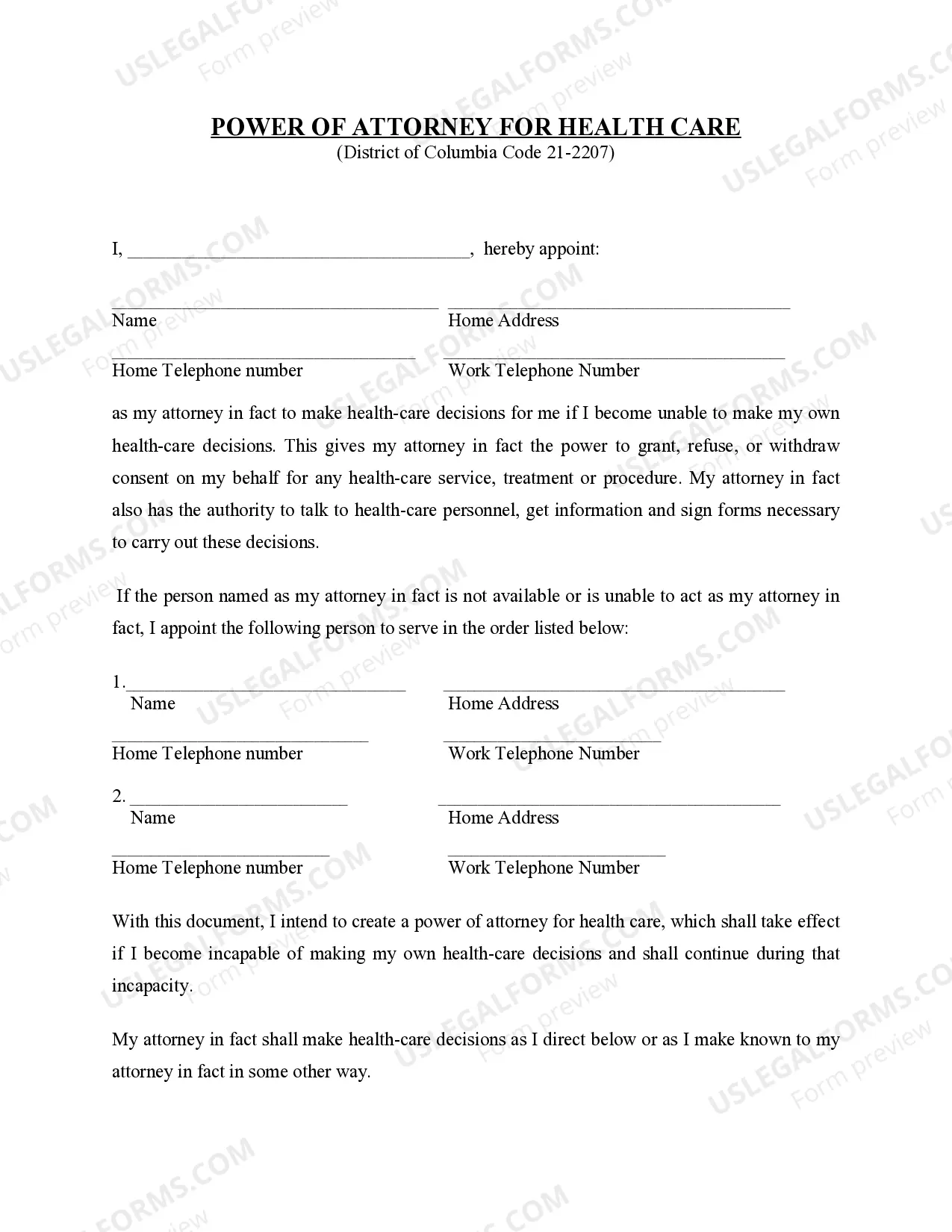
- Identification of the principal (the person granting the power).
- Designation of the agent who will make health care decisions.
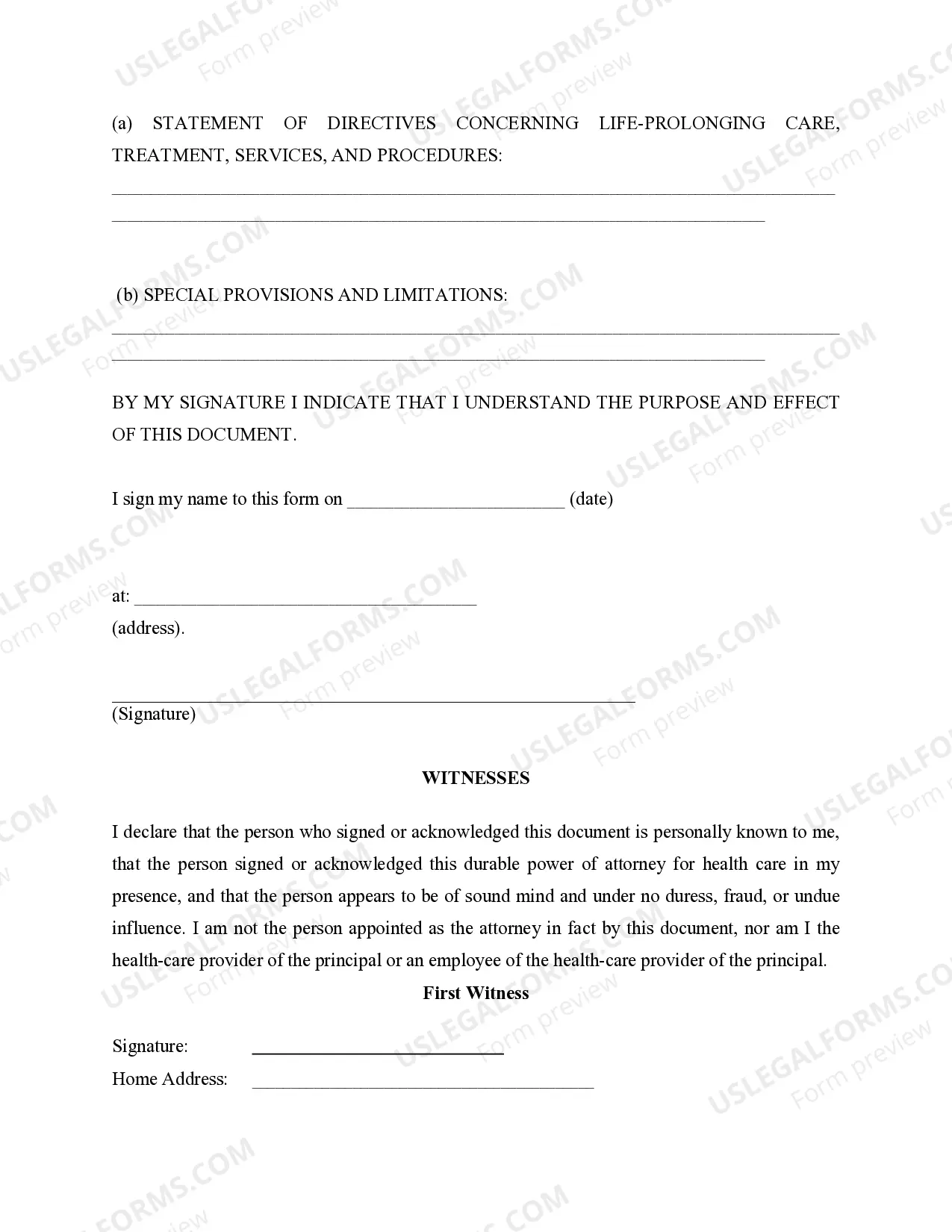
- Ability to specify types of medical treatment you do or do not want.
- Provisions for what happens if the primary agent is not available.
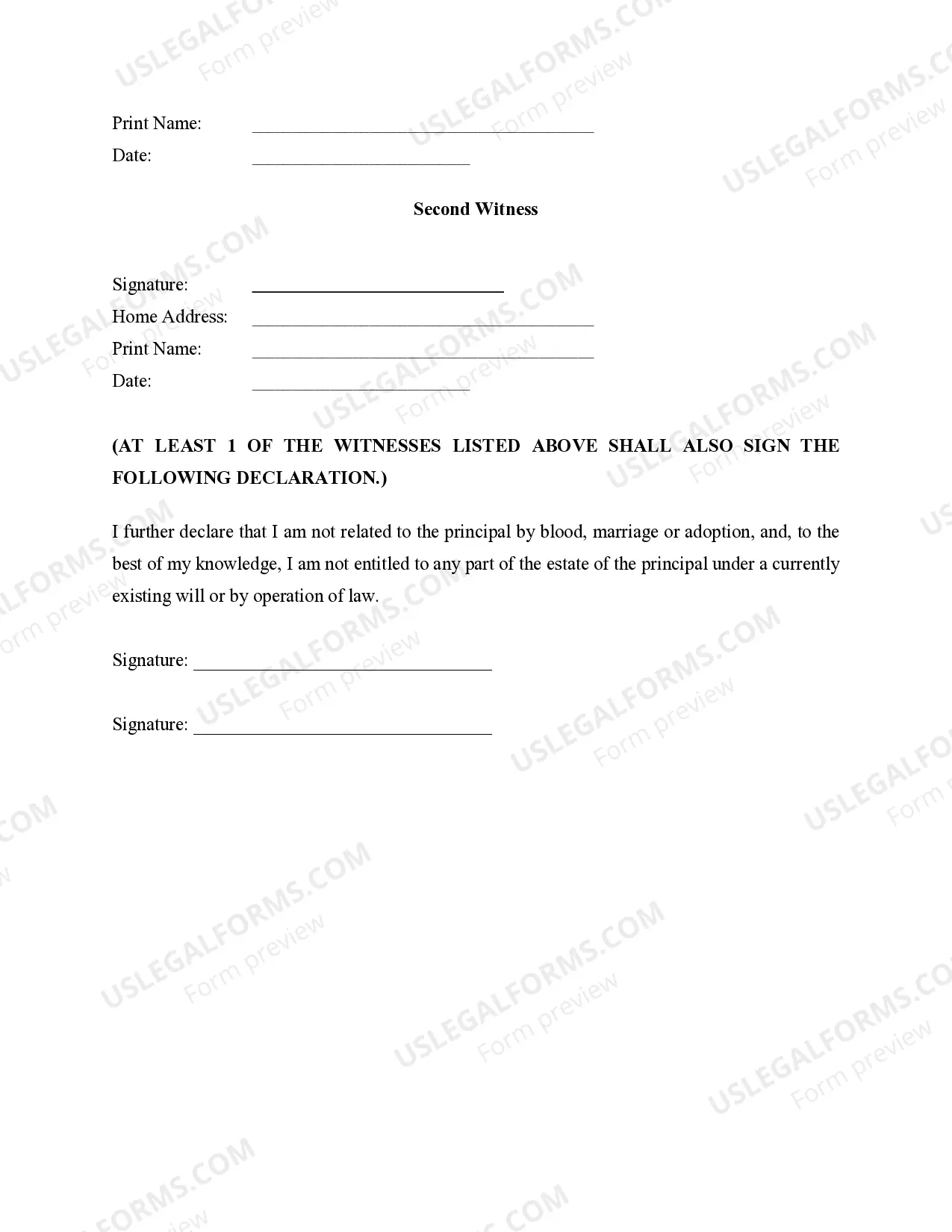
- Signatures of witnesses to validate the document.
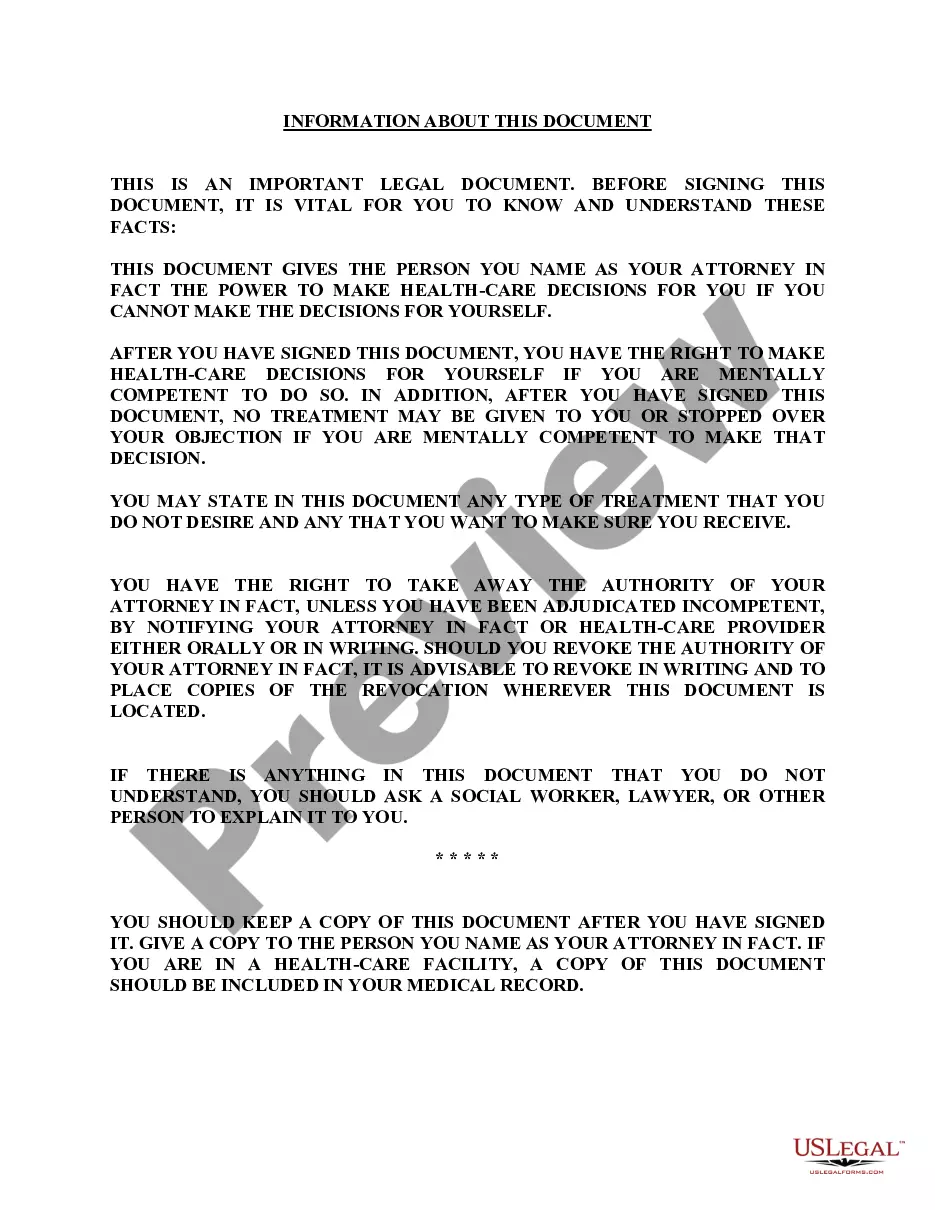
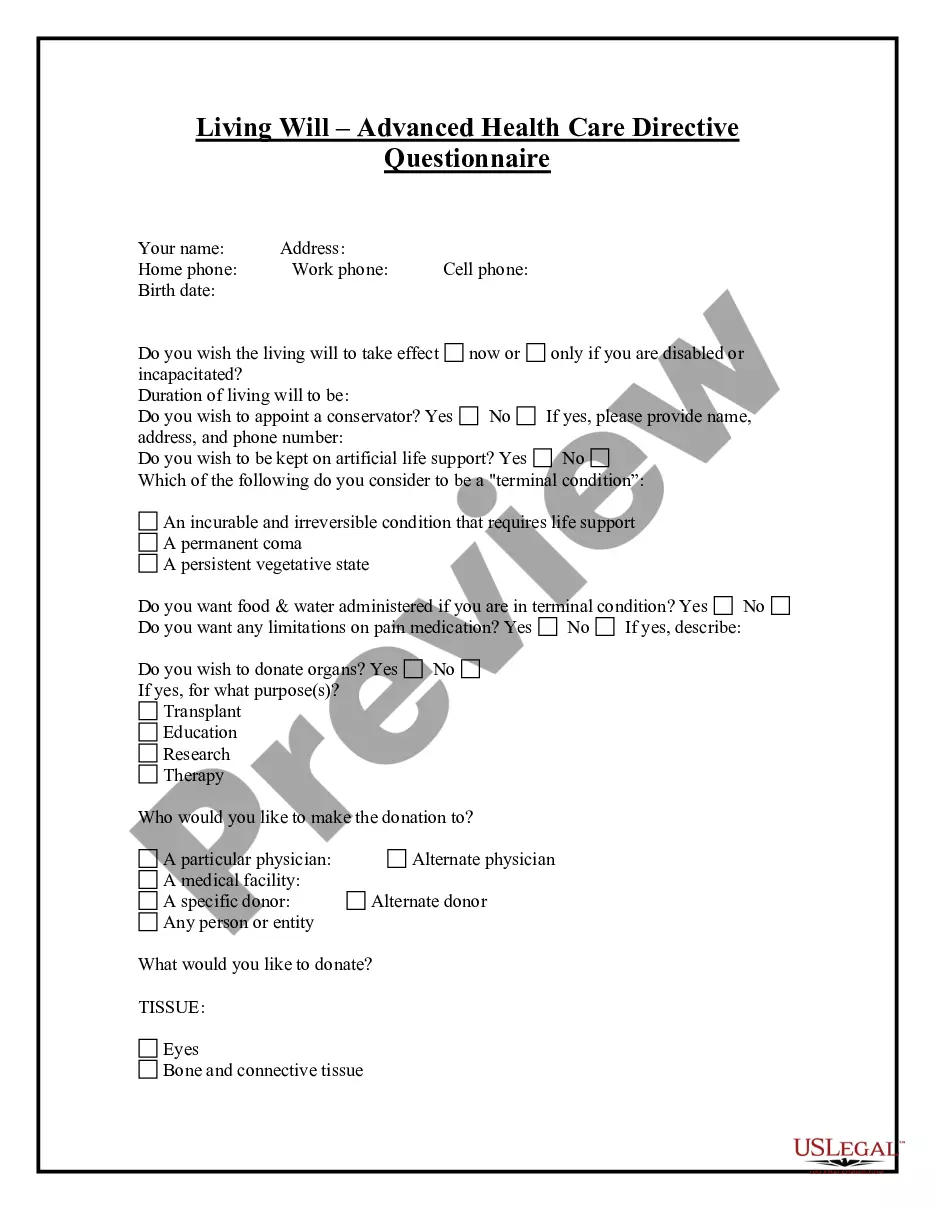
Situations where this form applies
This form is necessary when you want to ensure that your health care decisions are handled by someone you trust in the event that you become incapacitated. It is particularly important for individuals facing surgery, chronic illnesses, dementia, or end-of-life considerations. Having a Statutory Power of Attorney for Health Care protects your autonomy and preferences regarding medical treatment.
Who needs this form
- Individuals who want to designate a trusted person to make health care decisions.
- Patients undergoing medical procedures and surgeries.
- Individuals diagnosed with serious medical conditions.
- Anyone concerned about their medical care preferences being respected when they cannot express them.
Completing this form step by step
- Identify and fill in your name and address as the principal.
- Designate your agent by including their name and contact information.
- Specify any alternate agents if your primary agent is unavailable.
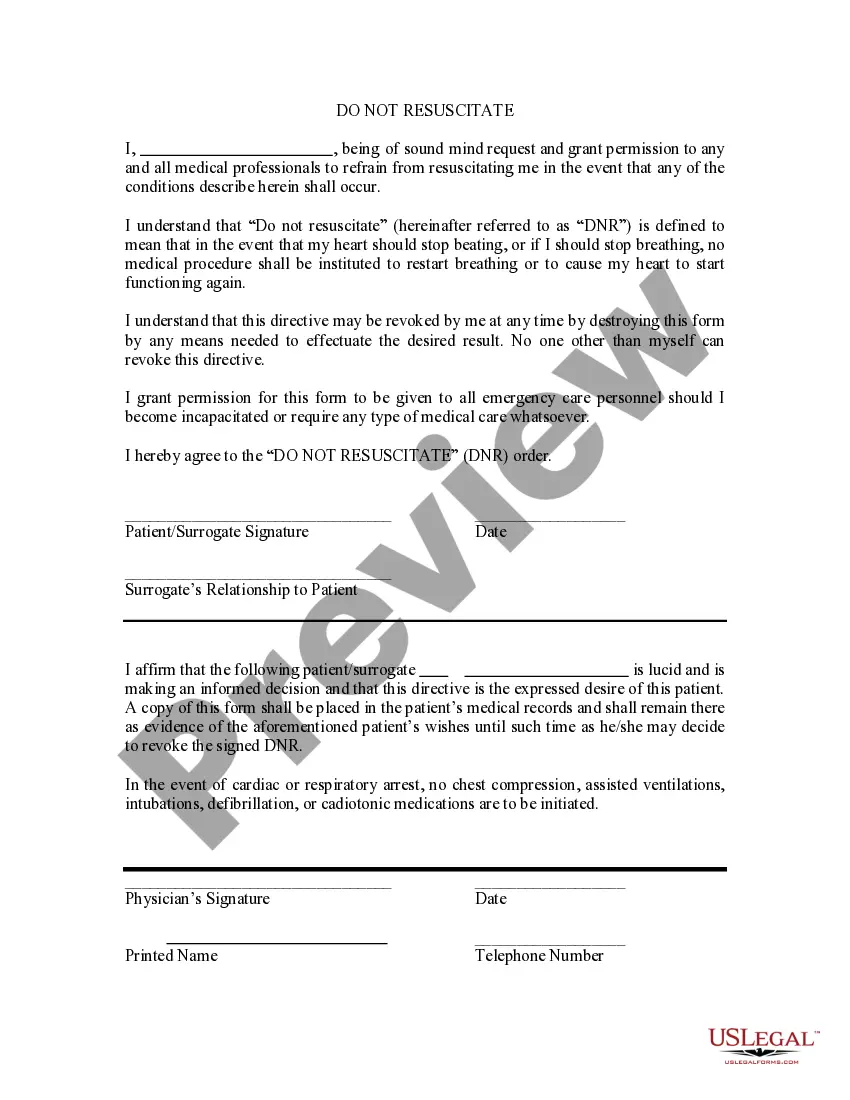
- Clearly outline any specific wishes regarding life-prolonging measures and limitations on treatment.
- Sign the document and have it witnessed according to the guidelines provided.
Is notarization required?
This form does not typically require notarization unless specified by local law. However, it is advisable to check with your stateâs regulations to confirm any additional requirements.
Get your form ready online
Our built-in tools help you complete, sign, share, and store your documents in one place.
Make edits, fill in missing information, and update formatting in US Legal Forms—just like you would in MS Word.
Download a copy, print it, send it by email, or mail it via USPS—whatever works best for your next step.
Sign and collect signatures with our SignNow integration. Send to multiple recipients, set reminders, and more. Go Premium to unlock E-Sign.
If this form requires notarization, complete it online through a secure video call—no need to meet a notary in person or wait for an appointment.
We protect your documents and personal data by following strict security and privacy standards.

Make edits, fill in missing information, and update formatting in US Legal Forms—just like you would in MS Word.

Download a copy, print it, send it by email, or mail it via USPS—whatever works best for your next step.

Sign and collect signatures with our SignNow integration. Send to multiple recipients, set reminders, and more. Go Premium to unlock E-Sign.

If this form requires notarization, complete it online through a secure video call—no need to meet a notary in person or wait for an appointment.

We protect your documents and personal data by following strict security and privacy standards.
Common mistakes
- Not communicating your wishes to your appointed agent.
- Failing to have the document witnessed appropriately.
- Not keeping a copy of the signed document for personal records.
- Using outdated forms or not updating the form after any changes in circumstances.
Advantages of online completion
- Convenient access to templates that are legally sound and up to date.
- Editable forms allow you to customize your wishes easily.
- Secure download ensures your sensitive information is protected.
- Immediate availabilityâcomplete the form at your own pace and convenience.
Looking for another form?


Form popularity
FAQ
A medical power of attorney in the District of Columbia is a legal document that allows an individual to appoint someone else to make health care decisions on their behalf. This designation ensures that an individual's healthcare preferences are honored, especially during incapacitation. The District of Columbia Statutory Power of Attorney for Health Care enhances this process by providing a structured framework to ensure that healthcare wishes are clearly articulated and followed, particularly during crucial medical moments.
While both a healthcare power of attorney and a durable power of attorney are designed to grant authority to another person, they cater to different functions. A healthcare power of attorney revolves exclusively around medical decisions, while a durable power of attorney can also include financial and legal matters. This specificity is vital for individuals who want to ensure their health care choices are respected in critical situations. Understanding these differences can guide decisions related to the District of Columbia Statutory Power of Attorney for Health Care.
A healthcare power of attorney is a specific type of durable power of attorney, aimed solely at making medical decisions. While a durable power of attorney can encompass various decision-making areas, a healthcare version specifically addresses health-related needs. This distinction ensures that an individual's medical preferences are upheld, focusing solely on health care situations. Therefore, when considering the provisions of the District of Columbia Statutory Power of Attorney for Health Care, knowing this difference is vital.
A medical power of attorney has several limitations, particularly regarding the scope of its authority. It cannot be used for financial decisions or any non-medical matters, as it is specifically designed for healthcare choices. Additionally, the powers granted under this authority can be revoked by the principal at any time, as long as they are still competent. Understanding these limitations can help individuals effectively navigate their options under the District of Columbia Statutory Power of Attorney for Health Care.
The distinction between a general power of attorney and a durable power of attorney lies in the durability of the authority granted. A durable power of attorney remains effective even if the principal becomes incapacitated, while a general power of attorney ceases to be valid in such circumstances. This durability is essential for individuals who want to ensure their healthcare decisions are managed continuously. In the context of the District of Columbia Statutory Power of Attorney for Health Care, the durable option is crucial for medical decisions.
The primary difference between a traditional Power of Attorney (POA) and a healthcare Power of Attorney is the scope of authority. A traditional POA allows an individual to make a variety of decisions on behalf of another person, while a healthcare POA specifically focuses on medical decisions. By designating a healthcare POA, individuals can ensure that their health care preferences are honored, especially in critical situations. This aspect is particularly important when considering the District of Columbia Statutory Power of Attorney for Health Care.
A medical power of attorney in the District of Columbia is a legal document that allows you to designate someone to make health care decisions on your behalf when you are unable to do so. This document specifically falls under the District of Columbia Statutory Power of Attorney for Health Care, ensuring your medical preferences are honored. It is crucial for facilitating communication between your health care providers and your appointed agent. You can create this document easily using platforms like UsLegalForms, which provide essential templates.
To file for a power of attorney in the District of Columbia, first, you must fill out the relevant POA form that outlines the powers granted. Once completed, sign the document in the presence of a notary public or required witnesses to validate it. It's essential to retain copies for your records and those of your agent, but there is no need to submit this form to the court. Utilizing UsLegalForms can streamline your experience in finding and completing these documents.
You can obtain the paperwork for a power of attorney from various resources, including online legal service providers. UsLegalForms offers easy access to the correct forms tailored to the District of Columbia's requirements. Additionally, local legal offices or even some banks may have POA forms available. Always ensure the documents you choose comply with the laws specific to the District of Columbia Statutory Power of Attorney for Health Care.
To file for a power of attorney in the District of Columbia, complete the appropriate POA form specifying the powers you are granting. After filling out the form, sign it in the presence of a notary public or witnesses to meet legal requirements. The completed document does not need to be filed with the court; however, keeping copies is vital for your records and those of your agent. If you need assistance, UsLegalForms provides a simple pathway to access the necessary documents.