District of Columbia Warning of Default on Commercial Lease
About this form
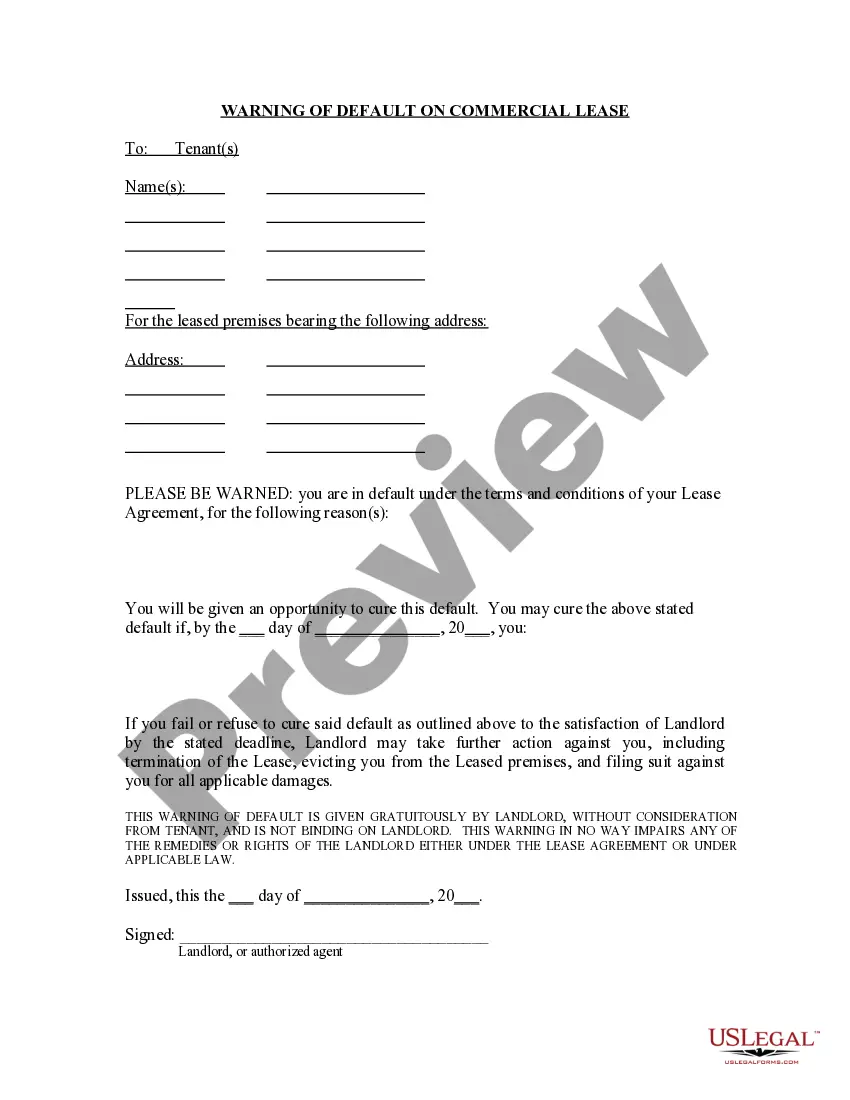
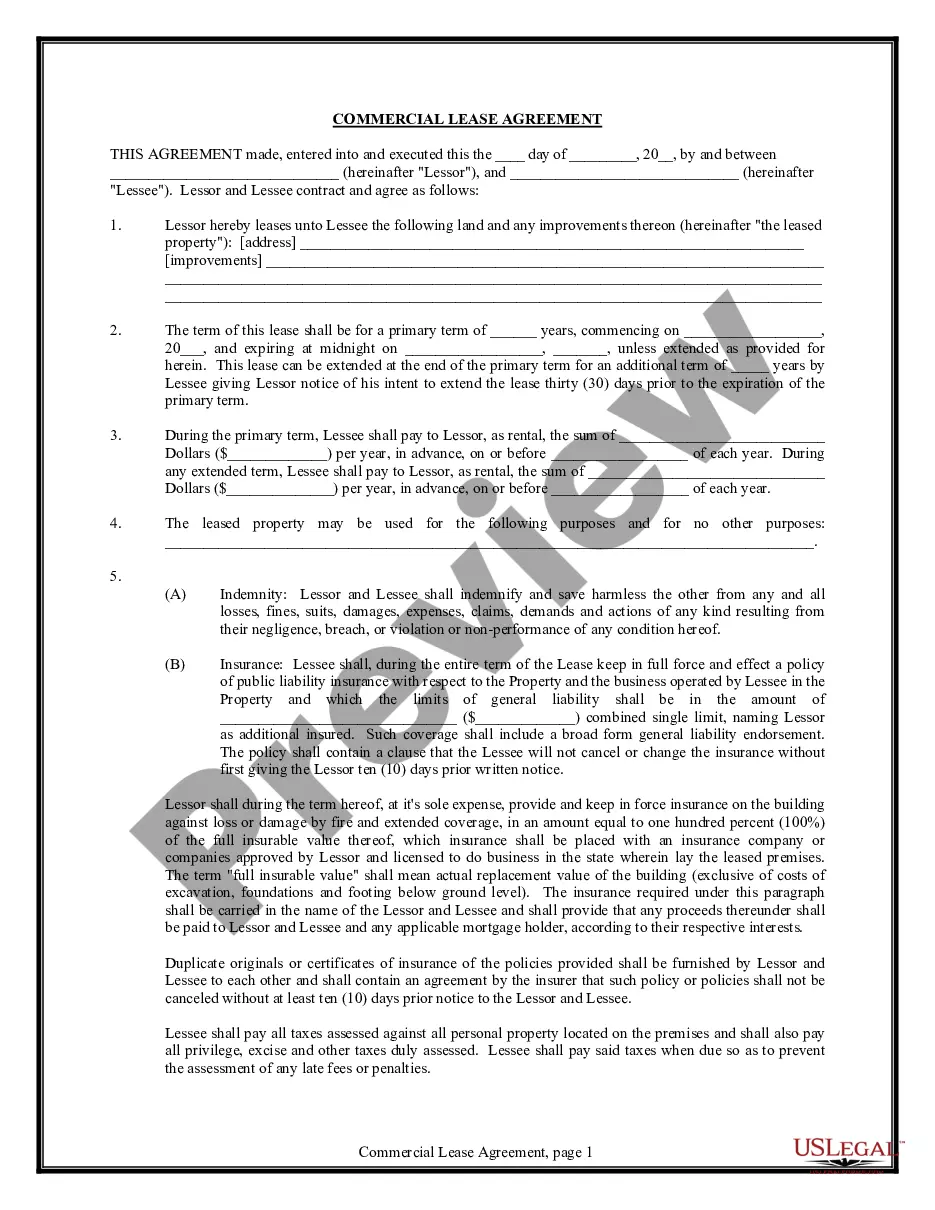
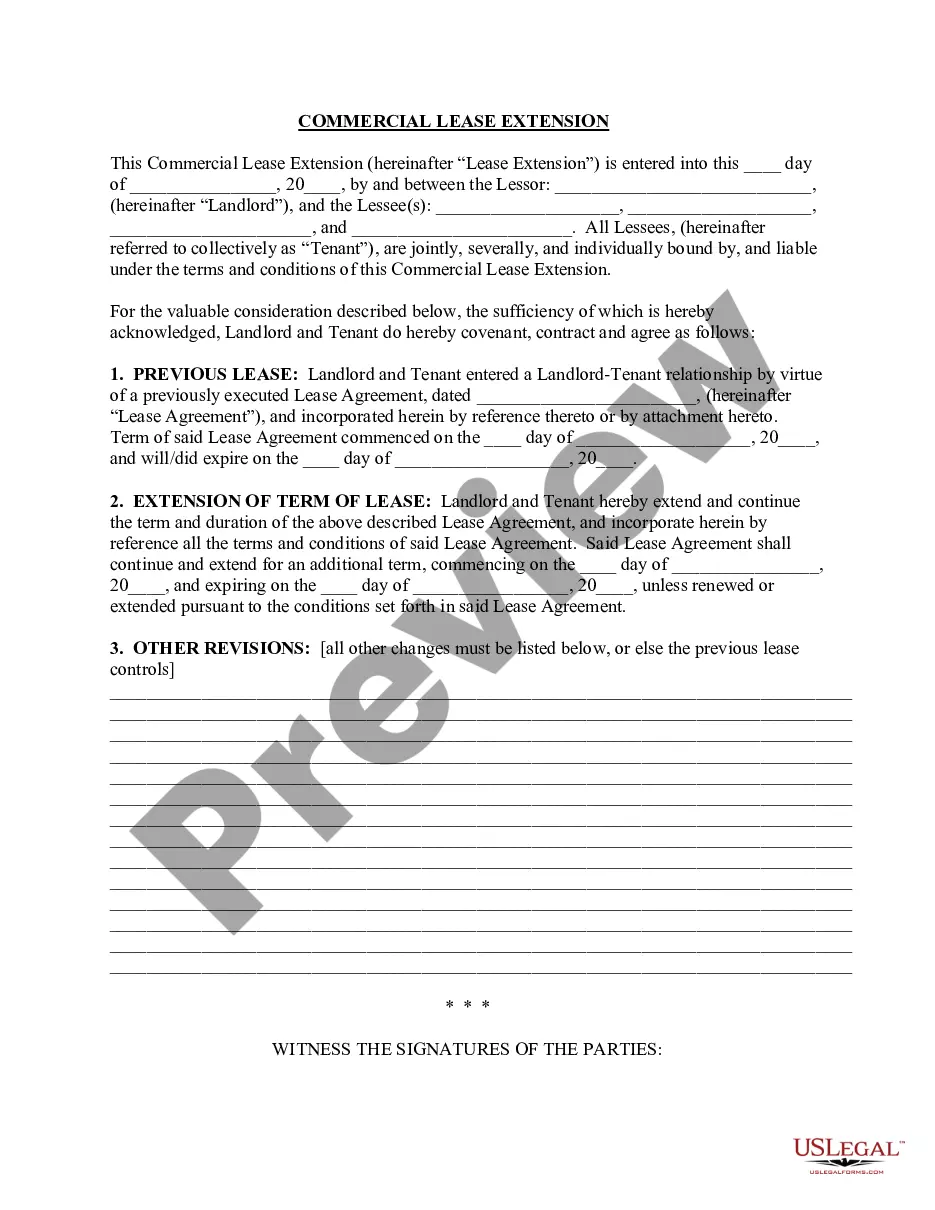
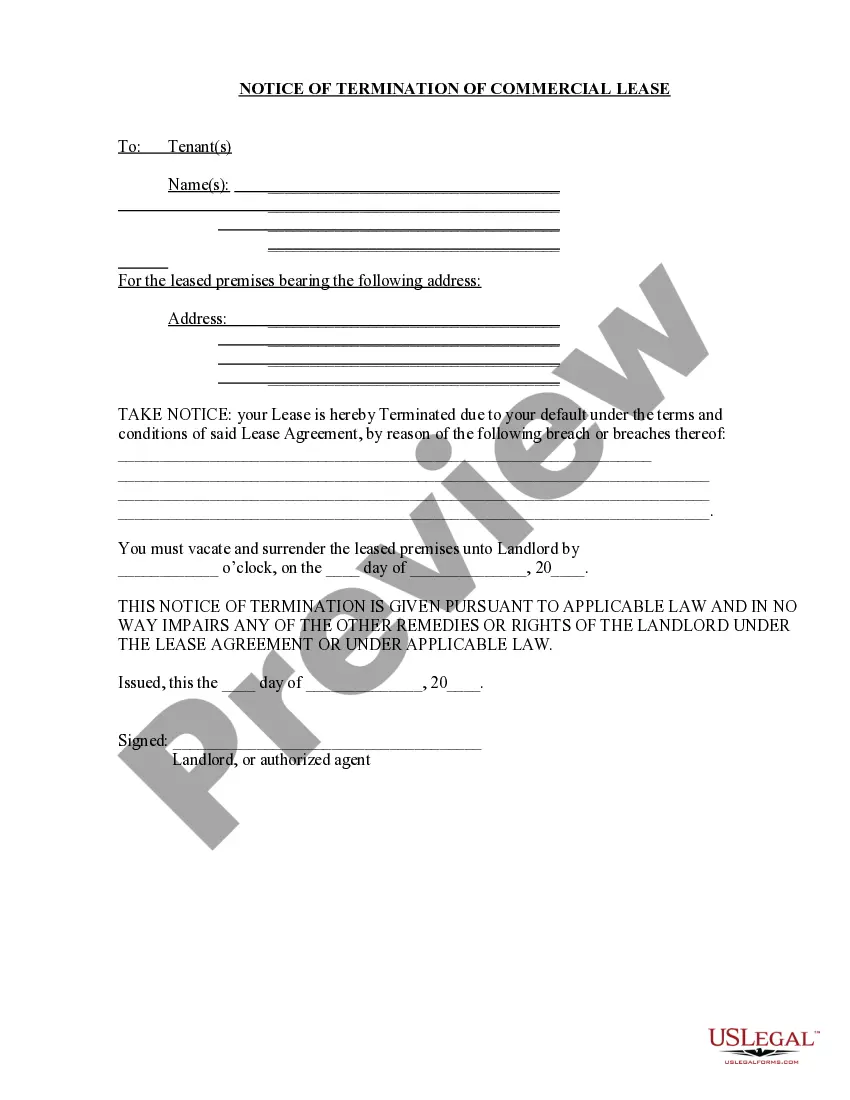
The Warning of Default on Commercial Lease is an official notice from a landlord to a tenant, highlighting concerns about the tenant's compliance with the lease agreement. This document specifically addresses situations where the tenant may fail to meet certain contractual obligations, primarily regarding timely rent payments. Unlike other landlord-tenant forms, the Warning of Default serves as a preliminary communication before any legal action, such as eviction, is pursued.
Key components of this form
- Declaration that the warning is issued without binding consideration from the tenant.
- Statement that the warning preserves the landlord's rights and remedies under the lease agreement and applicable law.
- Section for the date of issue.
- Signature line for the landlord or authorized agent.
When to use this document
This form is used when a landlord notices that a tenant is not fulfilling their obligations under a commercial lease, such as failing to pay rent on time. Before taking further legal action, the landlord typically sends this warning to notify the tenant of the default and to provide them with an opportunity to remedy the situation. This notice is often a necessary step in the eviction process, ensuring that tenants are informed of their default status.
Who needs this form
This form is ideal for:
- Commercial landlords who wish to formally notify tenants of a default on the lease.
- Property management professionals tasked with handling lease compliance issues.
- Authorized agents of landlords who need to communicate lease violations.
Instructions for completing this form
- Identify the date when the warning is issued.
- Fill in the specific day and month in the designated fields.
- Have the landlord or authorized agent sign the document.
- Keep a copy for your records and provide a copy to the tenant.
Notarization requirements for this form
This form does not typically require notarization unless specified by local law.
Get your form ready online
Our built-in tools help you complete, sign, share, and store your documents in one place.
Make edits, fill in missing information, and update formatting in US Legal Forms—just like you would in MS Word.
Download a copy, print it, send it by email, or mail it via USPS—whatever works best for your next step.
Sign and collect signatures with our SignNow integration. Send to multiple recipients, set reminders, and more. Go Premium to unlock E-Sign.
If this form requires notarization, complete it online through a secure video call—no need to meet a notary in person or wait for an appointment.
We protect your documents and personal data by following strict security and privacy standards.

Make edits, fill in missing information, and update formatting in US Legal Forms—just like you would in MS Word.

Download a copy, print it, send it by email, or mail it via USPS—whatever works best for your next step.

Sign and collect signatures with our SignNow integration. Send to multiple recipients, set reminders, and more. Go Premium to unlock E-Sign.

If this form requires notarization, complete it online through a secure video call—no need to meet a notary in person or wait for an appointment.

We protect your documents and personal data by following strict security and privacy standards.
Common mistakes
- Failing to serve the notice to the tenant in accordance with state law.
- Neglecting to clearly specify the default condition.
- Not including a date, making the notice unenforceable.
Advantages of online completion
- Instant access to a professionally drafted legal document.
- Easy to customize based on specific lease terms and tenant circumstances.
- Convenient download in multiple formats for printing and record-keeping.
Looking for another form?







Form popularity
FAQ
The default clause in a commercial lease outlines the responsibilities of the tenant and the landlord if either party fails to fulfill their obligations. It serves to protect both parties by defining what constitutes a default, such as late payments or failure to maintain the property. Understanding the District of Columbia Warning of Default on Commercial Lease is crucial for both landlords and tenants, as it allows them to navigate these potential issues efficiently. If you have concerns about your lease, consider seeking assistance from uslegalforms, which provides valuable resources.
In the District of Columbia, if a tenant remains on the property after the lease expires, they may be considered a holdover tenant. The landlord can take legal action to have them removed, but generally, tenants can stay until the landlord issues a formal eviction notice. However, the District of Columbia Warning of Default on Commercial Lease allows landlords to address non-compliance effectively, providing clarity on timelines and responsibilities. It’s always beneficial to review your lease terms and consult with a legal expert.
Breaking a commercial lease is a serious matter and typically requires valid reasons. Commonly accepted excuses include significant financial hardship, inability to operate due to unforeseen circumstances, or a change in business direction. If you are considering this step, review the terms of your lease and consult with legal advisers for guidance. The District of Columbia Warning of Default on Commercial Lease can be a starting point in understanding your obligations and options.
When you default on a business lease, the landlord may take legal action against you. Typically, a District of Columbia Warning of Default on Commercial Lease is issued, notifying you of your breach. This warning provides you with a chance to remedy the situation before further actions are taken, such as eviction. It's crucial to address the issue promptly to avoid complications in your business operations.
Default in a lease agreement refers to the failure to fulfill the obligations specified in the lease, which can include non-payment of rent or violation of terms. Understanding what constitutes default is crucial, particularly when dealing with potential consequences, such as a District of Columbia Warning of Default on Commercial Lease. Always review your lease terms carefully, and consider using platforms like USLegalForms to access templates and guidance tailored to your needs.
In general, commercial leases do not have to be recorded, but doing so can provide legal protection and notice to third parties. Recording can be particularly beneficial in the context of a District of Columbia Warning of Default on Commercial Lease. You may want to consider the implications of not recording your lease, as it could affect your rights and obligations under the lease agreement. Consulting legal resources may provide further clarity on this matter.
To void a commercial lease, you typically must provide a clear and valid reason, such as failure to meet the terms outlined in the agreement. You can initiate this process by formally notifying the other party of your intent to void the lease, often through a written document. It's advisable to consult with a legal expert to ensure you follow the correct procedure, especially in the context of a District of Columbia Warning of Default on Commercial Lease.
A notice of default on a commercial lease is a formal communication from the landlord, indicating that the tenant has failed to comply with lease terms. This notice often highlights the specific violations and may reference the District of Columbia Warning of Default on Commercial Lease. Receiving this notice is a critical moment for tenants, as it may lead to further legal action. For assistance in responding appropriately, consider using US Legal Forms to navigate the complexities of your situation.
When you default on a commercial lease, the landlord typically issues a notice of default, informing you of the breach and the need for corrective action. This notice may invoke the District of Columbia Warning of Default on Commercial Lease, serving as a legal alert. Following a default, landlords may pursue remedies such as eviction or recovery of unpaid rent. Understanding your rights and possible defenses can significantly impact the outcome, so utilize resources like US Legal Forms.
If you default on a lease, the landlord may take various actions, including issuing a notice of default, starting eviction proceedings, or seeking monetary damages. In the District of Columbia, understanding the specifics of the Warning of Default on Commercial Lease can protect your rights. It is important to communicate with your landlord and explore your options before the situation escalates. Legal resources, such as those available from US Legal Forms, can provide valuable guidance.