Connecticut Statutory Durable Power of Attorney for Health Care - Appointment of Health Care Agent and Health Care Instructions
What this document covers
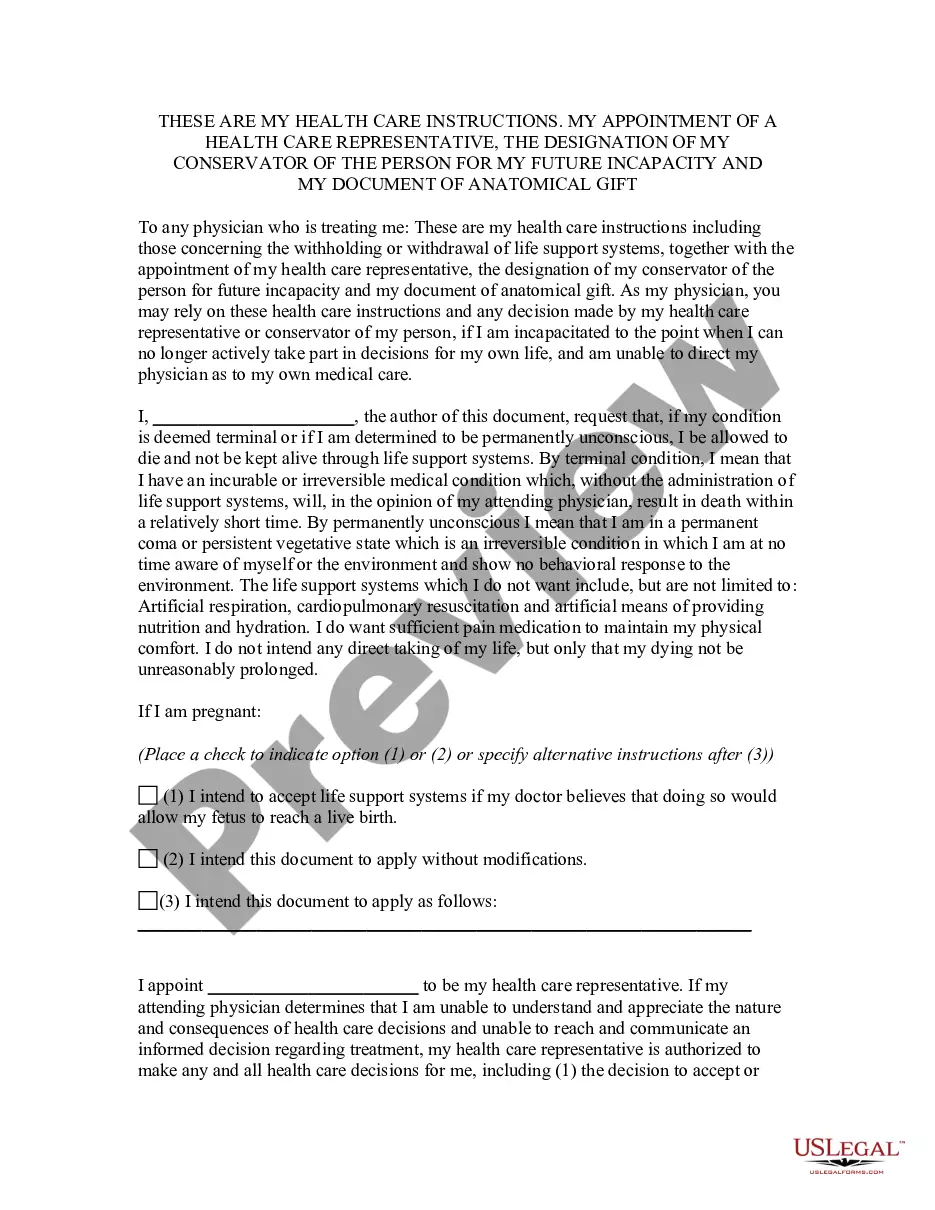
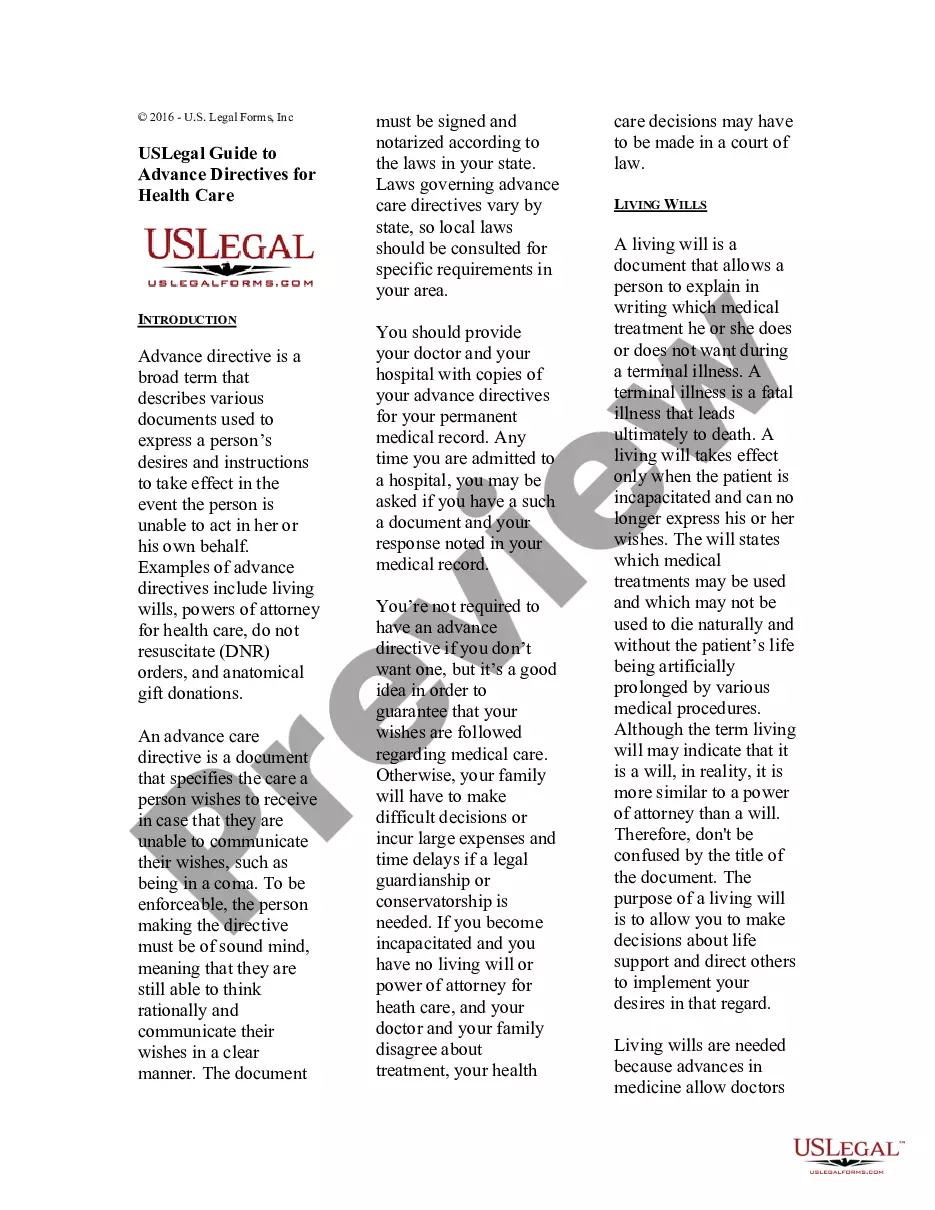
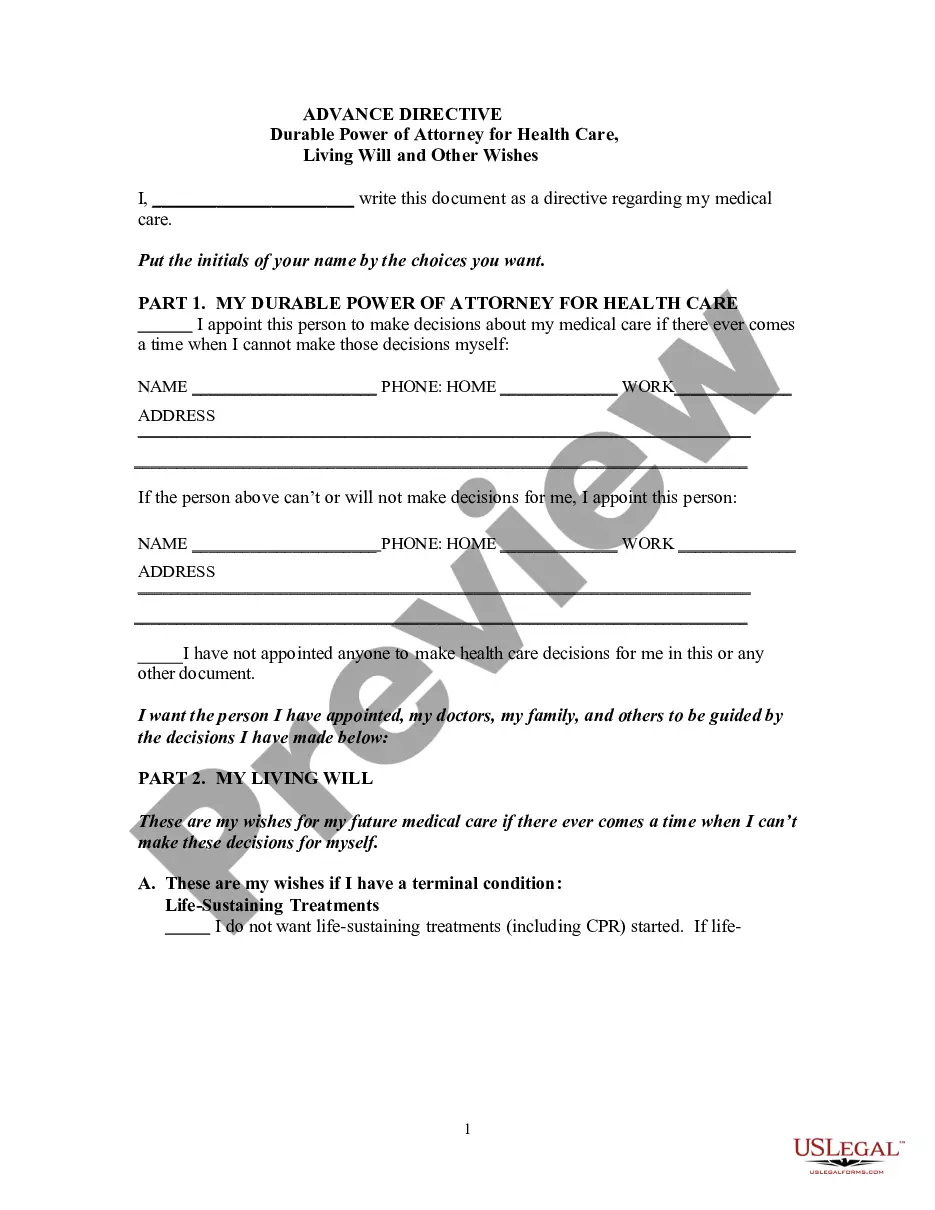
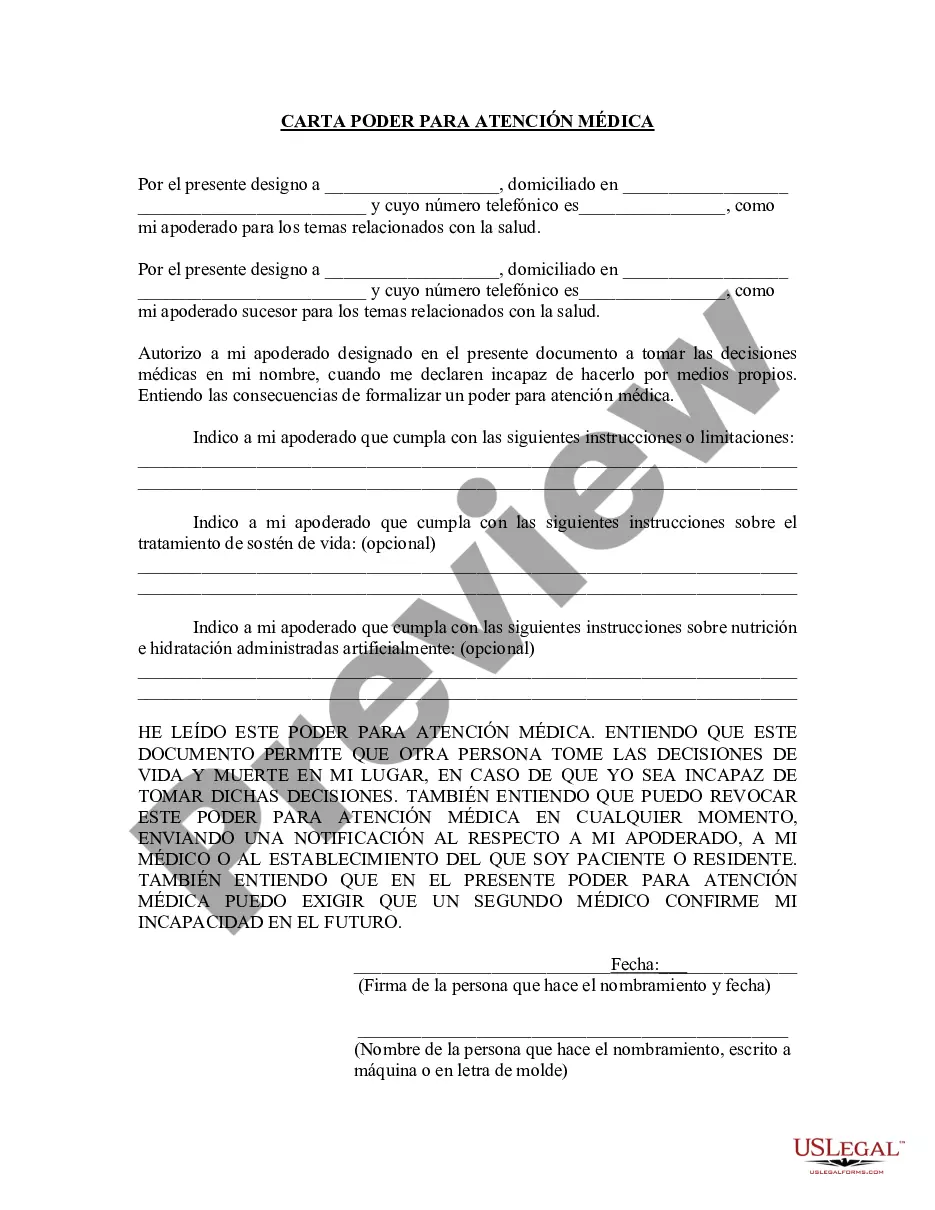
The Statutory Durable Power of Attorney for Health Care allows you to appoint a health care agent to make medical decisions on your behalf if you are unable to do so. This form includes instructions for the appointed agent and outlines your wishes concerning life support and the potential appointment of a conservator. It differs from other power of attorney forms by specifically focusing on health care decisions and end-of-life instructions.
Key components of this form
- Appointment of a health care representative to make decisions for you.
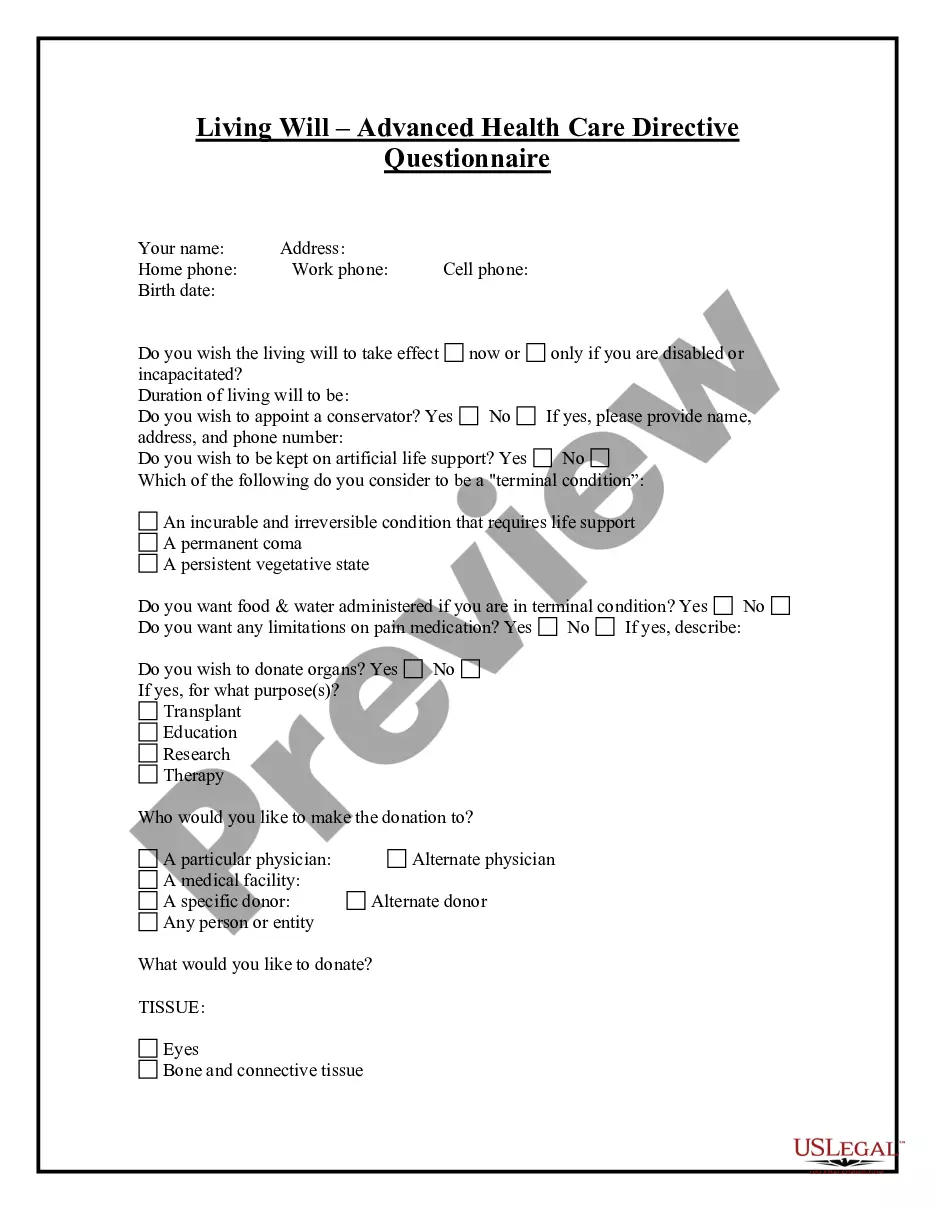
- Instructions regarding life support and medical treatment under certain conditions.
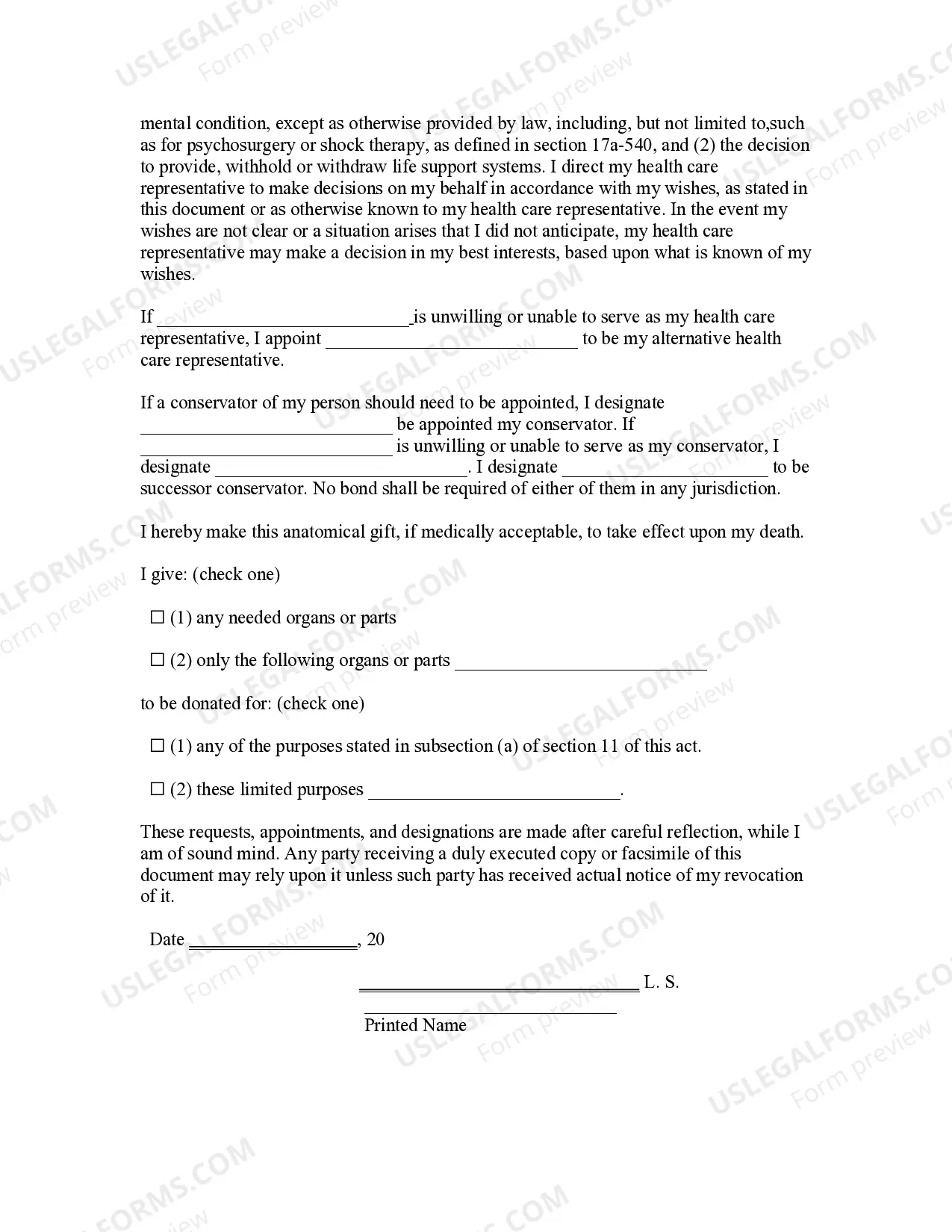
- Designation of a conservator for future incapacity.
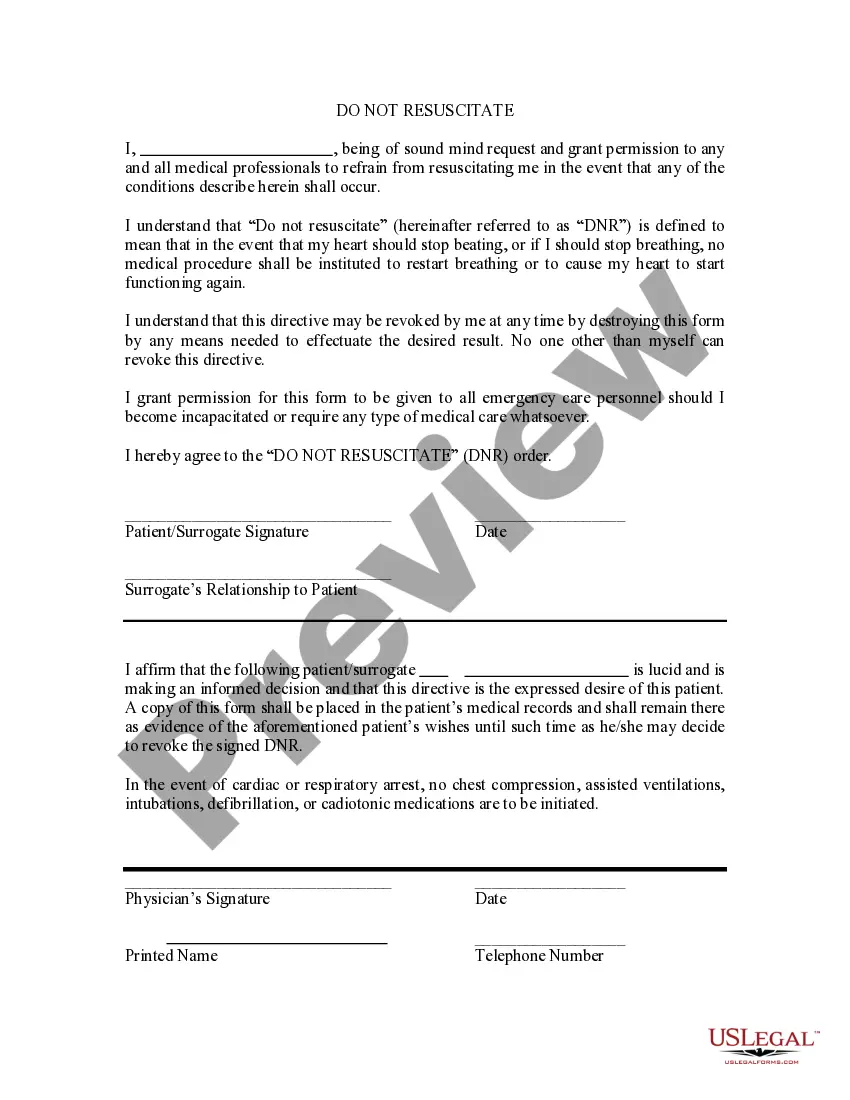
- Document of anatomical gift indicating your wishes for organ donation.
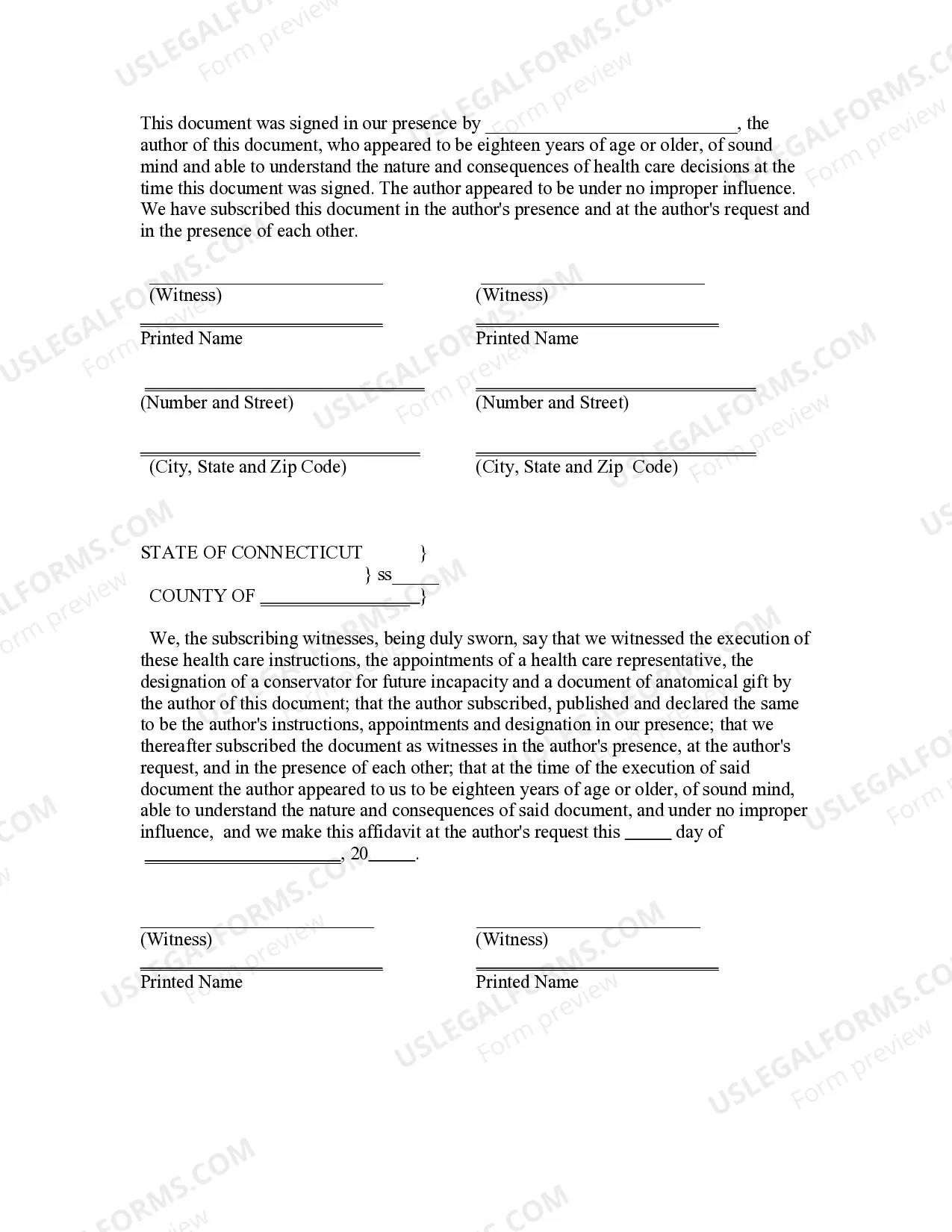
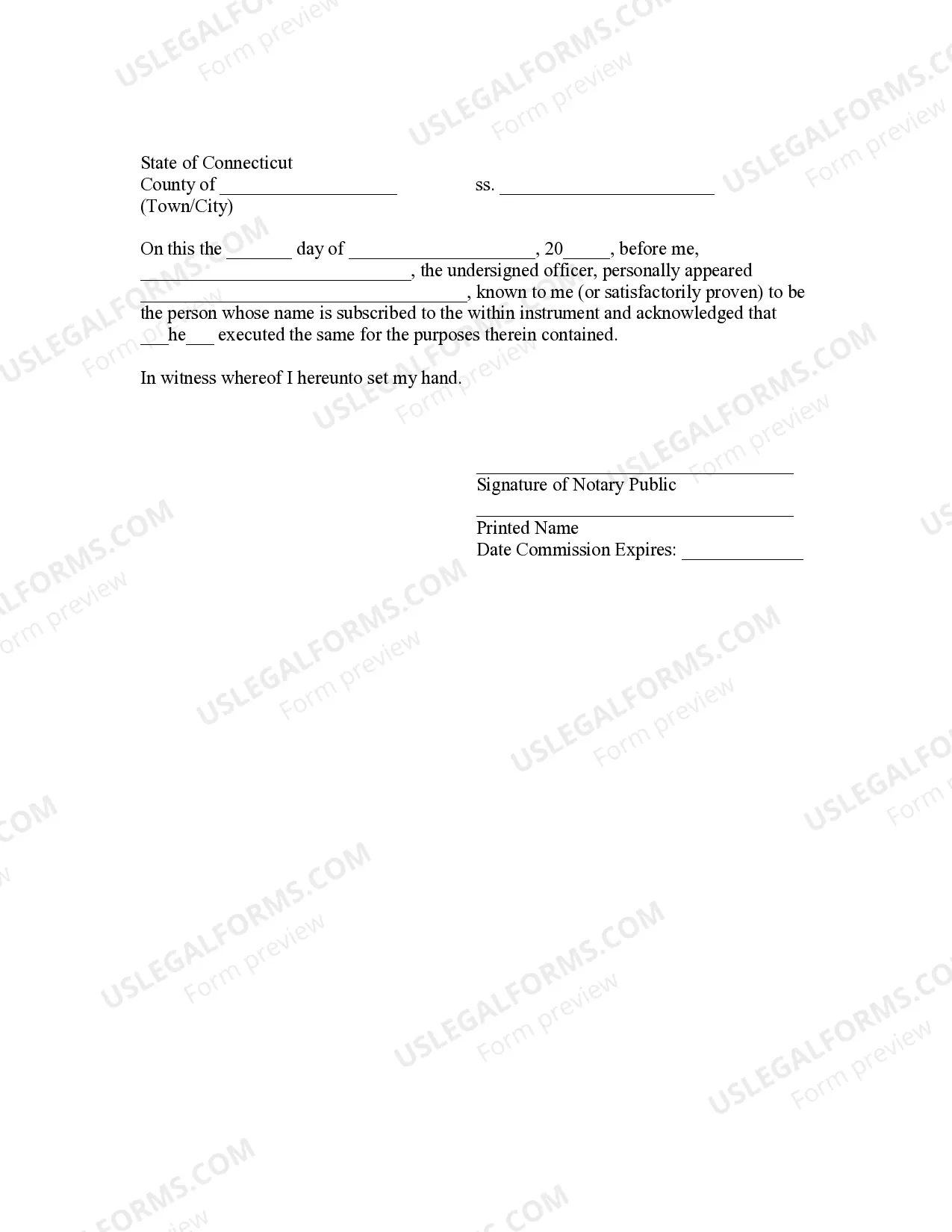
- Signature requirements for validation in front of witnesses.
Situations where this form applies
This form is essential when you want to ensure someone you trust can make health care decisions on your behalf if you become incapacitated. You should use this form if you want to express specific health care instructions, including your preferences for life support and organ donation, during medical emergencies or terminal conditions.
Intended users of this form
- Individuals aged 18 or older who wish to plan for potential future health care decisions.
- Those who want to designate someone as their health care agent.
- People looking to ensure their medical wishes are documented and respected.
- Individuals wishing to address organ donation preferences.
How to complete this form
- Identify yourself as the author of the document.
- Appoint your health care representative and provide their full name.
- Specify your instructions regarding life support and any other medical decisions.
- Designate a conservator if necessary, providing their name and contact information.
- Ensure the document is signed in the presence of witnesses, who must also sign.
Is notarization required?
This form does not typically require notarization to be legally valid. However, some jurisdictions or document types may still require it. US Legal Forms provides secure online notarization powered by Notarize, available 24/7 for added convenience.
Get your form ready online
Our built-in tools help you complete, sign, share, and store your documents in one place.
Make edits, fill in missing information, and update formatting in US Legal Forms—just like you would in MS Word.
Download a copy, print it, send it by email, or mail it via USPS—whatever works best for your next step.
Sign and collect signatures with our SignNow integration. Send to multiple recipients, set reminders, and more. Go Premium to unlock E-Sign.
If this form requires notarization, complete it online through a secure video call—no need to meet a notary in person or wait for an appointment.
We protect your documents and personal data by following strict security and privacy standards.

Make edits, fill in missing information, and update formatting in US Legal Forms—just like you would in MS Word.

Download a copy, print it, send it by email, or mail it via USPS—whatever works best for your next step.

Sign and collect signatures with our SignNow integration. Send to multiple recipients, set reminders, and more. Go Premium to unlock E-Sign.

If this form requires notarization, complete it online through a secure video call—no need to meet a notary in person or wait for an appointment.

We protect your documents and personal data by following strict security and privacy standards.
Typical mistakes to avoid
- Not clearly defining wishes about life support and medical treatment.
- Failing to appoint an alternative health care representative.
- Not having the form signed by required witnesses.
- Using outdated forms or formats that do not comply with current state laws.
Benefits of using this form online
- Convenience of downloading and completing the form at your own pace.
- Editability allows for corrections and personal customizations.
- Reliable templates drafted by licensed attorneys ensure legal compliance.
Legal use & context
- This form is legally recognized in Connecticut, allowing for the appointment of a health care agent to make decisions when you cannot.
- It is important to ensure that it complies with state regulations to maintain its enforceability.
- Conferring authority to a health care representative simplifies decision-making during critical health situations.
What to keep in mind
- The form helps you appoint a trusted individual for health care decisions if you are unable to communicate your wishes.
- It includes critical instructions regarding life support and organ donation preferences.
- This form must be completed correctly to ensure your medical wishes are honored.
Looking for another form?
Form popularity
FAQ
To file a power of attorney in Connecticut, you must complete a Connecticut Statutory Durable Power of Attorney for Health Care - Appointment of Health Care Agent and Health Care Instructions form. Start by selecting a trusted person as your health care agent and outline your specific health care instructions. Once the form is filled out, sign it in the presence of a notary public or two witnesses to ensure its validity. Finally, keep copies for yourself and provide one to your agent and health care providers, so they have access to your decisions when needed.
A health care agent is an individual appointed to make medical decisions on your behalf if you become unable to do so. In contrast, a power of attorney is a broader legal document that grants someone authority to act on your behalf in financial or legal matters. The Connecticut Statutory Durable Power of Attorney for Health Care - Appointment of Health Care Agent and Health Care Instructions specifically focuses on health care decisions, which can include treatment options and end-of-life care. Understanding this distinction is crucial for ensuring that your health care preferences are honored.
A health care power of attorney is a specific document that allows one to make health-related decisions, whereas a durable power of attorney often pertains to financial and property matters. The durable power of attorney typically remains effective even if the principal becomes incapacitated, whereas the health care power of attorney becomes crucial only in medical situations. Utilizing resources like USLegalForms can help clarify these differences and assist in drafting your documents accurately.
A general power of attorney (POA) covers a wide range of financial and legal decisions, while a health care power of attorney specifically focuses on medical decisions. The Connecticut Statutory Durable Power of Attorney for Health Care - Appointment of Health Care Agent and Health Care Instructions is tailored to ensure that your health care preferences are communicated and respected. Understanding this distinction is crucial for establishing clear lines of authority regarding your health care and finances.
To appoint a health care proxy in Connecticut, you need to fill out a statutory durable power of attorney form for health care, clearly identifying the person you want to serve as your proxy. Ensure the form is signed in front of a notary to make it legally valid. This process simplifies decision-making during critical medical situations, guiding your health care provider according to your wishes and instructions.
The main idea behind a durable power of attorney for health care is to provide a mechanism for someone you trust to make important medical decisions for you when you cannot communicate your wishes. This legal framework ensures that your health care preferences are respected, even in challenging times. Utilizing the Connecticut Statutory Durable Power of Attorney for Health Care - Appointment of Health Care Agent and Health Care Instructions lets you maintain control over your medical care.
A power of attorney for health care in Connecticut is a legal document that allows you to designate an agent to make medical decisions on your behalf if you become unable to do so. This document outlines your health care preferences and instructions, ensuring that your wishes are honored. The Connecticut Statutory Durable Power of Attorney for Health Care - Appointment of Health Care Agent and Health Care Instructions enables you to articulate specific care preferences.
Yes, in Connecticut, a statutory durable power of attorney for health care must be signed by the principal and acknowledged by a notary public. This requirement ensures the validity and authenticity of the document. By having your power of attorney notarized, you provide clear evidence of your intentions regarding your health care decisions and the appointment of a health care agent.
One disadvantage of a healthcare Power of Attorney is that it requires a high level of trust in the appointed individual, as they will make significant decisions about your health care. Additionally, if not properly drafted, it may not align with your specific wishes. Thus, using a reliable resource like USLegalForms can help ensure that your document addresses your preferences fully under the Connecticut Statutory Durable Power of Attorney for Health Care - Appointment of Health Care Agent and Health Care Instructions.
The primary difference between a Power of Attorney (POA) and a health care representative lies in their scopes. A POA can address various aspects of your life, including financial matters, while a health care representative specifically handles medical decisions. Clarifying these roles ensures you have properly set up your Connecticut Statutory Durable Power of Attorney for Health Care - Appointment of Health Care Agent and Health Care Instructions.