Connecticut Warranty Deed from Husband to Himself and Wife
What is this form?
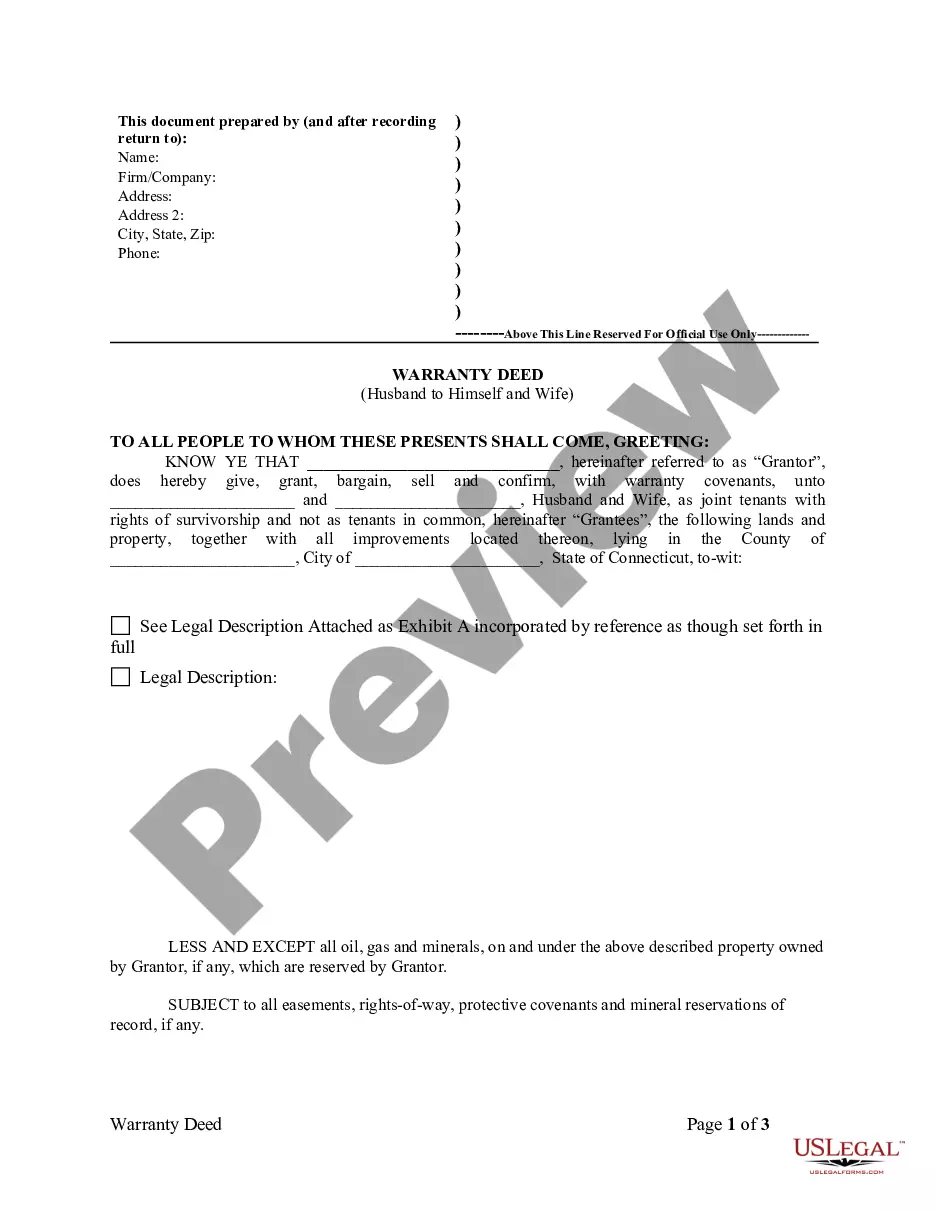
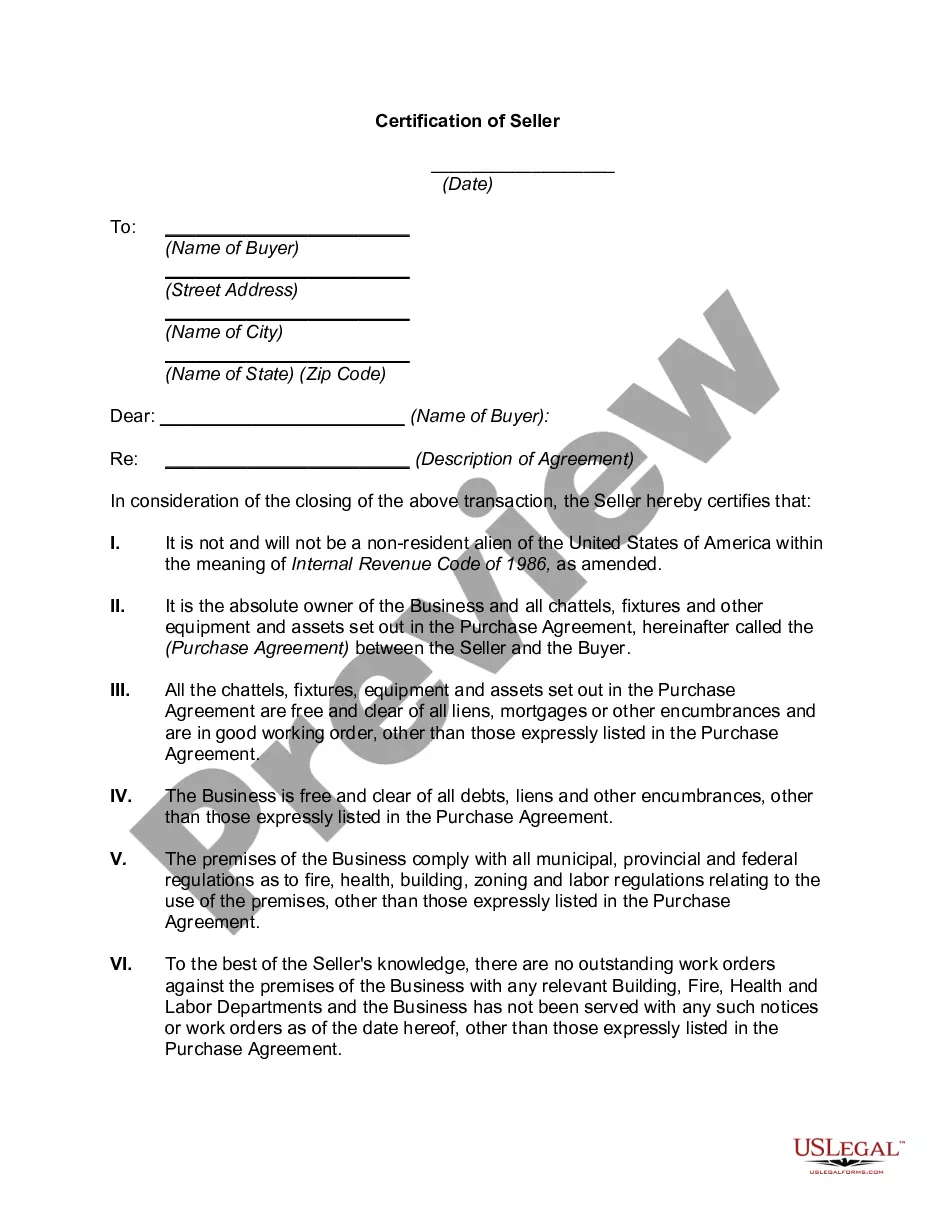
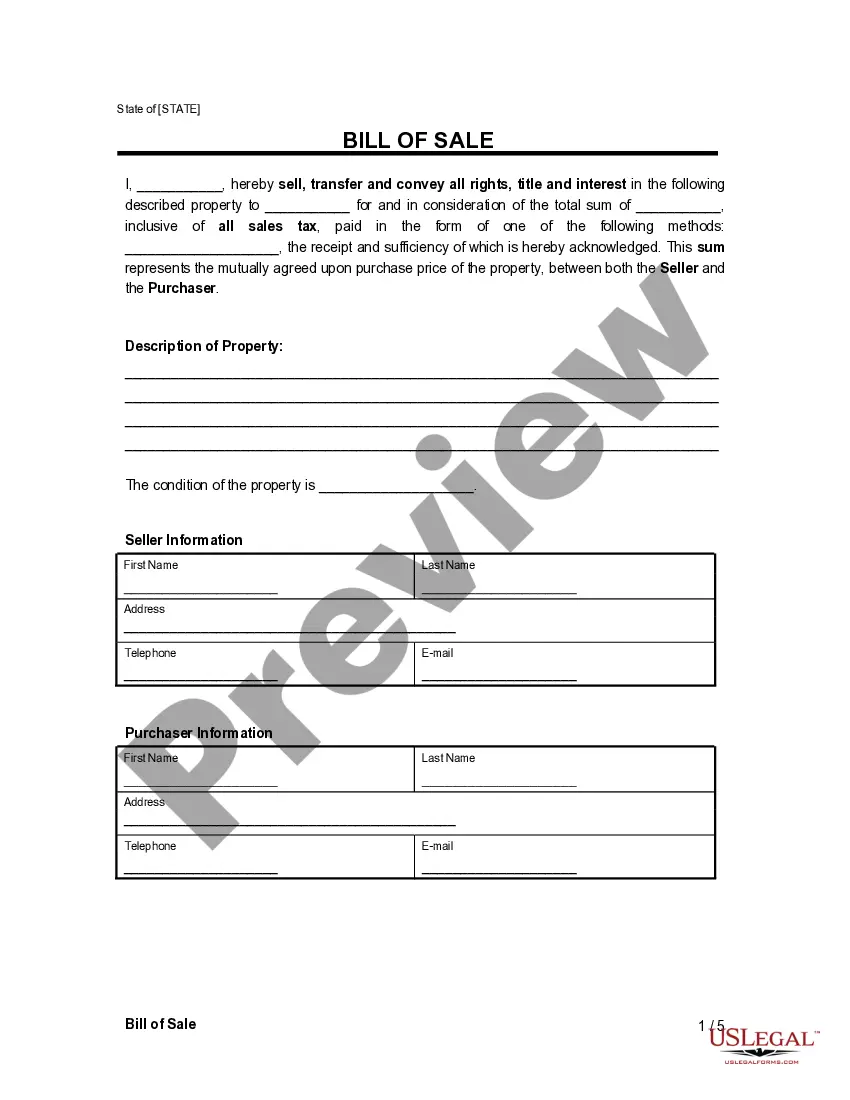
The Warranty Deed from Husband to Himself and Wife is a legal document that transfers property ownership from the husband, as grantor, to himself and his wife as grantees. This form ensures that both spouses hold the property as joint tenants with rights of survivorship. It is essential for couples wanting to secure their shared ownership while protecting their interests in real estate. This deed, unlike other types of property deeds, includes specific provisions about mineral rights and encumbrances.
Form components explained
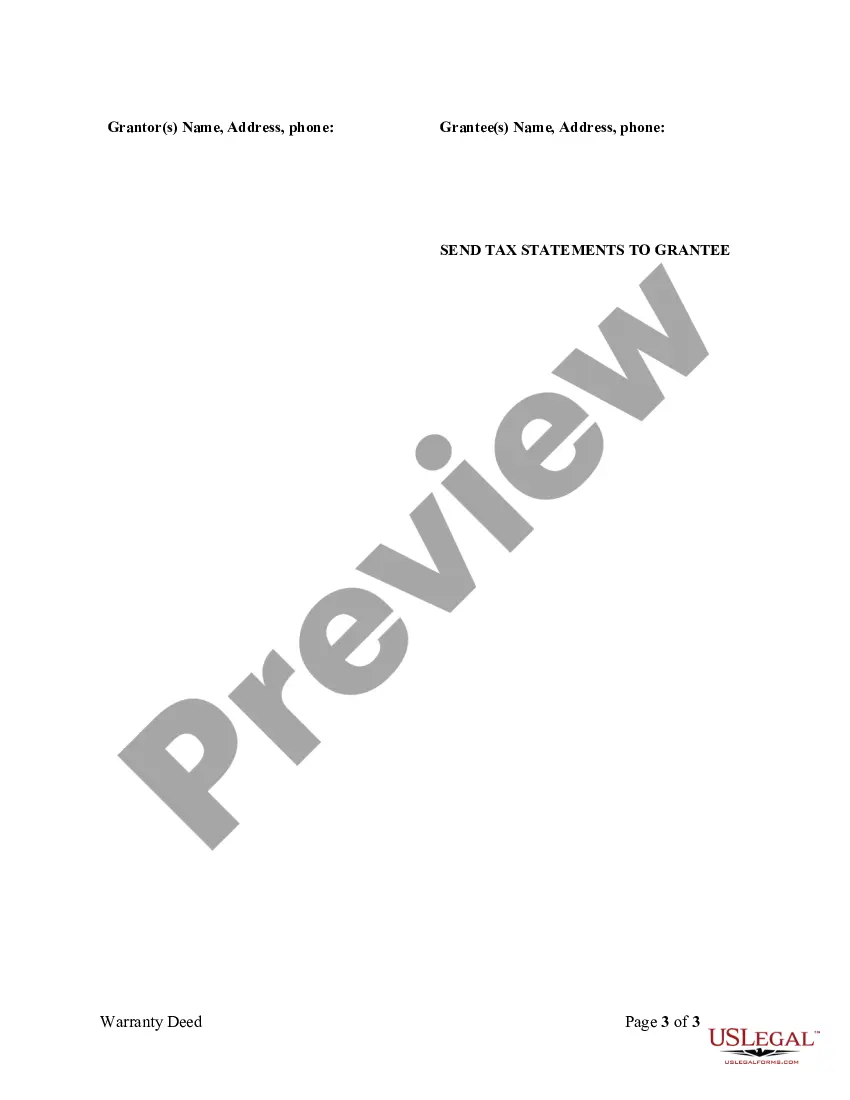
- Grantor and grantee information: Includes details of the husband as grantor and both spouses as grantees.
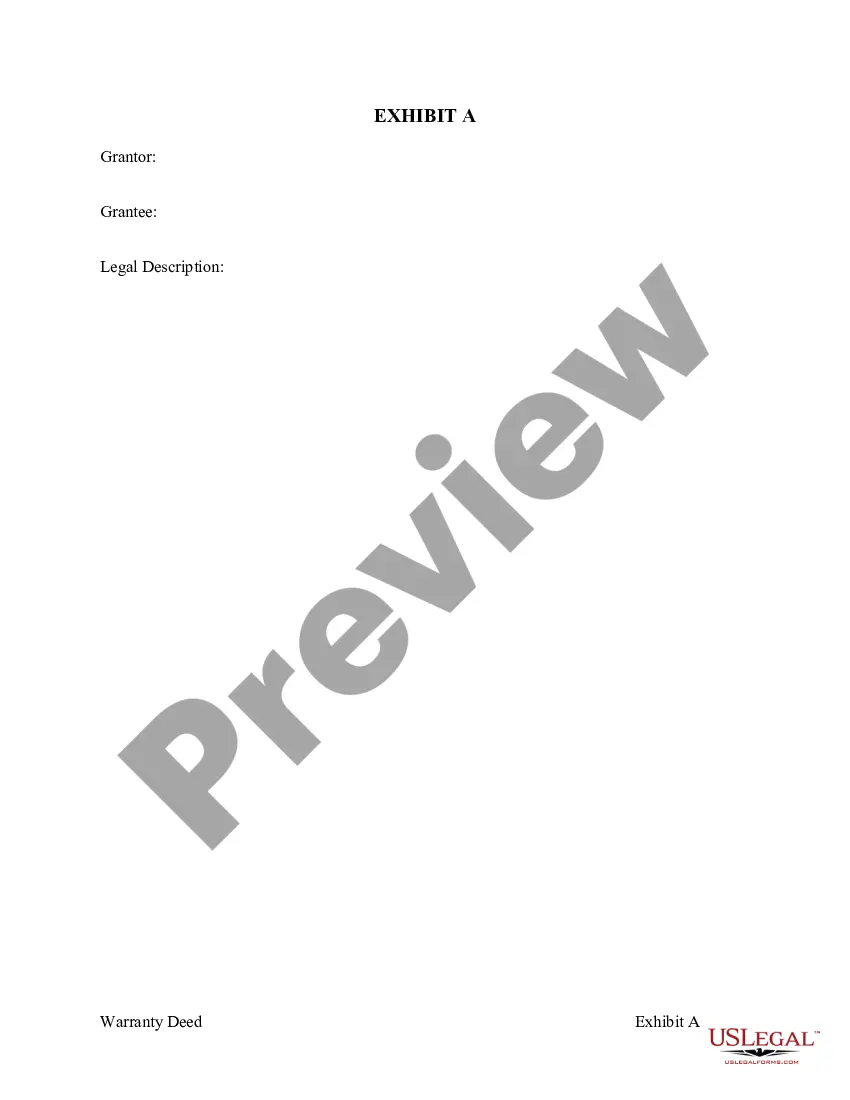
- Property description: A clear description of the property being conveyed.
- Encumbrances and reservations: Specifies any easements, rights-of-way, and mineral rights that are reserved.
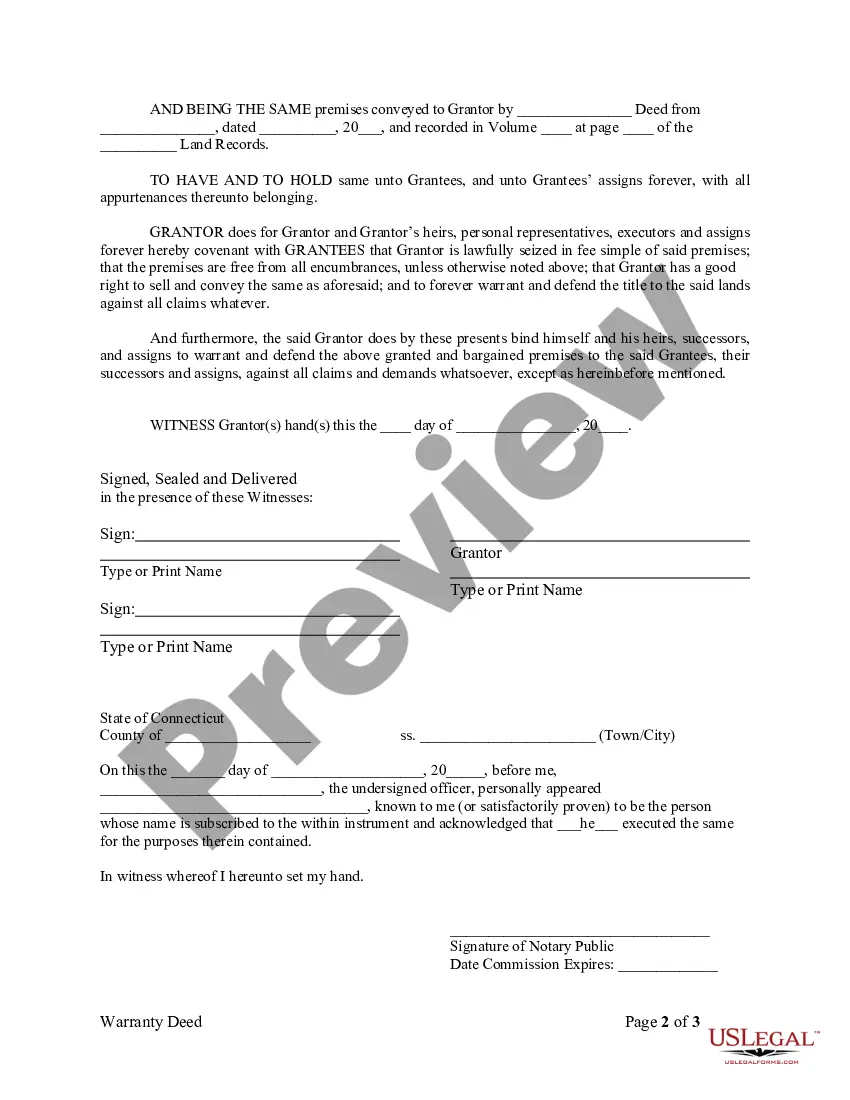
- Warranties: Legal assurances about the grantor's ownership and the absence of encumbrances.
- Execution and acknowledgment: Requires signatures and notary acknowledgment to validate the deed.



Common use cases
This form is used when a married couple wishes to clarify their joint ownership of a property, particularly if the husband previously owned the property alone. It is often employed during marriage, after the purchase of a home, or when transferring property as part of estate planning to ensure rights of survivorship are established. The use of this form can also prevent complications in case of one spouse's death, ensuring that the surviving spouse retains full ownership of the property.
Who this form is for
- Husbands and wives who jointly own a property or wish to add a spouse to an existing property title.
- Individuals looking to clarify property ownership for estate planning or survivor rights.
- Couples who want to ensure their property title reflects joint ownership as tenants with rights of survivorship.
Completing this form step by step
- Identify the parties: Enter the name of the husband as grantor and both husband and wife as grantees.
- Specify the property: Clearly describe the property being transferred, including any relevant details.
- Detail easements and rights: List any easements, rights-of-way, or mineral rights reserved by the grantor.
- Enter dates and signatures: Complete the date and collect signatures from the grantor and grantees.
- Notarization: Ensure the document is acknowledged by a notary public, as required.
Is notarization required?
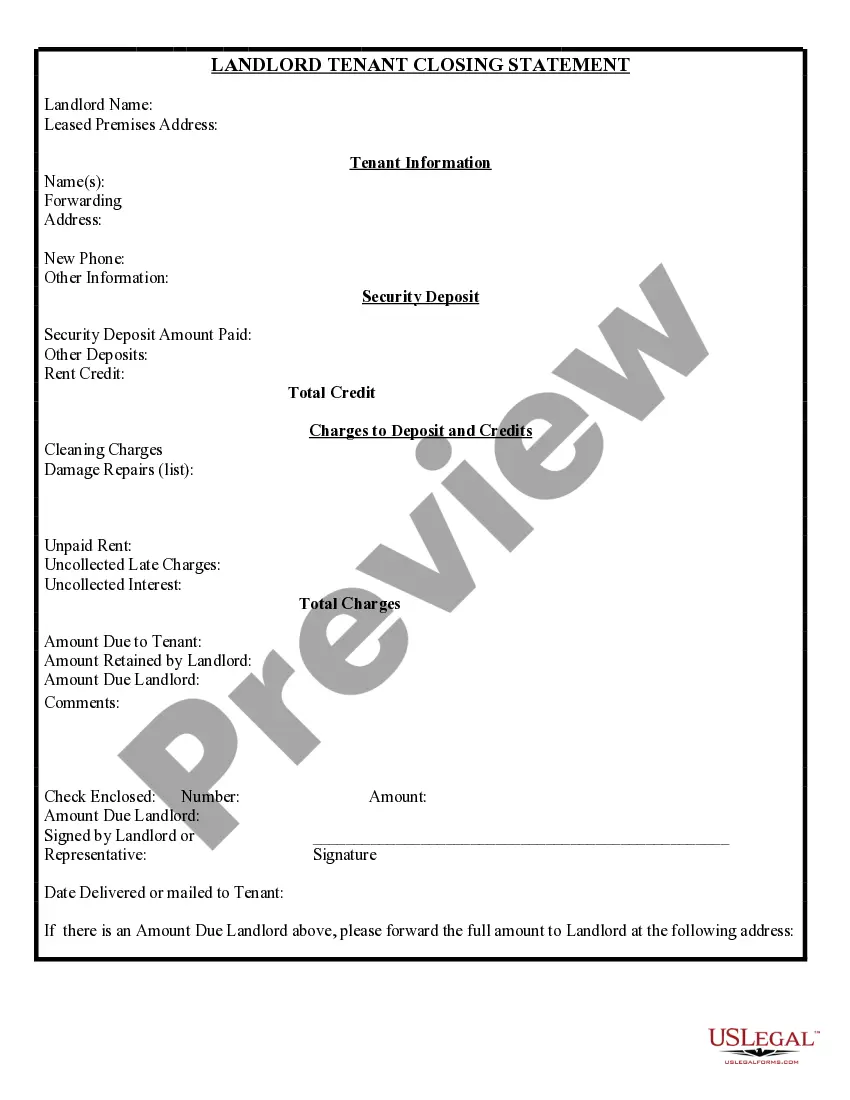
Yes, this form must be notarized to be legally valid. US Legal Forms offers integrated online notarization, allowing you to complete your document securely via video call, 24/7, without the need for travel.
Get your form ready online
Our built-in tools help you complete, sign, share, and store your documents in one place.
Make edits, fill in missing information, and update formatting in US Legal Forms—just like you would in MS Word.
Download a copy, print it, send it by email, or mail it via USPS—whatever works best for your next step.
Sign and collect signatures with our SignNow integration. Send to multiple recipients, set reminders, and more. Go Premium to unlock E-Sign.
If this form requires notarization, complete it online through a secure video call—no need to meet a notary in person or wait for an appointment.
We protect your documents and personal data by following strict security and privacy standards.

Make edits, fill in missing information, and update formatting in US Legal Forms—just like you would in MS Word.

Download a copy, print it, send it by email, or mail it via USPS—whatever works best for your next step.

Sign and collect signatures with our SignNow integration. Send to multiple recipients, set reminders, and more. Go Premium to unlock E-Sign.

If this form requires notarization, complete it online through a secure video call—no need to meet a notary in person or wait for an appointment.

We protect your documents and personal data by following strict security and privacy standards.
Common mistakes
- Failing to include a full property description, which can lead to disputes in the future.
- Not listing any encumbrances, which can create legal complications later on.
- Omitting the notary's acknowledgment, which is necessary for the deed to be legally valid.
Why complete this form online
- Convenience: Download and complete the form at your own pace from the comfort of your home.
- Editability: Easily customize the form to fit your specific needs and circumstances.
- Reliability: Developed by licensed attorneys to ensure compliance with legal standards.
Main things to remember
- The Warranty Deed from Husband to Himself and Wife establishes joint ownership of property.
- This form provides warranties regarding the title's legitimacy.
- Proper completion and notarization are essential for legal validity.
Looking for another form?



Form popularity
FAQ
Yes, you can add a name to a warranty deed by drafting a new Connecticut Warranty Deed from Husband to Himself and Wife. This process ensures that both parties' names appear on the title, providing legal protection for both owners. Make sure to follow the proper procedures for executing and filing the deed to confirm its validity. Utilizing services from uslegalforms can simplify this task, guiding you through each step.
A quit claim deed between husband and wife is a legal instrument that transfers interest in property without guaranteeing the title's validity. This deed is useful when one spouse wishes to give their interest in the property to the other. It allows for a clear and simple transfer, often used in divorce settlements or property ownership changes. It is an essential step if you want to ensure both partners are equally represented in ownership.
To add your spouse to the deed without refinancing, you can execute a Connecticut Warranty Deed from Husband to Himself and Wife. This legal document transfers ownership and ensures both of you are on the title. It simplifies the process by avoiding the need for a mortgage adjustment, while also protecting both parties' interests. Ensure you follow local filing requirements to complete the process.
Yes, warranty deeds are transferable documents. A Connecticut Warranty Deed from Husband to Himself and Wife serves as proof of ownership and can be conveyed to another party through a sale or gift. The new owner must ensure that the deed is executed properly to uphold the legal transfer. Utilize resources such as uslegalforms to facilitate a smooth transaction.
Yes, a warranty deed can be transferred just like any other deed. When initiating a property transfer, a Connecticut Warranty Deed from Husband to Himself and Wife effectively outlines the new ownership. Make sure that the deed accurately reflects the arrangement and is recorded with the appropriate office. This helps prevent future disputes over property rights.
The best way to transfer property to a family member is through a warranty deed. A Connecticut Warranty Deed from Husband to Himself and Wife can clearly outline the terms of the transfer. You want the deed to indicate the recipient’s full name and ensure it’s filed properly. Using a platform like uslegalforms can streamline this process, helping you avoid mistakes.
Yes, two people can be on a warranty deed. In fact, a Connecticut Warranty Deed from Husband to Himself and Wife explicitly allows for joint ownership. This arrangement can simplify the transfer of property rights and clarify ownership. Ensure both parties agree to the terms of the deed for a smooth process.
Yes, a warranty deed indicates that you have ownership of the property and the right to transfer it. When you execute a Connecticut Warranty Deed from Husband to Himself and Wife, you guarantee that you hold clear title to the property. This deed also protects against any claims from third parties. It's a powerful document in proving ownership.
No, your husband does not have to be on the deed to your house. If you own the property outright, you can decide how to handle the deed. However, if you want to transfer ownership or include him, a Connecticut Warranty Deed from Husband to Himself and Wife can be an effective solution. Review your options carefully to ensure clarity in ownership.
To add your wife to your warranty deed, you would create a new Connecticut Warranty Deed from Husband to Himself and Wife. This deed should clearly name both parties and reflect your intent to share ownership. It's advisable to file this new deed with your local land records office to ensure legal recognition. Consider online resources like uslegalforms for guidance.