Connecticut Quitclaim Deed from Corporation to LLC
Understanding this form
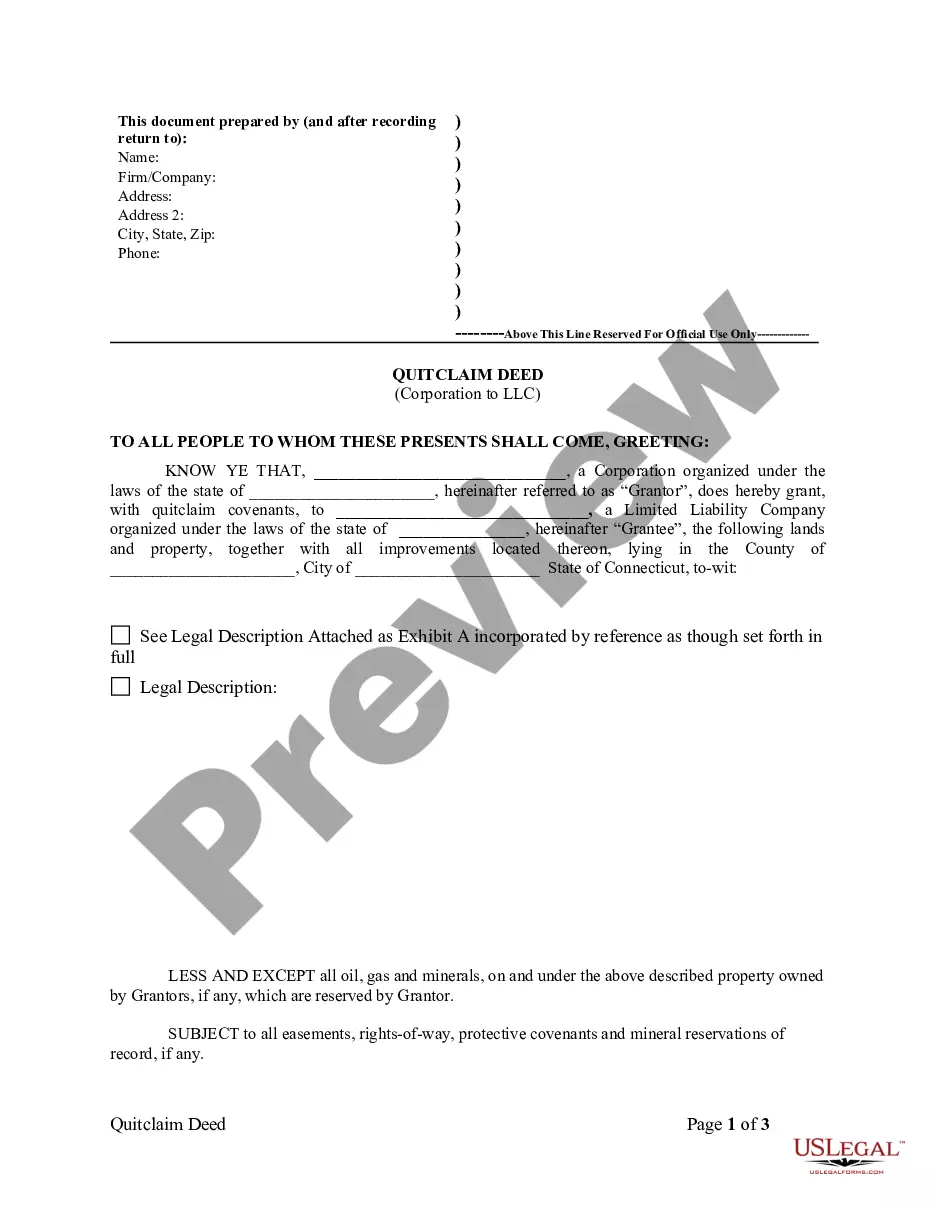
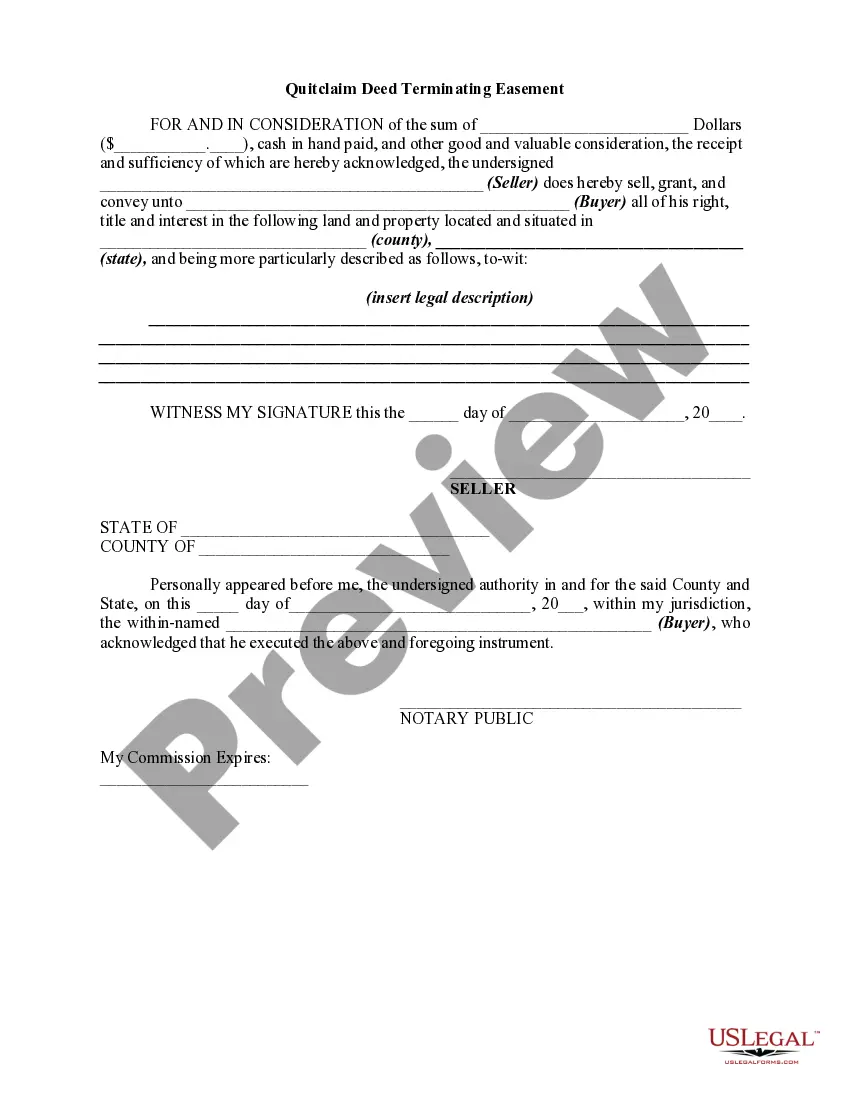
The Quitclaim Deed from Corporation to LLC is a legal document that enables a corporation (the Grantor) to transfer ownership of real estate to a limited liability company (LLC) (the Grantee). Unlike other types of deeds, a quitclaim deed does not guarantee that the Grantor holds a valid title to the property. It is primarily used when the Grantor wants to relinquish any claim to the property without making any warranties. This form is essential when corporations transfer properties to their affiliated LLCs for operational or financial purposes.
Key components of this form
- Grantor and Grantee identification: Names and details of the corporation and LLC involved.
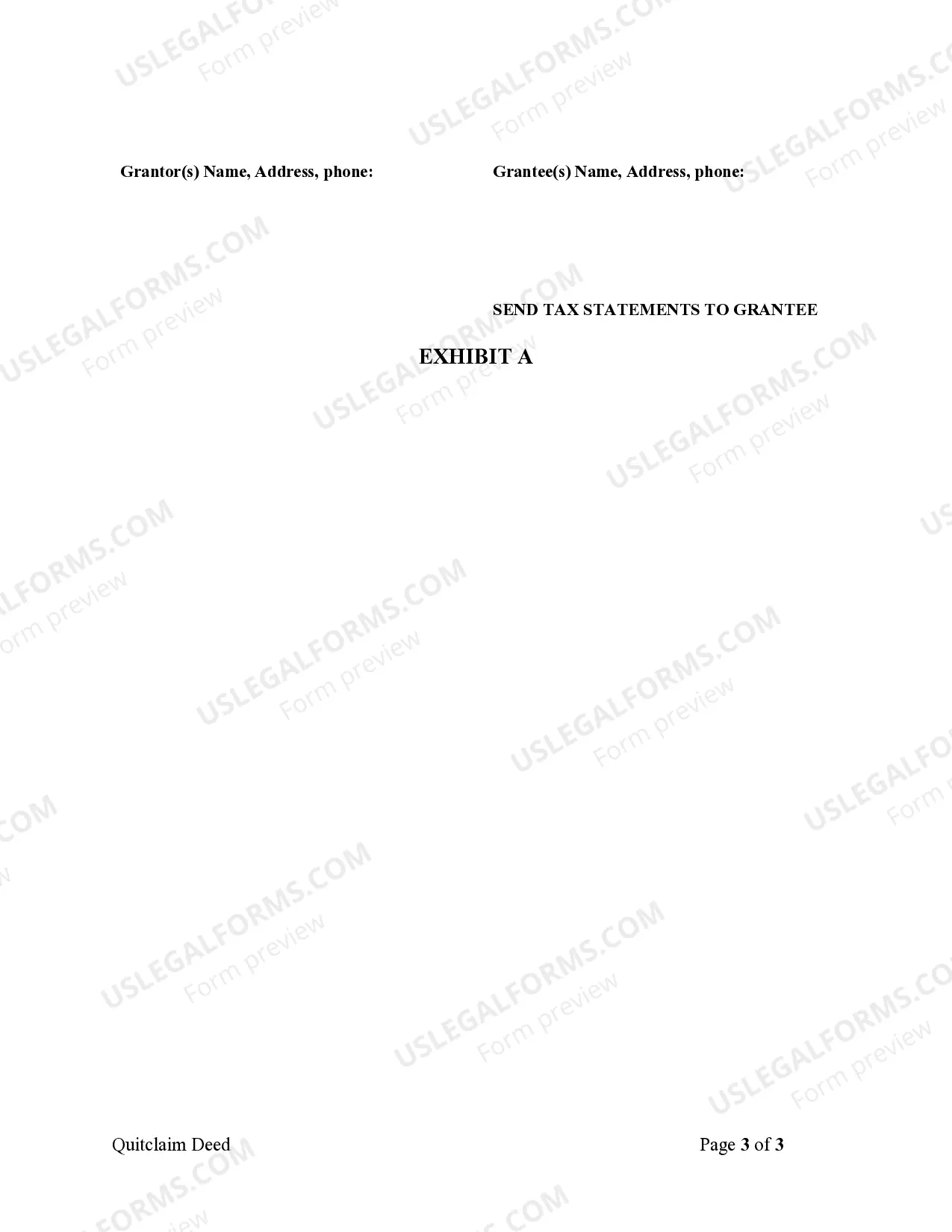
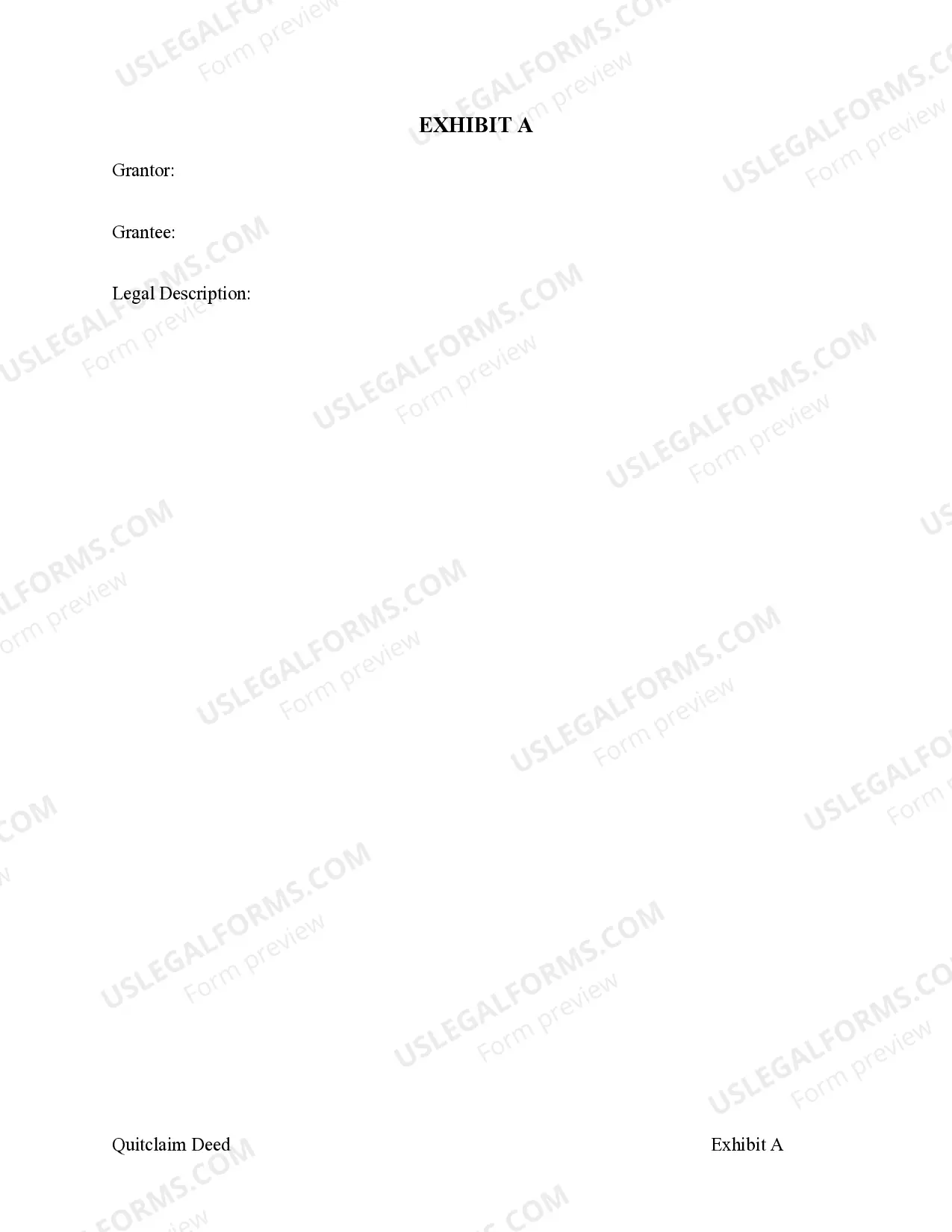
- Description of the property: Detailed legal description of the real estate being conveyed.
- Reserved rights: Statement regarding the reservation of any oil, gas, and mineral rights associated with the property.
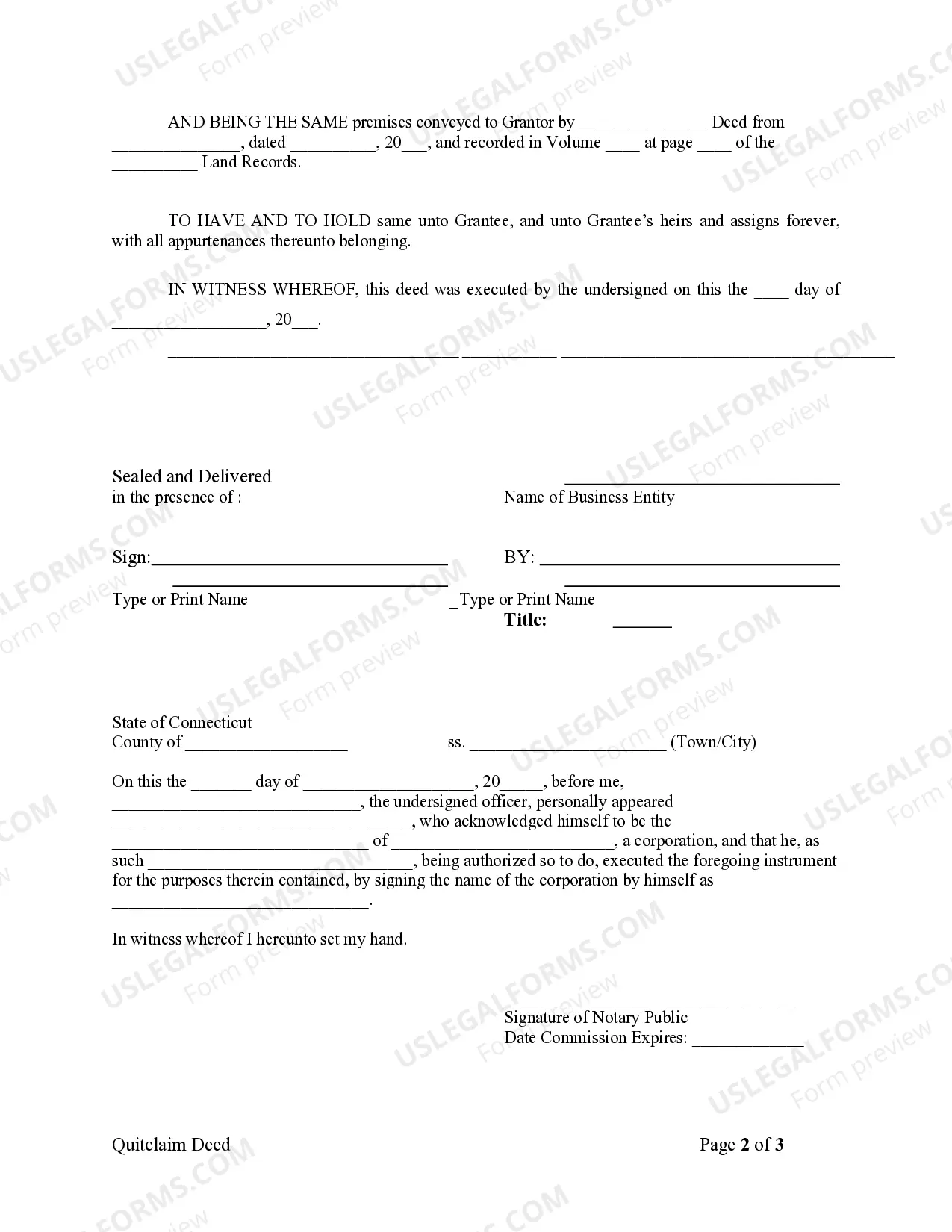
- Execution details: Date of execution and signatures of authorized representatives from both the corporation and the LLC.
- Record-keeping information: Reference to the previous deed through which the Grantor acquired the property.

Situations where this form applies
This form is typically used when a corporation wishes to transfer its interest in a property to its affiliated LLC without offering any guarantees related to the title. Common scenarios include reorganization of business entities, transferring property for liability protection, or simplifying asset management within a corporate structure.
Who this form is for
- Corporations looking to transfer property ownership to their affiliated LLCs.
- Business owners managing assets through different legal entities.
- Legal professionals assisting clients with property transactions involving corporations and LLCs.
Steps to complete this form
- Identify the Grantor (the corporation) and the Grantee (the LLC) by providing their full legal names.
- Describe the property being transferred, ensuring to include a precise legal description.
- Reserve any mineral rights by clearly stating which rights are excluded from the conveyance.
- Enter the date of execution and have authorized representatives from both entities sign the document.
- Make a note of the prior deed reference, including recording details from the original transaction.
Notarization requirements for this form
To make this form legally binding, it must be notarized. Our online notarization service, powered by Notarize, lets you verify and sign documents remotely through an encrypted video session.
Get your form ready online
Our built-in tools help you complete, sign, share, and store your documents in one place.
Make edits, fill in missing information, and update formatting in US Legal Forms—just like you would in MS Word.
Download a copy, print it, send it by email, or mail it via USPS—whatever works best for your next step.
Sign and collect signatures with our SignNow integration. Send to multiple recipients, set reminders, and more. Go Premium to unlock E-Sign.
If this form requires notarization, complete it online through a secure video call—no need to meet a notary in person or wait for an appointment.
We protect your documents and personal data by following strict security and privacy standards.

Make edits, fill in missing information, and update formatting in US Legal Forms—just like you would in MS Word.

Download a copy, print it, send it by email, or mail it via USPS—whatever works best for your next step.

Sign and collect signatures with our SignNow integration. Send to multiple recipients, set reminders, and more. Go Premium to unlock E-Sign.

If this form requires notarization, complete it online through a secure video call—no need to meet a notary in person or wait for an appointment.

We protect your documents and personal data by following strict security and privacy standards.
Typical mistakes to avoid
- Forgetting to include a complete legal description of the property.
- Not reserving necessary mineral rights, which can lead to future disputes.
- Failing to have authorized individuals sign the deed, rendering it invalid.
- Neglecting to record the deed with the local land records office, which might complicate future ownership claims.
Benefits of completing this form online
- Convenience: Downloadable and easy to fill out, allowing for quick completion.
- Editability: Customize the form to meet specific needs without the hassle of legal jargon.
- Reliability: Developed by licensed attorneys to ensure compliance with legal standards.
Looking for another form?

Form popularity
FAQ
The process for a quitclaim deed in Connecticut involves several key steps. Start by completing the quitclaim deed form, ensuring you have the correct details of both the corporation and the LLC. Next, the authorized representative must sign the document, and it should be notarized. Once signed, file the Connecticut Quitclaim Deed from Corporation to LLC with the local town clerk to officially record the transfer of ownership.
Filling out a quitclaim deed form is a straightforward process. First, gather the required information, including the names of the grantor and grantee, as well as the property details. When dealing with a Connecticut Quitclaim Deed from Corporation to LLC, include the corporation's name in the grantor section and the LLC's name in the grantee section. Make sure all information is accurate and complete before submitting the form.
Yes, when a corporation transfers property ownership using a Connecticut Quitclaim Deed from Corporation to LLC, the deed must be signed by an authorized representative. This signature legally binds the corporation to the transfer. It is crucial to ensure that the deed is executed correctly to avoid any future disputes. Properly signing the deed also helps in smoothening the transition of the property title.
Individuals often place property into an LLC to protect personal assets from liability associated with the property. This structure also allows for easier management and transfer of ownership through a Connecticut Quitclaim Deed from Corporation to LLC. Additionally, LLCs can provide tax flexibility and potential benefits when it comes to property sales. Overall, this setup is a strategic move for many property owners.
One notable disadvantage of placing a property in an LLC is the costs associated with formation and filing. Additionally, there may be limitations on mortgage options, as lenders can view LLCs as higher-risk borrowers. Despite these concerns, using a Connecticut Quitclaim Deed from Corporation to LLC can help mitigate personal liability, making it a worthwhile consideration in many situations.
Transferring a deed to an LLC involves a few straightforward steps. First, create a Connecticut Quitclaim Deed from Corporation to LLC that specifies the property details and parties. Then, execute the document in front of a notary and submit it to the appropriate local government office for recording. Ensuring proper documentation is vital for a smooth transition.
To transfer a deed to an LLC, you typically need to complete a quitclaim deed form, ensuring that it accurately identifies the property and the parties involved. After drafting the Connecticut Quitclaim Deed from Corporation to LLC, you must sign it in front of a notary public. Finally, file the deed with your local land records office to formalize the transfer.
Transferring property to an LLC can have significant tax implications. In California, the transfer may trigger reassessment of the property tax, leading to higher property taxes. However, using a Connecticut Quitclaim Deed from Corporation to LLC may provide certain advantages, such as potential tax deductions upon sale. Always consult a tax professional to understand how this will affect your financial situation.
Quitclaim deeds, such as the Connecticut quitclaim deed from corporation to LLC, are often viewed skeptically due to their lack of guarantees. Unlike warranty deeds, quitclaims do not assure that the property title is clear, leaving grantees potentially vulnerable to future claims. Exercise caution and due diligence when using this method, as it is wise to ensure the property title is in good standing.
Filing a quitclaim deed in Connecticut involves completing the deed and then submitting it to the local town clerk's office. You should ensure that the Connecticut quitclaim deed from corporation to LLC meets all state requirements. Once filed, keep a copy for your records, which can be helpful in future transactions.