Connecticut Warranty Deed from Corporation to Individual
About this form
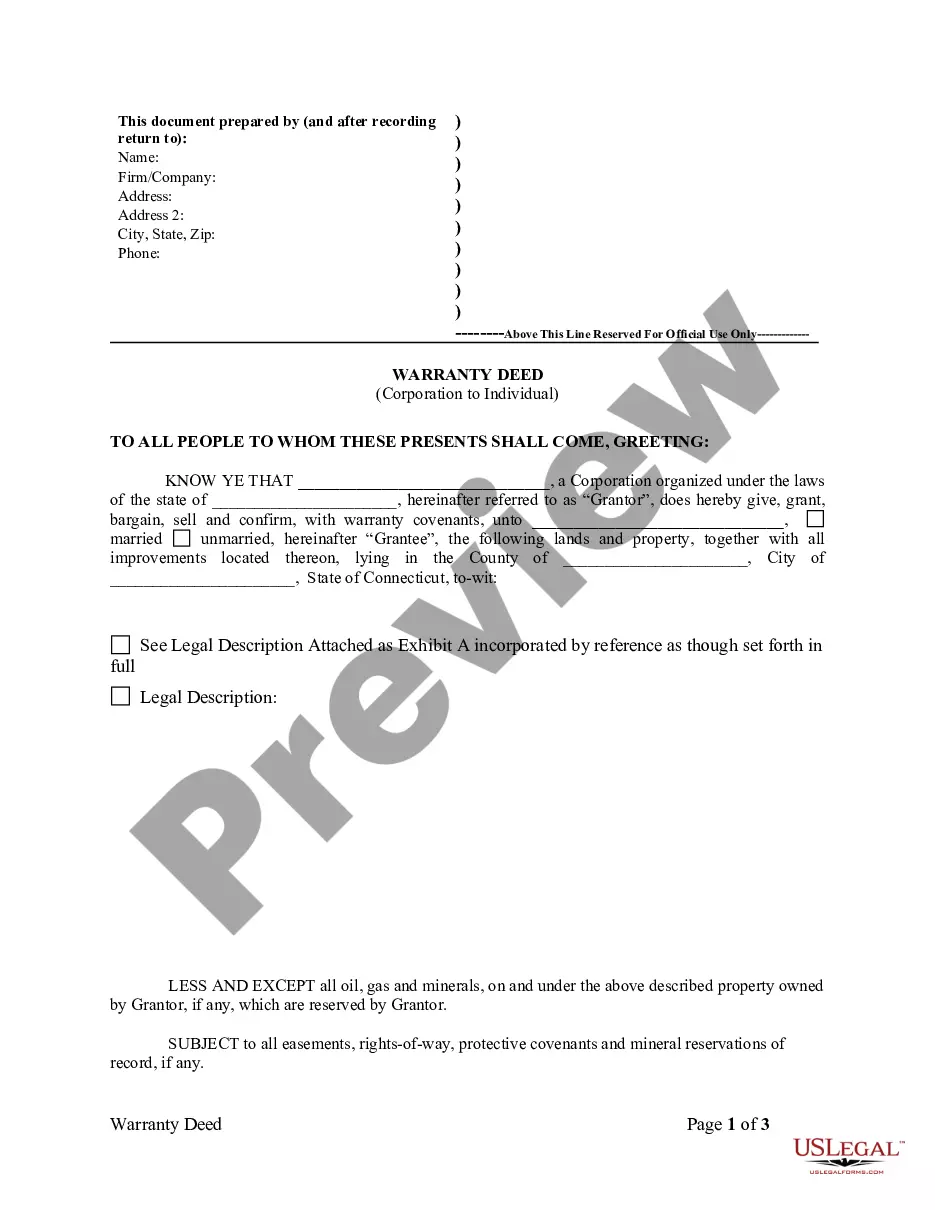
The Warranty Deed from Corporation to Individual is a legal document that transfers ownership of property from a corporation (the Grantor) to an individual (the Grantee). This type of deed includes a warranty that ensures the property is free of encumbrances, except for any stated exceptions. It is essential for formalizing the transfer of property rights while protecting the Grantee's interests, differentiating it from other types of deeds such as quitclaim deeds or special warranty deeds.
What’s included in this form
- Identification of Grantor as a corporation and Grantee as an individual
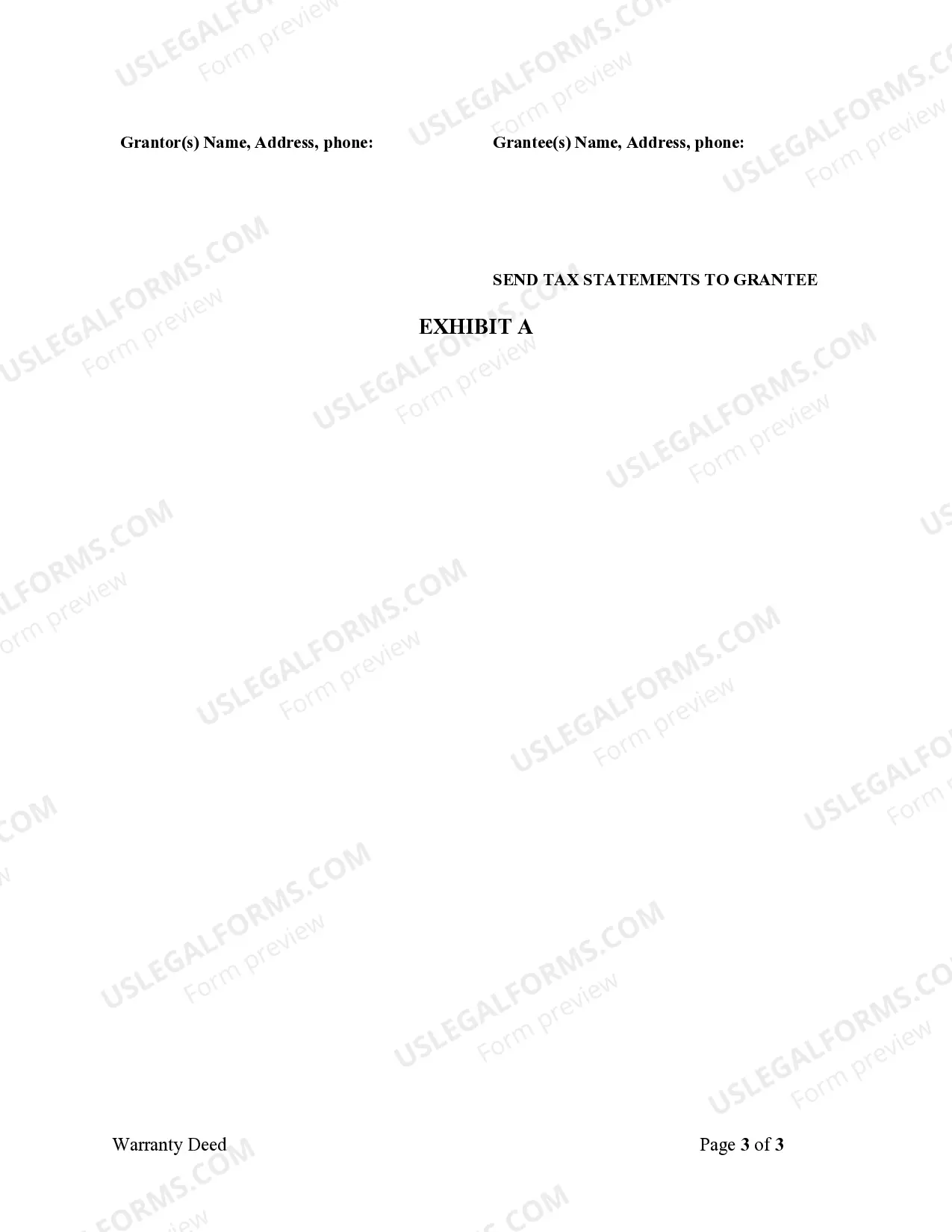
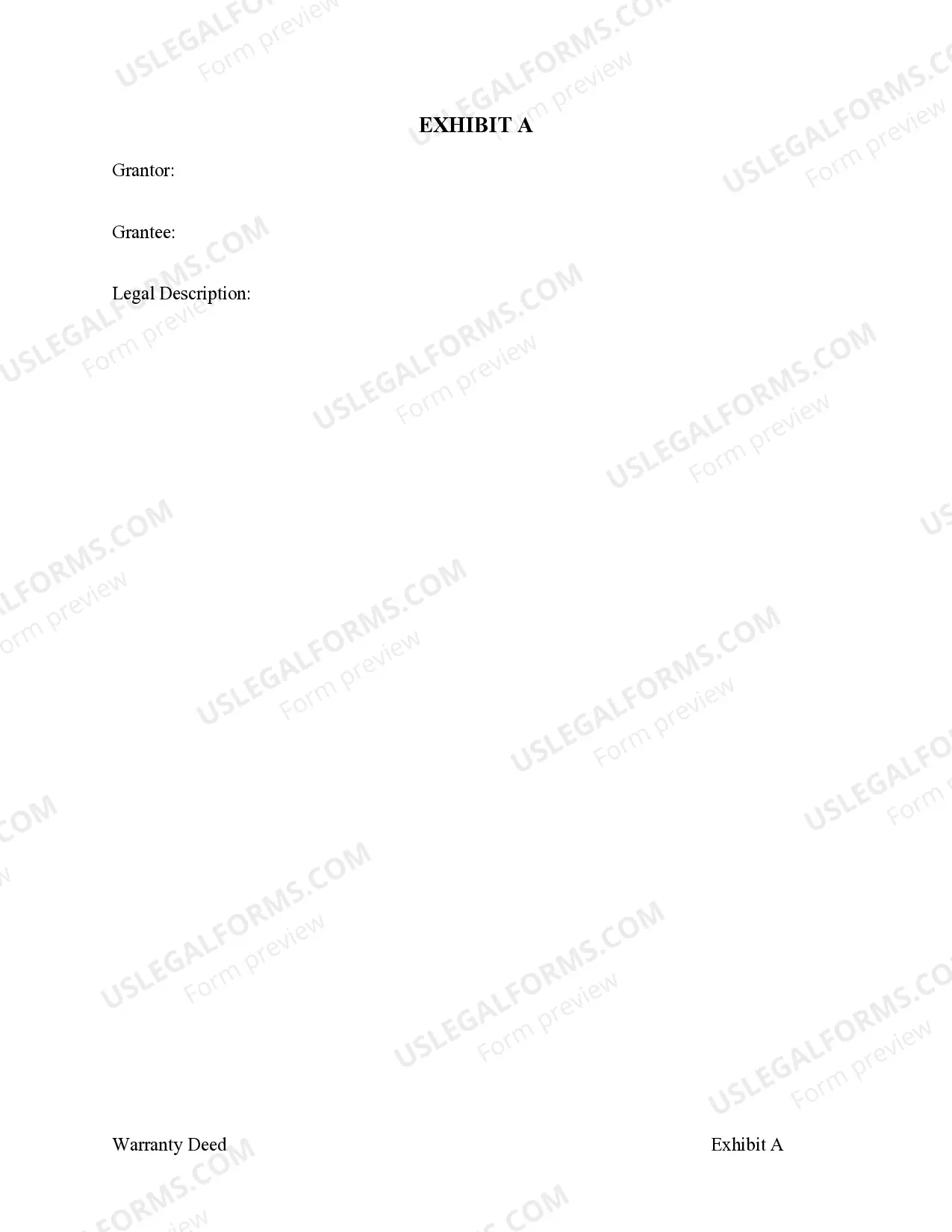
- Description of the property being conveyed
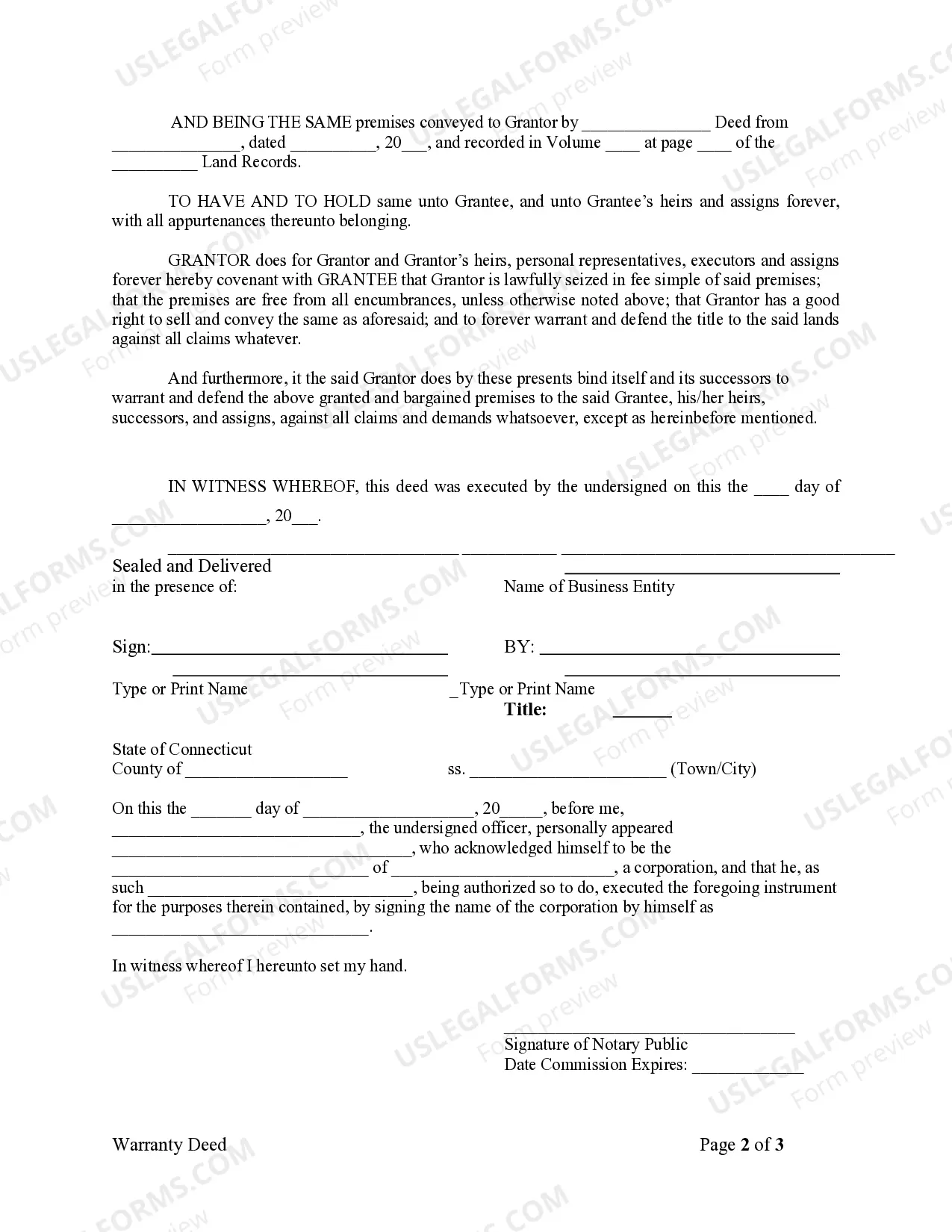
- Statement of title warranty by the Grantor
- Specific exceptions for reserves (e.g., oil, gas, and minerals)
- Signatures of authorized representatives and notarization details



When this form is needed
This form is typically used when a corporation is transferring property to an individual. Scenarios for using this warranty deed include business assets being allocated to a shareholder, a corporate property sale to an individual, or transferring inheritance property from a corporation to a designated individual. It ensures that the Grantee receives a clear title with protections against future claims.
Who needs this form
- Corporations looking to transfer property to individuals
- Individuals receiving property from a corporate entity
- Legal representatives handling property transfers on behalf of a corporation
- Real estate professionals involved in corporate real estate transactions
Steps to complete this form
- Identify the parties: Clearly fill in the Grantor (corporation) and Grantee (individual) names.
- Specify the property: Provide a detailed description of the property being transferred, including any exceptions.
- Include previous title information: Enter the reference to the prior deed, including the date and recording volume.
- Obtain necessary signatures: The authorized representative of the corporation must sign, and the form must be notarized.
- Submit for recording: File the completed deed with the appropriate local government office to ensure it is legally recognized.
Is notarization required?
This document requires notarization to meet legal standards. US Legal Forms provides secure online notarization powered by Notarize, allowing you to complete the process through a verified video call, available 24/7.
Get your form ready online
Our built-in tools help you complete, sign, share, and store your documents in one place.
Make edits, fill in missing information, and update formatting in US Legal Forms—just like you would in MS Word.
Download a copy, print it, send it by email, or mail it via USPS—whatever works best for your next step.
Sign and collect signatures with our SignNow integration. Send to multiple recipients, set reminders, and more. Go Premium to unlock E-Sign.
If this form requires notarization, complete it online through a secure video call—no need to meet a notary in person or wait for an appointment.
We protect your documents and personal data by following strict security and privacy standards.

Make edits, fill in missing information, and update formatting in US Legal Forms—just like you would in MS Word.

Download a copy, print it, send it by email, or mail it via USPS—whatever works best for your next step.

Sign and collect signatures with our SignNow integration. Send to multiple recipients, set reminders, and more. Go Premium to unlock E-Sign.

If this form requires notarization, complete it online through a secure video call—no need to meet a notary in person or wait for an appointment.

We protect your documents and personal data by following strict security and privacy standards.
Avoid these common issues
- Failing to include all necessary parties in the document.
- Not providing a full legal description of the property.
- Omitting required signatures or notary acknowledgment.
- Leaving outdated information from previous deeds in the form.
- Not recording the deed timely, leading to possible disputes.
Benefits of using this form online
- Convenience of downloading and completing the form from home.
- Editable templates allow for accurate and personalized entries.
- Access to forms that comply with current legal standards and regulations.
- Time-saving compared to drafting a complex legal document from scratch.
Looking for another form?

Form popularity
FAQ
One reason to execute a quitclaim deed to yourself is to clear up any title issues or discrepancies. This action can simplify ownership, ensuring that your legal rights are clearly defined. However, for a more secure transfer, consider opting for a Connecticut Warranty Deed from Corporation to Individual, which offers greater protection against potential claims.
The main purpose of a warranty deed is to transfer property rights, assuring the buyer of a clear title. By using a Connecticut Warranty Deed from Corporation to Individual, you gain confidence that the seller holds the title and has the authority to transfer it. This deed also protects against any future claims on the property.
Yes, a quitclaim deed can be executed by yourself, but keep in mind it may lack necessary assurances. This type of deed conveys ownership without warranties, which might lead to potential disputes. To avoid future complications, a Connecticut Warranty Deed from Corporation to Individual can better protect your interests during property transfers.
The main disadvantage of a warranty deed involves the responsibilities it imposes on the seller. If any issues regarding the title arise after the transfer, the seller may be liable for those claims. However, using a Connecticut Warranty Deed from Corporation to Individual helps ensure that the transfer is clear and transparent, protecting both the buyer and seller.
Yes, you can complete a quitclaim deed by yourself, but this might not be the best option for everyone. The lack of protection offered by quitclaims often leads to complications down the road. Instead, consider using uslegalforms to create a Connecticut Warranty Deed from Corporation to Individual for a more secure transfer.
Quitclaim deeds typically lack guarantees about the ownership and condition of the property. Many people feel uneasy about using quitclaims because they provide no protection against potential claims. In contrast, a Connecticut Warranty Deed from Corporation to Individual offers stronger assurances, making it a more reliable choice for property transfer.
Yes, a warranty deed serves as proof of ownership for the property. When you obtain a Connecticut Warranty Deed from Corporation to Individual, it confirms the transfer of property rights from the seller to you. This deed assures you that the seller holds legal title and can transfer it without any claims or disputes.
To transfer your home warranty to a new owner, first, check the terms of your warranty agreement. Home warranty companies often allow for transfers, but specific steps must be followed. Usually, you will need to inform the warranty company and provide details about the new owner. If you are transferring ownership of your property as well, consider utilizing a Connecticut Warranty Deed from Corporation to Individual for a seamless process.
To transfer a warranty deed, you need to create a new deed that specifies the transfer of ownership. For instance, when transferring a Connecticut Warranty Deed from Corporation to Individual, include pertinent details about both parties and the property. After preparing the new deed, have it signed by the grantor and then get it notarized. Finally, record the deed with your local land records office to make it official.
To fill out a warranty deed form, start by including the names of the grantor and grantee, the property description, and the consideration amount. Clearly state that the deed is a Connecticut Warranty Deed from Corporation to Individual to indicate the type of transaction. Ensure all information is accurate to avoid confusion later. After filling it out, don’t forget to have the deed signed and notarized.