Connecticut Quitclaim Deed from Corporation to Individual
Understanding this form
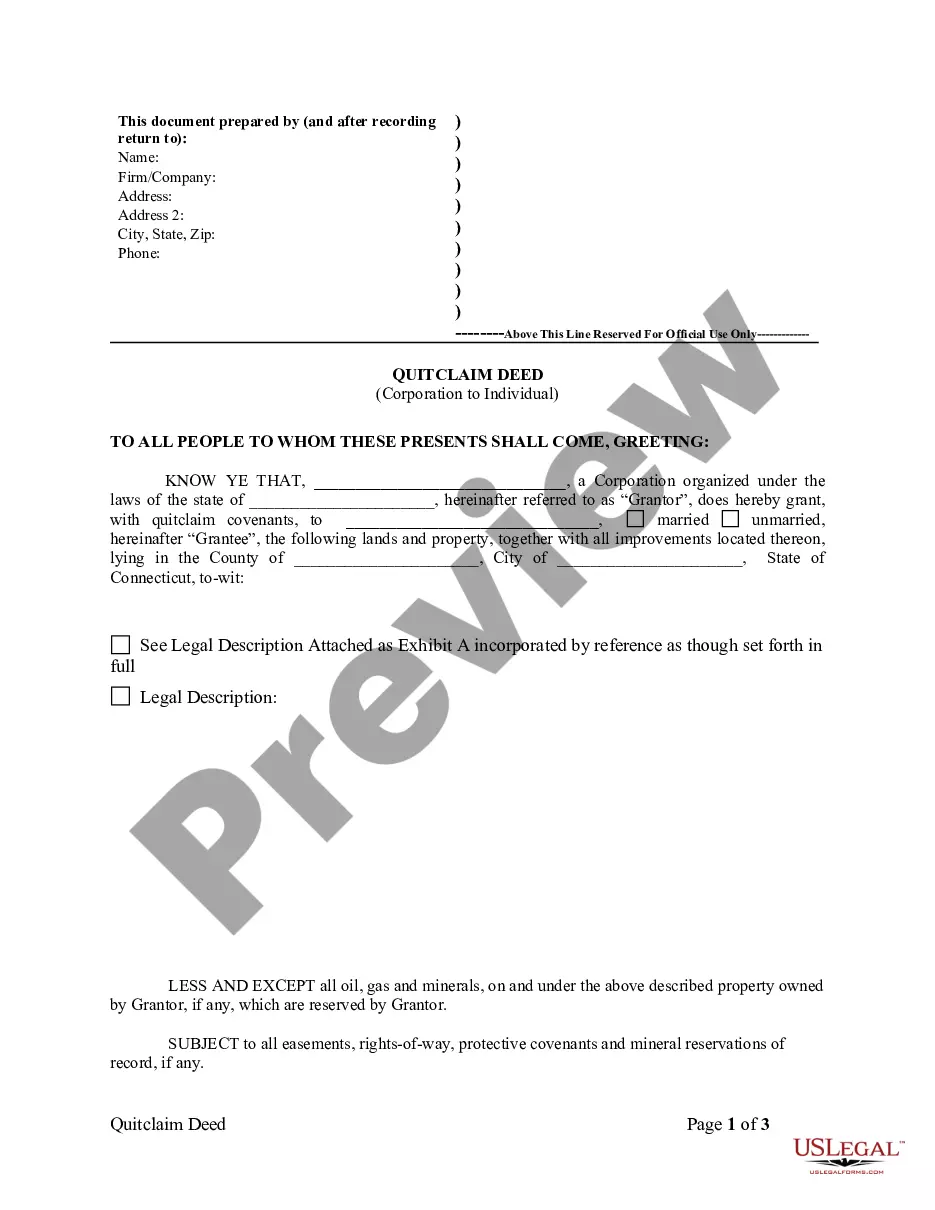
The Quitclaim Deed from Corporation to Individual is a legal document that transfers ownership of property from a corporation (the Grantor) to an individual (the Grantee). This form is used when the corporation wishes to relinquish any claim it has on the property, giving the individual all rights linked to it, except for any reserved interests like oil, gas, and minerals. This deed is distinct compared to warranty deeds, as it offers no guarantees on the property's title from the Grantor, thus ensuring a straightforward ownership transfer.
What’s included in this form
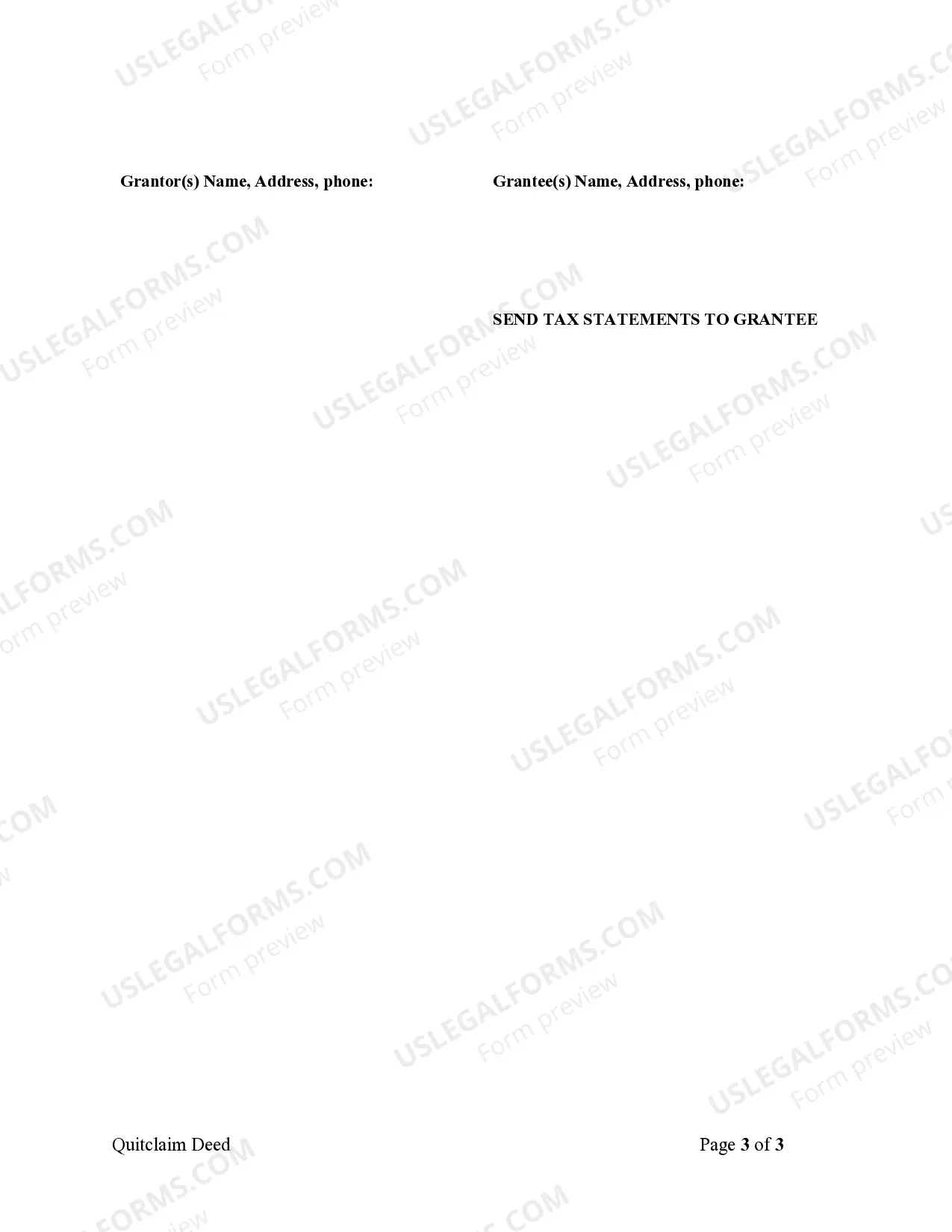
- Identification of the Grantor (corporation) and Grantee (individual).
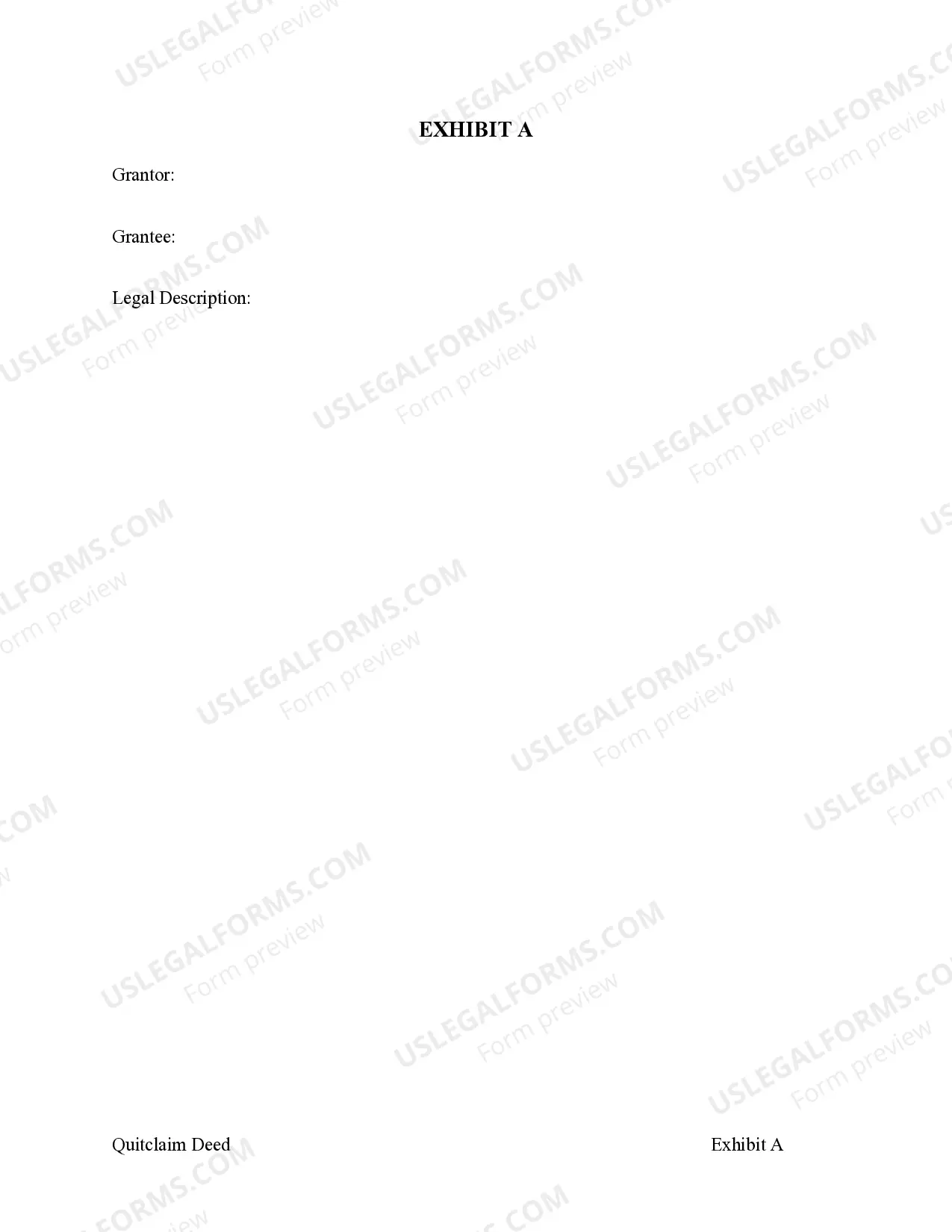
- Description of the property being transferred, including relevant easements and reservations.
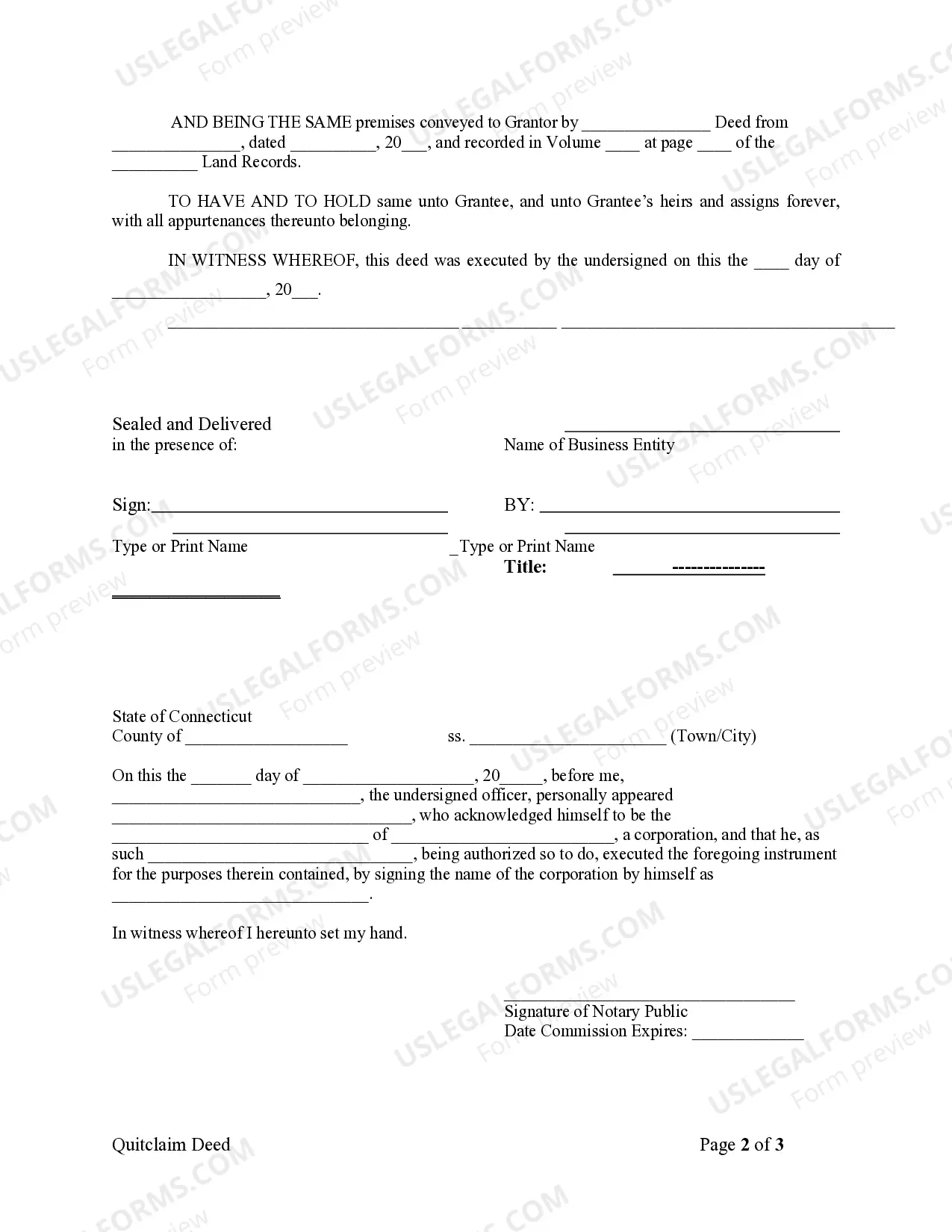
- Reference to prior ownership, linking the transfer back to previous documents.
- Execution clause, indicating when the deed is signed and by whom.
- Statement of the Grantor's intent to transfer all claim except reserved interests.



Common use cases
This form is typically used when a corporation wants to transfer property ownership to an individual without providing warranties about the title. Common scenarios include the dissolution of corporate real estate assets, intra-family property transfers, or when an individual is purchasing property from a corporation without needing a warranty deed. It is essential for both parties to understand the implications of accepting a quitclaim deed as it may affect future property rights and interests.
Who can use this document
- Corporations looking to transfer property ownership to an individual.
- Individuals receiving property from a corporation and needing to document the transfer.
- Real estate professionals facilitating transactions involving corporate properties.
- Attorneys advising clients on property transfers or corporate asset management.
Steps to complete this form
- Identify the Grantor (corporation) and Grantee (individual) clearly by including their legal names.
- Specify the exact property being transferred, including a thorough legal description and any easements or exceptions.
- Complete the reference to previous ownership by filling in the details of the prior deed and recording information.
- Sign the document on the designated date to validate the transfer, ensuring all requisite signatures are present.
- Consider notarizing the document if required by local laws to enhance its acceptance and legal validity.
Is notarization required?
This document requires notarization to meet legal standards. US Legal Forms provides secure online notarization powered by Notarize, allowing you to complete the process through a verified video call, available 24/7.
Get your form ready online
Our built-in tools help you complete, sign, share, and store your documents in one place.
Make edits, fill in missing information, and update formatting in US Legal Forms—just like you would in MS Word.
Download a copy, print it, send it by email, or mail it via USPS—whatever works best for your next step.
Sign and collect signatures with our SignNow integration. Send to multiple recipients, set reminders, and more. Go Premium to unlock E-Sign.
If this form requires notarization, complete it online through a secure video call—no need to meet a notary in person or wait for an appointment.
We protect your documents and personal data by following strict security and privacy standards.

Make edits, fill in missing information, and update formatting in US Legal Forms—just like you would in MS Word.

Download a copy, print it, send it by email, or mail it via USPS—whatever works best for your next step.

Sign and collect signatures with our SignNow integration. Send to multiple recipients, set reminders, and more. Go Premium to unlock E-Sign.

If this form requires notarization, complete it online through a secure video call—no need to meet a notary in person or wait for an appointment.

We protect your documents and personal data by following strict security and privacy standards.
Typical mistakes to avoid
- Failing to correctly identify the property being transferred, which can lead to legal disputes.
- Not including necessary details about prior ownership, potentially invalidating the transfer.
- Omitting signatures or dates, which may render the deed unenforceable.
- Not verifying state-specific requirements for the use of quitclaim deeds.
Benefits of completing this form online
- Convenience of instant download and completion at your own pace.
- Editable templates that allow for customization based on specific cases.
- Access to forms drafted by licensed attorneys, ensuring reliability and legal compliance.
Looking for another form?
Form popularity
FAQ
Yes, you can file a quit claim deed yourself in Connecticut. The process does not require a lawyer, making it accessible for individuals who are comfortable handling the paperwork. A Connecticut Quitclaim Deed from Corporation to Individual is straightforward, and platforms like US Legal Forms can provide the necessary templates and guidance. This option simplifies the process and helps ensure that your filing meets all legal requirements.
To file a Connecticut Quitclaim Deed from Corporation to Individual, start by obtaining the necessary form, which can be found online or through local government offices. Next, complete the form with accurate information about the property and the parties involved. After signing the deed in front of a notary, you will need to file it with the town clerk in the municipality where the property is located. This process ensures that the transaction is legally recognized and properly documented.
Yes, when a corporation transfers ownership of property via a deed, the document must be signed by an authorized representative of the corporation. This is crucial because it validates the transaction and protects the rights of both parties in a Connecticut Quitclaim Deed from Corporation to Individual.
An example of a quitclaim deed is when a corporation transfers a parcel of land to an individual for personal use. This deed conveys any interest the corporation has in the property, but it does not guarantee clear title. Therefore, it’s wise for the individual to conduct due diligence to understand the property’s status before accepting a Connecticut Quitclaim Deed from Corporation to Individual.
When preparing the quitclaim deed form, start by accessing the correct form for Connecticut. Fill in the names of the corporation transferring the property and the individual receiving it. Accurately describe the property location, and include the date of transfer. Finally, ensure all signatures are complete before you move on to the filing process.
To fill out a Connecticut Quitclaim Deed from Corporation to Individual, begin by entering the names of both the grantor and grantee correctly. Make sure to include the property’s legal description, which identifies the exact location and boundaries. After you’ve filled in all required details, both parties should sign the deed, and it’s highly recommended to have it notarized to ensure legality.
Many real estate professionals express caution towards quitclaims due to the inherent risks involved. Since this type of deed does not offer any guarantees about the property’s title, it may expose the grantee to unforeseen liabilities. To navigate these risks effectively, users can consult the resources available through US Legal Forms for informed decisions regarding quitclaim deeds.
A significant disadvantage for a buyer receiving a Connecticut Quitclaim Deed from Corporation to Individual is the lack of protection against title defects. Without warranties, buyers may face unexpected legal challenges regarding ownership or title claims after the transfer. This uncertainty can make it a risky option compared to other deed types that provide greater assurance.
The primary beneficiaries of a quitclaim deed are often individuals involved in informal transactions, such as family members or closely trusted associates. This method provides a quick way to transfer property without extensive legal complexities, making it ideal for those who understand the terms. In many cases, businesses looking to streamline internal transfers also find it beneficial.
Although a Connecticut Quitclaim Deed from Corporation to Individual can be efficient, it has potential drawbacks. Primarily, this deed does not guarantee that the grantor holds clear title to the property, meaning the grantee may inherit outstanding claims or liens. This uncertainty can lead to problems if complications arise in the future.