Connecticut Revocation of Premarital or Prenuptial Agreement
Understanding this form
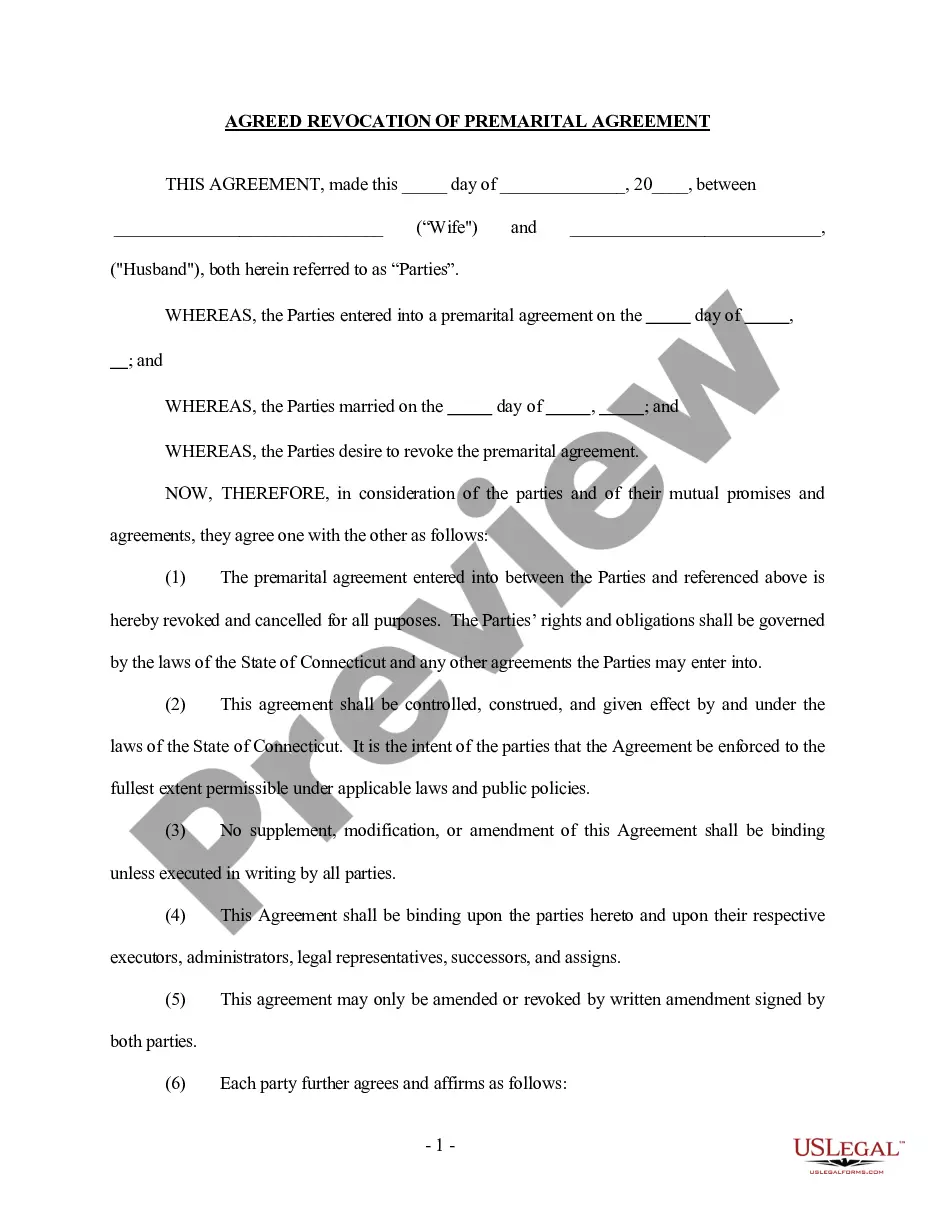
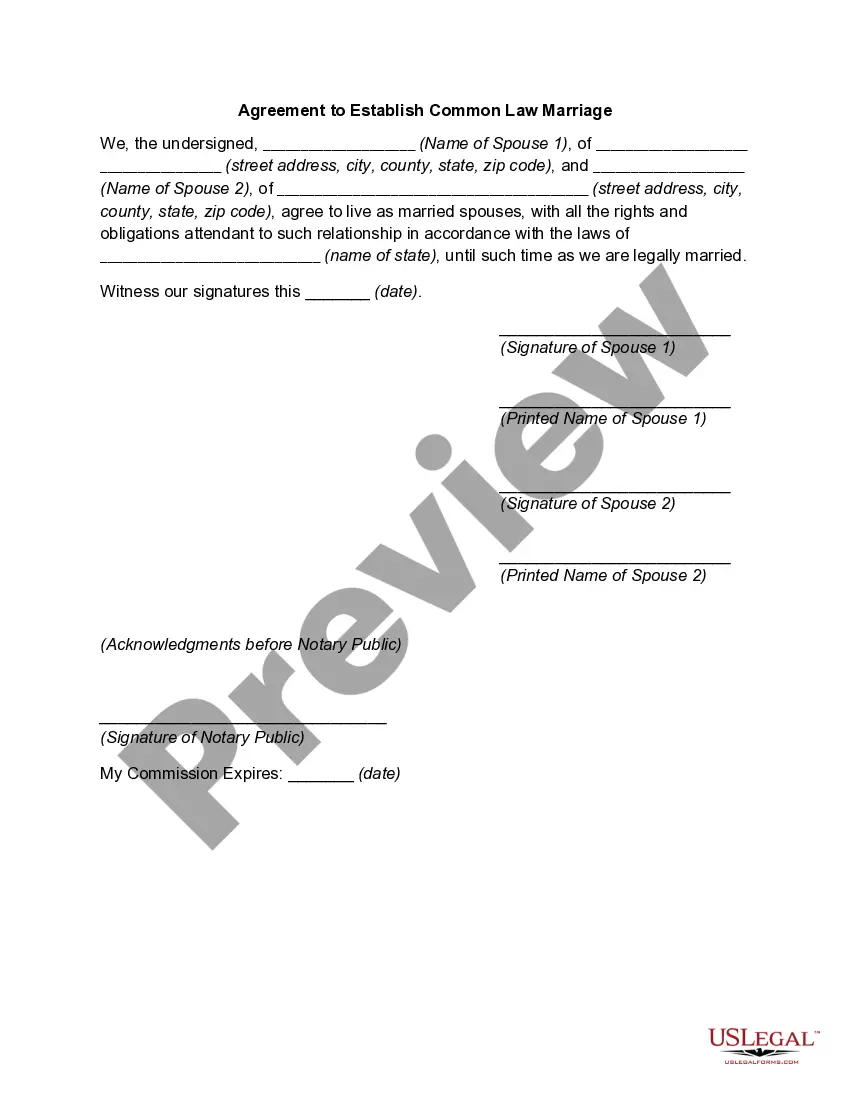
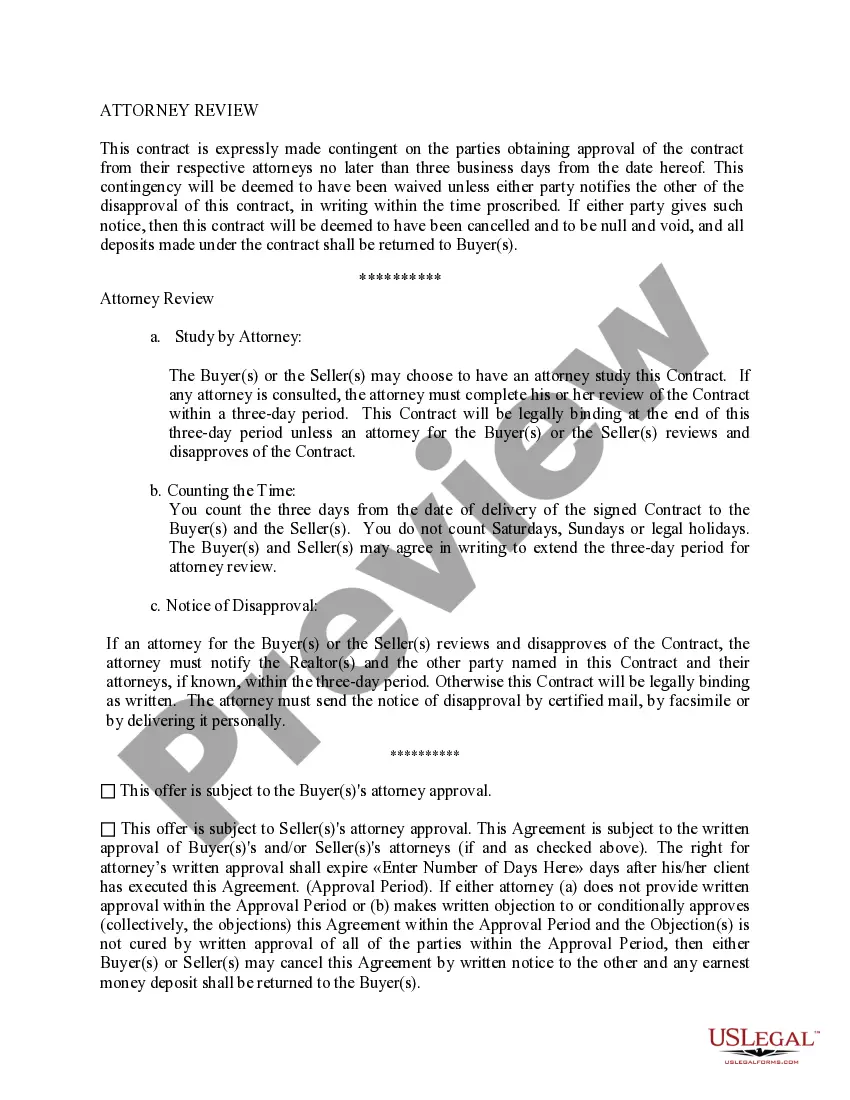
The Revocation of Premarital or Prenuptial Agreement is a legal document that allows a married couple to officially cancel an existing premarital agreement. This form ensures that all parties agree to revoke their prior terms, effectively nullifying any legal obligations outlined in the original agreement. Unlike a modification, this form entirely cancels the agreement, which can be advantageous in various circumstances, such as when a couple decides to redefine their financial or legal relationship without prior constraints.
Main sections of this form
- Identification of the parties involved: the husband and wife.
- Clear statement revoking the existing premarital agreement.
- Governing laws defined as the State of Connecticut.
- Conditions for amendments and revocations of the agreement.
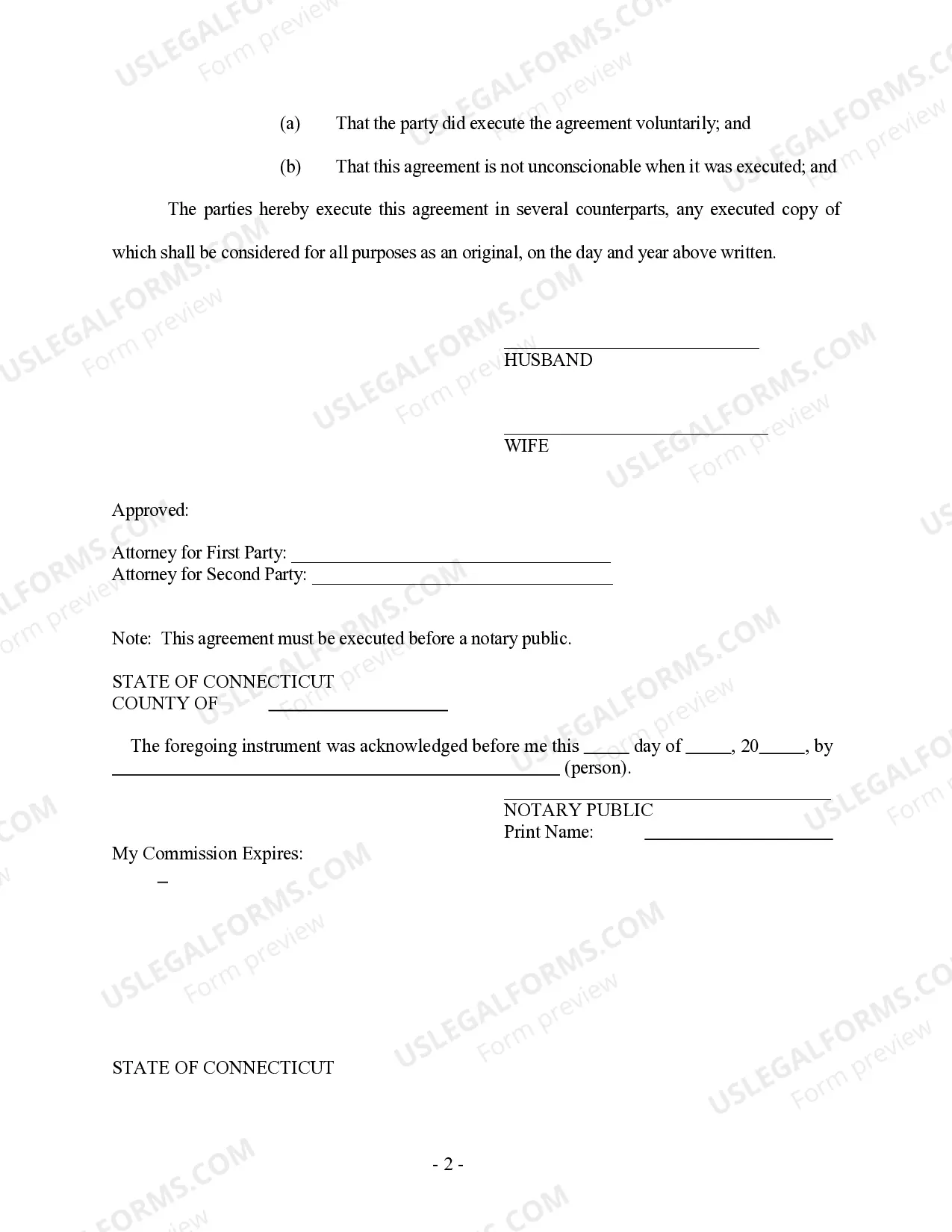
- Signatures of both parties confirming their consent.
When to use this document
This form should be used when a married couple mutually decides to revoke their premarital or prenuptial agreement. Common scenarios include changes in financial circumstances, the desire to establish a new agreement, or the couple's wish to simplify their legal relationship. This form is also relevant during divorce proceedings if the parties agree to forgo the terms of their previous agreement.
Who can use this document
Eligible users of this form include:
- Married couples who have previously entered into a premarital agreement.
- Individuals looking to clarify their current legal obligations to each other.
- Couples who wish to revoke their premarital agreement prior to any legal dissolution of marriage.
How to complete this form
- Identify and enter the names of both the husband and wife at the beginning of the document.
- Clearly state the date the agreement is being revoked.
- Sign the document in the designated spaces confirming both parties' agreement to revoke the prior premarital agreement.
- Ensure that the signature of both parties is witnessed as required by Connecticut law.
Notarization requirements for this form
This form does not typically require notarization unless specified by local law. It is advisable to consult with a legal professional if you have questions regarding any additional requirements.
Get your form ready online
Our built-in tools help you complete, sign, share, and store your documents in one place.
Make edits, fill in missing information, and update formatting in US Legal Forms—just like you would in MS Word.
Download a copy, print it, send it by email, or mail it via USPS—whatever works best for your next step.
Sign and collect signatures with our SignNow integration. Send to multiple recipients, set reminders, and more. Go Premium to unlock E-Sign.
If this form requires notarization, complete it online through a secure video call—no need to meet a notary in person or wait for an appointment.
We protect your documents and personal data by following strict security and privacy standards.
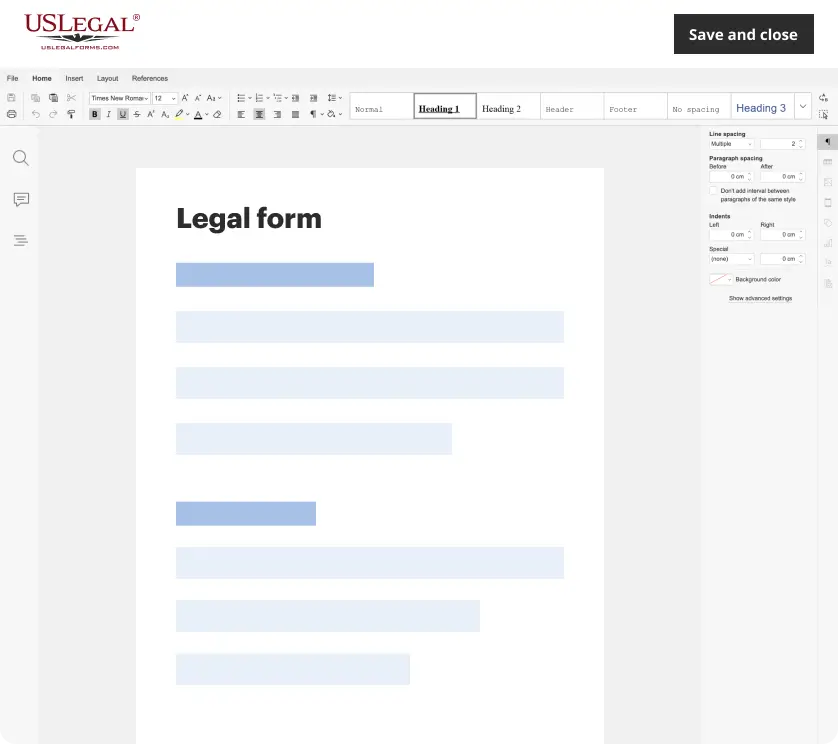
Make edits, fill in missing information, and update formatting in US Legal Forms—just like you would in MS Word.
Download a copy, print it, send it by email, or mail it via USPS—whatever works best for your next step.
Sign and collect signatures with our SignNow integration. Send to multiple recipients, set reminders, and more. Go Premium to unlock E-Sign.
If this form requires notarization, complete it online through a secure video call—no need to meet a notary in person or wait for an appointment.
We protect your documents and personal data by following strict security and privacy standards.
Avoid these common issues
- Failing to both sign the document, resulting in an incomplete revocation.
- Not entering the correct date when the agreement is revoked.
- Overlooking the need to follow specific state laws regarding notice to legal representatives.
Why complete this form online
- Convenient access to a legally vetted template anytime and anywhere.
- Editable content allows users to personalize the form to fit their specific needs.
- Reliability of using a document created by licensed attorneys, ensuring it meets legal standards.
Legal use & context
- This form establishes a clear record of revocation, which may prevent future disputes.
- Failure to properly revoke a prenuptial agreement can lead to complications in legal circumstances, such as divorce.
- Ensuring all provisions are understood and agreed upon can help protect the rights of both parties moving forward.
Quick recap
- The Revocation of Premarital or Prenuptial Agreement is essential for couples looking to cancel their existing premarital arrangements legally.
- Complete and sign the form accurately to avoid potential legal issues in the future.
- Consult legal counsel as needed to ensure compliance with state laws.
Looking for another form?




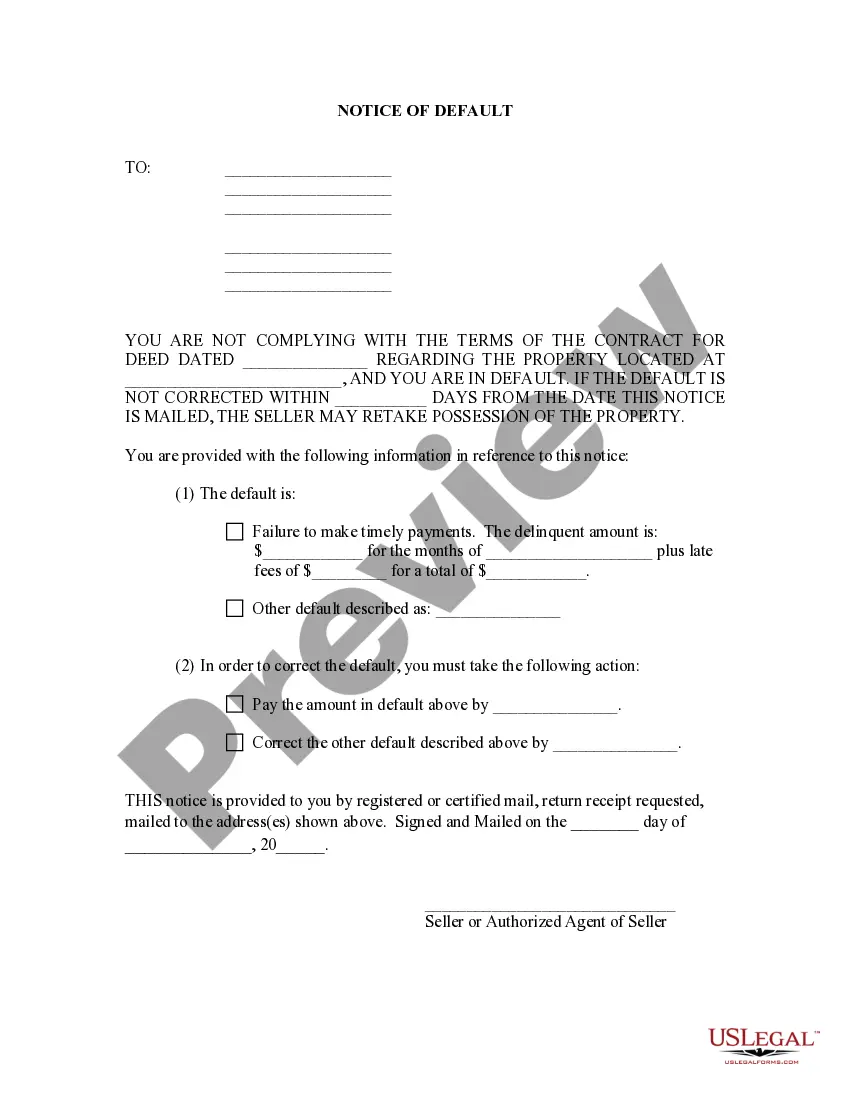





Form popularity
FAQ
Several factors can void a prenuptial agreement. If the agreement was signed under duress, if one party was not provided full financial disclosure, or if it violates public policy, it may be considered unenforceable. Understanding these factors is essential for both parties entering into such a contract. The Connecticut Revocation of Premarital or Prenuptial Agreement ensures you are aware of these potential pitfalls to protect your interests.
Yes, you can revoke a prenuptial agreement, but it requires proper procedures and legal documentation. This process often involves mutual consent from both parties and may need to be executed in writing. Taking the right steps is crucial to ensure the revocation holds up in court. The Connecticut Revocation of Premarital or Prenuptial Agreement provides guidance on how this can be achieved effectively.
Overturning a prenup is not a simple process. Courts typically uphold these agreements unless you can prove specific legal reasons, such as fraud or lack of voluntary consent. Each case is unique, so understanding the nuances of the Connecticut Revocation of Premarital or Prenuptial Agreement can help clarify your options. For assistance, consider using a reliable platform like US Legal Forms.
Yes, prenups can be nullified under certain conditions. For instance, if one party did not fully understand the agreement or was coerced into signing it, a court may decide to invalidate the contract. Additionally, if the prenup was not executed properly according to Connecticut law, it may also be nullified. Understanding the Connecticut Revocation of Premarital or Prenuptial Agreement process can help you navigate these complexities.
In Connecticut, the statute governing premarital agreements is found in Connecticut General Statutes Section 46b-36a. This law outlines the requirements for creating a valid agreement, including the need for voluntary consent and proper legal formalities. Understanding these regulations is essential when considering a Connecticut Revocation of Premarital or Prenuptial Agreement. US Legal Forms provides resources to help clarify these statutes and ensure that your agreements comply.
Nullifying a prenuptial agreement involves taking legal action to have the contract declared unenforceable. You can pursue this process by filing a petition in court, presenting evidence that undermines the integrity of the agreement, like fraud or significant changes in circumstances. The court can then process the request, effectively issuing a Connecticut Revocation of Premarital or Prenuptial Agreement. Legal experts, like those at US Legal Forms, can offer you the support needed during this crucial phase.
To invalidate your prenuptial agreement in Connecticut, you must demonstrate some form of legal defect. This might include proving that the agreement was signed under duress, not fully disclosing assets, or lacking mutual consent. If the court finds these conditions viable, it may consider the Connecticut Revocation of Premarital or Prenuptial Agreement effective. Consulting with a legal professional can guide you through this process.
To nullify a prenuptial agreement, both parties must agree to the revocation or it must be challenged in court on valid legal grounds. The process may involve demonstrating fraud, coercion, or lack of consent. If you’re facing challenges with a Connecticut Revocation of Premarital or Prenuptial Agreement, seeking professional assistance can help you understand your options.
A prenuptial agreement can become unenforceable if it was signed under duress, lacks full financial disclosure, or includes unconscionable terms. Courts may also void contracts that were not executed properly or fail to comply with state law. Knowing these pitfalls can assist you in addressing issues related to a Connecticut Revocation of Premarital or Prenuptial Agreement.
Yes, prenups are enforceable in Connecticut as long as they adhere to state laws and regulations. The courts will generally uphold agreements that are fair and do not involve coercion or deceit. Seeking guidance for a Connecticut Revocation of Premarital or Prenuptial Agreement will help ensure that your interests are protected.