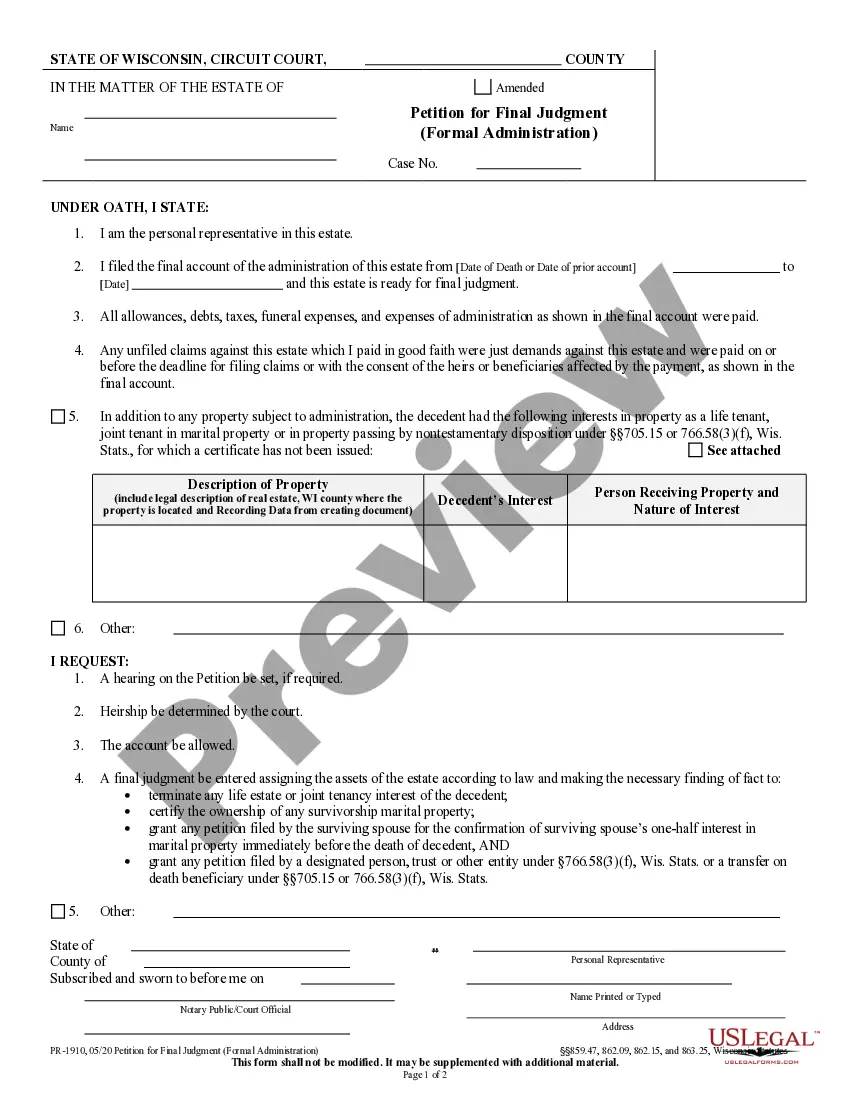
Colorado Letter from Landlord to Tenant that Sublease granted - Rent Paid by Subtenant, but Tenant Still Liable for Rent and Damages
About this form
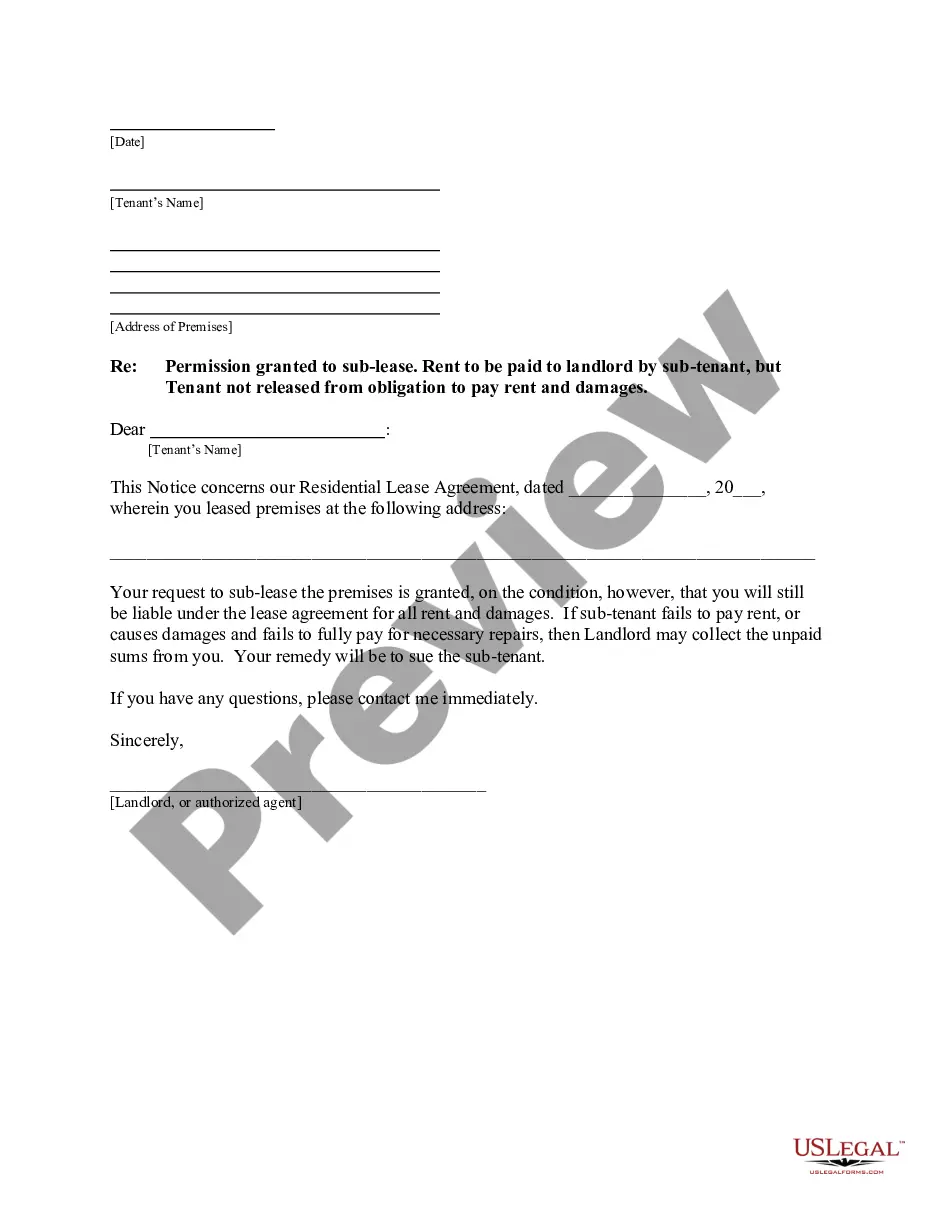
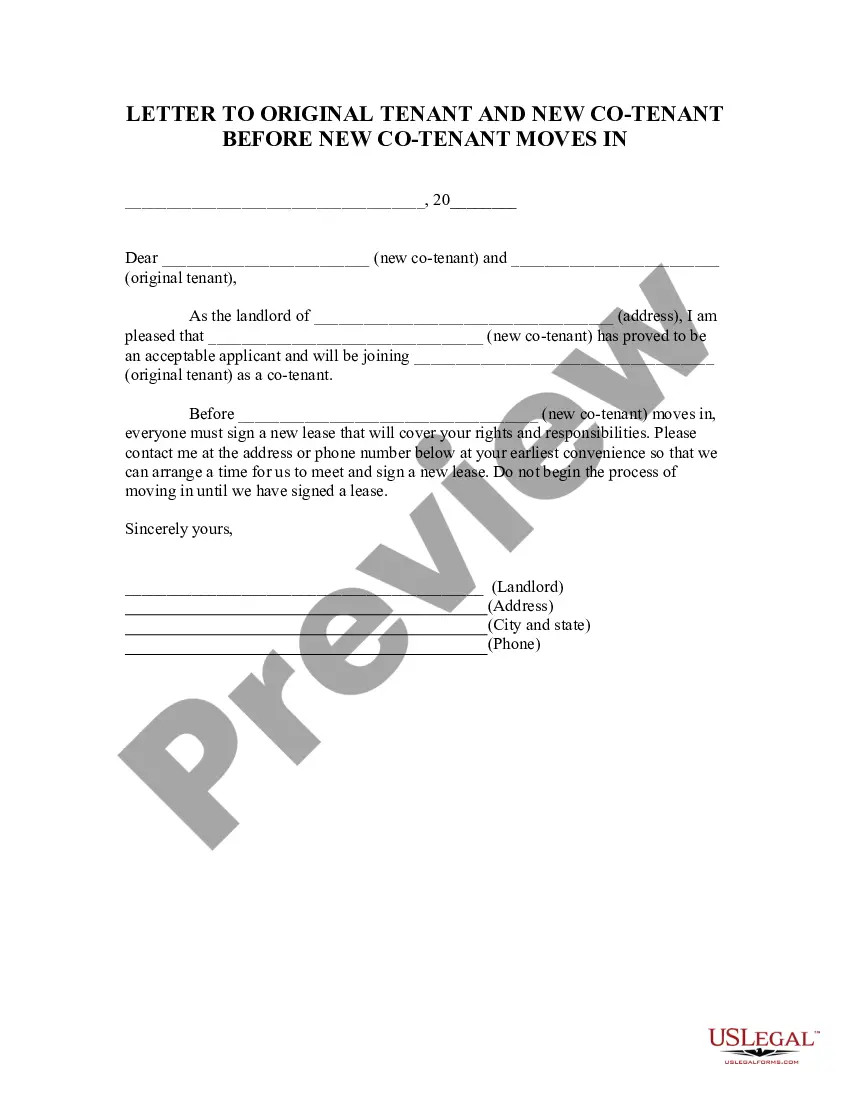
This letter from the landlord to the tenant confirms that a sublease has been approved. While the subtenant will now be responsible for paying rent, it emphasizes that the original tenant remains liable for all rent and any damages associated with the property. This form is vital for creating clear legal obligations for all parties involved in the rental agreement, ensuring that the landlord can hold the original tenant accountable if the subtenant defaults or damages the property.
Main sections of this form
- Statement of approval for the sublease.
- Clarification that the tenant remains liable for rent and damages.
- Notification of the landlord's rights to collect unpaid sums from the tenant.
- Instructions for the tenant regarding remedies against the subtenant.
- Signature space for the landlord or authorized agent.

When to use this form
This form is useful when a tenant wants to sublease their rental unit and requires formal acknowledgment from the landlord. It is needed when the landlord has agreed to the sublease but wants to clarify the ongoing responsibilities of the original tenant, especially if rent or damages occur that may require action against the original tenant.
Who needs this form
- Landlords who have approved a sublease arrangement.
- Tenants planning to sublease their rental property.
- Subtenants who are entering into a sublease agreement.
Instructions for completing this form
- Identify all parties involved: landlord, tenant, and subtenant.
- Clearly state that the request for subleasing has been granted.
- Specify that the tenant remains liable for all rent and damages.
- Include a reminder about the tenant's right to seek remedies against the subtenant.
- Gather necessary signatures from the landlord or authorized agent before delivering the letter to the tenant.
Does this form need to be notarized?
This form usually doesn’t need to be notarized. However, local laws or specific transactions may require it. Our online notarization service, powered by Notarize, lets you complete it remotely through a secure video session, available 24/7.
Get your form ready online
Our built-in tools help you complete, sign, share, and store your documents in one place.
Make edits, fill in missing information, and update formatting in US Legal Forms—just like you would in MS Word.
Download a copy, print it, send it by email, or mail it via USPS—whatever works best for your next step.
Sign and collect signatures with our SignNow integration. Send to multiple recipients, set reminders, and more. Go Premium to unlock E-Sign.
If this form requires notarization, complete it online through a secure video call—no need to meet a notary in person or wait for an appointment.
We protect your documents and personal data by following strict security and privacy standards.

Make edits, fill in missing information, and update formatting in US Legal Forms—just like you would in MS Word.

Download a copy, print it, send it by email, or mail it via USPS—whatever works best for your next step.

Sign and collect signatures with our SignNow integration. Send to multiple recipients, set reminders, and more. Go Premium to unlock E-Sign.

If this form requires notarization, complete it online through a secure video call—no need to meet a notary in person or wait for an appointment.

We protect your documents and personal data by following strict security and privacy standards.
Common mistakes
- Failing to include all names and signatures of parties involved.
- Neglecting to specify the tenant's ongoing liabilities.
- Using ambiguous language regarding the terms of the sublease.
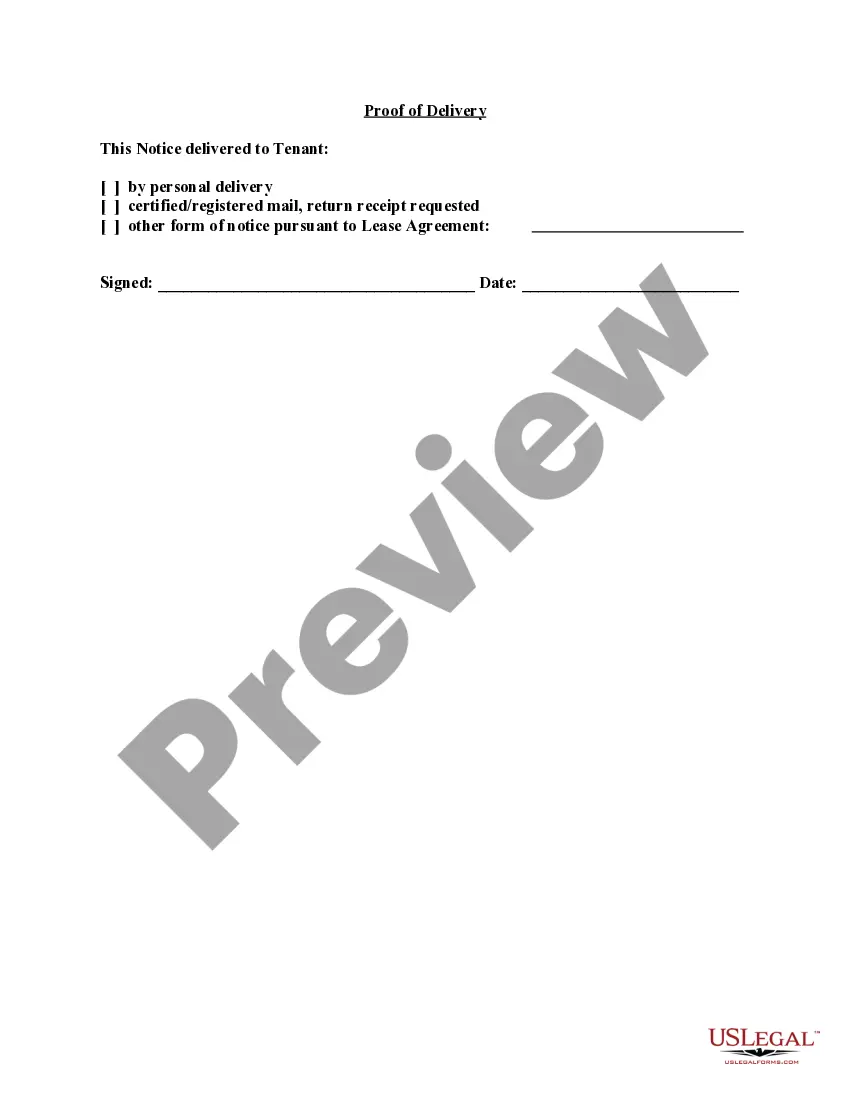
- Failing to deliver the letter in a manner that provides proof of receipt.
Benefits of completing this form online
- Instant access to a legally vetted document tailored for your needs.
- Convenience of downloading and completing the form at your own pace.
- Editable format allows for personalization without legal jargon.
- Cost-effective solution compared to hiring an attorney for drafting paperwork.
Legal use & context
- This form serves as a legal acknowledgment of sublease arrangements.
- It helps define responsibilities, which are enforceable in court.
- Be aware of your state laws as they may impose additional requirements or restrictions.
Summary of main points
- This letter confirms a sublease while holding the tenant accountable.
- Landlords can collect unpaid rents or damages from the tenant if issues arise with the subtenant.
- Clear communication with all parties is essential to avoid future disputes.
Looking for another form?
Form popularity
FAQ
While 'sublet' and 'sublease' are often used interchangeably, they may carry different implications in some contexts. A sublet typically refers to the action where a tenant rents out their unit to another person while still holding onto their lease. In contrast, a sublease can encompass the entire agreement between the tenant and subtenant, often involving more formal documentation. Understanding this distinction can help tenants navigate Colorado rental laws and ensure compliance with landlords.
Yes, a landlord can initiate eviction proceedings if a tenant sublets without permission if the original lease prohibits it. In Colorado, violating lease terms can lead to legal action, including termination of the lease. Therefore, it is essential for tenants to communicate openly with their landlords about subleasing intentions. While subleasing may seem beneficial, navigating the legal landscape without proper guidance can lead to significant issues.
A sublease can become void if the original lease does not permit subleasing, or if the tenant fails to obtain written permission from the landlord. Additionally, if the subtenant engages in illegal activities or violates the terms of the lease, the sublease can be invalidated. It's crucial for both tenants and subtenants to adhere to lease agreements to avoid disputes and ensure compliance with Colorado laws.
Screen your subtenant. Don't just take the word of a friend or relative on this person being wonderful. Sign a subletting agreement. There are sample agreements online, or you could consult with a lawyer. Get a security deposit.
Each state has different laws regarding subtenancy, with most landlords prohibiting subletting a property without prior permission. If subletting occurs without the landlord's knowledge, that landlord has the right to serve a three-day notice of eviction to both the tenant and the sublessor.
If a court finds you guilty of the first offence of unlawful subletting, you can be fined in the magistrates' court.At the magistrates' court, you can get up to six months in prison or a fine, or both. At the Crown Court the maximum penalty is imprisonment for two years or a fine, or both.
Confirm That a Sublease is the Best Choice. Subleasing isn't a passive arrangement. Examine Your Lease Agreement. Notify Your Landlord. Find a Reliable Tenant. Complete the Sublease. Assess the Property. Review the Original Lease Terms. Negotiate Your Sublease Price and Terms.
A Residential Sublease is a legally binding contract made between the original tenant of a rental property (sublandlord) and a new tenant (also known as a subtenant or a sublessee). The sublease gives the subtenant the right to share or to take over the rented premises from the original tenant.
To know what rights you have as a subletter, as well as if you're allowed to be there in the first place, make sure to read the original lease between the landlord and the original renter before signing a sublet agreement. Also know that you have the chance to negotiate a rental price with the original renter.
The tenant is responsible for paying rent and for repairs or damage to the property. That means that if a new subtenant does not pay rent for three months, the original tenant that subleased the property is liable to the landlord for the overdue rent amount and any late fees.