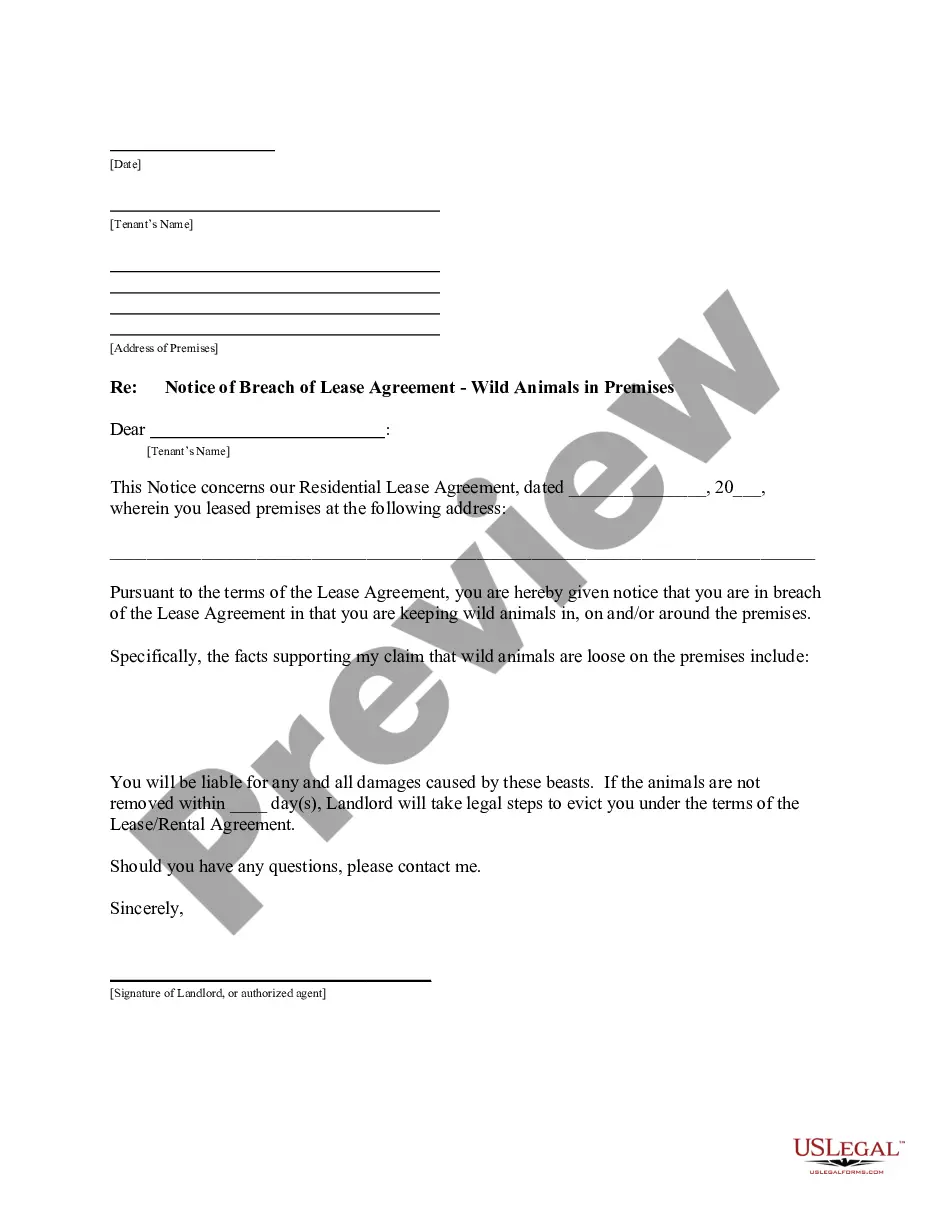
Colorado Letter from Landlord to Tenant as Notice to remove Wild Animals in Premises
What this document covers
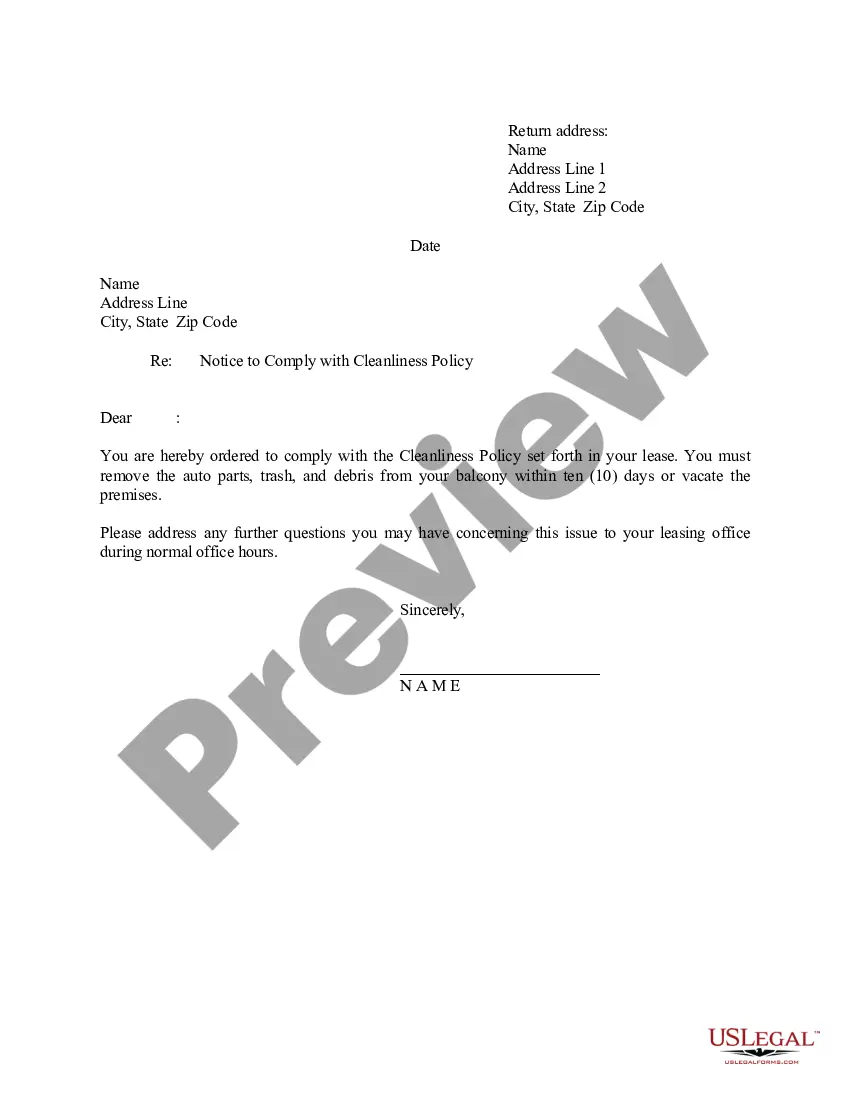
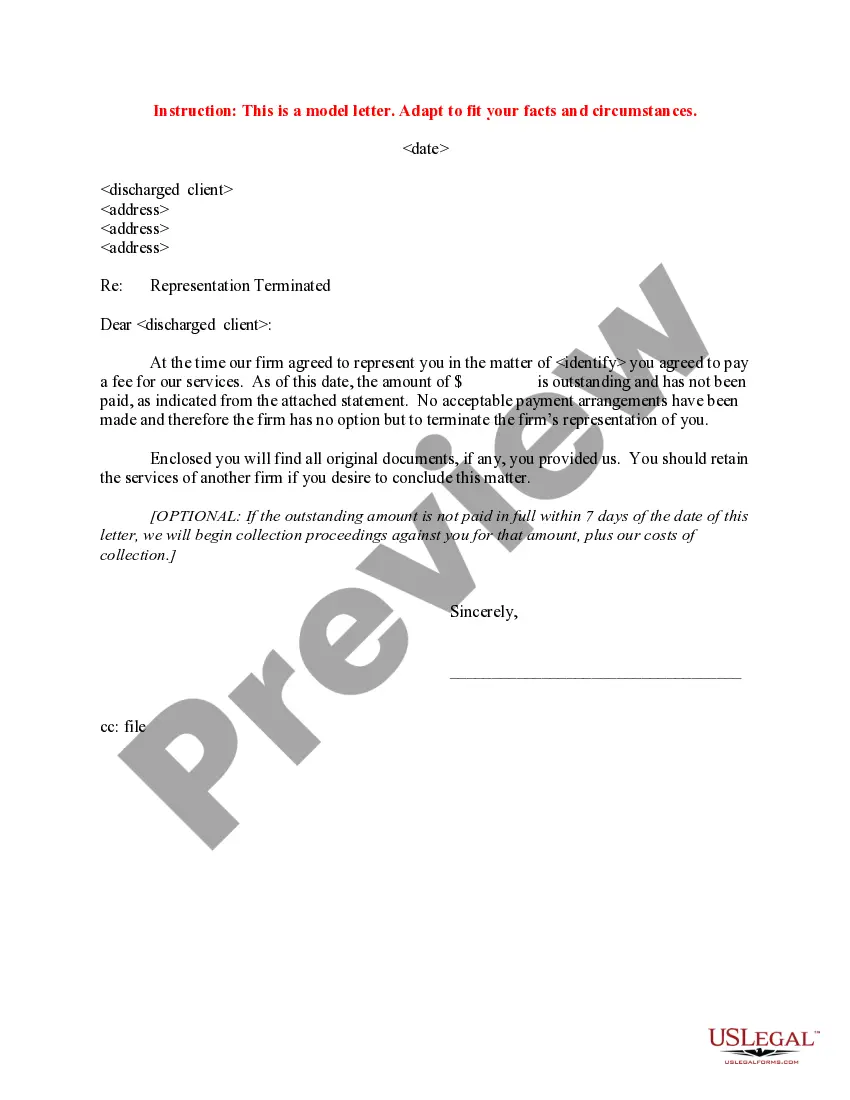
This form is a Letter from Landlord to Tenant as Notice to remove Wild Animals in Premises. It is used by landlords to formally notify tenants that they have violated lease terms by keeping wild animals on the property. This notice outlines the specific terms that have been breached, setting it apart from other tenant communication forms by focusing explicitly on the presence of unauthorized animals.
Key parts of this document
- Identification of the landlord and tenant involved in the agreement.
- Clear statement indicating the breach of the lease terms.
- Specific reference to the types of wild animals mentioned.
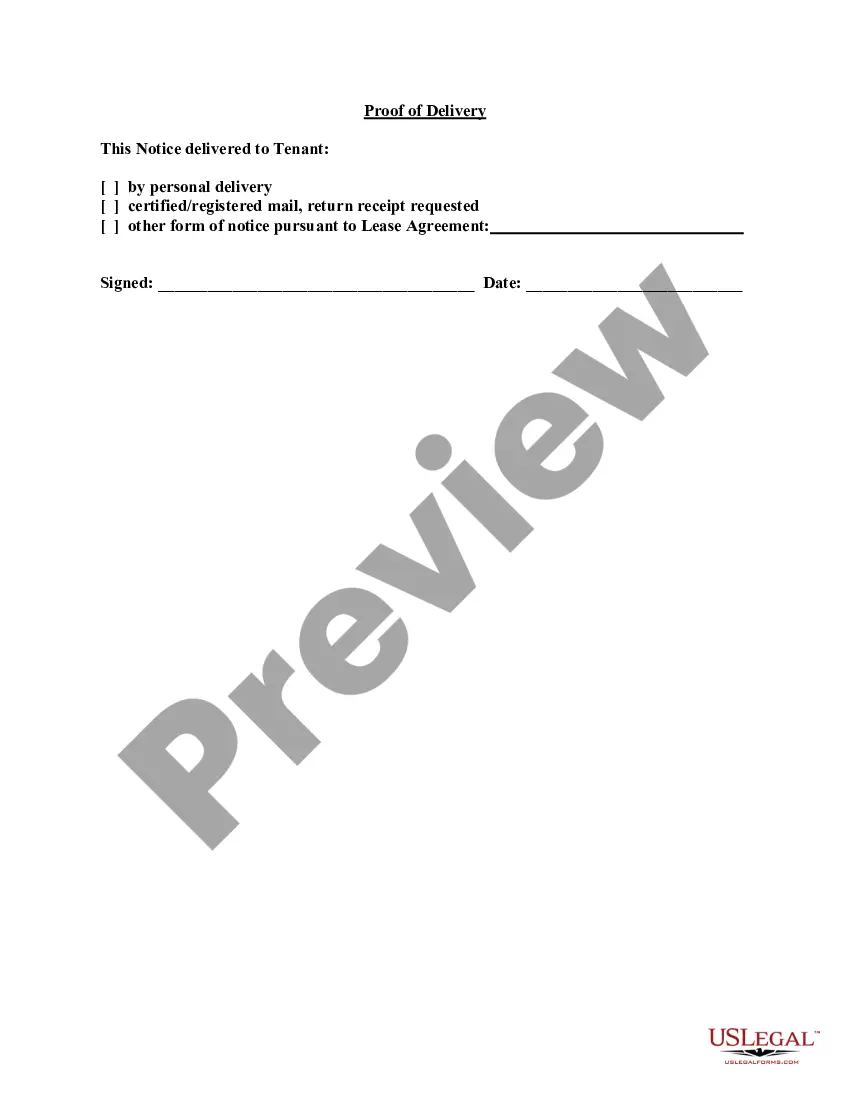
- Date of notice delivery options.
- Space for landlord's signature or authorized agent's signature.

When this form is needed
This form should be used when a landlord discovers that a tenant is keeping wild animals on the premises, which violates the lease agreement. Common scenarios include situations where the tenant has not complied with property rules regarding pet ownership, potentially leading to property damage or health concerns.
Who should use this form
- Landlords seeking to enforce lease agreements.
- Property managers acting on behalf of landlords.
- Tenants who need a clear understanding of their lease obligations regarding animals.
Instructions for completing this form
- Identify the landlord and tenant by entering their names and addresses at the beginning of the letter.
- Clearly state the lease agreement breach, specifying the presence of wild animals.
- Provide detailed information about the animals involved if applicable.
- Choose a delivery method for the notice, either personal delivery or by certified/registered mail.
- Sign the form as the landlord or authorized agent.
Does this document require notarization?
This form usually doesn’t need to be notarized. However, local laws or specific transactions may require it. Our online notarization service, powered by Notarize, lets you complete it remotely through a secure video session, available 24/7.
Get your form ready online
Our built-in tools help you complete, sign, share, and store your documents in one place.
Make edits, fill in missing information, and update formatting in US Legal Forms—just like you would in MS Word.
Download a copy, print it, send it by email, or mail it via USPS—whatever works best for your next step.
Sign and collect signatures with our SignNow integration. Send to multiple recipients, set reminders, and more. Go Premium to unlock E-Sign.
If this form requires notarization, complete it online through a secure video call—no need to meet a notary in person or wait for an appointment.
We protect your documents and personal data by following strict security and privacy standards.

Make edits, fill in missing information, and update formatting in US Legal Forms—just like you would in MS Word.

Download a copy, print it, send it by email, or mail it via USPS—whatever works best for your next step.

Sign and collect signatures with our SignNow integration. Send to multiple recipients, set reminders, and more. Go Premium to unlock E-Sign.

If this form requires notarization, complete it online through a secure video call—no need to meet a notary in person or wait for an appointment.

We protect your documents and personal data by following strict security and privacy standards.
Avoid these common issues
- Failing to include specific details about the animals being referred to.
- Not delivering the notice as specified, which could affect its enforceability.
- Omitting the date of delivery from the notice.
- Not signing the document, leaving it invalid.
Advantages of online completion
- Convenience: Access the form anytime, anywhere.
- Editability: Make instant changes to fit your needs.
- Reliability: Ensure the form complies with legal standards.
Looking for another form?




Form popularity
FAQ
If your landlord discovers that you have a pet in violation of your lease, they may respond with a Colorado Letter from Landlord to Tenant as Notice to remove Wild Animals in Premises. This notice typically outlines the actions you need to take and the timeline for compliance. Depending on your landlord's policies, they may also impose penalties or initiate eviction proceedings. It is always wise to address this issue proactively by discussing your situation with your landlord.
Lying to your landlord about having pets can violate your lease and create trust issues. If your landlord learns the truth, they may take legal action, including the issuance of a Colorado Letter from Landlord to Tenant as Notice to remove Wild Animals in Premises. This could result in fines or even eviction, depending on the terms of your agreement. Honesty is always the best policy when it comes to rental agreements.
Hiding a pet from your landlord can lead to unwanted consequences, including eviction. If discovered, your landlord may issue a Colorado Letter from Landlord to Tenant as Notice to remove Wild Animals in Premises. This notice will likely provide you with a limited timeframe to comply with the request. It's always best to be upfront and discuss your pet situation with your landlord.
Navigating a no pet policy can be tricky, but open communication with your landlord is crucial. Consider discussing your situation and see if an exception can be made, especially if you can assure the landlord of your pet's good behavior. Be prepared to provide references or evidence of responsible pet ownership. However, keep in mind that breaching this policy can lead to further actions, potentially including a Colorado Letter from Landlord to Tenant as Notice to remove Wild Animals in Premises.
In Colorado, landlords must provide at least 24 hours' notice before entering a rental property, unless there is an emergency. This notice often comes in the form of a written communication. Tenants should be aware of their rights regarding privacy and notice requirements. A Colorado Letter from Landlord to Tenant as Notice to remove Wild Animals in Premises can also serve as a formal reminder of such guidelines.
An example of a letter for a tenant to move out should clearly state your intention and include relevant dates. Be specific about the reasons for the request and any lease provisions they have violated. Utilizing a Colorado Letter from Landlord to Tenant as Notice to remove Wild Animals in Premises can provide additional context if wildlife issues are present.
To write a letter to get someone out of your house, start with a polite yet firm request to vacate, citing any lease terms if applicable. Include a timeline for when you expect them to leave, and consider mentioning any issues such as wild animals, which might necessitate the Colorado Letter from Landlord to Tenant as Notice to remove Wild Animals in Premises.
In Colorado, a landlord typically must provide 24 hours of notice before entering a tenant’s property, except in emergencies. This notice should be clear about the reason for entry. Always consider maintaining a good relationship with tenants when enforcing this policy.
Writing a termination letter involves drafting a clear and concise message. Start by stating that you are terminating the lease, citing relevant lease clauses or violations. If wildlife issues are involved, a Colorado Letter from Landlord to Tenant as Notice to remove Wild Animals in Premises can help strengthen your case.
To politely ask a tenant to move out, communicate your request with respect and professionalism. You can utilize a formal letter, referencing the specific lease terms. Including a Colorado Letter from Landlord to Tenant as Notice to remove Wild Animals in Premises may also help convey your request with legal support.