Arizona Durable Power of Attorney
About this form
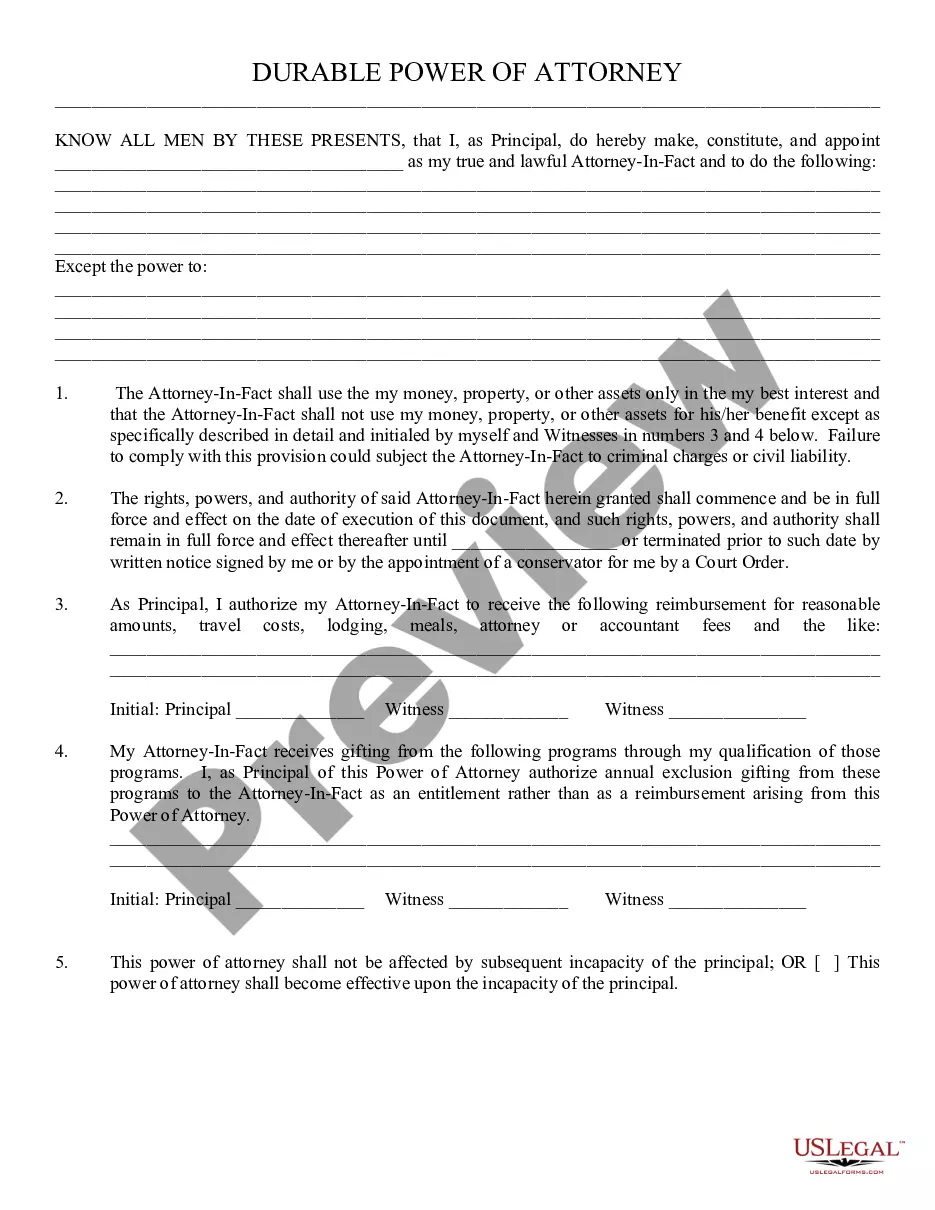
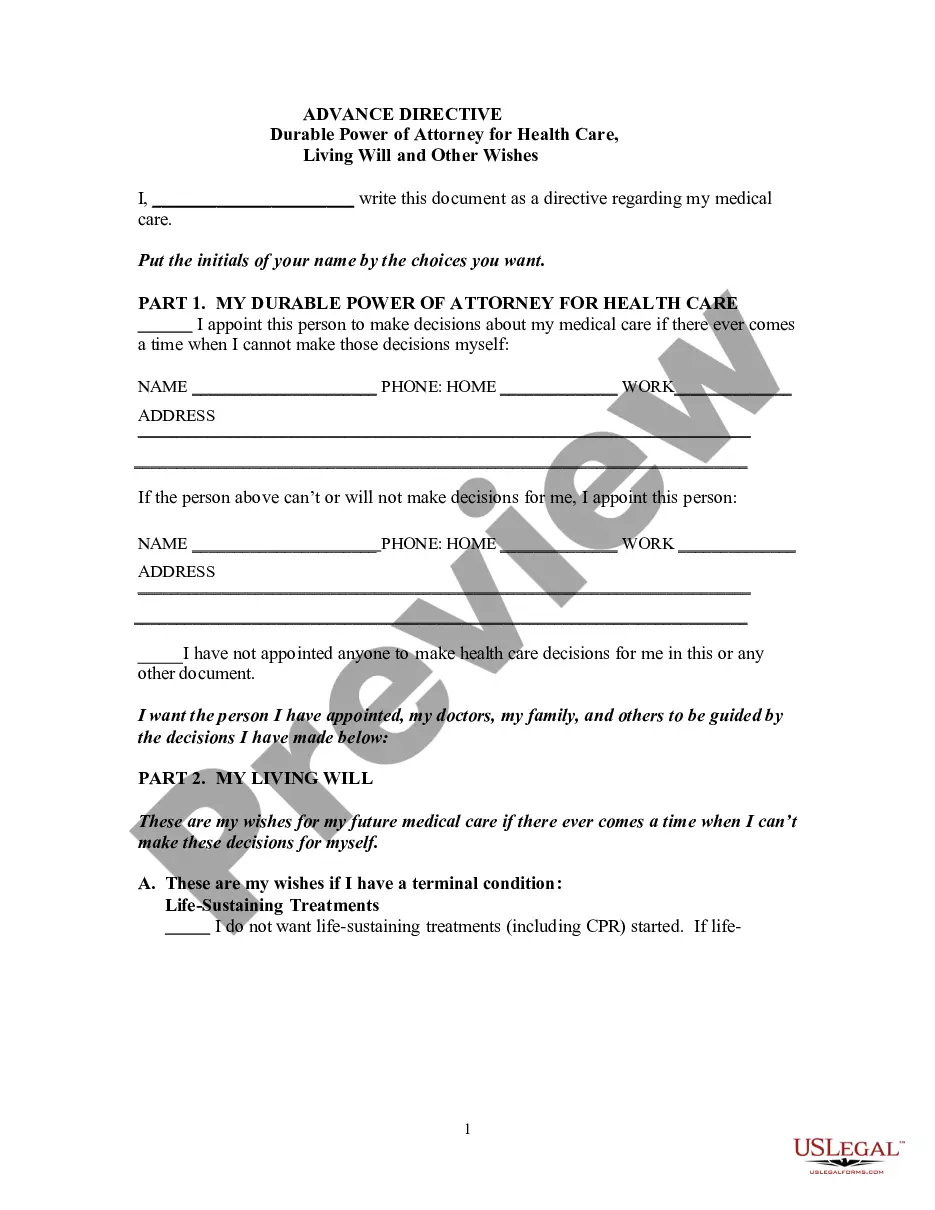
A Durable Power of Attorney is a legal document that allows you, the principal, to appoint someone else as your Attorney-in-Fact. This person will manage your financial affairs and make decisions on your behalf. Unlike a standard power of attorney, a durable power of attorney remains effective even if you become incapacitated. This form ensures that the agent acts in your best interest and defines the limits of their authority over your funds and assets.
What’s included in this form
- Appointment of Attorney-in-Fact: Designates who will act on your behalf.
- Authority limitations: Specifies the extent of the Attorney-in-Factâs powers.
- Best interest clause: Ensures that the agent must act in your interest only.
- Effective date: Indicates when the powers of the Attorney-in-Fact commence.
- Reimbursement terms: Outlines what expenses the agent can be reimbursed for.
- Gifting provisions: Details any gifting authority given to the Attorney-in-Fact.
Situations where this form applies
This form is useful when you want to appoint someone to manage your financial matters, especially in situations where you may become incapacitated due to illness or injury. It is recommended for individuals planning for future health issues or those wanting to ensure their financial obligations are met without delay.
Who should use this form
- Individuals planning for long-term physical or mental health challenges.
- People wanting to designate someone trustworthy to handle their financial decisions.
- Anyone needing a clear framework for financial management during incapacity.
Instructions for completing this form
- Identify the principal and the Attorney-in-Fact by filling in their names.
- Specify the powers granted to the Attorney-in-Fact, including any limitations.
- Enter the date the powers will become effective.
- Include details about reimbursement and any gifting arrangements if applicable.
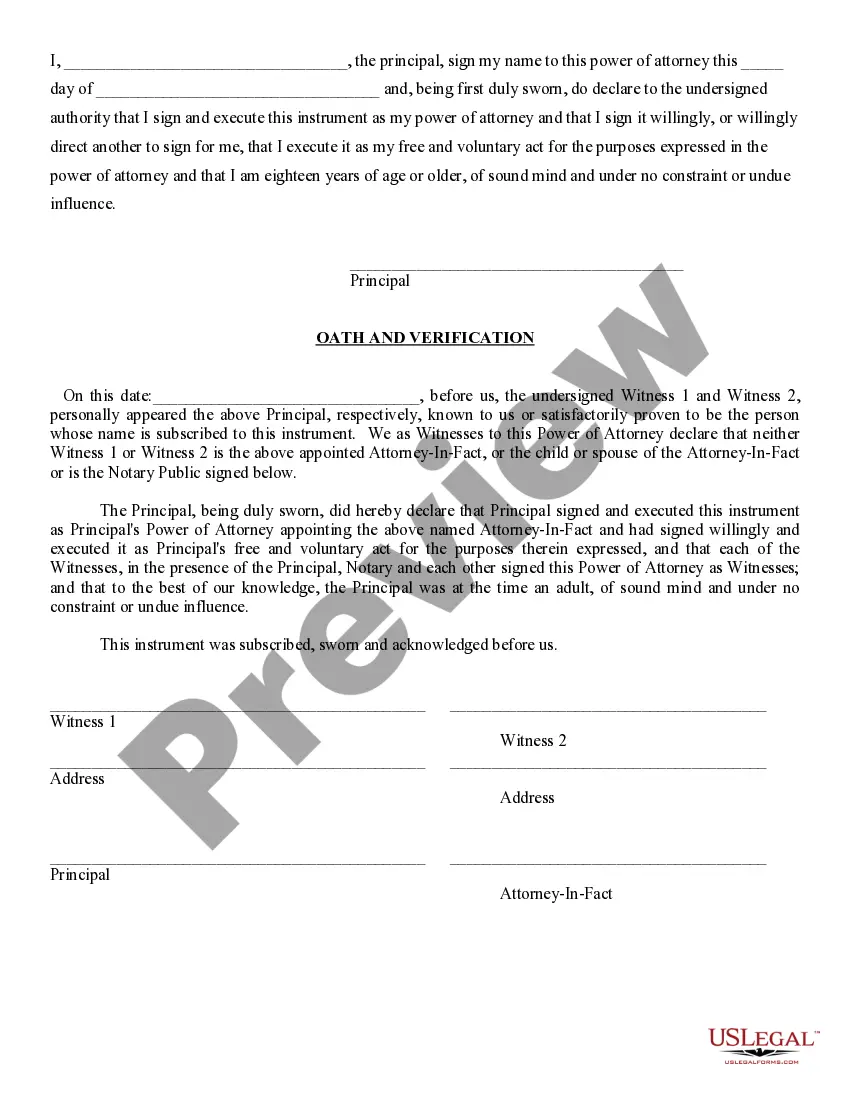
- Sign the document in front of witnesses and a notary public as required.
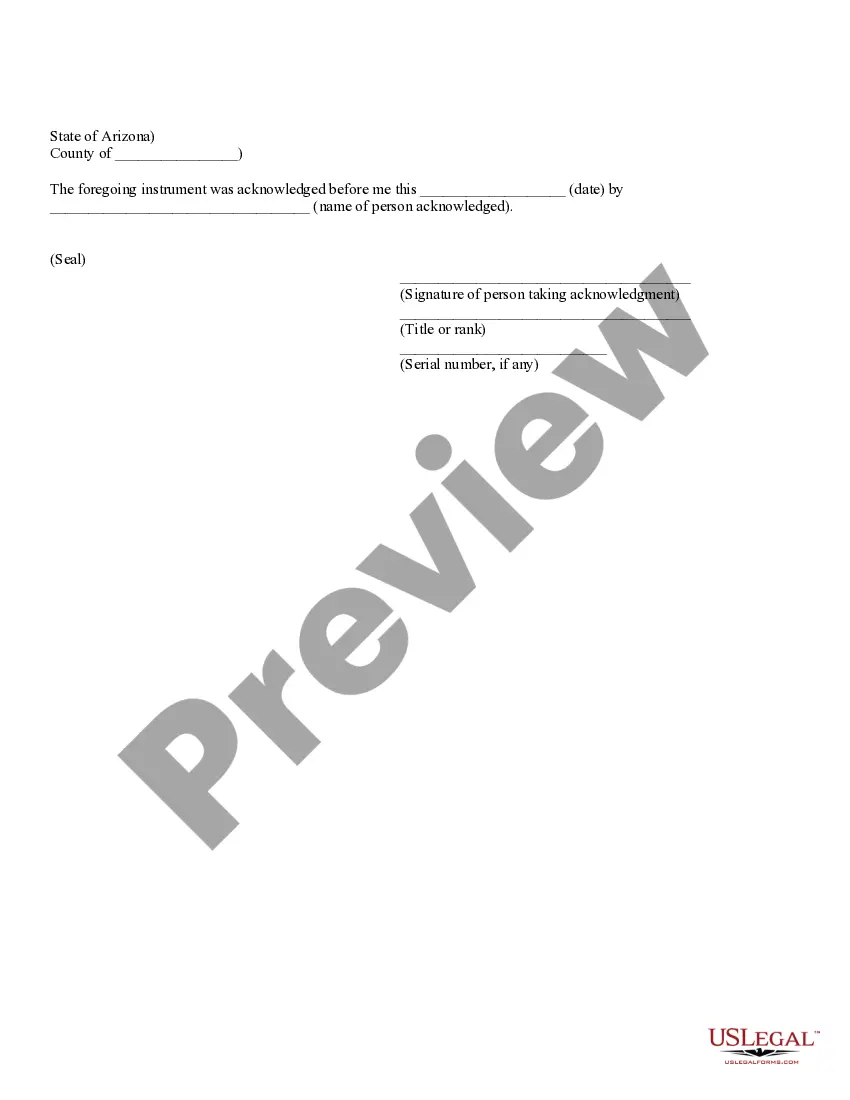
Notarization requirements for this form
Yes, this form must be notarized to be legally valid. This ensures that the signatures are authentic and that the principal is executing the document willingly, which protects against fraud.
Get your form ready online
Our built-in tools help you complete, sign, share, and store your documents in one place.
Make edits, fill in missing information, and update formatting in US Legal Forms—just like you would in MS Word.
Download a copy, print it, send it by email, or mail it via USPS—whatever works best for your next step.
Sign and collect signatures with our SignNow integration. Send to multiple recipients, set reminders, and more. Go Premium to unlock E-Sign.
If this form requires notarization, complete it online through a secure video call—no need to meet a notary in person or wait for an appointment.
We protect your documents and personal data by following strict security and privacy standards.

Make edits, fill in missing information, and update formatting in US Legal Forms—just like you would in MS Word.

Download a copy, print it, send it by email, or mail it via USPS—whatever works best for your next step.

Sign and collect signatures with our SignNow integration. Send to multiple recipients, set reminders, and more. Go Premium to unlock E-Sign.

If this form requires notarization, complete it online through a secure video call—no need to meet a notary in person or wait for an appointment.

We protect your documents and personal data by following strict security and privacy standards.
Common mistakes to avoid
- Failing to specify the powers granted to the Attorney-in-Fact clearly.
- Not signing the document in the presence of required witnesses or a notary.
- Overlooking limitations on authority, leading to potential misuse of funds.
Advantages of online completion
- Convenience of completing the form at your own pace.
- Editability allows customization to fit your specific needs.
- Easy access to a legally compliant form drafted by licensed attorneys.
Legal use & context
- This form is legally binding as long as it complies with state laws and is properly executed.
- It is important for the principal to choose a trustworthy agent, as misuse can lead to legal consequences.
- This power of attorney remains in effect even after the principal becomes incapacitated, providing ongoing financial management.
What to keep in mind
- A Durable Power of Attorney enables an agent to act on your behalf during incapacity.
- Ensure the document is clearly completed and properly signed and notarized.
- Select a trustworthy Attorney-in-Fact to manage your finances responsibly.
Looking for another form?



Form popularity
FAQ
To obtain an Arizona Durable Power of Attorney for your elderly parent, you first need to discuss their wishes and ensure they want this arrangement. You can then create the document by downloading templates or using services like USLegalForms. Make sure to have the document signed in front of a notary or witnesses, as required by Arizona law. Doing this will give you the legal authority to manage their financial and medical decisions if they can no longer do so themselves.
A power of attorney (POA) must be notarized in Arizona to ensure its legitimacy. Notarization helps prevent fraud and confirms that you signed the document willingly. This requirement applies to an Arizona Durable Power of Attorney as well, providing your agent with the power they need. For assistance in drafting and notarizing your POA, consider using UsLegalForms for a straightforward process.
Yes, for a power of attorney to be valid in Arizona, it generally must be notarized. This notarization provides a layer of authenticity and ensures that the document is executed voluntarily. Additionally, having witnesses can further strengthen the enforceability of your Arizona Durable Power of Attorney. UsLegalForms can assist you in creating a compliant document easily.
In Arizona, a power of attorney does not need to be recorded to be valid. However, if you plan to use the document for real estate transactions, it may need to be recorded with the county recorder's office. Having a recorded Arizona Durable Power of Attorney can provide clearer legal authority for your agent. It's always smart to consult legal advice to ensure you meet all necessary requirements.
A durable power of attorney in Arizona remains valid until you revoke it, or until your death. It can have specific start and end dates, as stated in the document. If you become incapacitated, your Arizona Durable Power of Attorney continues to be effective, allowing your designated agent to make decisions on your behalf. It is advisable to review your document periodically to ensure it reflects your current wishes.
If there is no Arizona Durable Power of Attorney in place, medical decisions typically default to your spouse or adult children. If those individuals are not available, a close relative may be appointed. In certain situations, healthcare providers may turn to court-appointed guardians to make decisions. It is beneficial to establish an Arizona Durable Power of Attorney to clearly outline your wishes.
A power of attorney does not need to be filed with the court in Arizona, as it becomes effective once signed by the principal. However, if the power of attorney needs to be used in legal proceedings, you may need to present it to the relevant court. Understanding the nuances of filing is essential, especially for the Arizona Durable Power of Attorney. Consulting with professionals can provide clarity on court-related processes.
An Arizona power of attorney does not require notarization to be valid, but notarizing the document can enhance its credibility. Many institutions may request notarization, especially for the Arizona Durable Power of Attorney. By acquiring notarization, you affirm the document's authenticity and mitigate potential disputes. Consider including notarization for added peace of mind.
In Arizona, the rules for a durable power of attorney stipulate that it must be signed by the principal and must specify that it survives the principal's incapacity. Additionally, the agent must act in the best interests of the principal and follow the granted powers closely. It is crucial to adhere to these rules to ensure the document's effectiveness. You can always refer to the Arizona Durable Power of Attorney template for guidance.
Filing a power of attorney in Arizona involves delivering the document to the appropriate entities that need it, such as banks or medical institutions, rather than filing it with a court. If the power of attorney relates to real estate, recording it with the county recorder's office may be required. Ensure you provide copies to relevant parties to streamline the process. Using a reliable platform like uslegalforms can simplify this procedure.