Arizona Letter from Tenant to Landlord about Insufficient notice of rent increase
Understanding this form
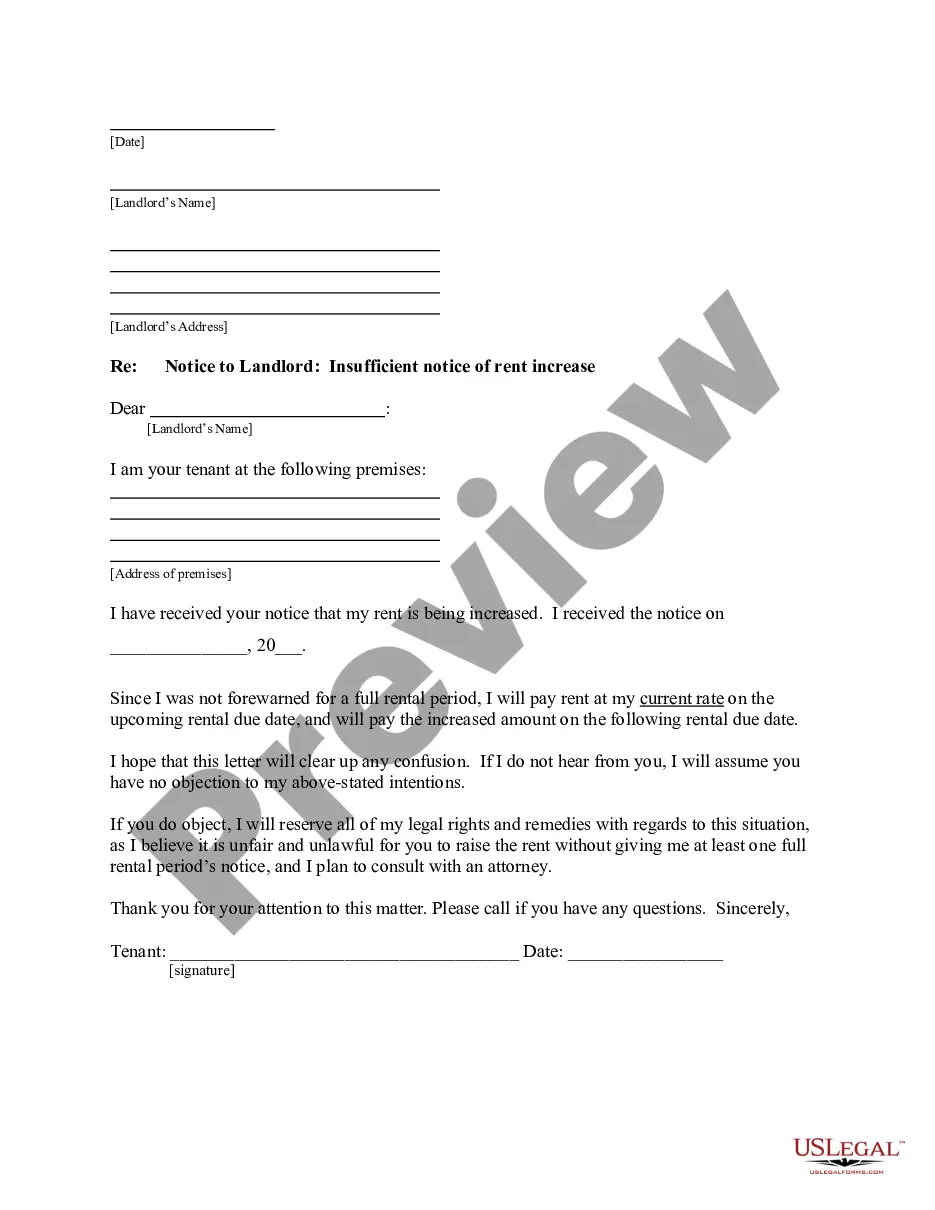
This form is a letter from a tenant to their landlord regarding an insufficient notice of a rent increase. It serves as a formal notification that the tenant did not receive proper notice before a rent increase was implemented, aligning with legal requirements. This letter clarifies the tenant's intention to continue paying the current rent until a full rental period has passed, highlighting the tenant's rights as per applicable rental laws.
Form components explained
- The tenant's current address and contact information.
- The landlord's name and address.
- A clear statement of the tenant's intention to pay the current rent amount.
- An explanation of the insufficient notice provided for the rent increase.
- A statement reserving the tenant's legal rights regarding the situation.
- Space for the tenant's signature and date.
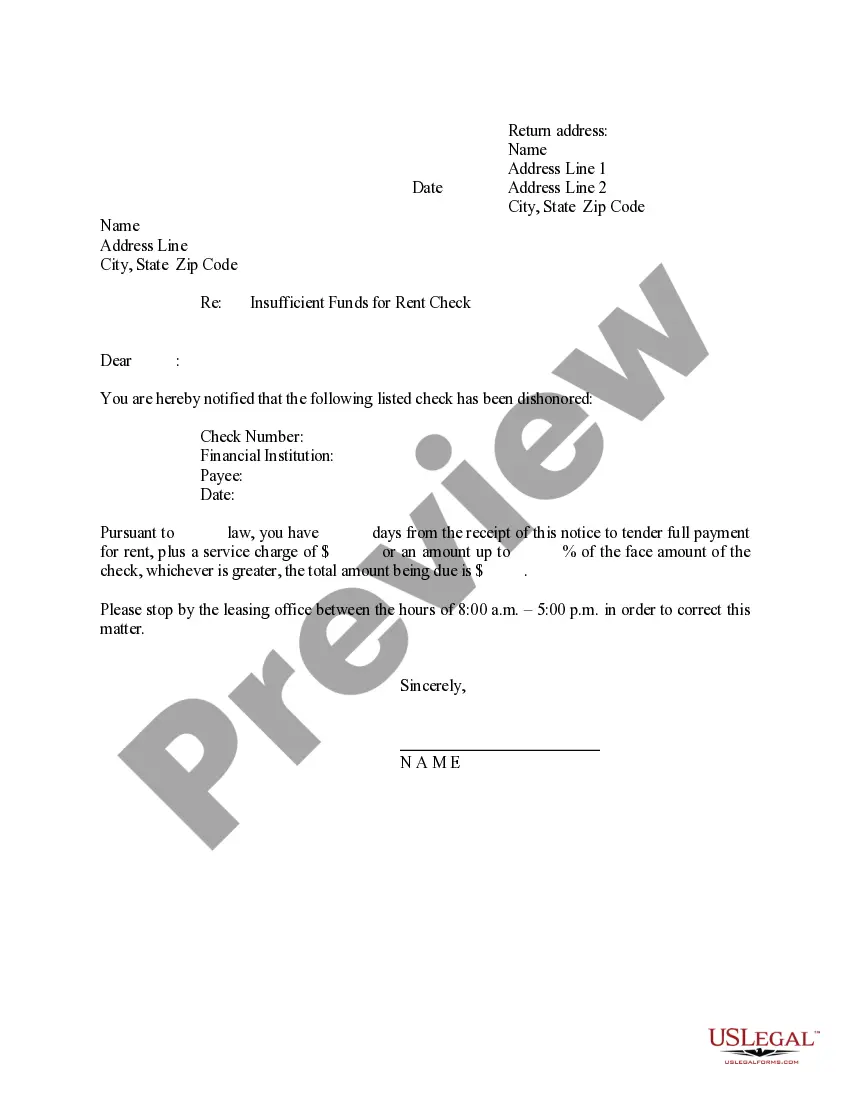
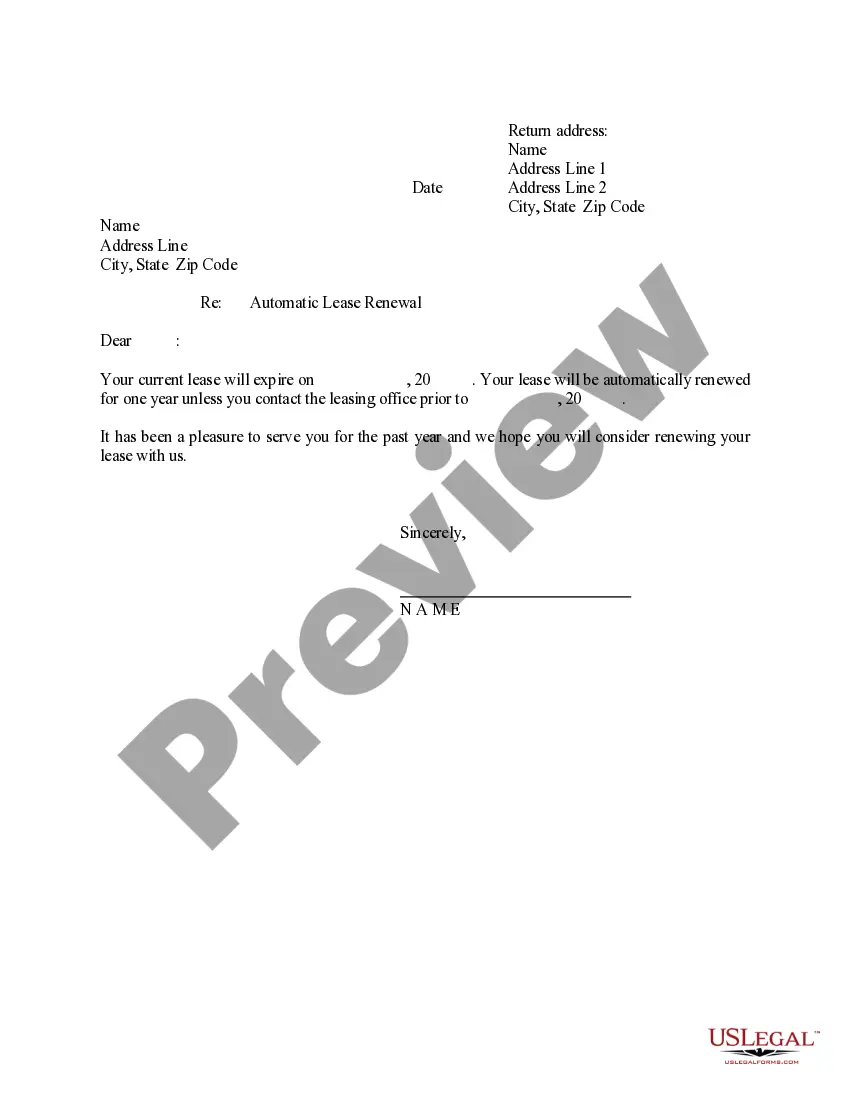
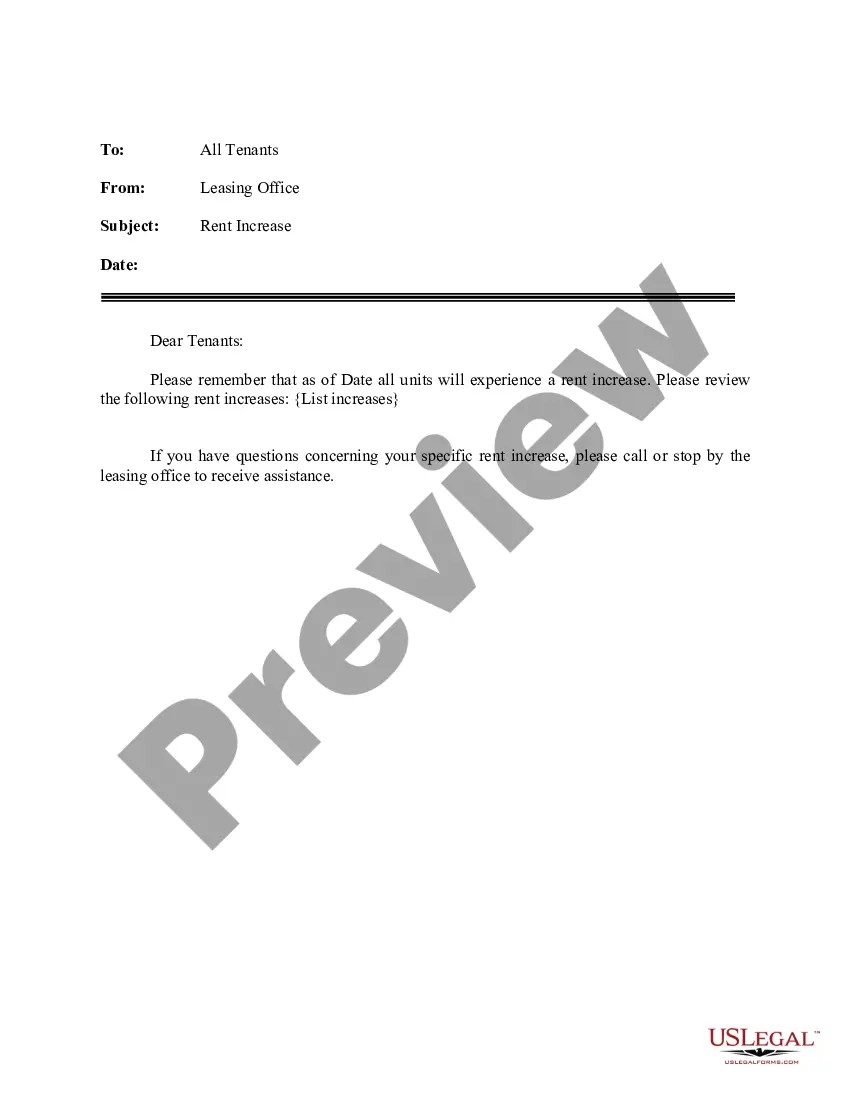

When to use this form
This form should be used when a landlord has increased the rent on a month-to-month lease without providing the required notice. If you, as a tenant, receive a notice of rent increase that does not comply with local laws, using this letter can help ensure that you communicate your rights and intentions clearly to your landlord.
Who needs this form
- Tenants who have received a rent increase notice that conflicts with state or local laws.
- Individuals renting under a month-to-month lease agreement.
- Renters looking to maintain their current rental rate in response to insufficient notice of a rent increase.
- Those seeking to formally communicate their legal rights to the landlord.
How to complete this form
- Enter your name and contact details at the top of the letter.
- Include the landlord's name and address in the designated section.
- Clearly state your intention to continue paying the current rent until proper notice is given.
- Detail the reasons for your position and reference any applicable laws if necessary.
- Sign and date the letter before sending it to your landlord.
Is notarization required?
This form does not typically require notarization unless specified by local law. However, having it notarized can provide an additional layer of authenticity and proof of delivery to the landlord.
Get your form ready online
Our built-in tools help you complete, sign, share, and store your documents in one place.
Make edits, fill in missing information, and update formatting in US Legal Forms—just like you would in MS Word.
Download a copy, print it, send it by email, or mail it via USPS—whatever works best for your next step.
Sign and collect signatures with our SignNow integration. Send to multiple recipients, set reminders, and more. Go Premium to unlock E-Sign.
If this form requires notarization, complete it online through a secure video call—no need to meet a notary in person or wait for an appointment.
We protect your documents and personal data by following strict security and privacy standards.

Make edits, fill in missing information, and update formatting in US Legal Forms—just like you would in MS Word.

Download a copy, print it, send it by email, or mail it via USPS—whatever works best for your next step.

Sign and collect signatures with our SignNow integration. Send to multiple recipients, set reminders, and more. Go Premium to unlock E-Sign.

If this form requires notarization, complete it online through a secure video call—no need to meet a notary in person or wait for an appointment.

We protect your documents and personal data by following strict security and privacy standards.
Avoid these common issues
- Failing to send the letter in writing, which can lead to misunderstandings.
- Not including all necessary contact details, making it difficult for the landlord to respond.
- Ignoring local laws regarding notice periods, which may affect the outcome.
- Not keeping a copy of the letter for personal records.
Why complete this form online
- Immediate access to a professionally drafted letter template.
- Easy to customize according to your specific scenario and local laws.
- Convenience of downloading and printing the form at your convenience.
- Reduced likelihood of legal errors through the use of vetted content.
Key takeaways
- This letter formally communicates disputes about improper rent increase notifications.
- Tenants are encouraged to understand their rights and the correct processes regarding rent increases.
- Using a structured form helps maintain professionalism in communication with landlords.
Looking for another form?



Form popularity
FAQ
Landlords in Arizona must give their tenants at least 30 days notice to vacate the property. This notice is essential to ensure tenants have sufficient time to find new housing. In cases where proper notice is not given, tenants may consider sending an Arizona Letter from Tenant to Landlord about Insufficient notice of rent increase to clarify their rights and seek resolutions.
Section 33-1324-a of the Arizona Residential Landlord and Tenant Act outlines the notice requirements for changes in lease terms, including rent increases. This section stipulates that landlords must provide adequate notice regarding any changes, typically at least 30 days. If you feel your rights were not upheld, an Arizona Letter from Tenant to Landlord about Insufficient notice of rent increase might be an effective way to address this situation.
In Arizona, tenants must provide at least 30 days notice if they choose not to renew their lease. This timeframe gives landlords a chance to find new tenants and helps ensure a smooth transition. If there are complications regarding notice periods, utilizing an Arizona Letter from Tenant to Landlord about Insufficient notice of rent increase can clarify your position.
Yes, under Arizona law, email can serve as written notice between landlords and tenants, provided both parties have agreed to use this method. It is wise to maintain a record of all communications to ensure clarity and prevent misunderstandings. If you did not receive a legally sufficient notice, consider drafting an Arizona Letter from Tenant to Landlord about Insufficient notice of rent increase to highlight your concerns.
Yes, in Arizona, landlords are generally required to give 60 days notice if they plan to increase rent or not renew a lease. This notice allows tenants ample time to prepare their finances or find alternative housing. If you believe you did not receive sufficient notice, you can write an Arizona Letter from Tenant to Landlord about Insufficient notice of rent increase to address the issue.
A notice of non-renewal of lease in Texas informs the landlord that you will not continue your lease after it expires. This notice should comply with Texas state law, which may require specific notice periods. When drafting such a notice, consider using an Arizona Letter from Tenant to Landlord about Insufficient notice of rent increase as a template to ensure clarity and professionalism.
To write a not renewing lease letter, begin with your personal details and your landlord’s. Clearly state your decision to not renew the lease, and include a polite closing thanking your landlord for their understanding. This approach helps you maintain a positive relationship while adhering to the principles of an Arizona Letter from Tenant to Landlord about Insufficient notice of rent increase.
Writing a letter of not renewing a contract includes addressing your landlord and stating the contract's specific details. Specify that you will not be renewing and mention your understanding of the original terms. Such a letter is similar to an Arizona Letter from Tenant to Landlord about Insufficient notice of rent increase, where clarity and professionalism are key.
An example of a letter for not renewing a lease would begin with your contact information and the landlord’s details. Indicate your intention not to renew the lease, specify the lease expiration date, and express appreciation for the time spent in the property. This exit communication aligns well with the format of an Arizona Letter from Tenant to Landlord about Insufficient notice of rent increase.
To write an Arizona Letter from Tenant to Landlord about Insufficient notice of rent increase, start by clearly stating your intention to end the tenancy. Include your name, address, the address of the property, and the date you plan to vacate. Be respectful and provide a reason for your departure, if appropriate, to maintain good relations.