Arizona Letter from Tenant to Landlord with Demand that landlord remove garbage and vermin from premises
Understanding this form
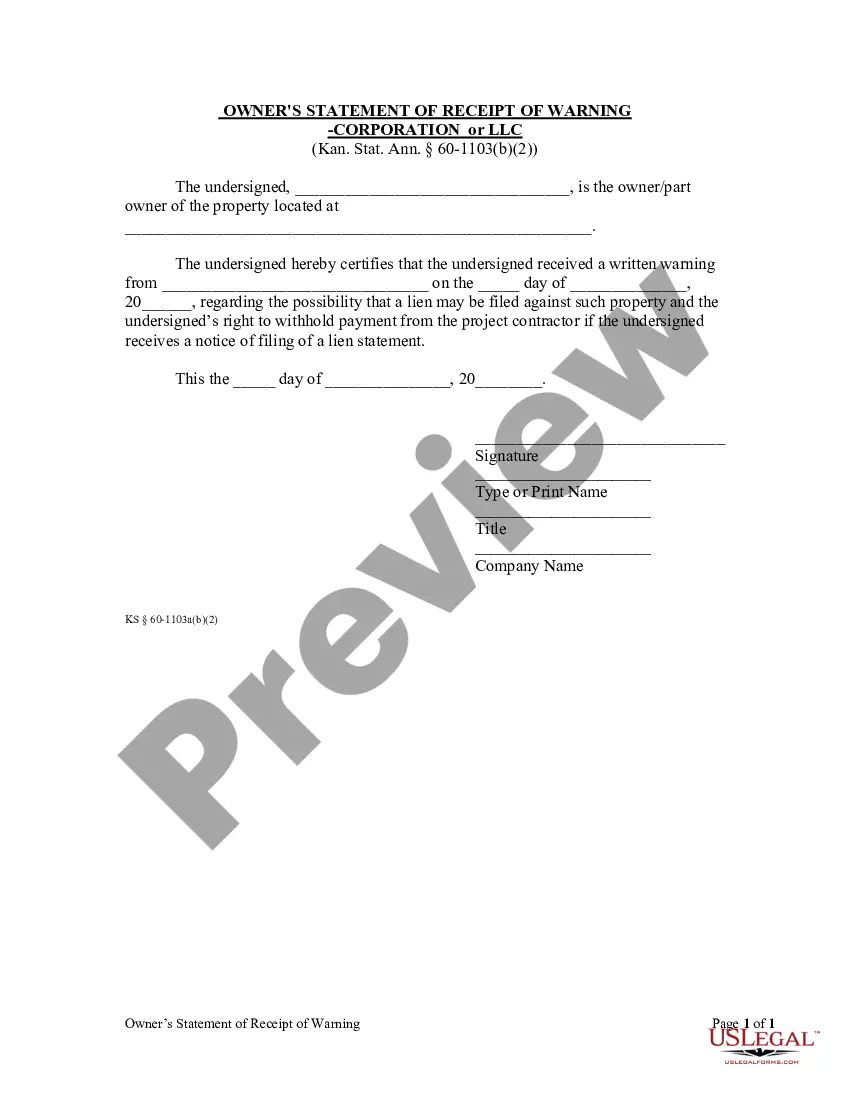
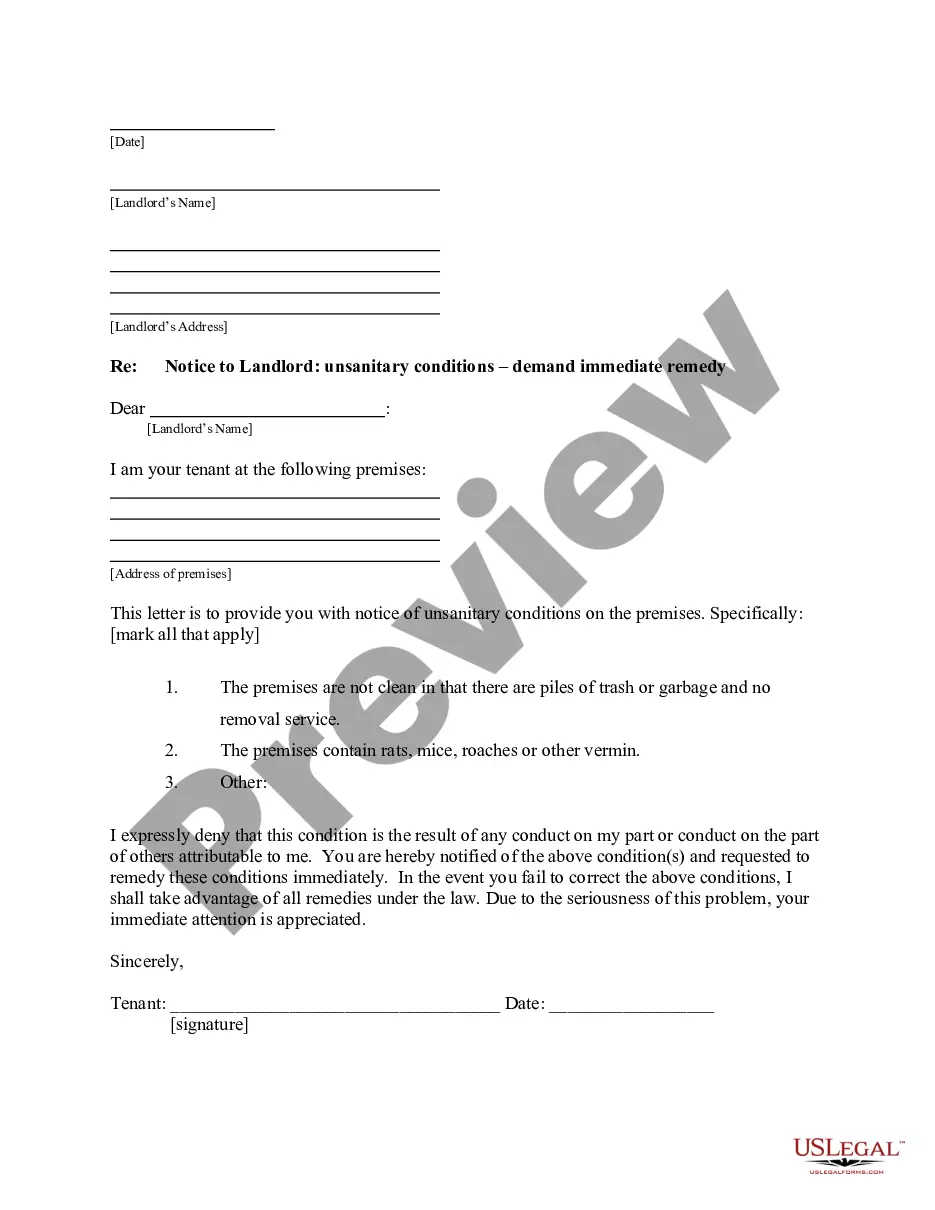
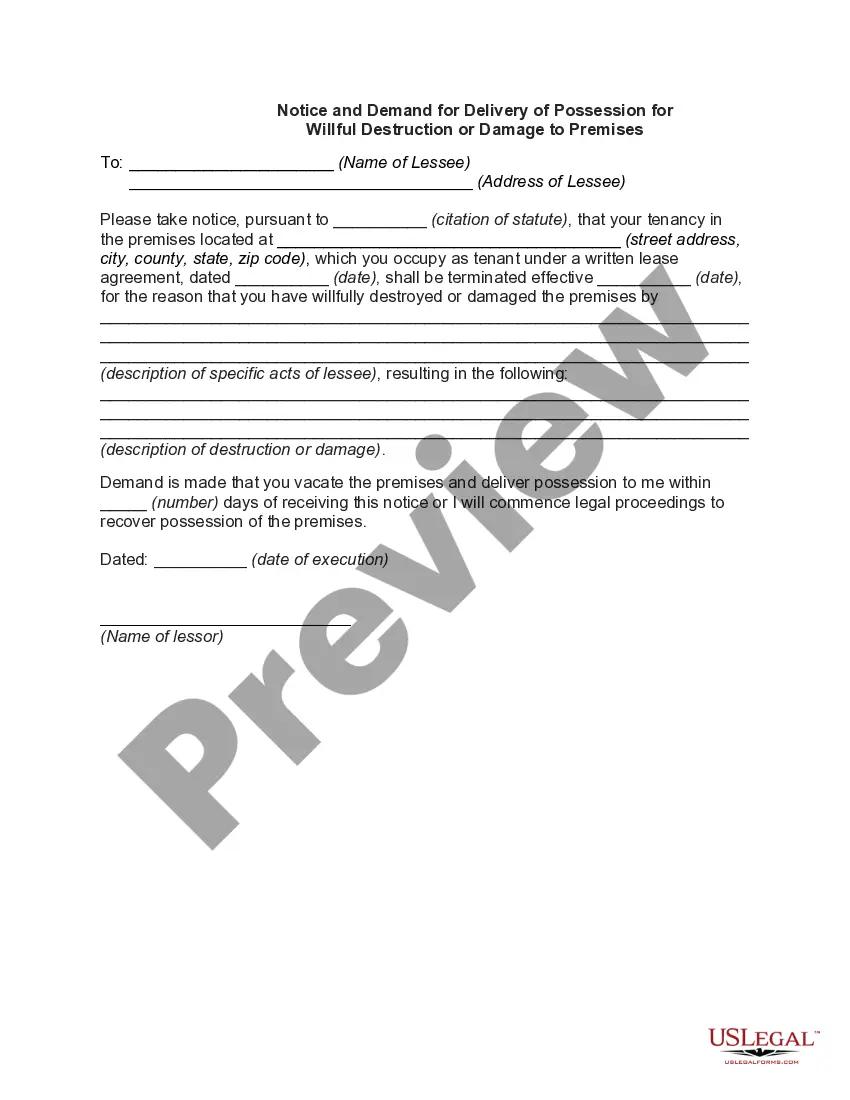
This form is a letter from a tenant to a landlord, formally notifying them of unsanitary conditions, including garbage and vermin, on the rental premises. Its primary purpose is to demand that the landlord rectify these issues, which breach the lease agreement. This letter is essential for documenting the problem and initiating the process of holding the landlord accountable, distinguishing it from other tenant-related communication forms.
What’s included in this form
- Identification of the tenant and the landlord.
- Description of the unsanitary conditions present on the premises.
- A clear demand for immediate action to remedy the situation.
- Statement denying responsibility for the unsanitary conditions.
- Notice of further action if the landlord does not respond.
- Space for the tenant's signature and date.
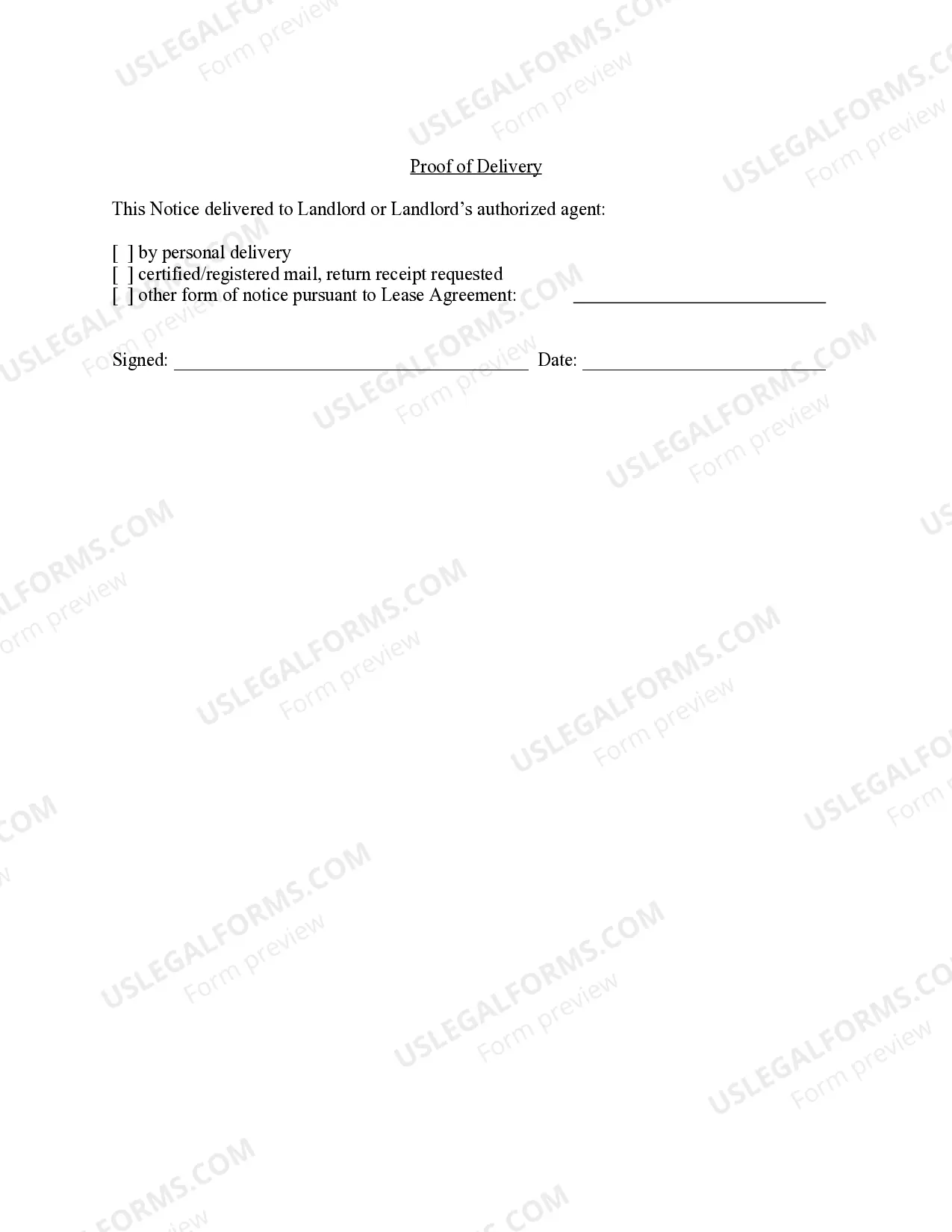
- Proof of delivery options to ensure notice has been served.

Situations where this form applies
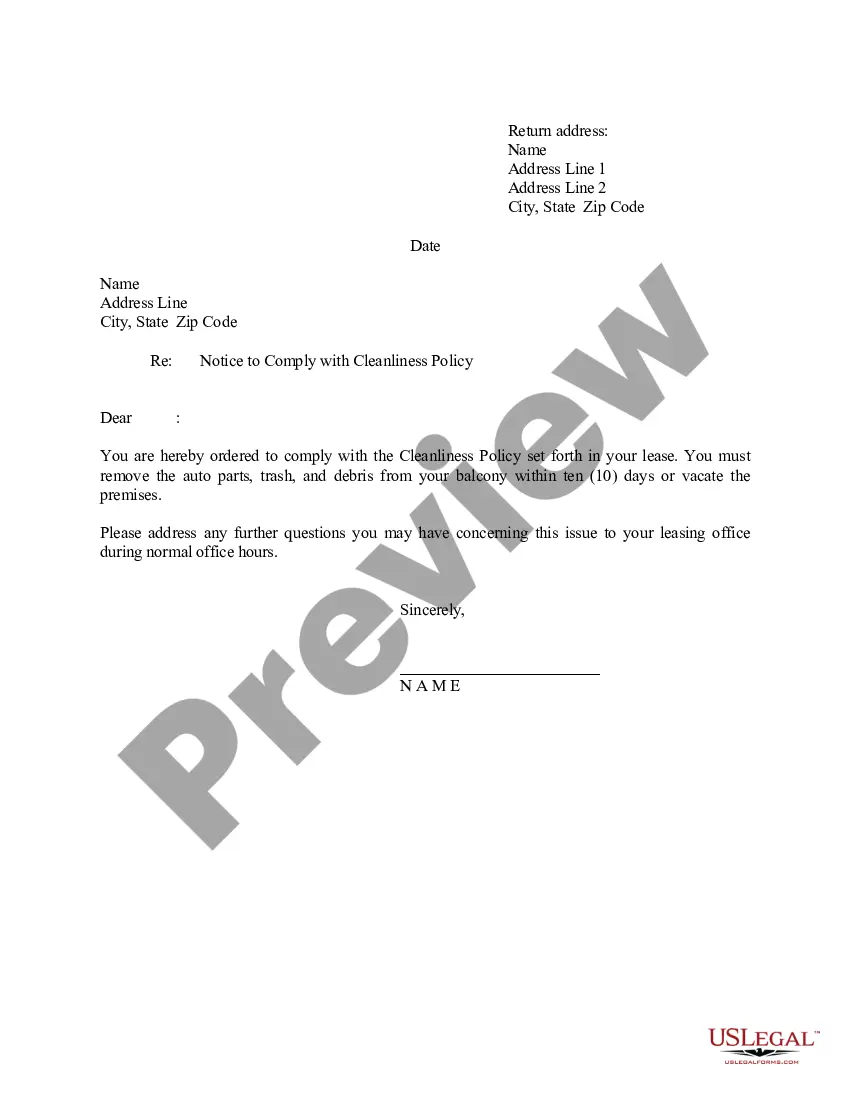
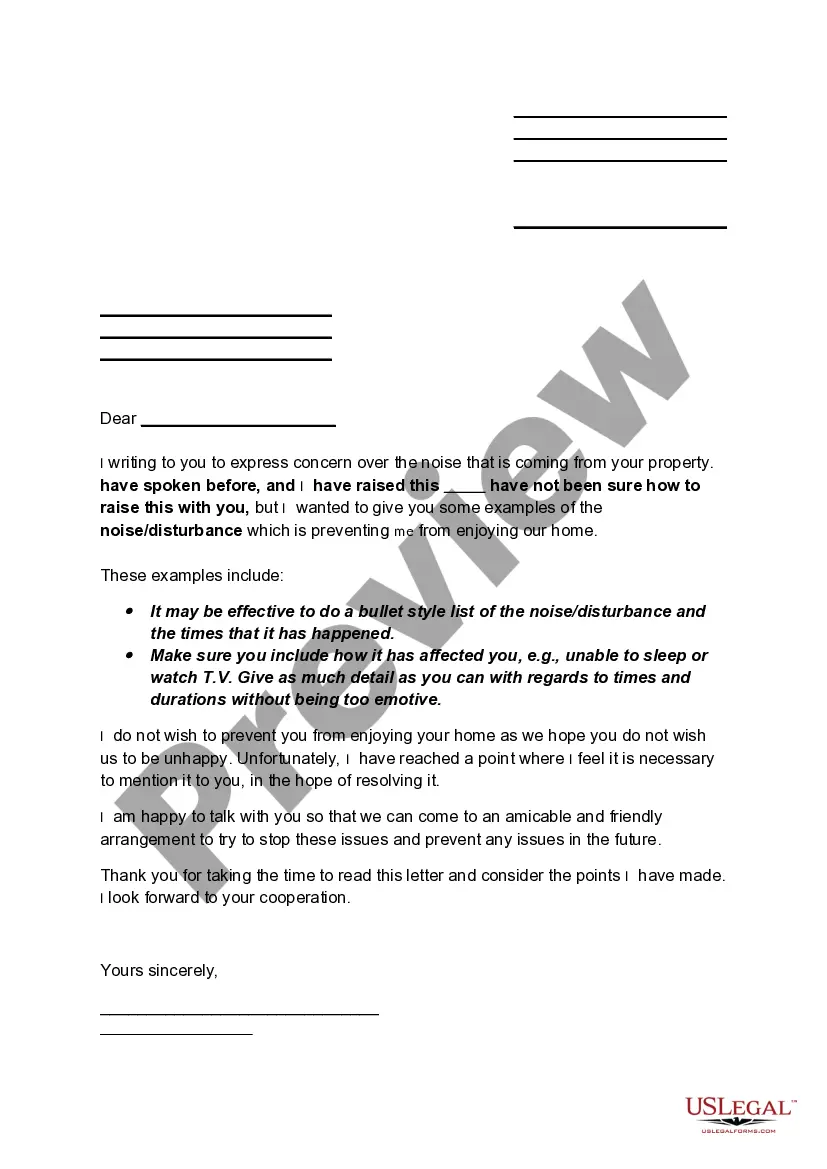
This form should be used when a tenant experiences issues related to unsanitary conditions in their rental unit, such as garbage accumulation or pest infestations. It is appropriate when the landlord has not addressed previous complaints, and the tenant wishes to formally document the problem while seeking prompt corrective action. Utilizing this form ensures that the landlord is legally notified and held accountable for necessary maintenance and repairs.
Who this form is for
- Tenants experiencing unsanitary conditions in their rental property.
- Individuals who have previously reported issues to their landlord without resolution.
- Anyone looking to ensure proper documentation of their landlord's responsibility.
How to complete this form
- Identify the tenant and landlord by providing full names and addresses.
- Describe the unsanitary conditions in detail to ensure clarity.
- State the demand for immediate action clearly and assertively.
- Include a denial of responsibility for the issues described.
- Sign and date the letter to formally document your request.
- Choose the method of delivery and retain proof of service for your records.
Notarization guidance
This form does not typically require notarization unless specified by local law. It is advisable to verify local regulations to ensure compliance with any additional requirements.
Get your form ready online
Our built-in tools help you complete, sign, share, and store your documents in one place.
Make edits, fill in missing information, and update formatting in US Legal Forms—just like you would in MS Word.
Download a copy, print it, send it by email, or mail it via USPS—whatever works best for your next step.
Sign and collect signatures with our SignNow integration. Send to multiple recipients, set reminders, and more. Go Premium to unlock E-Sign.
If this form requires notarization, complete it online through a secure video call—no need to meet a notary in person or wait for an appointment.
We protect your documents and personal data by following strict security and privacy standards.

Make edits, fill in missing information, and update formatting in US Legal Forms—just like you would in MS Word.

Download a copy, print it, send it by email, or mail it via USPS—whatever works best for your next step.

Sign and collect signatures with our SignNow integration. Send to multiple recipients, set reminders, and more. Go Premium to unlock E-Sign.

If this form requires notarization, complete it online through a secure video call—no need to meet a notary in person or wait for an appointment.

We protect your documents and personal data by following strict security and privacy standards.
Avoid these common issues
- Failing to provide specific details about the unsanitary conditions.
- Not keeping a copy of the letter for personal records.
- Overlooking the importance of sending the letter via certified mail.
- Not signing and dating the letter before sending.
Why complete this form online
- Convenient access to customizable templates anytime.
- Editable immediately to suit your specific situation.
- Accuracy and reliability, drafted by licensed attorneys.
- Quick download for immediate use and distribution.
Legal use & context
- This form serves as formal notice of lease violations for unsanitary conditions.
- Can be used as evidence in legal disputes if necessary.
- Establishes the tenant's initiative to resolve the issue before further legal actions.
Main things to remember
- This form is essential for tenants facing unsanitary conditions.
- It effectively communicates demand for repairs to the landlord.
- Using this form can aid in legal protection against negligence.
Looking for another form?

Form popularity
FAQ
This standard form is a letter from a tenant to the landlord notifying them of unsanitary conditions (garbage and vermin) and demanding immediate remediation. It documents the issue, assigns responsibility, and provides space for the tenant’s signature and delivery proof. Use it when prior complaints were not resolved.
This form records unsanitary conditions and demands action, but it does not itself establish legal duties in Arizona. For pest-control obligations, consult a licensed attorney or review Arizona landlord-tenant statutes. The form’s purpose is to document the problem and initiate formal remediation.
This form acts as a structured template for a landlord-cleanliness letter. It includes identification of the tenant and landlord, a description of the unsanitary conditions, a clear demand for immediate action, a denial of responsibility, notice of further action, plus a signature/date and delivery proof.
Unlike a simple maintenance request, this form explicitly demands immediate action, includes a denial of responsibility, provides a notice of further action if there’s no response, and includes proof of delivery options to ensure the notice is served.
Signing and dating: This form includes space for the tenant to sign and date the letter, confirming its authenticity. It also outlines proof-of-delivery options to show that the landlord received the notice, helping establish a clear record should further action be needed.
This form is specifically tailored to addressing unsanitary conditions caused by garbage and vermin and to document the landlord's duty to remedy. It requires a clear action-demand, a denial of tenant responsibility, and explicit delivery proof and a plan for further action, which distinguishes it from a generic notice.