Alabama Letter from Landlord to Tenant that Sublease granted - Rent Paid by Subtenant, but Tenant Still Liable for Rent and Damages
Overview of this form
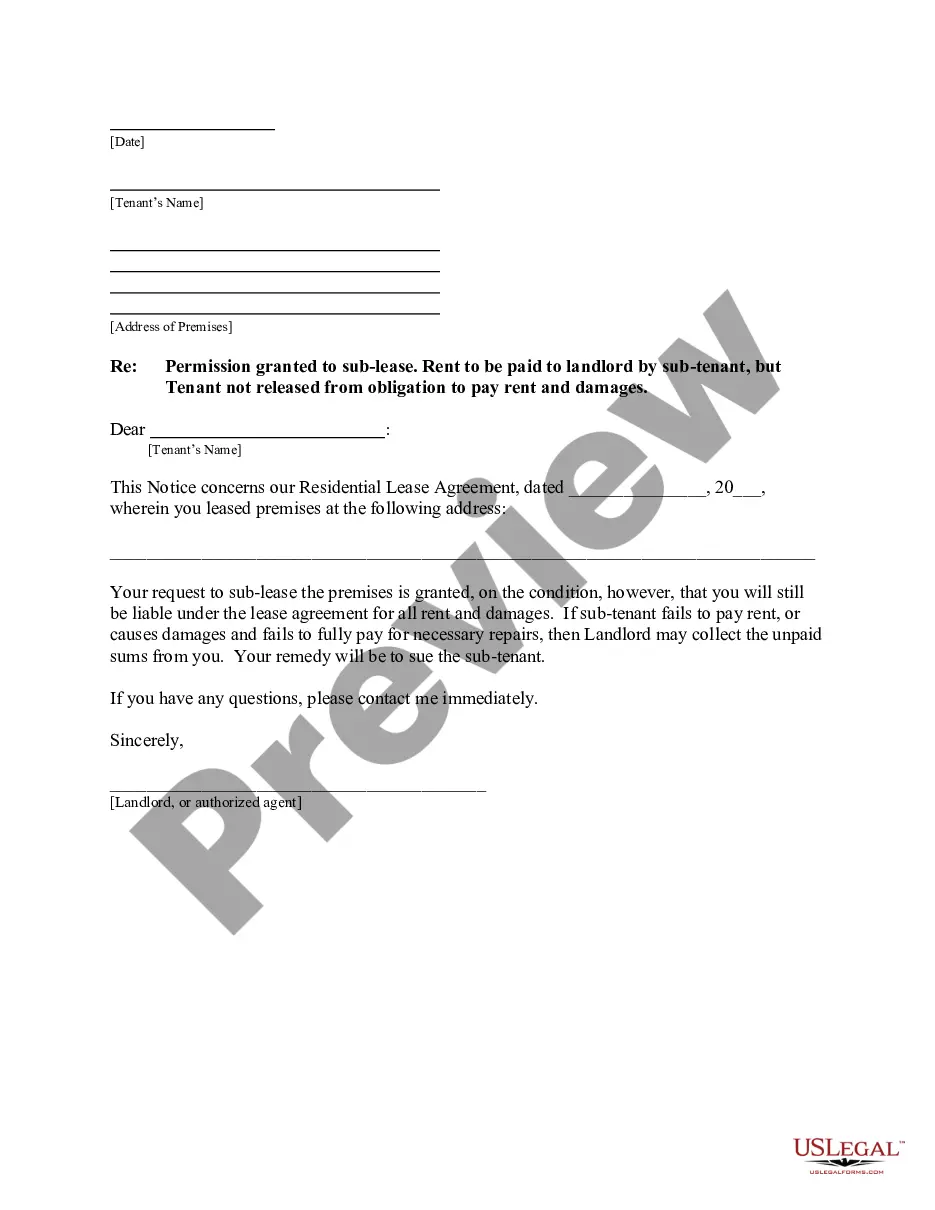
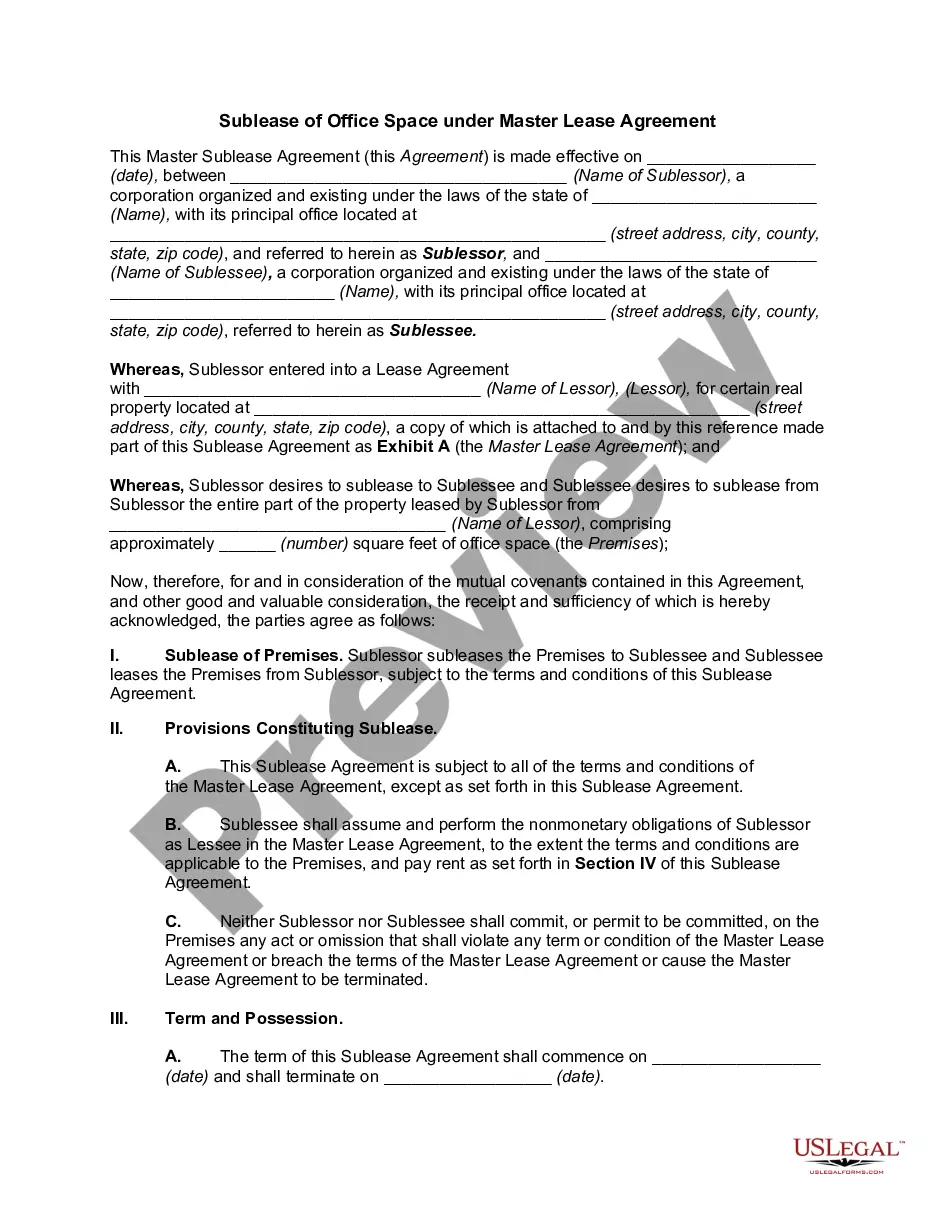
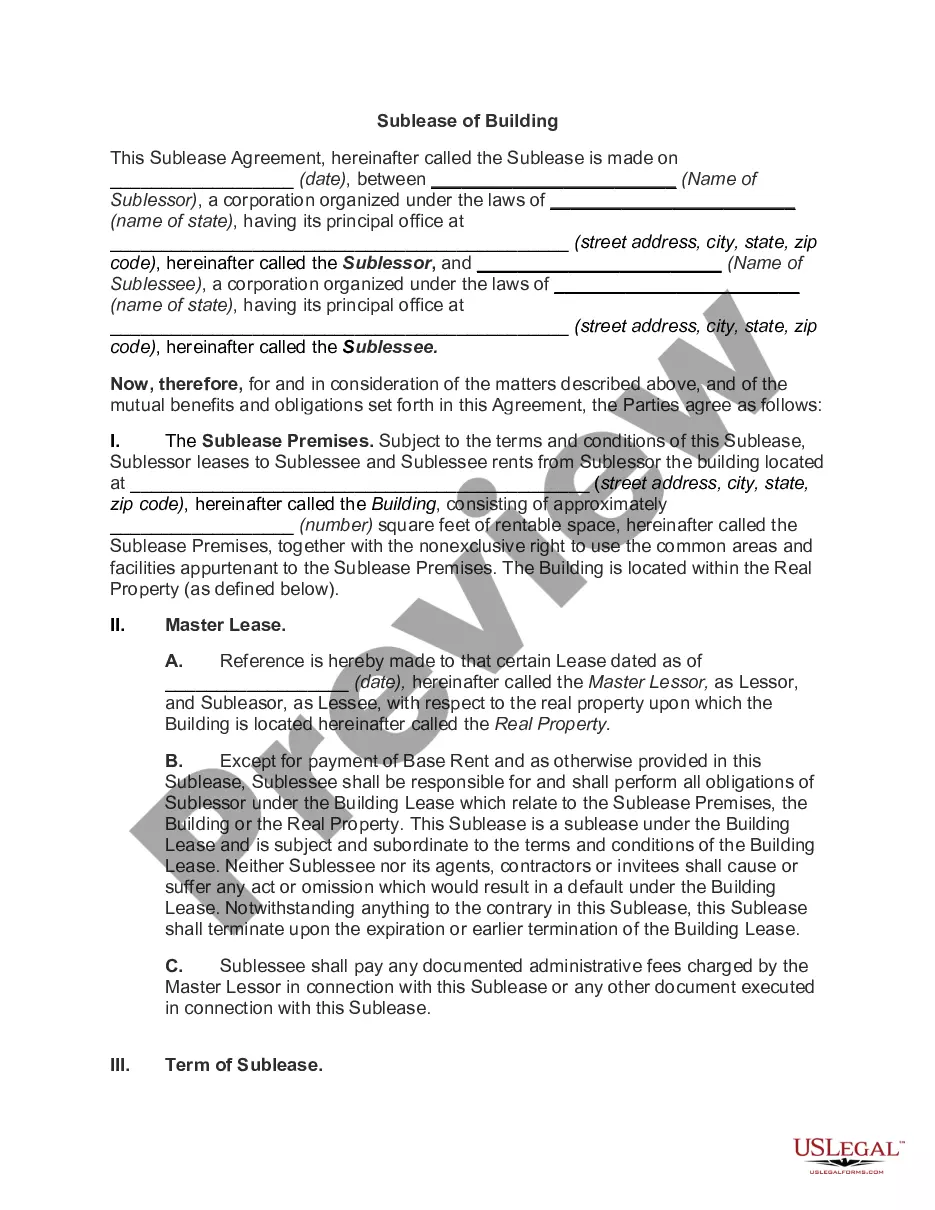
This form is a letter from a landlord to a tenant confirming that a sublease has been granted. The subtenant will pay rent directly, but the original tenant remains liable for any unpaid rent and damages. This form is essential for establishing clear communication about the responsibilities and rights of all parties involved in a sublease agreement, distinguishing it from standard lease agreements where the tenant solely manages rent obligations.
Form components explained
- Confirmation of sublease approval
- Statement regarding tenant's ongoing liability for rent and damages
- Explanation of actions the landlord may take if the subtenant fails to pay rent
- Contact information for the landlord or authorized agent
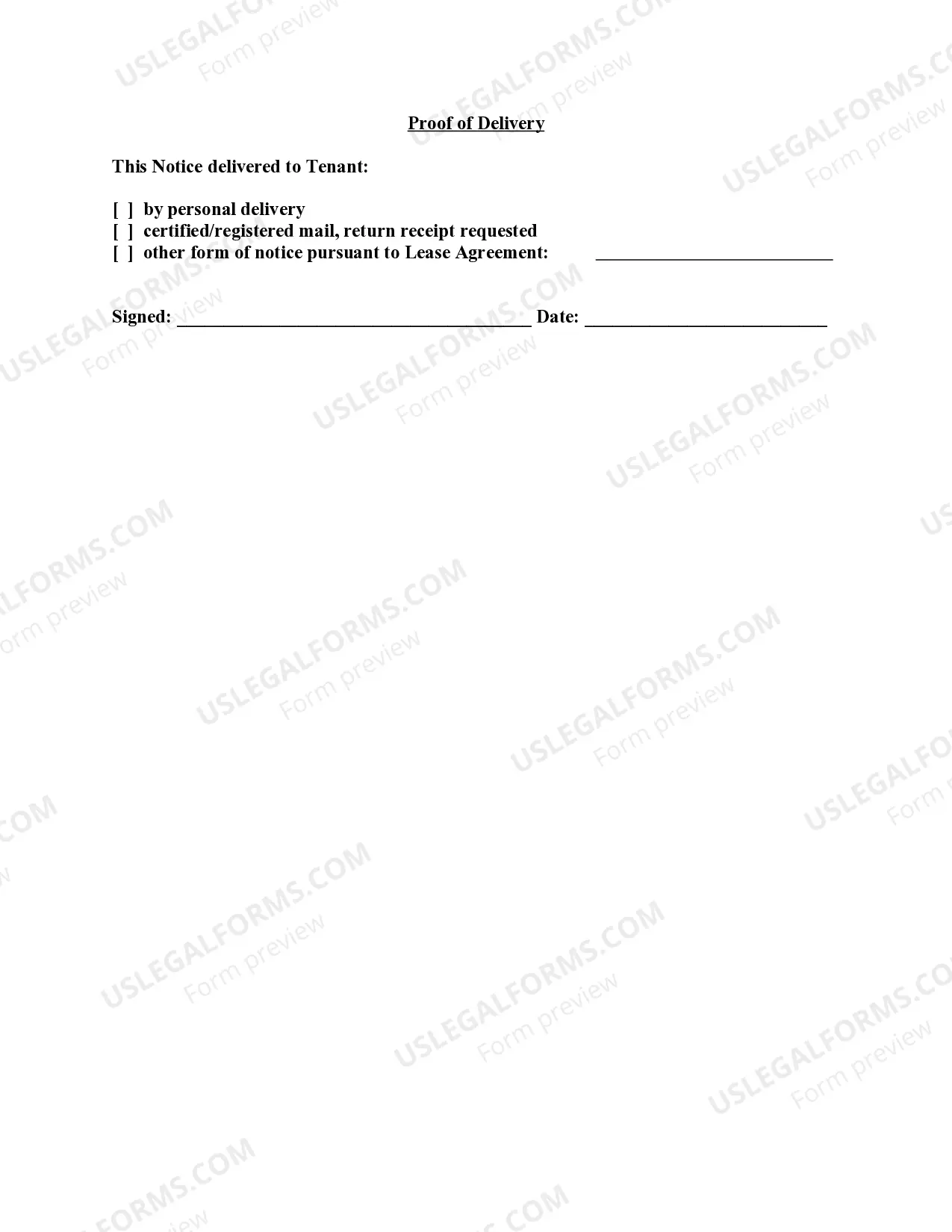
- Method of delivery confirmation to the tenant

When this form is needed
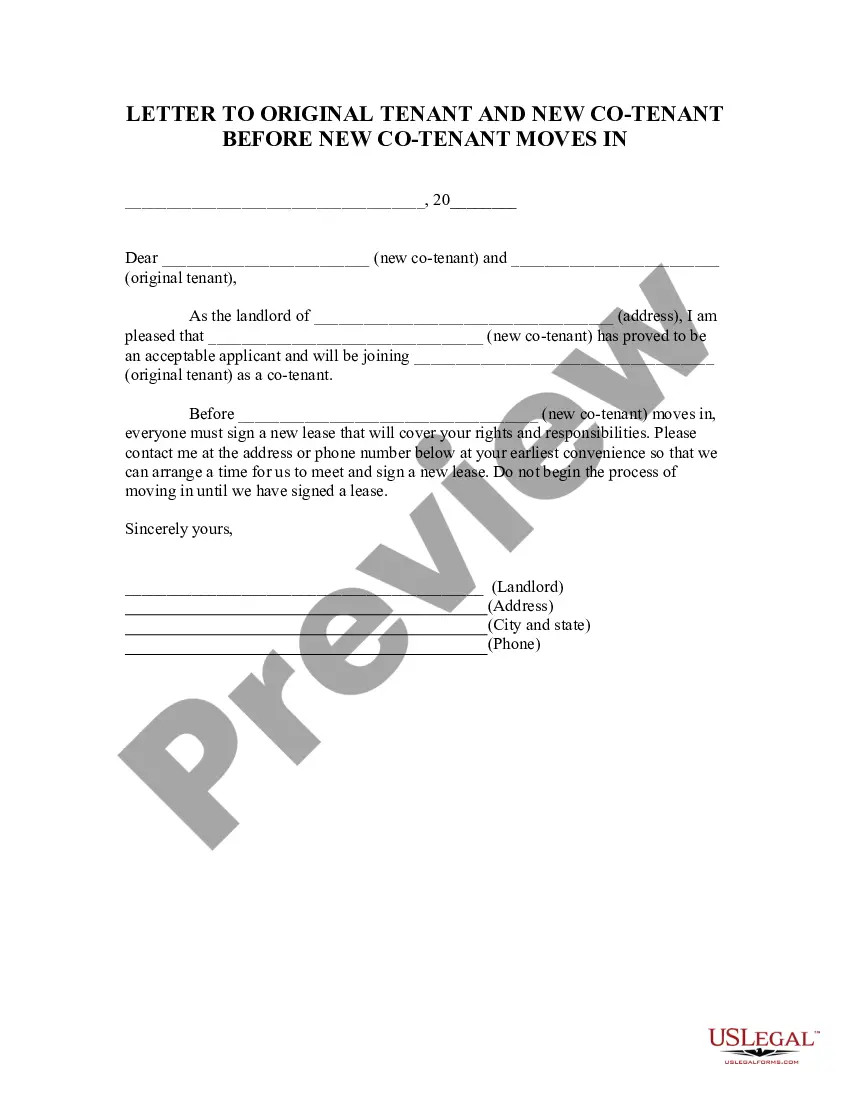
This form is used when a tenant wishes to sublease a rental property and obtains the landlord's approval. It should be issued promptly after the sublease has been granted, ensuring both the tenant and landlord understand that the tenant is still responsible for any obligations under the original lease. Use this letter to formalize the arrangement and clarify any potential financial liabilities arising from the subtenant's actions.
Who this form is for
- Landlords who approve subleases
- Tenants who are entering into a sublease agreement
- Real estate professionals facilitating subleases
Completing this form step by step
- Identify the parties involved: landlord and tenant
- Specify the property address being subleased
- State that the sublease request is granted
- Clarify that the tenant remains liable for rent and damages
- Include contact information for any questions or concerns
- Deliver the notice to the tenant using a specified method
Does this form need to be notarized?
This form does not typically require notarization unless specified by local law. It is advisable to check with local regulations to ensure compliance, but generally, such letters can be executed without notarization.
Get your form ready online
Our built-in tools help you complete, sign, share, and store your documents in one place.
Make edits, fill in missing information, and update formatting in US Legal Forms—just like you would in MS Word.
Download a copy, print it, send it by email, or mail it via USPS—whatever works best for your next step.
Sign and collect signatures with our SignNow integration. Send to multiple recipients, set reminders, and more. Go Premium to unlock E-Sign.
If this form requires notarization, complete it online through a secure video call—no need to meet a notary in person or wait for an appointment.
We protect your documents and personal data by following strict security and privacy standards.

Make edits, fill in missing information, and update formatting in US Legal Forms—just like you would in MS Word.

Download a copy, print it, send it by email, or mail it via USPS—whatever works best for your next step.

Sign and collect signatures with our SignNow integration. Send to multiple recipients, set reminders, and more. Go Premium to unlock E-Sign.

If this form requires notarization, complete it online through a secure video call—no need to meet a notary in person or wait for an appointment.

We protect your documents and personal data by following strict security and privacy standards.
Avoid these common issues
- Failing to properly notify the tenant about the sublease approval
- Not including all relevant parties' names in the form
- Omitting the consequences of unpaid rent by the subtenant
- Using informal communication instead of the formal letter
Why use this form online
- Convenient downloadable format for easy access
- Editability to customize according to specific circumstances
- Reliability, as forms are drafted by licensed attorneys
- This letter serves as a crucial legal document outlining the landlord's approval and the tenant's responsibilities, which may be required in disputes regarding rental payments or property damage.
- Ensure that both parties understand and agree to the terms outlined in this form to maintain clear legal standing.
Quick recap
- This form confirms that a tenant's request to sub-lease has been accepted while maintaining their liabilities.
- It clarifies the roles and responsibilities of both the tenant and the sub-tenant regarding rent and damages.
- Use this letter to avoid misunderstandings and protect both parties in the subleasing arrangement.
Looking for another form?
Form popularity
FAQ
Damages refers to the sum of money the law imposes for a breach of some duty or violation of some right.Compensatory damages, like the name suggests, are intended to compensate the injured party for loss or injury. Punitive damages are awarded to punish a wrongdoer.
There are four types of damages which can be claimed by the aggrieved party. Ordinary Damages or General Damages. Exemplary or Vindictive Damages. Nominal Damages.
There are 3 types of damages in personal injury claims: economic damages, noneconomic damages, and punitive damages.
General and Special Damages. Substantial Damages. Aggravated and Exemplary Damages. Liquidated and Unliquidated Damages. Consequential Damage and Incidental Loss.
Compensatory Damages Compensating You for Your Expenses These are damages that reimburse a plaintiff for out-of-pocket costs and losses. These damages may include medical bills, lost wages, loss of earning potential, and even emotional distress.
Compensatory Damages. The purpose of compensatory damages in a contract dispute is to restore the parties to their pre-contract position. Liquidated Damages. Nominal Damages. Punitive Damages.
What Are Compensatory Damages? Compensatory damages are money awarded to a plaintiff to compensate for damages, injury, or another incurred loss. Compensatory damages are awarded in civil court cases where loss has occurred as a result of the negligence or unlawful conduct of another party.
There are three general types of damages you can sue for in a personal injury case: general, special, and punitive. Both general and special damages are compensatory damages. General damages compensate the victim for non-economic losses like emotional distress and pain & suffering.
Types of Civil Damages Compensatory damages include compensation for expenses such as medical bills, legal costs, loss of income, and costs associated with repairing or replacing damaged property. General damages include payment for non-financial damages, such as pain and suffering.