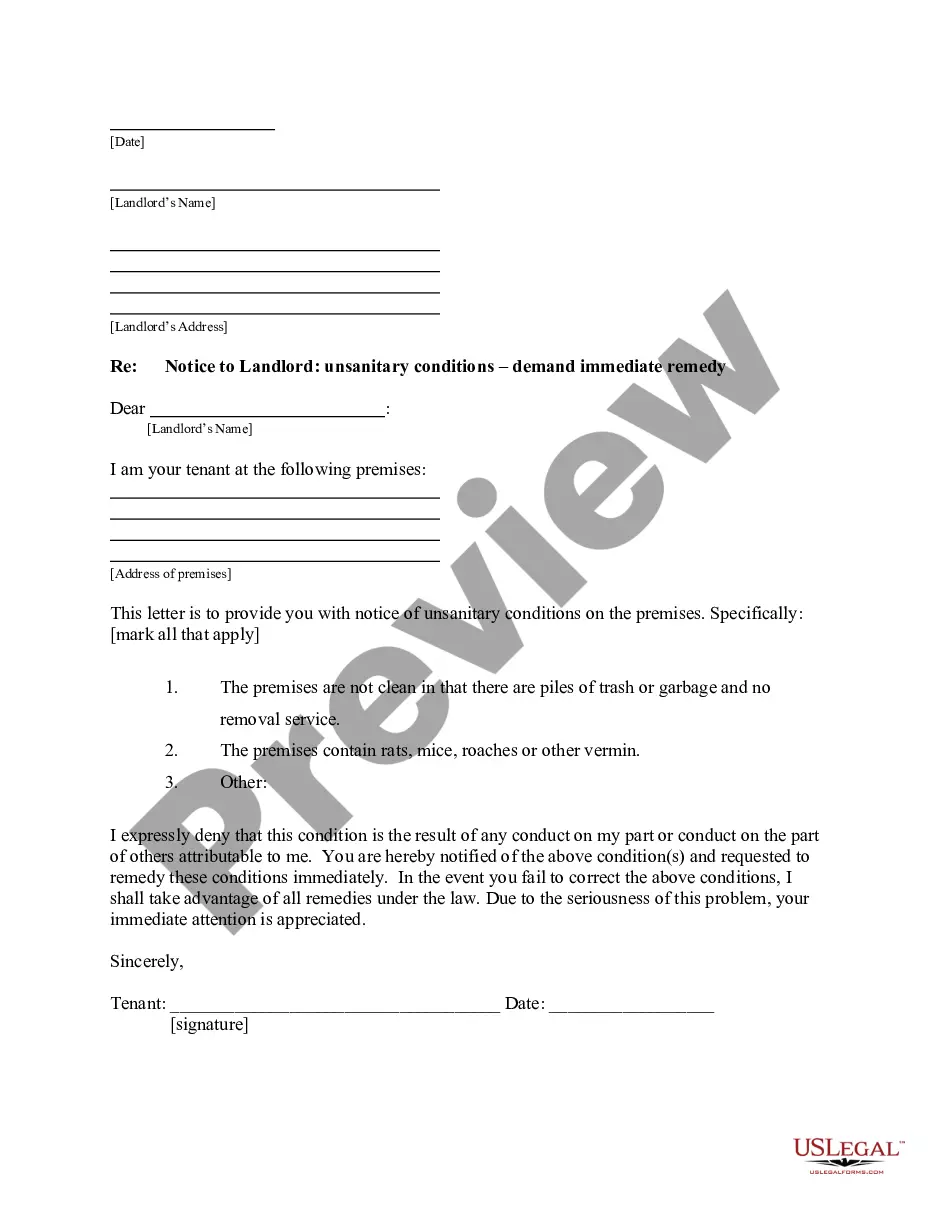
Alaska Letter from Tenant to Landlord with Demand that landlord remove garbage and vermin from premises
What this document covers
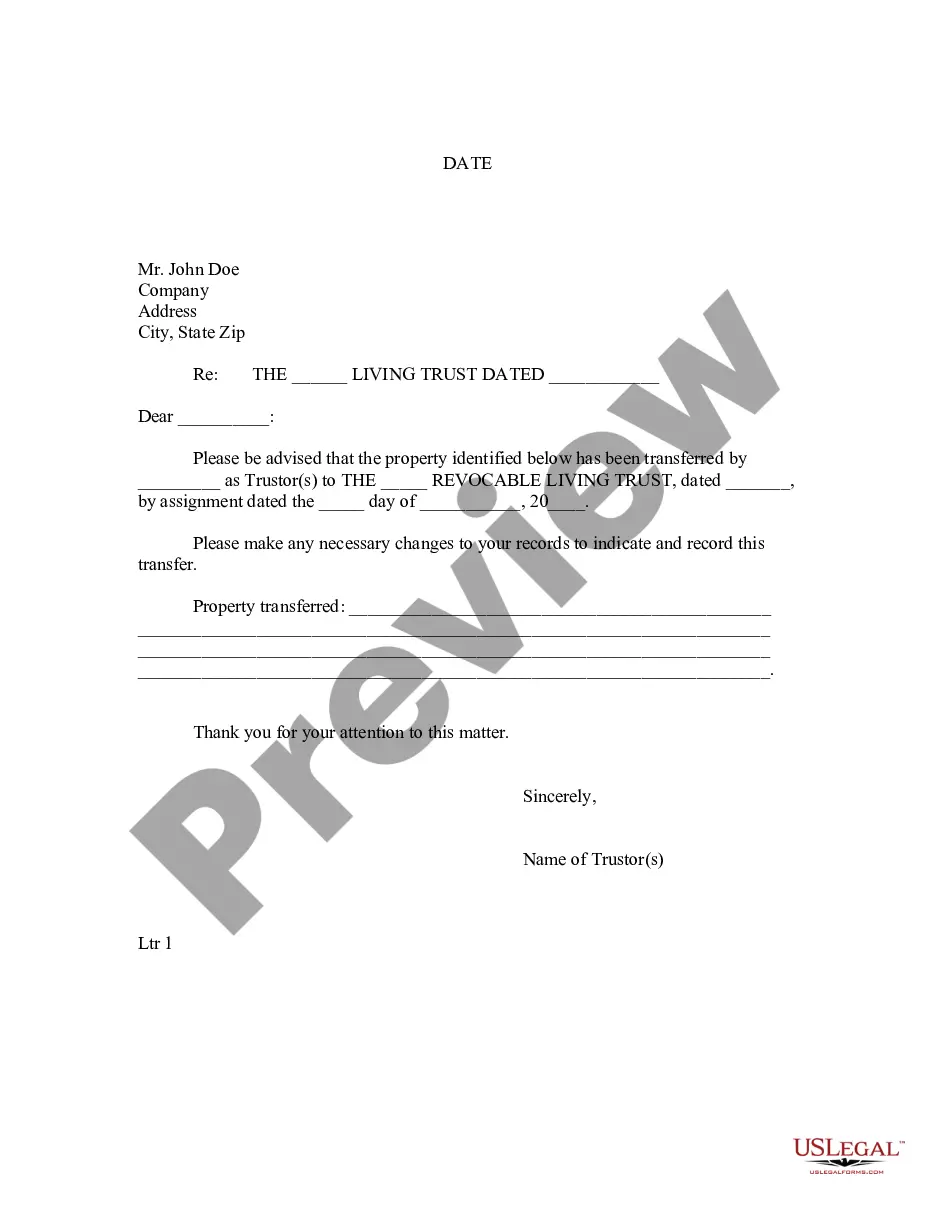
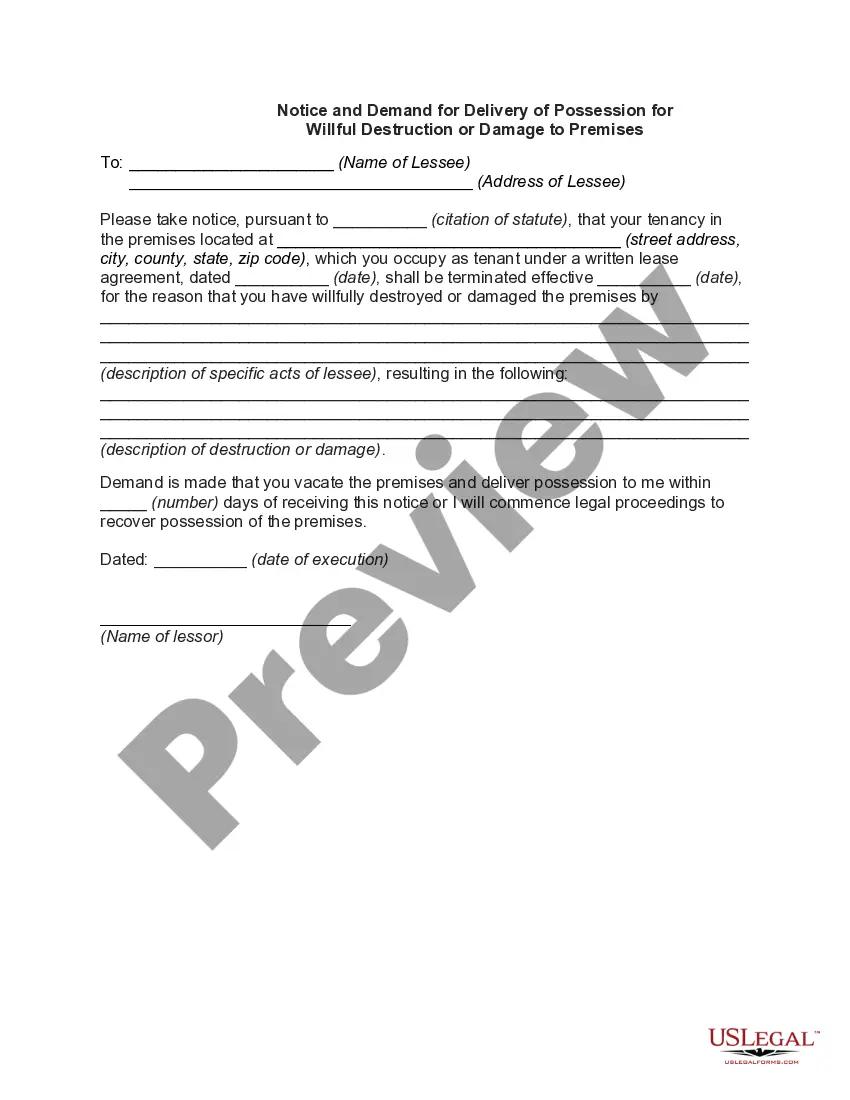
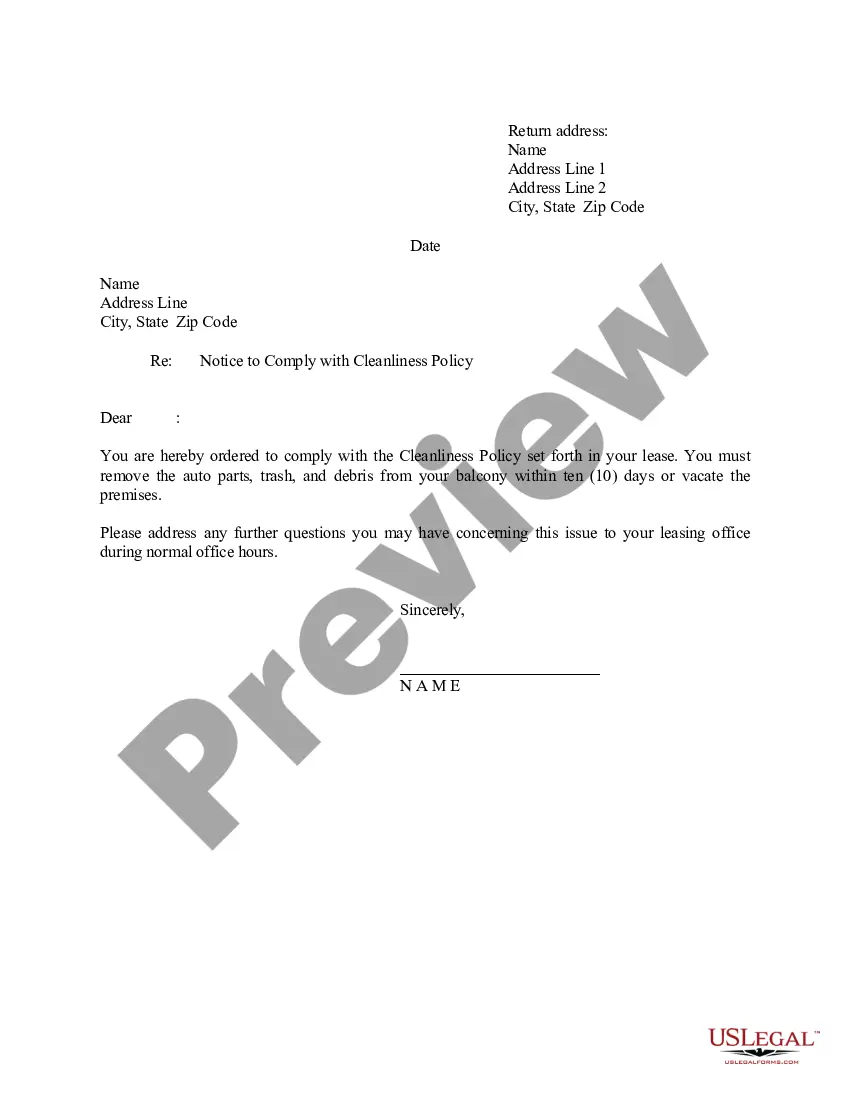
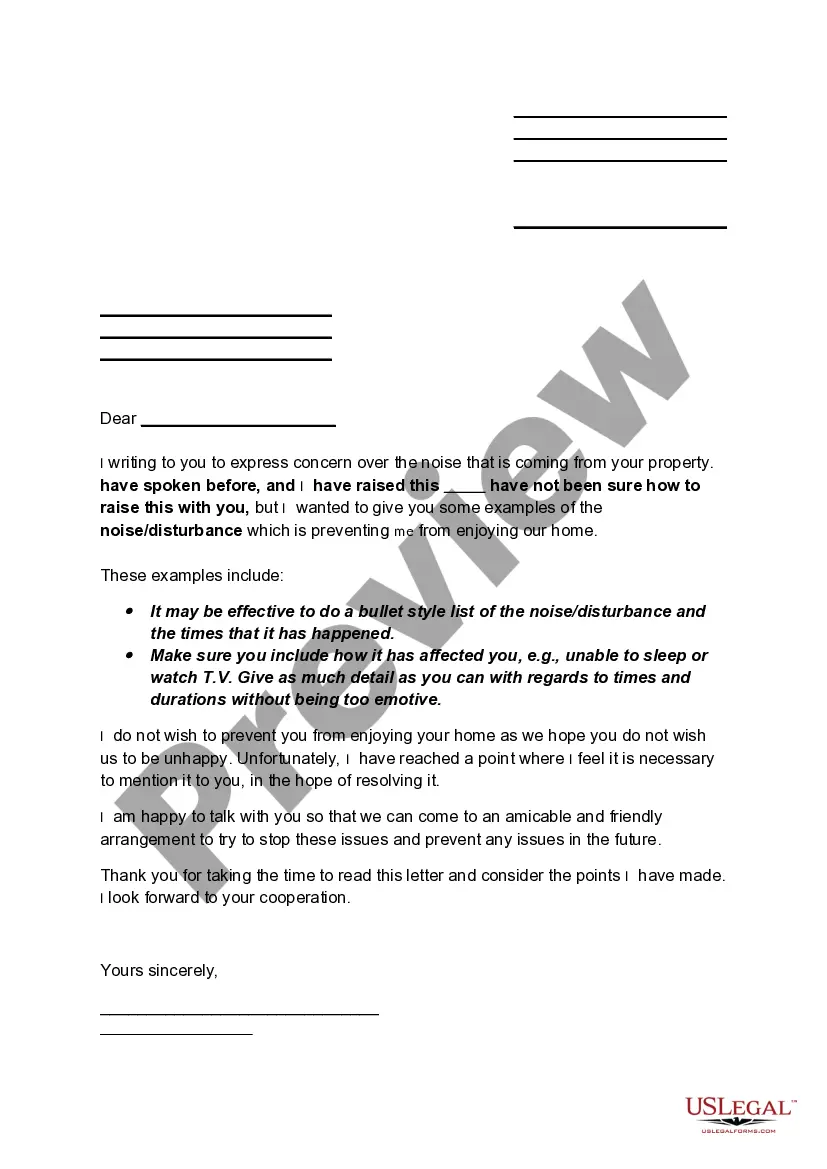
This form, titled Letter from Tenant to Landlord with Demand that landlord remove garbage and vermin from premises, is designed for tenants to formally notify their landlords about unsanitary conditions in their rental property. It is a crucial tool for tenants to demand immediate action from their landlords to rectify issues related to garbage and vermin. This form differentiates itself from other communication methods as it provides a documented, legal basis for the tenant's complaint, ensuring the landlord is aware of their obligation to maintain safe and habitable living conditions.
Main sections of this form
- Tenant's statement denying responsibility for the unsanitary conditions.
- Formal notification to the landlord about the specific issues present.
- Request for immediate remedy of the identified conditions.
- Statement regarding potential legal remedies if the situation is not addressed.
- Space for tenant's signature and date to validate the form.

When to use this document
This form should be used when a tenant notices garbage accumulation or vermin infestations in the rental property. It serves as a formal demand for the landlord to take action, particularly when previous verbal notifications have not resulted in improvement. The urgency conveyed in this letter emphasizes the health and safety risks posed by such conditions, making it a vital step in ensuring a safe living environment.
Who this form is for
Eligibility for this form includes:
- Tenants currently renting residential properties.
- Individuals facing unsanitary or unsafe conditions in their rental unit.
- Renters who have previously communicated issues to their landlord without resolution.
Instructions for completing this form
To complete this form, follow these steps:
- Identify yourself as the tenant and provide your contact information.
- Specify the property address where issues are occurring.
- Clearly describe the unsanitary conditions, including details about garbage and vermin.
- Sign and date the letter to formalize your demand.
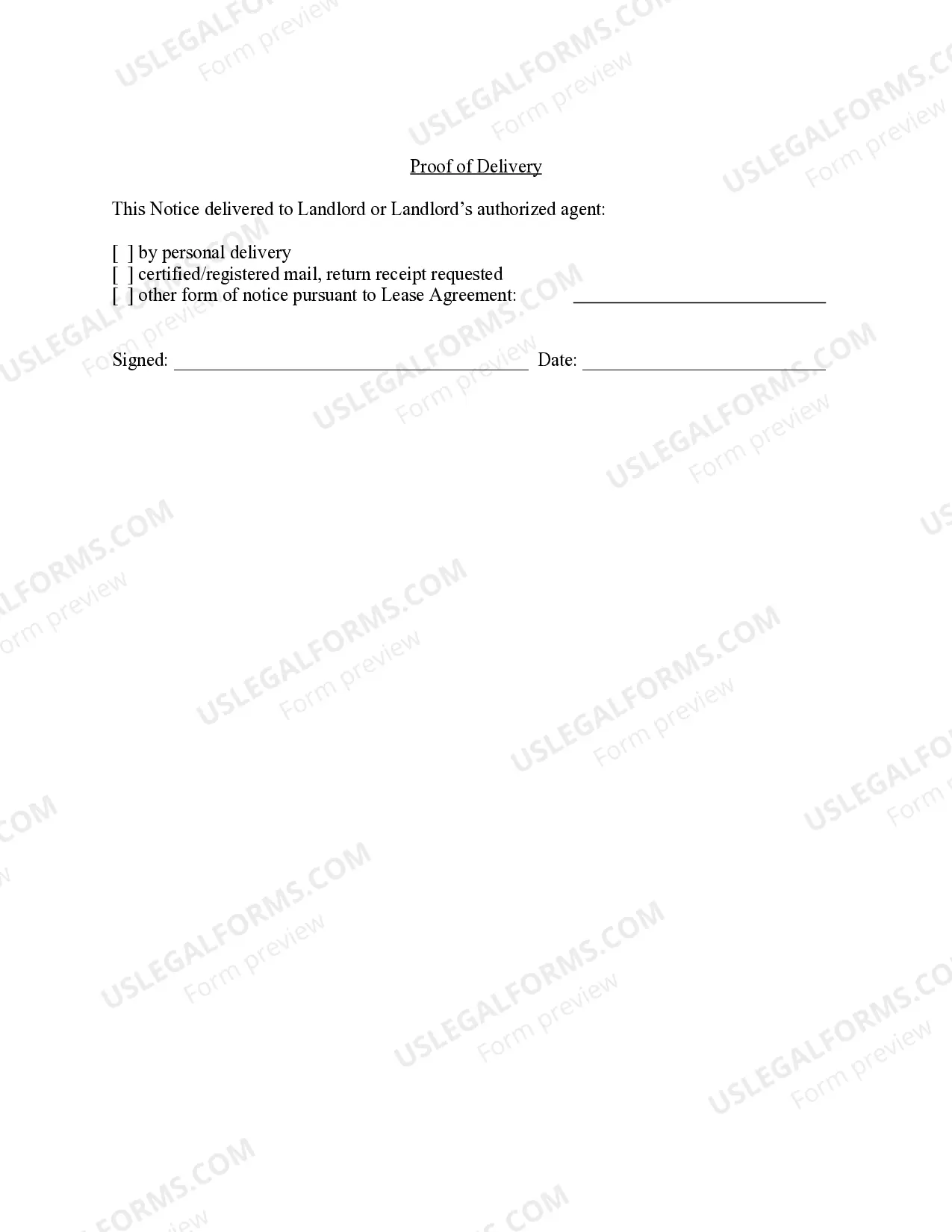
- Deliver the letter to the landlord or their authorized agent, ensuring a proof of delivery is noted.
Does this document require notarization?
This form does not typically require notarization unless specified by local law. However, ensuring that the landlord receives this letter through proof of delivery can help establish a valid record of your complaint.
Get your form ready online
Our built-in tools help you complete, sign, share, and store your documents in one place.
Make edits, fill in missing information, and update formatting in US Legal Forms—just like you would in MS Word.
Download a copy, print it, send it by email, or mail it via USPS—whatever works best for your next step.
Sign and collect signatures with our SignNow integration. Send to multiple recipients, set reminders, and more. Go Premium to unlock E-Sign.
If this form requires notarization, complete it online through a secure video call—no need to meet a notary in person or wait for an appointment.
We protect your documents and personal data by following strict security and privacy standards.

Make edits, fill in missing information, and update formatting in US Legal Forms—just like you would in MS Word.

Download a copy, print it, send it by email, or mail it via USPS—whatever works best for your next step.

Sign and collect signatures with our SignNow integration. Send to multiple recipients, set reminders, and more. Go Premium to unlock E-Sign.

If this form requires notarization, complete it online through a secure video call—no need to meet a notary in person or wait for an appointment.

We protect your documents and personal data by following strict security and privacy standards.
Common mistakes
- Not providing specific details about the unsanitary conditions reported.
- Failing to sign and date the letter, which could affect its validity.
- Not delivering the notice in a manner that confirms receipt by the landlord.
- Using vague language that may not clearly communicate the seriousness of the issues.
Benefits of using this form online
- Immediate documentation of communication with the landlord for legal records.
- Structured approach ensures that all necessary information is provided to the landlord.
- Online availability allows for quick access and customization of the form.
- Ability to easily keep track of the delivery method and date.
What to keep in mind
- This form is essential for tenants facing unsanitary conditions in their rental property.
- It serves as a formal demand for improvement from the landlord.
- Following the correct completion and delivery of the form can protect tenant rights.
Looking for another form?
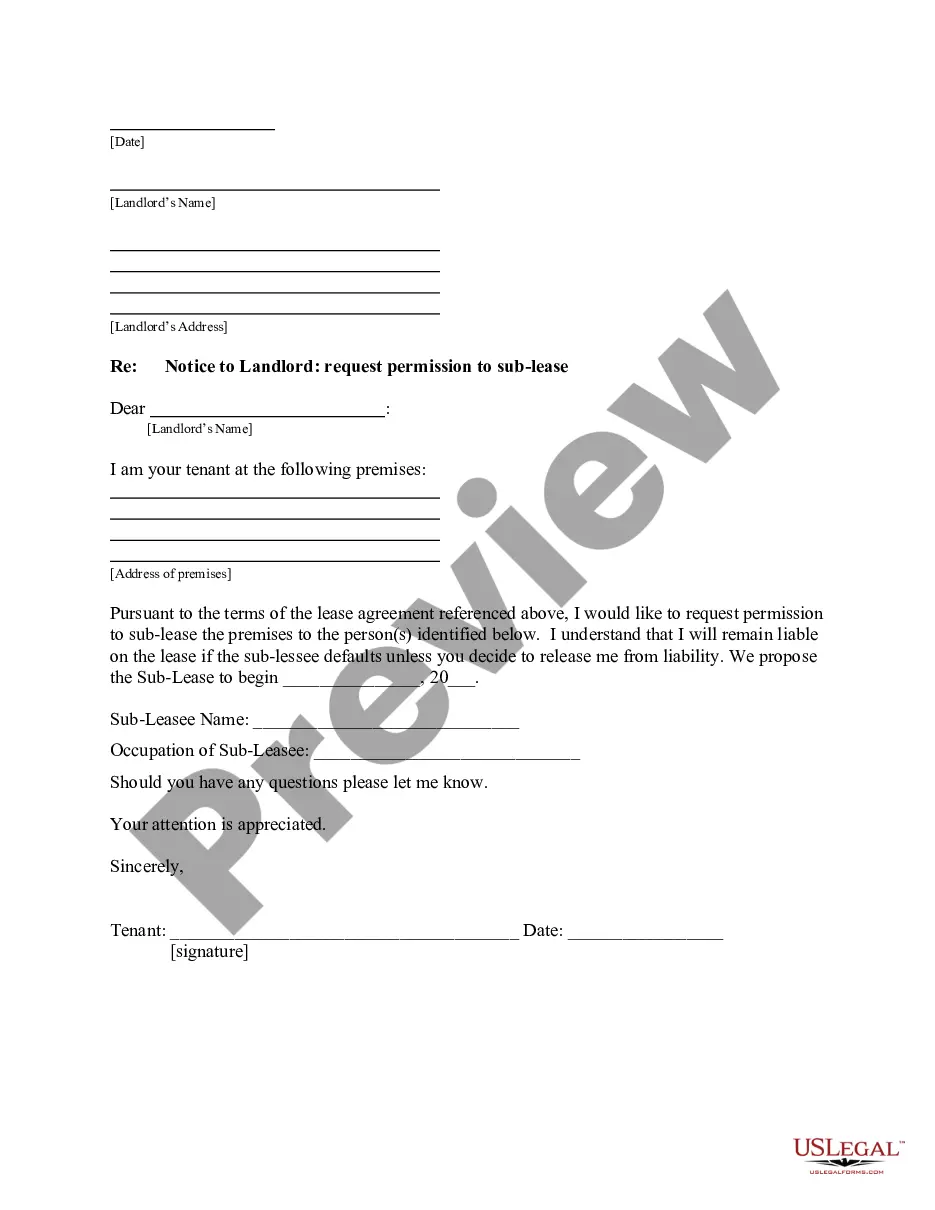
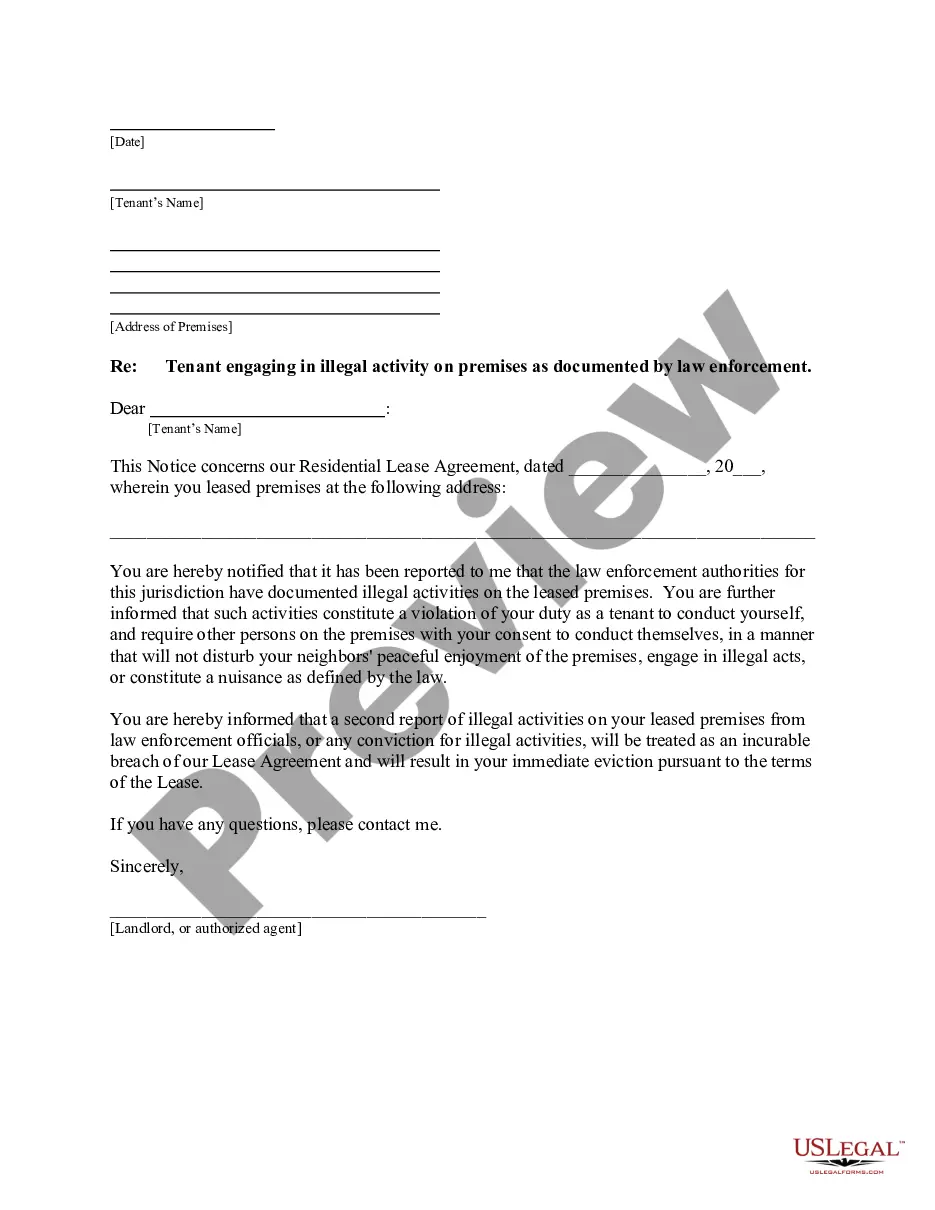
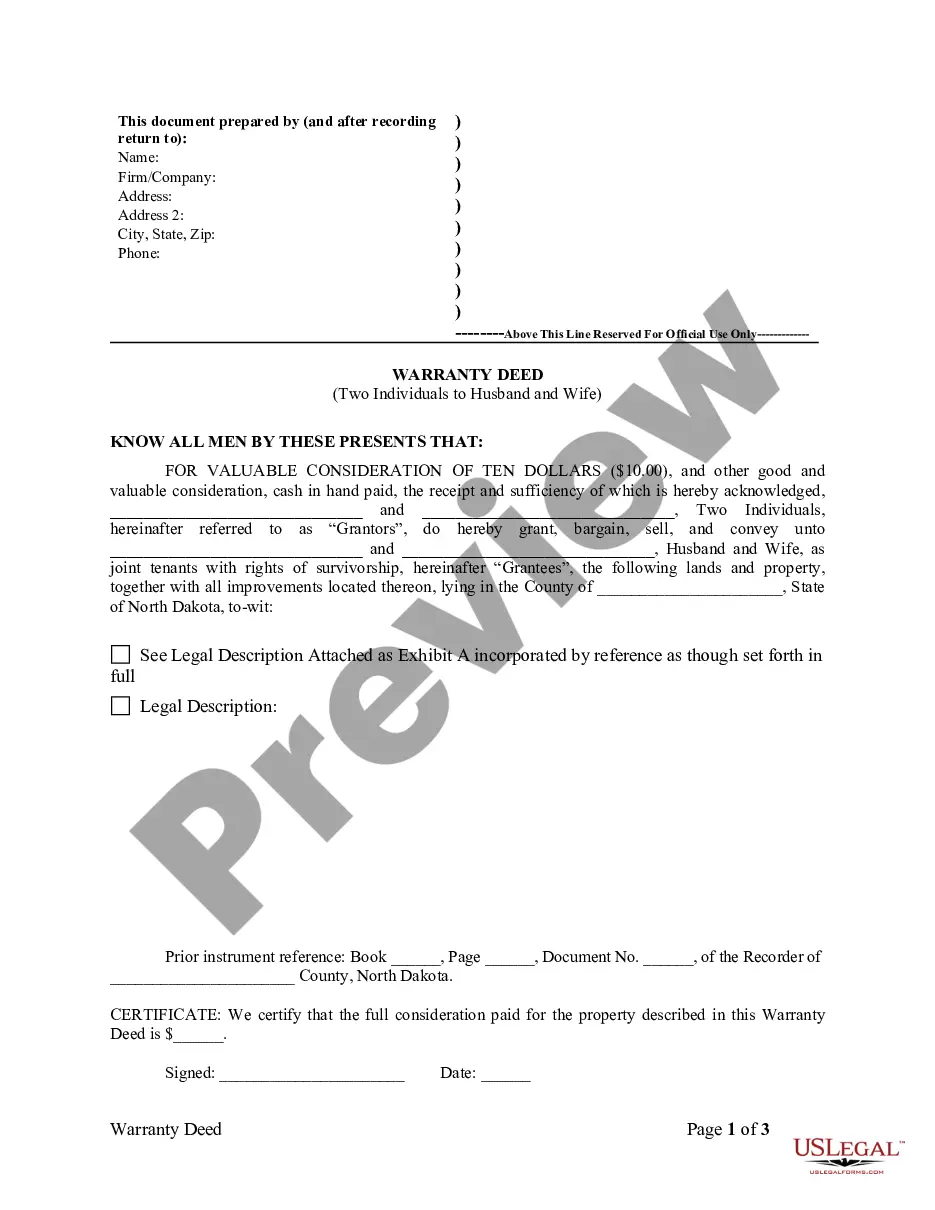
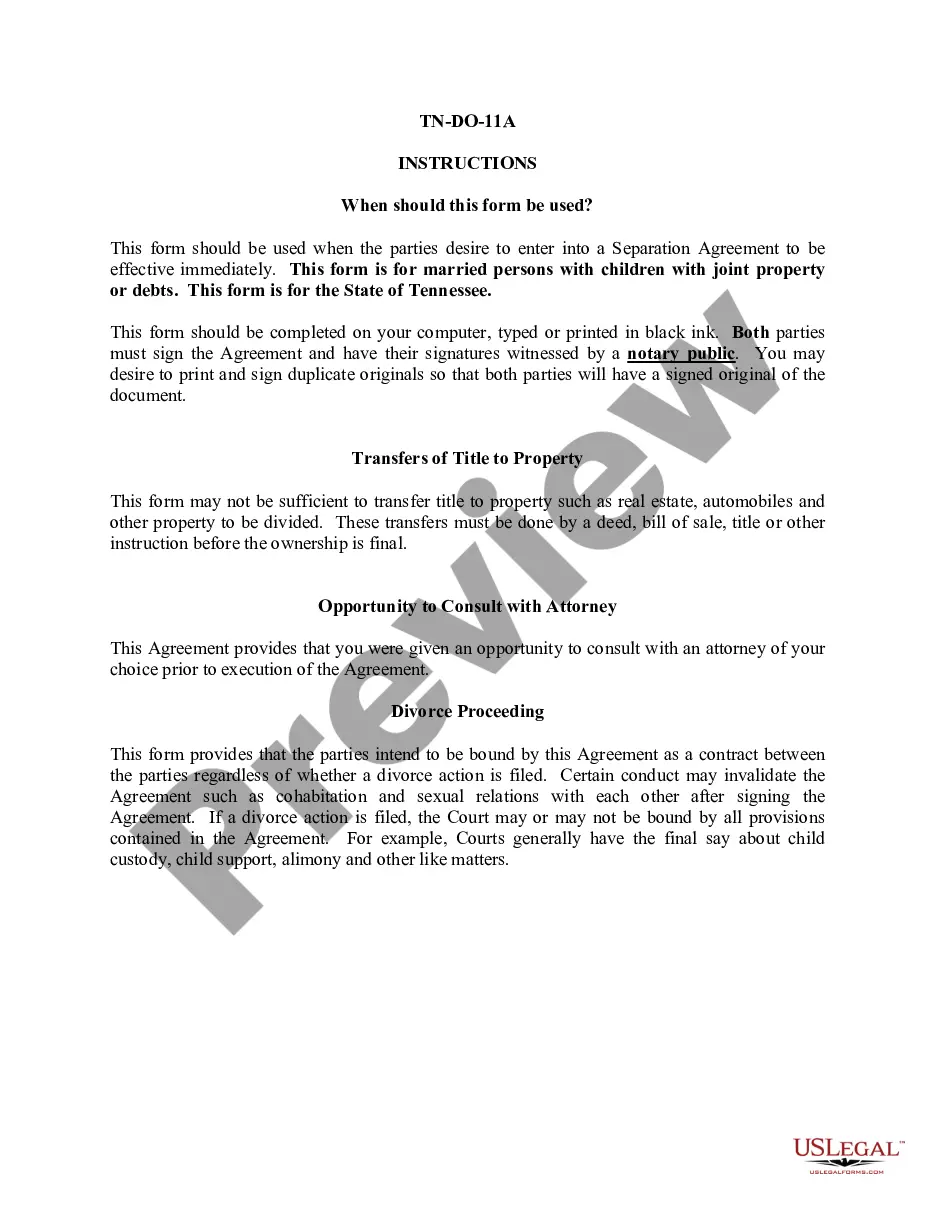
Form popularity
FAQ
Ending No Grounds Evictions Under our current laws in NSW, a landlord can evict a tenant without grounds with just 30 days' notice at the end of their fixed-term lease, or with just 90 days' notice during an on-going lease. Rental laws in many other countries don't allow 'no grounds' evictions.
Uninhabitable conditions can include dangerous ones, such as holes in the floor, unsafe or exposed wiring, or non-working air conditioning in dangerously hot summer months. Gross infestations of roaches, fleas or other pests are also uninhabitable conditions.
A landlord cannot evict a tenant without an adequately obtained eviction notice and sufficient time. A landlord cannot retaliate against a tenant for a complaint. A landlord cannot forego completing necessary repairs or force a tenant to do their own repairs.A landlord cannot remove a tenant's personal belongings.
In California, a prospective landlord cannot ask about race, color, religion, sex, gender, gender identity, gender expression, sexual orientation, marital status, national origin, ancestry, familial status, disability, or genetic information.
If you're seeking damages for emotional distress caused by a landlord's discrimination, or punitive damages for especially blatant and intentional discrimination, a lawsuit may well be your best bet. Understand what's involved in suing your landlord. You may file a lawsuit in either federal or state court.
In California, habitability includes the following specific warranties: A dwelling also may be considered uninhabitable (unlivable) if it substantially lacks any of the following: Effective waterproofing and weather protection of roof and exterior walls, including unbroken windows and doors.
If you think your landlord is violating the Fair Housing Act, you can get that landlord in trouble by filing a complaint at HUD.gov. Your remedy for breach of quiet enjoyment is to terminate the lease and move or sue in small claims court.
Yes, a landlord can tell tenants how clean to keep the house. Most times, there's a clause on the tenancy or lease agreement about cleanliness. Always ensure you read and understand the agreement before signing to avoid any disagreement during your stay at the apartment.