Utah Temporary Lease Agreement to Prospective Buyer of Residence prior to Closing
What this document covers
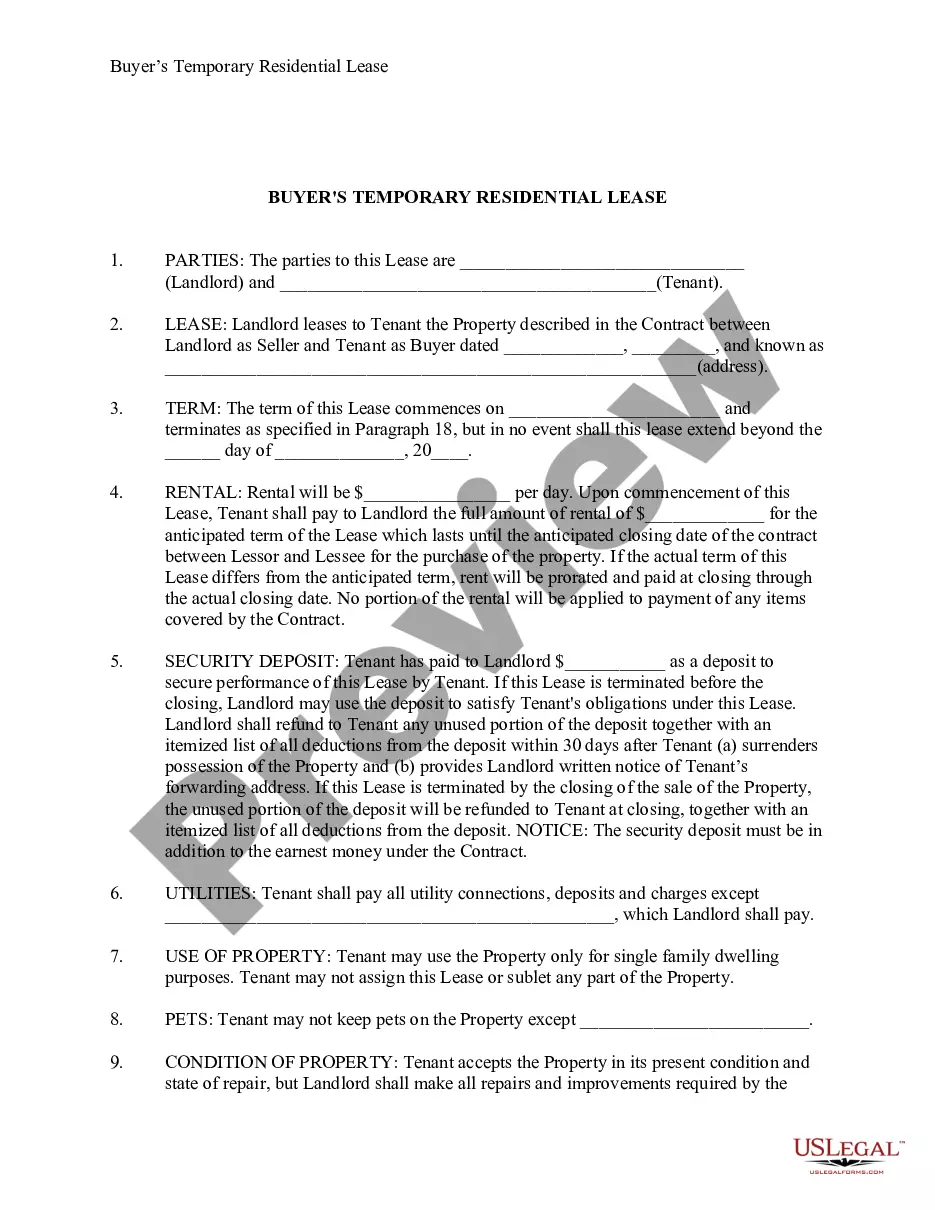
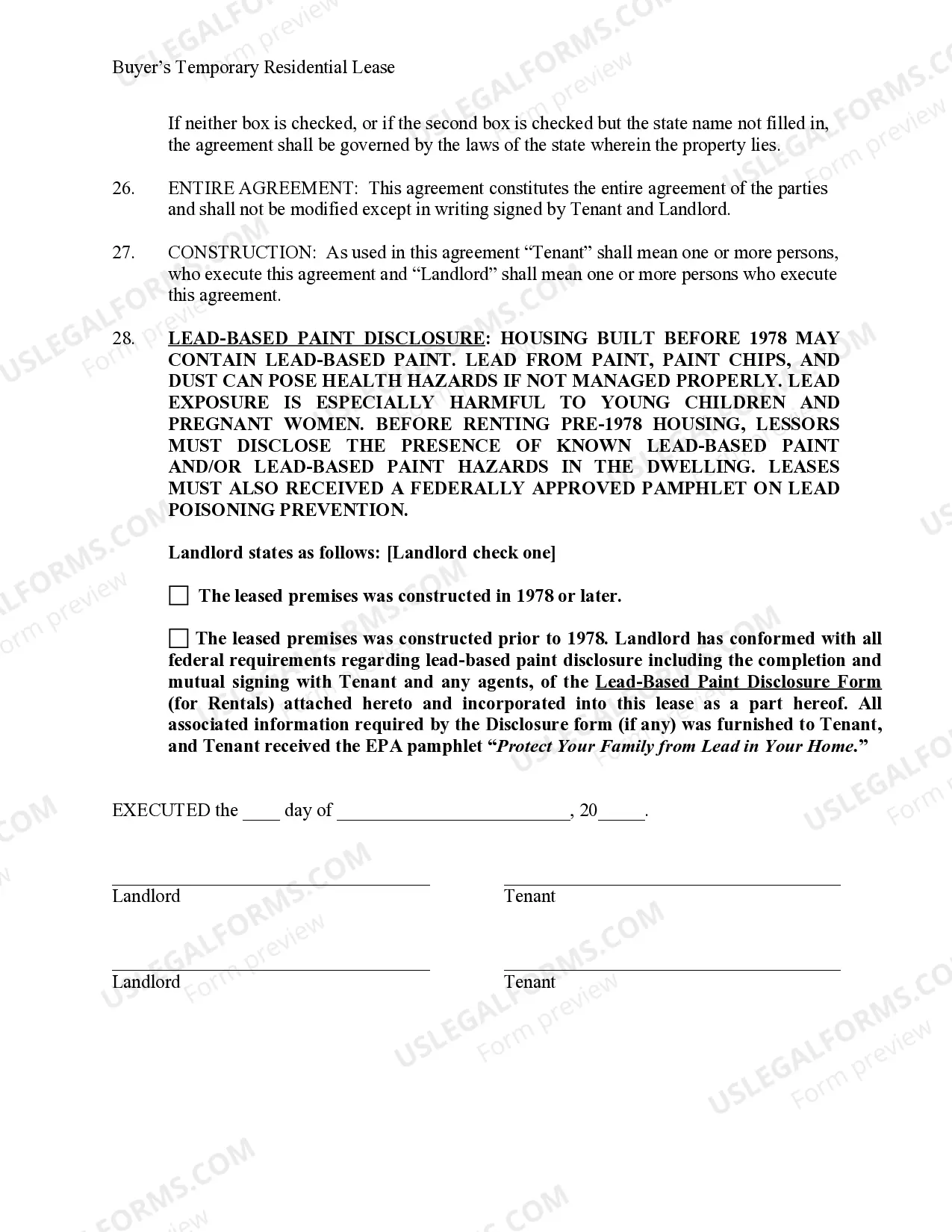
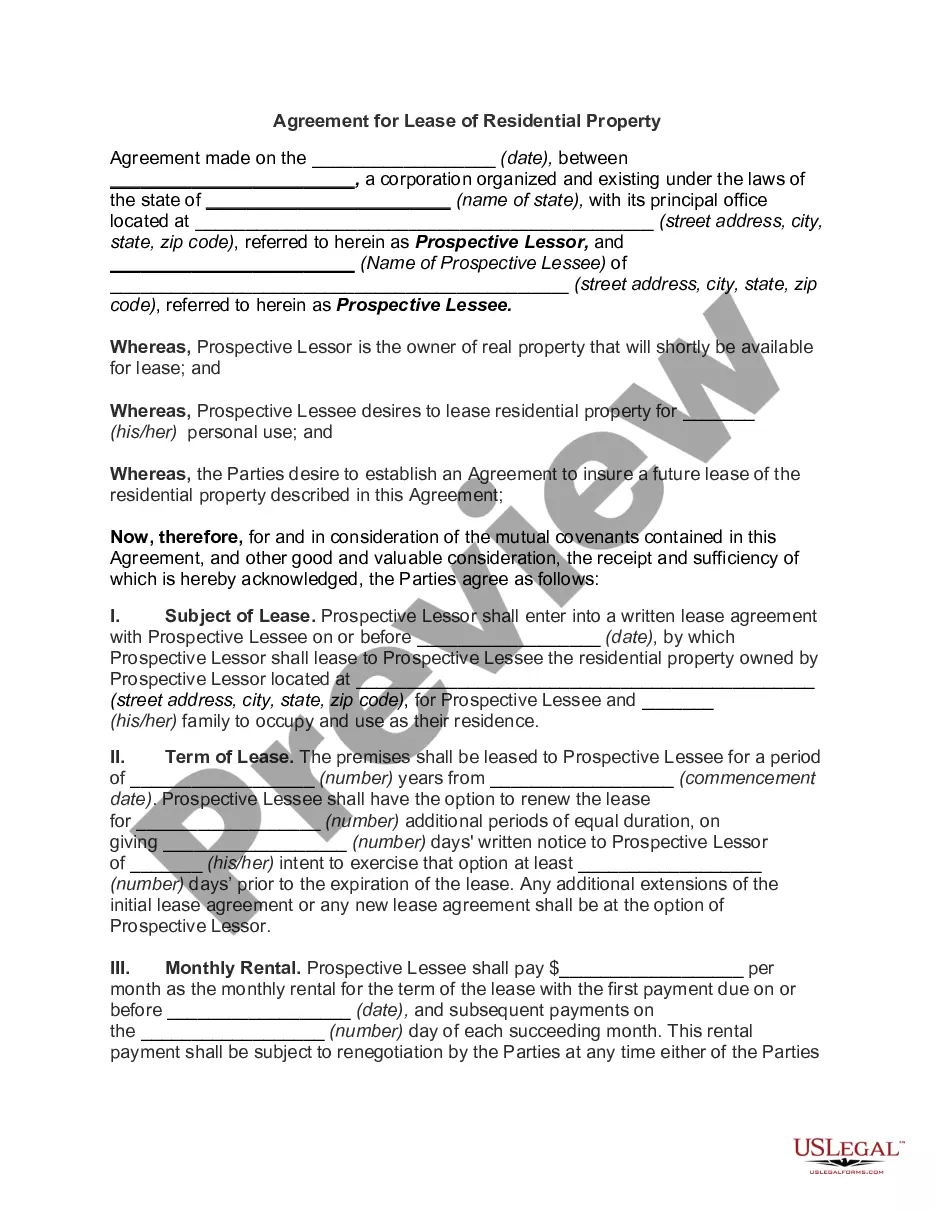
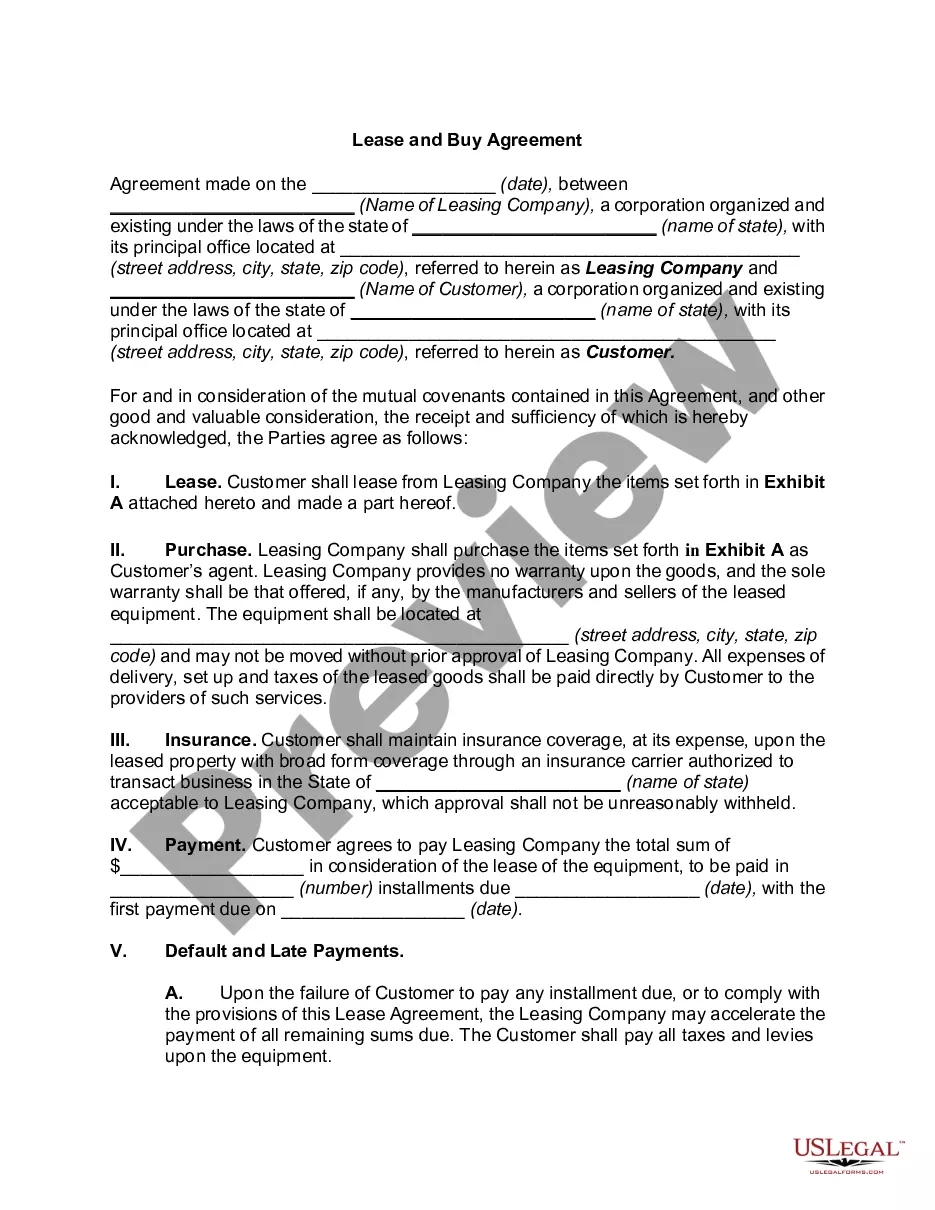
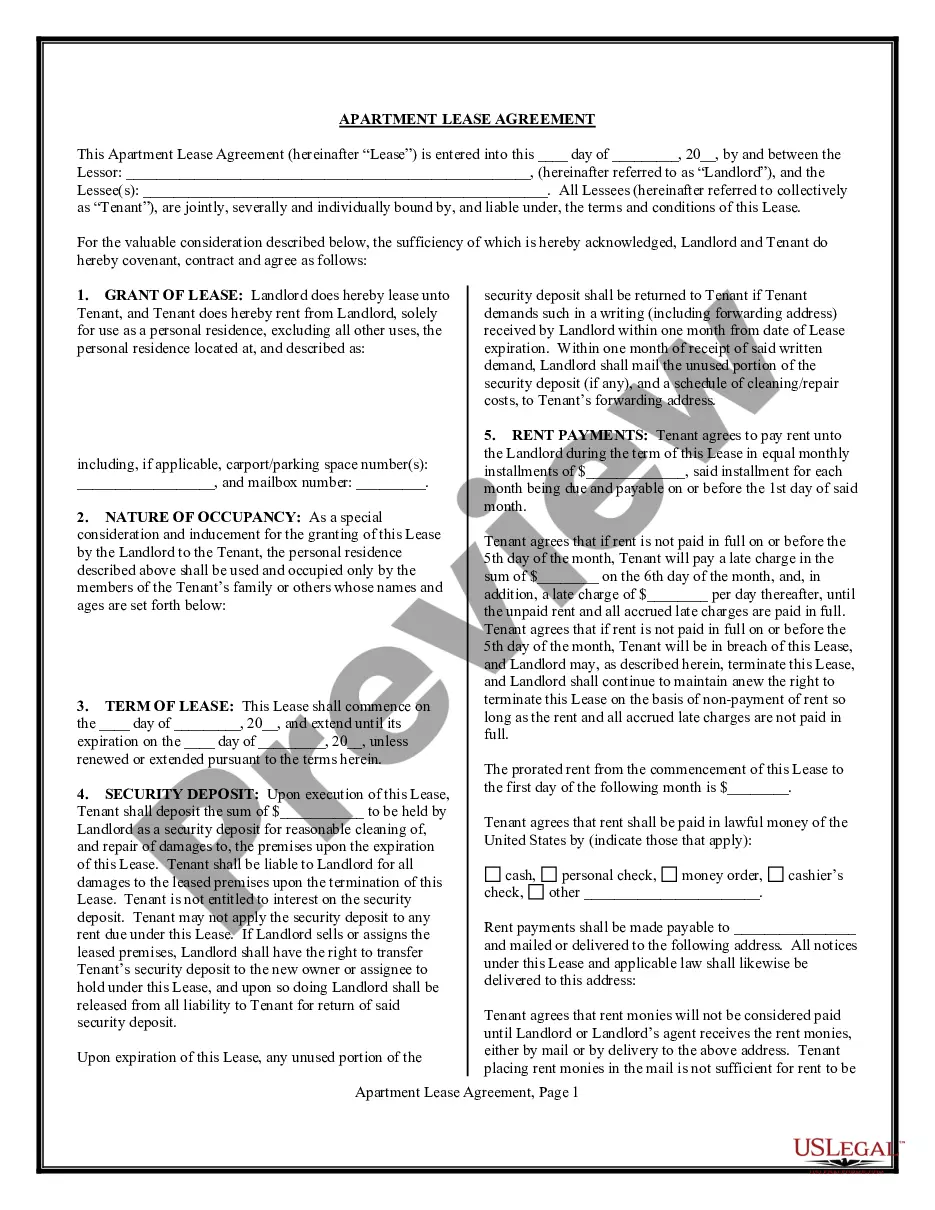
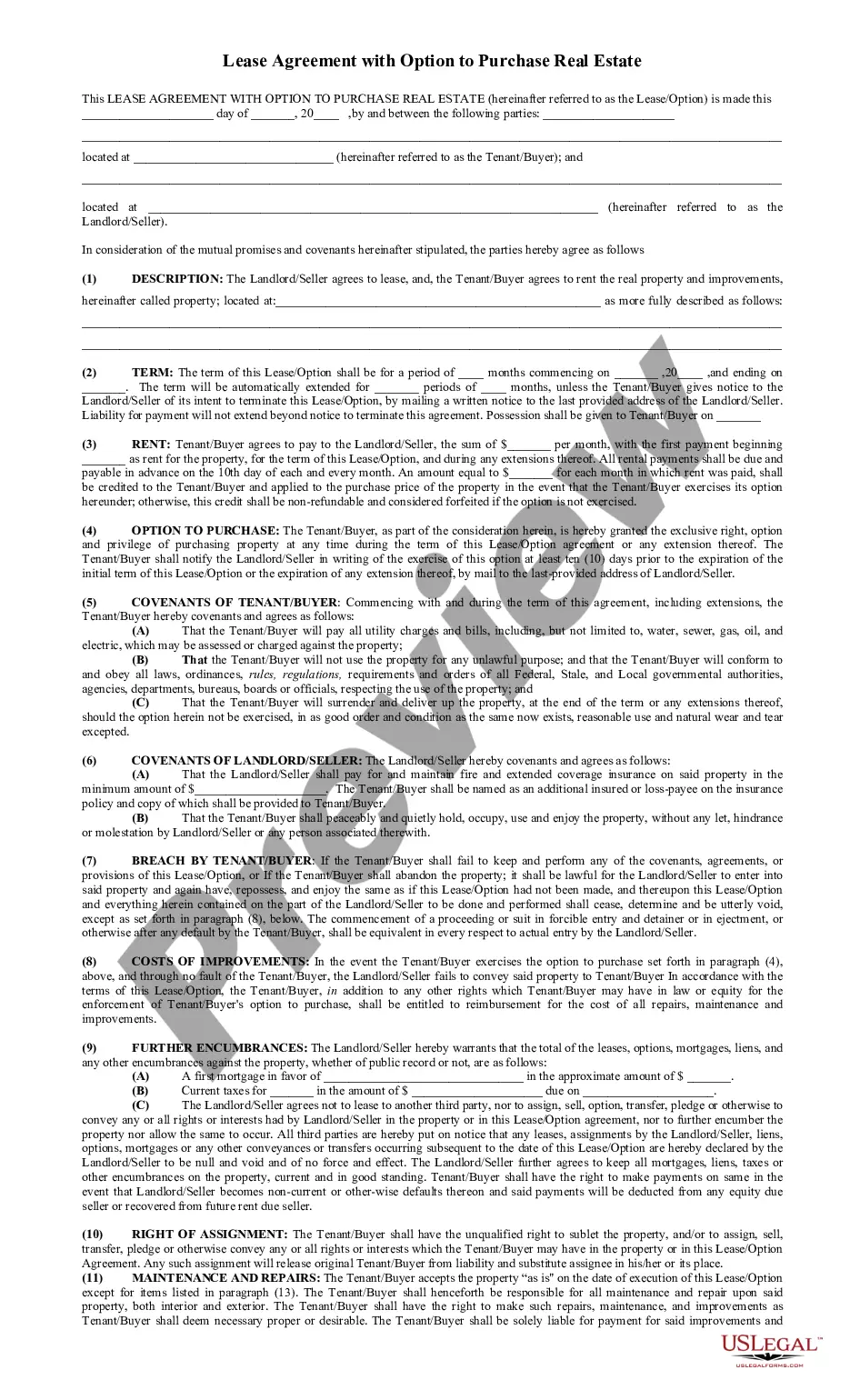
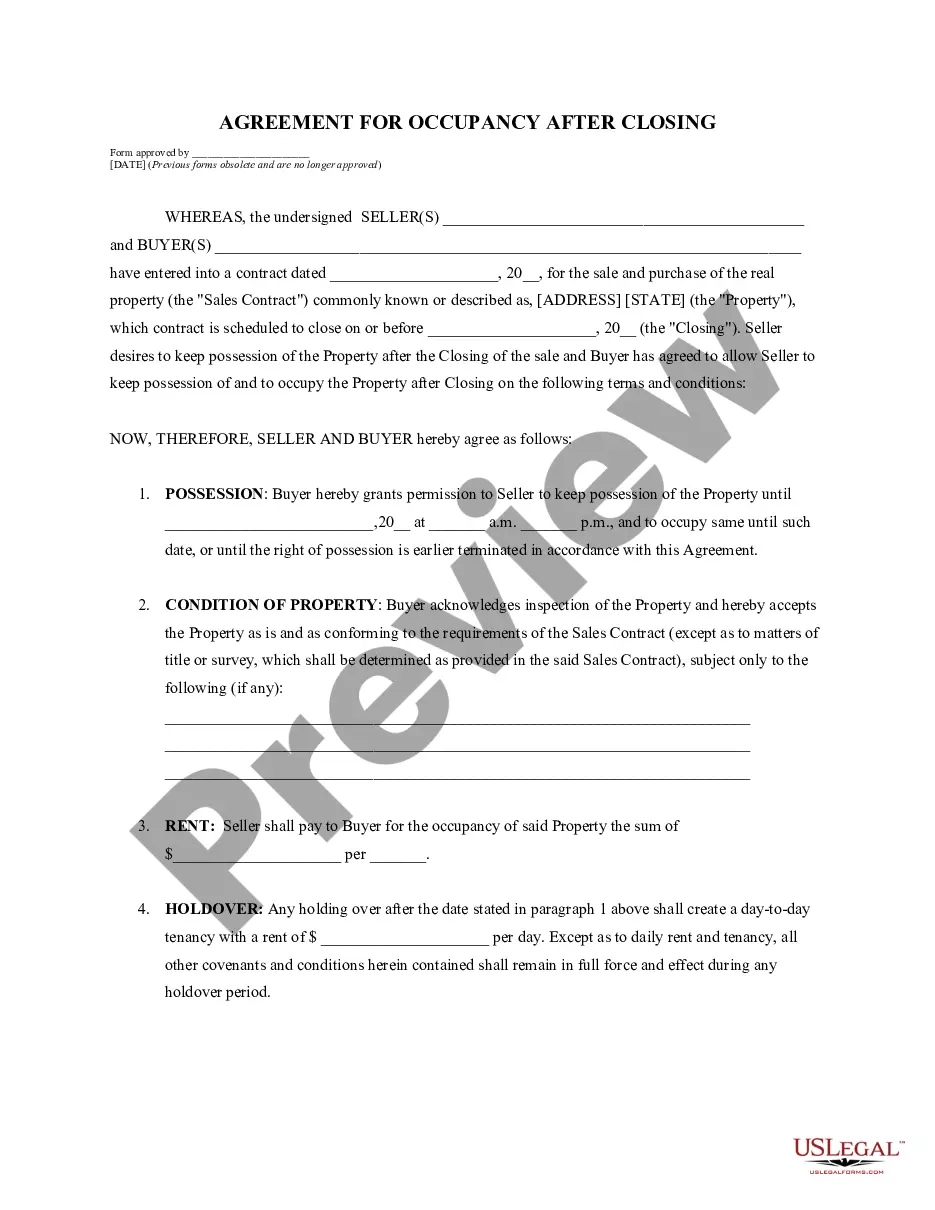
The Temporary Lease Agreement to Prospective Buyer of Residence prior to Closing is a legal document that allows a home seller to lease their property to the buyer before the official closing date of the sale. This agreement is essential when the seller wishes to grant the buyer early possession of the property, making it distinct from traditional rental or lease agreements, which are typically unrelated to the sale of the property. By using this form, both parties can clearly outline their responsibilities and expectations during the interim period between signing the sales contract and officially closing on the property.
Main sections of this form
- Identification of parties: Names and roles of the landlord (seller) and tenant (buyer).
- Description of property: Address and details of the residence being leased.
- Lease term: Start and end dates of the lease, with provisions for termination.
- Rental payment: Amount, payment terms, and any security deposit required.
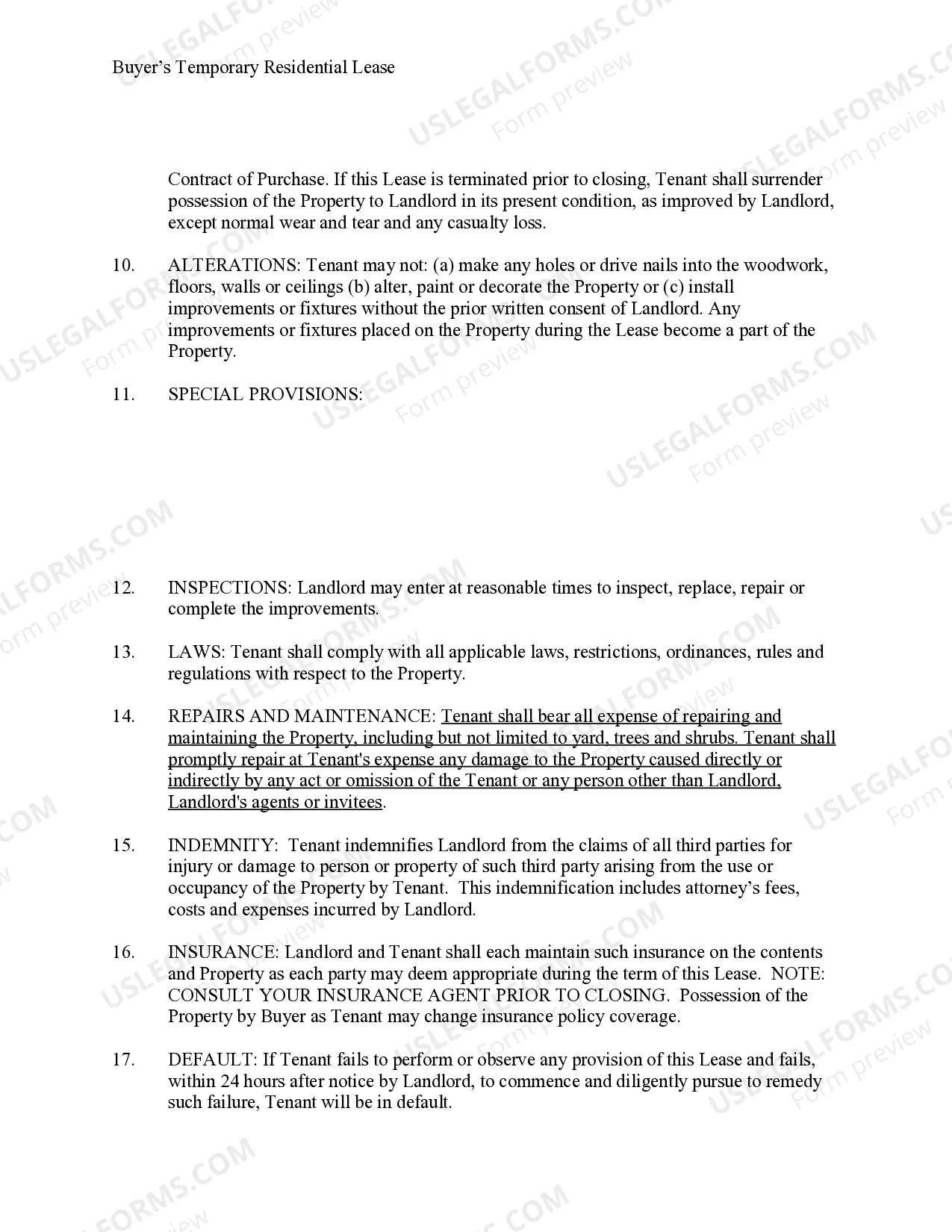
- Conditions of property: Acceptance of property condition and responsibilities for repairs.
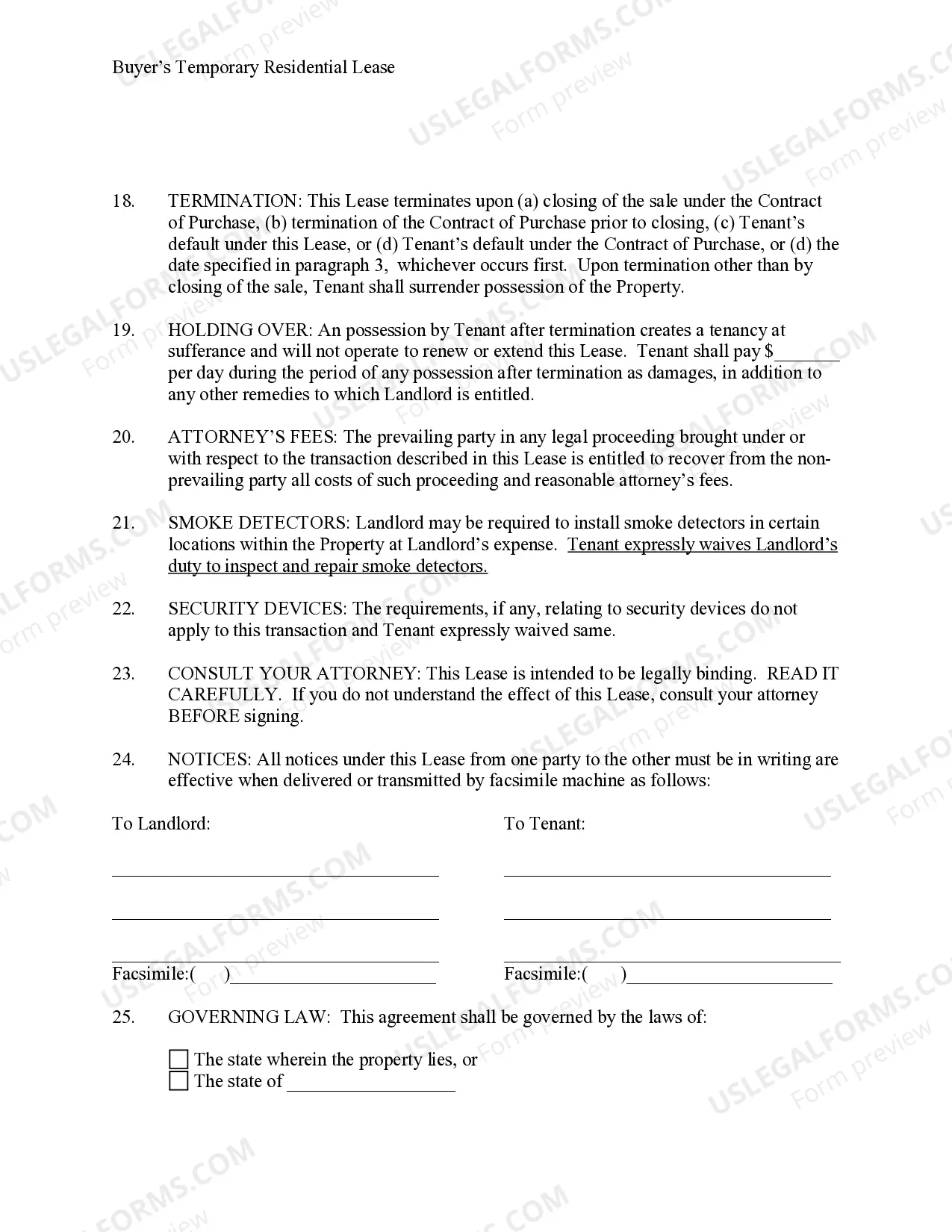
- Legal compliance: Obligations to follow applicable laws and provisions for necessary inspections.
Situations where this form applies
This form is used in specific scenarios, such as when a buyer needs to move into the property immediately after the purchase agreement is signed, but before the sale is finalized. It is also helpful when the seller is not yet ready to vacate the property or when renovations are needed that will not be completed until after closing. This agreement ensures both parties are protected and understand their rights during this transitional phase.
Intended users of this form
- Home sellers who wish to lease their property to the buyer before the closing date.
- Prospective buyers who want to take possession of a home prior to officially owning it.
- Real estate agents facilitating transactions that require early occupancy.
- Both parties seeking clear terms and conditions regarding early possession and responsibilities.
How to prepare this document
- Identify the parties: Enter the names of the landlord (seller) and tenant (buyer).
- Specify the property: Fill in the address and description of the property being leased.
- Enter the lease term: Indicate the start date and the expiration date of the lease.
- Detail rental payment: State the rental amount and terms, including any security deposit.
- Review and finalize: Ensure all terms are complete and accurate, then have both parties sign the document.
Does this document require notarization?
This form usually doesn’t need to be notarized. However, local laws or specific transactions may require it. Our online notarization service, powered by Notarize, lets you complete it remotely through a secure video session, available 24/7.
Get your form ready online
Our built-in tools help you complete, sign, share, and store your documents in one place.
Make edits, fill in missing information, and update formatting in US Legal Forms—just like you would in MS Word.
Download a copy, print it, send it by email, or mail it via USPS—whatever works best for your next step.
Sign and collect signatures with our SignNow integration. Send to multiple recipients, set reminders, and more. Go Premium to unlock E-Sign.
If this form requires notarization, complete it online through a secure video call—no need to meet a notary in person or wait for an appointment.
We protect your documents and personal data by following strict security and privacy standards.

Make edits, fill in missing information, and update formatting in US Legal Forms—just like you would in MS Word.

Download a copy, print it, send it by email, or mail it via USPS—whatever works best for your next step.

Sign and collect signatures with our SignNow integration. Send to multiple recipients, set reminders, and more. Go Premium to unlock E-Sign.

If this form requires notarization, complete it online through a secure video call—no need to meet a notary in person or wait for an appointment.

We protect your documents and personal data by following strict security and privacy standards.
Avoid these common issues
- Failing to clearly define the property being leased.
- Not specifying the term of the lease, leading to confusion about the duration.
- Neglecting to include details about maintenance responsibilities and repair obligations.
- Omitting signatures from both parties, which can invalidate the agreement.
Advantages of online completion
- Convenience: Downloadable forms can be filled out at your own pace.
- Editability: Easily customize the form to meet your specific needs.
- Reliability: Legal forms are drafted by licensed attorneys to ensure compliance with the law.
Looking for another form?

Form popularity
FAQ
A use and occupancy agreement - sometimes referred to as a U&O - is a temporary agreement between the buyer and the seller that allows one party the right to use and occupy the property for a set period of time. It's usually put in place if the buyer needs to move into the property before ownership can be transferred.
To be perfectly clear, you can always back out of a real estate purchase contract at any time before closing. There's no way the seller can force you to actually purchase the home. However, if there's no valid reason for backing out as defined in the contract, you'll likely lose your earnest deposit.
Depending on the state, and the type of contract, you may be able to change your mind, or rescind the contract if your decision is made within a specific time period. Whether there is a rescission period or not will depend on if there is a rescission clause in your contract.
Can you back out of an accepted offer? The short answer: yes. When you sign a purchase agreement for real estate, you're legally bound to the contract terms, and you'll give the seller an upfront deposit called earnest money.
It's usually put in place if the buyer needs to move into the property before ownership can be transferred. One important thing to understand is that this agreement is not the same as a lease.The agreement solely allows them the right to use the property.
A REPC (pronounced REP C) is the Real Estate Purchase Contract. This document outlines the terms and conditions of a purchase of real estate. It lists the buyer(s) and seller(s), agent(s), purchase price, concessions, what comes with the home, deadlines, contingencies and other legal contractual goodies.
Walking Away During The Inspection Contingency. Cancelling Purchase Contract Due To Appraisal Contingency. Cancelling Purchase Contract The Under Finance Contingency.
Consider your purchase agreement A buyer can walk away at any time prior to signing all the closing paperwork from a contract to purchase a house. Ideally it is best for the buyer to do that with a contingency as that gives them a chance to get their earnest money back and greatly reduces the risk of being sued.
10B., the seller must provide copies of existing leases within 7 days of the contract effective date. The Buyer will want a chance to review the lease and get comfortable with the terms, so it is important that an option period extend a minimum of 10 days.