New Mexico Health Care Directive with Optional Health Care Directive Statutory including Living Will provisions
What is this form?
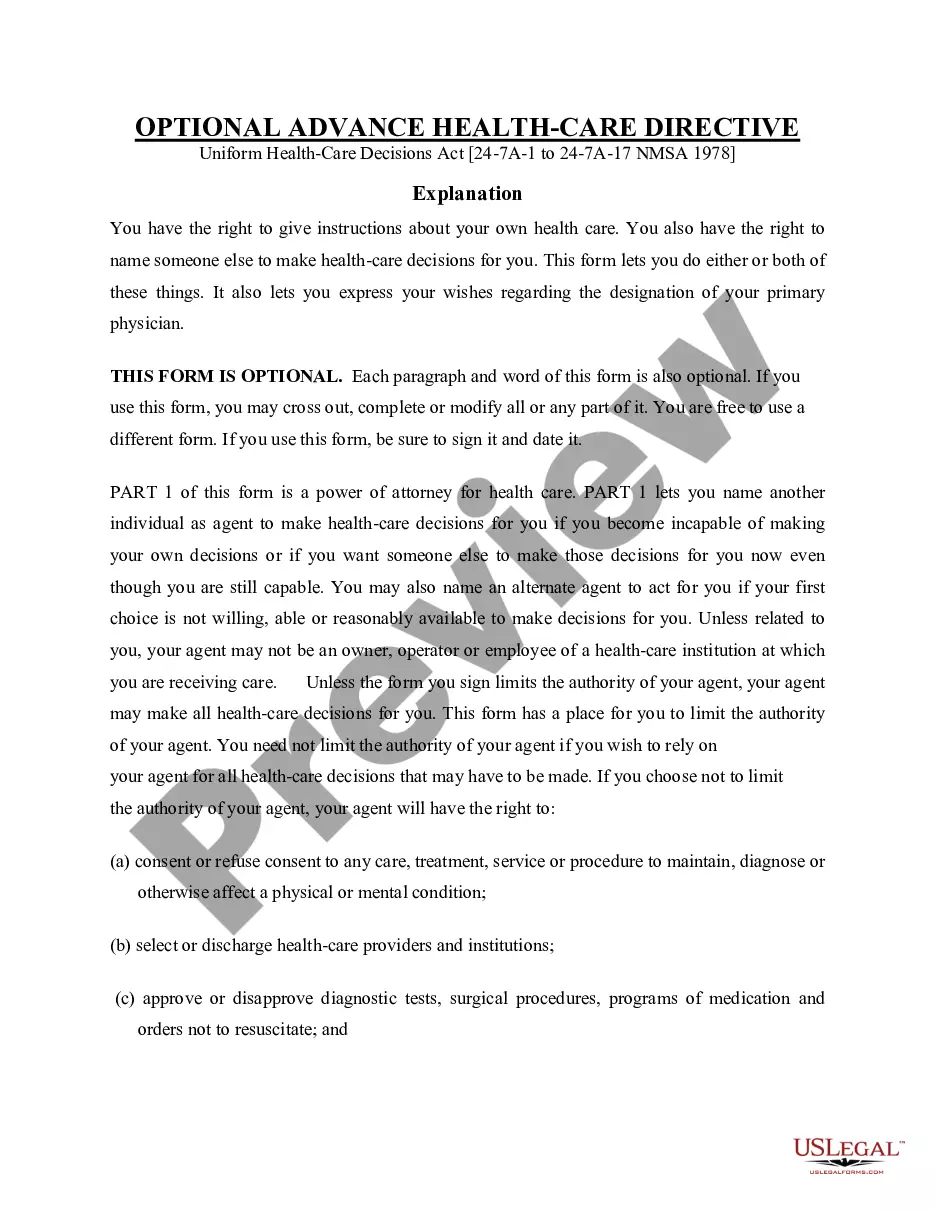
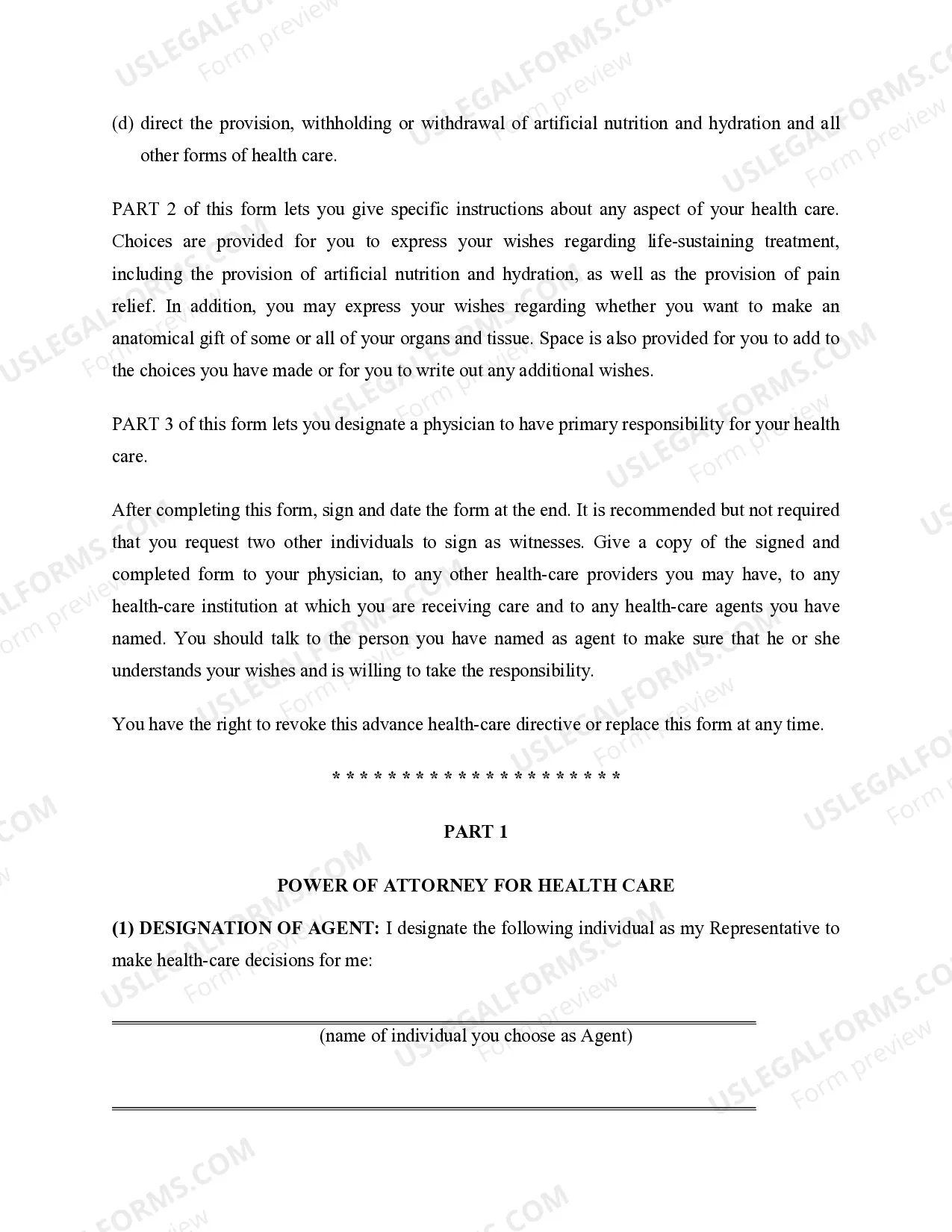
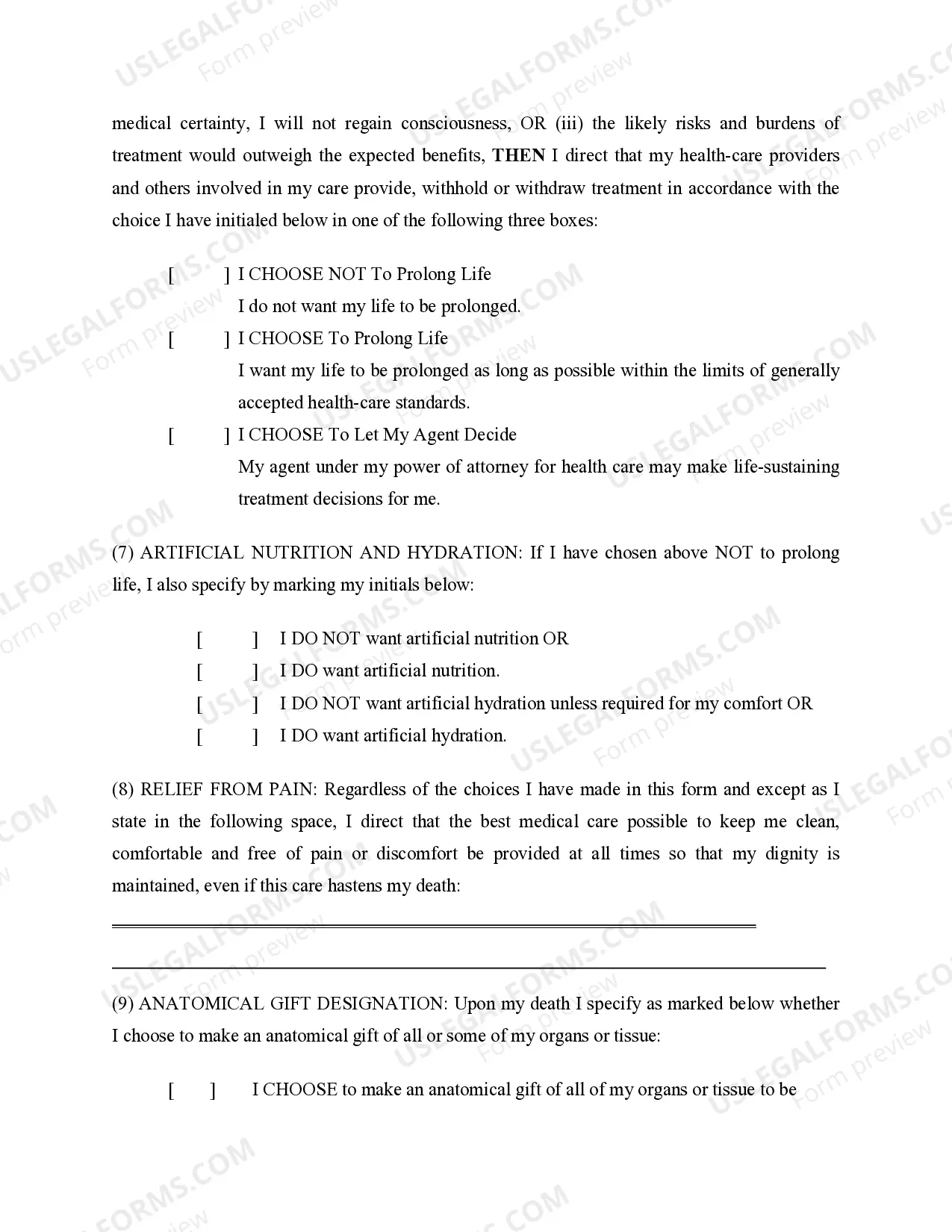
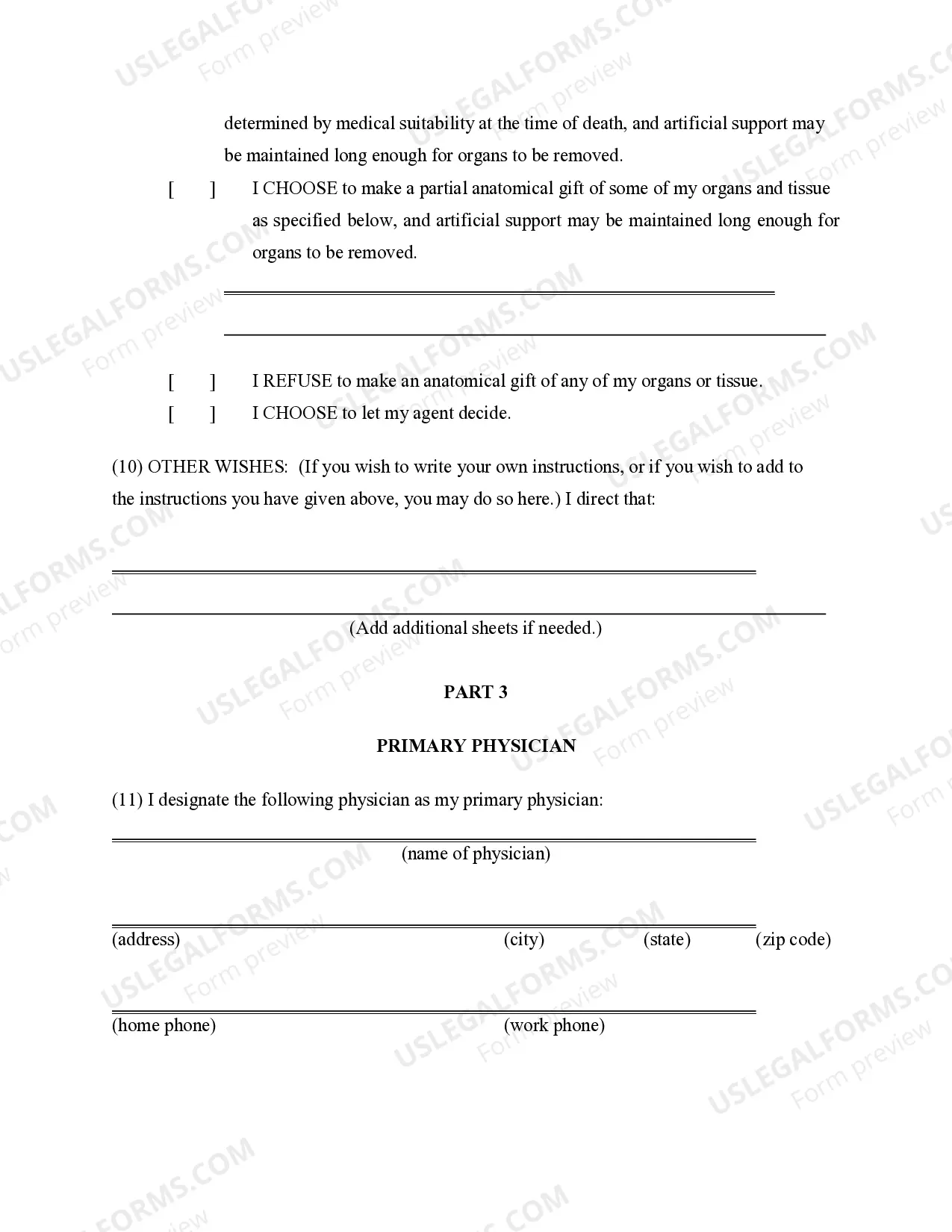
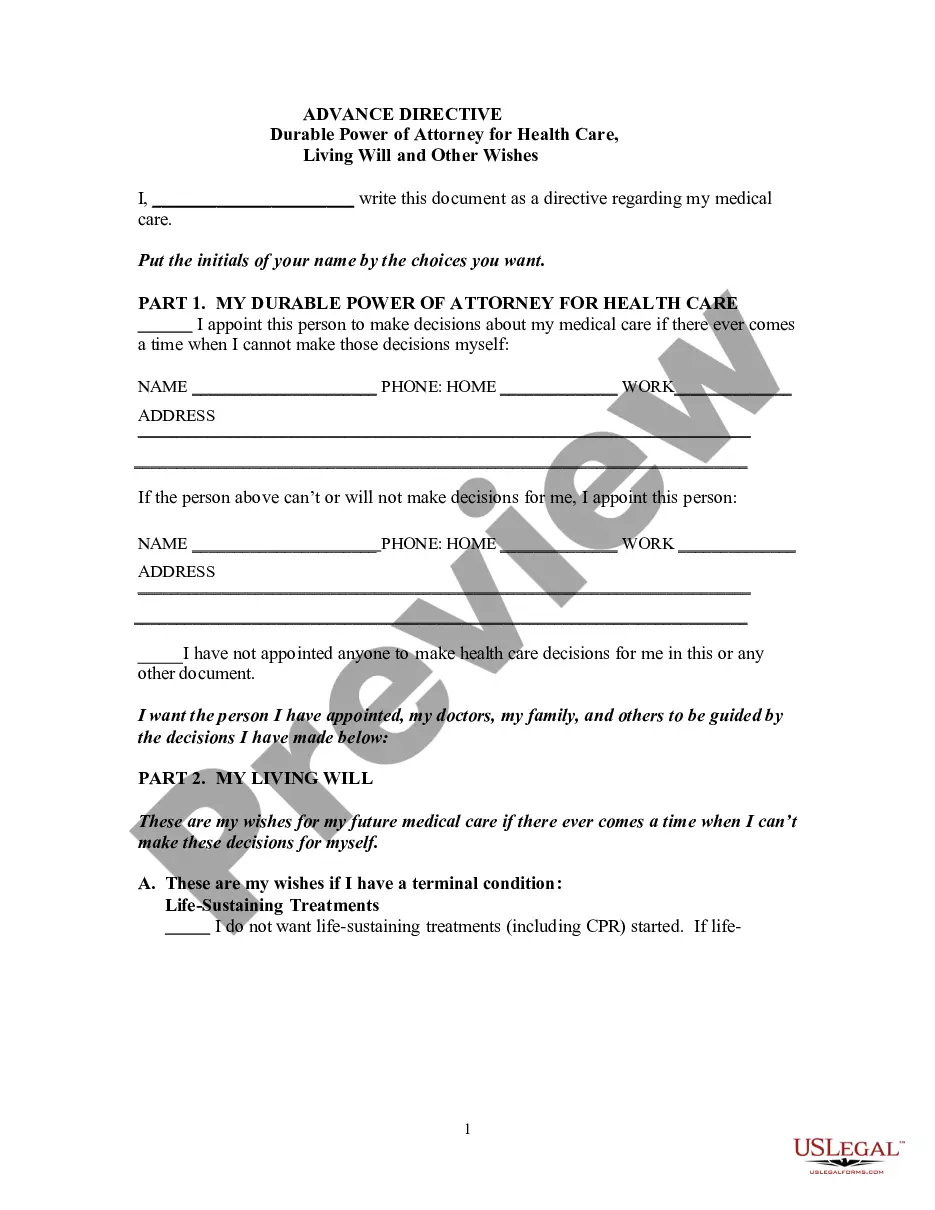
The Health Care Directive with Optional Health Care Directive Statutory including Living Will provisions allows you to make important decisions regarding your health care. This form enables you to provide instructions about your treatment preferences, appoint an agent to make decisions on your behalf, and name a physician responsible for your care. It is designed for both adults and emancipated minors, distinguishing it from other health care forms by allowing for specific written instructions and the flexibility to modify its content.
Key parts of this document
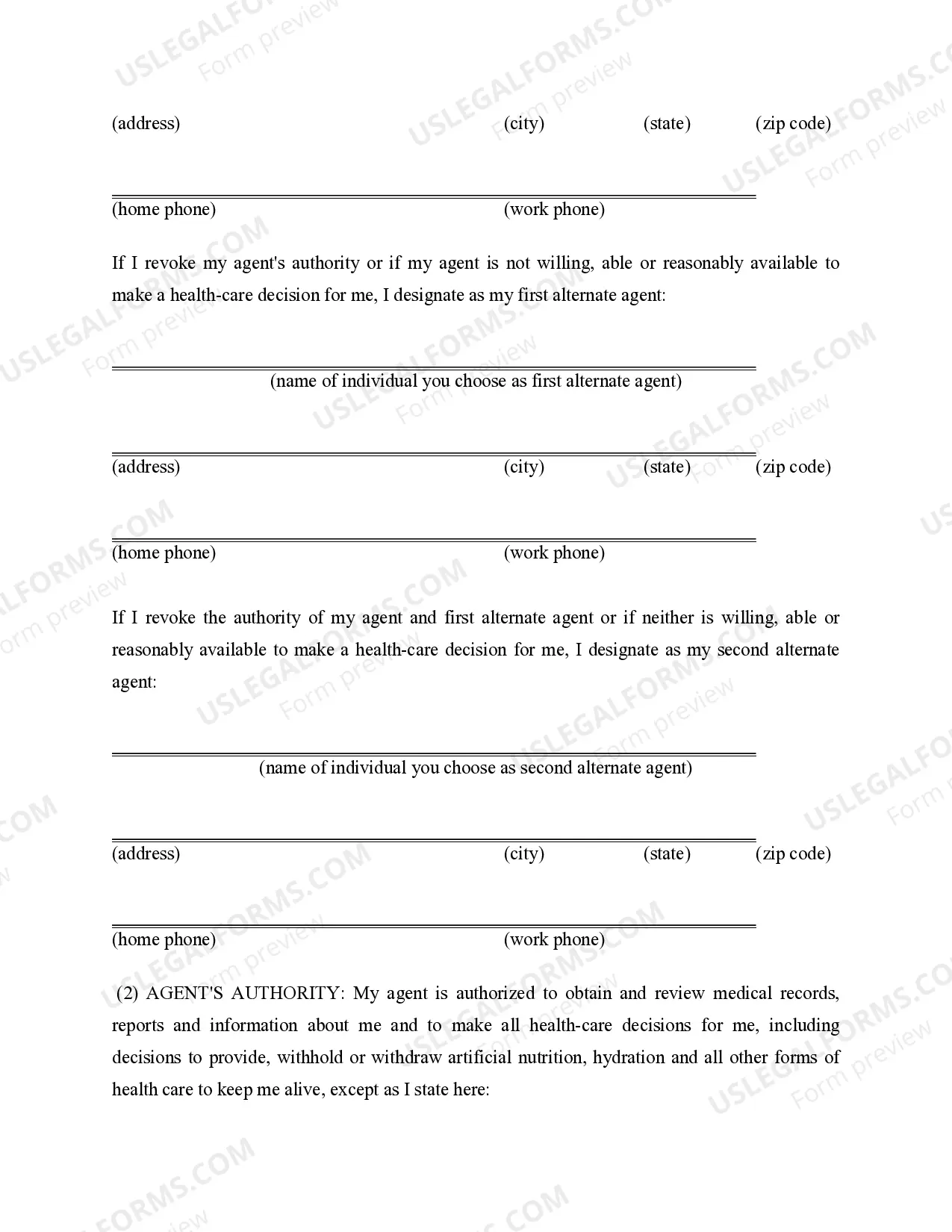
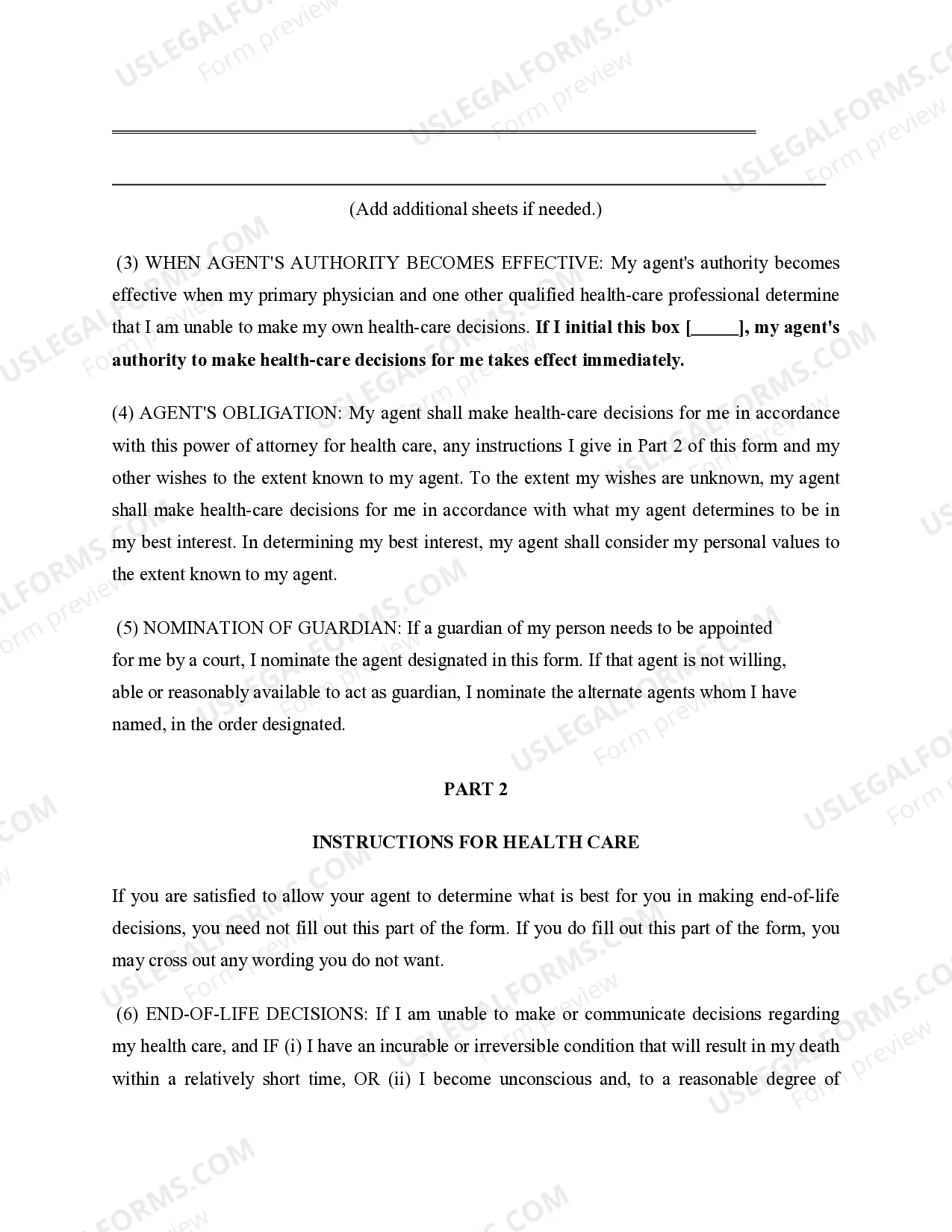
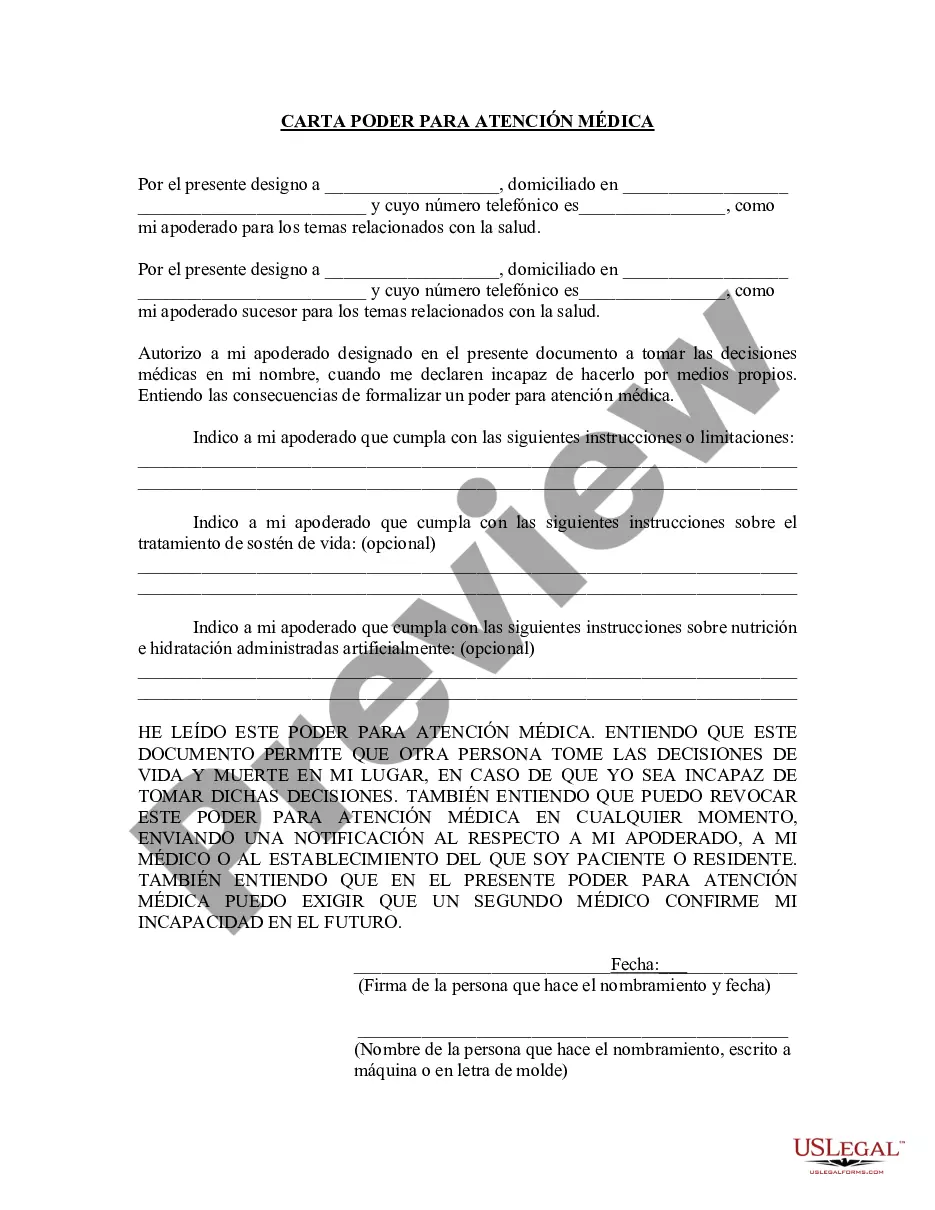
- Part 1: Power of Attorney for Health Care - appoints an agent to make health care decisions.
- Part 2: Instructions for Health Care - allows you to provide specific treatment preferences.
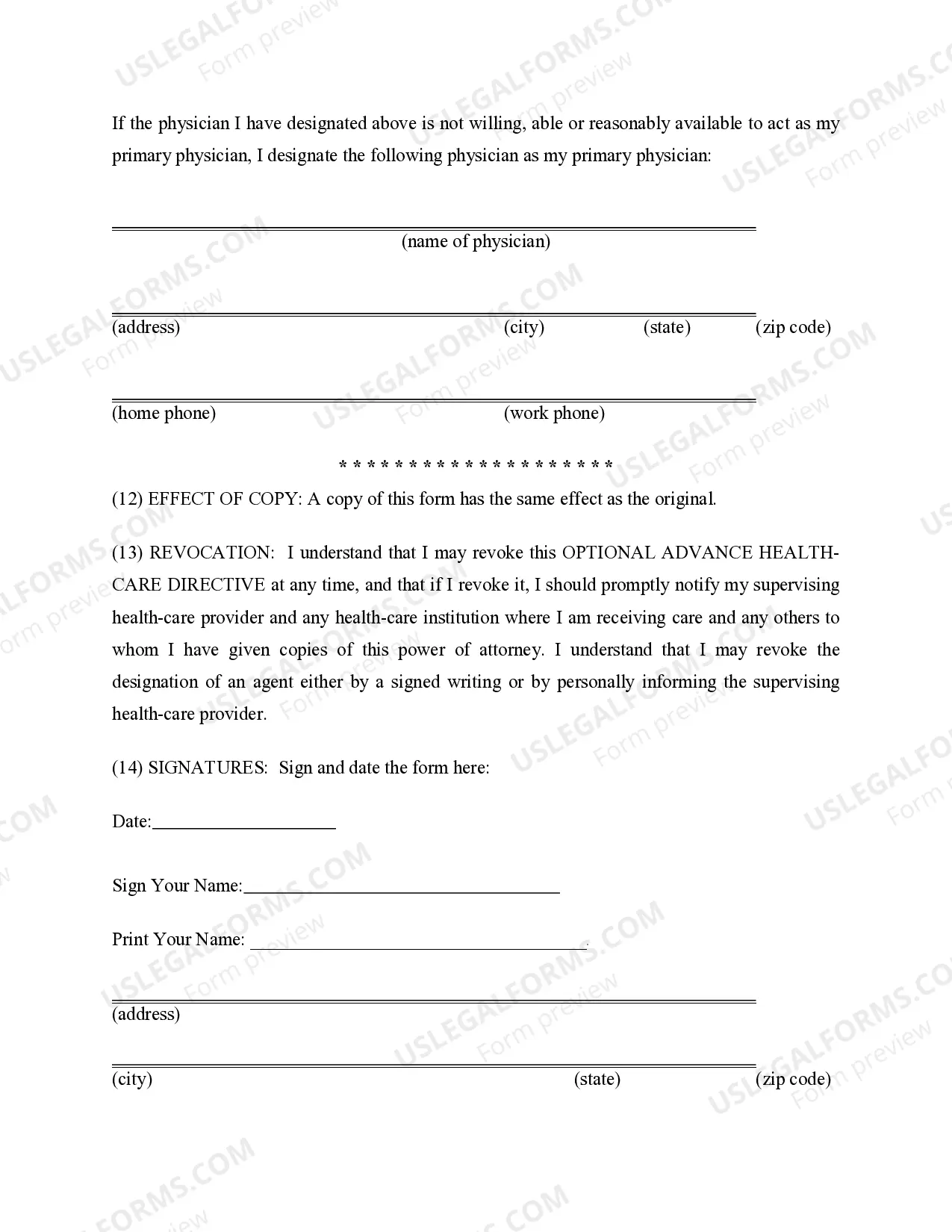
- Part 3: Designation of Physician - names your primary care physician.
- Optional: Nominations for guardianship if required.
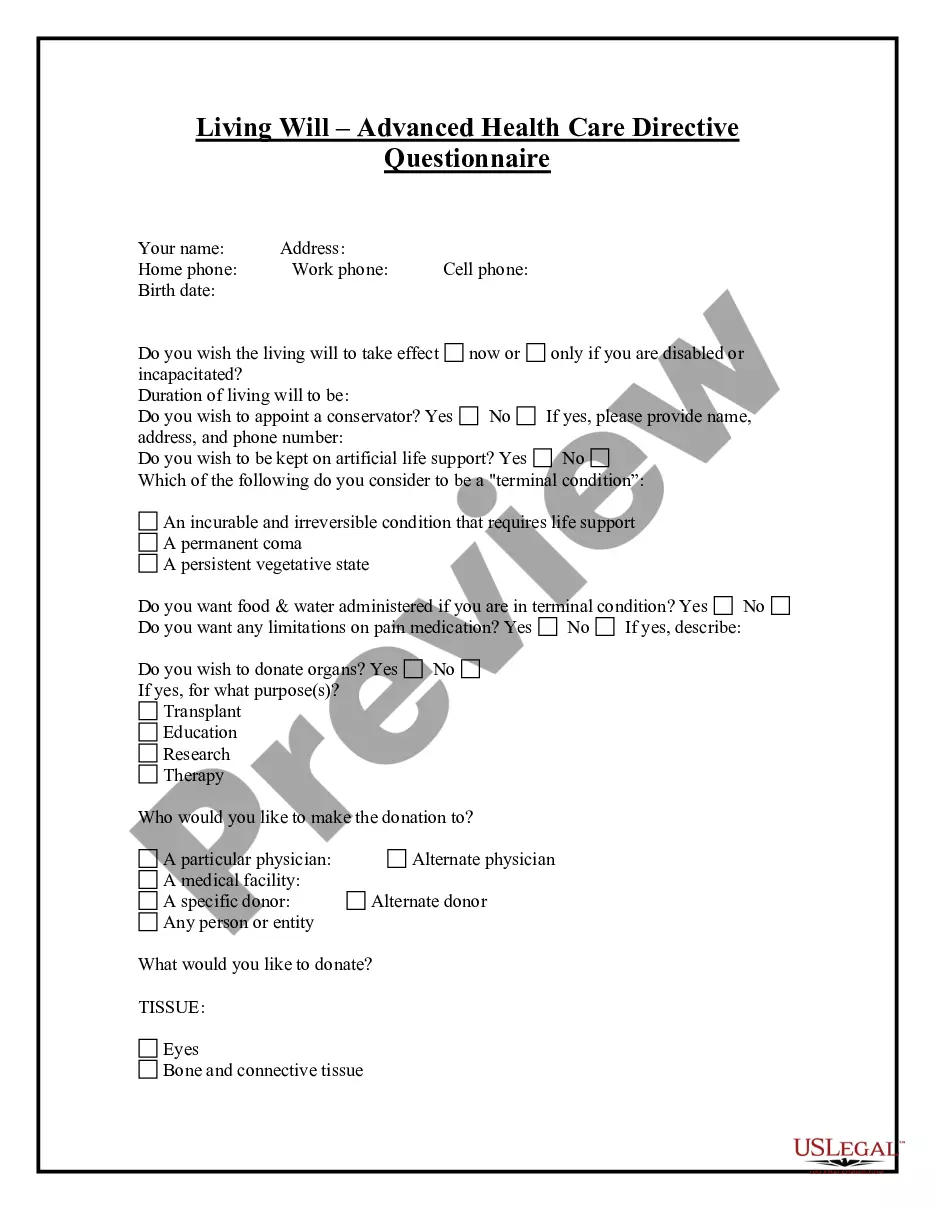
- Life-sustaining treatment directives - specify your wishes regarding prolonging life.
- Options for anatomical gifts of organs and tissue.

When to use this document
This form should be used when you want to plan your health care in advance, particularly in situations where you might be unable to communicate your wishes due to illness or injury. Use this directive if you want to ensure that your health care decisions are respected, or when you wish to appoint someone you trust to make those decisions for you. It is also useful if you have specific preferences regarding life-sustaining treatments or organ donation.
Who needs this form
- Adults who wish to establish their health care preferences.
- Emancipated minors who can make their own health care decisions.
- Individuals who prefer to appoint an agent for health care decisions.
- Anyone looking to provide specific life-sustaining treatment instructions.
How to prepare this document
- Identify the principal and the agent for health care decisions.
- Complete the specific treatment preferences in Part 2.
- Appoint your primary physician in Part 3.
- Sign and date the form where indicated.
- Optionally, request witnesses to sign the form for additional validity.
- Distribute copies to your appointed agent and health care providers.
Does this form need to be notarized?
Notarization is generally not required for this form. However, certain states or situations might demand it. You can complete notarization online through US Legal Forms, powered by Notarize, using a verified video call available anytime.
Get your form ready online
Our built-in tools help you complete, sign, share, and store your documents in one place.
Make edits, fill in missing information, and update formatting in US Legal Forms—just like you would in MS Word.
Download a copy, print it, send it by email, or mail it via USPS—whatever works best for your next step.
Sign and collect signatures with our SignNow integration. Send to multiple recipients, set reminders, and more. Go Premium to unlock E-Sign.
If this form requires notarization, complete it online through a secure video call—no need to meet a notary in person or wait for an appointment.
We protect your documents and personal data by following strict security and privacy standards.

Make edits, fill in missing information, and update formatting in US Legal Forms—just like you would in MS Word.

Download a copy, print it, send it by email, or mail it via USPS—whatever works best for your next step.

Sign and collect signatures with our SignNow integration. Send to multiple recipients, set reminders, and more. Go Premium to unlock E-Sign.

If this form requires notarization, complete it online through a secure video call—no need to meet a notary in person or wait for an appointment.

We protect your documents and personal data by following strict security and privacy standards.
Common mistakes
- Failing to sign and date the document.
- Not informing the appointed agent about your wishes.
- Leaving important sections incomplete, especially regarding treatment preferences.
- Using contradictory instructions that may confuse health care providers.
Why use this form online
- Convenience of completing the form from home without the need for legal assistance.
- Editability allows you to customize the form as needed easily.
- Reliability of having a legally compliant document appropriate for your state.
- Quick access to updates or changes in health care laws or directives.
Legal use & context
- This directive is legally binding as long as it complies with state laws governing health care decisions.
- In case of disputes, the form serves as crucial evidence of your healthcare preferences.
- Always consult with a legal professional if you have questions about enforceability.
Main things to remember
- The Health Care Directive allows for clear communication of health care decisions.
- It is essential to appoint a trusted agent who understands your wishes.
- Specific instructions regarding life-sustaining treatments can prevent uncertainty in critical situations.
- Staying informed on local regulations is important for ensuring the form's validity.
Glossary of terms
- Health Care Directive: A legal document outlining your health care preferences.
- Power of Attorney: A legal agreement that grants someone authority to make decisions on your behalf.
- Life-sustaining treatment: Medical procedures that prolong life without regard to quality.
- Anatomical gift: A donation of organs or tissue upon death for transplantation or research.
Looking for another form?
Form popularity
FAQ
The name and contact information of your healthcare agent/proxy. Answers to specific questions about your preferences for care if you become unable to speak for yourself. Names and signatures of individuals who witness your signing your advance directive, if required.
You can get the forms in a doctor's office, hospital, law office, state or local office for the aging, senior center, nursing home, or online. When you write your advance directive, think about the kinds of treatments that you do or don't want to receive if you get seriously hurt or ill.
Talk to your agent. Talk to the person or persons you want to make decisions for you so they: Write your personal directive. You have 2 options: Sign it. You and a witness have to sign the personal directive to make it a legal document. Give out copies.
The name and contact information of your healthcare agent/proxy. Answers to specific questions about your preferences for care if you become unable to speak for yourself. Names and signatures of individuals who witness your signing your advance directive, if required.
Tips for Starting the Conversation Even talking about the death of someone you know can help get you started. Talk about your values what makes your life worth living and what you consider quality of life. Approach the conversation wanting to share your wishes before you ask someone else to share their own wishes.
Get the living will and medical power of attorney forms for your state, or use a universal form that has been approved by many states. Choose a health care agent. Fill out the forms, and have them witnessed as your state requires.
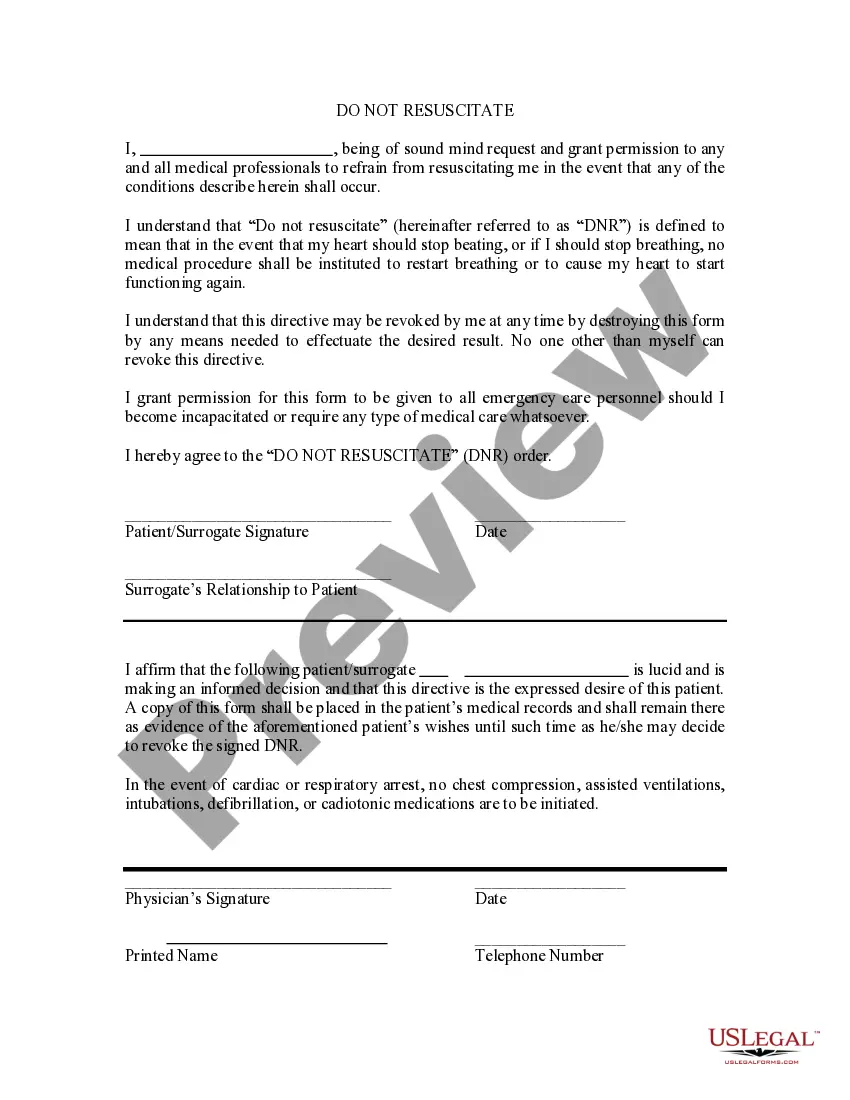
The living will. Durable power of attorney for health care/Medical power of attorney. POLST (Physician Orders for Life-Sustaining Treatment) Do not resuscitate (DNR) orders. Organ and tissue donation.
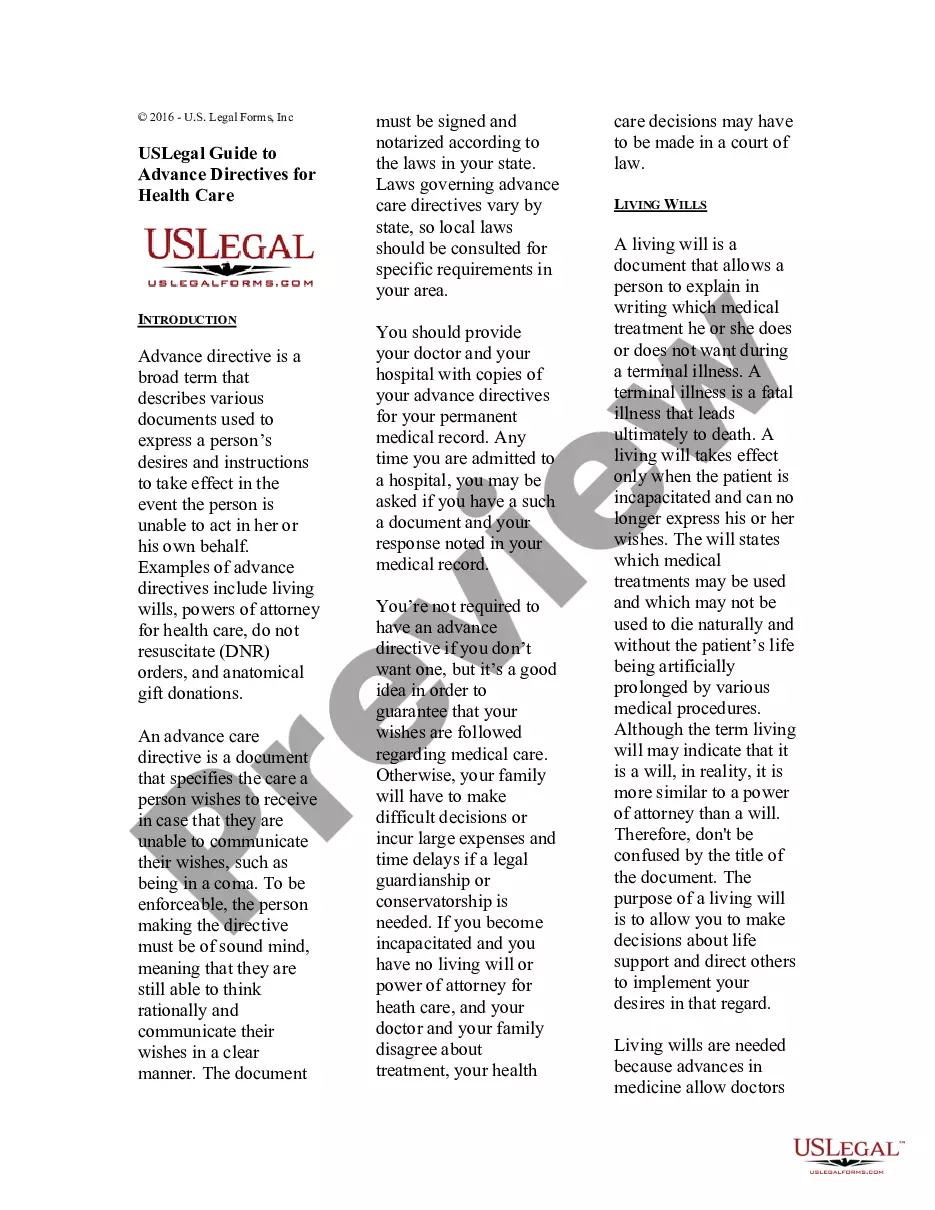
A breathing machine, CPR, and artificial nutrition and hydration are examples of life-sustaining treatments. Living willAn advance directive that tells what medical treatment a person does or doesn't want if he/she is not able to make his/her wishes known.