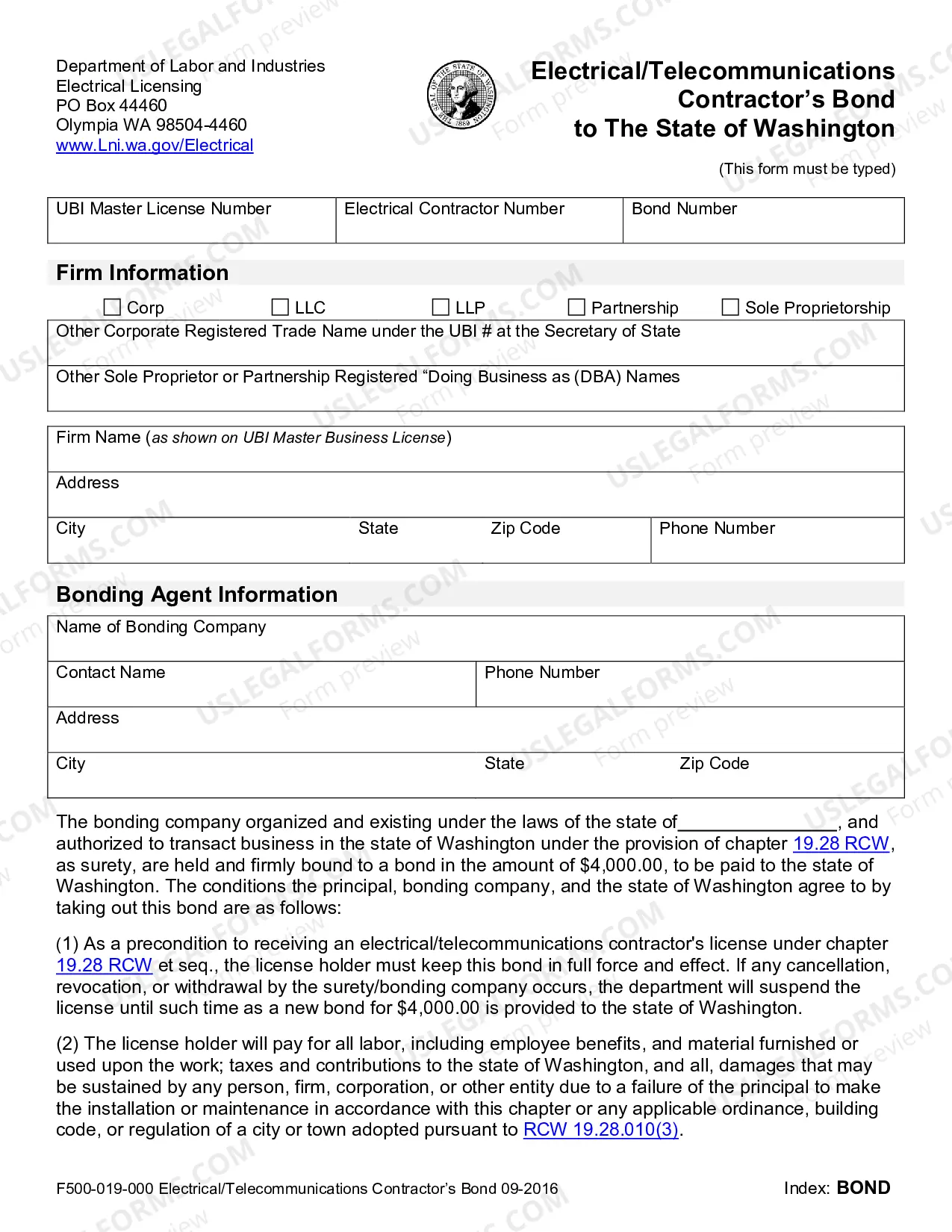
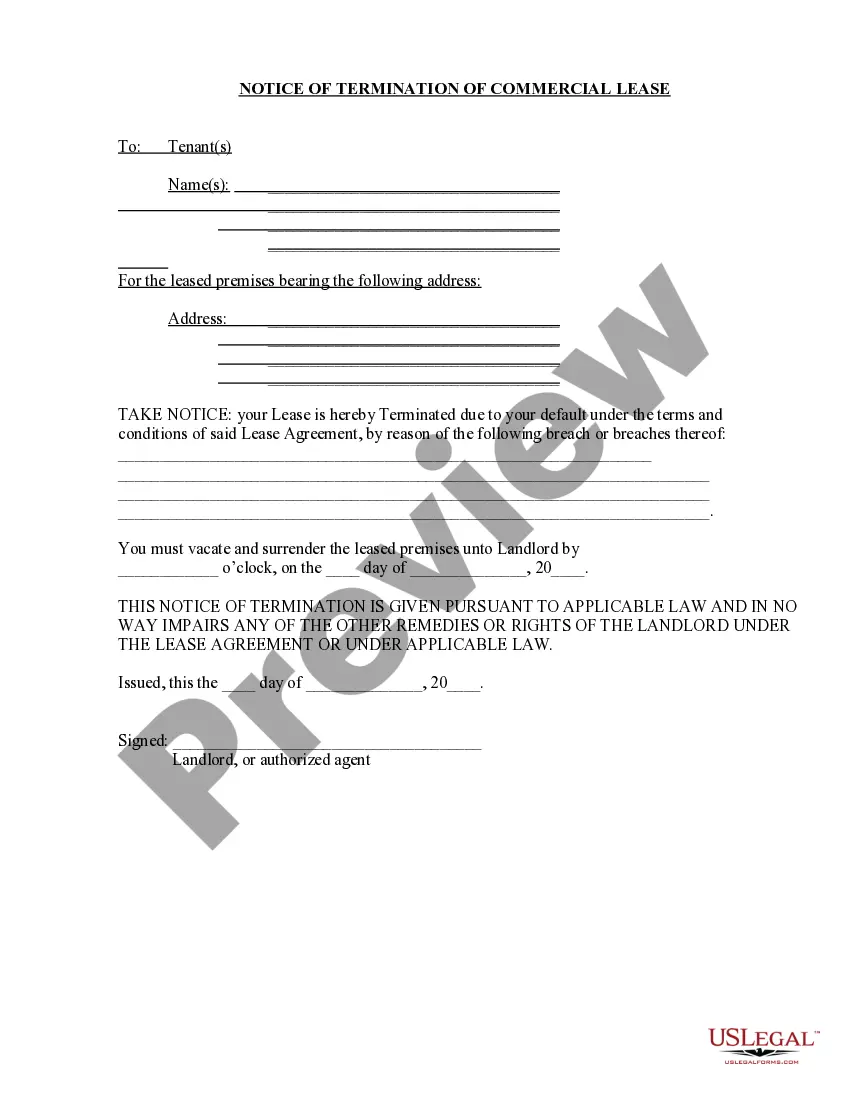
Nebraska 3 Day Notice to Pay Rent or Lease Terminated for Nonresidential or Commercial Property
What is this form?
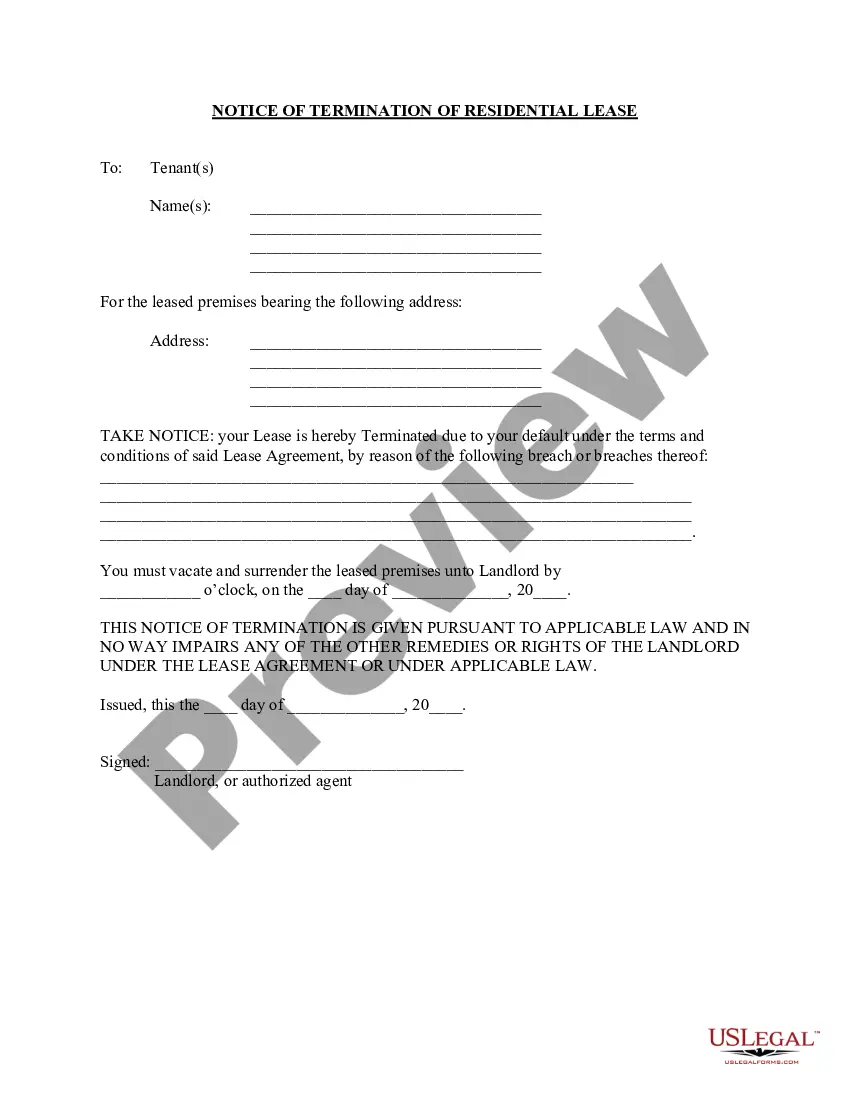
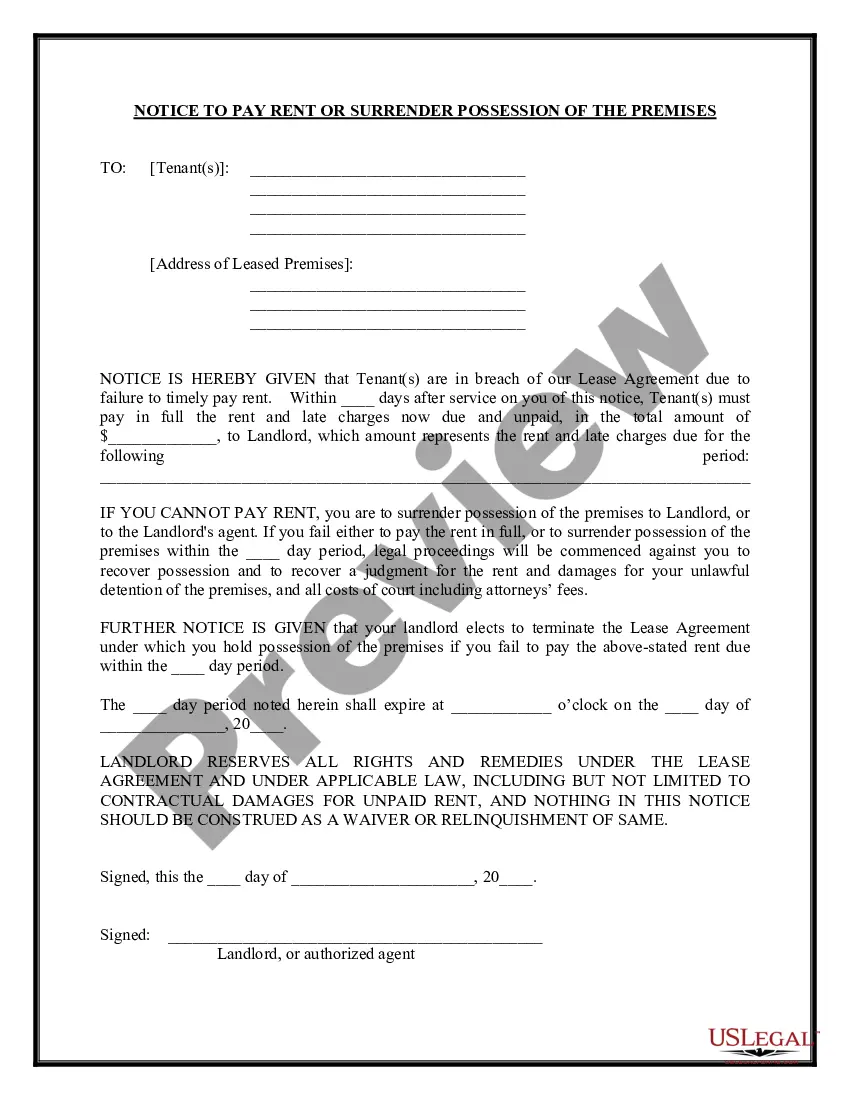
The 3 Day Notice to Pay Rent or Lease Terminated for Nonresidential or Commercial Property is a legal document used by landlords to demand payment of overdue rent from tenants occupying non-residential spaces, such as commercial properties. This notice requires tenants to pay their outstanding rent within three days of receiving the notice or face potential lease termination. This form differs from residential notices as it specifically addresses the needs of commercial leases and the unique relationships involved in non-residential tenancy.
What’s included in this form
- Identification of the landlord and tenant parties.
- Address of the leased non-residential premises.
- Details of overdue rent, including late charges.
- Payment instructions and acceptable payment methods.
- Consequences of failing to pay or surrender possession.
- Proof of delivery confirmation section.

When to use this document
This form is necessary when a tenant of non-residential property has not paid their rent by the due date. It should be used after attempts to collect overdue rent have failed. This notice serves as a formal demand giving the tenant a final opportunity to pay before the landlord may initiate eviction proceedings or terminate the lease.
Who can use this document
- Landlords of commercial or industrial properties.
- Property managers acting on behalf of landlords.
- Tenants who have received a rent notice and seek to understand their obligations.
Instructions for completing this form
- Identify the landlord and tenant, and provide their contact information.
- Enter the address of the leased non-residential property.
- Specify the amount of overdue rent and any late charges.
- Indicate acceptable forms of payment for the overdue rent.
- Set a date and time by which the tenant must pay or surrender possession.
- Ensure proof of delivery is completed after issuing the notice.
Notarization requirements for this form
This form does not typically require notarization to be legally valid. However, some jurisdictions or document types may still require it. US Legal Forms provides secure online notarization powered by Notarize, available 24/7 for added convenience.
Get your form ready online
Our built-in tools help you complete, sign, share, and store your documents in one place.
Make edits, fill in missing information, and update formatting in US Legal Forms—just like you would in MS Word.
Download a copy, print it, send it by email, or mail it via USPS—whatever works best for your next step.
Sign and collect signatures with our SignNow integration. Send to multiple recipients, set reminders, and more. Go Premium to unlock E-Sign.
If this form requires notarization, complete it online through a secure video call—no need to meet a notary in person or wait for an appointment.
We protect your documents and personal data by following strict security and privacy standards.

Make edits, fill in missing information, and update formatting in US Legal Forms—just like you would in MS Word.

Download a copy, print it, send it by email, or mail it via USPS—whatever works best for your next step.

Sign and collect signatures with our SignNow integration. Send to multiple recipients, set reminders, and more. Go Premium to unlock E-Sign.

If this form requires notarization, complete it online through a secure video call—no need to meet a notary in person or wait for an appointment.

We protect your documents and personal data by following strict security and privacy standards.
Common mistakes
- Failing to specify the correct amount of overdue rent and charges.
- Not providing adequate notice time as per the lease agreement or state law.
- Incorrectly identifying the parties involved in the lease.
- Neglecting to complete the proof of delivery section properly.
Benefits of using this form online
- Convenient access to professionally tailored legal language.
- Easy customization to suit specific circumstances and state requirements.
- Immediate download capabilities, allowing for quick distribution.
- Reliable format ensures compliance with legal standards.
Legal use & context
- This notice serves as a formal method to notify tenants of rent due and potential lease termination.
- It sets the legal groundwork for eviction proceedings if the tenant does not comply.
- The form must be delivered in accordance with state regulations to be enforceable.
Summary of main points
- The 3 Day Notice to Pay Rent is crucial for landlords of non-residential properties dealing with overdue rent.
- Tenants have three days to pay outstanding amounts or face termination of their lease.
- Proper completion and delivery of this notice are vital for legal compliance.
Looking for another form?
Form popularity
FAQ
The landlord must first provide the tenant with a three-day notice. The notice must state that the tenant has three days to pay rent or the landlord will terminate the lease. If the tenant does not pay rent within the three-day time period, the landlord can then go to court and file an eviction lawsuit (see Neb.
Nebraska Eviction is 3 Days or 30 Days And it must state that the tenant may halt the eviction process by paying the rent or curing the violation within the notice period.
Gather documents relating to your home and the person you wish to evict. Give written notice to the family member, informing him or her that you wish them to leave. Wait out the notice period.
Step 1: Serve the Tenant with an Eviction Notice. Step 2: File a Complaint with the Court. Step 3: Attend The Court Hearing. Step 4: Receive a Writ of Restitution. Step 5: Get Your Property Back.
The CARES Act requires landlords to provide a 30-day notice to tenants prior to eviction. This Act covers properties supported by HUD, USDA, and Treasury (Low Income Housing Tax Credit), and properties with federally-backed mortgages (e.g., FHA, Fannie Mae, and Freddie Mac).
Relief Program 2: Paycheck Protection Program (PPP)Landlords cannot qualify for a PPP to replace their lost rental income, since that does not qualify as payroll, but that doesn't mean they can't get a PPP.
The CARES Act provides no direct relief for such tenants. Several executive orders issued by governors and mayors have purported to impose moratoria on evictions that would extend to commercial tenants.
CALGARY -- The province says commercial landlords will no longer be allowed to evict business tenants without first applying for rental relief from the government.
Anyone renting a building, whether for commercial or personal use, has the right to privacy. You are entitled to do anything on the property that you wish, so long as whatever you are doing is legal. The landlord cannot prevent you from operating your business nor from allowing guests or patrons on the property.