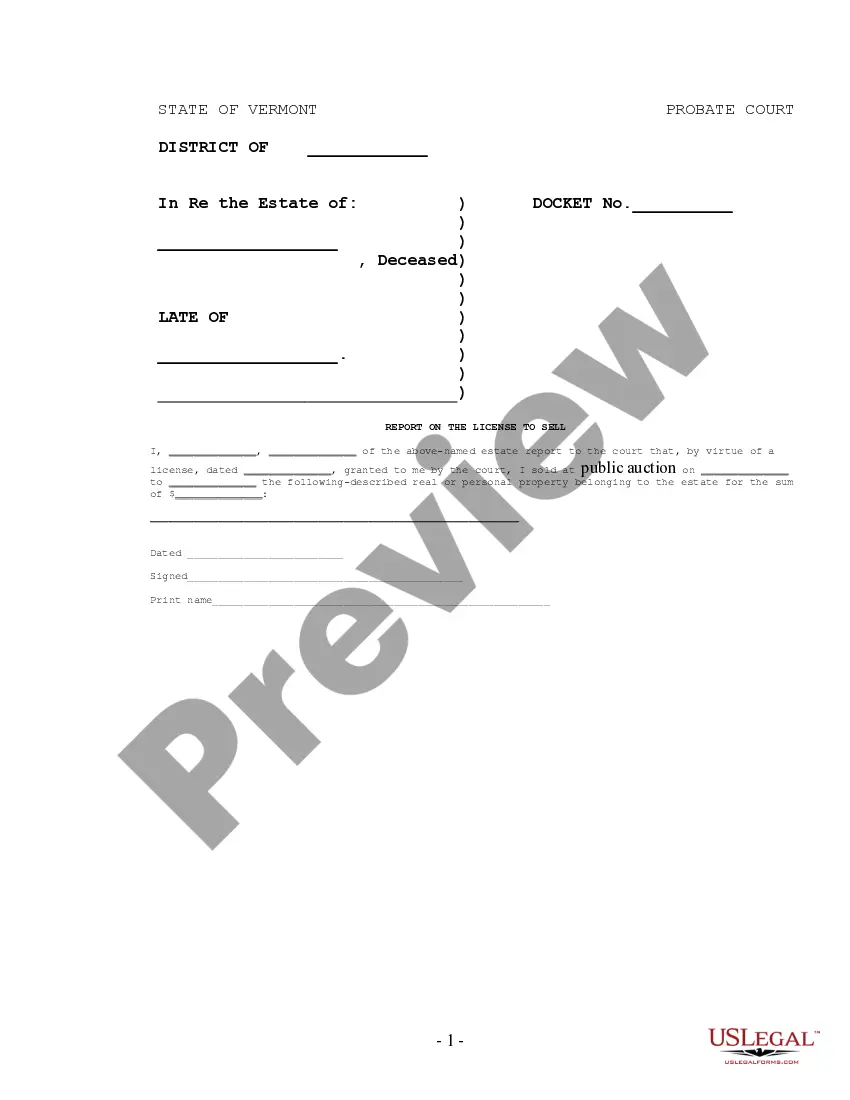
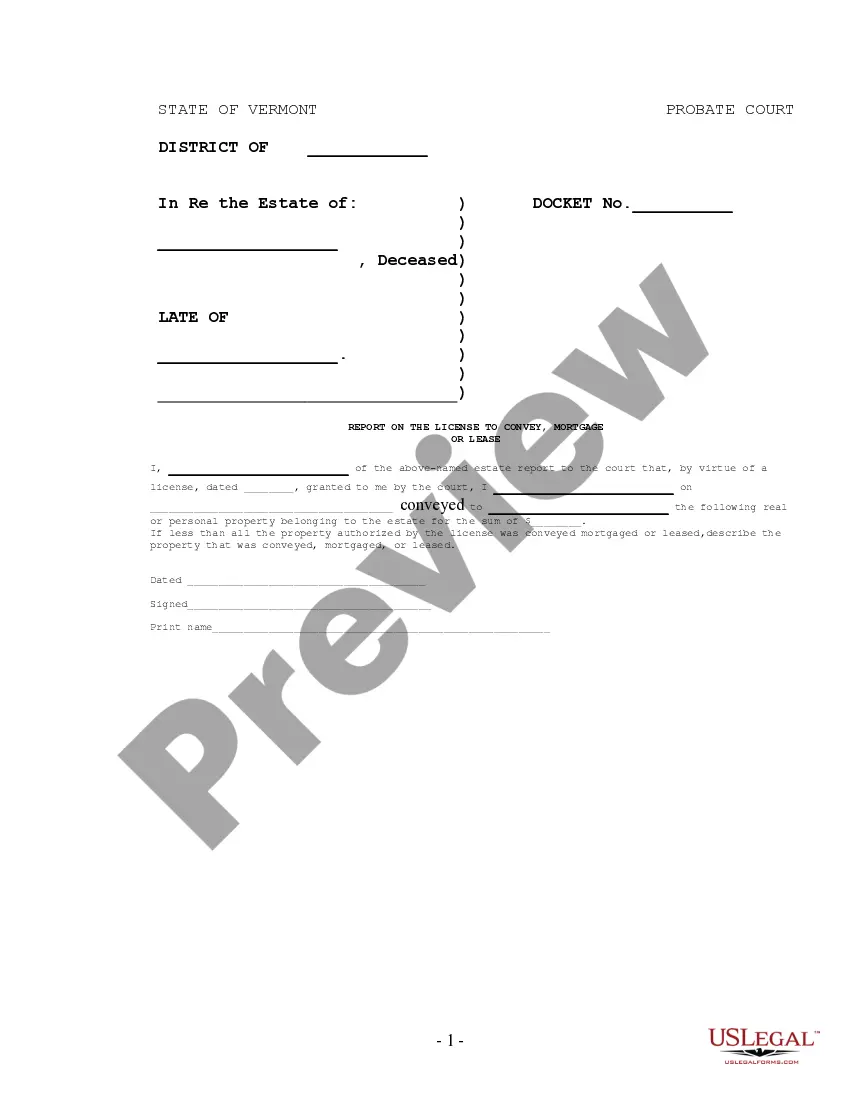
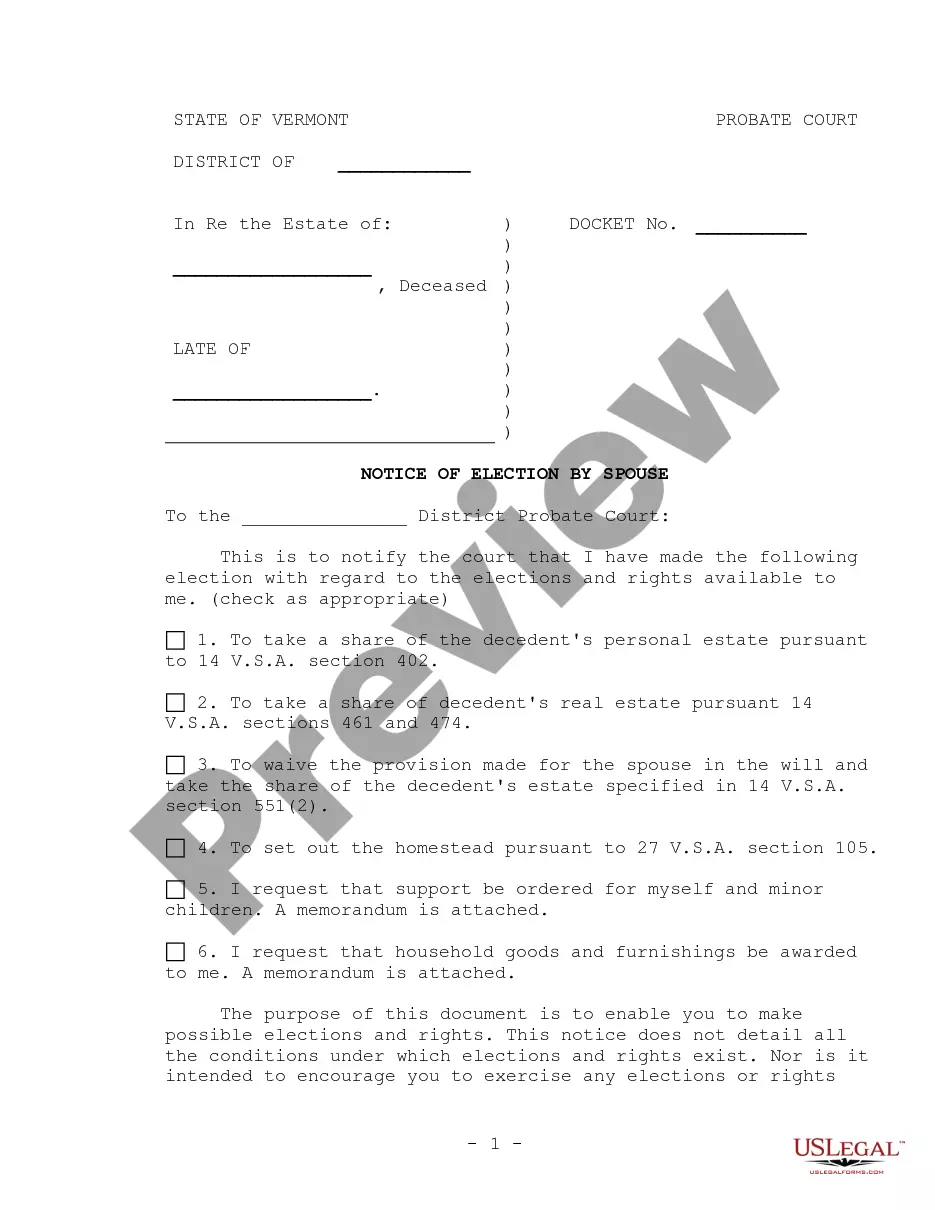
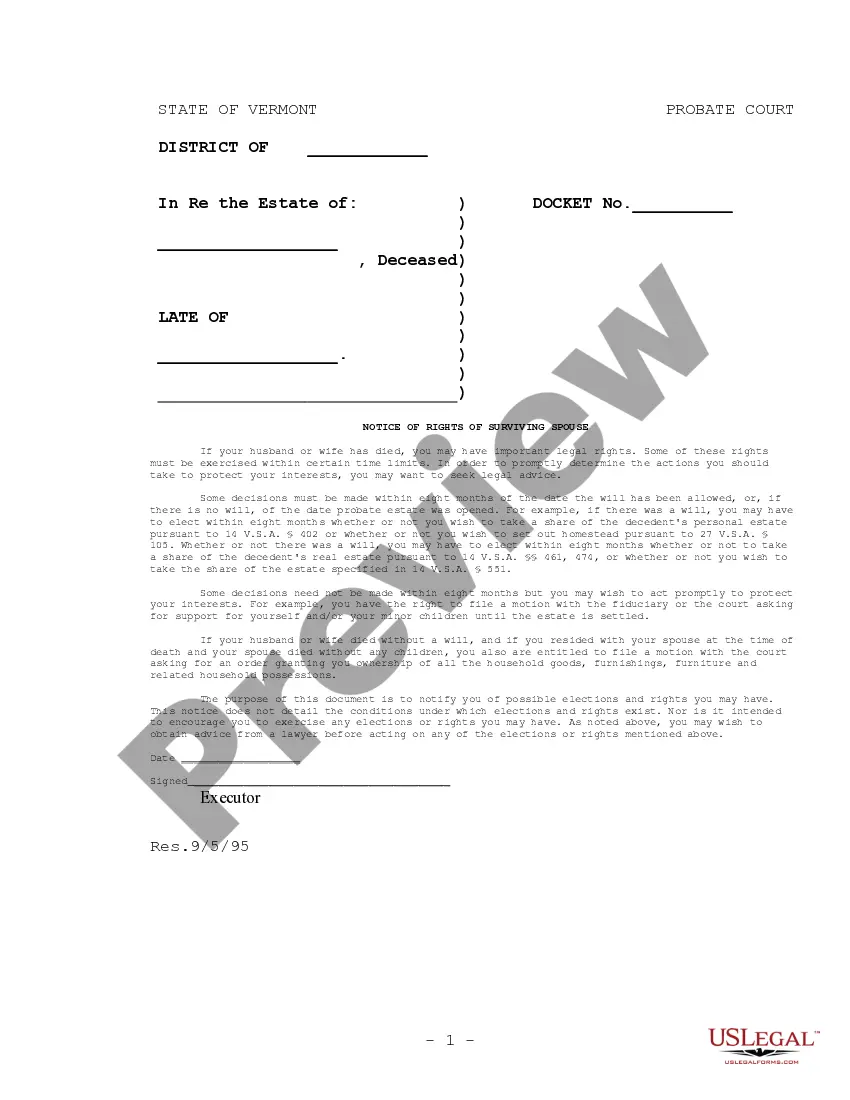
Missouri Discovery Interrogatories from Plaintiff to Defendant with Production Requests
Overview of this form
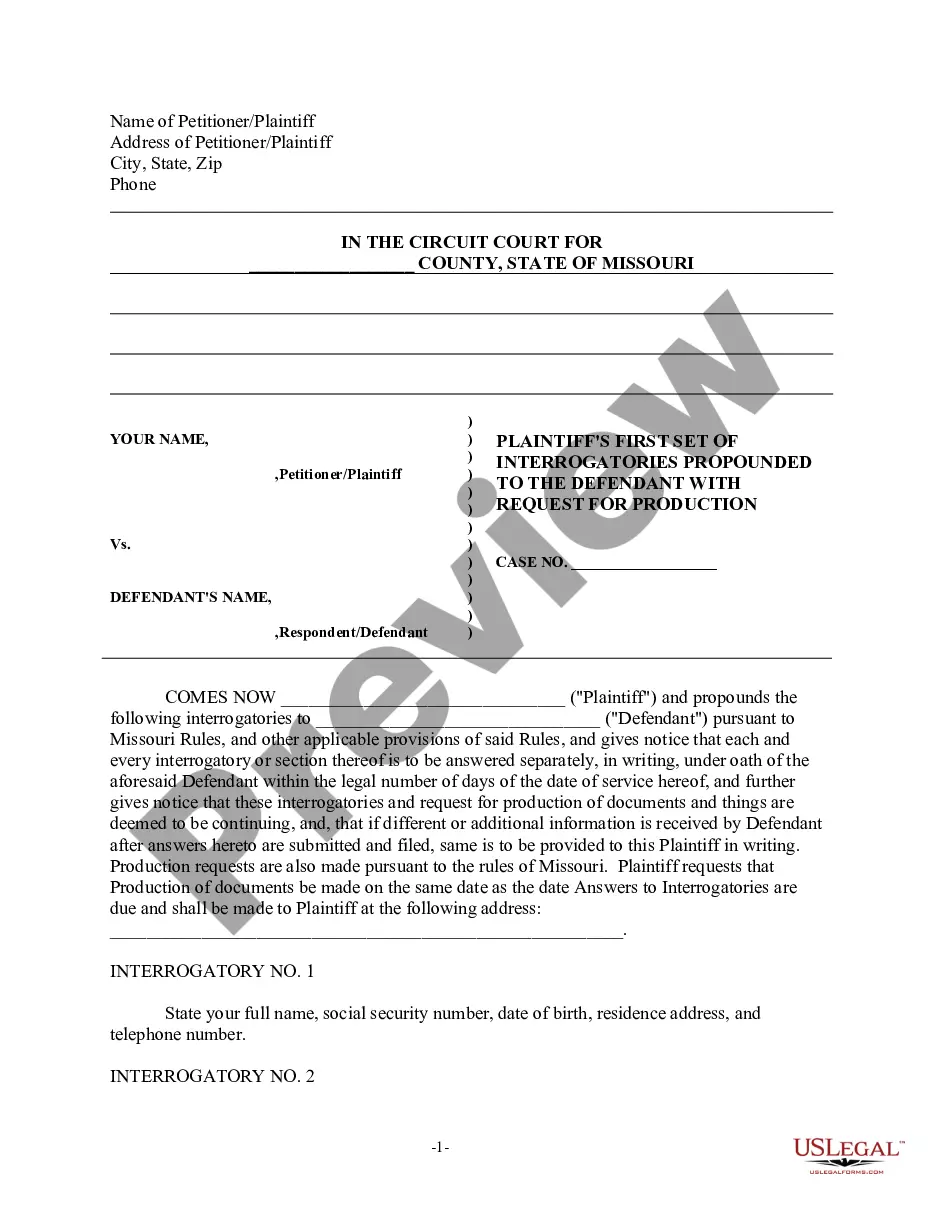
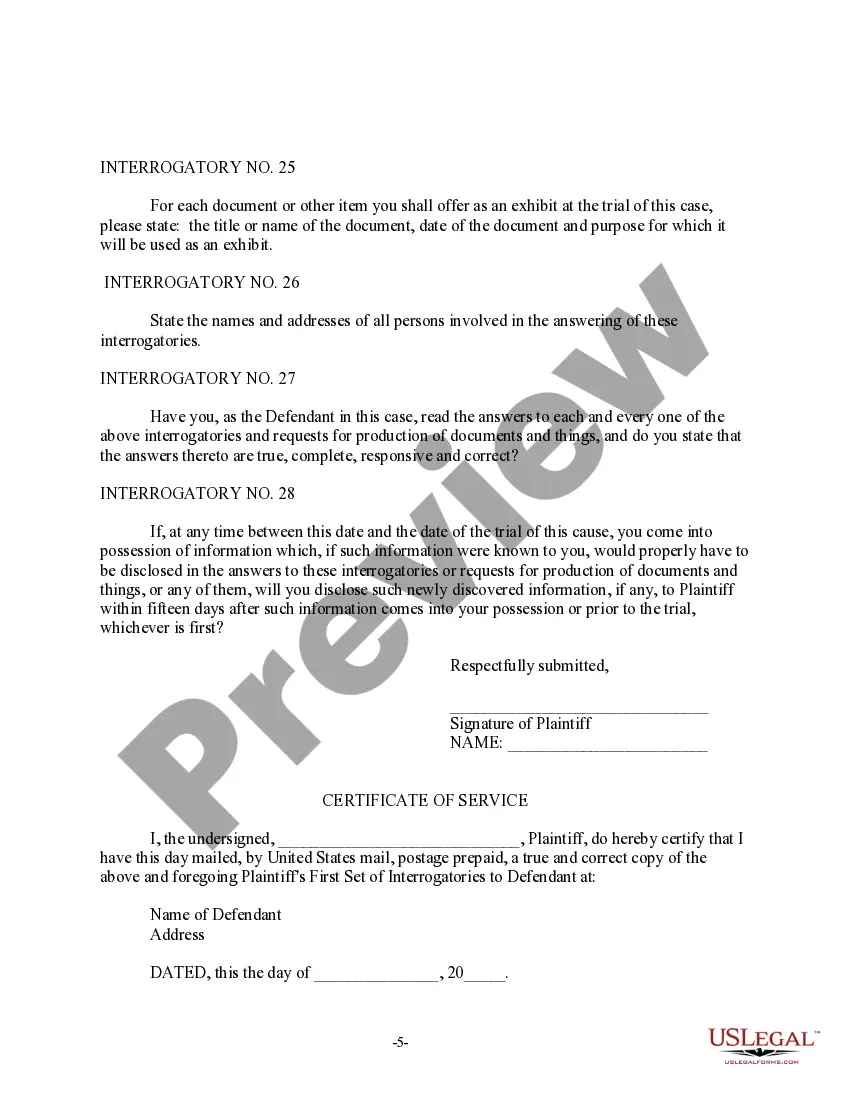
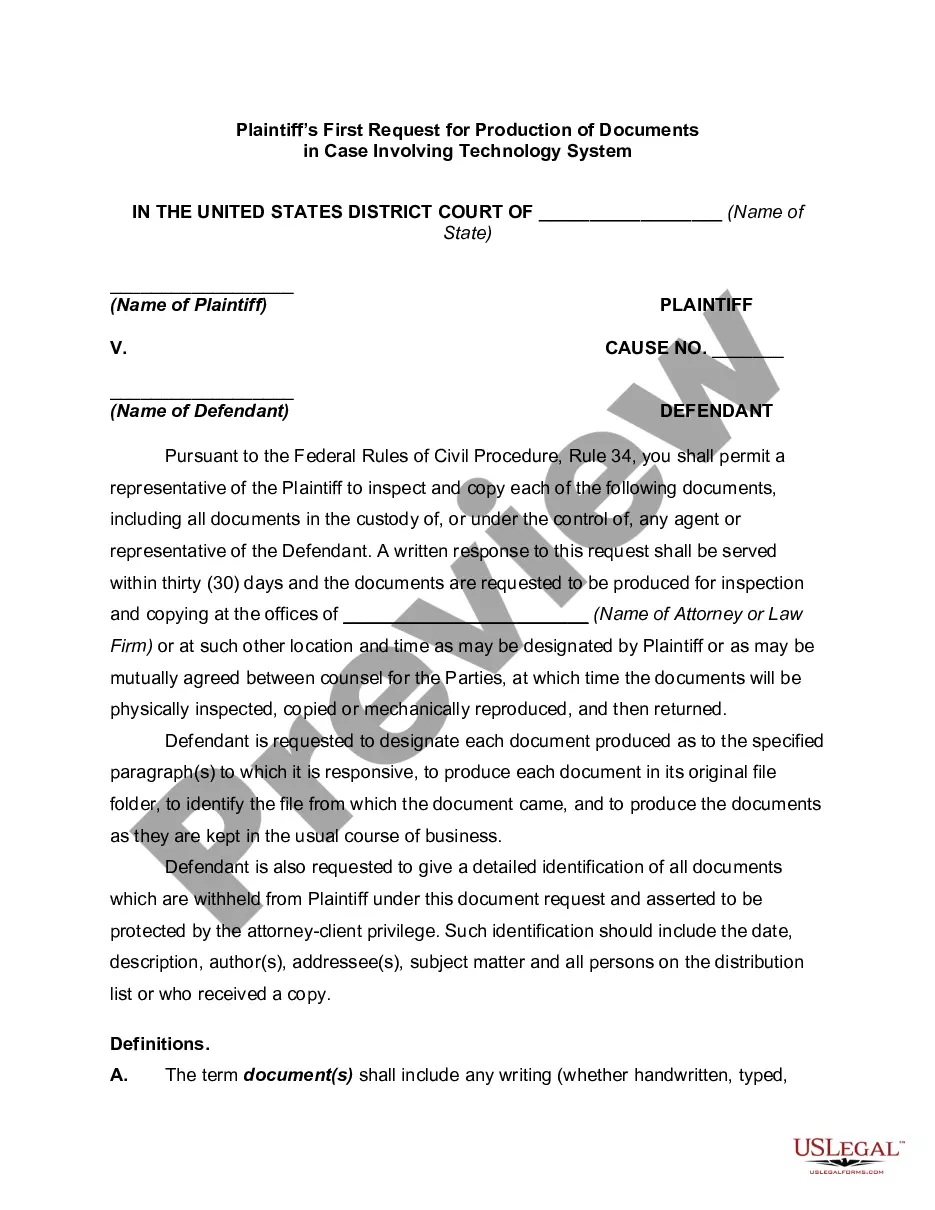
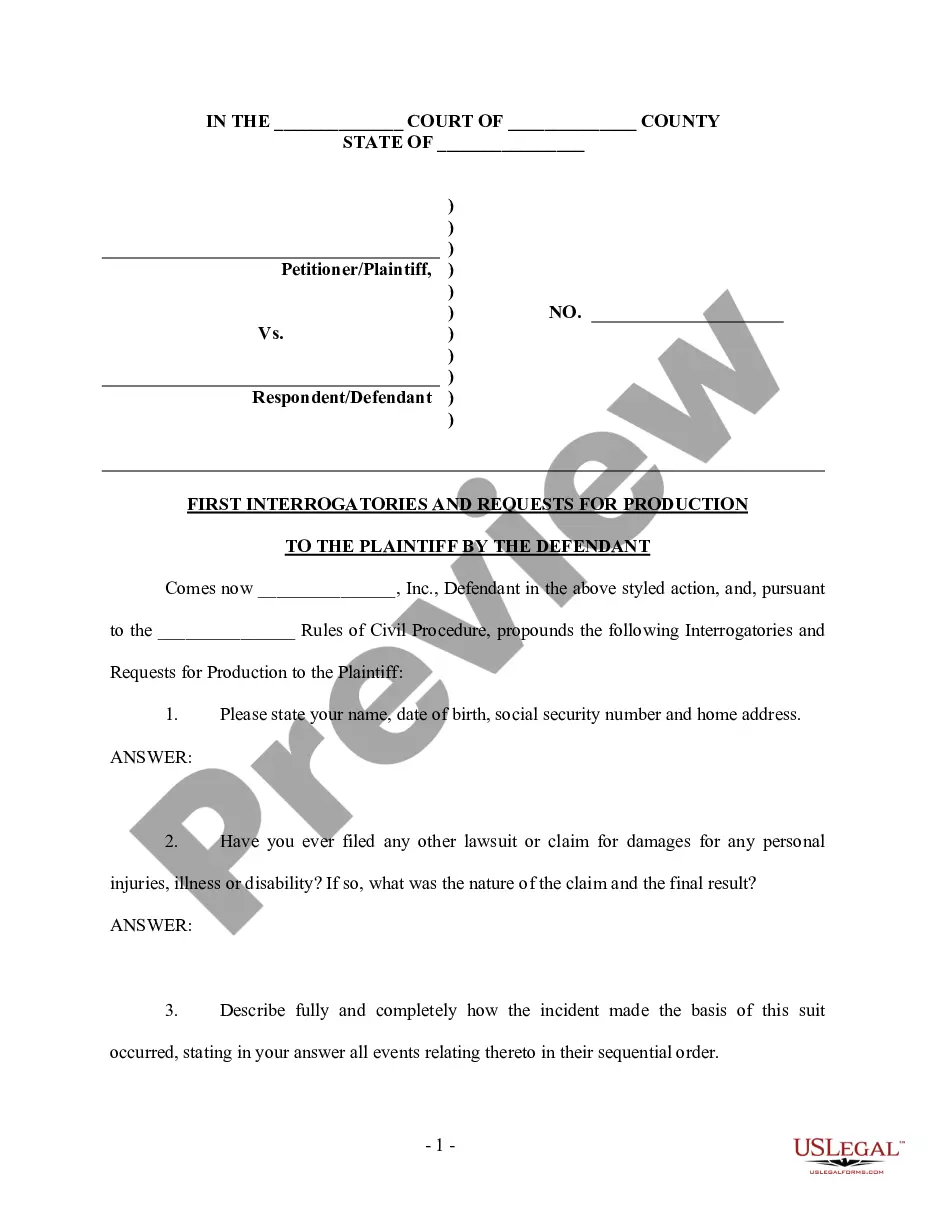
This Discovery Interrogatories from Plaintiff to Defendant with Production Requests form is a legal document designed for use in divorce proceedings. It allows the plaintiff to request information and documentation from the defendant, facilitating the discovery process. Unlike similar forms, this document not only includes interrogatories (questions that must be answered) but also requests for the production of documents. This combination helps to clarify facts and gather evidence pertinent to the case.
Main sections of this form
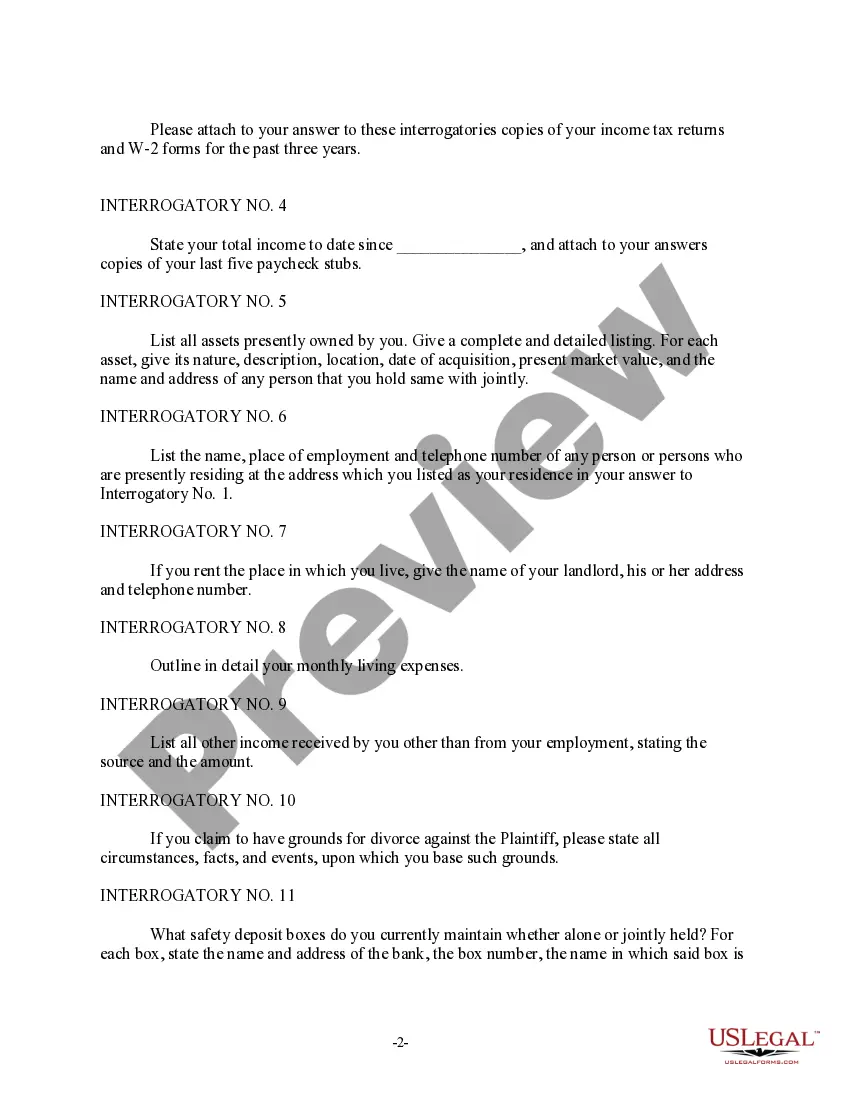
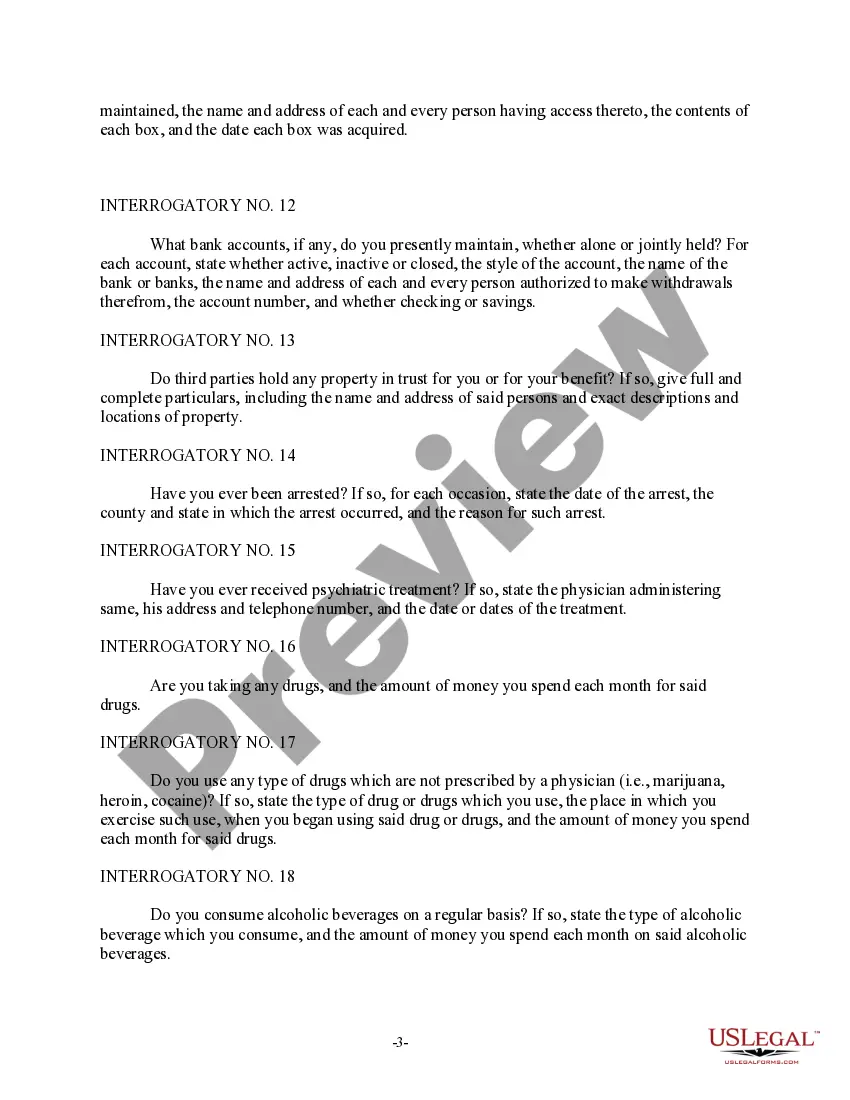
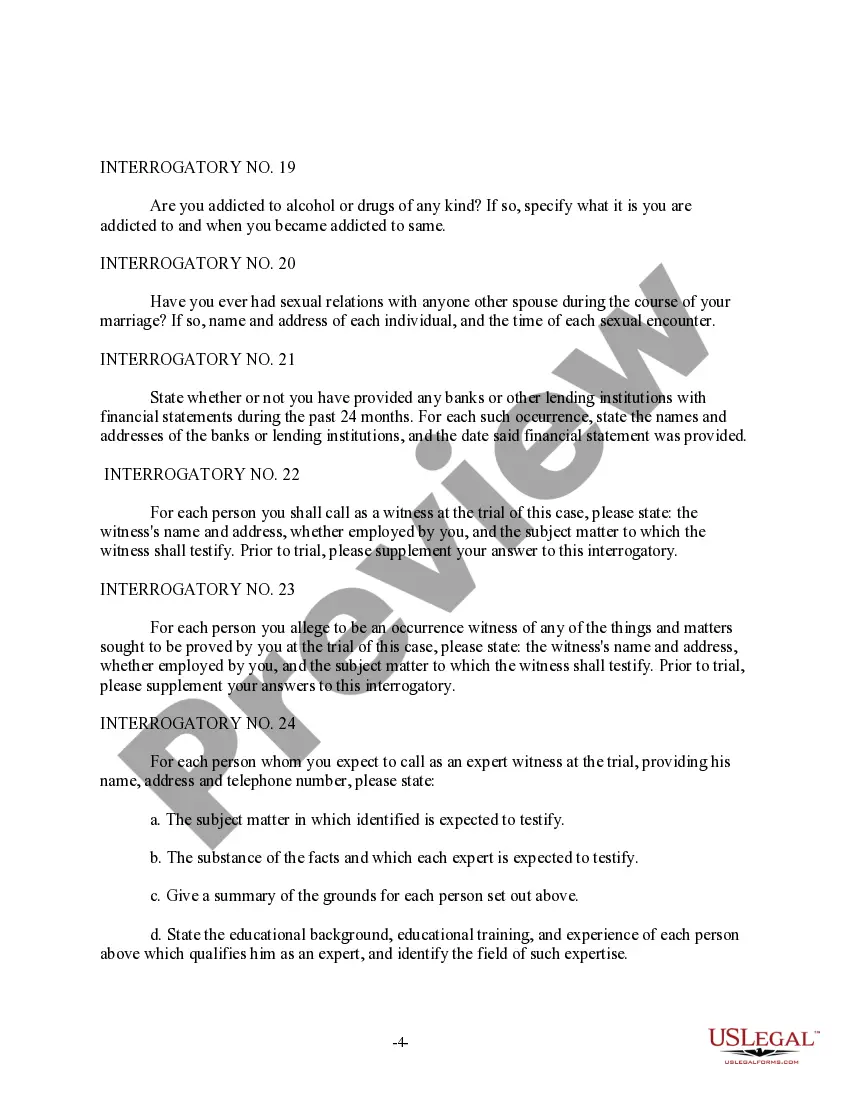
- Interrogatories that the defendant must answer under oath.
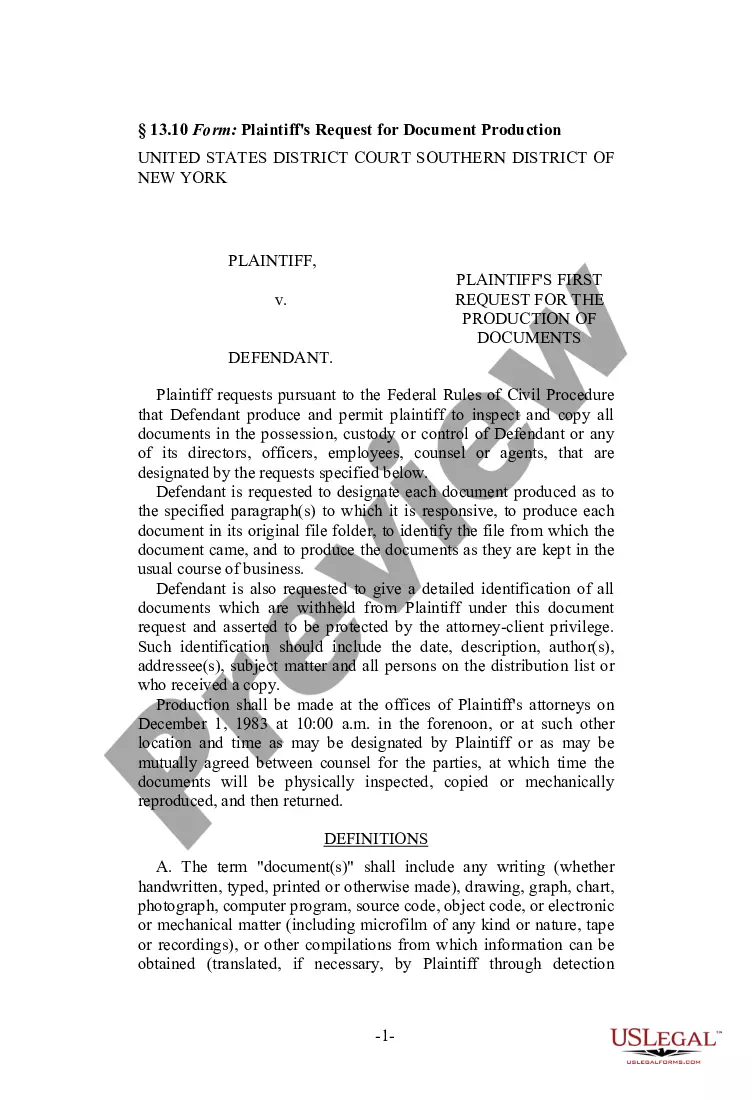
- Requests for production of documents, including financial records and other relevant materials.
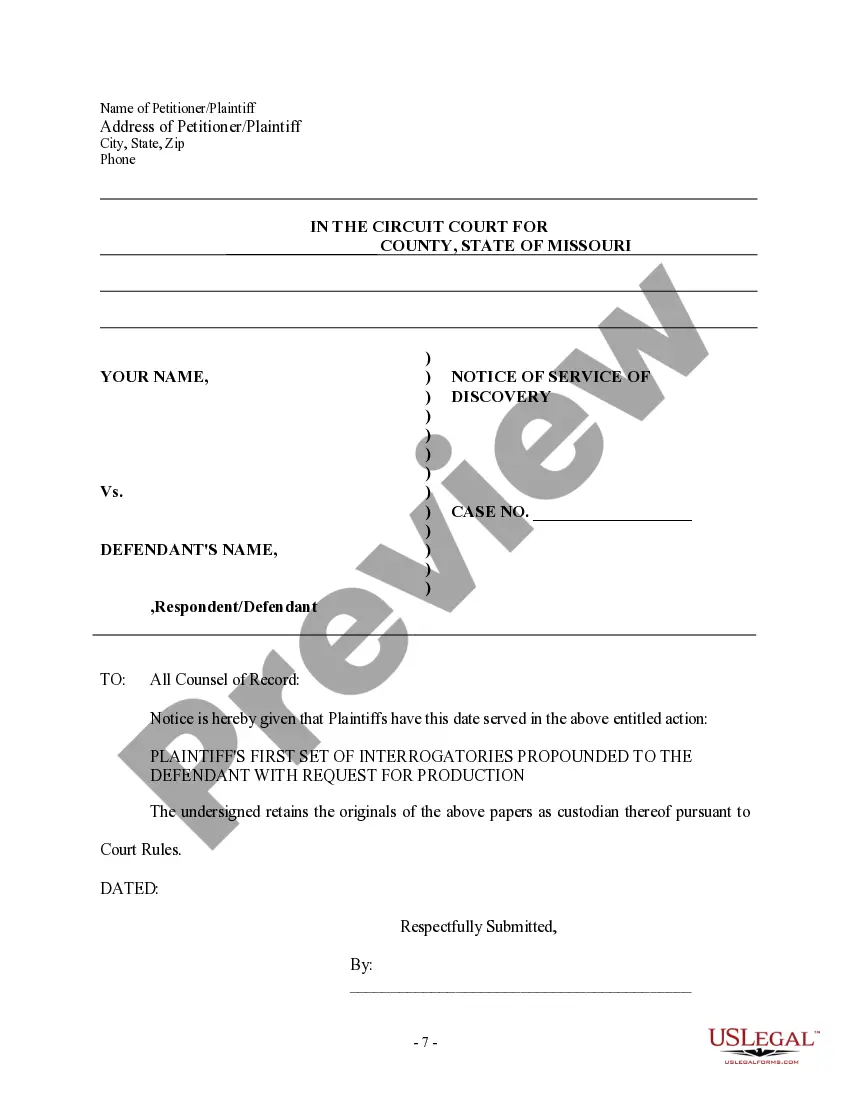
- Instructions for service of the interrogatories and document requests.
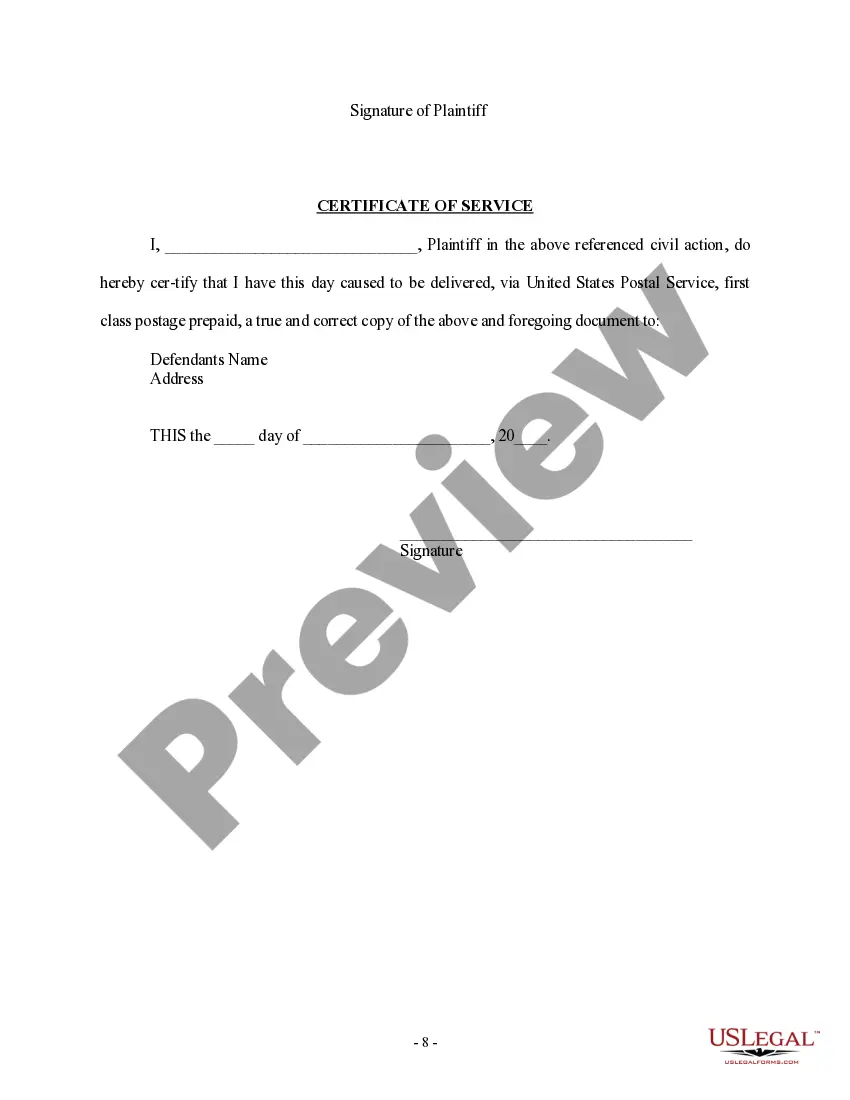
- Certification of service ensuring that the defendant receives the requests.
- Specific questions aimed at revealing the defendant's financial situation and any relevant facts about the divorce.

Situations where this form applies
This form should be used in divorce actions where the plaintiff needs to gather detailed information from the defendant that may impact the case. It is commonly utilized when there are disputes regarding financial issues, asset distribution, or any claims made by the defendant. By clearly enumerating the required information, the plaintiff can support their position and prepare for potential trial proceedings.
Who can use this document
This form is intended for:
- Individuals filing for divorce in Missouri.
- Plaintiffs who need detailed information from the defendant to resolve disputes.
- Legal practitioners representing clients in a divorce case.
Instructions for completing this form
To complete this form, follow these steps:
- Identify the parties involved by filling out the names and addresses of both the plaintiff and defendant.
- Answer each interrogatory with clear and accurate information, ensuring all responses are truthful and complete.
- Attach any required documents, such as financial statements or tax returns, as specified in the requests for production.
- Sign the form to certify that all the information provided is correct.
- Serve the completed form to the defendant as per the guidelines outlined within the document.
Notarization requirements for this form
This form does not typically require notarization unless specified by local law. However, it must be completed accurately and truthfully, as it is submitted under oath, and misrepresentations can have legal consequences.
Get your form ready online
Our built-in tools help you complete, sign, share, and store your documents in one place.
Make edits, fill in missing information, and update formatting in US Legal Forms—just like you would in MS Word.
Download a copy, print it, send it by email, or mail it via USPS—whatever works best for your next step.
Sign and collect signatures with our SignNow integration. Send to multiple recipients, set reminders, and more. Go Premium to unlock E-Sign.
If this form requires notarization, complete it online through a secure video call—no need to meet a notary in person or wait for an appointment.
We protect your documents and personal data by following strict security and privacy standards.

Make edits, fill in missing information, and update formatting in US Legal Forms—just like you would in MS Word.

Download a copy, print it, send it by email, or mail it via USPS—whatever works best for your next step.

Sign and collect signatures with our SignNow integration. Send to multiple recipients, set reminders, and more. Go Premium to unlock E-Sign.

If this form requires notarization, complete it online through a secure video call—no need to meet a notary in person or wait for an appointment.

We protect your documents and personal data by following strict security and privacy standards.
Common mistakes
- Failing to provide complete answers to the interrogatories.
- Not attaching necessary supporting documents as requested.
- Missing the deadline for responding to the interrogatories.
- Not properly serving the form to the defendant.
- Overlooking questions that specifically pertain to the case's issues.
Why complete this form online
- Convenient access to professionally drafted legal forms.
- Editability allows users to customize the document to fit their specific case.
- Reliable guidance helps ensure compliance with legal requirements.
- Time efficiency by providing a structured format for complex legal questions.
- This form is legally binding once served upon the defendant and answered.
- Failure to respond may lead to court sanctions against the defendant.
- It is essential that both parties adhere to the timeline for responses to avoid delays in proceedings.
What to keep in mind
- The form facilitates essential information gathering during divorce proceedings.
- It combines interrogatories with requests for documentation to strengthen the plaintiff's case.
- Users must complete and serve the form in accordance with Missouri law.
- Accurate and thorough responses are critical to uphold legal integrity.
Looking for another form?
Form popularity
FAQ
Rule 33.5 in Missouri pertains to the limitations on interrogatories, specifically the number of questions a party can ask. This rule ensures that the discovery process remains efficient and focused, allowing Missouri Discovery Interrogatories from Plaintiff to Defendant with Production Requests to be manageable. By understanding this rule, you can formulate your interrogatories strategically, maximizing their effectiveness while complying with legal requirements. Utilizing platforms like uslegalforms can help you navigate these rules with ease.
Requests for production and interrogatories serve different purposes, but they are both crucial in the discovery process. Interrogatories, such as Missouri Discovery Interrogatories from Plaintiff to Defendant with Production Requests, involve written questions that require the other party to provide answers. In contrast, requests for production ask for specific documents or evidence. Knowing the distinction helps you utilize these tools effectively in your case.
The 57.09 rule in Missouri governs the use of interrogatories in civil litigation. It allows a party to request information from the opposing party, specifically through Missouri Discovery Interrogatories from Plaintiff to Defendant with Production Requests. This rule facilitates the sharing of relevant information and supports the discovery process, ensuring that both parties can prepare adequately for trial. Understanding this rule can enhance your legal strategy and improve your case outcomes.
A request for production is a discovery device used to gain access to documents, electronic data, and physical items held by an opposing party in a legal matter. The aim is to gain insight into any relevant evidence that the opposing party holds.
Interrogatories Interrogatories are written questions that are sent by one party to another.Requests for production are the means by which you can ask the other party to make copies of documents, photographs, records, etc. and to request the inspection of property.
The making available by a party of documents in his possession, custody or power for inspection by the other party or for use as evidence at trial.
If a request asks for a document, make a copy of the document; in your response, describe the document and say that a copy is attached; and attach a copy of the document to the responses you send back to the other side.
You can object to an interrogatory if the information sought is known by the requesting party or available to both parties equally. For example, you should raise this objection if the answers are publicly available or in a third-party's custody or control.
Interrogatories ask questions; the responding party provides written answers. A request for production of documents requests the production of documents (or other tangible things); the responding party provides documents.
Thank you for your inquiry regarding our product or service. Thank you for your interest in our product or service. We would like to thank you for your letter inquiring about our product. We truly appreciate your letter asking for information about our service.