Massachusetts Discovery Interrogatories from Plaintiff to Defendant with Production Requests
What this document covers
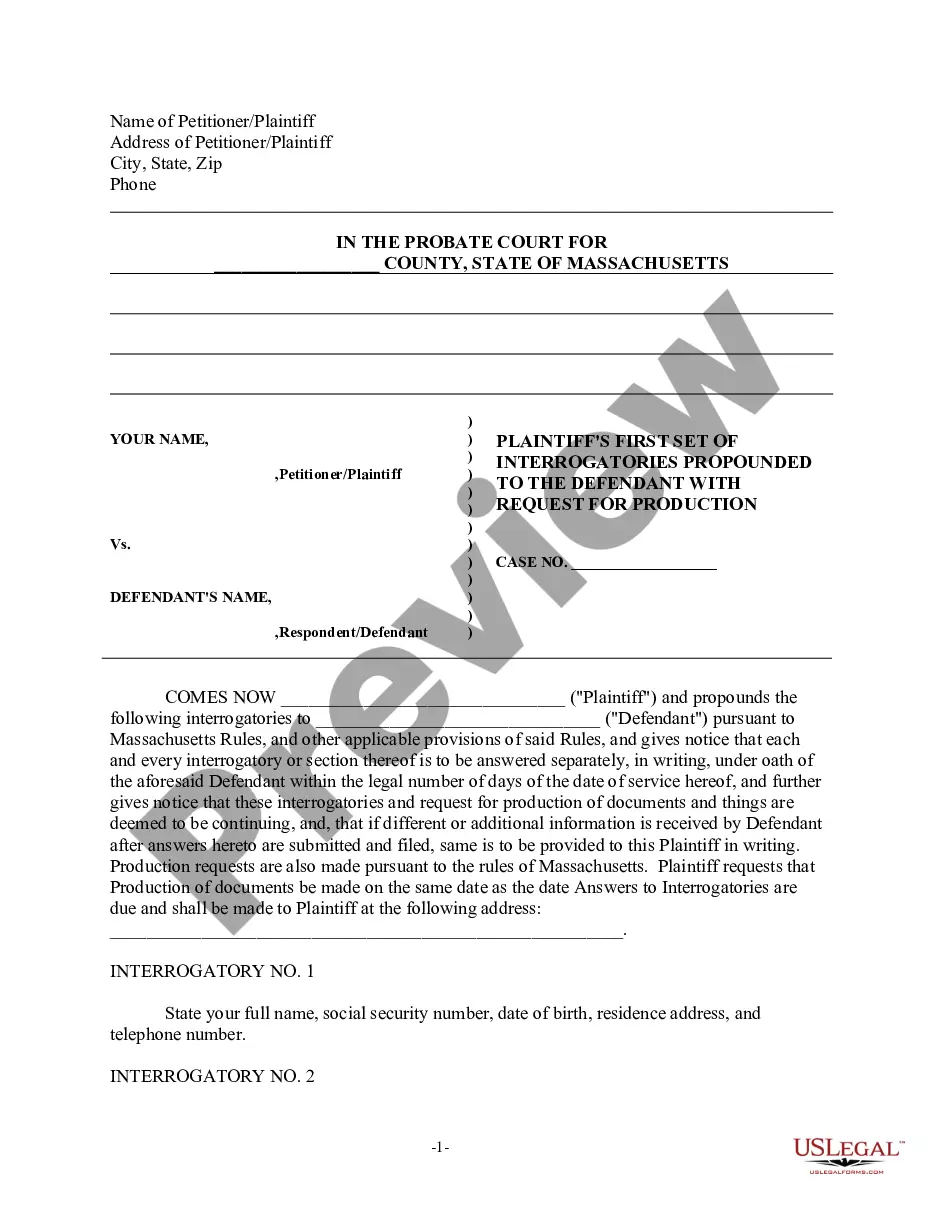
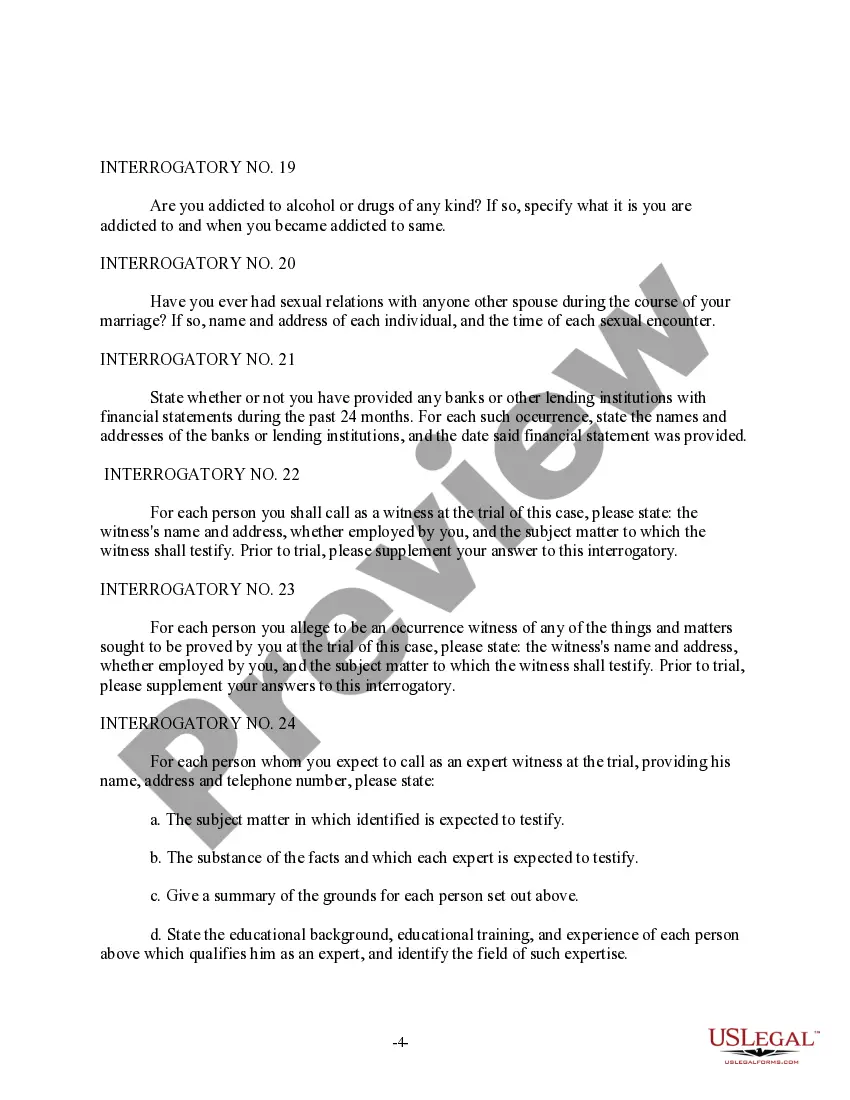
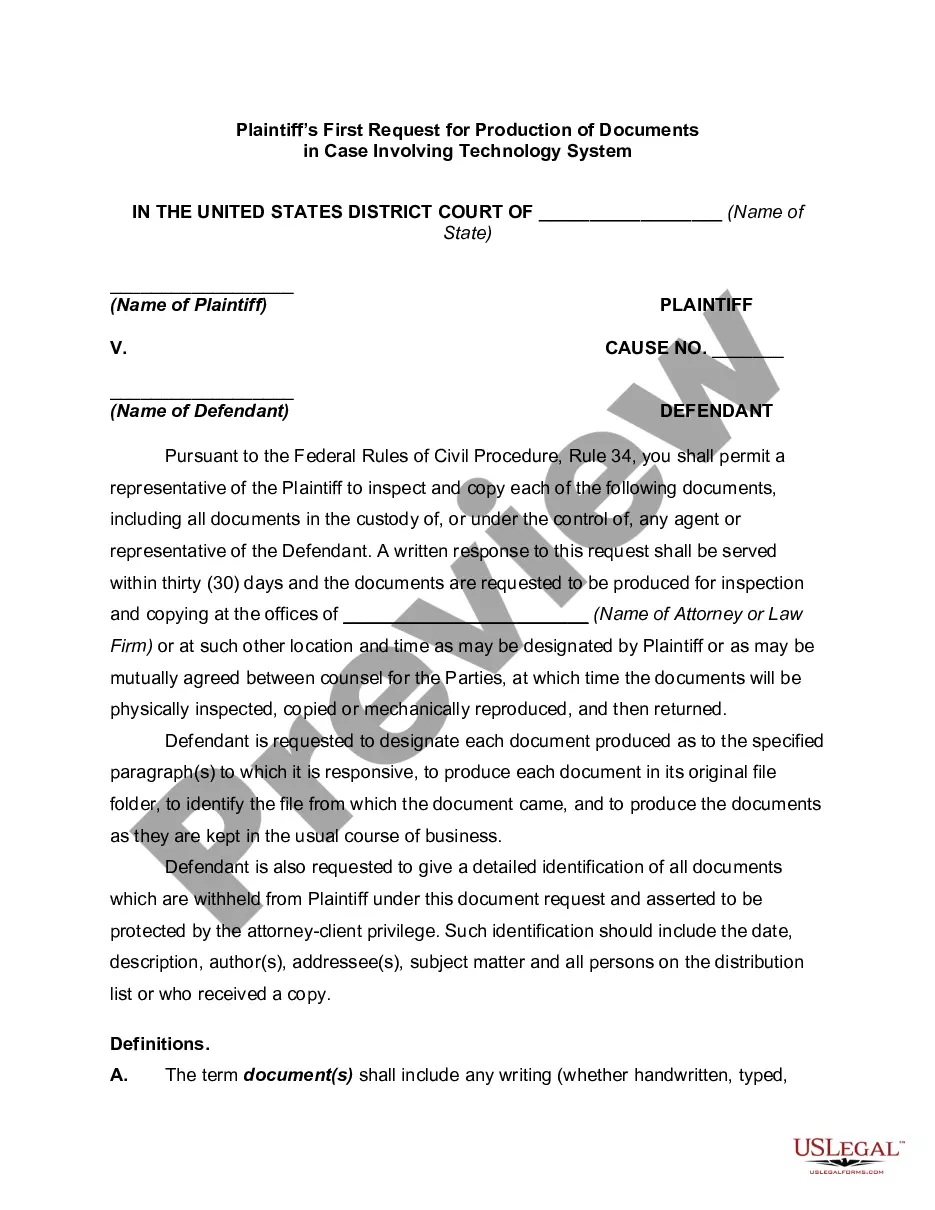
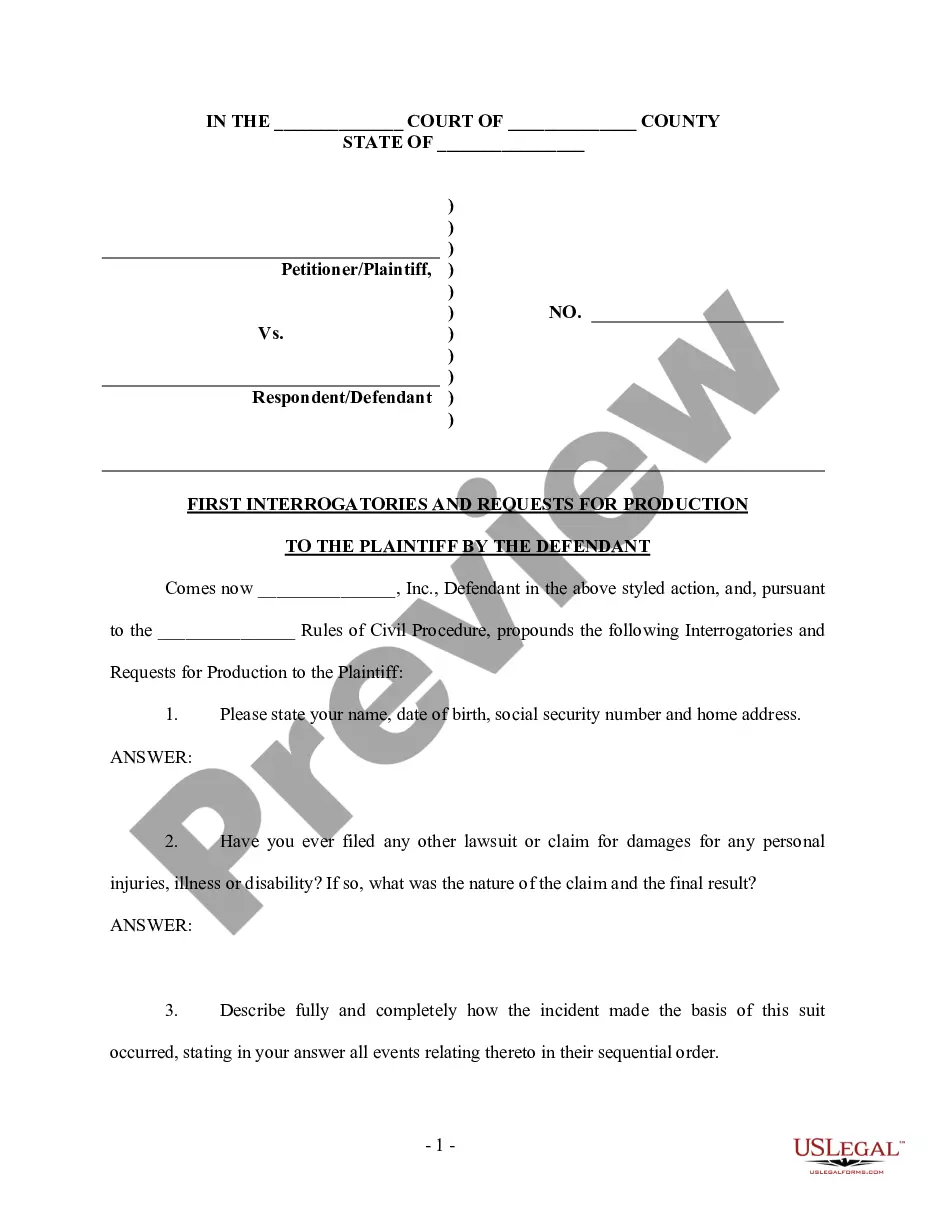
This Discovery Interrogatories from Plaintiff to Defendant with Production Requests form is a legal tool used in divorce proceedings. It allows the Plaintiff to request specific information and documents from the Defendant to support their claims and prepare for trial. Unlike other discovery forms, this one includes both interrogatories and document production requests, ensuring a thorough inquiry into relevant facts and evidence.
Key parts of this document
- Petitioner/Plaintiff's contact information and case number.
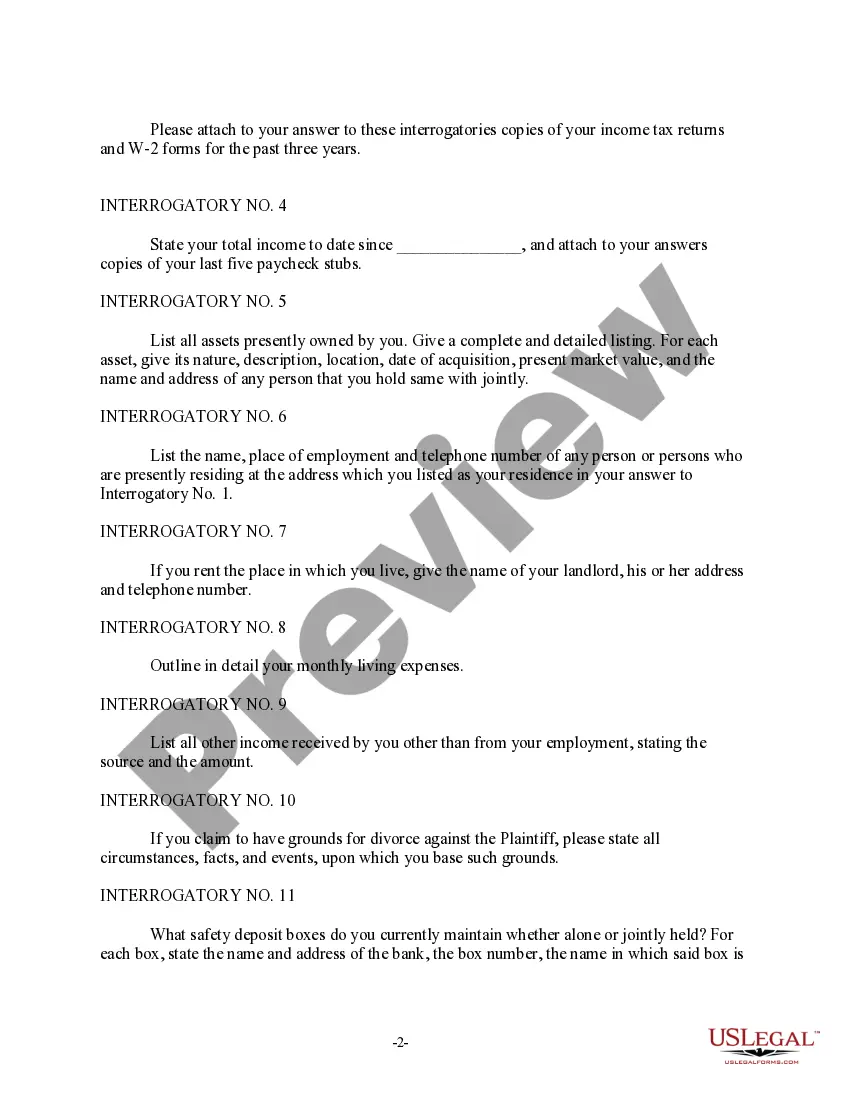
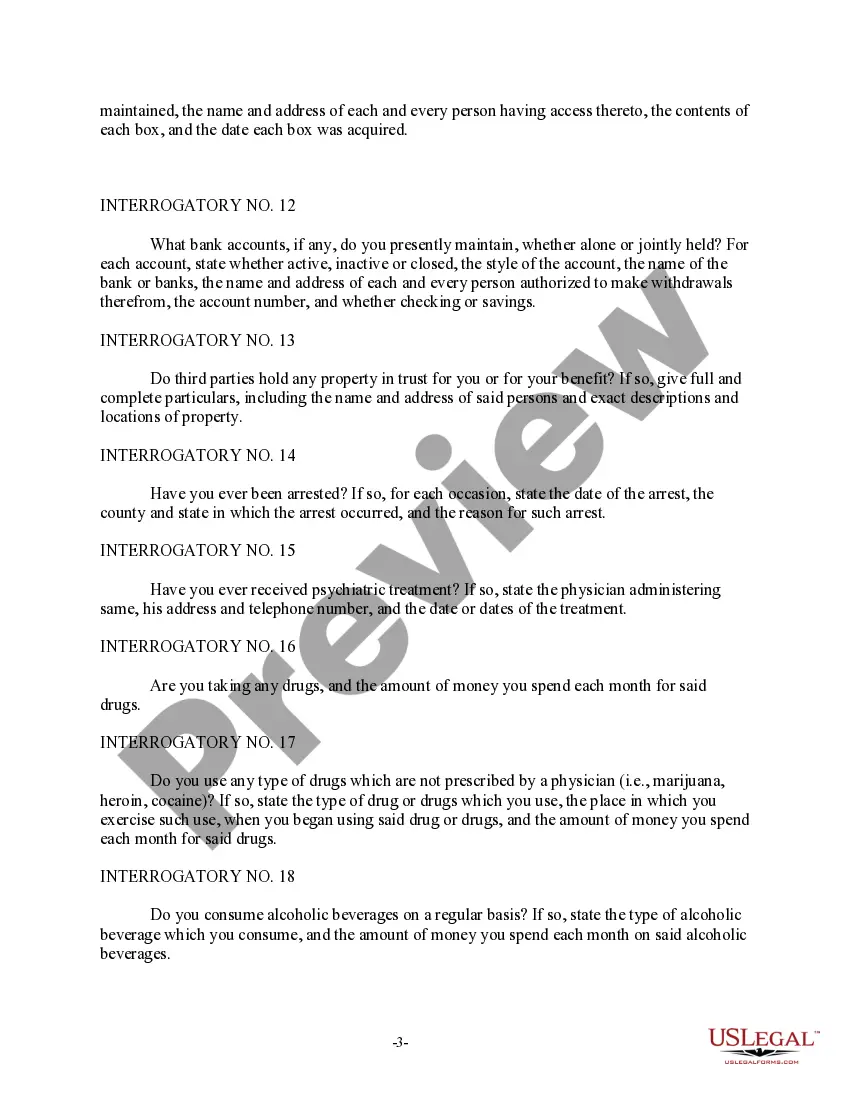
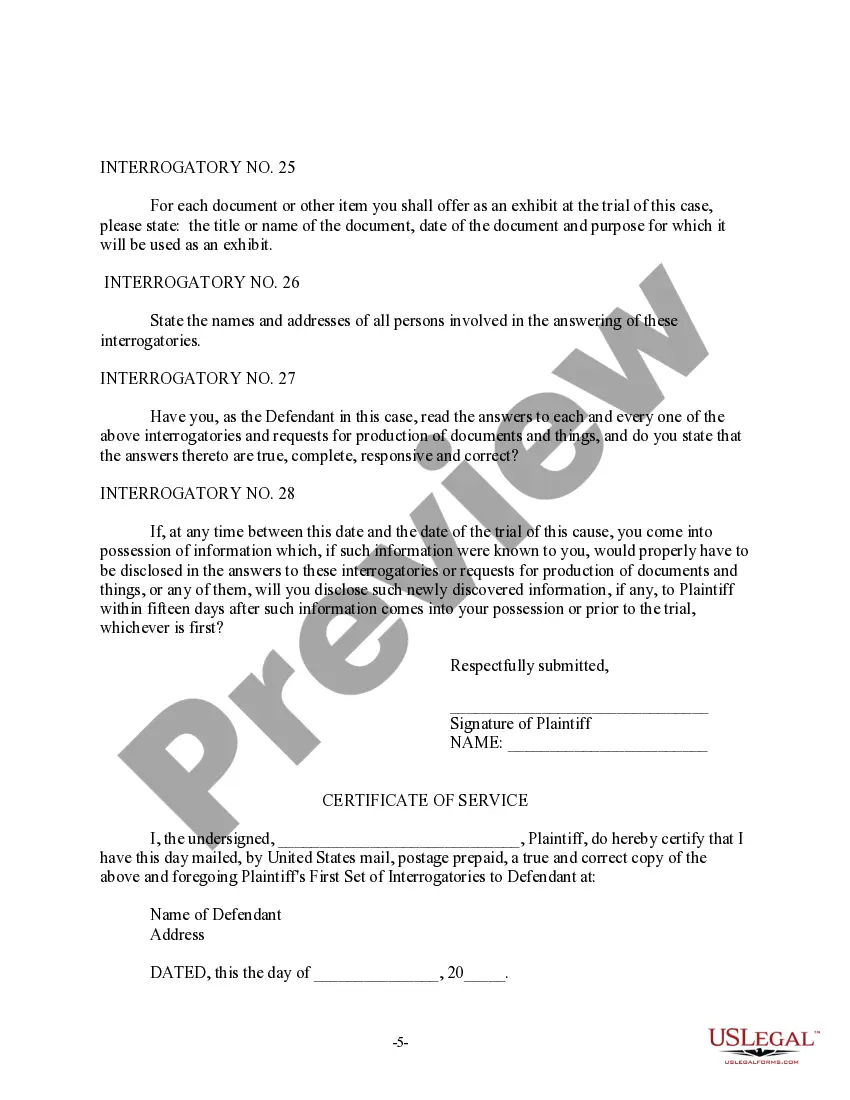
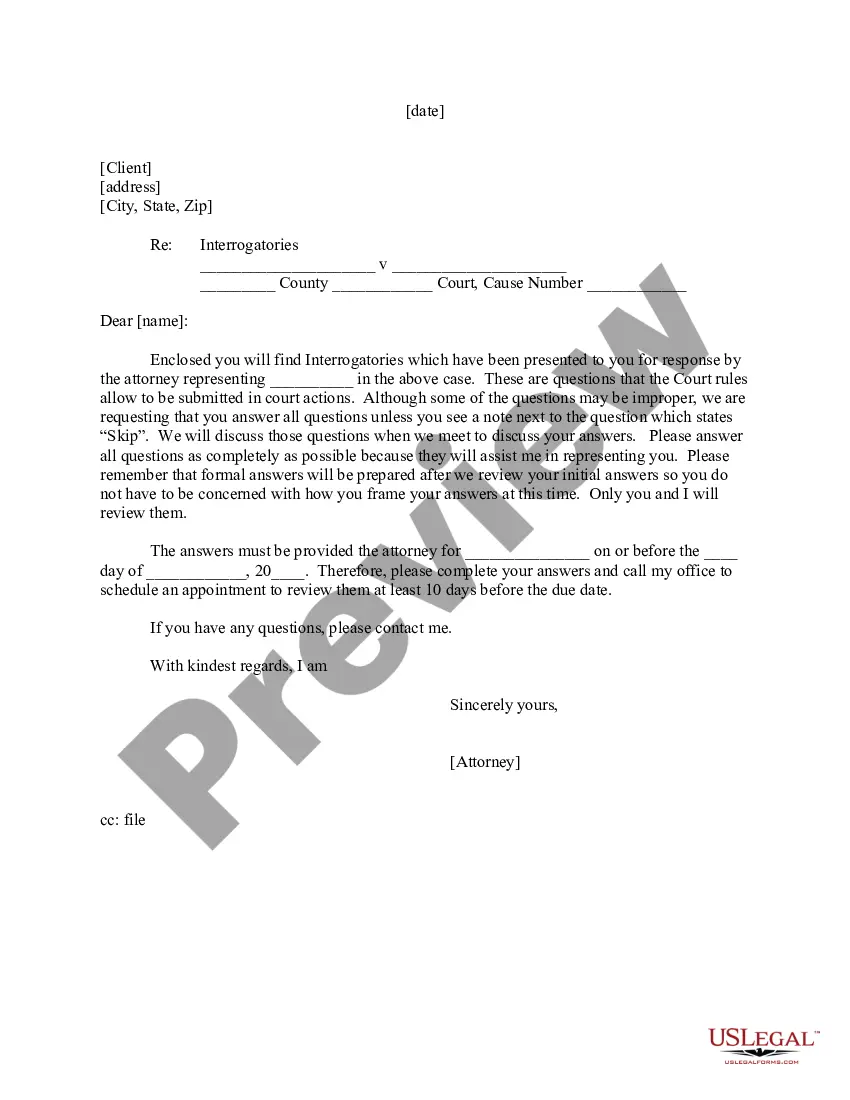
- List of interrogatories that the Defendant must answer under oath.
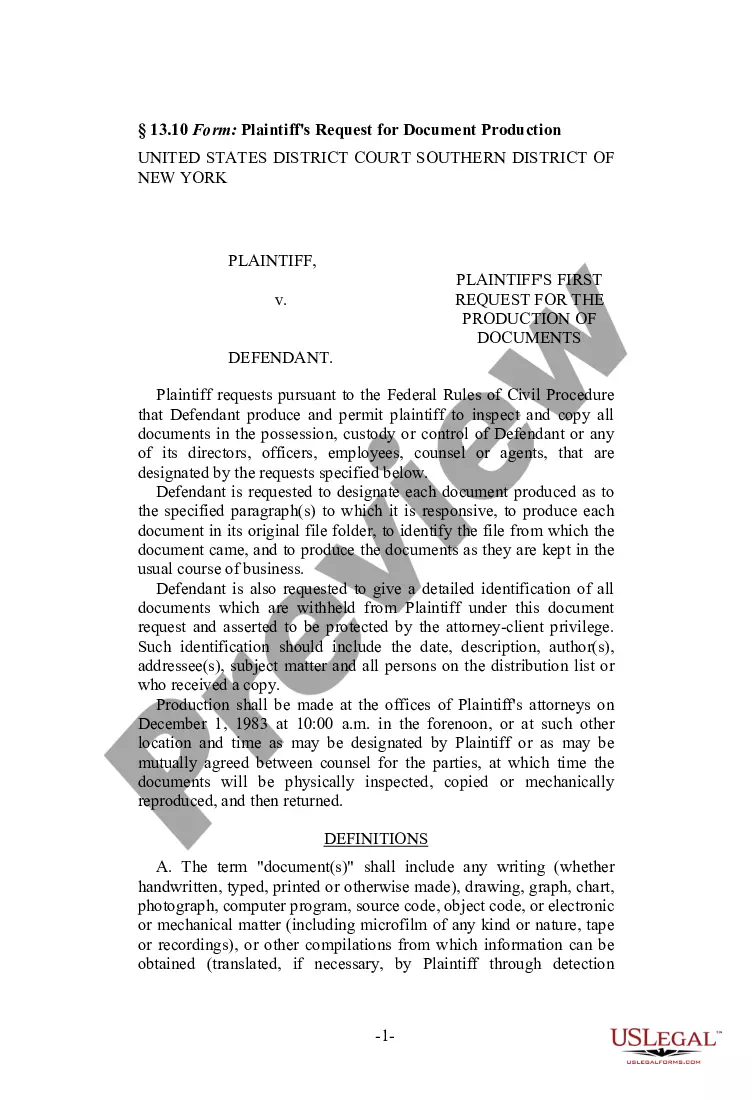
- Request for production of documents relevant to the case.
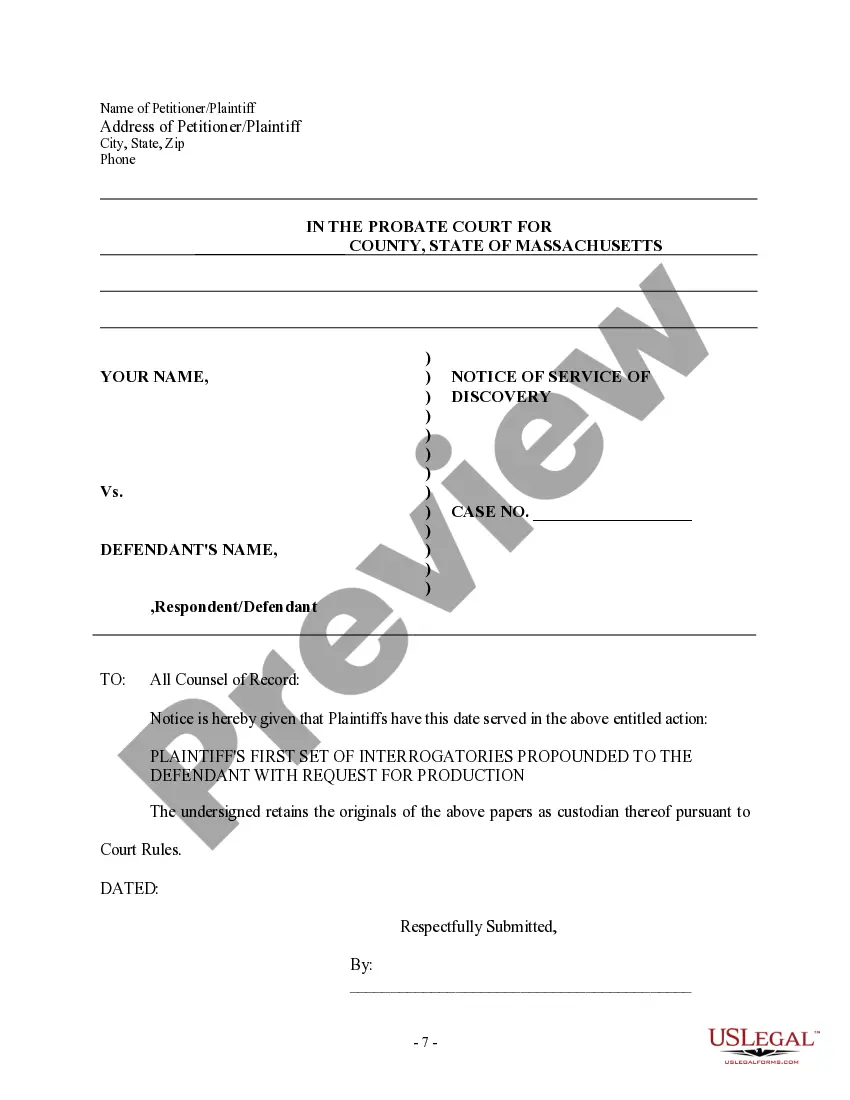
- Notice of service to confirm that the form has been properly delivered to the Defendant.
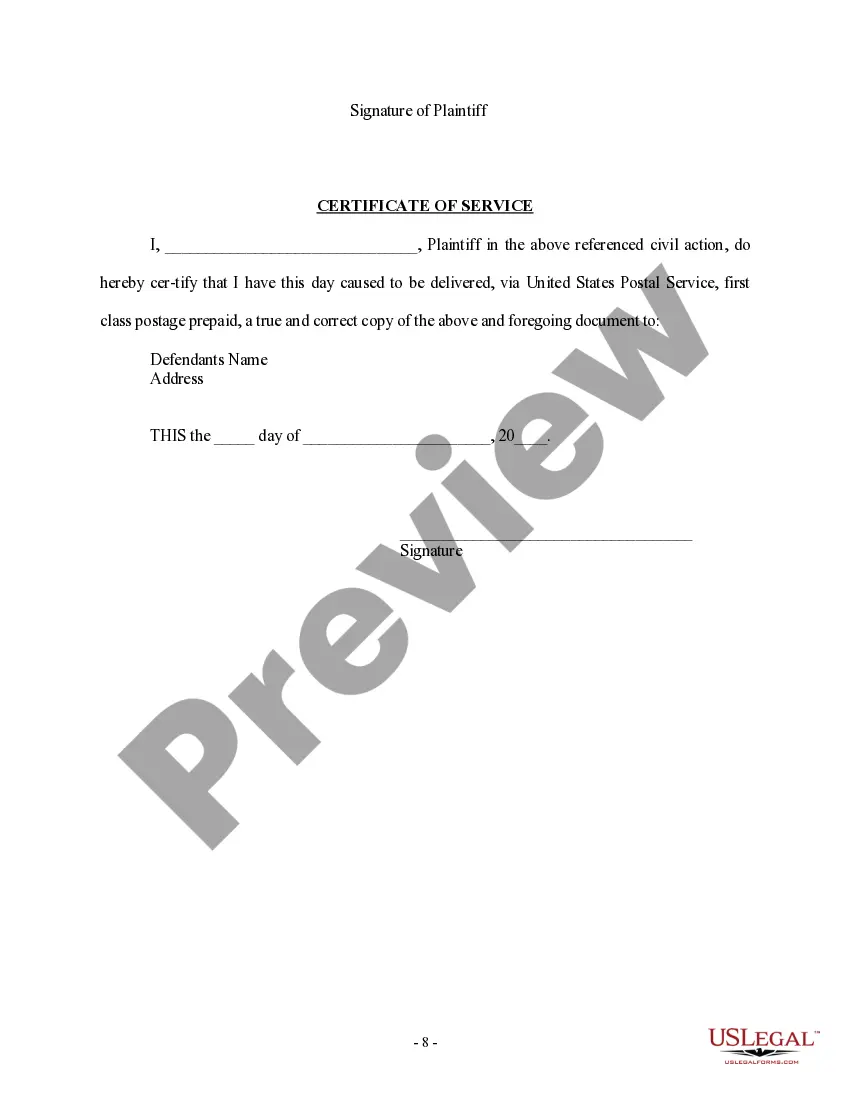
- Certificate of service to document the mailing of the interrogatories.


Situations where this form applies
This form is used during the discovery phase of a divorce case, particularly when the Plaintiff seeks detailed information from the Defendant regarding finances, assets, and other pertinent issues relevant to the divorce proceedings. It is especially useful when there is a need to clarify financial arrangements or any claims made by the Defendant that could affect the outcome of the case.
Intended users of this form
This form should be used by:
- Individuals initiating a divorce as the Plaintiff.
- Divorce attorneys seeking to gather essential information from the opposing party.
- Parties involved in divorce proceedings who wish to enforce their legal rights for discovery.
Completing this form step by step
- Fill in the Petitioner/Plaintiff's and Defendant's names and contact information at the beginning of the document.
- List all interrogatories in order, ensuring they are clear and relevant to the divorce case.
- Specify the documents requested for production alongside the interrogatories.
- Provide a certificate of service detailing how and when the documents were delivered to the Defendant.
- Ensure that all answers from the Defendant are required to be given under oath, emphasizing the need for accuracy and honesty.
Notarization requirements for this form
This form does not typically require notarization unless specified by local law. However, it is crucial to ensure that all answers provided to the interrogatories are sworn to be true by the Defendant to maintain legal integrity in court proceedings.
Get your form ready online
Our built-in tools help you complete, sign, share, and store your documents in one place.
Make edits, fill in missing information, and update formatting in US Legal Forms—just like you would in MS Word.
Download a copy, print it, send it by email, or mail it via USPS—whatever works best for your next step.
Sign and collect signatures with our SignNow integration. Send to multiple recipients, set reminders, and more. Go Premium to unlock E-Sign.
If this form requires notarization, complete it online through a secure video call—no need to meet a notary in person or wait for an appointment.
We protect your documents and personal data by following strict security and privacy standards.

Make edits, fill in missing information, and update formatting in US Legal Forms—just like you would in MS Word.

Download a copy, print it, send it by email, or mail it via USPS—whatever works best for your next step.

Sign and collect signatures with our SignNow integration. Send to multiple recipients, set reminders, and more. Go Premium to unlock E-Sign.

If this form requires notarization, complete it online through a secure video call—no need to meet a notary in person or wait for an appointment.

We protect your documents and personal data by following strict security and privacy standards.
Mistakes to watch out for
- Failing to clearly identify the interrogatories, leading to vague responses from the Defendant.
- Not providing sufficient detail in requests for document production, which may result in incomplete disclosures.
- Neglecting to update the form based on new information or circumstances that arise during the case.
Advantages of online completion
- Convenience of downloading and completing the form at your own pace.
- Editability allows tailoring the interrogatories to fit the specific details of your case.
- Reliability of using a form drafted by licensed attorneys, ensuring legal accuracy.
Legal use & context
- Serves as a critical part of the discovery process in divorce cases, promoting fairness and transparency.
- Confirms the obligation of the Defendant to respond truthfully under penalty of perjury.
- Helps to establish a record of evidence that can be used in court, should the case proceed to trial.
Key takeaways
- This form is essential for gathering important information in divorce proceedings.
- It combines interrogatories and requests for document production, maximizing information retrieval.
- Accuracy and clarity in the form can significantly influence the outcome of the case.
Looking for another form?
Form popularity
FAQ
Rule 34 addresses the production of documents and tangible things during discovery in Massachusetts. It allows parties to request documents that are in the possession or control of another party. By understanding Massachusetts Discovery Interrogatories from Plaintiff to Defendant with Production Requests, you can effectively structure your requests to obtain necessary evidence.
Rule 26 C provides provisions for protective orders in Massachusetts. This rule allows a party to seek protection from discovery that is excessive, burdensome, or designed to harass. If you use Massachusetts Discovery Interrogatories from Plaintiff to Defendant with Production Requests properly, you can focus on relevant information while complying with this important rule.
Rule 14 deals with third-party practice in Massachusetts civil procedure. It allows a defendant to bring in a third party who may be liable for the claim, helping to clarify the issues at hand. Incorporating Massachusetts Discovery Interrogatories from Plaintiff to Defendant with Production Requests can help ensure all relevant parties are included in the discovery process.
Rule 36 of the Massachusetts Rules of Civil Procedure pertains to requests for admissions. It allows a party to request another party to admit the truth of certain matters to streamline the trial process. Utilizing Massachusetts Discovery Interrogatories from Plaintiff to Defendant with Production Requests, you can strategically shape the issues that need to be proven in court.
You must answer each interrogatory separately and fully in writing under oath, unless you object to it. You must explain why you object. You must sign your answers and objections.
The purpose of interrogatories is to learn a great deal of general information about a party in a lawsuit. For example, the defendant in a personal injury lawsuit about a car accident might send you interrogatories asking you to disclose things like: Where you live. Where you work.
If the plaintiff does not respond to the court order, then you can file a Motion to Dismiss and you may win your case. Send a final request. If they do not respond to the final request within 30 days you can send the court an application for entry of final judgment or dismissal.
Unless otherwise stipulated or ordered by the court, a party may serve on any other party no more than 25 written interrogatories, including all discrete subparts. Leave to serve additional interrogatories may be granted to the extent consistent with Rule 26(b)(1) and (2).
Interrogatories ask questions; the responding party provides written answers. A request for production of documents requests the production of documents (or other tangible things); the responding party provides documents.
That disclosure is accomplished through a methodical process called "discovery." Discovery takes three basic forms: written discovery, document production and depositions.