Indiana Bill of Sale without Warranty by Individual Seller
What is this form?
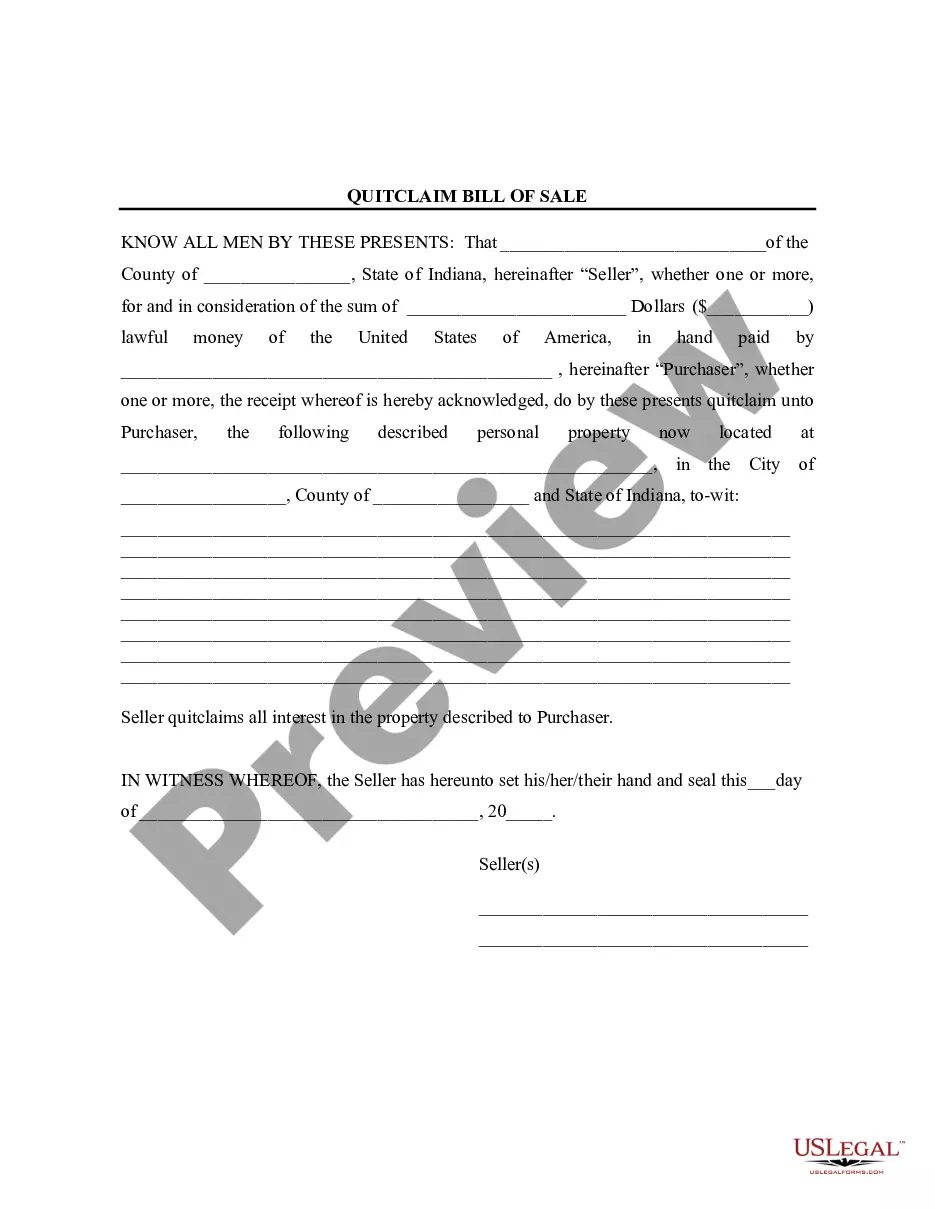
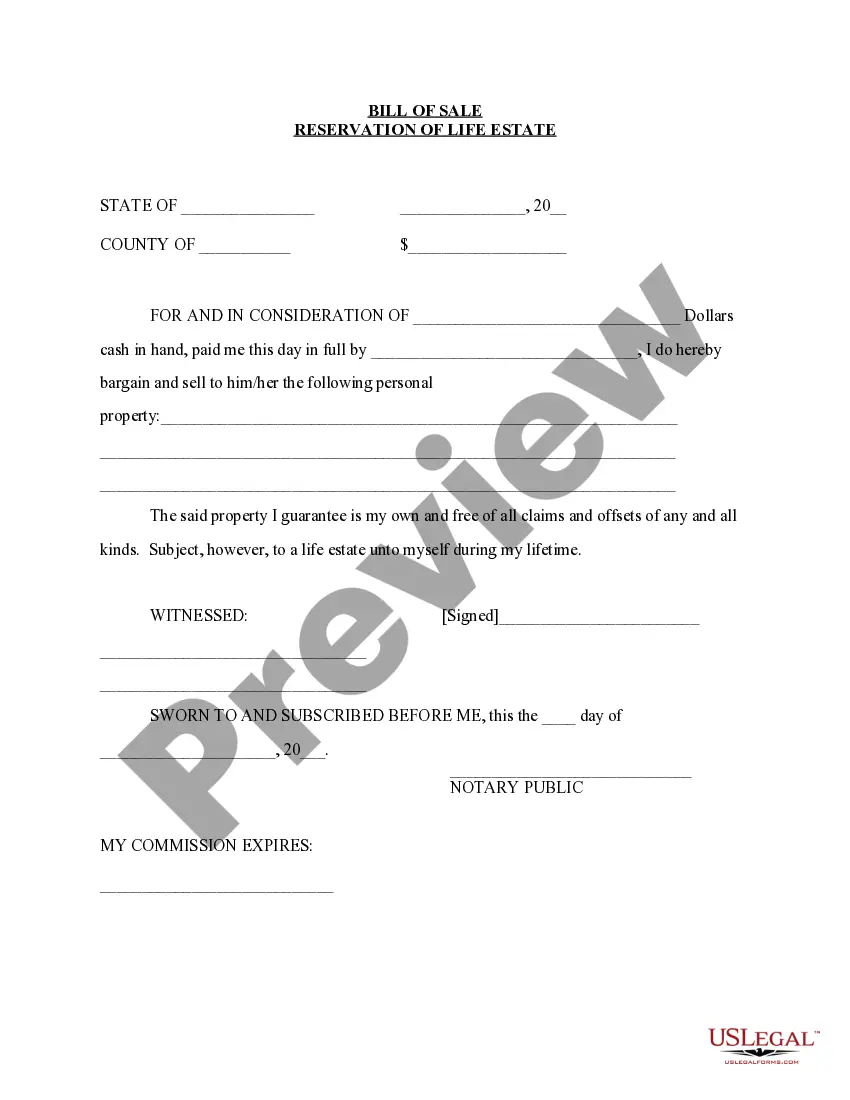
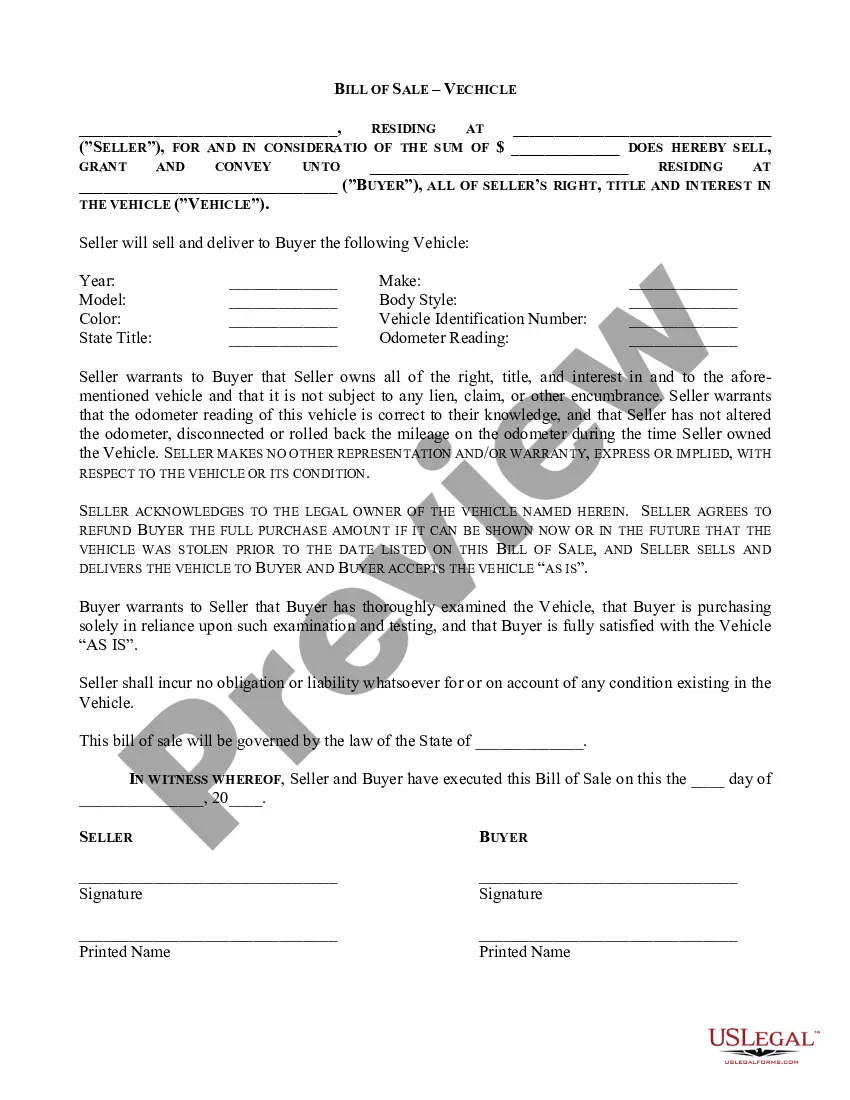
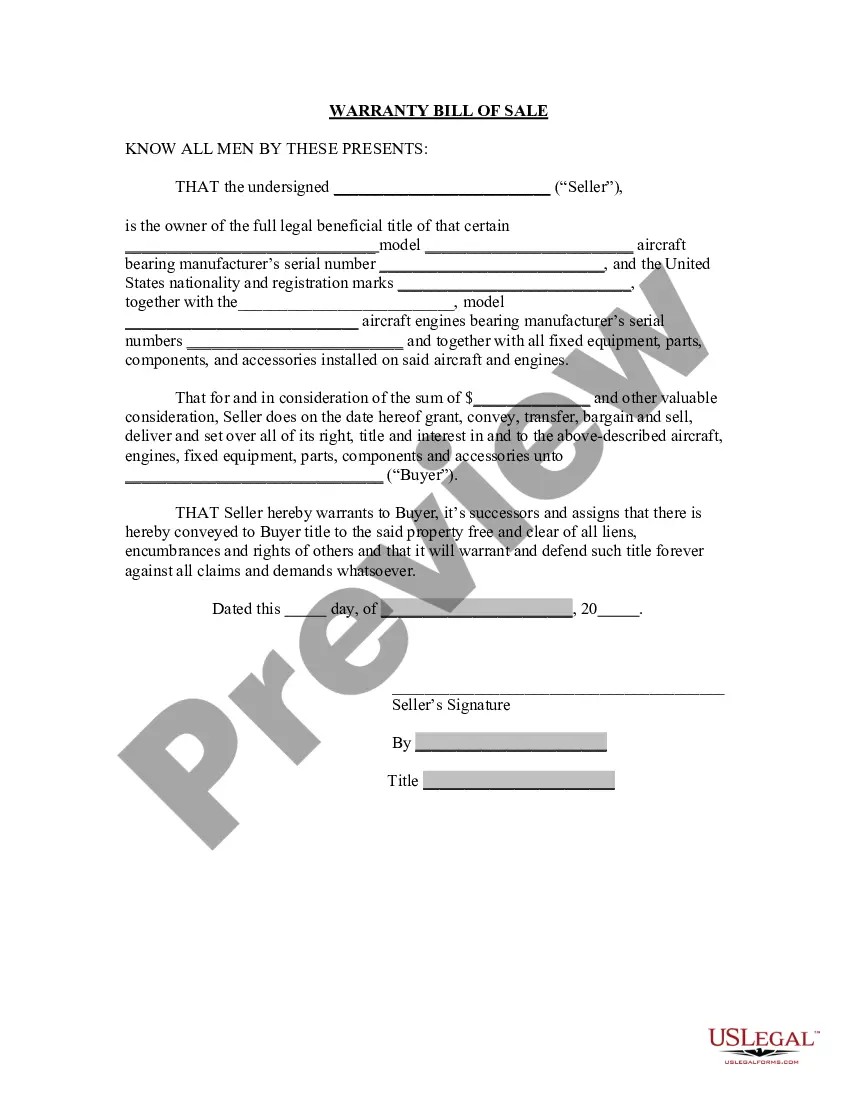
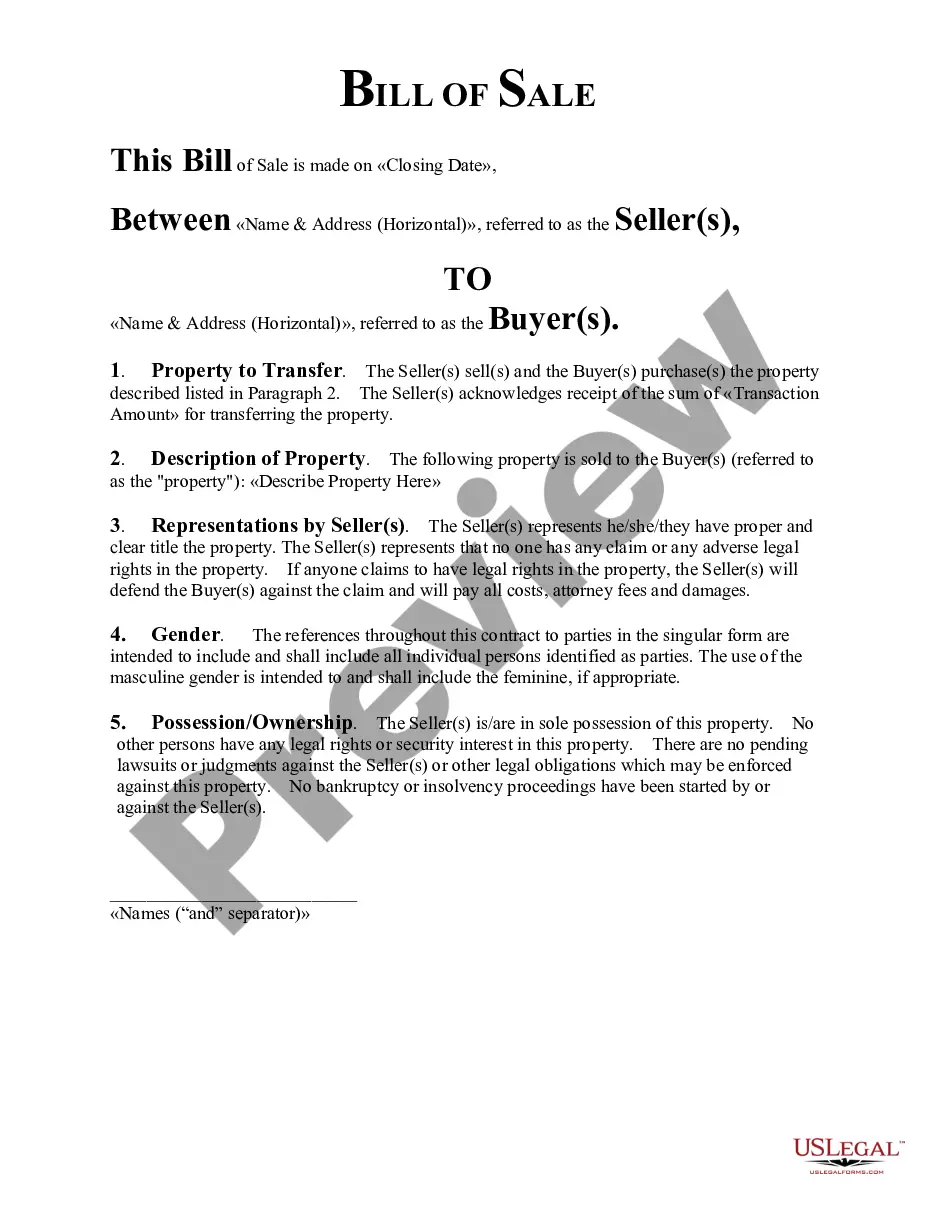
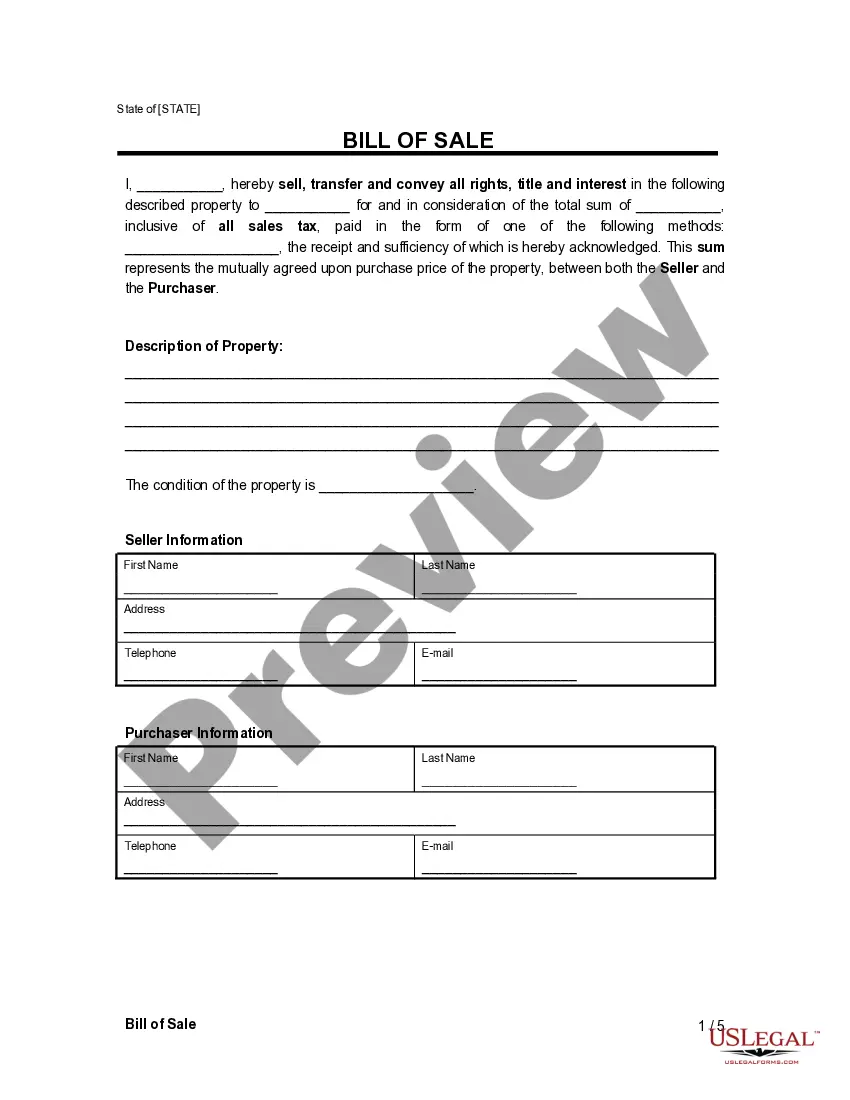
The Bill of Sale without Warranty by Individual Seller is a legal document that conveys ownership of personal property from one individual to another without any warranties regarding the condition of the item. Unlike other types of bills of sale, this form explicitly states that the seller disclaims any guarantees, making it clear to the purchaser that they buy the property "as is." This type of bill of sale is particularly useful for individual sellers who want to ensure they are not held liable for the item after the sale is completed.
What’s included in this form
- Sellerâs details: Identification of the seller and acknowledgment of their identity.
- Purchaserâs details: Information about the person or entity buying the property.
- Property description: Clear identification of the item being sold.
- Consideration: Stated amount paid for the property.
- Seller's signature: Required to validate the transaction.
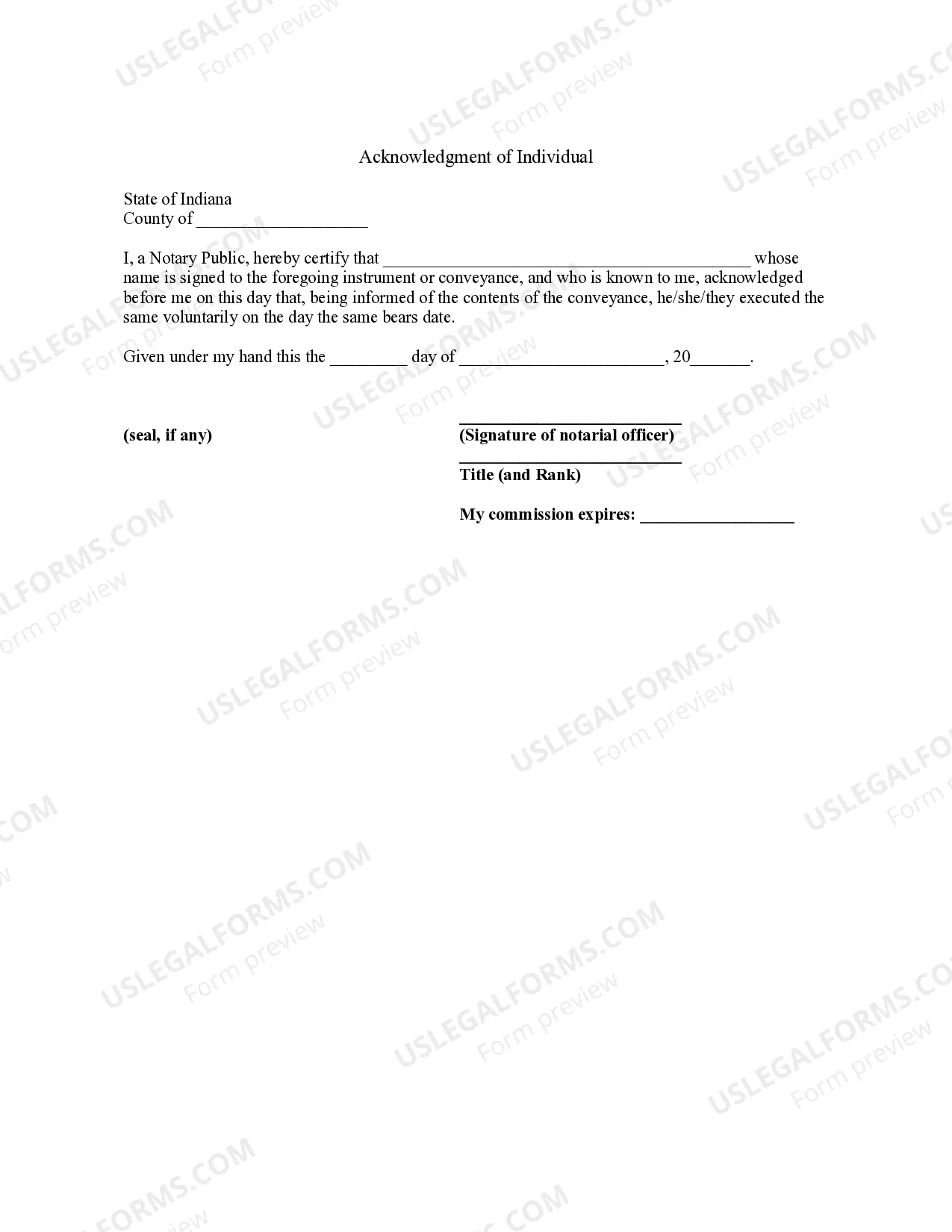
- Notary acknowledgment: Confirmation by a notary public to certify signatures.
When to use this form
This Bill of Sale without Warranty is ideal in situations where an individual is selling personal property, such as vehicles, electronics, furniture, or other items, and wants to make it clear that they are not responsible for the condition or future issues related to the property. It is also useful in private transactions where a formal sale agreement is necessary to protect both the buyer and the seller.
Who can use this document
This form is suitable for:
- Individuals selling personal items to another party without offering any warranties.
- Private sellers looking to document the sale of their property clearly.
- Those who wish to protect themselves legally from any post-sale claims regarding the property's condition.
How to complete this form
- Identify the parties: Fill in the names and addresses of both the seller and purchaser.
- Specify the property: Clearly describe the personal property being sold, include details such as make, model, and serial number if applicable.
- Enter the consideration: State the amount of money being exchanged for the property.
- Collect signatures: Have the seller sign and date the document to finalize the agreement.
- Get notarized: Arrange for a notary public to acknowledge the signatures, which is essential for legal validity.
Does this form need to be notarized?
Yes, this form must be notarized to be legally valid. Having a notary public authenticate the signatures ensures the document is recognized upon presentation. US Legal Forms offers integrated online notarization services, allowing you to securely verify your signatures via a video call without the need for travel.
Get your form ready online
Our built-in tools help you complete, sign, share, and store your documents in one place.
Make edits, fill in missing information, and update formatting in US Legal Forms—just like you would in MS Word.
Download a copy, print it, send it by email, or mail it via USPS—whatever works best for your next step.
Sign and collect signatures with our SignNow integration. Send to multiple recipients, set reminders, and more. Go Premium to unlock E-Sign.
If this form requires notarization, complete it online through a secure video call—no need to meet a notary in person or wait for an appointment.
We protect your documents and personal data by following strict security and privacy standards.

Make edits, fill in missing information, and update formatting in US Legal Forms—just like you would in MS Word.

Download a copy, print it, send it by email, or mail it via USPS—whatever works best for your next step.

Sign and collect signatures with our SignNow integration. Send to multiple recipients, set reminders, and more. Go Premium to unlock E-Sign.

If this form requires notarization, complete it online through a secure video call—no need to meet a notary in person or wait for an appointment.

We protect your documents and personal data by following strict security and privacy standards.
Typical mistakes to avoid
- Failing to provide a complete and accurate description of the item being sold.
- Not having both parties sign the document, which can invalidate the sale.
- Neglecting to have the document notarized when required.
- Leaving out the consideration amount or providing an incorrect amount.
Why complete this form online
- Convenience: Easily download and complete the form from home.
- Time-saving: No need to visit a lawyer or office to obtain the document.
- Editable: Customize the form to fit your specific sale needs.
- Reliable: Form templates are drafted by licensed attorneys ensuring compliance with state laws.
Quick recap
- This Bill of Sale without Warranty is used for transferring personal property with no guarantees from the seller.
- Ensure the document is complete and notarized where required.
- Suitable for private sales between individuals, documenting critical details for both parties.
Looking for another form?


Form popularity
FAQ
Both the buyer and seller should receive copies of the bill of sale form. It's important for the buyer to keep the bill of sale with the title of the vehicle for registration and licensing purposes, if necessary. However, all parties should keep them for their own personal records.
A bill of sale does not serve as proof of ownership. Only a title has that legal authority. Bills of sale serve as proof of title transfer, which buyers and sellers need for personal financial and tax records.
Although an Indiana bill of sale isn't legally necessary for every item that is sold, it is an excellent way to document a sale for your personal records.
A complete bill of sale is the only step available to you if you want to sell your car without a title. The bill of sale needs to include all the details of the car, including the make, model, year, and VIN. It also needs to include all your information (name, contact details, registration details).
A bill of sale has been defined as a legal document made by the seller to a purchaser, reporting that on a specific date at a specific locality and for a particular sum of money or other value received, the seller sold to the purchaser a specific item of personal property, or parcel of real property of which he had
Is a Bill of Sale required for selling a car in Indiana? Yes, Indiana requires a bill of sale for private party vehicle transactions. Form 44237 is what you need, and it requires signatures from both the buyer and the seller.
You should not sign anything before you get your money. If the buyer says the buyer would be back later with your money and you sign the title over to the buyer, you likely will never see your money...
In simple terms, a bill of sale agreement is nothing more than a contract for the purchase of a vehicle between a buyer and a seller.In most cases, the contract is legally binding between buyer and seller as long as the bill of sale follows guidelines required in the state where the sale or transfer takes place.
Names of the buyer and seller. Contact details. A description of the item(s) being sold. The price of the item(s). Methods of payment. Warranty details.