Wyoming Letter from Landlord to Tenant where Tenant Complaint was caused by the deliberate or negligent act of Tenant or Tenant's guest
What this document covers
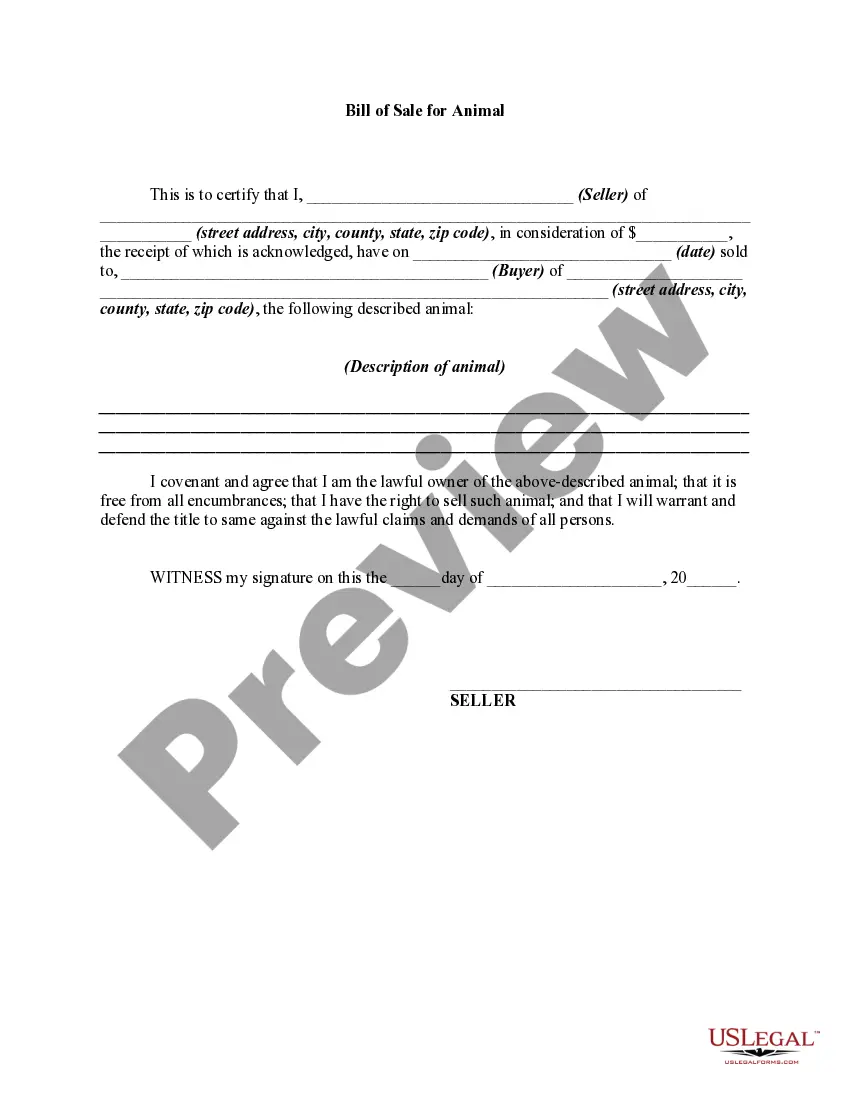
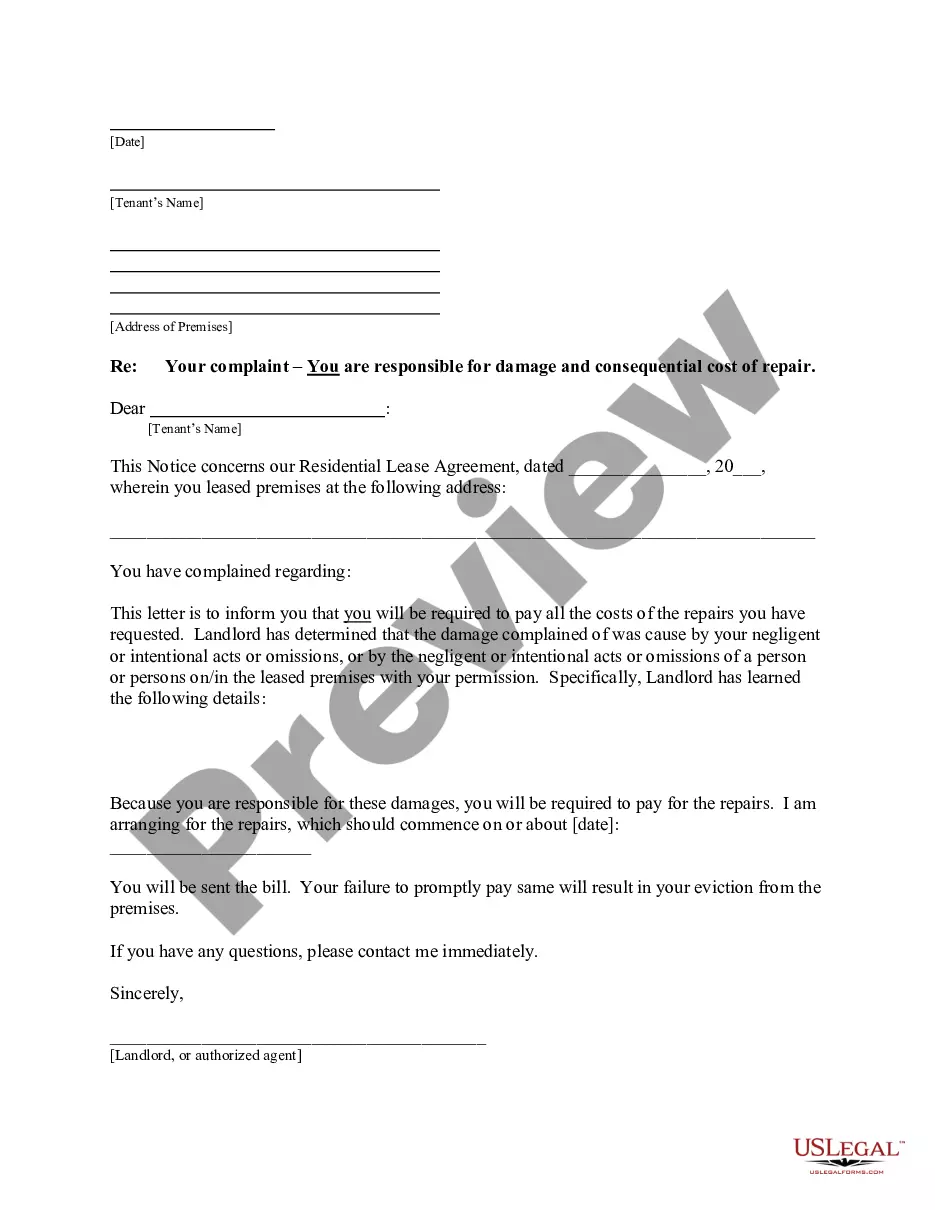
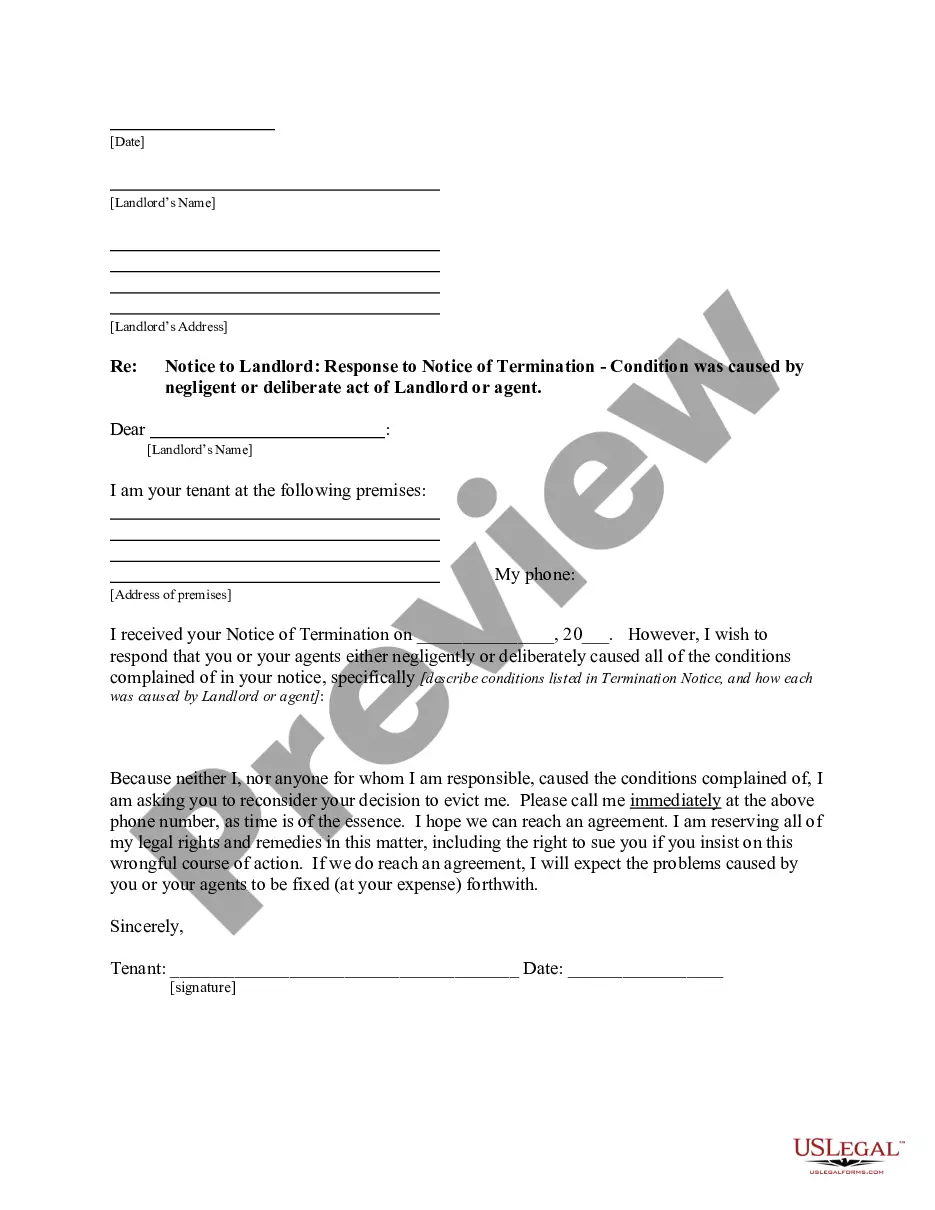
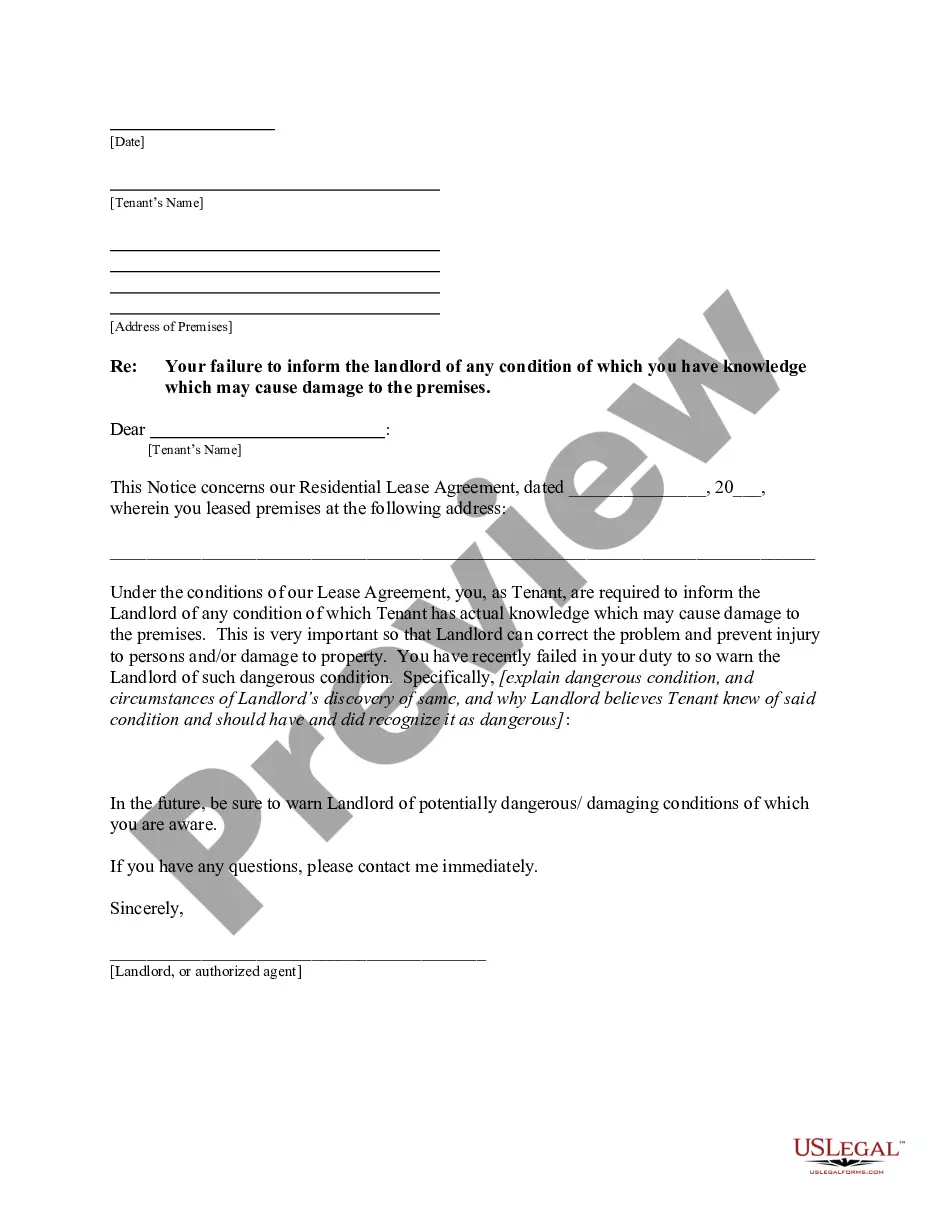
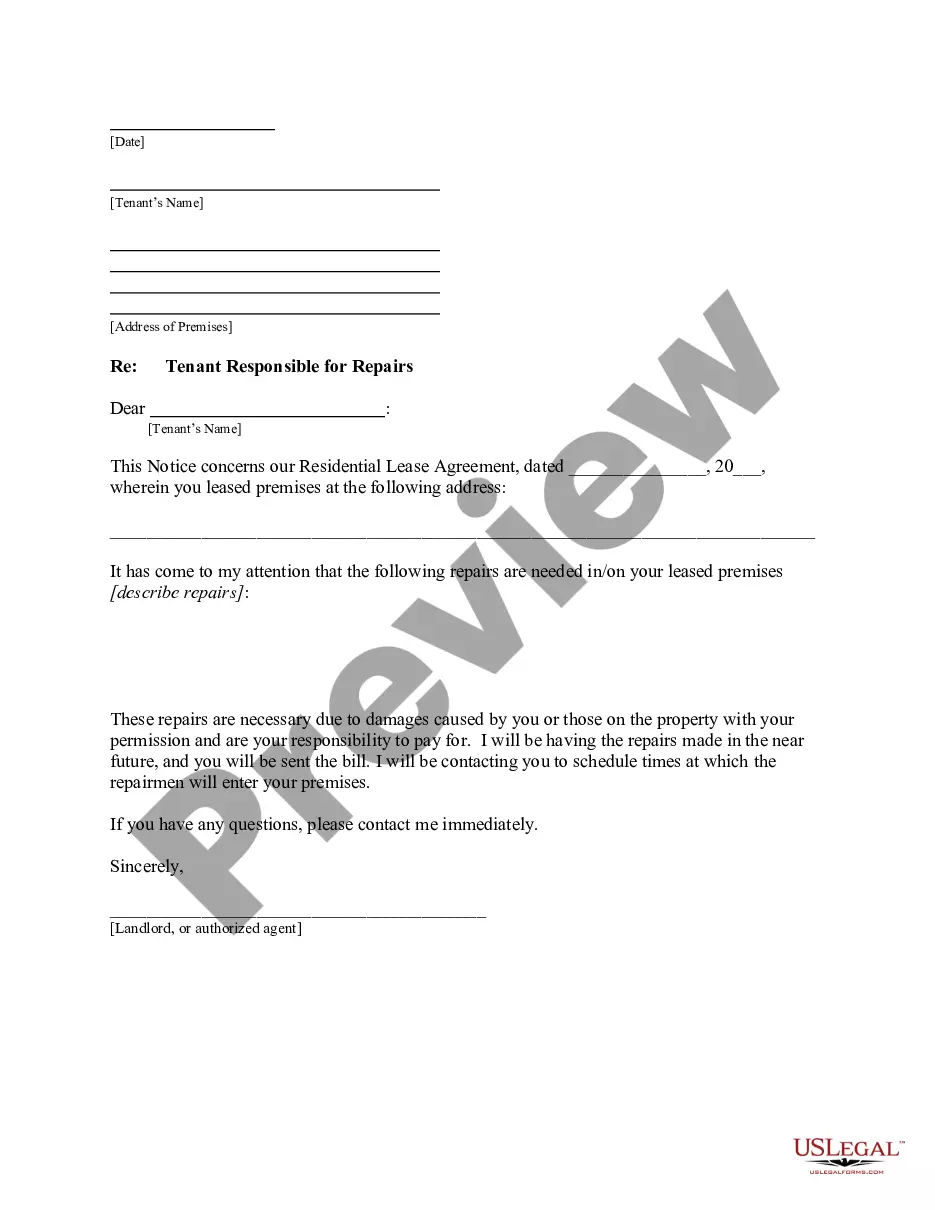
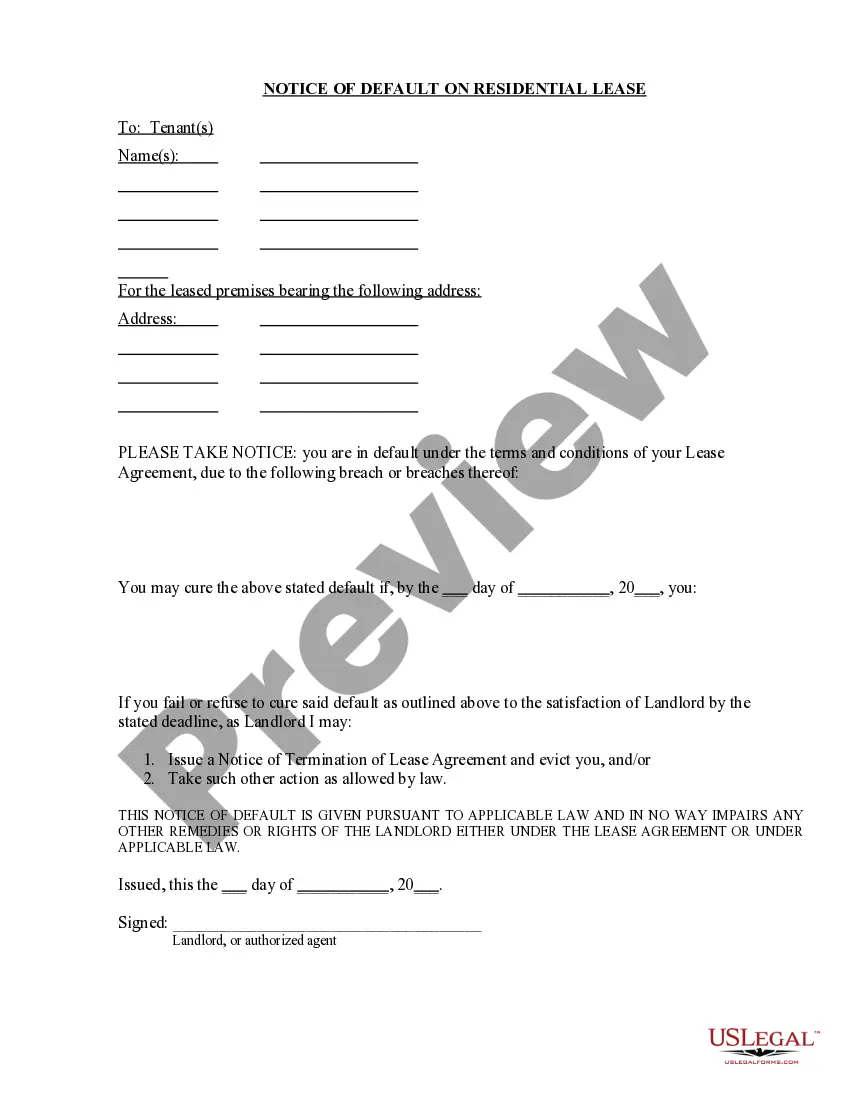
This letter from landlord to tenant is used to formally respond to a tenant's request for repairs. It specifically addresses situations where the damage was caused by the tenant's own deliberate or negligent actions, or those of their guest. Unlike general repair requests, this form clarifies the landlord's position on liability when the tenant is at fault.
Key parts of this document
- Identification of the parties involved (landlord and tenant).
- Detailed description of the damages being addressed.
- Statement regarding the tenant's responsibility for the damages.
- Request for immediate communication from the tenant if they have questions.
- Signature section for the landlord or authorized agent.
When this form is needed
This form is essential when a landlord needs to communicate to a tenant that damages to the property are the result of the tenant's actions or negligence. Situations may include property damage caused by a tenant's guest, failure to maintain the premises, or improper use of property fixtures. Using this form helps mitigate any misunderstandings regarding liability and repair costs.
Intended users of this form
- Landlords seeking to formally notify tenants of damage responsibility.
- Property managers acting on behalf of landlords to address tenant issues.
- Tenants who need clarity on their responsibilities regarding property damage.
Steps to complete this form
- Identify the landlord and tenant by entering their full names and contact information.
- Clearly describe the damages for which the landlord will not cover costs.
- Specify the actions or negligence that caused the damages.
- Sign the document as the landlord or authorized representative.
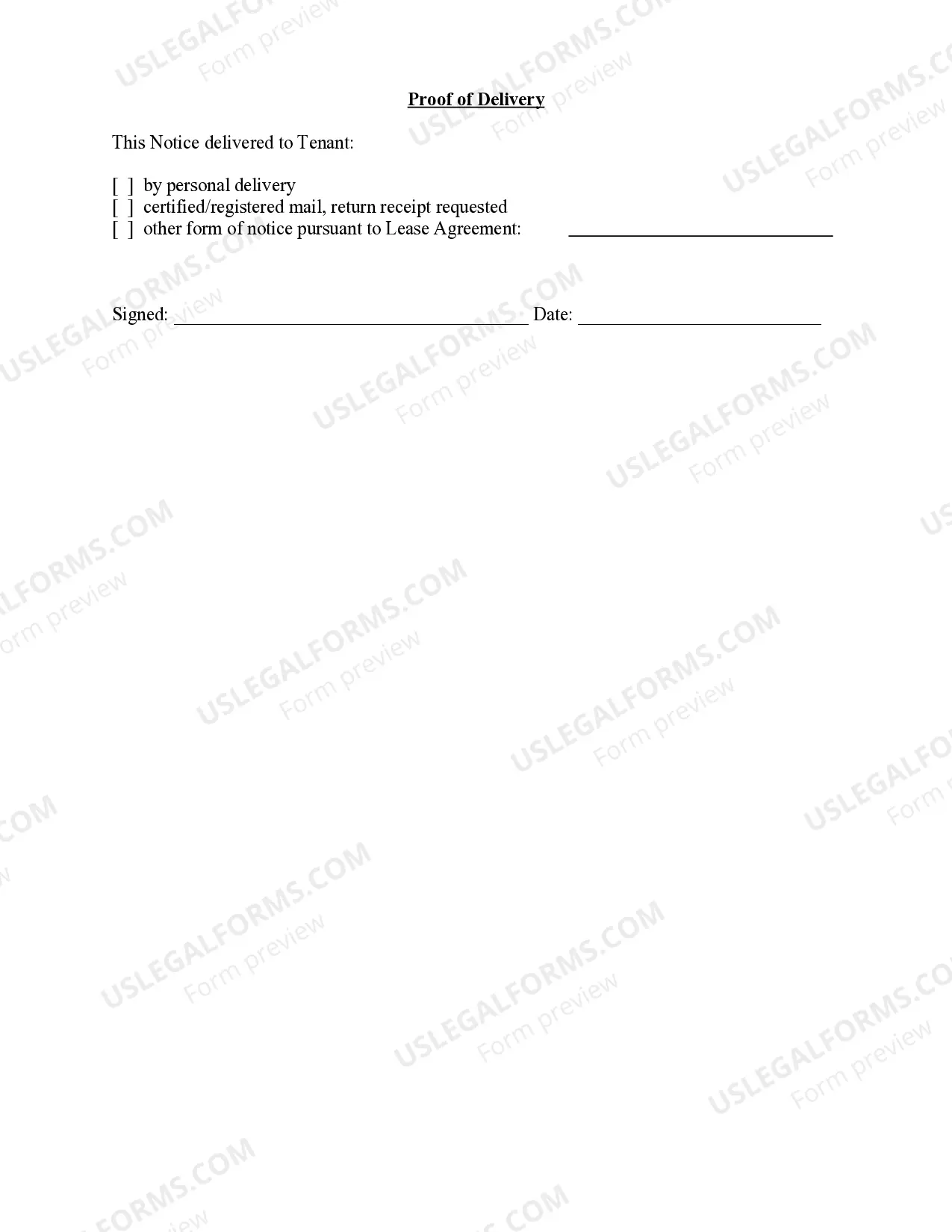
- Deliver the completed letter to the tenant using the appropriate delivery method.
Notarization guidance
This form does not typically require notarization unless specified by local law. However, ensuring proper delivery and documentation can support its validity.
Get your form ready online
Our built-in tools help you complete, sign, share, and store your documents in one place.
Make edits, fill in missing information, and update formatting in US Legal Forms—just like you would in MS Word.
Download a copy, print it, send it by email, or mail it via USPS—whatever works best for your next step.
Sign and collect signatures with our SignNow integration. Send to multiple recipients, set reminders, and more. Go Premium to unlock E-Sign.
If this form requires notarization, complete it online through a secure video call—no need to meet a notary in person or wait for an appointment.
We protect your documents and personal data by following strict security and privacy standards.

Make edits, fill in missing information, and update formatting in US Legal Forms—just like you would in MS Word.

Download a copy, print it, send it by email, or mail it via USPS—whatever works best for your next step.

Sign and collect signatures with our SignNow integration. Send to multiple recipients, set reminders, and more. Go Premium to unlock E-Sign.

If this form requires notarization, complete it online through a secure video call—no need to meet a notary in person or wait for an appointment.

We protect your documents and personal data by following strict security and privacy standards.
Avoid these common issues
- Failing to clearly specify the damages in question.
- Not identifying all parties involved accurately.
- Neglecting to sign the document before delivery.
Why use this form online
- Quick access to professionally drafted templates.
- Easy customization to fit specific situations.
- Reliability in legal language and compliance with state regulations.
Quick recap
- This letter is used to inform tenants that they are responsible for certain repair costs due to negligence or intentional acts.
- It serves an important role in legally clarifying landlord-tenant responsibilities.
- Properly completing and delivering this letter can help prevent potential disputes.
Looking for another form?








Form popularity
FAQ
Uninhabitable conditions can include dangerous ones, such as holes in the floor, unsafe or exposed wiring, or non-working air conditioning in dangerously hot summer months. Gross infestations of roaches, fleas or other pests are also uninhabitable conditions.
Know your state's landlord/tenant laws. Read and respond to the court summons. Try to work out a settlement. Consider legal counsel. Show up for court. Look sharp and provide evidence.
When a crime occurs at a rental property, the tenant is responsible for insuring his or her possessions, while the landlord is responsible for the premises and any damage incurred. The only exception would be in the highly unlikely event that the landlord could prove that you were somehow responsible for the damage.
In most cases when a rental property is damaged, you have the right to keep all or part of the security deposit to offset the repair costs. But again, security deposits are heavily regulated by the landlord-tenant laws in your location.
If you're seeking damages for emotional distress caused by a landlord's discrimination, or punitive damages for especially blatant and intentional discrimination, a lawsuit may well be your best bet. Understand what's involved in suing your landlord. You may file a lawsuit in either federal or state court.
The landlord had a duty to reasonably maintain the property; The landlord knew or should have known of the dangerous condition; The landlord breached their duty by failing to repair/fix the dangerous condition;
If you're seeking damages for emotional distress caused by a landlord's discrimination, or punitive damages for especially blatant and intentional discrimination, a lawsuit may well be your best bet. Understand what's involved in suing your landlord. You may file a lawsuit in either federal or state court.
You can file a lawsuit for negligence against the manager of a real estate property in the same way you can sue the owner of any type of business. Generally speaking, with certain exceptions, filing a lawsuit for negligence against a property manager is a straightforward process.
Landlord Rights When Tenant Destroys PropertyIf the tenant is evicted or already abandoned the property the landlord can deduct money from the security deposit. If the damages exceed the funds in the security deposit the landlord can sue the tenant in small claims court.