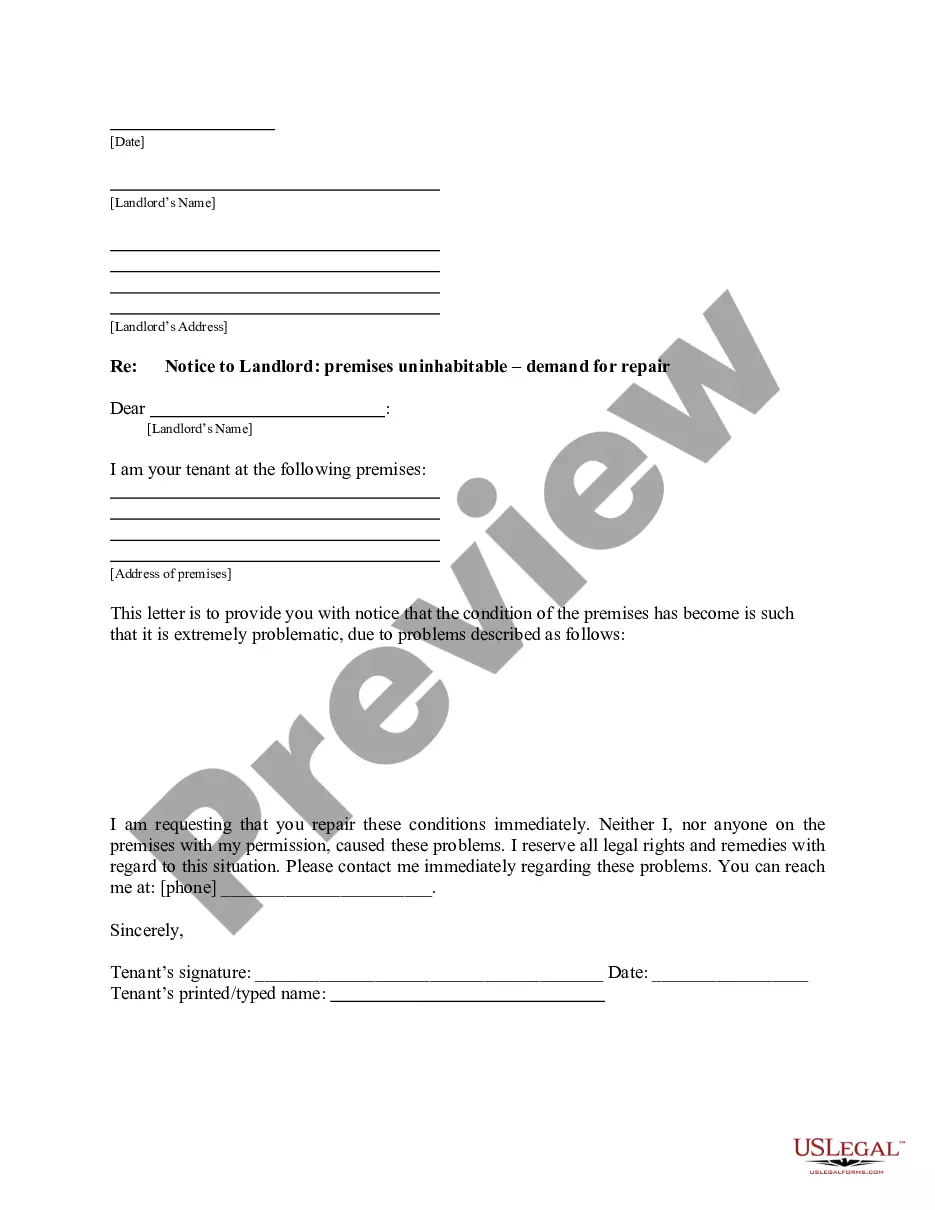
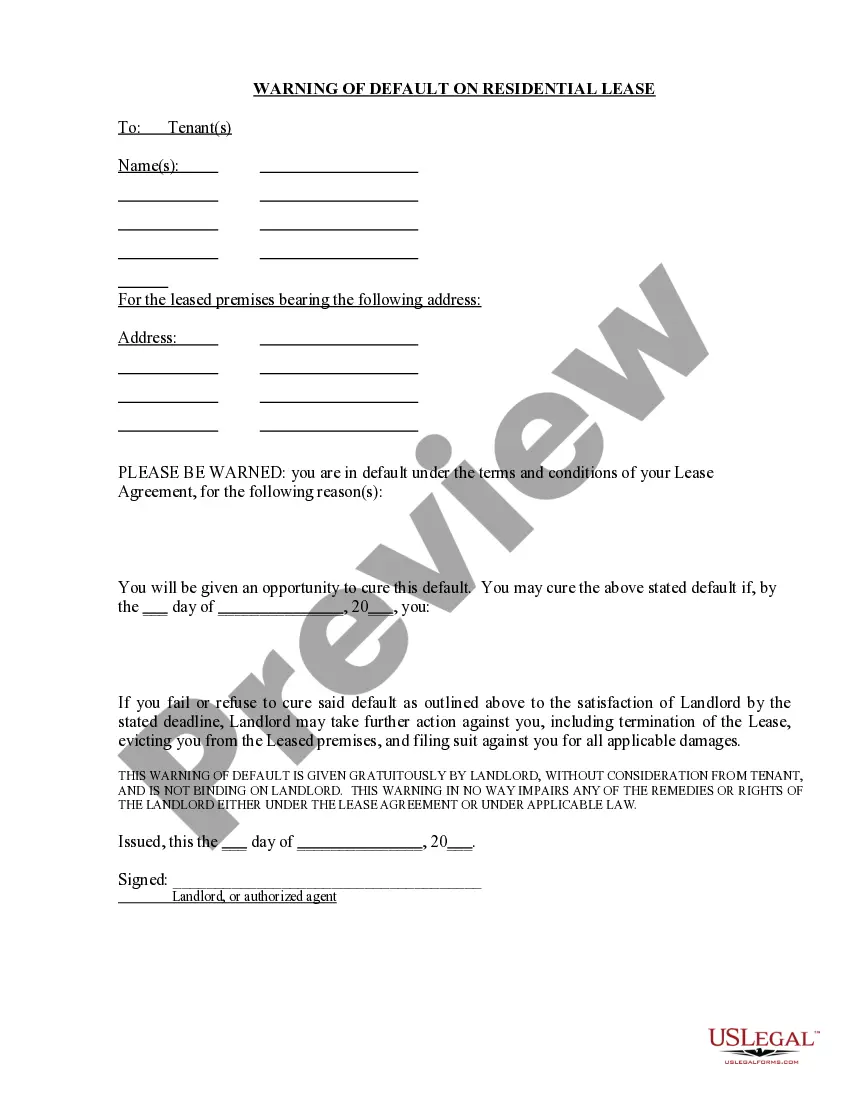
West Virginia Warning of Default on Residential Lease
What is this form?
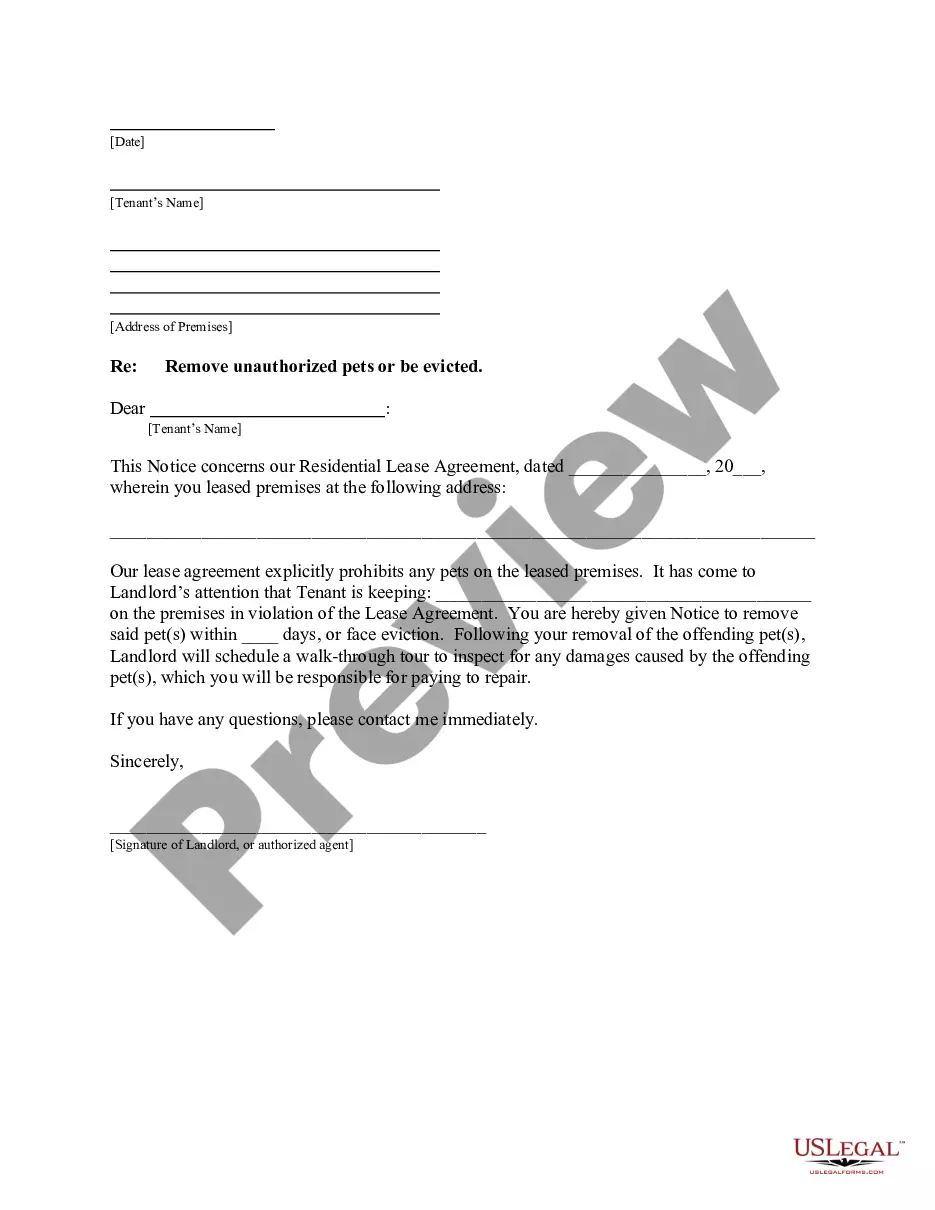
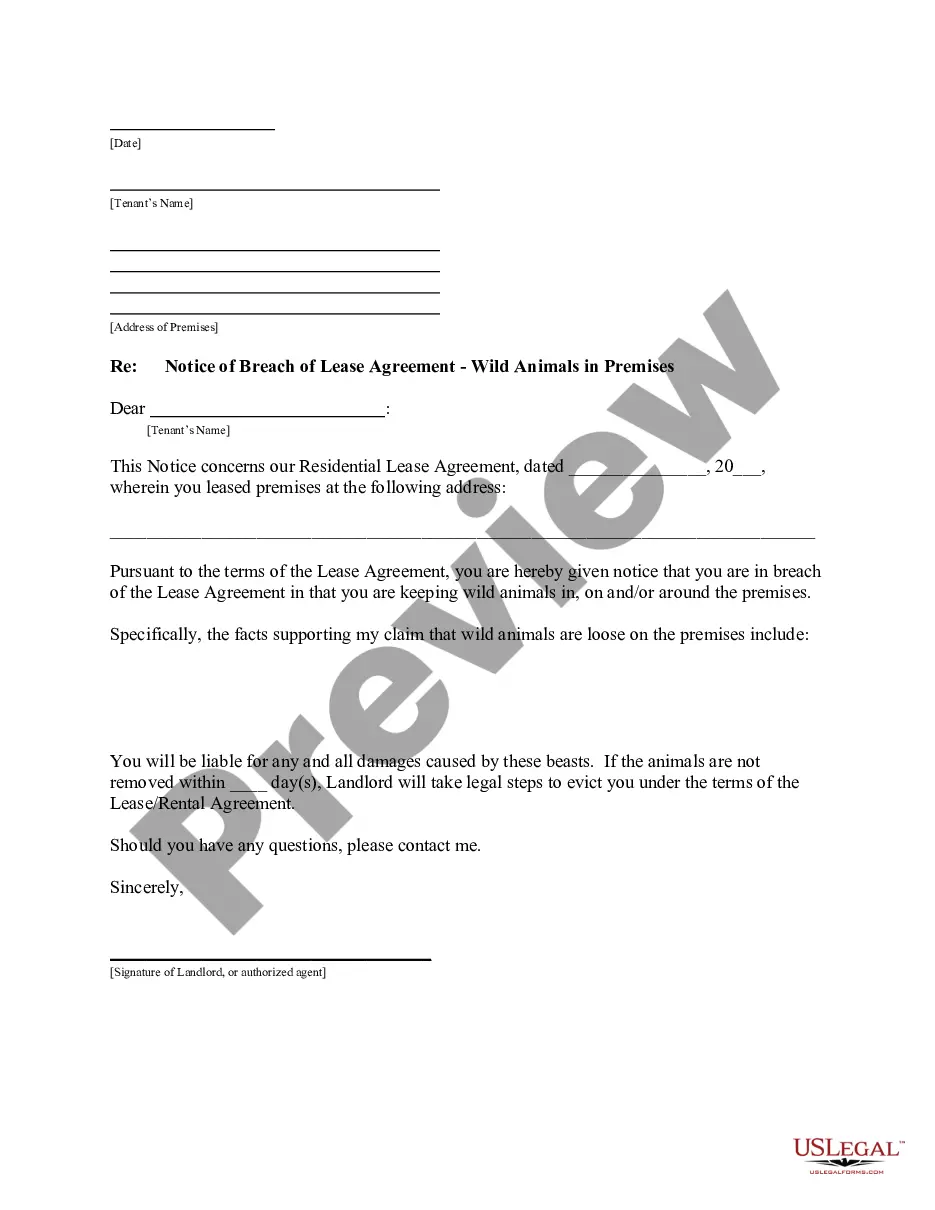
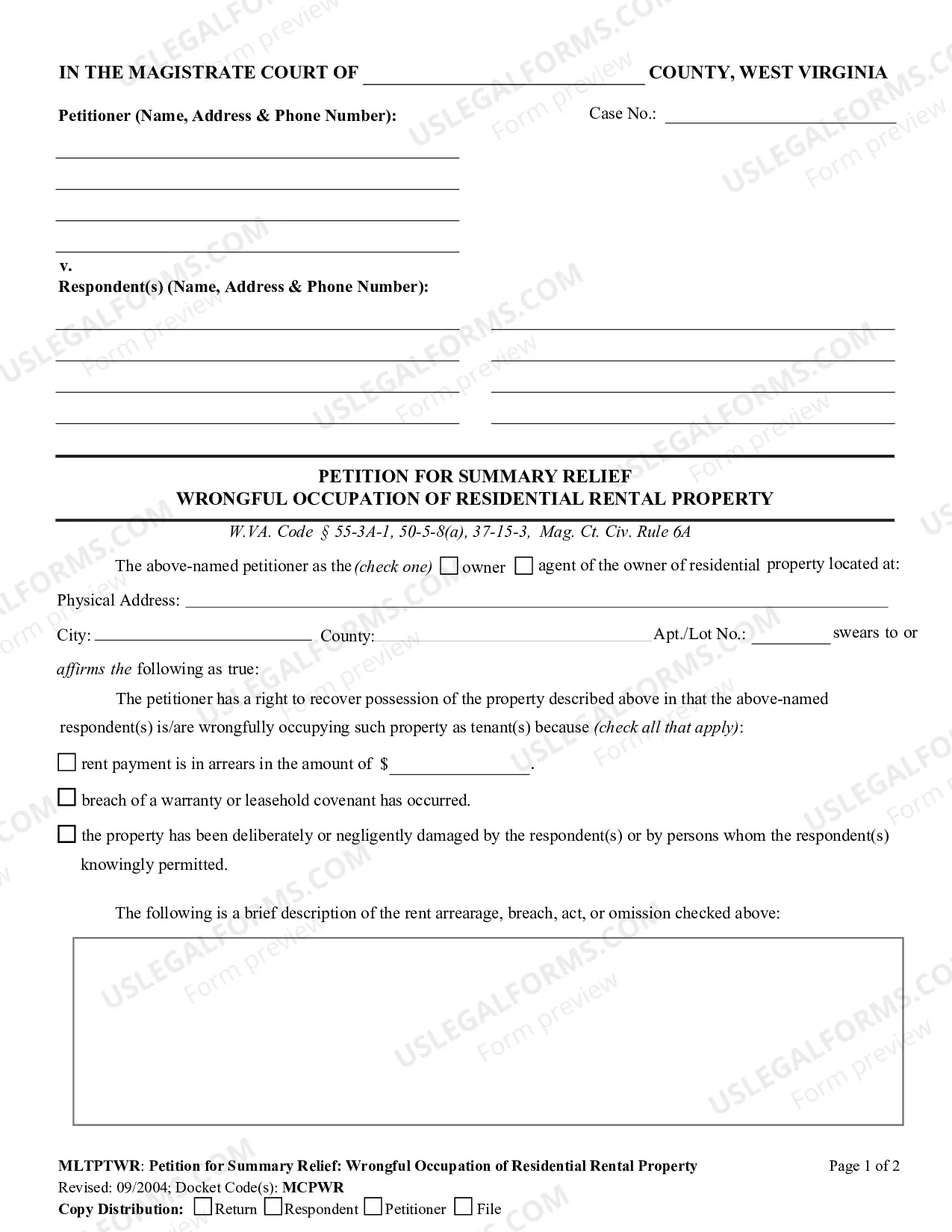
The Warning of Default on Residential Lease is a formal notice from a landlord to a tenant, indicating concerns about potential lease violations. This document serves to alert the tenant that if specified issues are not resolved, they may be in default of the lease agreement. Unlike eviction notices, this warning is an initial step that gives the tenant an opportunity to remedy the situation before further legal actions are taken.
Form components explained
- Date of issuance
- Landlord's signature
- Identification of the tenant and leased property
- Details on the alleged lease violation
- Statement of rights and remedies available to the landlord
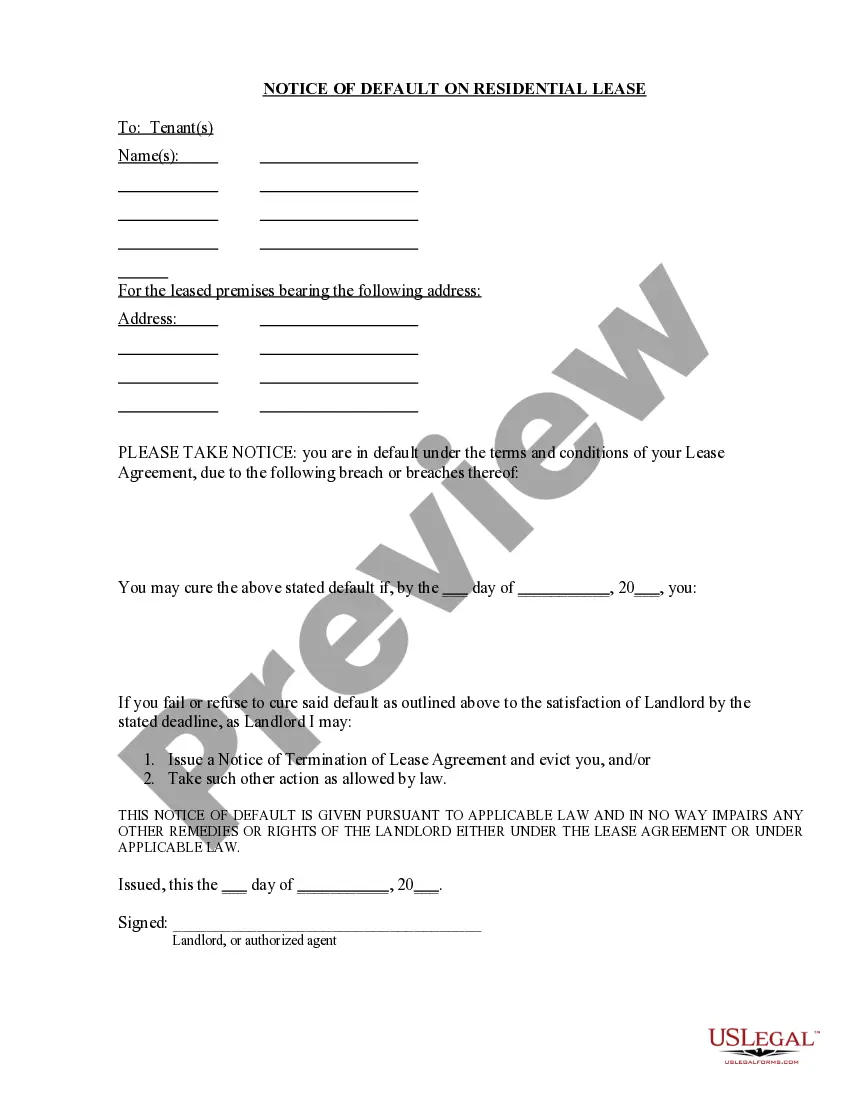
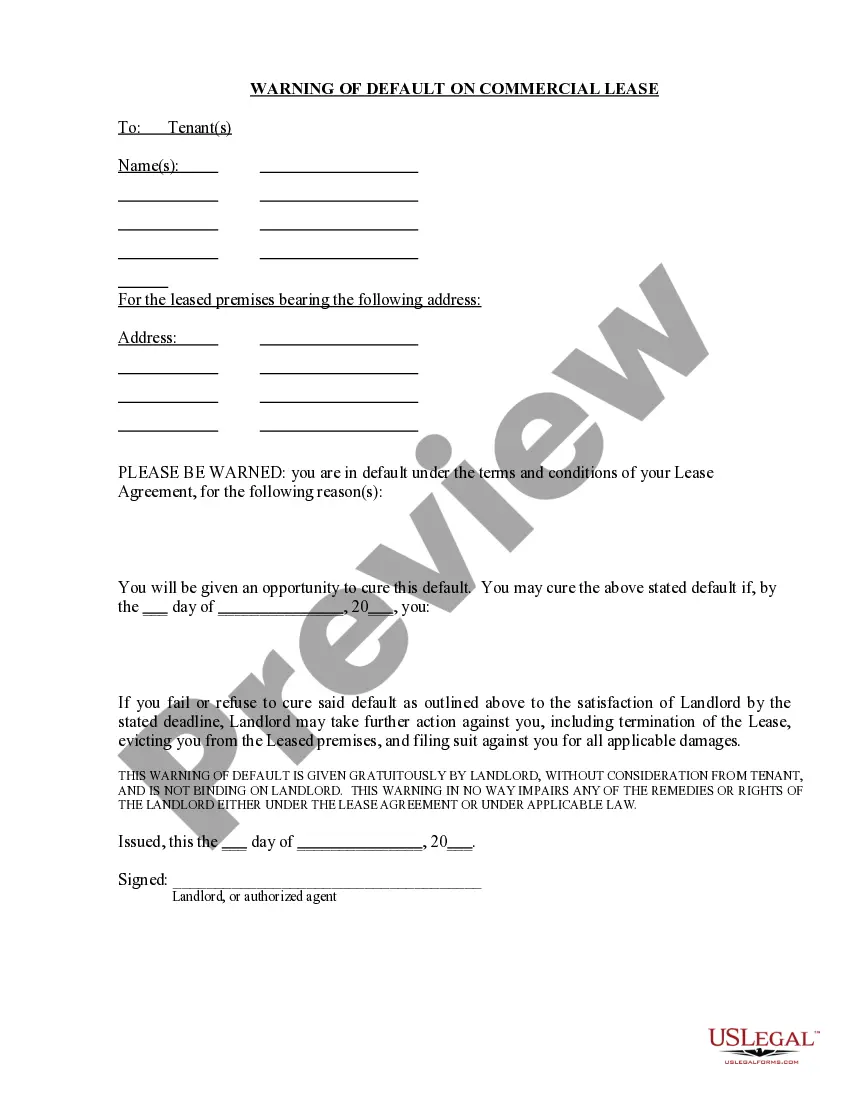
When to use this document
This form is used when a landlord notices a tenant is not adhering to the conditions outlined in their residential lease. Common scenarios include late rent payments, unauthorized occupants, or property damage. It provides a documented warning that can be important for any future legal proceedings.
Who this form is for
- Landlords or property managers renting residential properties
- Tenants who have received notice of potential lease violations
- Legal professionals advising clients on lease agreements
How to prepare this document
- Identify the parties involved by entering the landlord and tenant names.
- Specify the property address where the lease is in effect.
- Detail the specific lease violation or issue prompting this warning.
- Complete the date of issuance in the designated section.
- Ensure the landlord or authorized agent signs the document.
Notarization guidance
This form does not typically require notarization unless specified by local law. Ensure you check any specific regulations that may apply to your state or situation.
Get your form ready online
Our built-in tools help you complete, sign, share, and store your documents in one place.
Make edits, fill in missing information, and update formatting in US Legal Forms—just like you would in MS Word.
Download a copy, print it, send it by email, or mail it via USPS—whatever works best for your next step.
Sign and collect signatures with our SignNow integration. Send to multiple recipients, set reminders, and more. Go Premium to unlock E-Sign.
If this form requires notarization, complete it online through a secure video call—no need to meet a notary in person or wait for an appointment.
We protect your documents and personal data by following strict security and privacy standards.

Make edits, fill in missing information, and update formatting in US Legal Forms—just like you would in MS Word.

Download a copy, print it, send it by email, or mail it via USPS—whatever works best for your next step.

Sign and collect signatures with our SignNow integration. Send to multiple recipients, set reminders, and more. Go Premium to unlock E-Sign.

If this form requires notarization, complete it online through a secure video call—no need to meet a notary in person or wait for an appointment.

We protect your documents and personal data by following strict security and privacy standards.
Typical mistakes to avoid
- Failing to provide sufficient details about the lease violation.
- Not including the date of issuance.
- Neglecting to acquire the necessary signature from the landlord.
Benefits of completing this form online
- Immediate access to a professionally drafted legal document.
- Easy customization to fit specific circumstances.
- Secure and reliable, ensuring that your form is compliant with applicable laws.
Looking for another form?

Form popularity
FAQ
Except for an emergency or scheduled maintenance, your landlord must give you at least 24 hours of notice before entering the rental unit. If your landlord repeatedly violates your privacy by entering your unit, you may be able to break your lease without penalty.
Mostbut not allstates require the lease to be in writing to be considered valid. Among the states that require written leases, valid ones must include a description of the property.Additionally, a lease must include the amount of rent that is due. It must show when rent is due, and how it should be paid.
ESSENTIAL ELEMENTS OF A VALID LEASE AGREEMENT. Competent Parties. Legal Purpose. Statute of Frauds. Reversionary Right. Property Description. Mutual Assent (Offer and Acceptance) Consideration.
In landlord-tenant law, default refers to the failure of a tenant to timely pay rent due.In general, the landlord is required to give the tenant notice of the default before bringing eviction proceedings or applying security deposit proceeds to the payment in default.
Notice to terminate a lease with no end date. 3 months prior to the end of the lease (§ 55-222(A)) Notice to terminate a month-to-month lease. 30 days or less if both parties agreed to a shorter notice period in the lease. (A§ 55-222(B))
Pursuant to §37-6-5. Notice to Terminate Tenancy Week to Week Lease: For any lease under the term of one year, either party can terminate the lease by providing the other party written notice prior to the end of the lease. For a week to week lease, 7 days notice must be provided in accordance with A§37-6-5.
A lease is automatically void when it is against the law, such as a lease for an illegal purpose. In other circumstances, like fraud or duress, a lease can be declared void at the request of one party but not the other.
Once your lease agreement is signed, it governs what the landlord and the tenant can and cannot do during the term of the lease. The lease agreement acts as a legal, binding contract between the landlord and tenant and will be used as such by the court if any legal proceedings arise between the two parties.
Yes. All owners do not need to sign. One owner can represent all the owners, just as a property manager represents the owner of the apartment complex or the property owners. The only time all owners would need to sign is if they were selling the property.