West Virginia Letter from Tenant to Landlord about Inadequacy of heating resources insufficient heat
Overview of this form
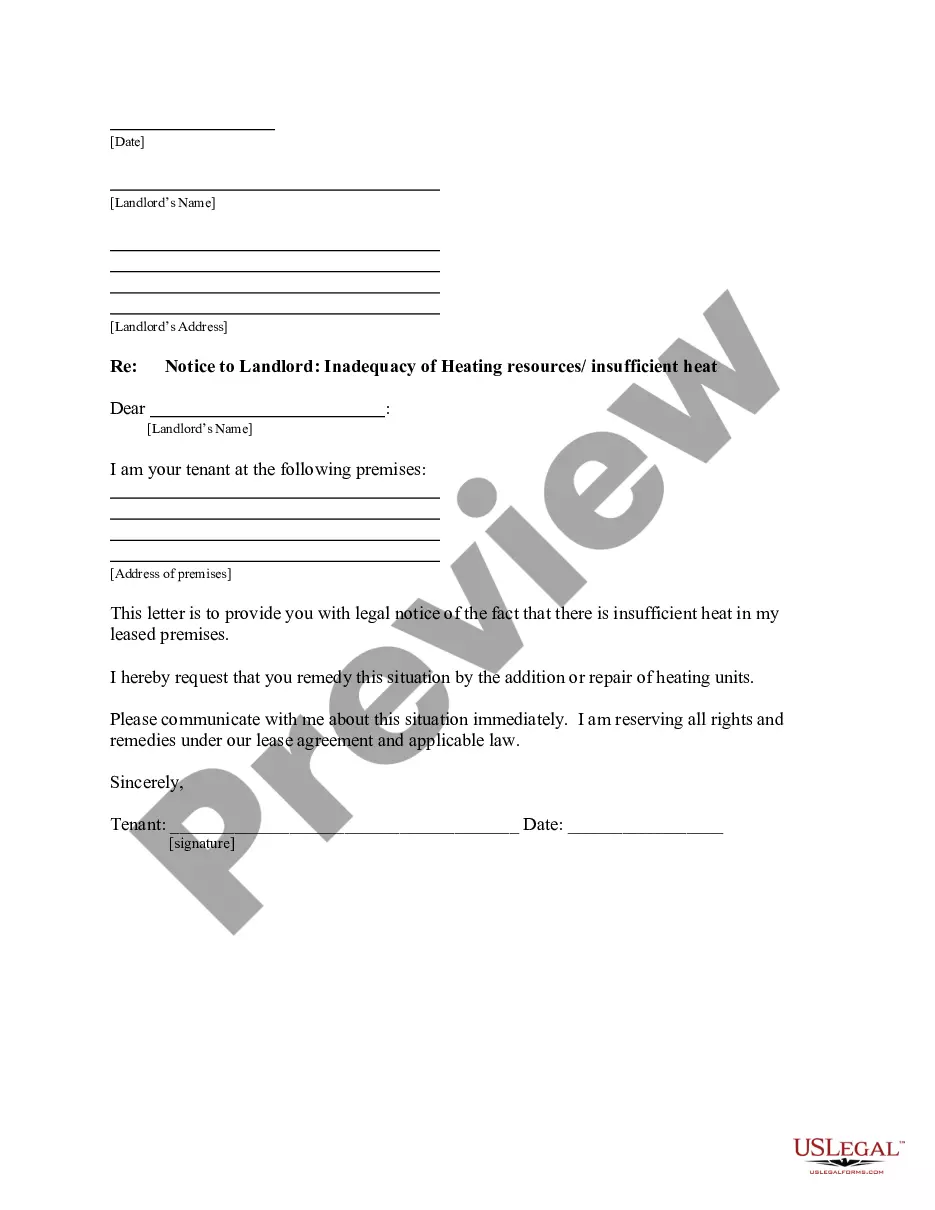
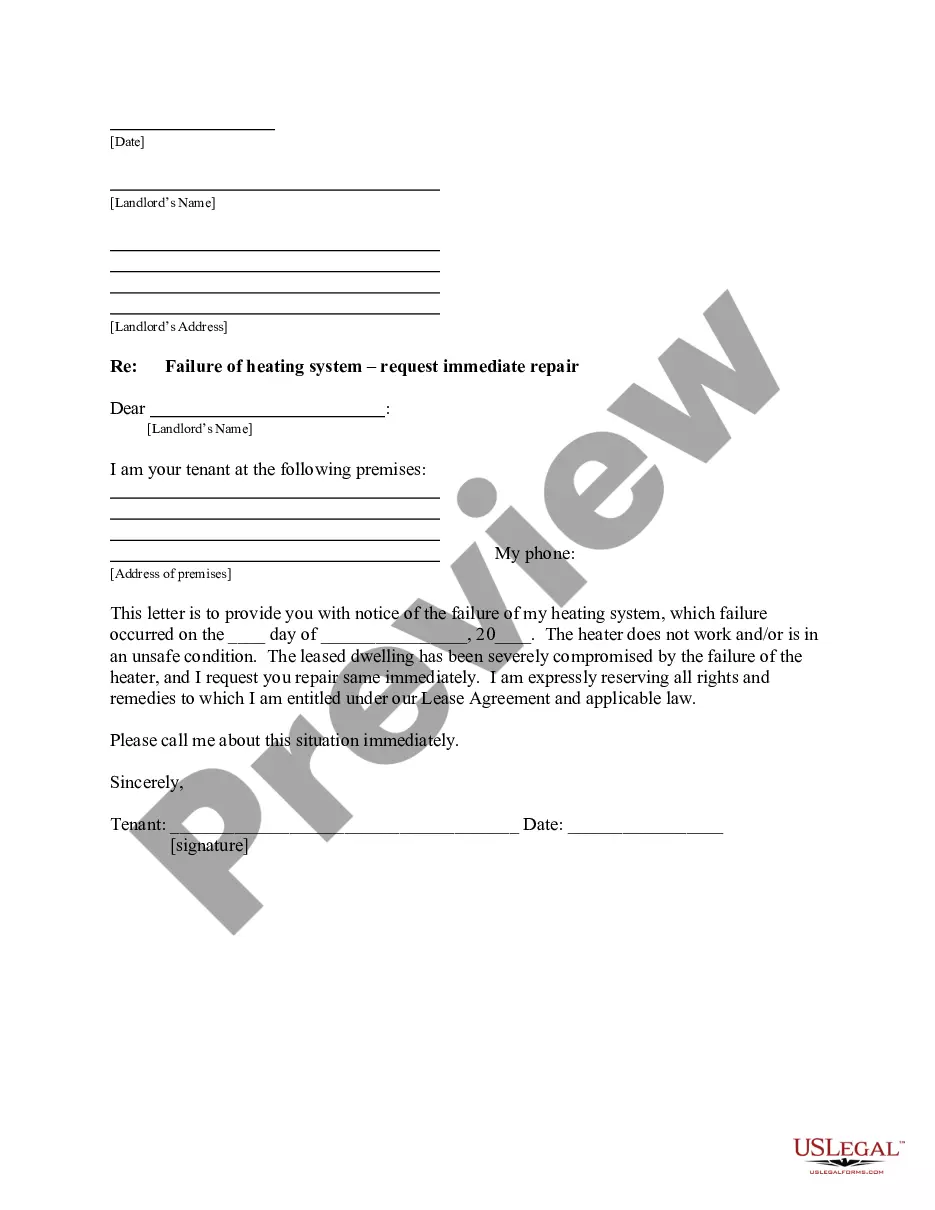
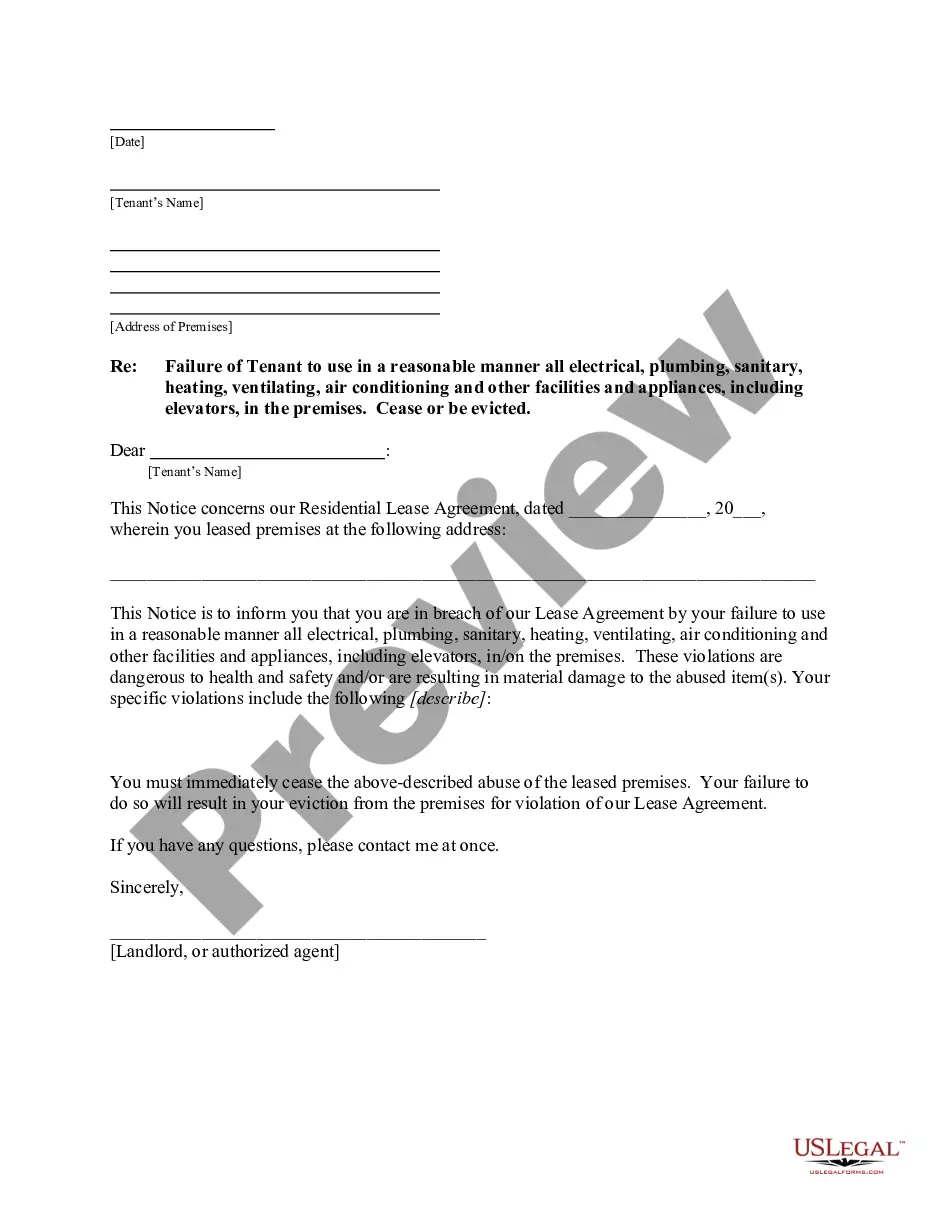
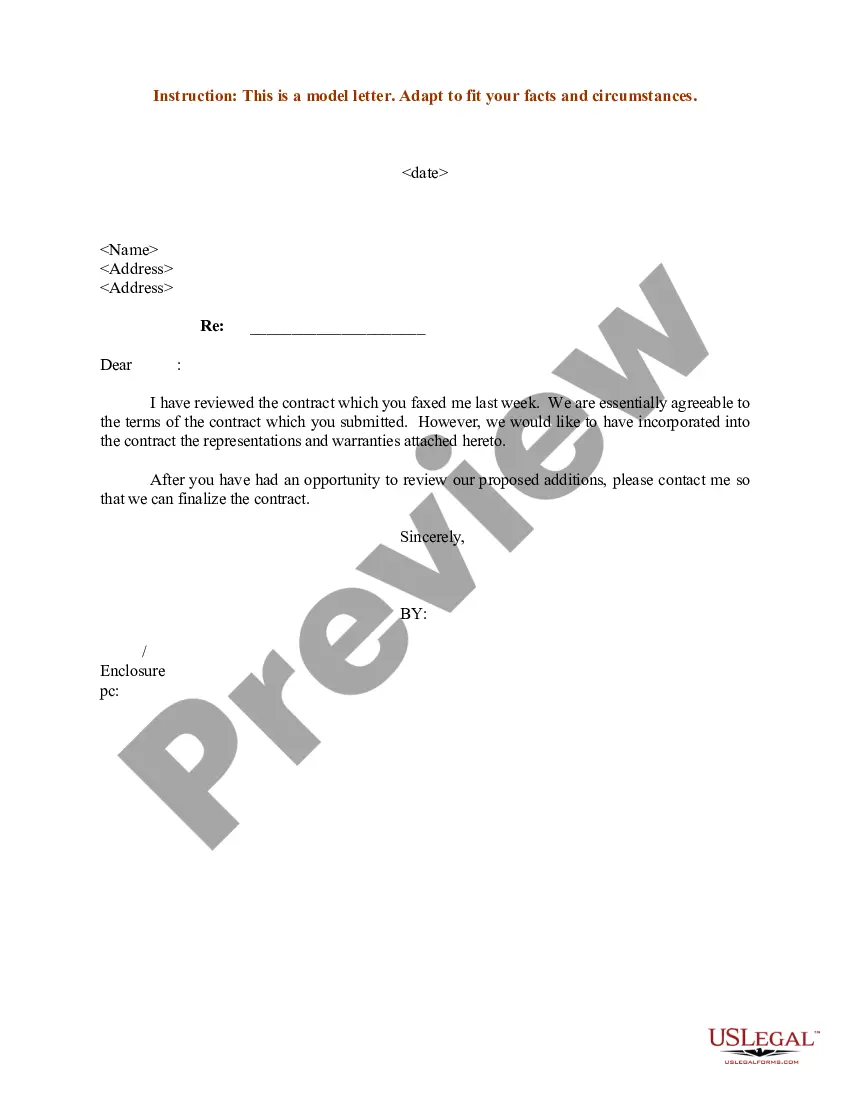
This Letter from Tenant to Landlord about Inadequacy of Heating Resources form serves as a formal notification from a tenant to their landlord regarding insufficient heating in the rental property. This letter emphasizes the tenant's right to request repairs or improvements to heating resources, distinguishing it from other tenant communications that may not address specific issues related to heating adequacy.
Key components of this form
- Identification of the tenant and landlord
- Description of the heating inadequacy issue
- Request for repair or addition of heating units
- Statement reserving rights under the lease agreement
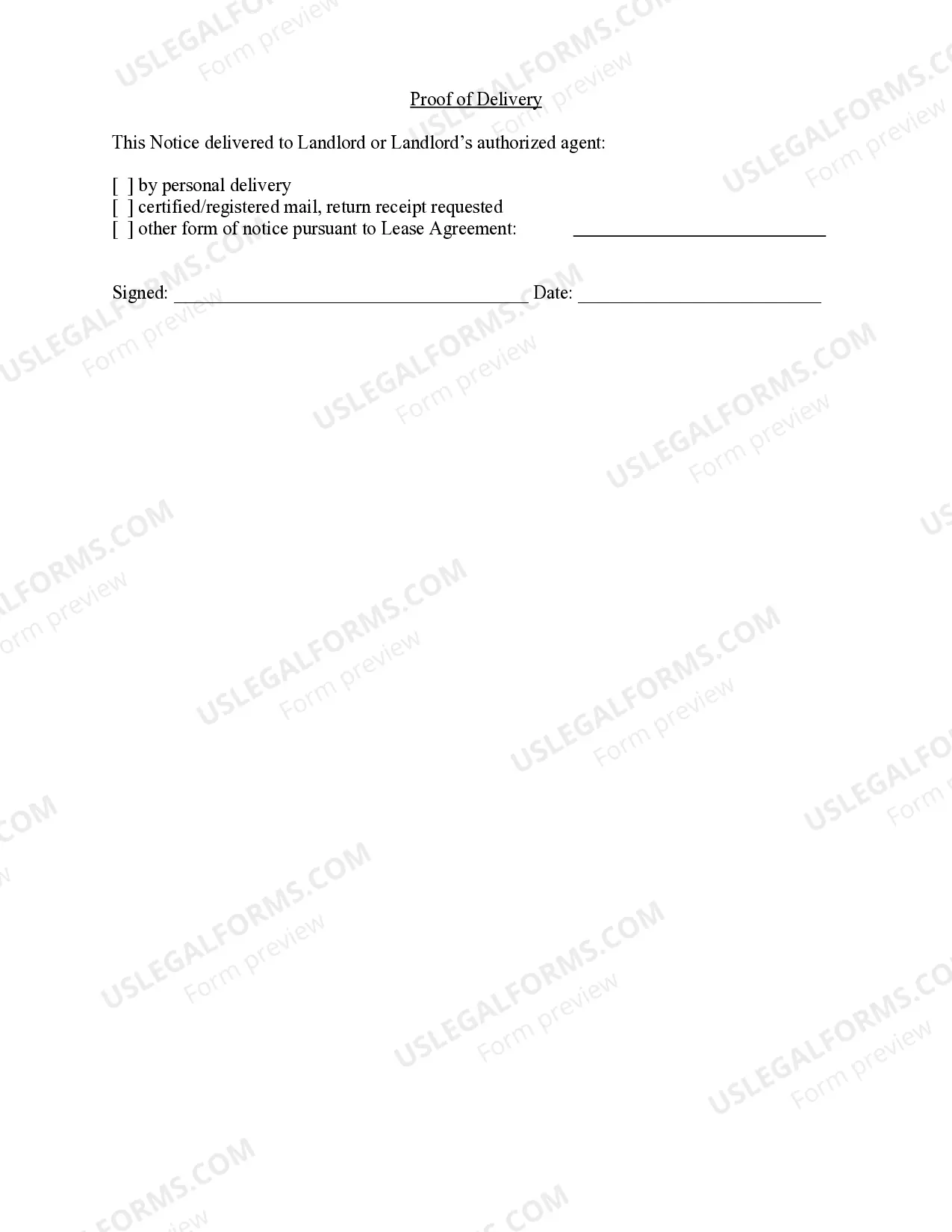
- Proof of delivery section for documentation
Common use cases
This form is appropriate to use when a tenant experiences inadequate heating in their rental unit and wishes to formally notify their landlord. It is suitable for situations where the landlord has been informed verbally but has not taken action. Using this letter can help ensure that the concern is documented and escalated appropriately in accordance with rental laws.
Who needs this form
- Tenants who are experiencing inadequate heating in their rental property
- Individuals seeking to document their issues before taking further action
- Renters wanting to formally communicate with their landlords about necessary repairs
Completing this form step by step
- Identify the tenant and landlord by entering their full names and addresses.
- Clearly describe the heating issue and how it affects living conditions.
- Specify any previous communications about the issue.
- Include a request for specific repairs or actions to improve heating.
- Sign and date the letter to validate the request.
- Deliver the letter to the landlord or their authorized agent, retaining proof of delivery.
Notarization requirements for this form
Notarization is not commonly needed for this form. However, certain documents or local rules may make it necessary. Our notarization service, powered by Notarize, allows you to finalize it securely online anytime, day or night.
Get your form ready online
Our built-in tools help you complete, sign, share, and store your documents in one place.
Make edits, fill in missing information, and update formatting in US Legal Forms—just like you would in MS Word.
Download a copy, print it, send it by email, or mail it via USPS—whatever works best for your next step.
Sign and collect signatures with our SignNow integration. Send to multiple recipients, set reminders, and more. Go Premium to unlock E-Sign.
If this form requires notarization, complete it online through a secure video call—no need to meet a notary in person or wait for an appointment.
We protect your documents and personal data by following strict security and privacy standards.

Make edits, fill in missing information, and update formatting in US Legal Forms—just like you would in MS Word.

Download a copy, print it, send it by email, or mail it via USPS—whatever works best for your next step.

Sign and collect signatures with our SignNow integration. Send to multiple recipients, set reminders, and more. Go Premium to unlock E-Sign.

If this form requires notarization, complete it online through a secure video call—no need to meet a notary in person or wait for an appointment.

We protect your documents and personal data by following strict security and privacy standards.
Avoid these common issues
- Failing to keep a copy of the letter for personal records.
- Not clearly specifying the heating issue, making it vague.
- Neglecting to date the letter, which can affect timelines.
- Not sending the letter through a traceable delivery method.
Why use this form online
- Convenient download for easy access and completion.
- Edit the form to fit specific situations or details before printing.
- Access to professionally drafted legal language to ensure clarity.
- Time-saving, allowing tenants to focus on other important matters.
Looking for another form?





Form popularity
FAQ
This question is about Virginia Landlord Tenant RightsVirginia is a moderately landlord-friendly state as there is no rent control and landlords have a large amount of freedom when picking tenants.
What is the deadline to return a security deposit in West Virginia? The security deposit (minus any costs incurred for cleaning or repairs, if applicable) must be returned to the renter no later than 60 days from the date the tenancy is terminated.
Tenants may also file a complaint with the Attorney General's Consumer Protection Division if landlords fail to return damage deposits. Complaint forms may be obtained by calling the consumer protection hotline, toll-free, at 1-800-368-8808.
Yes, West Virginia is an extremely landlord-friendly state because there are virtually no restrictions on evictions and there are no limits on rental pricing or increases.
Tenants may be able to file their complaints with their city or county rent control board, local tenant association, rental housing association, district attorney's office and consumer protection agency. California residents can find the appropriate agencies based on the nature of their complaint by contacting the
State law prohibits landlords from entering rental housing without either the consent of the tenant or providing reasonable notice in advance, unless circumstances require the landlord to perform emergency repairs.
Injury at Rental Property: You could have a case for a lawsuit against your landlord if you are injured at the rental property due to a landlord's neglect. Filing an Illegal Eviction: You can countersue your landlord if you feel your landlord is trying to evict you illegally.
A landlord who wants to evict a tenant must have a good reason (legal cause) to do so. West Virginia defines legal cause as failing to pay rent, violating the lease or rental agreement, or damaging the rental unit. To evict the tenant for one of these reasons, the landlord must first terminate the tenancy.
Indiana. Indiana laws allow landlords to hold on to security deposits for 45 days to give them time to determine any damages caused by tenants. Colorado. Colorado is one of few states that allow landlords to access the rental property without an advance notice requirement. Georgia.