West Virginia Letter from Landlord to Tenant about Tenant engaging in illegal activity in premises as documented by law enforcement and if repeated, lease terminates
What this document covers
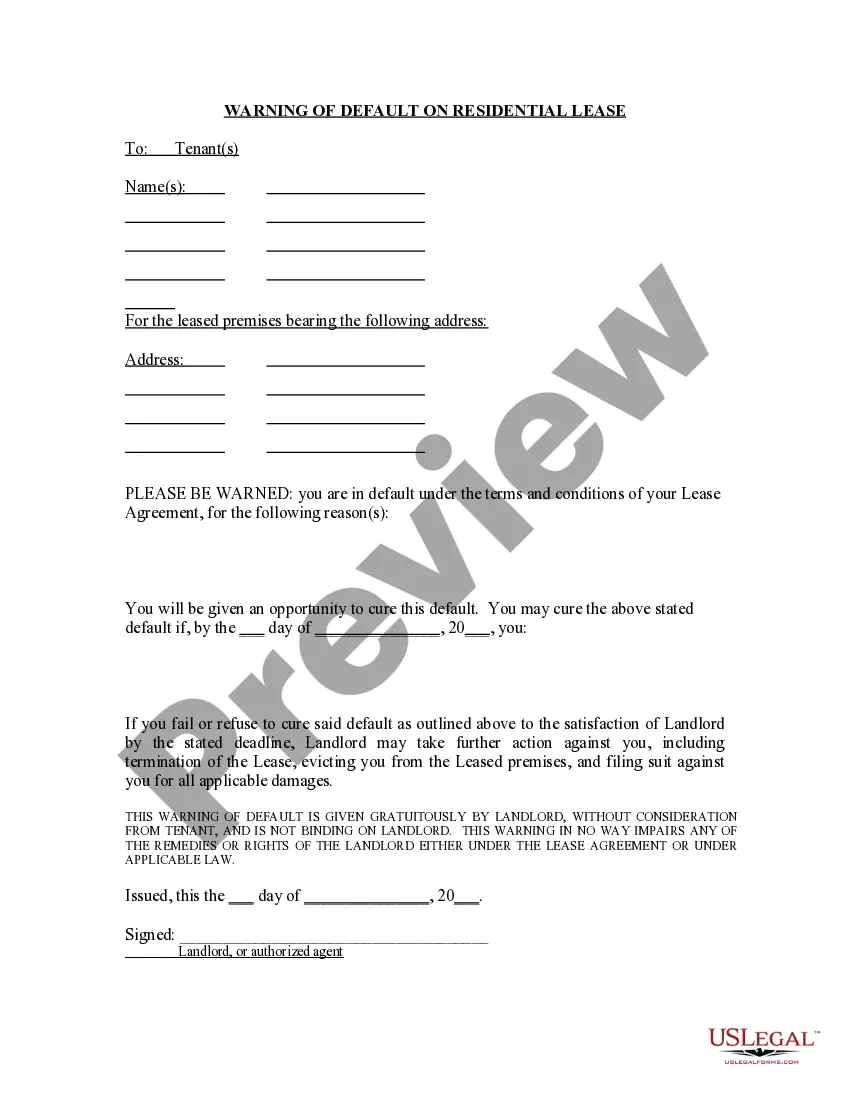
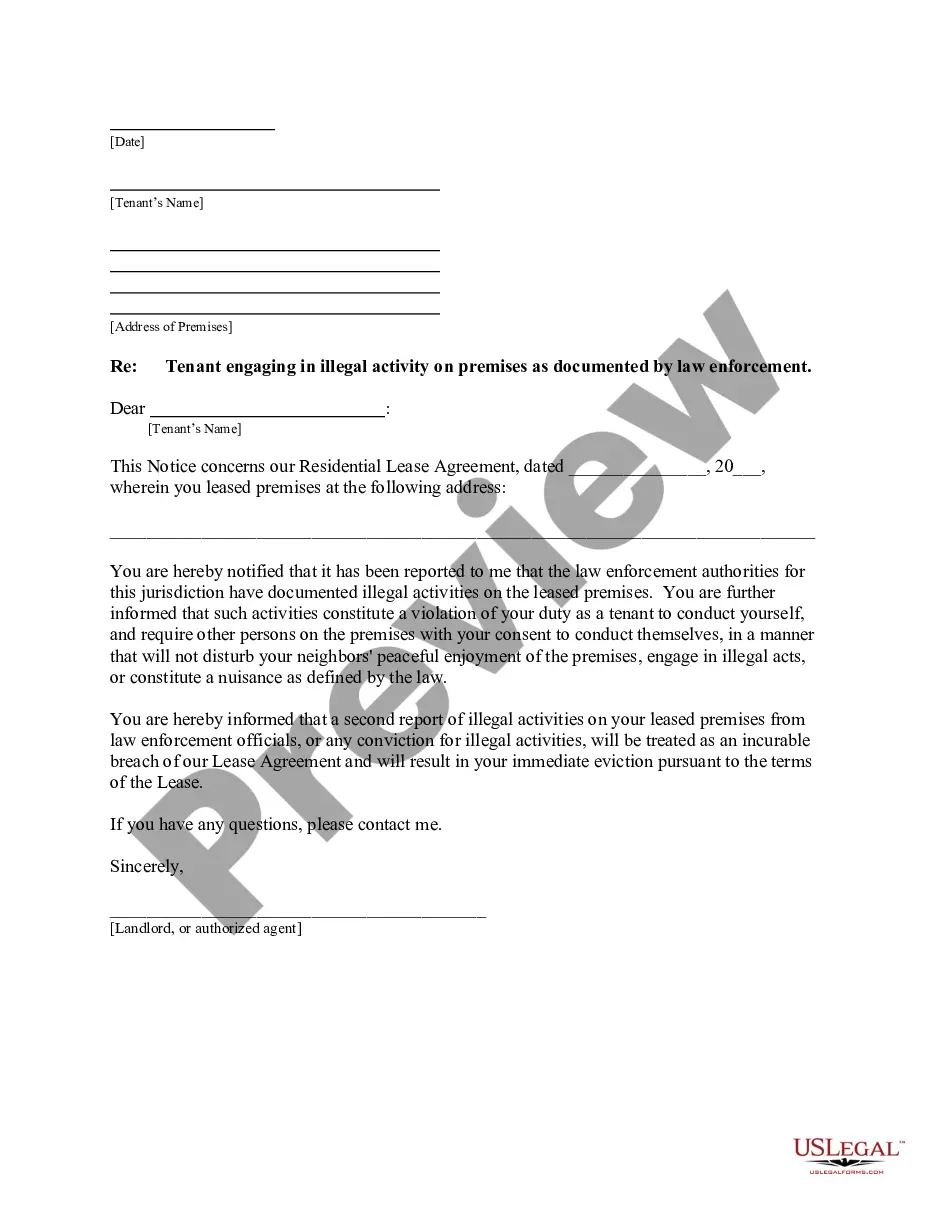
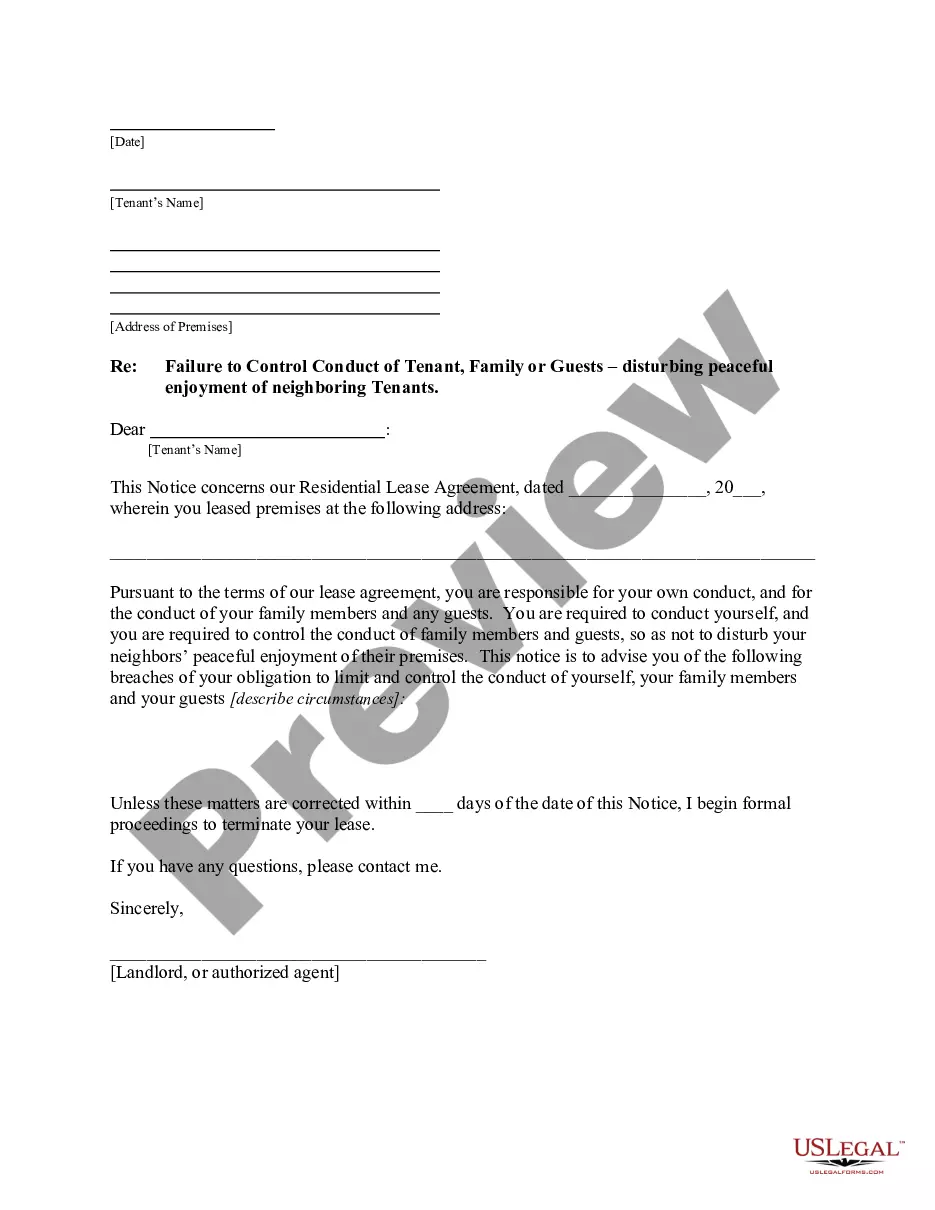
This form is a letter from the landlord to the tenant addressing documented illegal activities occurring on the leased premises. Its purpose is to formally notify the tenant of these violations and warn that continued illegal activity may lead to lease termination and eviction. This letter is distinctive from general eviction notices, as it specifically relates to illegal conduct reported by law enforcement.
Key components of this form
- Identification of the landlord and tenant involved in the lease agreement.
- Documentation reference mentioning the illegal activity as reported by law enforcement.
- A clear statement regarding the tenant's violation of the lease terms.
- A warning about termination of lease upon repeated illegal activities.
- Contact information for the landlord for any questions or clarifications.
When this form is needed
This letter should be used when a landlord has received verified reports from law enforcement about illegal activities conducted by the tenant. It is essential to document this communication to ensure that the tenant is aware of the consequences of their actions, which may include eviction if the behavior continues. This is crucial for maintaining the peace and stability of the rental property.
Who this form is for
- Landlords who have tenants engaged in illegal activities on their property.
- Property managers responsible for maintaining legal compliance in rental agreements.
- Real estate professionals seeking to formalize communication regarding tenant conduct.
Completing this form step by step
- Identify the landlord and tenant by including their full names and addresses.
- Clearly state the specific illegal activities that have been reported by law enforcement.
- Include any relevant dates or documentation related to the reported activities.
- Provide a clear warning about the consequences of continued illegal actions, including the risk of eviction.
- Sign and date the letter to validate the communication.
Notarization requirements for this form
Notarization is generally not required for this form. However, certain states or situations might demand it. You can complete notarization online through US Legal Forms, powered by Notarize, using a verified video call available anytime.
Get your form ready online
Our built-in tools help you complete, sign, share, and store your documents in one place.
Make edits, fill in missing information, and update formatting in US Legal Forms—just like you would in MS Word.
Download a copy, print it, send it by email, or mail it via USPS—whatever works best for your next step.
Sign and collect signatures with our SignNow integration. Send to multiple recipients, set reminders, and more. Go Premium to unlock E-Sign.
If this form requires notarization, complete it online through a secure video call—no need to meet a notary in person or wait for an appointment.
We protect your documents and personal data by following strict security and privacy standards.

Make edits, fill in missing information, and update formatting in US Legal Forms—just like you would in MS Word.

Download a copy, print it, send it by email, or mail it via USPS—whatever works best for your next step.

Sign and collect signatures with our SignNow integration. Send to multiple recipients, set reminders, and more. Go Premium to unlock E-Sign.

If this form requires notarization, complete it online through a secure video call—no need to meet a notary in person or wait for an appointment.

We protect your documents and personal data by following strict security and privacy standards.
Common mistakes
- Failing to properly document the reported illegal activities.
- Not providing clear consequences for continued violations.
- Omitting contact information for further queries.
Why complete this form online
- Instant access to the letter format, saving time and effort.
- Editable template allows landlords to customize content easily.
- Ensures that legal language is accurate and compliant with requirements.
Legal use & context
- The letter serves as formal notification and may be used in court to establish a pattern of behavior.
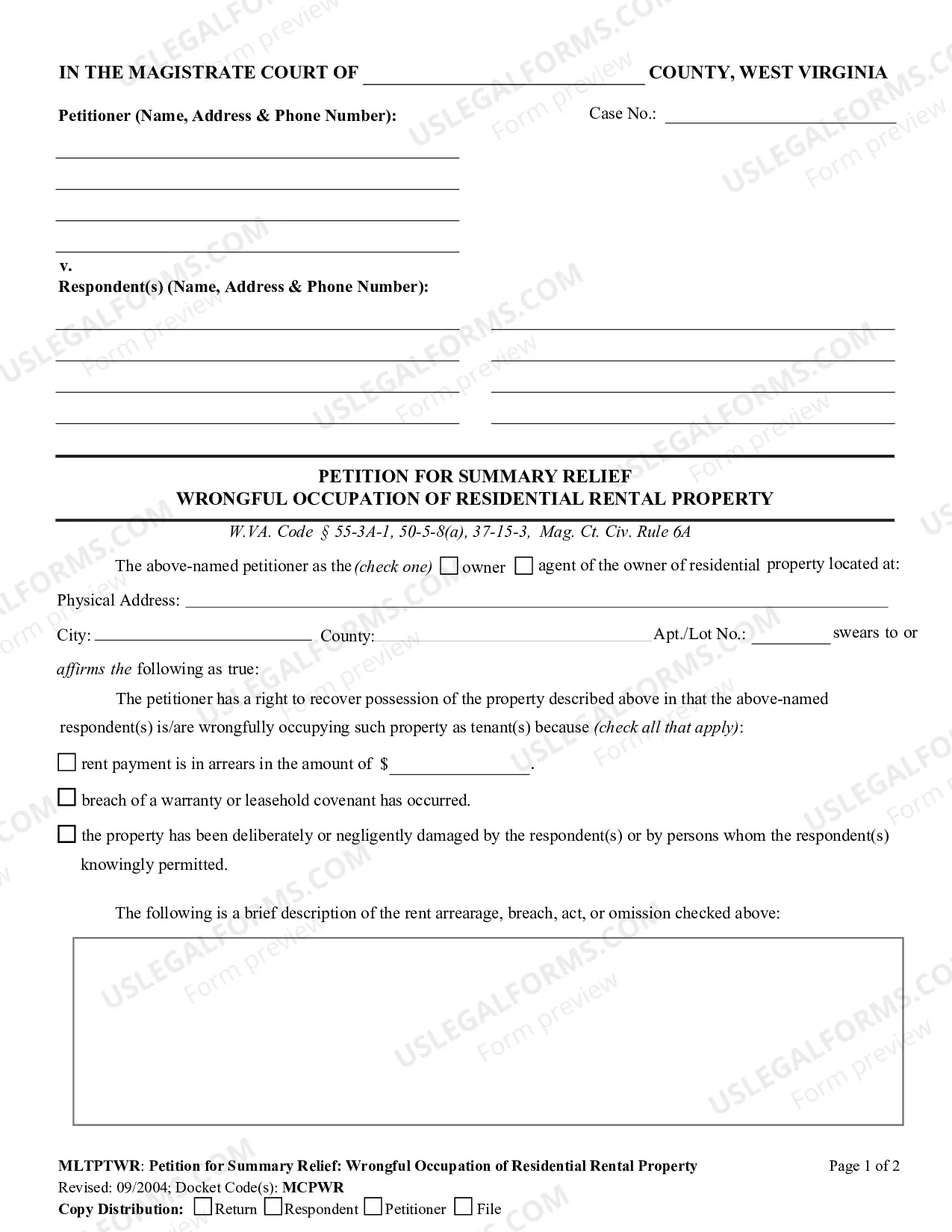
- It is part of the process to terminate a lease if illegal activities persist.
Key takeaways
- This letter is crucial for addressing illegal tenant conduct effectively.
- Properly documenting issues helps protect the landlord's rights.
- Maintaining open communication with tenants can prevent further disputes.
Looking for another form?
Form popularity
FAQ
Tenants may also file a complaint with the Attorney General's Consumer Protection Division if landlords fail to return damage deposits. Complaint forms may be obtained by calling the consumer protection hotline, toll-free, at 1-800-368-8808.
Injury at Rental Property: You could have a case for a lawsuit against your landlord if you are injured at the rental property due to a landlord's neglect. Filing an Illegal Eviction: You can countersue your landlord if you feel your landlord is trying to evict you illegally.
When you rent a property from a landlord it becomes your home. They should only enter the property without you being present, if you have given permission for them to do so, or in a genuine emergency.
A landlord who wants to evict a tenant must have a good reason (legal cause) to do so. West Virginia defines legal cause as failing to pay rent, violating the lease or rental agreement, or damaging the rental unit. To evict the tenant for one of these reasons, the landlord must first terminate the tenancy.
Unconditional quit notices are used to order the tenant to leave the premises without the chance to remedy the situation. This is used for a serious breach of the lease agreement or chronic late rent payment.
Apply to the Tribunal for orders: to stop the landlord/agent entering the premises. (Apply within 3 months after you become aware of the landlord's/agent's breach.) report trespass to the police. complain to NSW Fair Trading.
State law prohibits landlords from entering rental housing without either the consent of the tenant or providing reasonable notice in advance, unless circumstances require the landlord to perform emergency repairs.
Your landlord or their representatives may be allowed reasonable access to carry out inspections or repairs, but must first get your permission. According to Section 11, from The Landlord and Tenant Act 1985, your landlord needs to give you at least 24 hour notice before they come around and visit for any reason.
The big take-away is that in most circumstances a landlord cannot enter a property without agreement from the tenant. And If the landlord ignores the law and enters the property without permission, the tenant may be able to claim damages or gain an injunction to prevent the landlord doing it again.