West Virginia Demand for Account by Corporation
About this form
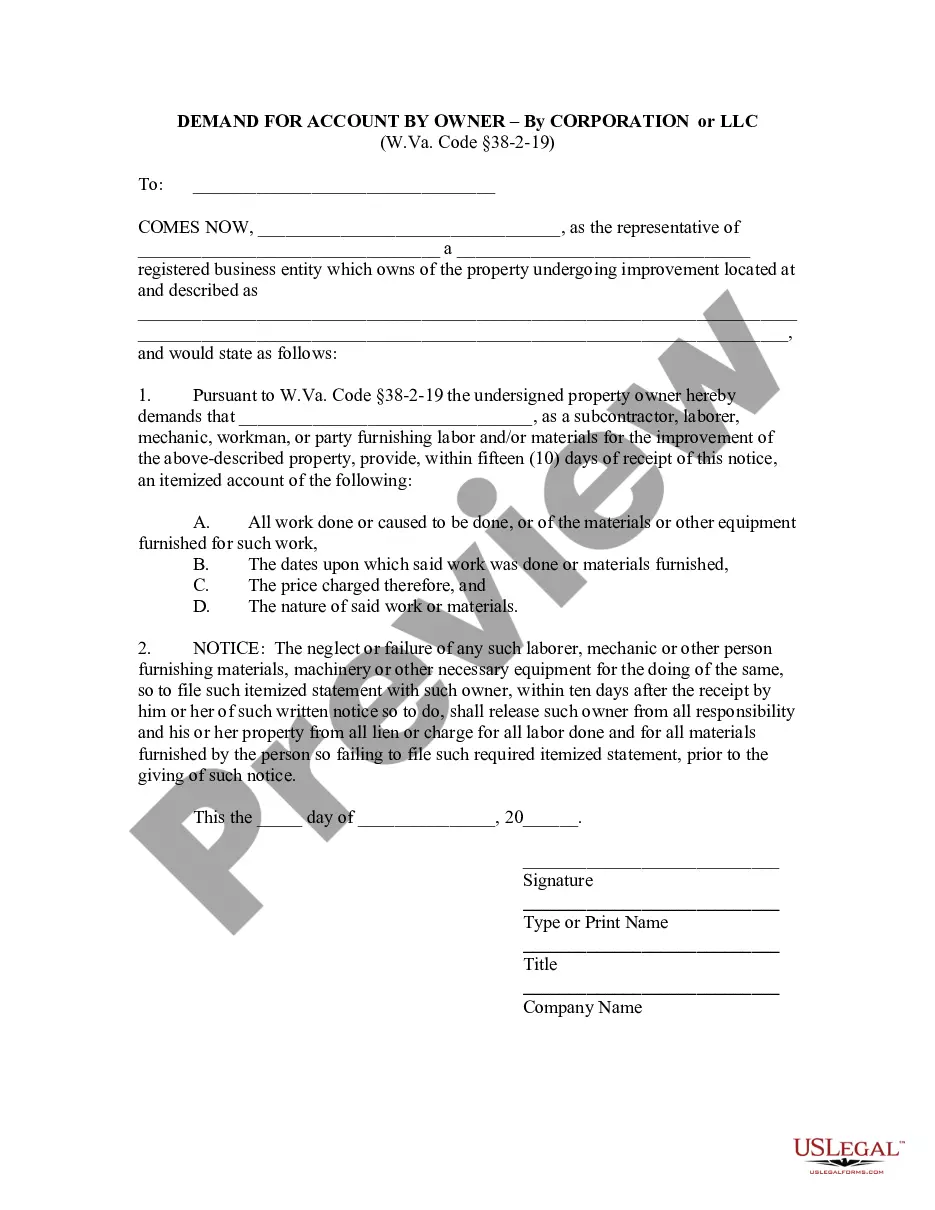
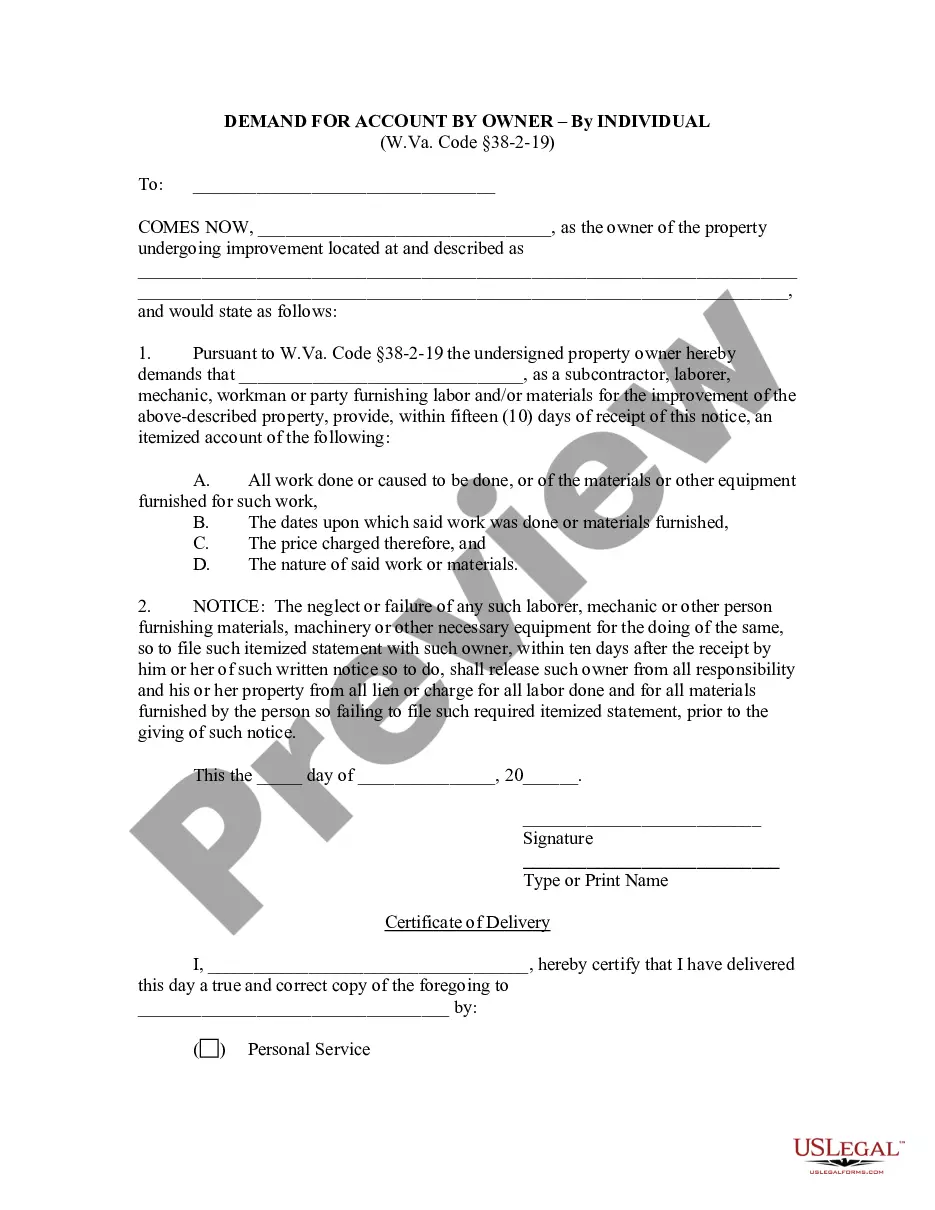
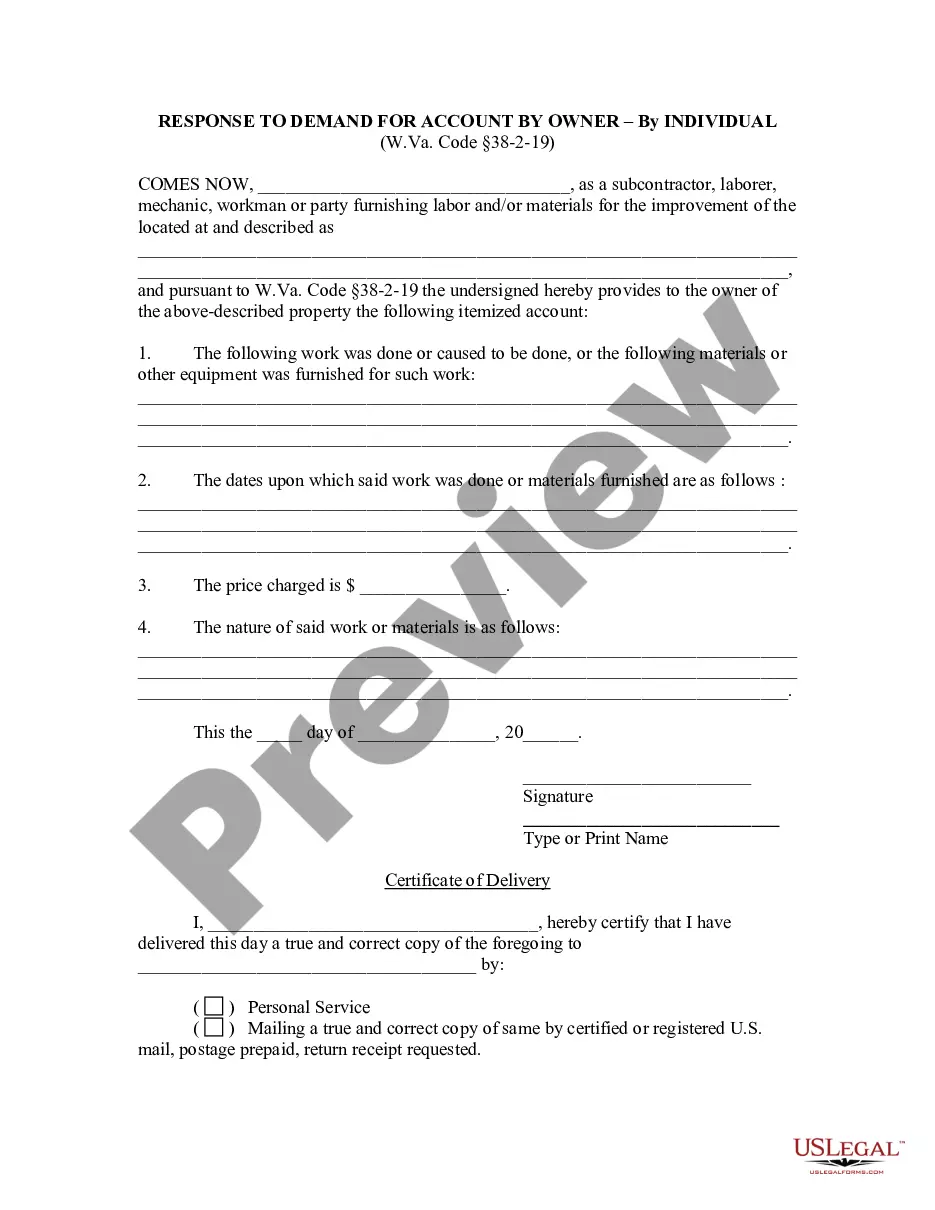
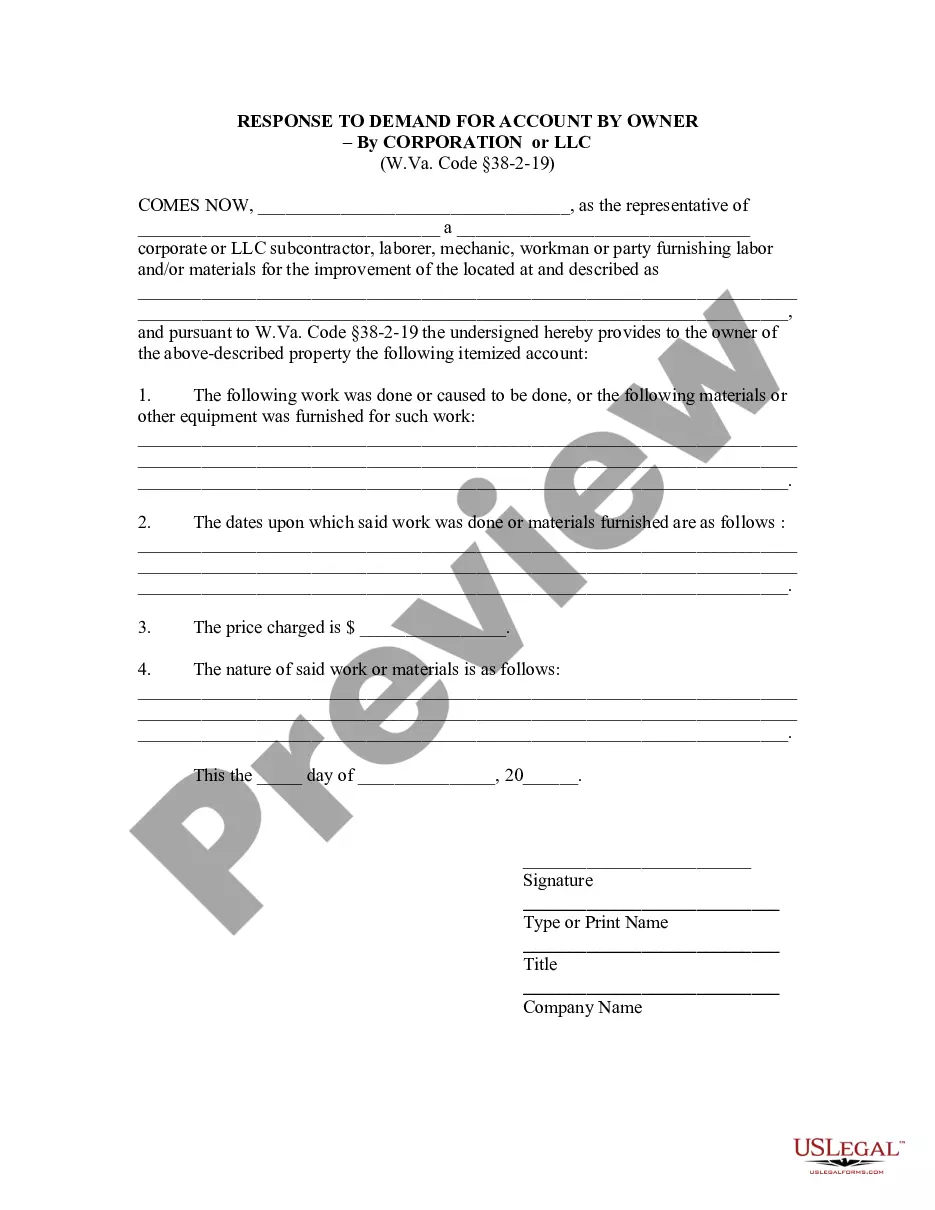
The Demand for Account by Corporation is a legal document used by property owners to request a detailed account of work and materials provided by contractors or subcontractors for property improvements. This form sets a timeline whereby the contractor must respond within fifteen days, ensuring transparency and accountability in financial matters related to property work. It is distinct from other construction-related forms as it specifically mandates itemized reporting of labor and materials, which is critical for managing potential liens on the property.
Main sections of this form
- Identification of the property owner and corporation.
- Details of the subcontractor or party being contacted.
- Specific request for an itemized account of work done, materials provided, and associated costs.
- Deadline for response, set at fifteen days from notice receipt.
- Warning regarding the consequences of failing to file a statement.
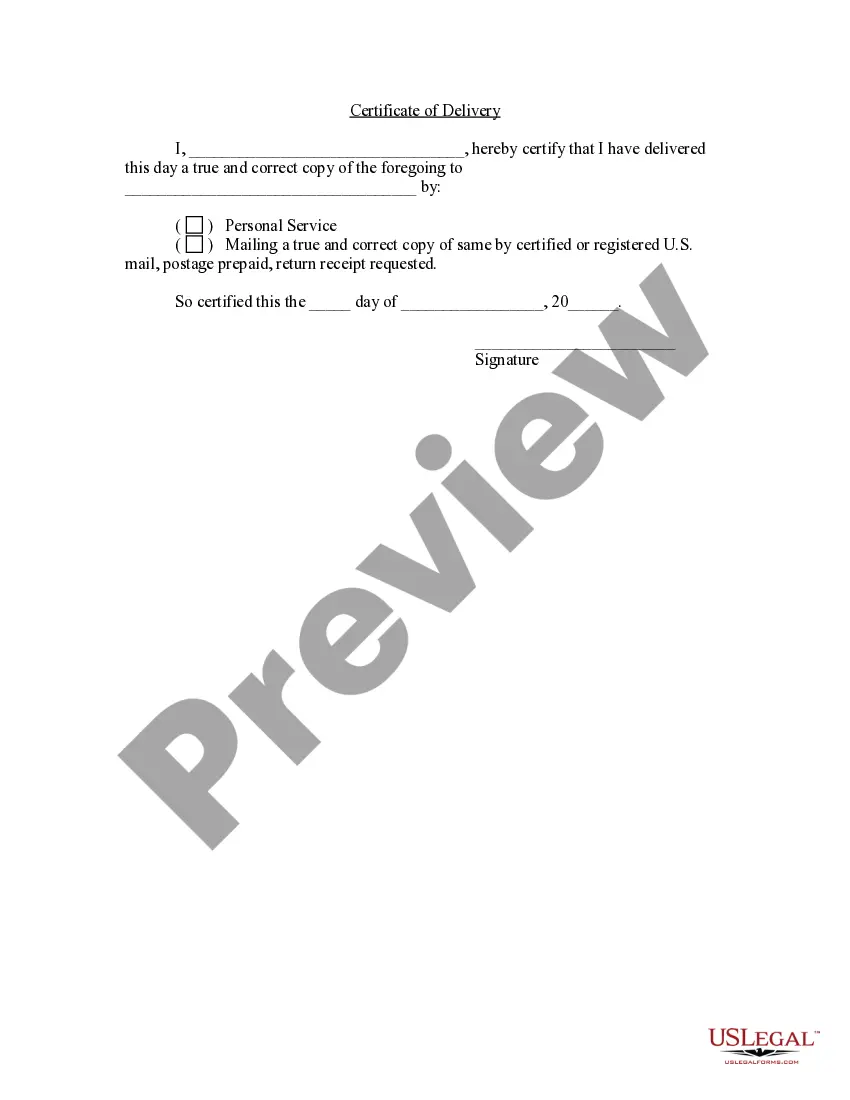
- Signature lines for the property owner and delivery certification.
When this form is needed
This form is necessary when a corporation or property owner needs to formally request an accounting from contractors or subcontractors who have provided labor and materials for a construction project. It is particularly useful when there are disputes about billing or a need to confirm that the work and materials provided align with the original agreements made prior to commencing the project.
Who this form is for
- Property owners or corporations managing construction projects.
- Contractors or subcontractors seeking clarity on payment obligations.
- Legal representatives preparing to address discrepancies in project billing.
Steps to complete this form
- Identify and enter the name of the property owner and corporation.
- Specify the name of the subcontractor or party being asked for the account.
- Fill in the detailed description of the property undergoing improvement.
- Outline the required itemized information requested from the contractor.
- Sign and date the form at the designated signature lines.
Is notarization required?
This form does not typically require notarization unless specified by local law. Always check specific state requirements to ensure compliance with any notarization needs that may apply.
Get your form ready online
Our built-in tools help you complete, sign, share, and store your documents in one place.
Make edits, fill in missing information, and update formatting in US Legal Forms—just like you would in MS Word.
Download a copy, print it, send it by email, or mail it via USPS—whatever works best for your next step.
Sign and collect signatures with our SignNow integration. Send to multiple recipients, set reminders, and more. Go Premium to unlock E-Sign.
If this form requires notarization, complete it online through a secure video call—no need to meet a notary in person or wait for an appointment.
We protect your documents and personal data by following strict security and privacy standards.

Make edits, fill in missing information, and update formatting in US Legal Forms—just like you would in MS Word.

Download a copy, print it, send it by email, or mail it via USPS—whatever works best for your next step.

Sign and collect signatures with our SignNow integration. Send to multiple recipients, set reminders, and more. Go Premium to unlock E-Sign.

If this form requires notarization, complete it online through a secure video call—no need to meet a notary in person or wait for an appointment.

We protect your documents and personal data by following strict security and privacy standards.
Common mistakes to avoid
- Failing to specify the exact property location and details.
- Not providing enough time for the contractor to respond.
- Overlooking the need for both parties to sign and date the document.
Benefits of using this form online
- Convenient access to customizable templates at any time.
- Easy download and printing options for immediate use.
- Reliability through forms drafted by licensed attorneys.
Looking for another form?


Form popularity
FAQ
Who Should Form an LLC? Any person starting a business, or currently running a business as a sole proprietor, should consider forming an LLC. This is especially true if you're concerned with limiting your personal legal liability as much as possible. LLCs can be used to own and run almost any type of business.
You don't need an LLC to start a business, but, for many businesses the benefits of an LLC far outweigh the cost and hassle of setting one up. by Jane Haskins, Esq. An LLC, or limited liability company, provides personal liability protection and a formal business structure.
Probably the most obvious advantage to forming an LLC is protecting your personal assets by limiting the liability to the resources of the business itself. In most cases, the LLC will protect your personal assets from claims against the business, including lawsuits.There is also the tax benefit to an LLC.
LLCs aren't required to have income or post profits, but if a business owner is claiming tax deductions through an LCC without reporting income, the IRS is likely to conduct an audit to determine if the LLC is an actual for-profit business.
Types. Most types of businesses can be limited liability companies. Typically the only exception is a professional partnership, such as a law firm or doctor's office.
Business Licenses The state of West Virginia doesn't have a general business license; however, many cities require a business license to operate.Zoning Before starting to operate a business (even if it's home-based), be sure to check local zoning regulations before starting to operate out of a location.
Profits subject to social security and medicare taxes. In some circumstances, owners of an LLC may end up paying more taxes than owners of a corporation. Salaries and profits of an LLC are subject to self-employment taxes, currently equal to a combined 15.3%.
Cost to Form a West Virginia LLC The LLC filing fee is $100; however, the fee is waived for veteran-owned businesses. Standard approval for the LLC is 5-10 days. Expedited service is available. One-hour approval is an additional $500, 2-hour approval is an additional $250, and 24-hour approval is an additional $25.
Choose a Name for Your LLC. Appoint a Registered Agent. File Articles of Organization. Prepare an Operating Agreement. Comply With Other Tax and Regulatory Requirements. Annual Report. Foreign LLCs Doing Business in West Virginia.