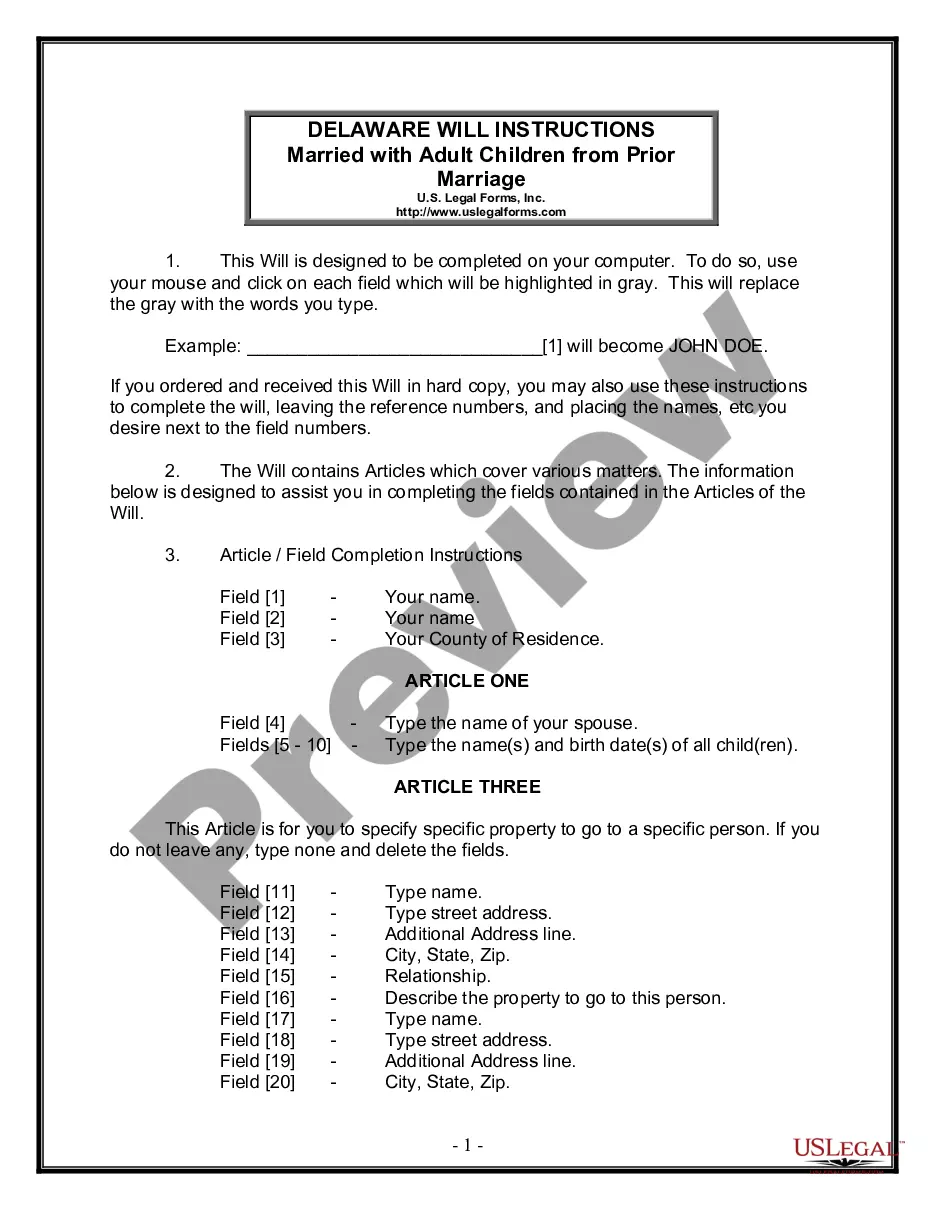
Delaware Last Will and Testament
A Last Will and Testament outlines your wishes for asset distribution. Attorney-drafted templates are quick and simple to complete.

Similar documents: key differences
- Will vs. Trust — a will distributes assets after death; a trust manages assets during life and after.
- Formal Will vs. Holographic Will — a formal will is typed and witnessed; a holographic will is handwritten and may not need witnesses.
- Attested Will vs. Self-Proving Will — an attested will requires witnesses; a self-proving will includes sworn statements to avoid witness testimony.
- Pour-Over Will vs. Standard Will — a pour-over will transfers assets to a trust; a standard will directly distributes assets to heirs.
Search for more forms
Types of Will forms
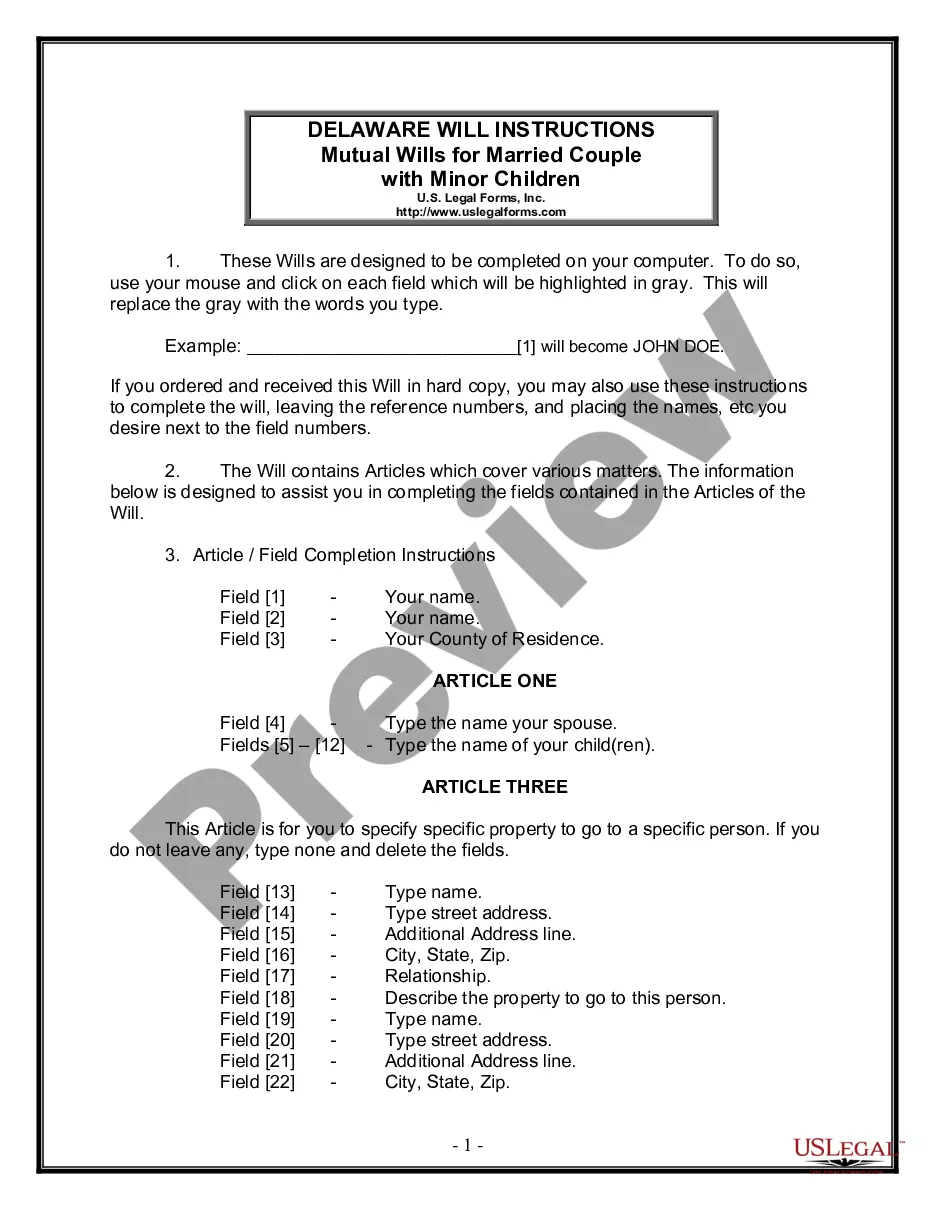
With Minor Children
Secure your family’s future by outlining how your assets will be distributed and who will care for your minor children.
With Minor Children (Prior Marriage)
Create a comprehensive will that ensures your wishes are followed for your spouse and children from a previous marriage.
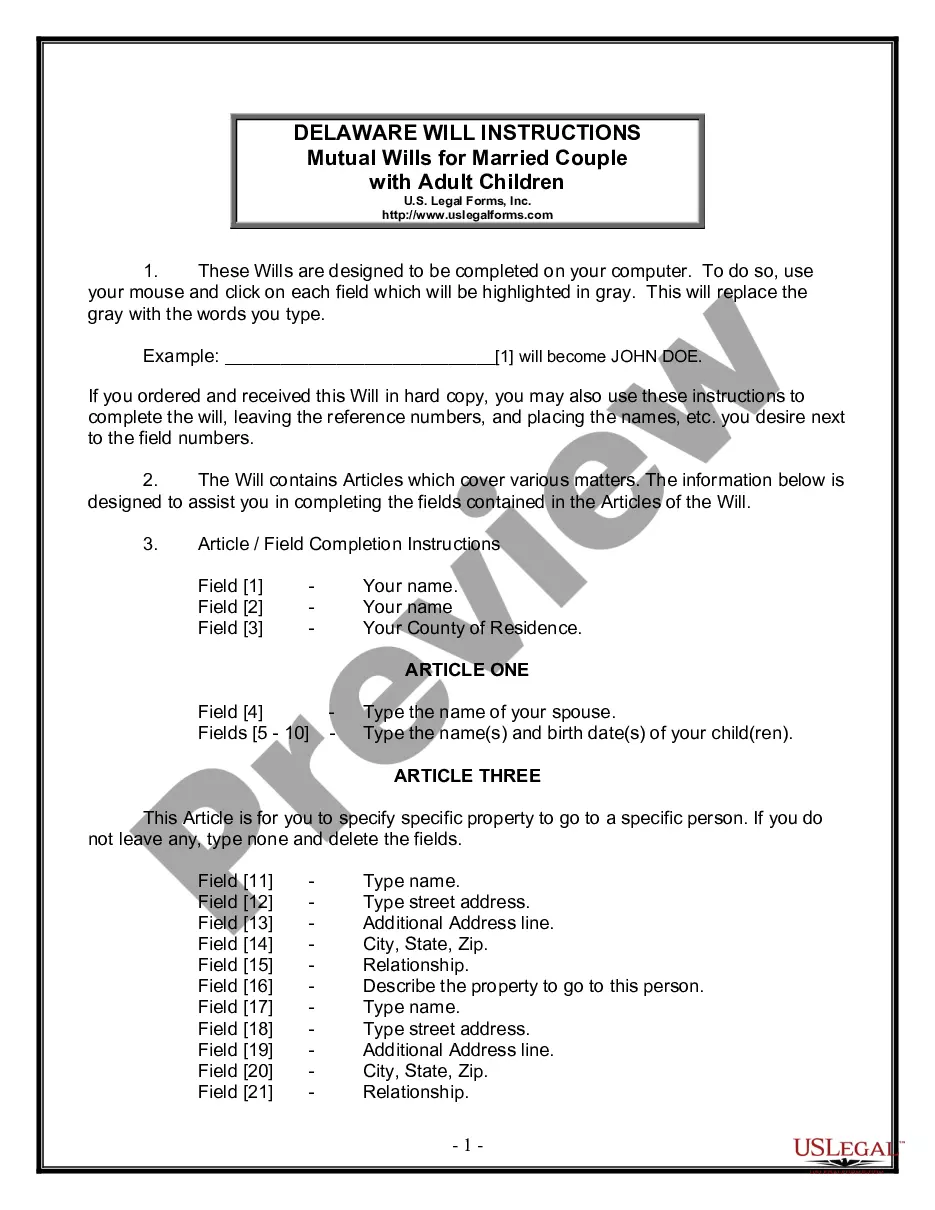
With Adult Children
Protect your wishes for asset distribution after your passing, ensuring your family understands their inheritance.
With Adult Children (Prior Marriage)
Outline your wishes for asset distribution and guardianship after passing, especially important for blended families.
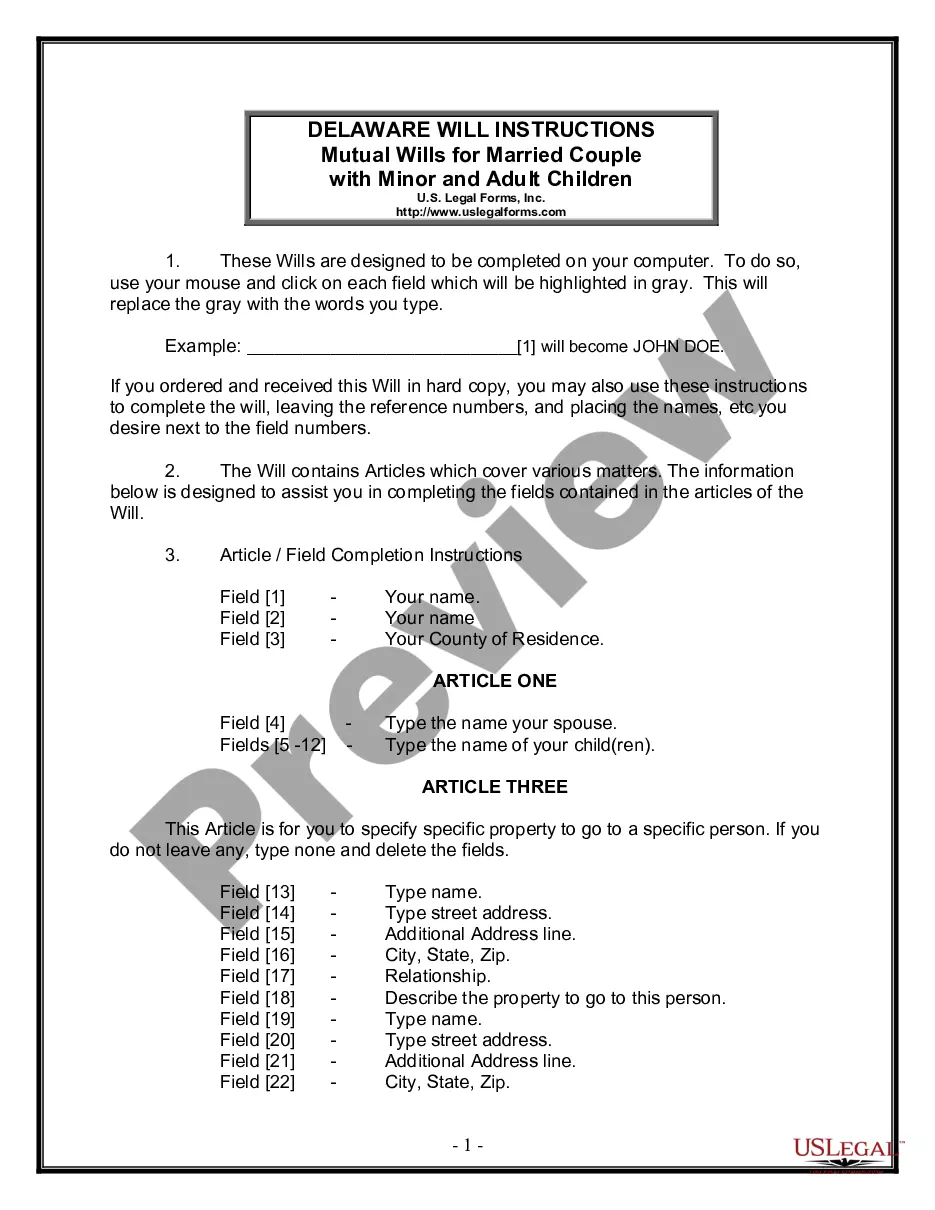
With Adult + Minor Children
Prepare for your family's future with a Will that outlines how your assets will be distributed and who will care for your minor children.
With Adult + Minor Children (Prior Marriage)
Ensure your wishes are honored after your passing with a comprehensive estate plan for your family, including children from previous relationships.
With No Children
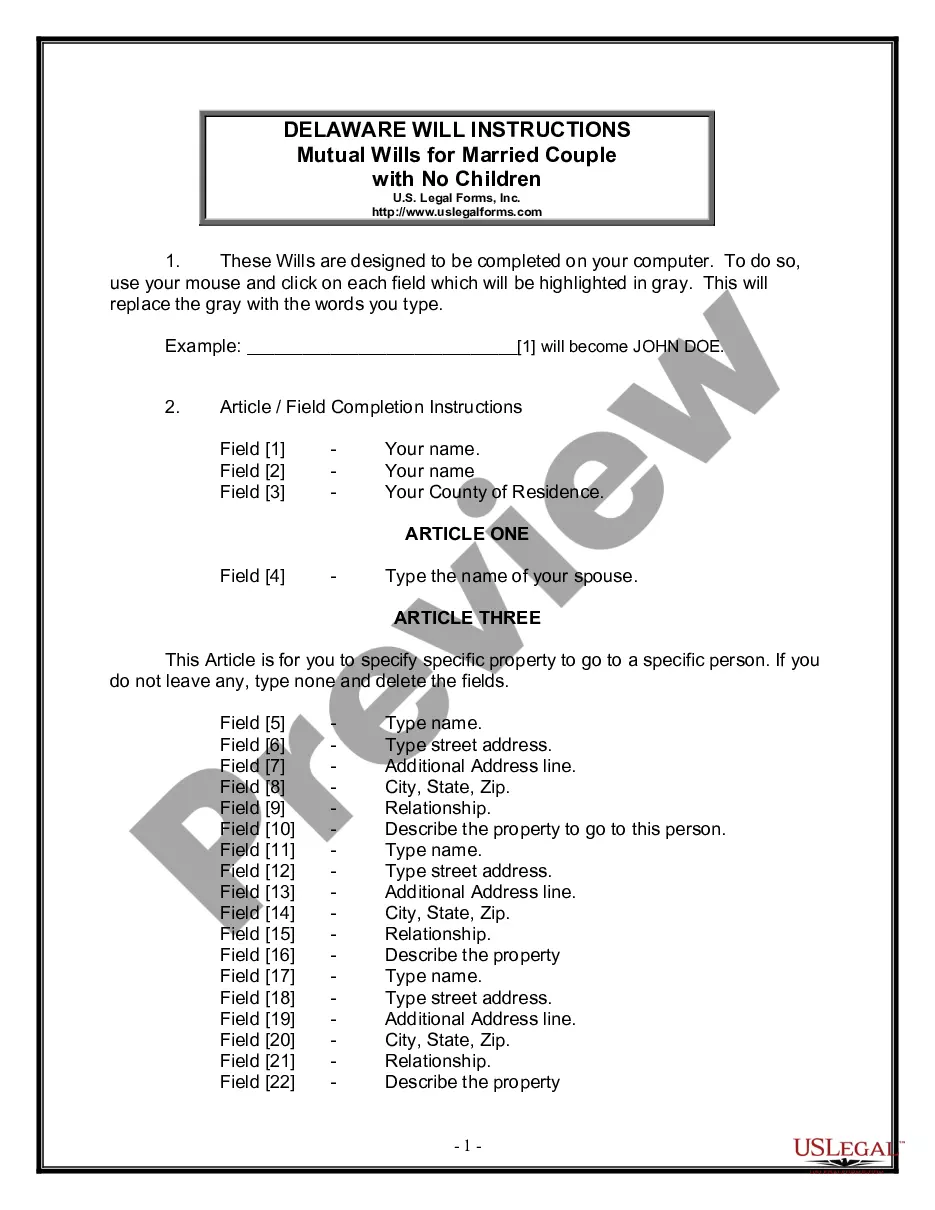
A legal document to specify how property will be divided after death, tailored for married individuals without children.
Not Married with Minor Children
Create a legally binding will to ensure your wishes are honored, especially for partners and minor children.
Not Married with No Children
Create legally binding wills to designate asset distribution and appoint personal representatives for unmarried couples without children.
Delaware Codicil to Will Form for Amending Your Will - Will Changes
Amend your existing will to reflect new changes or beneficiaries easily and effectively with this codicil.
For Other Persons
Plan your estate to ensure your wishes are honored after your passing, protecting your loved ones and property.
Pour-Over Will (to Trust)
Ensure all your assets go to your trust upon death with this essential estate planning document.
Codicil / Amendment — Testamentary Pet Trust
Easily amend your last will to provide for your pets' care and support through a trust, ensuring their needs are met after your passing.
Complex Will with Credit-Shelter Marital Trust
Create a comprehensive estate plan for large assets while minimizing tax liability and protecting beneficiaries.
Revocation of Will
Needed when you want to cancel all previous wills, ensuring your estate is managed according to your latest wishes.
Estate Planning Questionnaire and Worksheets
Gather essential information needed for effective estate planning to create a personalized plan for your future.
Life Estate Termination
Terminate a life estate interest in property, transferring ownership to the remainder interest holder.
With Minor Children
Protect your minor children's future by detailing guardianship and inheritance wishes in this essential legal document.
With Adult Children
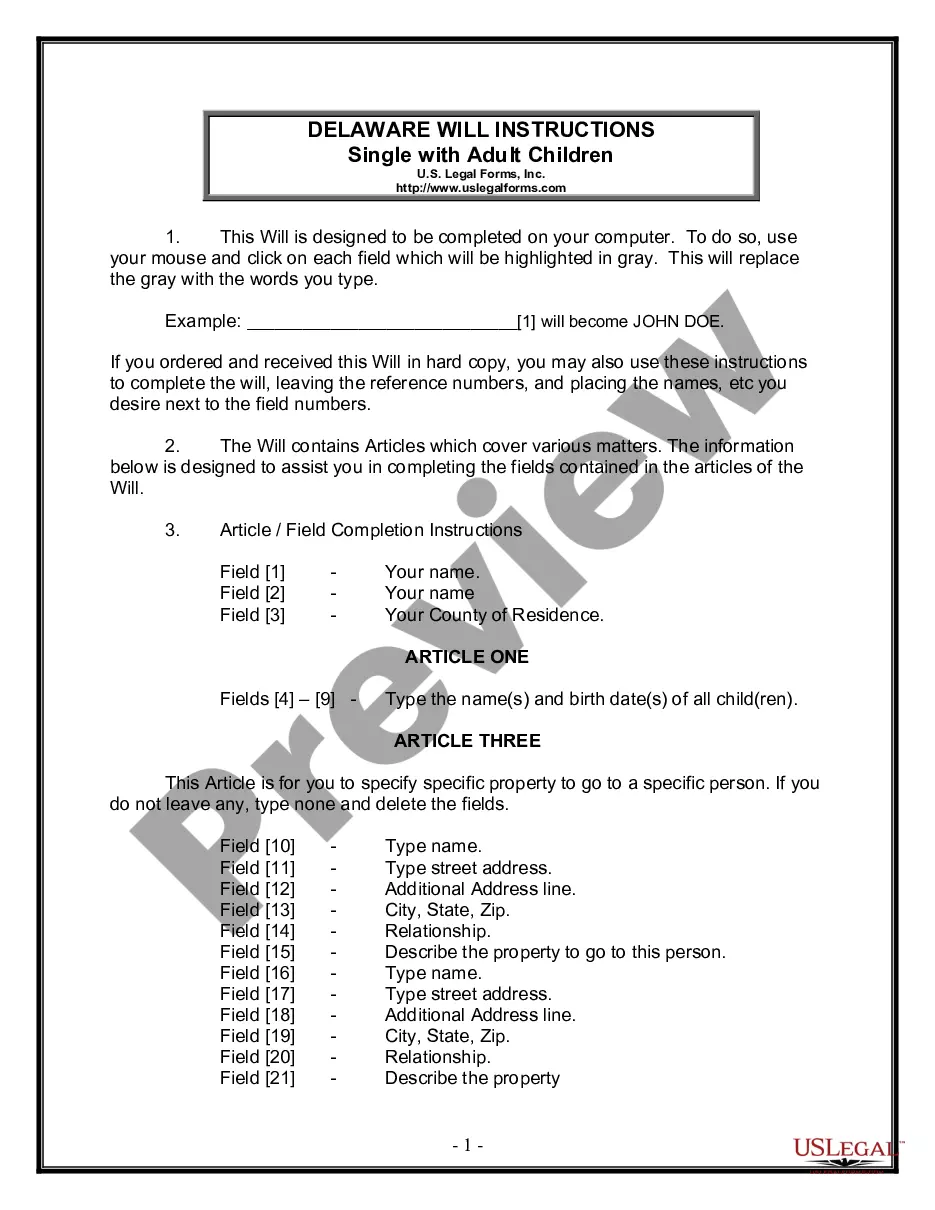
Create a legally binding document detailing your wishes for property distribution and guardianship for your adult children.
With Adult + Minor Children
Create a customized legal document to determine how your assets will be distributed after your death, especially important for single parents.
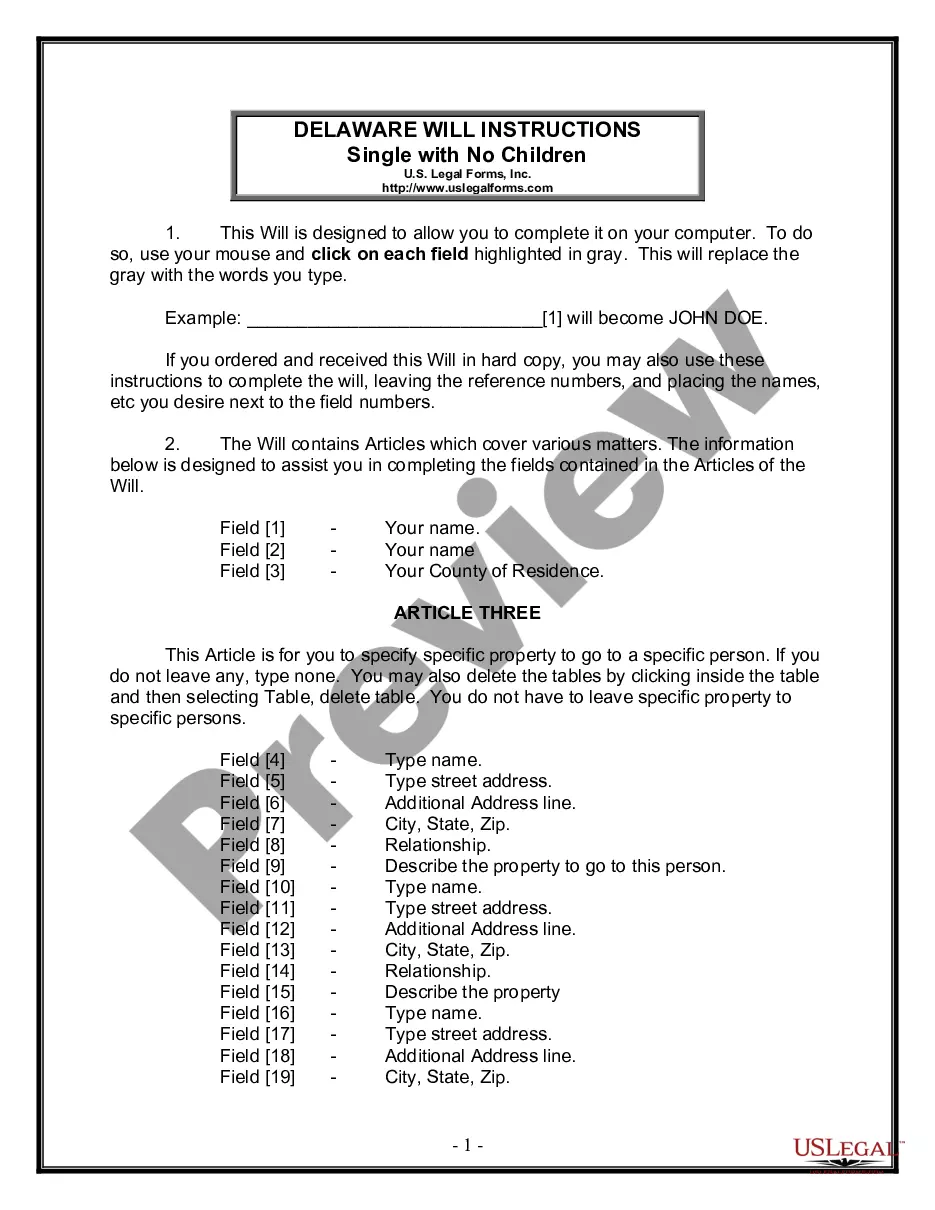
With No Children
Plan your estate and define asset distribution with this essential legal document for individuals without dependents.
With Minor Children
Create a comprehensive estate plan to ensure your minor children are cared for and your assets are distributed according to your wishes after your passing.
With Adult Children
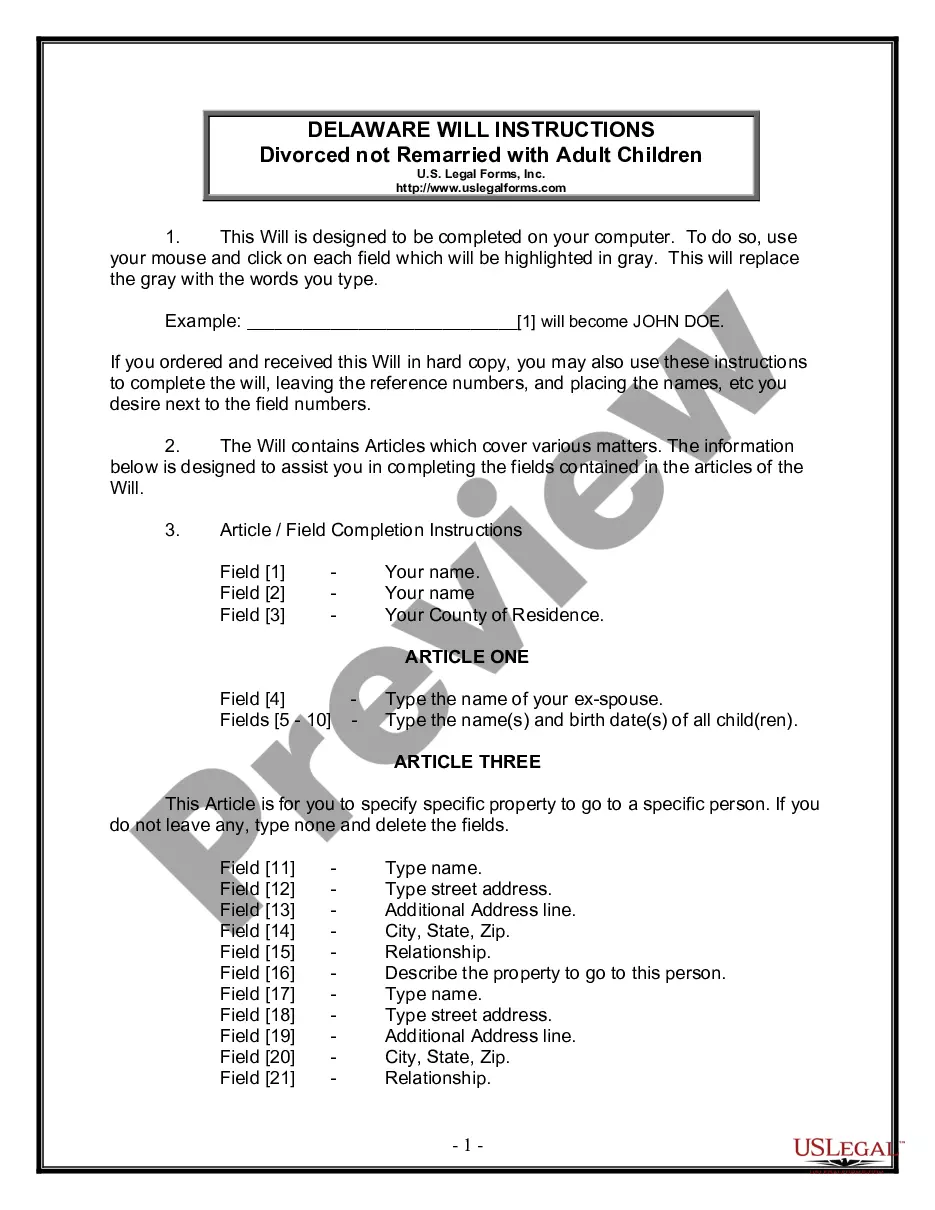
Create a will tailored for divorced individuals with adult children to specify asset distribution and personal wishes accurately.
With Adult + Minor Children
Create a comprehensive will that reflects your wishes as a divorced parent, addressing both minor and adult children.
With Blended Children
Create a legally binding will that addresses unique family dynamics after remarriage, ensuring clear asset distribution among new and existing children.
With No Children
Ensure your assets are distributed according to your wishes, especially when you're divorced and have no children.
With Minor Children
Prepare crucial legal provisions for your children and assets when you pass away.
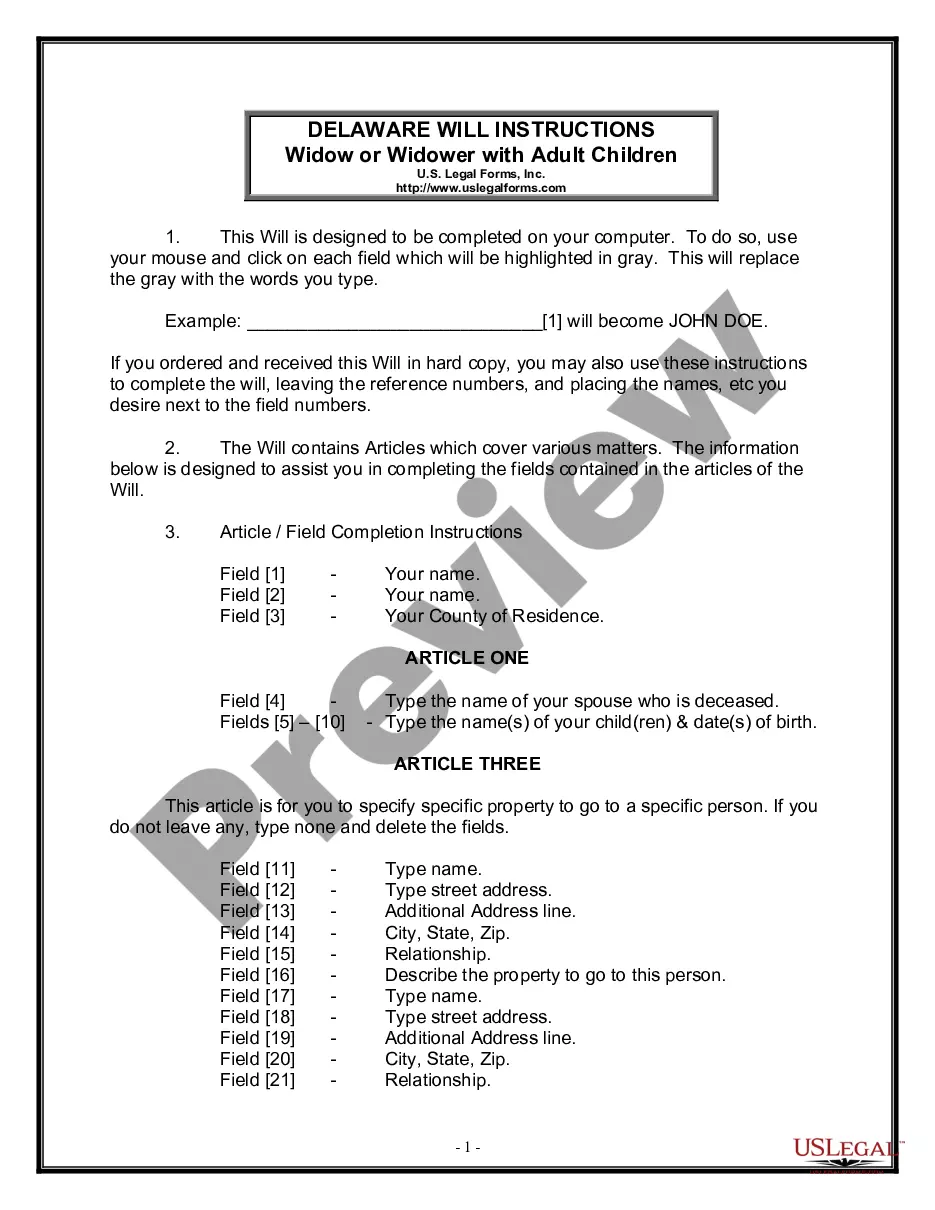
With Adult Children
Plan your estate and specify desired distributions to your adult children with a comprehensive legal document tailored for widows and widowers.
With Adult + Minor Children
Provide clear instructions for managing your estate and care for your children after your passing.
With No Children
Create a legally binding will to clearly outline your wishes for asset distribution after death, specifically for widows or widowers without children.
Common Delaware Last Will and Testament documents
- Simple Will — outlines basic asset distribution and beneficiary designations.
- Attested Will — requires witnesses to validate the document's authenticity.
- Self-Proving Will — includes affidavits to simplify the probate process.
- Pour-Over Will — transfers assets to a trust upon death.
- Mutual Will — created by two individuals, often spouses, to reflect shared wishes.
- Holographic Will — handwritten document, valid in many jurisdictions if signed.
- Statutory Will — follows a predetermined state template for ease of use.
FAQs
A trust may help manage assets during your lifetime and avoid probate.
Without a will, state laws dictate asset distribution, which may not align with your wishes.
It's wise to review your will after significant life changes, like marriage or children.
Beneficiary designations can supersede your will, so keep them updated.
Yes, you can designate separate individuals for financial and medical decisions in your documents.
Key legal points
- A Last Will and Testament can be modified or revoked at any time.
- Beneficiaries can be individuals or organizations, including charities.
- Witnesses are often required to validate the will.
- Probate is the process of validating a will in court.
- A will does not cover all assets, such as life insurance or retirement accounts.
- It's important to keep your will updated after major life changes.
- Digital assets may also need to be addressed in your will.
How to get started
Begin the process in just a few simple steps.
- Find a template or package that fits your situation.
- Review the description, preview, and signing requirements.
- Get full access with a subscription.
- Complete it in the online editor.
- Export or send: download, email, USPS mail, notarize online, or send for e-signature.
Practical tip
Consider starting with your will, then evaluate if a trust is needed.