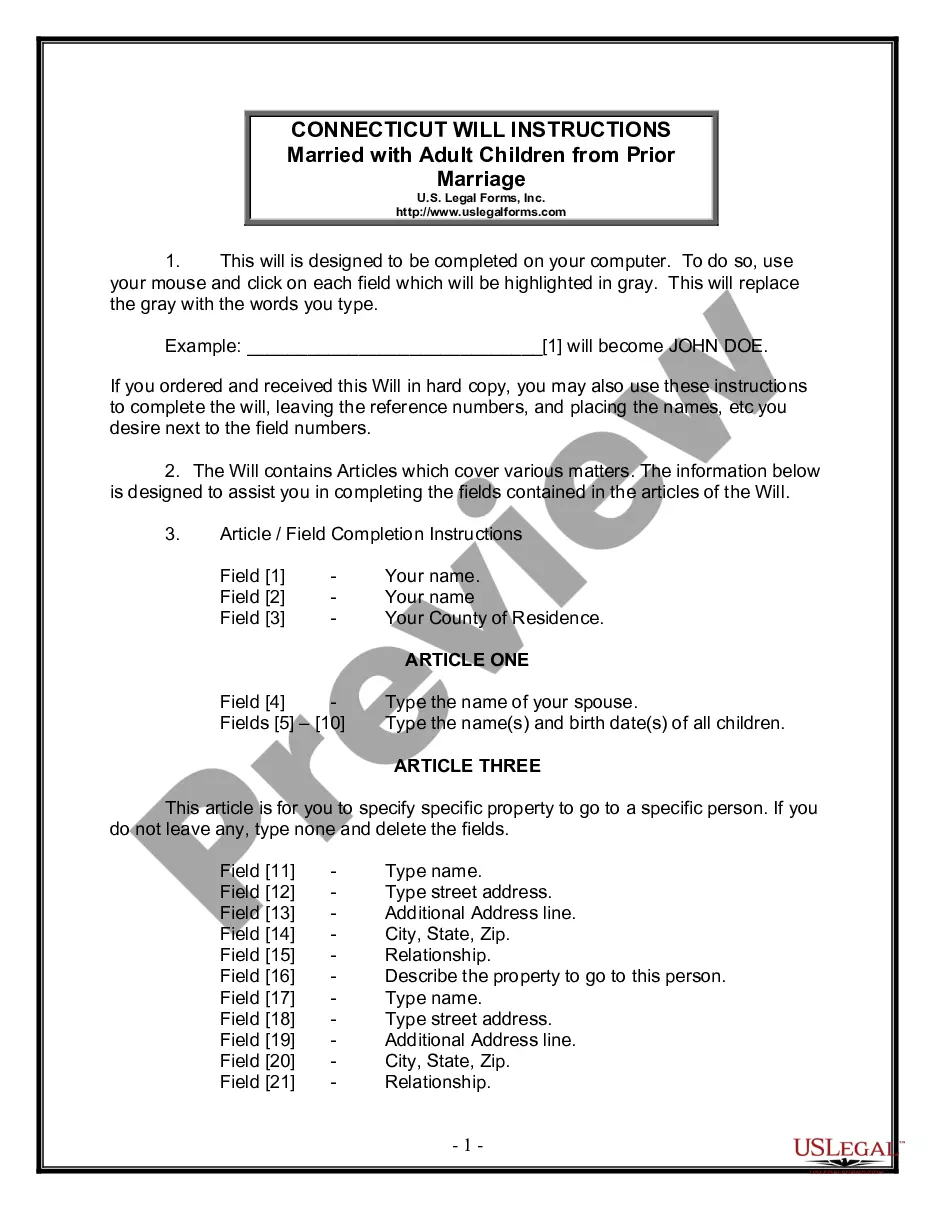
Connecticut Last Will and Testament
A Last Will and Testament outlines your wishes after passing. Attorney-drafted templates ensure a fast and straightforward process.

Life Planning Documents Package
PopularA comprehensive estate and life planning package - will, financial POA, healthcare POA, living will directive, guardian declaration, and personal planning worksheets.
Last Will & Testament Package
PopularA state-specific Last Will and Testament with supporting estate planning questionnaires and a personal document inventory and locator worksheet.
Similar documents: key differences
- Will vs. Trust — a will directs asset distribution, while a trust manages assets during life and after death.
- Testamentary Will vs. Living Will — a testamentary will comes into effect after death, while a living will outlines medical wishes during life.
- Holographic Will vs. Formal Will — a holographic will is handwritten; a formal will typically follows legal drafting standards.
- Mutual Will vs. Joint Will — mutual wills are separate but mirror each other's terms; joint wills are a single document for two parties.
Search for more forms
Types of Will forms
With Minor Children (Prior Marriage)
Create a legally binding will to designate guardianship and inheritance for minor children from a previous marriage.
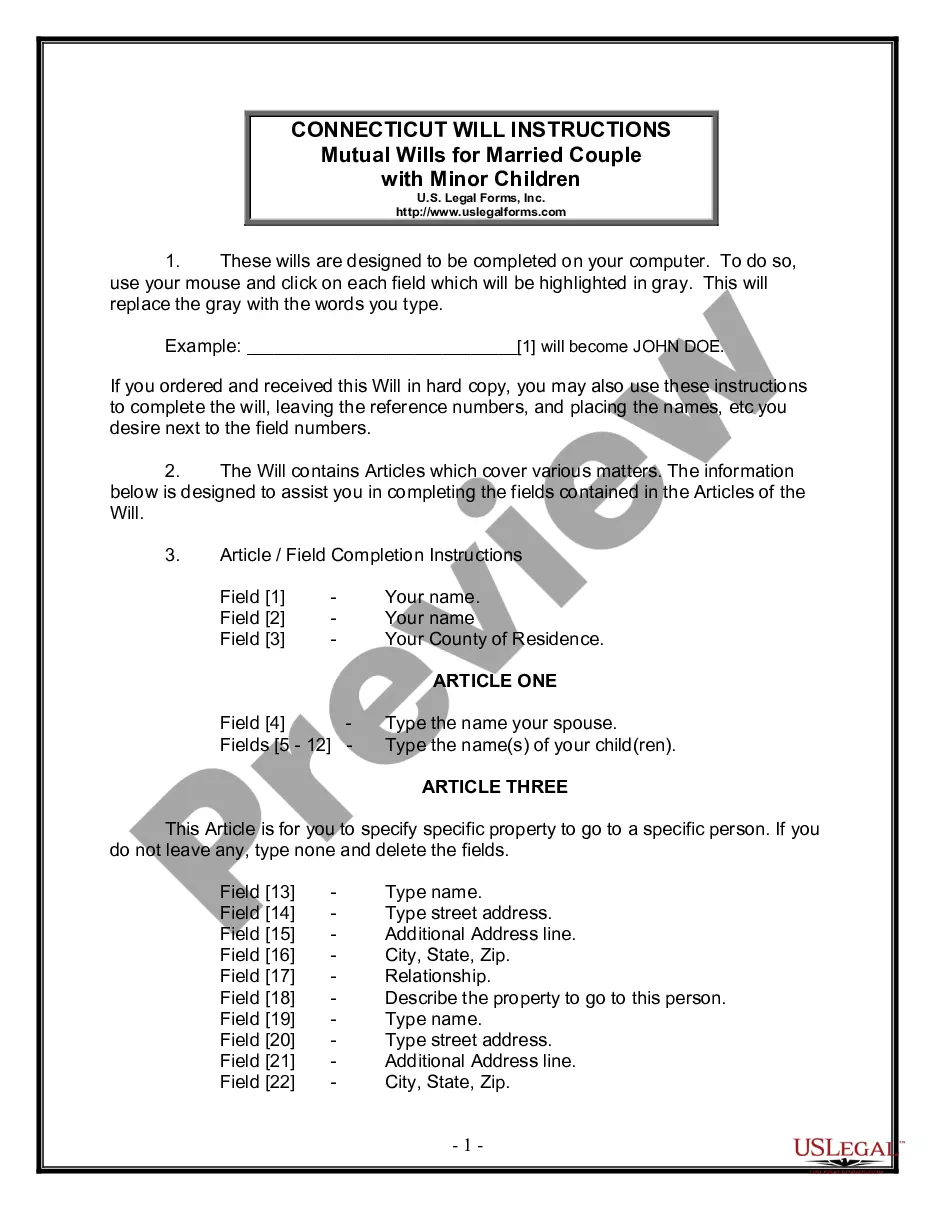
With Minor Children
Prepare a legally binding document to ensure your minor children's care and inheritance preferences are honored after your passing.
With Adult Children
Ensure your wishes are fulfilled regarding your estate and support your loved ones after your passing.
With Adult Children (Prior Marriage)
Ensure your assets are properly distributed to your spouse and adult children from a prior marriage with this comprehensive legal document.
With Adult + Minor Children
Ensure your wishes are honored by outlining your estate distribution and guardianship for your children.
With Adult + Minor Children (Prior Marriage)
Ensure your wishes are honored for your spouse and children in blended families with this tailored estate planning document.
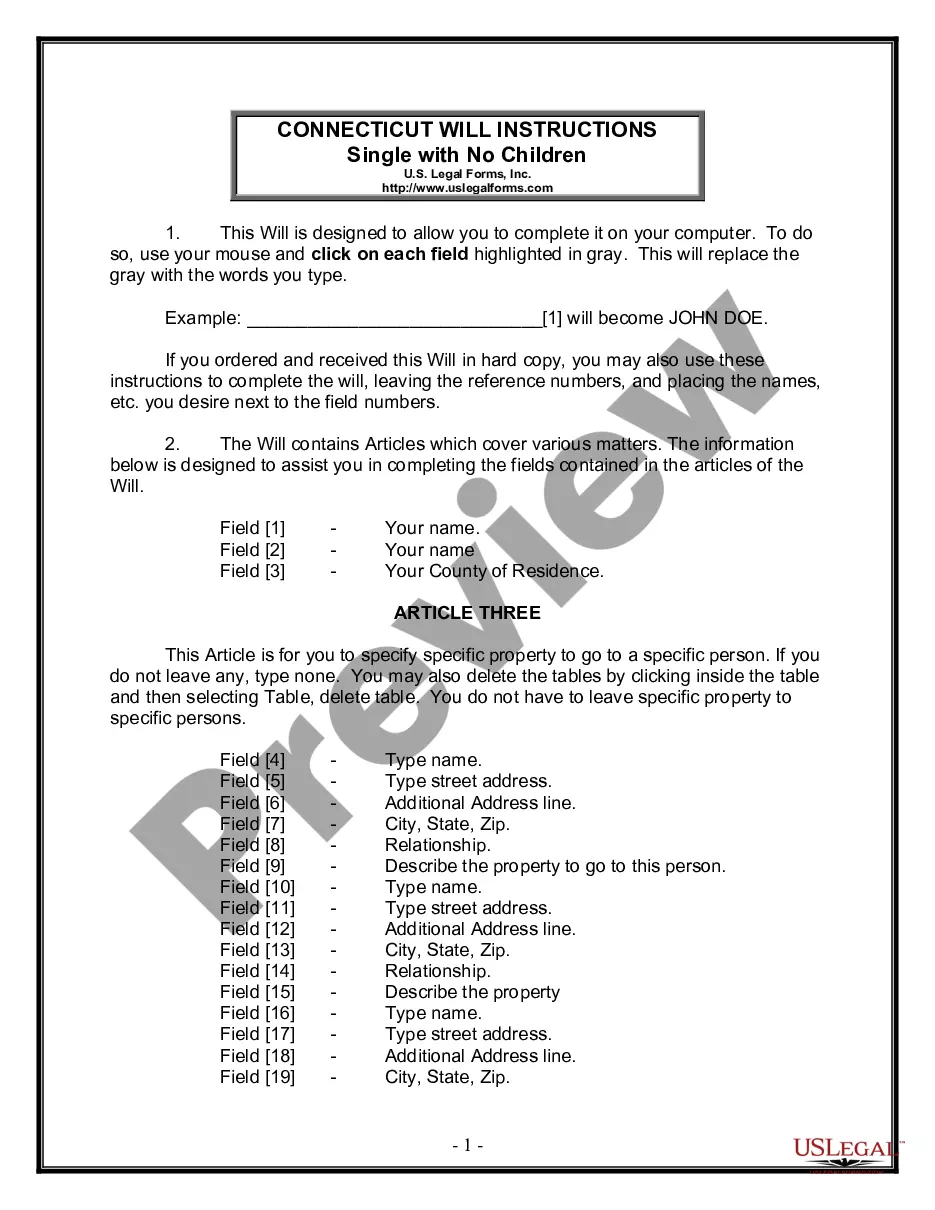
With No Children
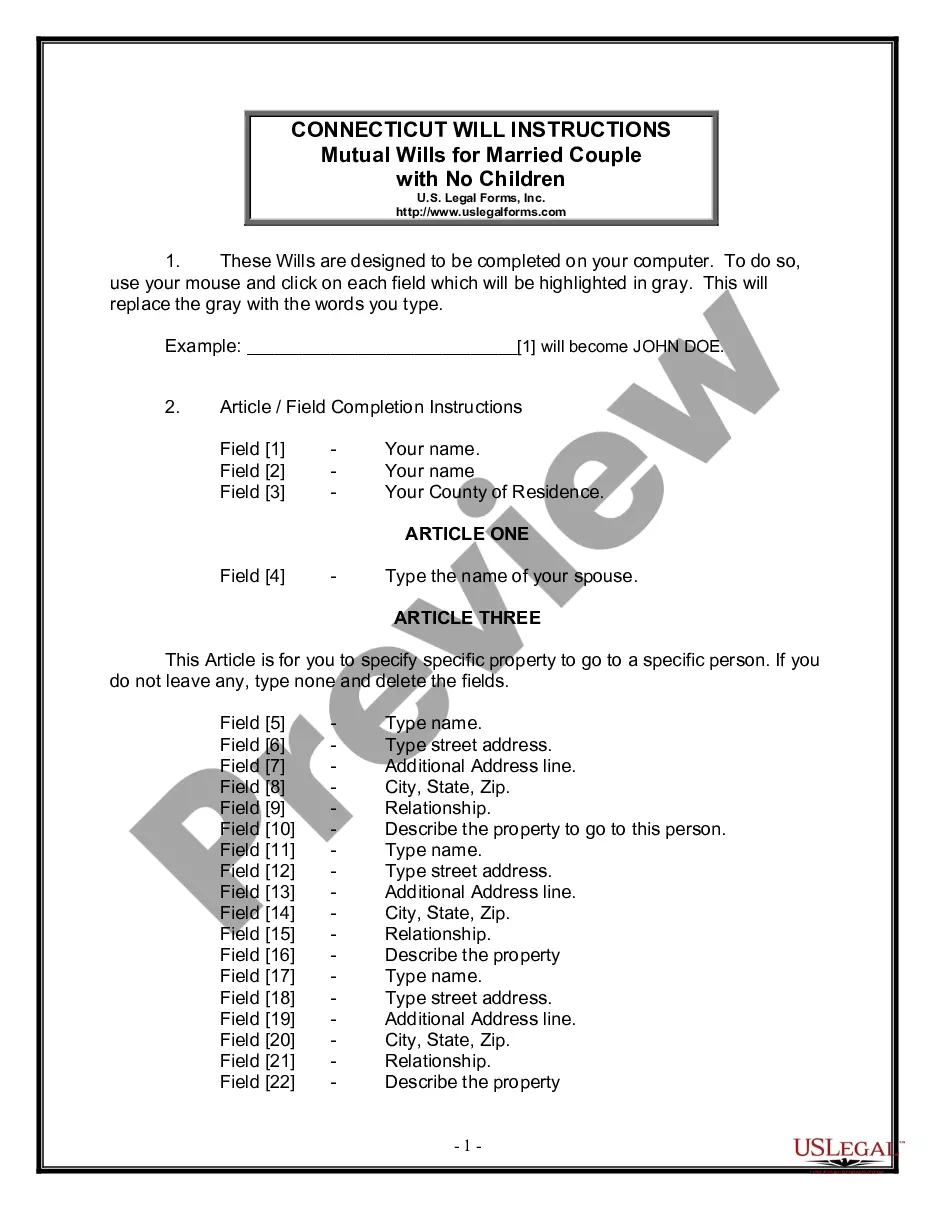
Create a legal document to outline how you want your assets distributed after you pass, simplifying estate management for your spouse.
Married Person's Will with Credit-Shelter Trust
Create a detailed will tailored for married individuals with children, featuring provisions for trusts and guardianship.
Not Married with Minor Children
Ensure your wishes are documented for your partner and minor children with this important legal tool.
Not Married with No Children
Secure your wishes with tailored last will documents for partners who aren't married and have no children.
For Civil Union Partner with Minor Children
Ensure your partner and minor children are cared for after your death by specifying your wishes.
For Civil Union Partner with Minor Children from Prior Marriage
Create a legally binding will that addresses your civil union partnership and outlines guardianship for minor children from a prior marriage.
For Civil Union Partner with Adult Children
Create a legally binding will to define asset distribution for civil union partners with adult children, ensuring your loved ones are cared for after your passing.
For Civil Union Partner with Adult Children from Prior Marriage
Ensure your wishes are met with a legal document tailored for a civil union partner and adult children from previous marriages.
For Civil Union Partner with Adult + Minor Children
Ensure your partner and children are provided for after your passing with a comprehensive estate plan.
For Civil Union Partner with Adult + Minor Children from Prior Marriage
Plan for your family’s future with a legally binding document tailored for civil union partners and children from previous marriages.
For a Civil Union Partner with No Children
Secure your wishes for your civil union partnership without children, ensuring your assets are distributed as intended.
Codicil / Amendment (General)
Use this document to amend your existing will, making changes to beneficiaries or trustee appointments as needed.
For Other Persons
Create a legally binding document to specify how your assets will be distributed after your death, crucial for ensuring your wishes are honored.
Pour-Over Will (to Trust)
Ensure all your assets are managed according to your wishes with this essential document for anyone with a living trust.
With Minor Children
Create a legally binding will to designate guardianship and manage your estate for your minor children.
With Adult Children
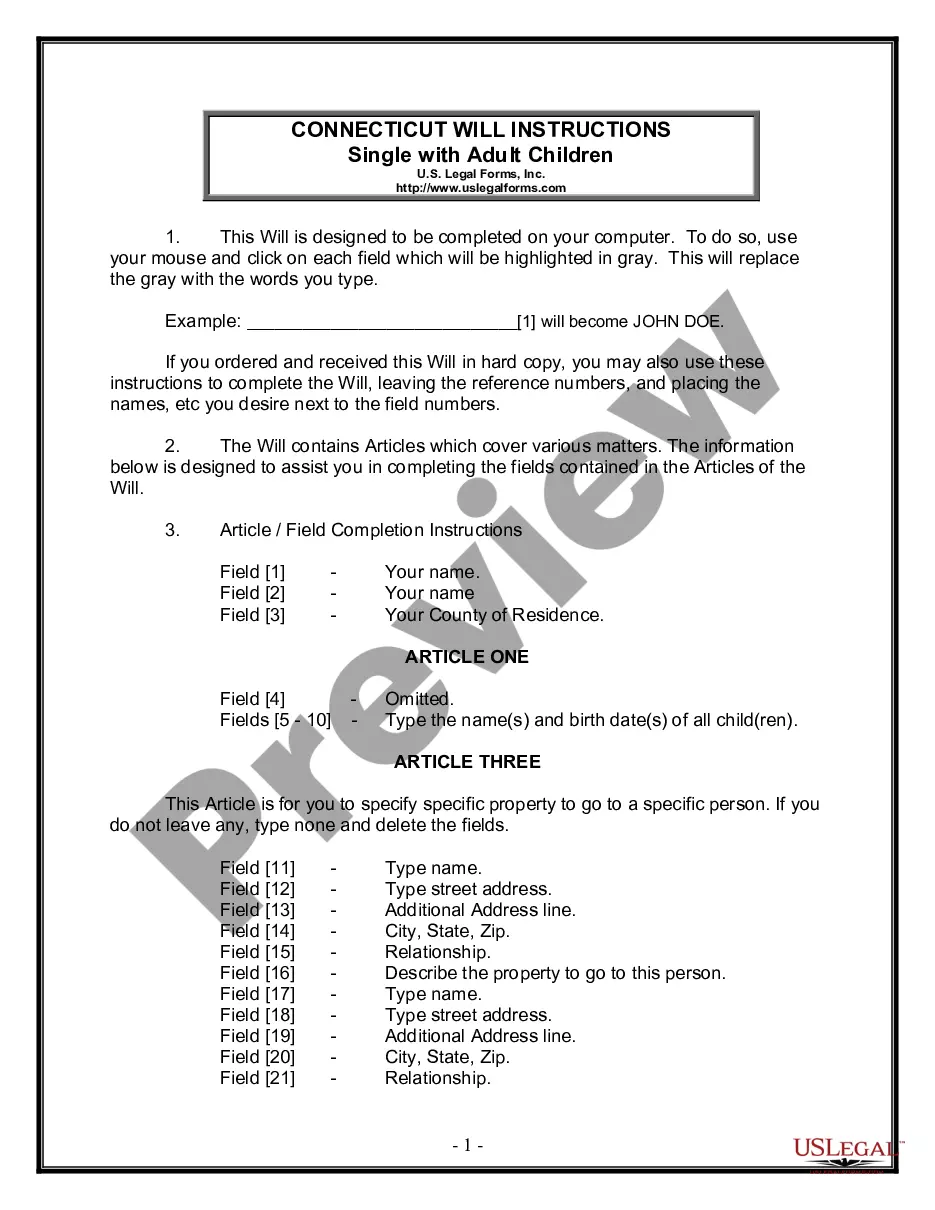
Create a personalized will to specify how your assets will be distributed to your adult children after your passing.
With Adult + Minor Children
Prepare a detailed estate plan that ensures your property is distributed according to your wishes, safeguarding both minor and adult children.
With No Children
Protect your wishes after death by detailing how your assets will be distributed.
With Minor Children
Plan your estate and guardianship for minor children after divorce with this essential legal document.
With Adult Children
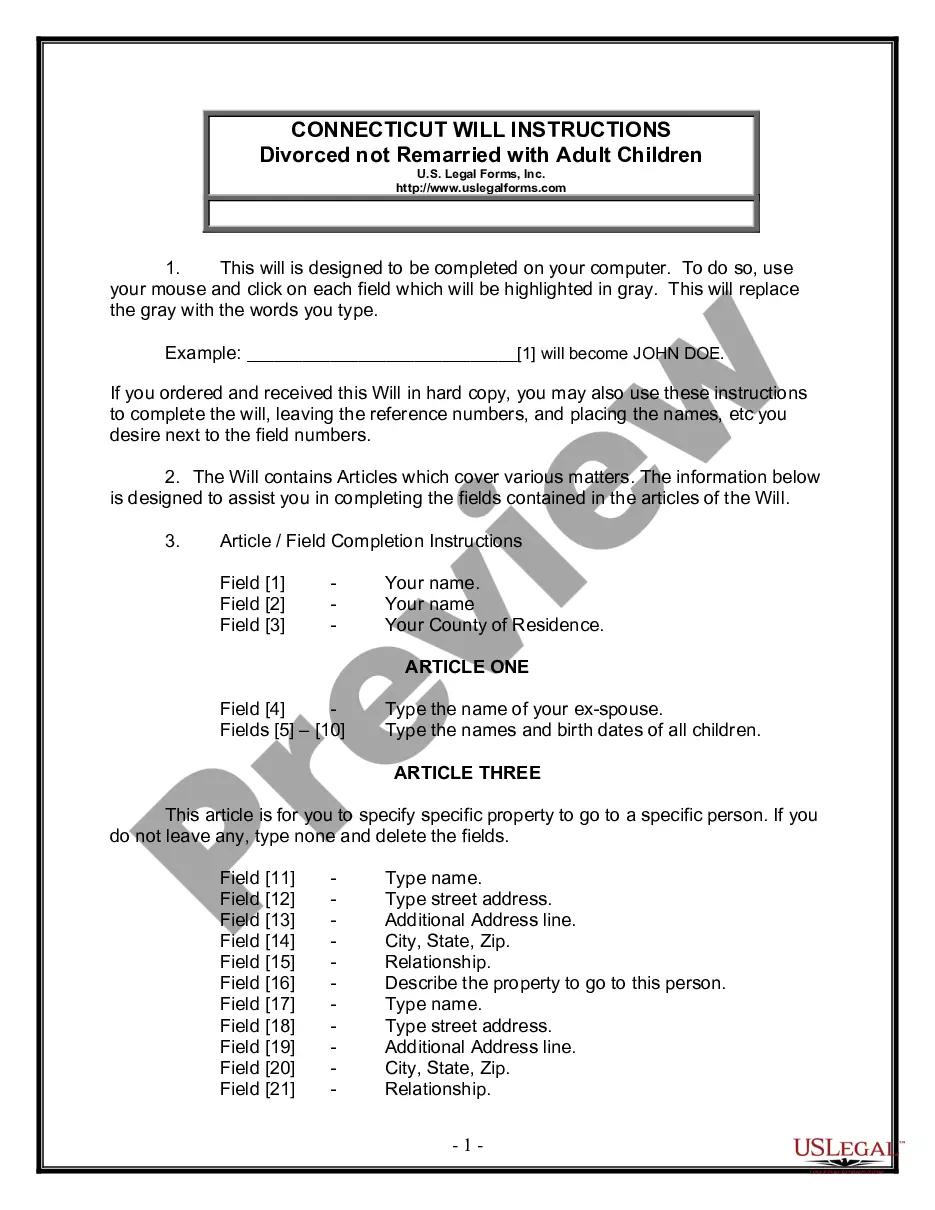
Create a personalized will to outline your wishes for property distribution, especially important for divorced individuals with adult children.
With Adult + Minor Children
Create a legal document to specify asset distribution after divorce, addressing both adult and minor children.
With Blended Children
Designed for individuals with children from multiple marriages, this will ensures your estate is distributed according to your wishes.
With No Children
Create a personalized will to dictate how your assets are distributed after death, tailored for those who are divorced and have no children.
With Minor Children
Create a legally binding will that addresses your wishes for your minor children and estate after your death.
With Adult Children
Create a comprehensive estate plan that distributes your assets and specifies your personal representative after your passing.
With Adult + Minor Children
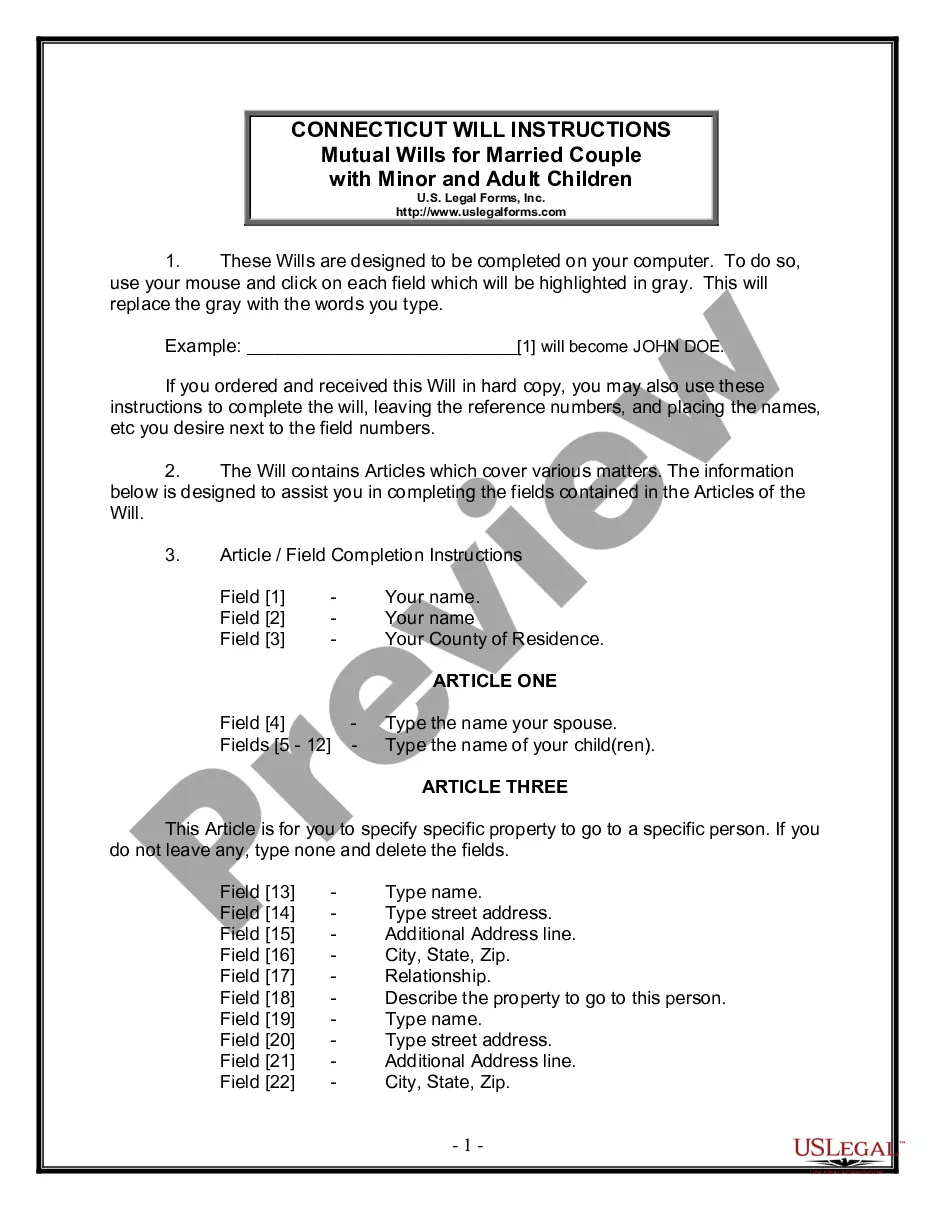
Create a legally binding will to ensure your wishes for your estate and children are honored after your passing.
With No Children
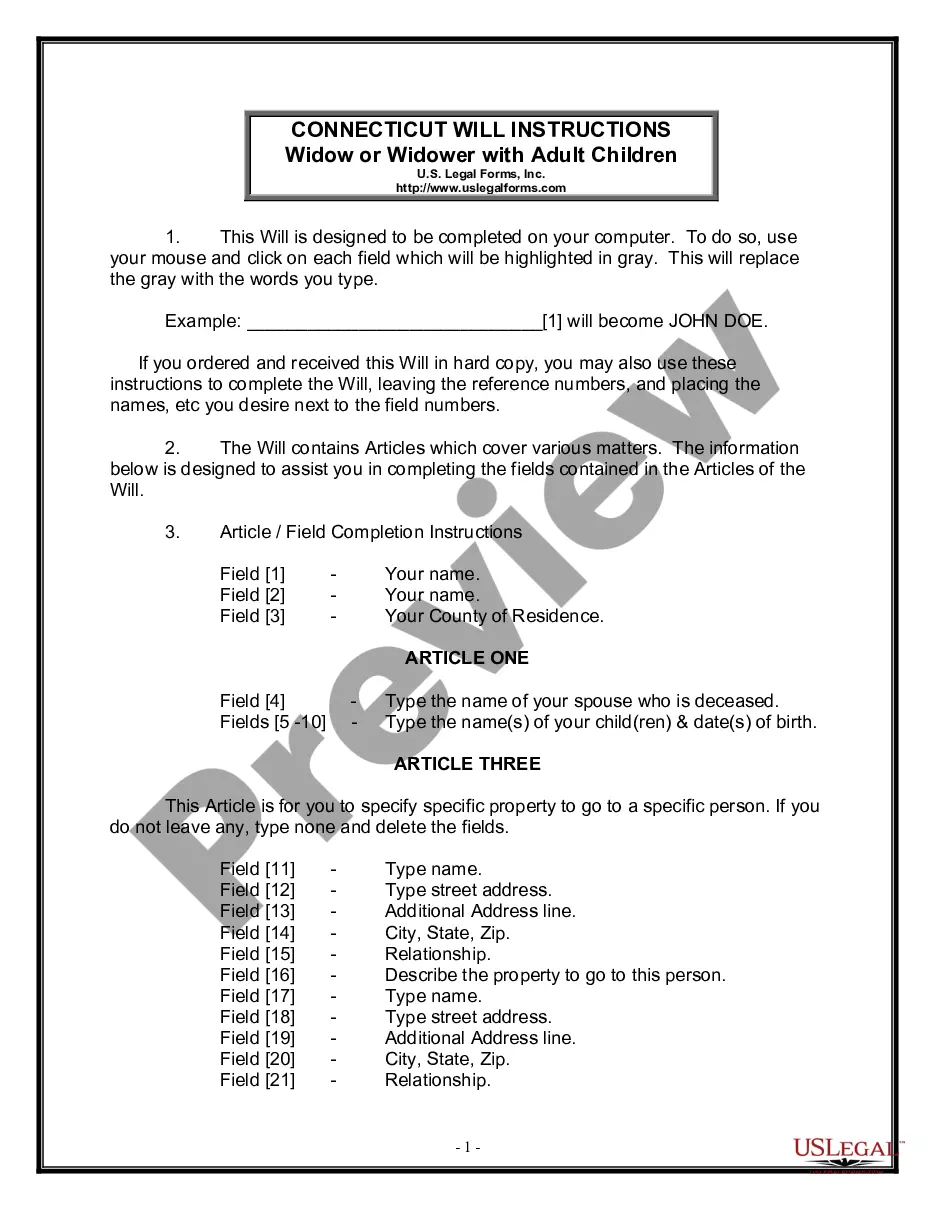
Create a legally binding document designating property distribution for a widow or widower without children.
Common Connecticut Last Will and Testament documents
- Simple Will — a basic document to distribute assets and appoint guardians.
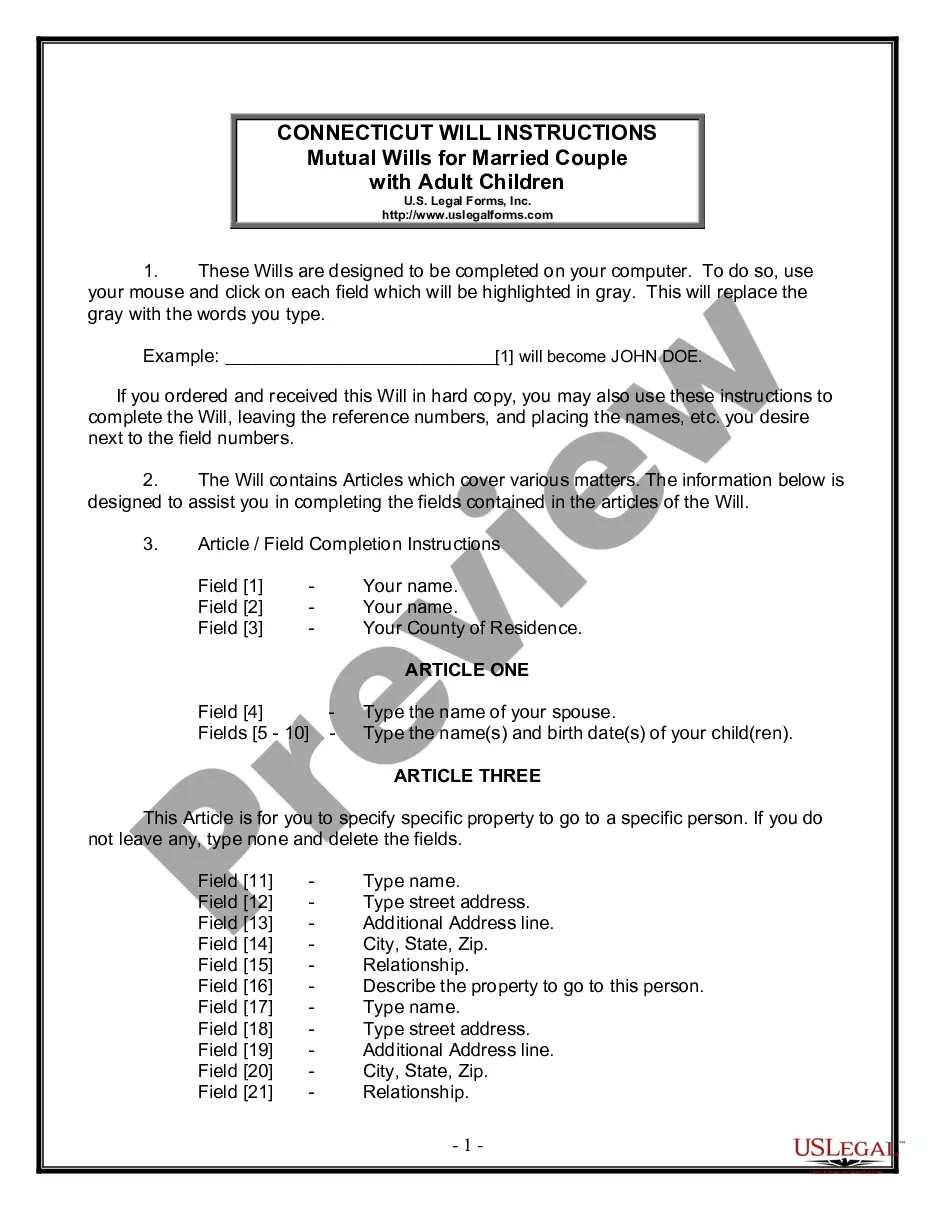
- Mutual Will — a joint will created by two individuals to protect shared wishes.
- Pour-Over Will — a will that transfers assets into a trust upon death.
- Holographic Will — a handwritten will that may not require witnesses.
- Self-Proving Will — a will that includes notarization to streamline probate.
FAQs
A trust may offer benefits such as avoiding probate, which a will does not.
Without a will, state laws determine how your assets will be distributed.
Review your will regularly, especially after major life changes.
Beneficiary designations override will instructions for assets like life insurance.
Yes, you can appoint separate individuals for financial and medical decisions.
Key legal points
- A Last Will and Testament takes effect after your death.
- Wills can name guardians for minor children.
- Witnesses may be required for validity.
- Wills can be contested in probate court.
- Assets distributed by a will may go through probate.
How to get started
Begin the process easily with these steps.
- Find a template or package that fits your situation.
- Review the description, preview, and signing requirements.
- Get full access with a subscription.
- Complete it in the online editor.
- Export or send: download, email, USPS mail, notarize online, or send for e-signature.
Practical tip
Consider whether a will or trust better meets your needs for asset management.